Overview
St Pius X College Chatswood is a Catholic, independent day school for boys that emphasises faith, scholarship and character within a close-knit community. The college aims to balance rigorous academics with strong pastoral care, sport, and the arts, helping students grow into responsible, confident young men.
Size and feel: a medium-sized school with class sizes typically in the low 20s, fostering a supportive, collaborative atmosphere. The culture blends high academic expectations with warmth, inclusivity and a strong sense of school pride.
Academics & Learning
- Academic strengths: English, Mathematics and Science, with a well-regarded emphasis on leadership development, languages and ICT/technology education.
- Special programs: opportunities for gifted and talented pathways, accelerated learning options, and formal leadership programs (e.g., student councils, public speaking and debate):
- Support for diverse learners: dedicated EAL support, targeted learning support and inclusive education practices to assist students with diverse learning needs.
- Sports offered: rugby, cricket, basketball, soccer, swimming and athletics, with opportunities to represent the school in inter-school competitions.
- Strong teams or achievements: competitive school teams with a history of strong performances in major inter-school events; emphasis on teamwork, discipline and improvement.
- Music, arts, drama: active music ensembles, choirs and drama productions; regular opportunities to perform in school events and public showcases.
- Clubs: robotics, chess, coding, debating and other STEM/academic clubs to extend learning beyond the classroom.
- Partnerships: connections with local clubs and competitions to broaden exposure (e.g., inter-school leagues and regional events).
Wellbeing & Pastoral Care
- Anti-bullying approach: clear policies, restorative practices and ongoing wellbeing education to promote a respectful school climate.
- House system: house-based activities and competitions to foster belonging, friendship and healthy rivalry.
- Counsellors / wellbeing officers: dedicated staff supporting mental health, transition, and personal development.
- Transition support for new students: orientation programs, buddy systems and parent information sessions to ease entry and integration.
Facilities
- Sports grounds: well-maintained playing fields and courts for a range of sports.
- Libraries: resource-rich libraries with study spaces and digital access.
- Science labs: modern laboratories for practical science work.
- Music/performing arts centers: dedicated spaces for ensembles, theatre and productions.
- Tech/innovation labs: contemporary ICT and STEM facilities to support digital learning and hands-on projects.
- Cafeteria: on-site canteen offering healthy meal options.
- Updated playgrounds: well-maintained outdoor spaces for recreation and break times.
- School values / mission: emphasis on faith, integrity, service, respect and teamwork; character development alongside academic achievement.
- Leadership style: collaborative and student-inclusive, with opportunities for student leadership and voice within school governance.
- Behaviour expectations: clear behavioural code aligned with pastoral care and restorative practices.
- Community reputation: supportive, family-oriented community with active involvement from parents and extended families.
- Diversity & inclusion: inclusive environment that welcomes students from diverse backgrounds and supports EAL learners.
School Logistics & Daily Operations
- School hours: typical day starts in the morning with assemblies and classes, finishing in the mid-to-late afternoon.
- Before/after school care: available options to accommodate working families.
- Uniform requirements: formal school uniform for daily wear; separate sports uniform for physical activity days.
- Transport (train/bus routes): public transport access via nearby rail and bus routes; school-run transport options may be available or arranged.
- Canteen availability: on-site canteen providing a range of healthy options.
- Fees (low/medium/high ranges): fees fall in the mid-to-upper range for NSW private Catholic schools; exact figures are announced annually.
Enrolment & Admissions
- What is the enrolment process and timeline?
- Prospective families typically complete an application form and submit required documentation (birth certificate, immunisation history, academic records).
- Shortlisting and interviews or assessments are commonly part of the process, followed by offers of place if a vacancy exists.
- Once an offer is made, families confirm enrolment, complete any necessary paperwork, and arrange a start date and fees.
- Is there a waiting list, and how does it work?
- When places are limited, a waiting list may operate. Applicants are notified if a place becomes available and offers may be made in order of priority, with applicable considerations (e.g., sibling policy, established catchments).
- Are there any entry requirements, tests, or interviews?
- Entry often involves an interview and may include an assessments component or tasks to gauge readiness and fit with the school’s program. Documentation and references may be requested as part of the process.
- Does the school accept mid-year transfers?
- Mid-year transfers are considered subject to vacancies and alignment with the current cohort schedule; spaces and transitions are assessed on a case-by-case basis with appropriate paperwork and transition planning.
Frequently Ask Questions
- Why Parents Choose This School?
- Families choose SPX Chatswood for its strong Catholic values, solid academics, supportive pastoral care, and broad co-curricular opportunities that help boys develop holistically.
- What type of student thrives at this school?
- Motivated, respectful, curious students who engage in both studies and sport/arts, value community, and contribute to school life.
- What opportunities are available for students to extend their skills (academics, sports, arts)?
- Academic extensions and leadership programs; competitive sports; music ensembles; drama productions; robotics, coding and debating clubs; inter-school competitions.
- How does the school communicate with parents?
- Regular newsletters, a parent portal/app, scheduled parent-teacher evenings, and timely communications about events and student progress.
- What is the school’s approach to teaching and learning?
- How does the school support students who need extra academic help?
- Targeted learning support, EAL assistance, access to literacy/numeracy interventions, tutoring options and referrals to specialists as needed.
- What support is available for academic challenges?
- Early identification, coordinated support plans, and collaboration among teachers, families and support staff to help students improve.
- How does the school communicate with parents?
- See above: regular updates, portals, and events to keep families informed about progress and opportunities.
- What extracurricular and sports opportunities are available?
- A broad range of sports (rugby, cricket, basketball, soccer, swimming, athletics), theatre and music programs, and clubs like robotics, chess, coding and debating.
- What facilities does the school offer (sports, science, arts)?
- Comprehensive facilities including sports grounds, libraries, science laboratories, music/performing arts spaces, and tech/innovation labs, plus a cafeteria and well-maintained outdoor spaces.
- What is the school’s approach to technology and digital learning?
- Integrated technology across the curriculum, access to ICT resources and digital learning tools to support modern teaching and independent study.
- What transport and accessibility options are available?
- Access via nearby rail and bus networks; school arrangements may provide transport options and convenient drop-off/pick-up arrangements.
- What are typical school fees or additional costs?
- Fees fall in the mid-to-upper range for NSW private Catholic schools; additional costs may apply for camps, excursions, and elective activities.
Short Pros & Cons list
- Strong Catholic values and character education
- Solid academic program with opportunities for extension
- Broad co-curricular offerings (sport, music, arts, clubs)
- Supportive wellbeing and pastoral care
- Fees are in the higher range for NSW schools
- Transport logistics may require planning for families outside the immediate area
- Competitive environment can be demanding for some students

 $95+
$95+











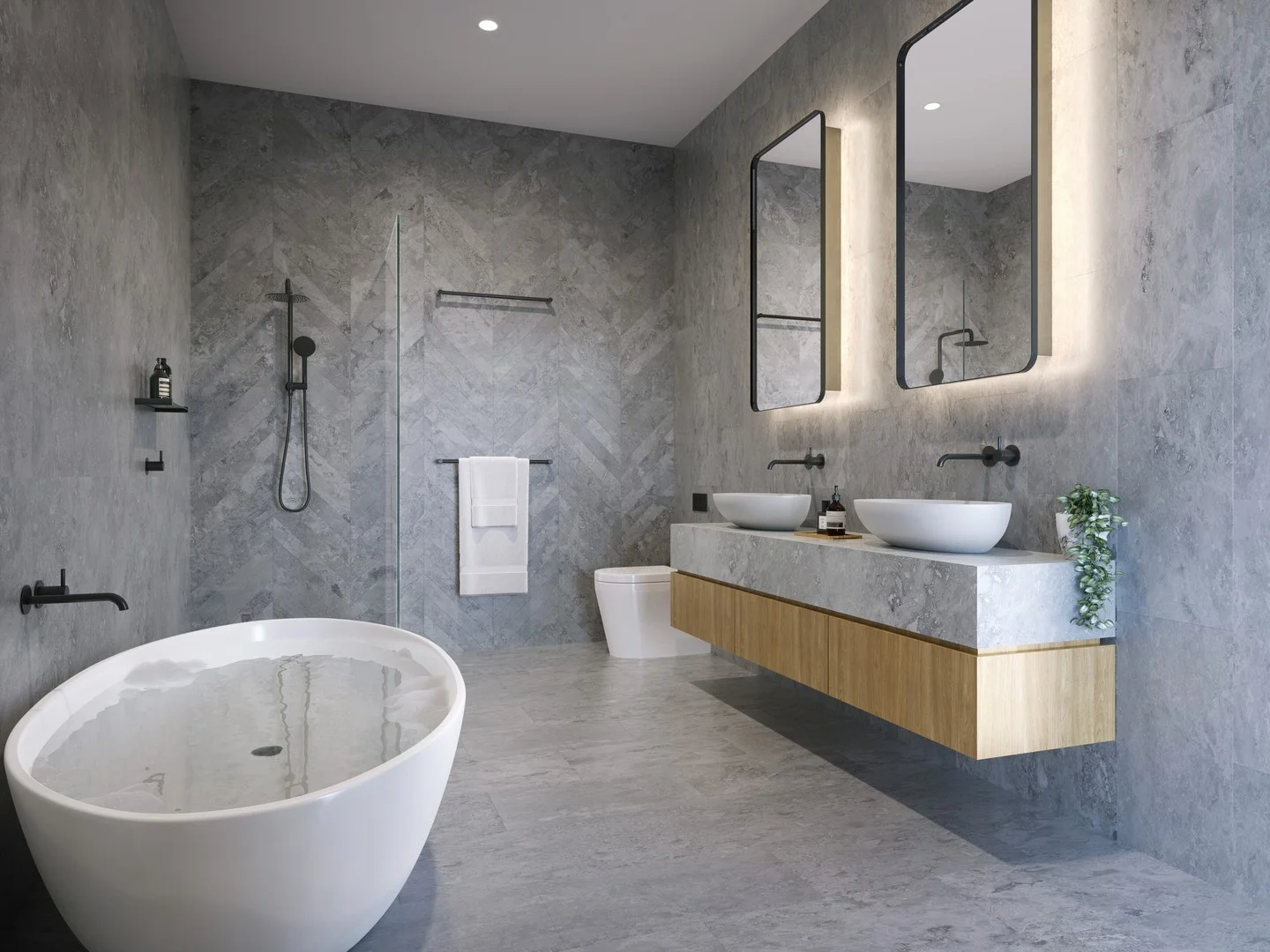 $2,824,000
Apartment / Unit / Flat
$2,824,000
Apartment / Unit / Flat
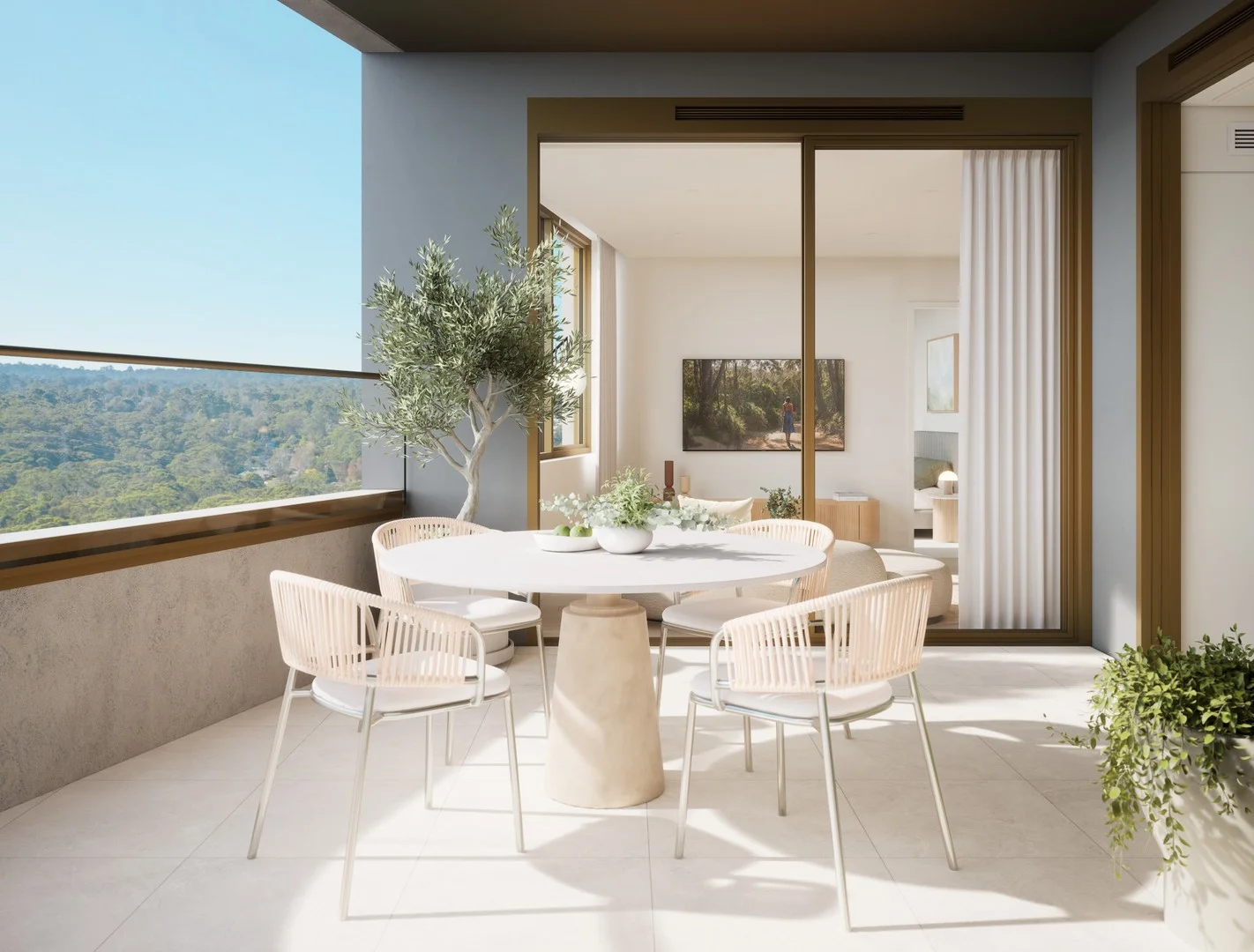 $1,525,000
Apartment / Unit / Flat
$1,525,000
Apartment / Unit / Flat
 $36,000,000 - $39,500,000
Vacant Land
$36,000,000 - $39,500,000
Vacant Land
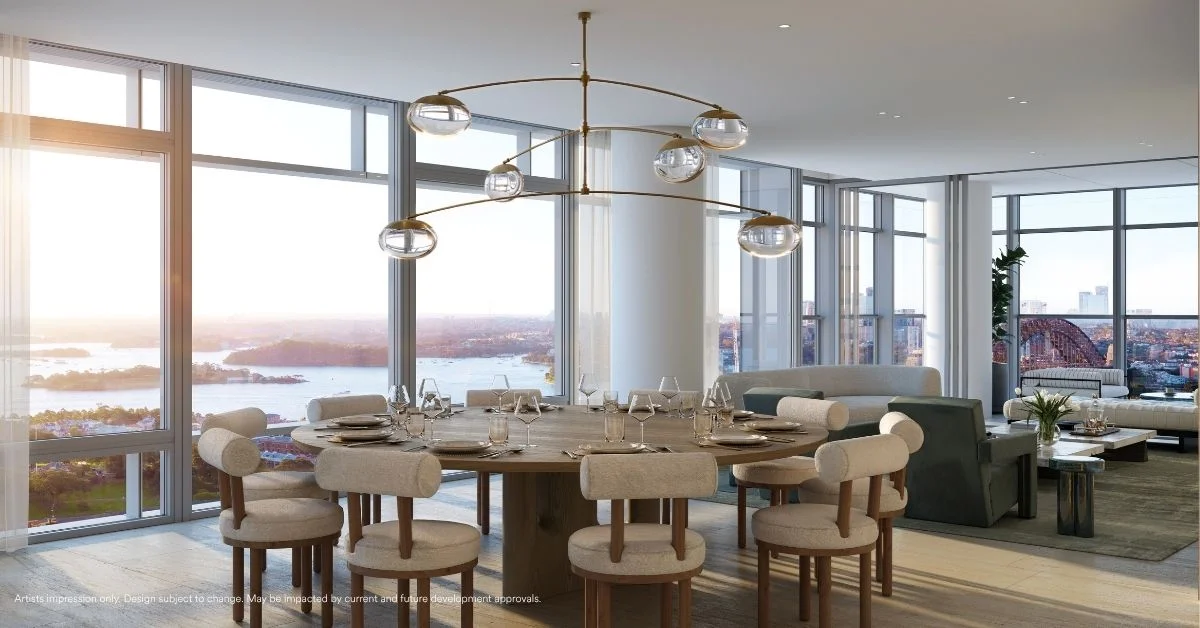 $26,550,000
propertyType.NEW APARTMENTS / OFF THE PLAN
$26,550,000
propertyType.NEW APARTMENTS / OFF THE PLAN
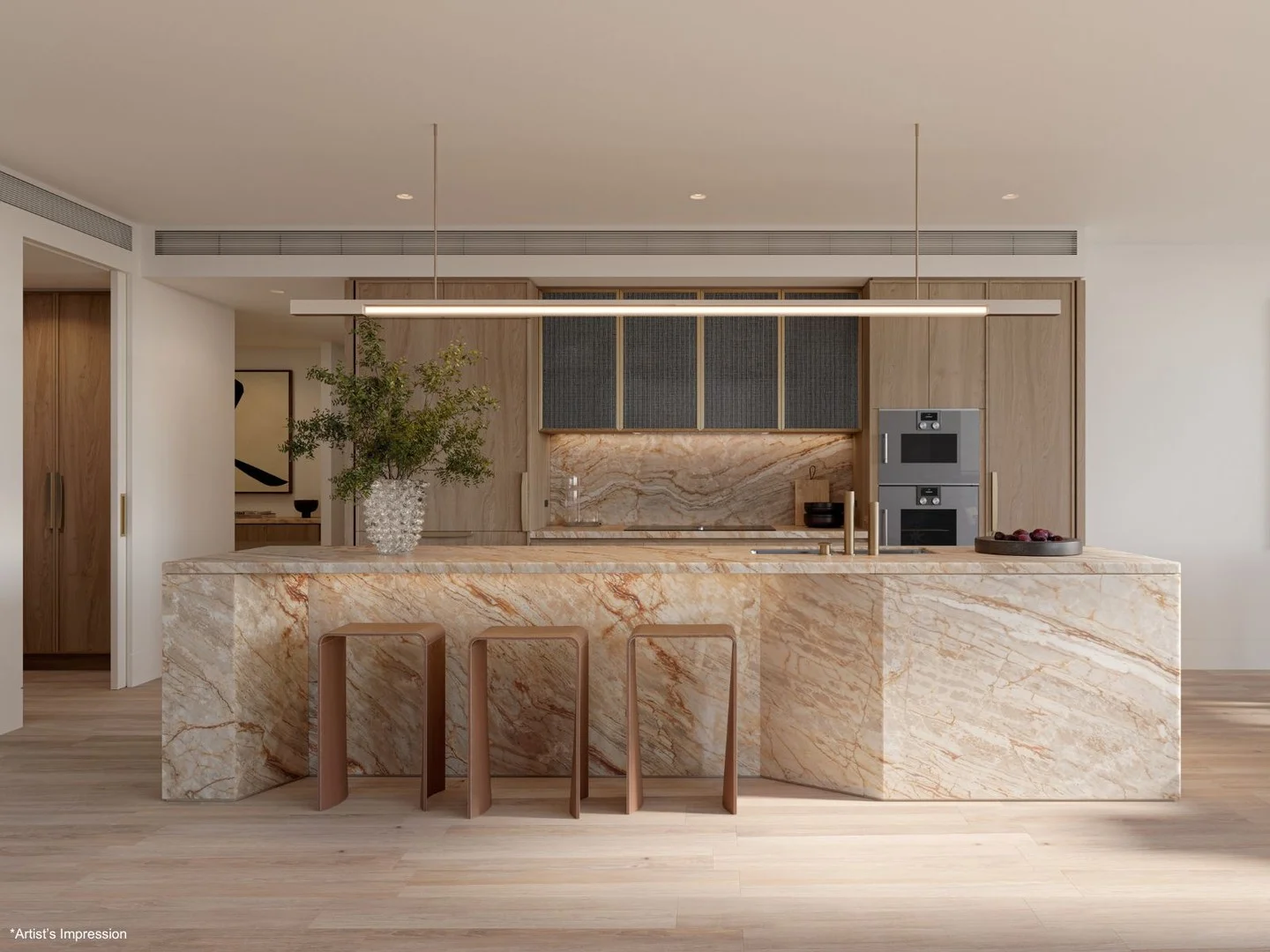 $6,225,000
propertyType.NEW APARTMENTS / OFF THE PLAN
$6,225,000
propertyType.NEW APARTMENTS / OFF THE PLAN
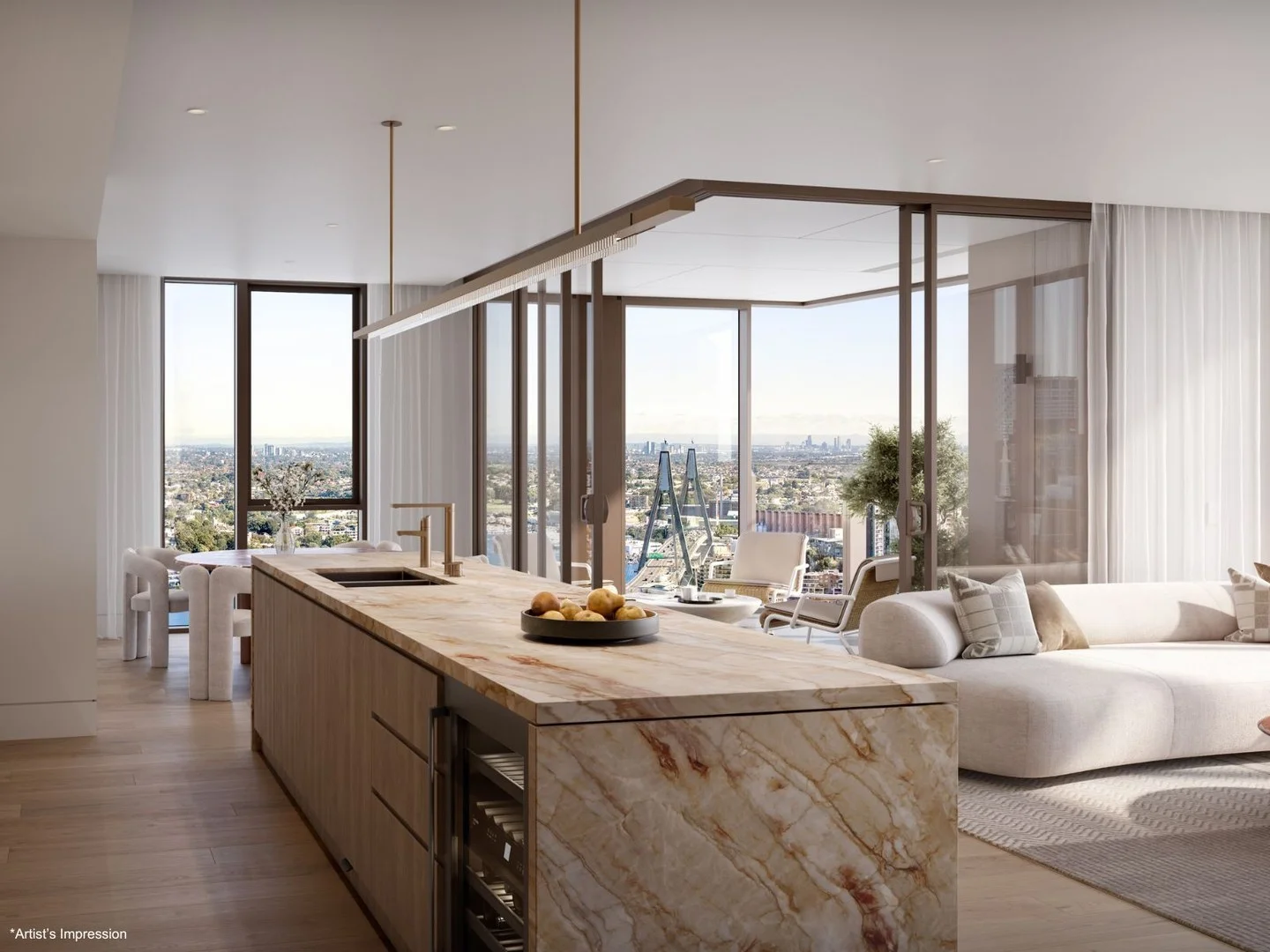 $9,020,000
propertyType.NEW APARTMENTS / OFF THE PLAN
$9,020,000
propertyType.NEW APARTMENTS / OFF THE PLAN
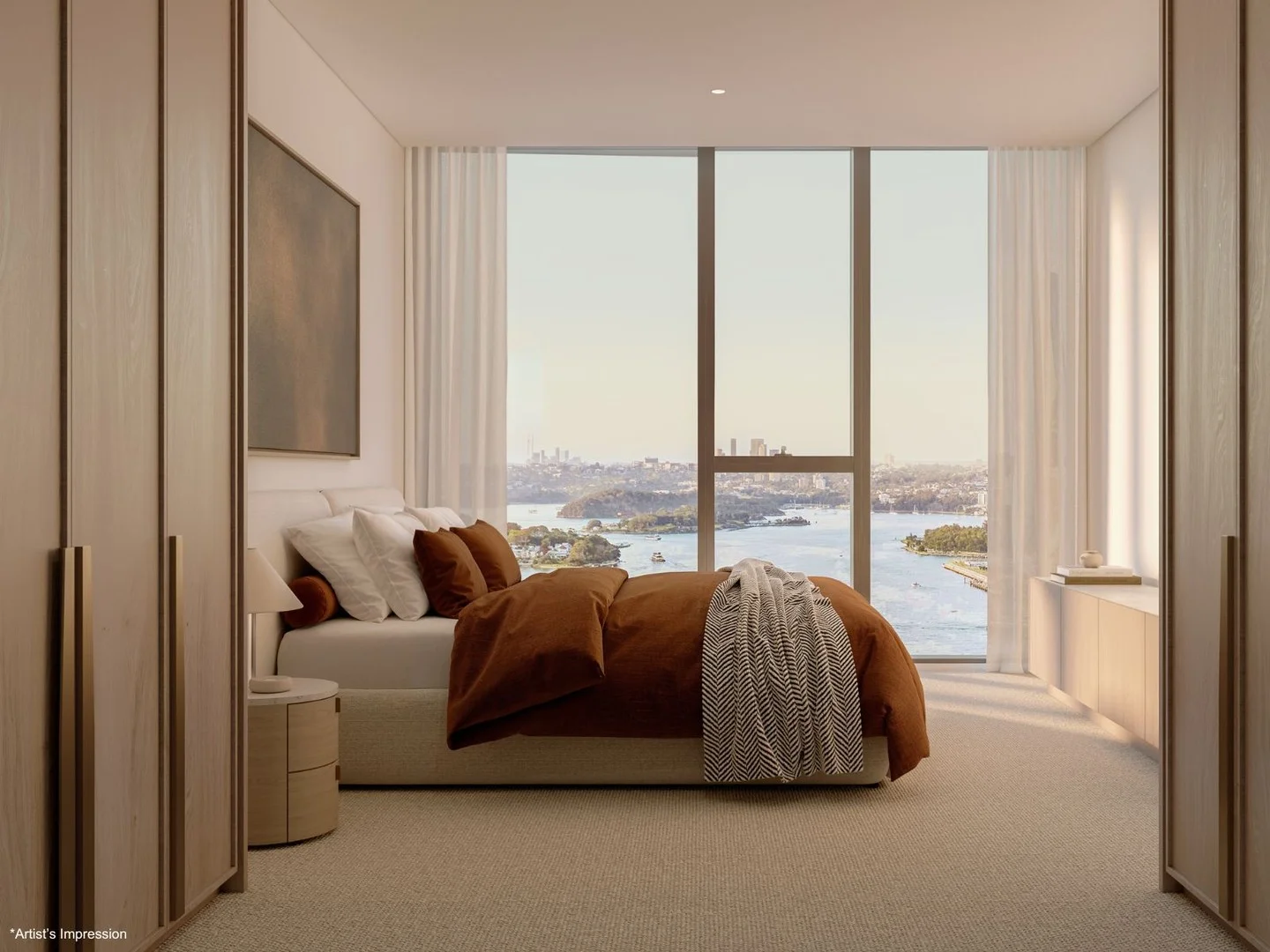 $8,630,000
propertyType.NEW APARTMENTS / OFF THE PLAN
$8,630,000
propertyType.NEW APARTMENTS / OFF THE PLAN
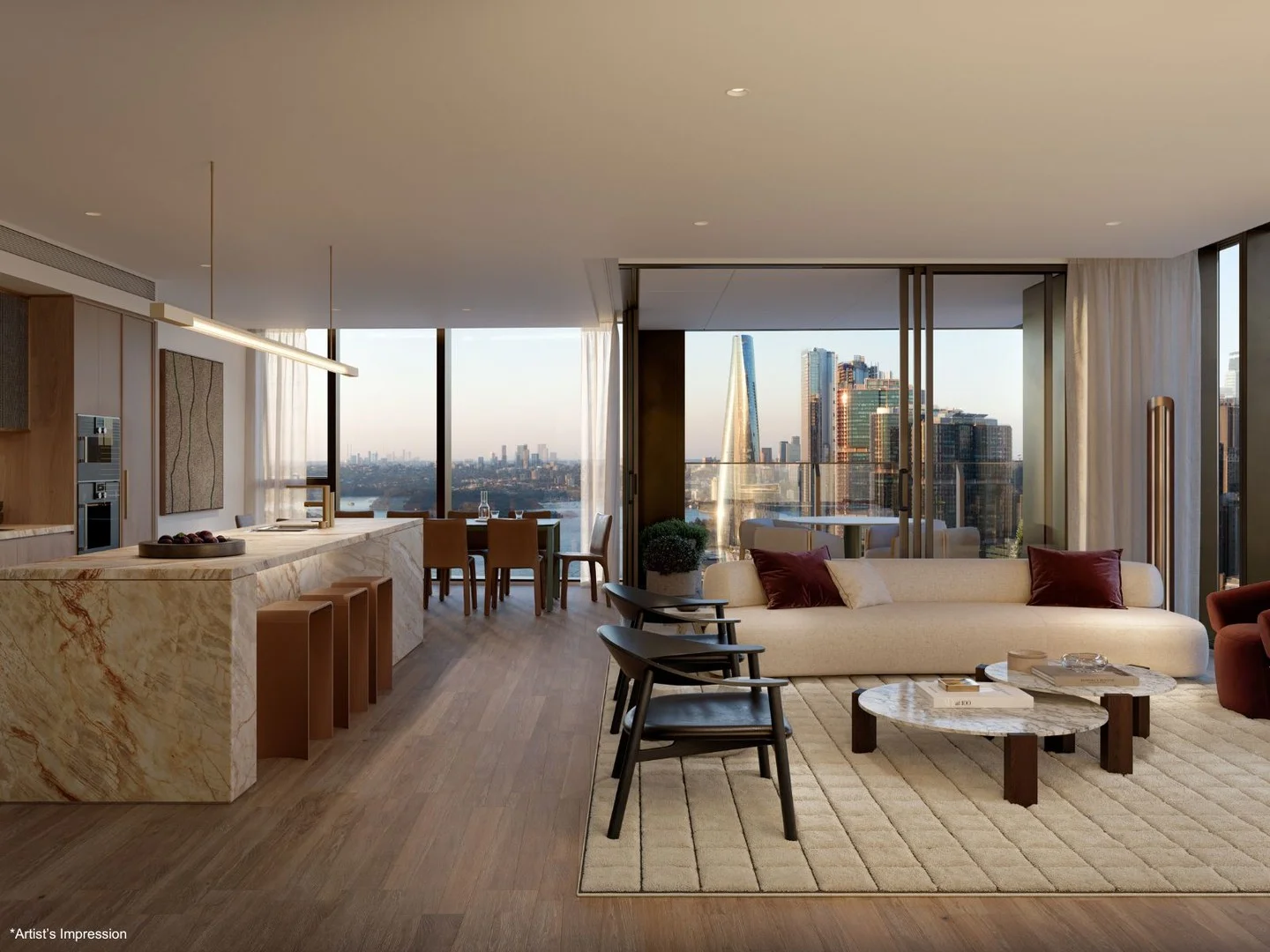 $12,980,000
propertyType.NEW APARTMENTS / OFF THE PLAN
$12,980,000
propertyType.NEW APARTMENTS / OFF THE PLAN
 $2,745,000
propertyType.NEW APARTMENTS / OFF THE PLAN
$2,745,000
propertyType.NEW APARTMENTS / OFF THE PLAN