## 1. Overview
The School International Chinese School NSW St Leonards is a private/independent school with a bilingual focus, emphasising Mandarin language proficiency alongside English literacy. The student body is typically small to medium in size, with class sizes kept to support individual attention and active participation. The atmosphere tends to be inclusive, diverse, and academically oriented, offering a language-rich environment that encourages cultural understanding and personal growth.
This school aims to foster a nurturing yet rigorous learning culture, where students develop strong academic foundations and practical language skills that prepare them for global opportunities. The community emphasis is on respect, collaboration, and a curiosity-driven approach to learning.
## 2. Academics & Learning
- Academic strengths: Mandarin language immersion and bilingual education, English literacy development, and opportunities to engage with Chinese culture and global perspectives.
- Special programs: Language-focused immersion and cross-cultural programs; options for accelerated or advanced learning may depend on the year level and cohort.
- NAPLAN trends: For private/independent schools, publicly available trend data can be found via NSW school performance resources. Look for year-over-year literacy and numeracy progress rather than absolute scores.
- Student-teacher ratios: Class sizes are kept、小to-support individual attention; ratios vary by year level and class.
- Support for diverse learners: EAL (English as an Additional Language) support and SEN (Special Educational Needs) considerations are typically available, with pathway options to accommodate diverse learning needs.
## 3. Sports & Extracurricular Strengths
- Sports offered: A range of team and individual sports common to Australian schools, with after-school sports programs; specifics may vary by year.
- Strong teams or achievements: Participation in local competitions and events; notable achievements can vary by year.
- Music, arts, drama programs: Active performing arts and music opportunities, including choir or instrumental programs and Chinese cultural performances.
- Clubs: Robotics, chess, coding, debating, and other interest-based clubs may be available depending on the cohort and term.
- Partnerships: Possible collaborations with local academies, community groups, or competitions to broaden exposure beyond the classroom.
## 4. Wellbeing & Pastoral Care
- Anti-bullying approach: Clear policies and reporting channels to ensure a safe learning environment.
- House system: A house-based framework to build community, belonging, and healthy competition.
- Counsellors / wellbeing officers: Access to wellbeing staff to support student welfare, mental health, and pastoral needs.
- Transition support for new students: Orientation activities, buddy systems, and targeted support to help new entrants settle in.
## 5. Facilities
- Sports grounds: On-site or nearby facilities to support physical education and after-school sport.
- Libraries: Well-stocked libraries to support reading, research, and study.
- Science labs: Dedicated spaces for hands-on science learning and experiments.
- Music/performing arts centers: Rehearsal and performance spaces for music, drama, and dance.
- Tech/innovation labs: Facilities for digital learning, coding, and technology projects.
- Cafeteria: On-site dining or vending facilities for students.
- Updated playgrounds: Safe, modern play areas appropriate to the age groups.
## 6. School Values & Community Culture
- School values / mission: Emphasis on bilingual learning, cultural awareness, respect, and academic integrity.
- Leadership style: Collaborative and student-centered, with opportunities for student voice in activities and clubs.
- Behaviour expectations: Clear code of conduct promoting responsibility, respect, and positive relationships.
- Community reputation: Built on language excellence, cultural inclusivity, and partnership with families.
- Diversity & inclusion: A focus on welcoming students from varied linguistic and cultural backgrounds, supporting inclusive practices.
## 7. School Logistics & Daily Operations
- School hours: Regular day schedule with start and end times; exact times vary by year level.
- Before/after school care: Availability of before/after school care or supervision, subject to eligibility and capacity.
- Uniform requirements: Specified school uniform and guidelines for daily wear; seasonal adjustments may apply.
- Transport (train/bus routes): Accessibility via local transport networks; specifics depend on location and year level.
- Canteen availability: Canteen or snack options may be available on-site.
- Fees (low/medium/high ranges): Fee levels vary by year and program; consult the admissions information for current figures.
## 8. Enrolment & Admissions
11. What is the enrolment process and timeline?
- Applications typically require submitting an admissions form, supporting documents, and any required assessments or interviews. Timelines vary by intake period; potential families should inquire early to understand deadlines and processing times.
12. Is there a waiting list, and how does it work?
- Waiting lists are common for many independent schools. If a waitlist applies, families are usually placed in order of application and notified as space becomes available. Priority may be given to siblings or particular cohort needs, depending on the school’s policy.
13. Are there any entry requirements, tests, or interviews?
- Admissions often involve an interview and/or placement assessment to determine fit and language proficiency. Some programs may require prior records or language assessments; requirements vary by grade level and program.
14. Does the school accept mid-year transfers?
- Mid-year transfers may be possible subject to space availability, entry requirements, and alignment with the program’s structure. Prospective families should contact the admissions team to discuss options.
## 9. Frequently Asked Questions
- Why Parents Choose This School?
- A strong bilingual environment, emphasis on Mandarin-English language development, and a culture that supports academic growth and cross-cultural understanding.
- What type of student thrives at this school?
- Students who are motivated by language learning, cultural exploration, and a collaborative, inclusive learning community.
- What opportunities are available for students to extend their skills (academics, sports, arts)?
- Opportunities across language studies, performing arts, sports, and various clubs; specifics depend on the cohort and term.
- How does the school communicate with parents?
- Regular updates through newsletters, emails, parent portals, and meetings; proactive communication around student progress and events.
- What is the school’s approach to teaching and learning?
- A bilingual, language-rich approach with emphasis on literacy, cultural understanding, and critical thinking; differentiation is used to meet diverse needs.
- How does the school support students who need extra academic help?
- Targeted interventions, EAL and SEN supports, and access to tutors or small-group assistance as available.
- What support is available for academic challenges?
- Additional tutoring, assessment for learning needs, and collaboration with families to create supportive learning plans.
- How does the school communicate with parents? (duplicate)
- See above; ongoing, multi-channel communication is used.
- What are the class sizes and how much individual attention do students receive?
- Class sizes are kept small-to-medium to facilitate individual attention and teacher accessibility; exact numbers vary by year level.
- What extracurricular and sports opportunities are available?
- A range of sports, arts, and clubs such as robotics, chess, coding, and debating; offerings vary by term and cohort.
- What facilities does the school offer (sports, science, arts)?
- Facilities include sports grounds, libraries, science labs, music/performing arts centers, tech/innovation labs, a canteen, and updated play areas.
- What is the school’s approach to technology and digital learning?
- Integration of digital tools to support learning, with access to technology labs and coding opportunities as part of the curriculum.
- What transport and accessibility options are available?
- Access via local public transport with guidance on routes; details depend on location and may include school-arranged options.
- What are the typical school fees or additional costs?
- Fees vary by program and year level; consult the admissions or finance team for the current fee schedule.
## 10. Short Pros & Cons list
- Pros
- Strong bilingual Mandarin-English environment
- Language-focused curriculum with cultural relevance
- Small-to-medium class sizes for individualized support
- Inclusive, diverse community with wellbeing and pastoral care
- Range of extracurriculars and clubs
- Cons
- As a private/independent school, tuition and fees may be higher than public options
- Availability of certain programs/clubs may vary by year and cohort
- Specifics on facilities and transportation can vary; confirm current offerings with the school











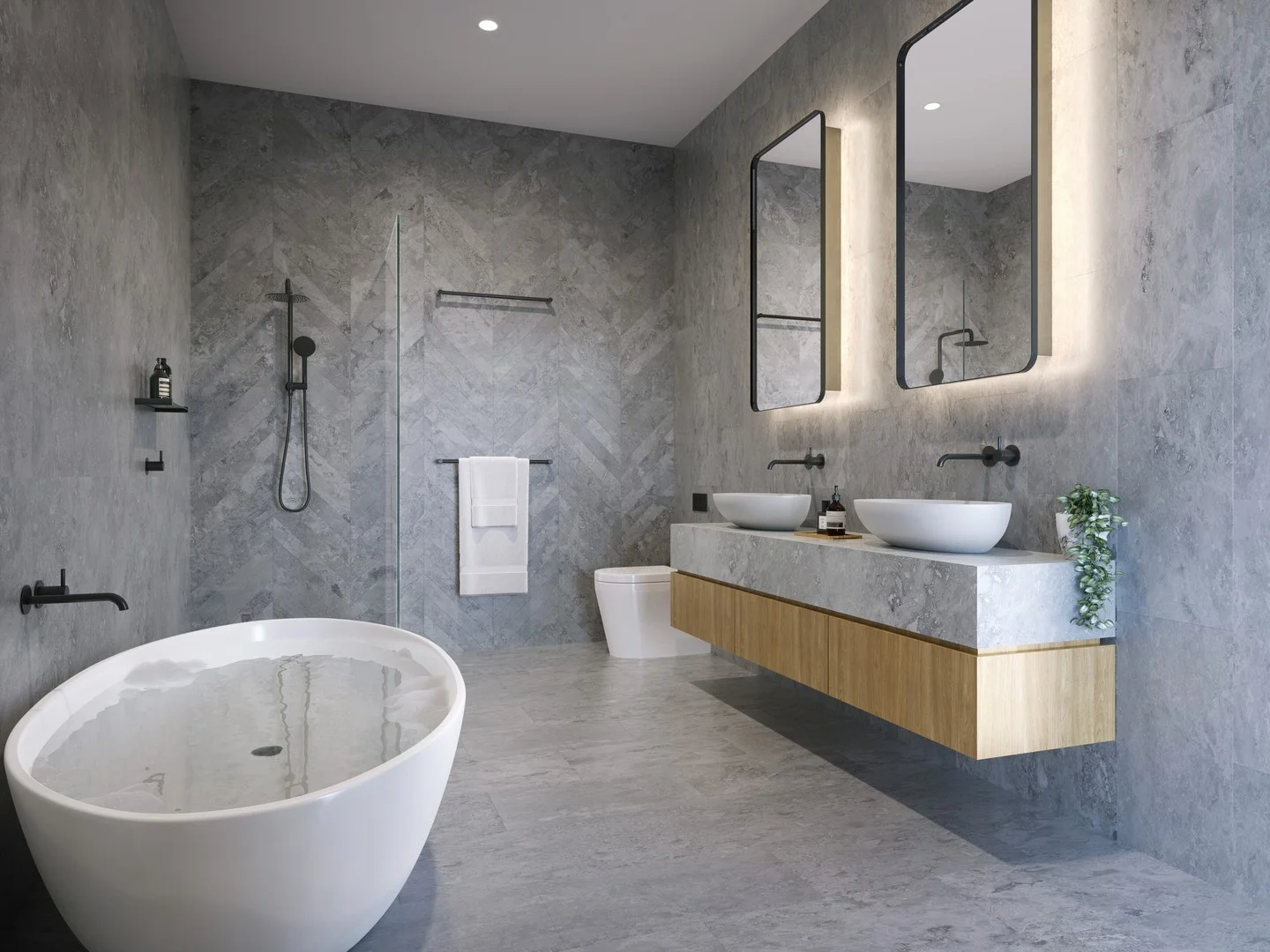 $2,824,000
Apartment / Unit / Flat
$2,824,000
Apartment / Unit / Flat
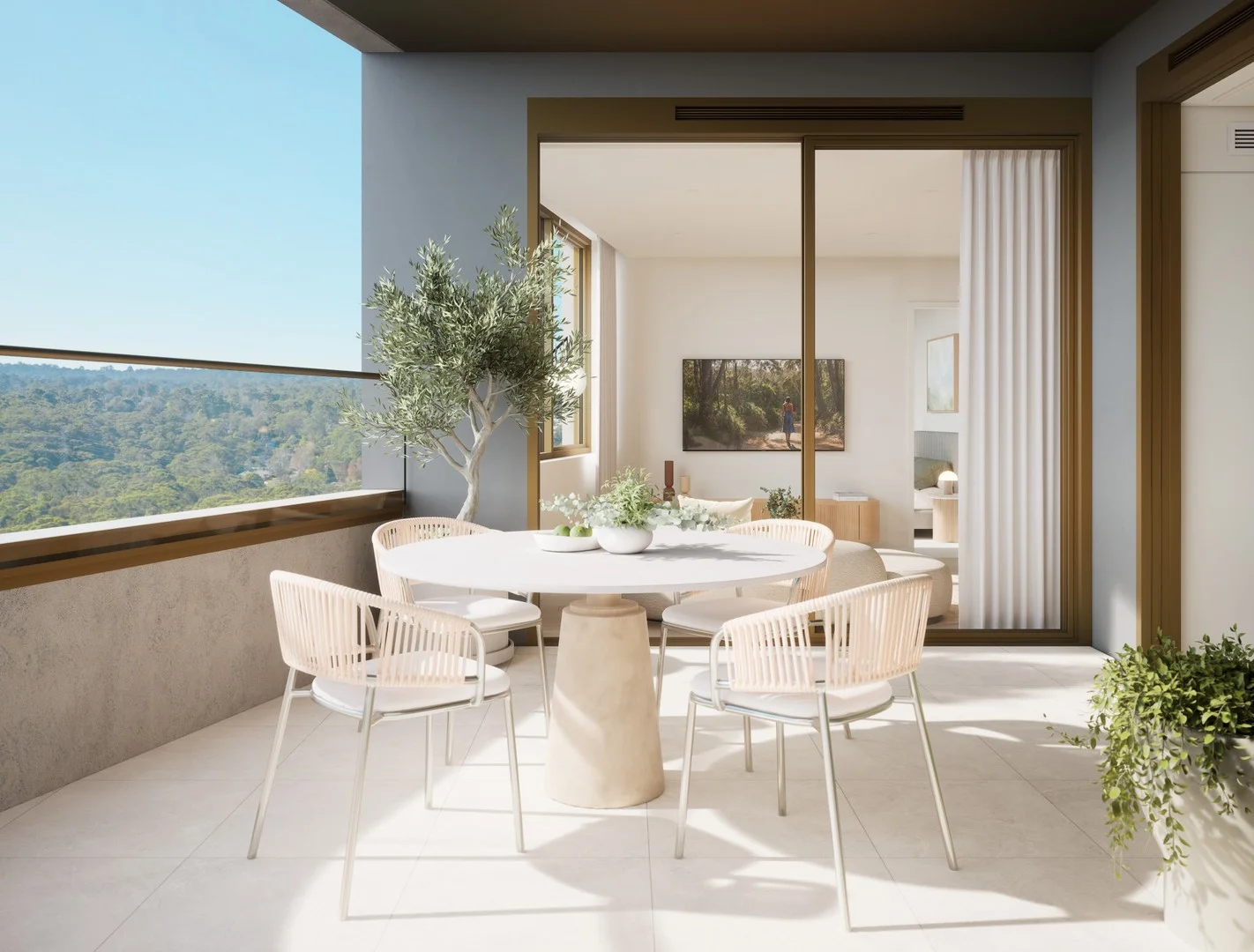 $1,525,000
Apartment / Unit / Flat
$1,525,000
Apartment / Unit / Flat
 $36,000,000 - $39,500,000
Vacant Land
$36,000,000 - $39,500,000
Vacant Land
 $26,550,000
propertyType.NEW APARTMENTS / OFF THE PLAN
$26,550,000
propertyType.NEW APARTMENTS / OFF THE PLAN
 $6,225,000
propertyType.NEW APARTMENTS / OFF THE PLAN
$6,225,000
propertyType.NEW APARTMENTS / OFF THE PLAN
 $8,630,000
propertyType.NEW APARTMENTS / OFF THE PLAN
$8,630,000
propertyType.NEW APARTMENTS / OFF THE PLAN
 $9,020,000
propertyType.NEW APARTMENTS / OFF THE PLAN
$9,020,000
propertyType.NEW APARTMENTS / OFF THE PLAN
 $12,980,000
propertyType.NEW APARTMENTS / OFF THE PLAN
$12,980,000
propertyType.NEW APARTMENTS / OFF THE PLAN
 $2,745,000
propertyType.NEW APARTMENTS / OFF THE PLAN
$2,745,000
propertyType.NEW APARTMENTS / OFF THE PLAN


