Overview
1. Overview
Cheshire School is a [Public / Private / Independent / Catholic] school located in Glen Waverley, VIC 3150. It serves a [Prep–Year 12] cohort and has a [small / medium / large] student body. Class sizes typically run around [20–25] students, supporting a learning environment that is [nurturing, inclusive, academic, diverse]. The atmosphere is designed to balance high expectations with individual support, helping students develop both strong academic foundations and well-rounded personal growth.
⸻
2. Academics & Learning
- Academic strengths: [STEM, English, leadership, languages].
- Special programs: [IB / accelerated learning / gifted and talented / other].
- NAPLAN trends: [Provide a trend overview, e.g., “NAPLAN results have shown year-over-year improvement in reading and numeracy, with scores staying above state averages”].
- Student-teacher ratios: approximately [X:Y].
- Support for diverse learners: [EAL support, SEN programs, inclusive education practices].
⸻
3. Sports & Extracurricular Strengths
- Sports offered: [e.g., basketball, netball, cricket, football/rugby, soccer, swimming, athletics].
- Strong teams or achievements: [Notable teams or competition results, if applicable].
- Music, arts, drama programs: [ ensembles, choir, drama productions, instrument tuition].
- Clubs: [robotics, chess, coding, debating, maths club, language clubs].
- Partnerships: [local academies, inter-school / regional competitions, external coaches].
⸻
4. Wellbeing & Pastoral Care
- Anti-bullying approach: [policy framework, student-led initiatives, restorative practices].
- House system: [explain house structure and function in pastoral care and events].
- Counsellors / wellbeing officers: [number or presence of qualified staff and services].
- Transition support for new students: [orientation programs, buddy systems, induction sessions].
⸻
5. Facilities
- Sports grounds: [on-site fields or courts].
- Libraries: [well-stocked libraries and study spaces].
- Science labs: [modern, well-equipped labs].
- Music/performing arts centers: [auditorium or dedicated spaces].
- Tech/innovation labs: [maker spaces, computer labs, media labs].
- Cafeteria: [on-site canteen / lunch facilities].
- Updated playgrounds: [recently renovated play areas / outdoor learning spaces].
⸻
6. School Values & Community Culture
- School values / mission: [values such as respect, integrity, responsibility, inclusion].
- Leadership style: [collaborative / student-centered / teacher-guided].
- Behaviour expectations: [clear code of conduct, restorative approaches].
- Community reputation: [perceived strengths within the local community].
- Diversity & inclusion: [programs and initiatives to support a diverse student body].
⸻
7. School Logistics & Daily Operations
- School hours: [start time – end time], with variations by year level.
- Before/after school care: [availability and options].
- Uniform requirements: [policy and how/where to purchase].
- Transport: [nearest train stations, bus routes, school shuttle if applicable].
- Canteen availability: [on-site canteen / lunch facilities].
- Fees: [low / medium / high ranges, with note on typical extra costs].
⸻
8. Enrolment & Admissions
11. What is the enrolment process and timeline?
- [Overview of the application steps, required documents, and typical timelines from inquiry to offer. Mention any open days, assessments, or interview processes, and how long the process generally takes.]
12. Is there a waiting list, and how does it work?
- [Explanation of whether a waiting list exists, how families are placed on it, and what factors influence placement.]
13. Are there any entry requirements, tests, or interviews?
- [Detail any testing, auditions, or interviews required, including year levels affected and typical timelines.]
14. Does the school accept mid-year transfers?
- [Information on space availability, placement tests, transcripts or reports required, and any limitations or deadlines for mid-year transfers.]
⸻
9. Frequently Asked Questions
- Why Parents Choose This School?
- [Brief reasons such as strong values, supportive staff, balanced academics, extracurricular depth.]
- What type of student thrives at this school?
- [Typical traits: motivated, curious, collaborative, respectful, engaged learners.]
- What opportunities are available for students to extend their skills (academics, sports, arts)?
- [Detail on advanced courses, gifted programs, athletic pathways, arts programs, competitions, and performances.]
- How does the school communicate with parents?
- [Communication channels: newsletters, parent portal, emails, app notifications, information evenings.]
- What is the school’s approach to teaching and learning?
- [Inquiry-based learning, differentiated instruction, assessment for learning, use of technology.]
- How does the school support students who need extra academic help?
- [Tutoring, small groups, learning support staff, targeted intervention programs.]
- What support is available for academic challenges?
- [Academic mentoring, counsellors, SEN support, personalized learning plans.]
- How does the school communicate with parents? (duplicate)
- [Repeated item or clarify if different channels including parent-teacher meetings.]
- What are the class sizes and how much individual attention do students receive?
- [Typical class size ranges and any wrap-around support for students.]
- What extracurricular and sports opportunities are available?
- [Summary of clubs, teams, competitions, and arts programs.]
- What facilities does the school offer (sports, science, arts)?
- [Highlights of facilities and how they support learning.]
- What is the school’s approach to technology and digital learning?
- [Devices, software, digital citizenship, computational thinking.]
- What transport and accessibility options are available?
- [Local transport links, bike/scooter facilities, accessibility considerations.]
- What are the typical school fees or additional costs?
- [General ranges and notes on book packs, excursions, uniforms, and extras.]
⸻
10. Short Pros & Cons list
- Pros
- [Pro 1: e.g., Strong sense of community and inclusive culture]
- [Pro 2: e.g., Broad range of extracurriculars and performing arts]
- [Pro 3: e.g., Focus on wellbeing and pastoral care]
- [Pro 4: e.g., Access to modern facilities and technology]
- Cons
- [Con 1: e.g., Large school size may affect individual attention in some programs]
- [Con 2: e.g., Limited transport options in certain areas]
- [Con 3: e.g., Fees may be higher relative to some peers]













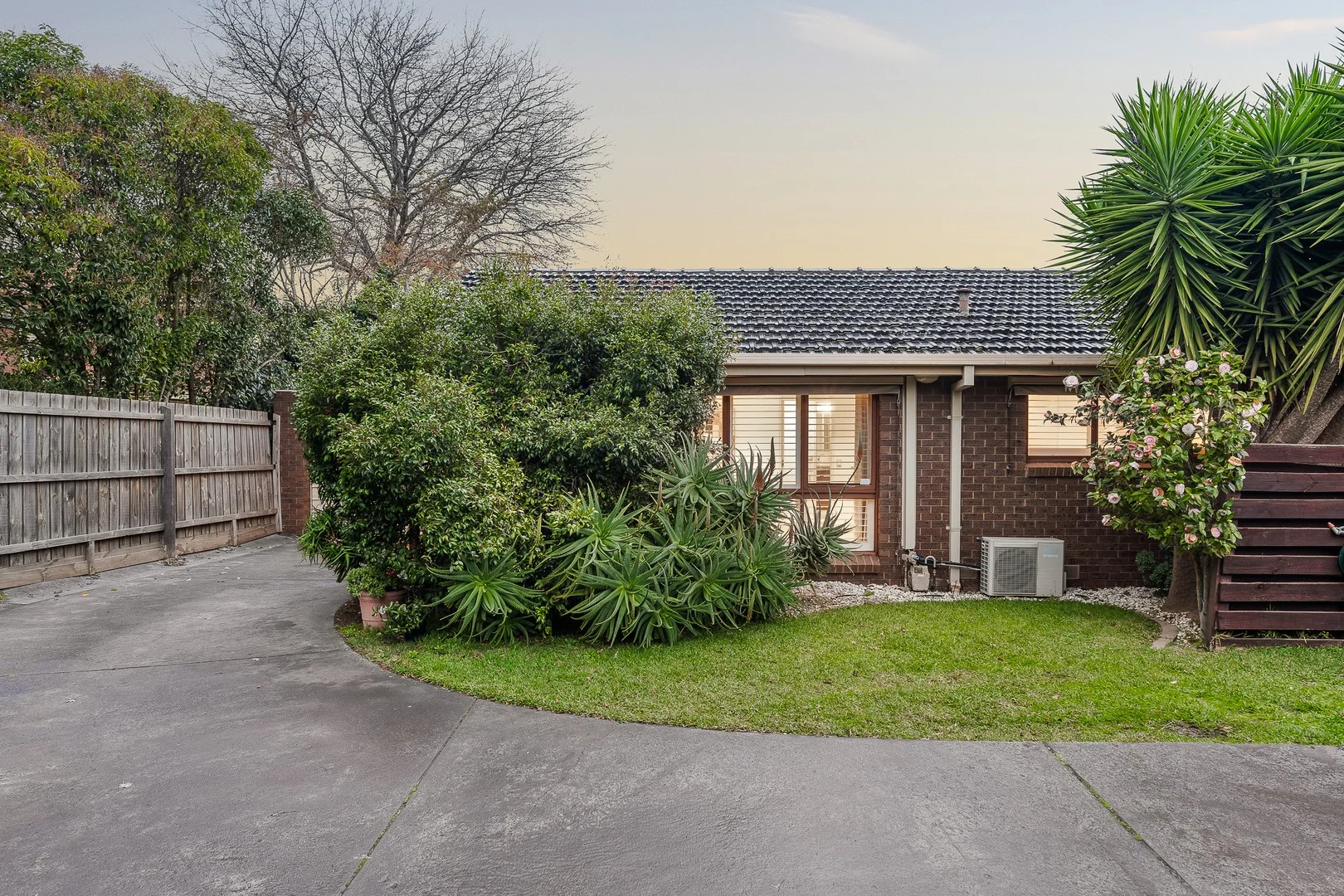 $770,000 - $820,000
Apartment / Unit / Flat
$770,000 - $820,000
Apartment / Unit / Flat
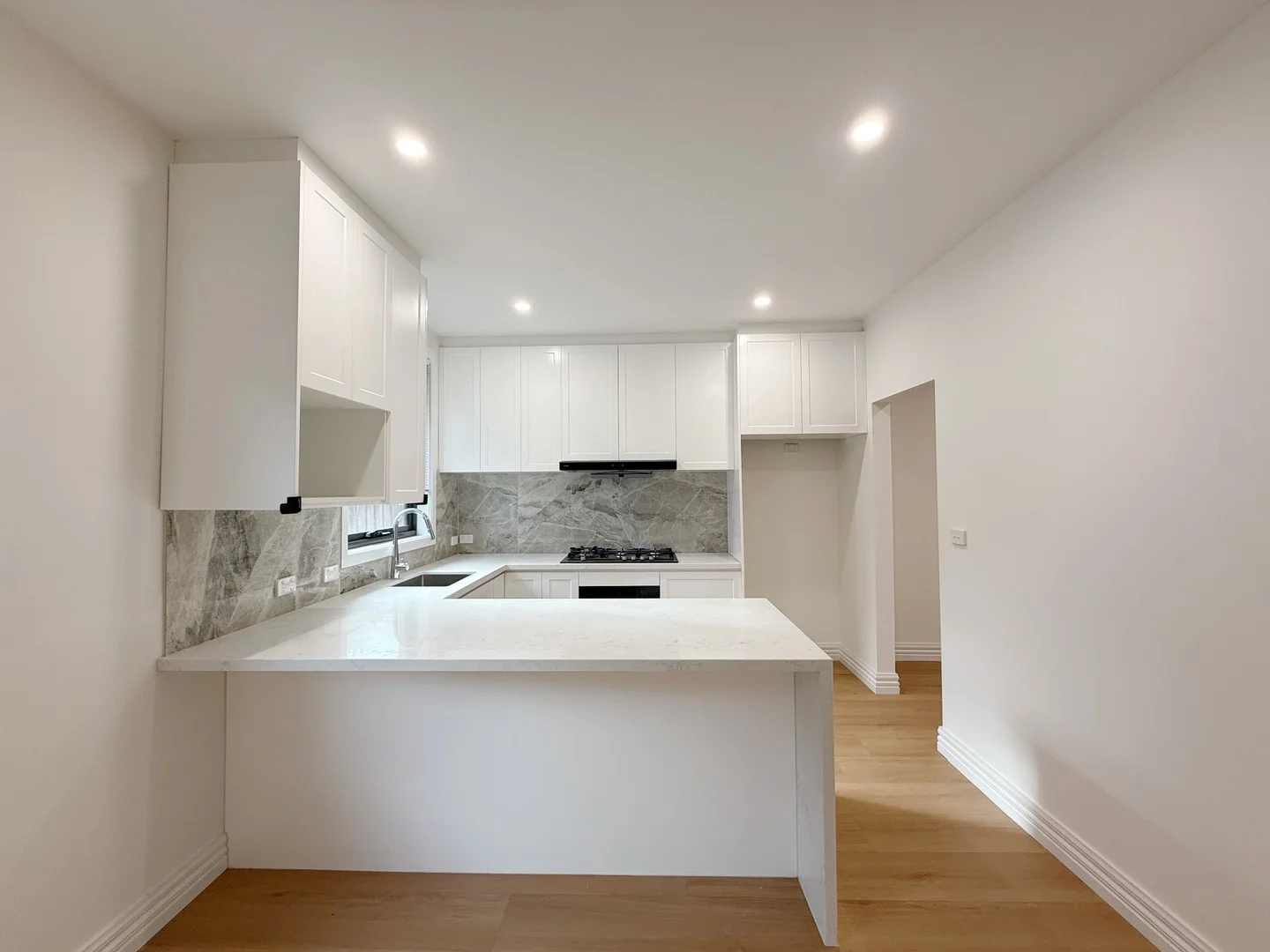 $1,280
House
$1,280
House
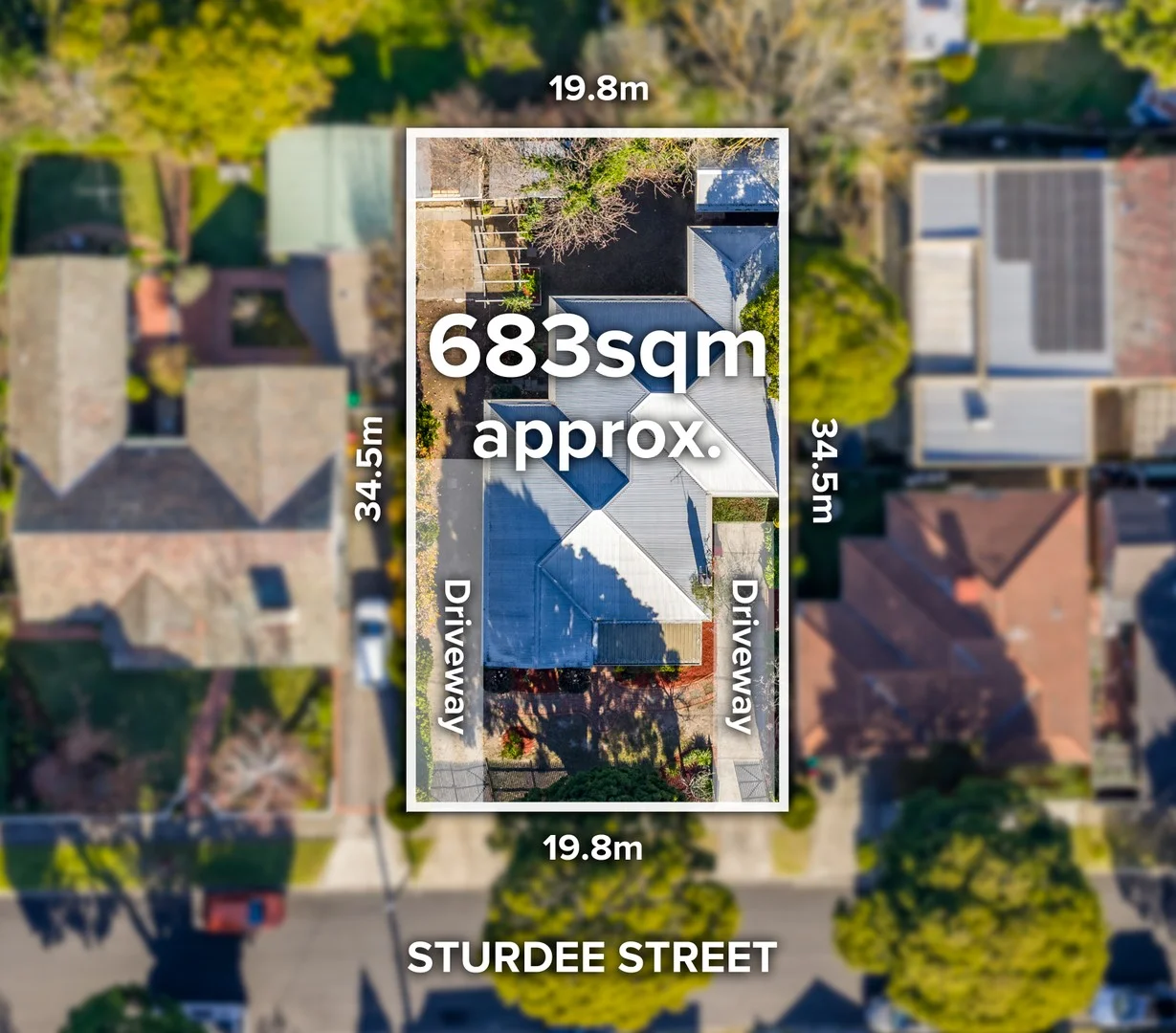 $2,000,000
House
$2,000,000
House
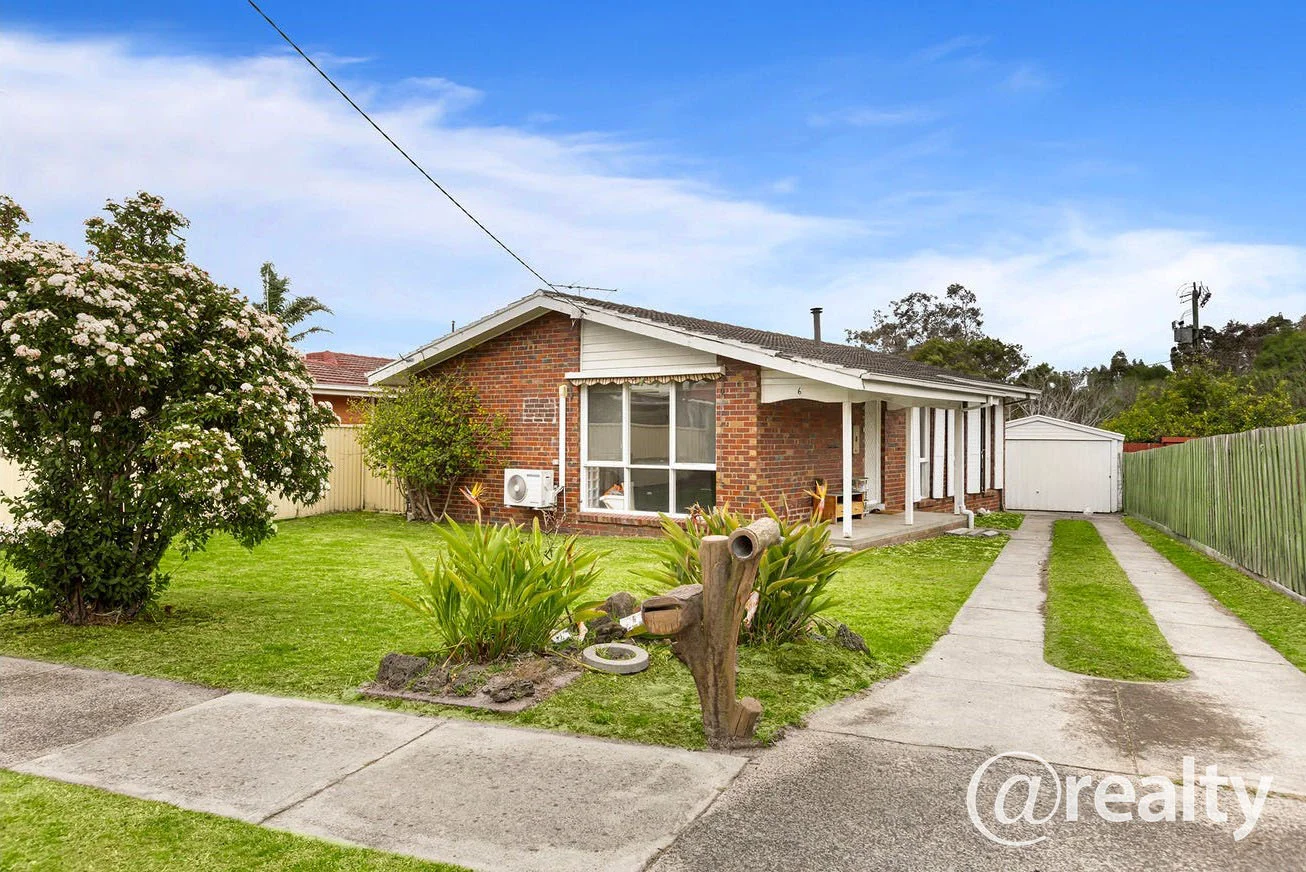 $610
House
$610
House
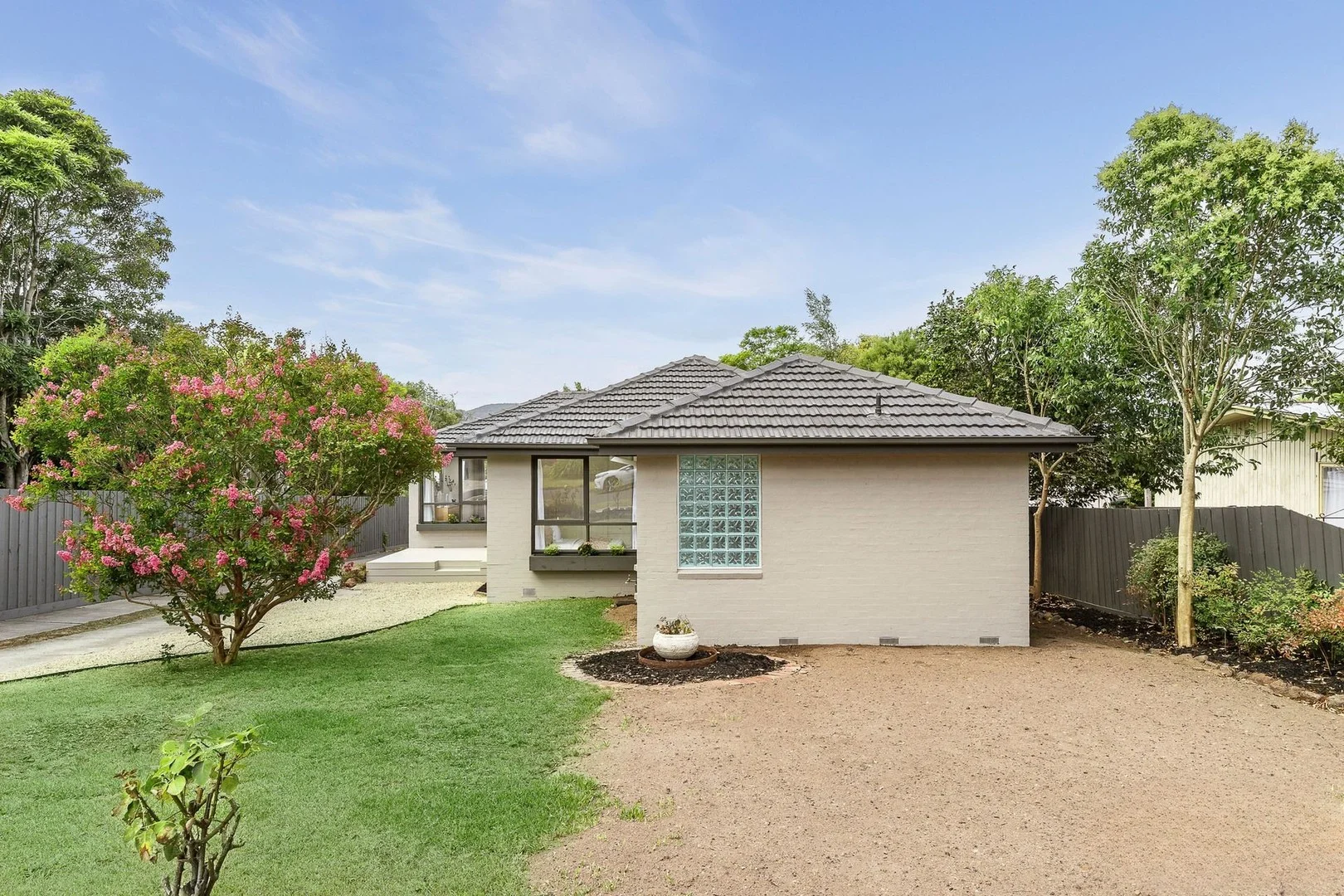 $700
Apartment / Unit / Flat
$700
Apartment / Unit / Flat
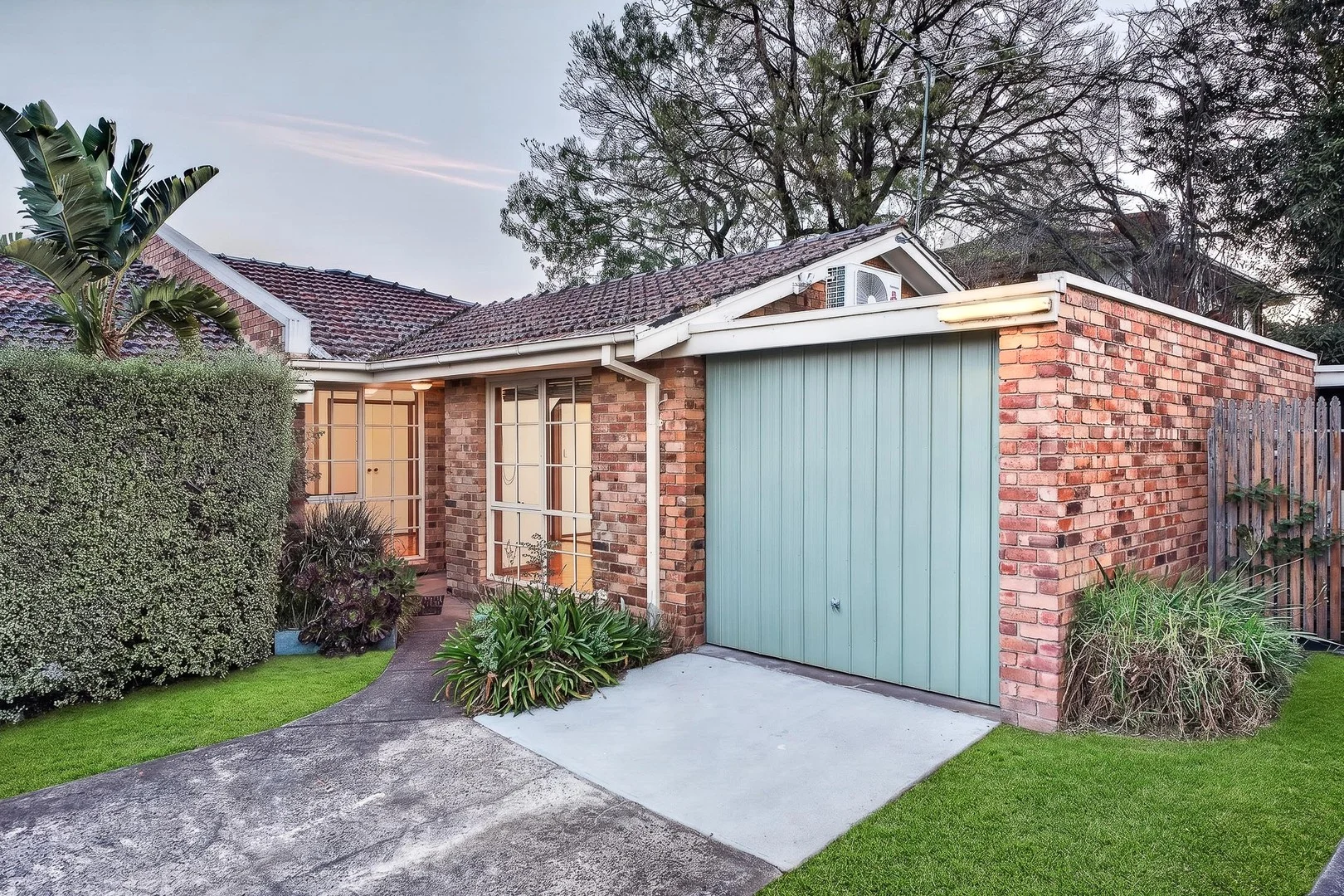 $765,000 - $825,000
Apartment / Unit / Flat
$765,000 - $825,000
Apartment / Unit / Flat
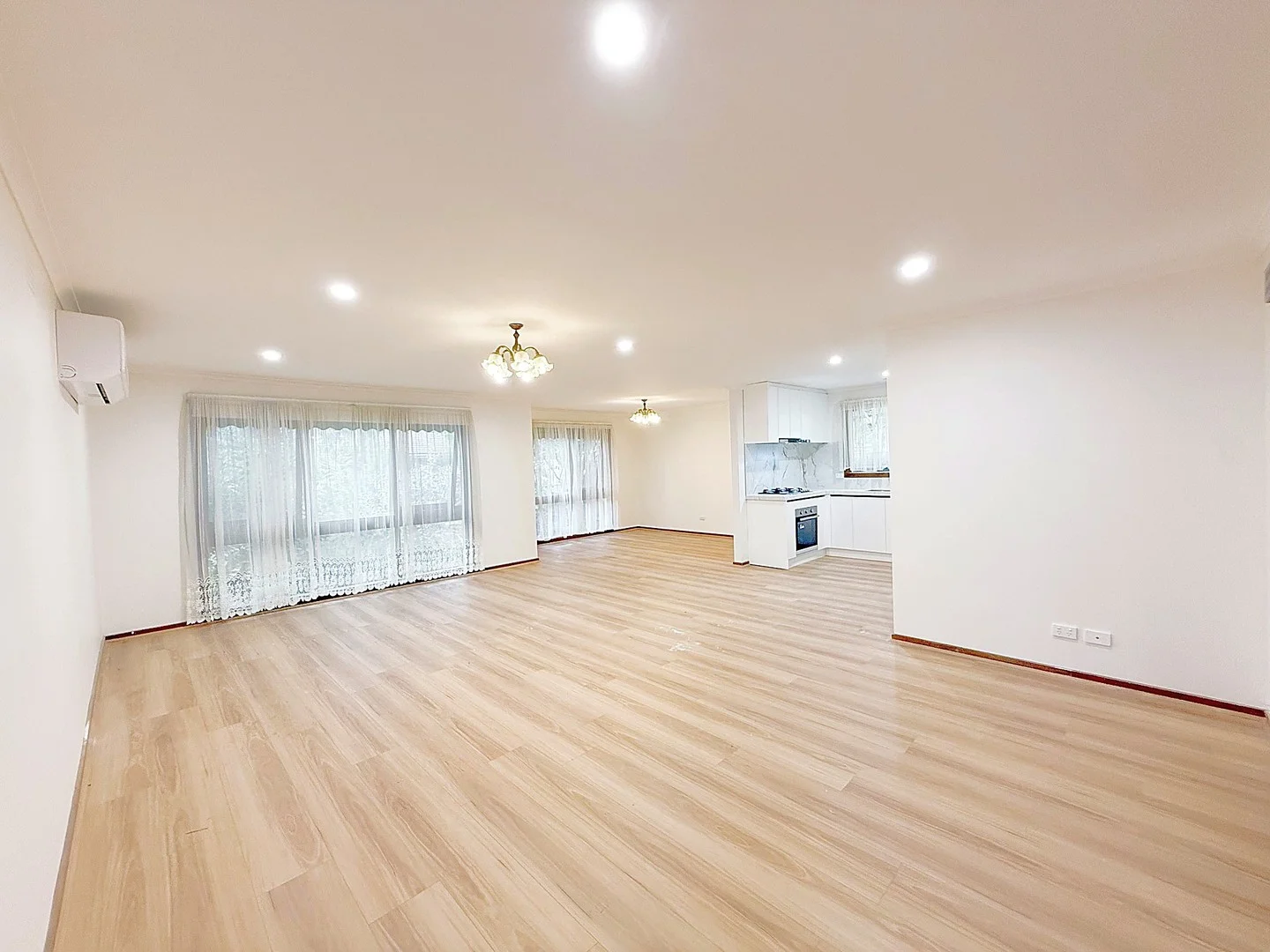 $1,100
House
$1,100
House
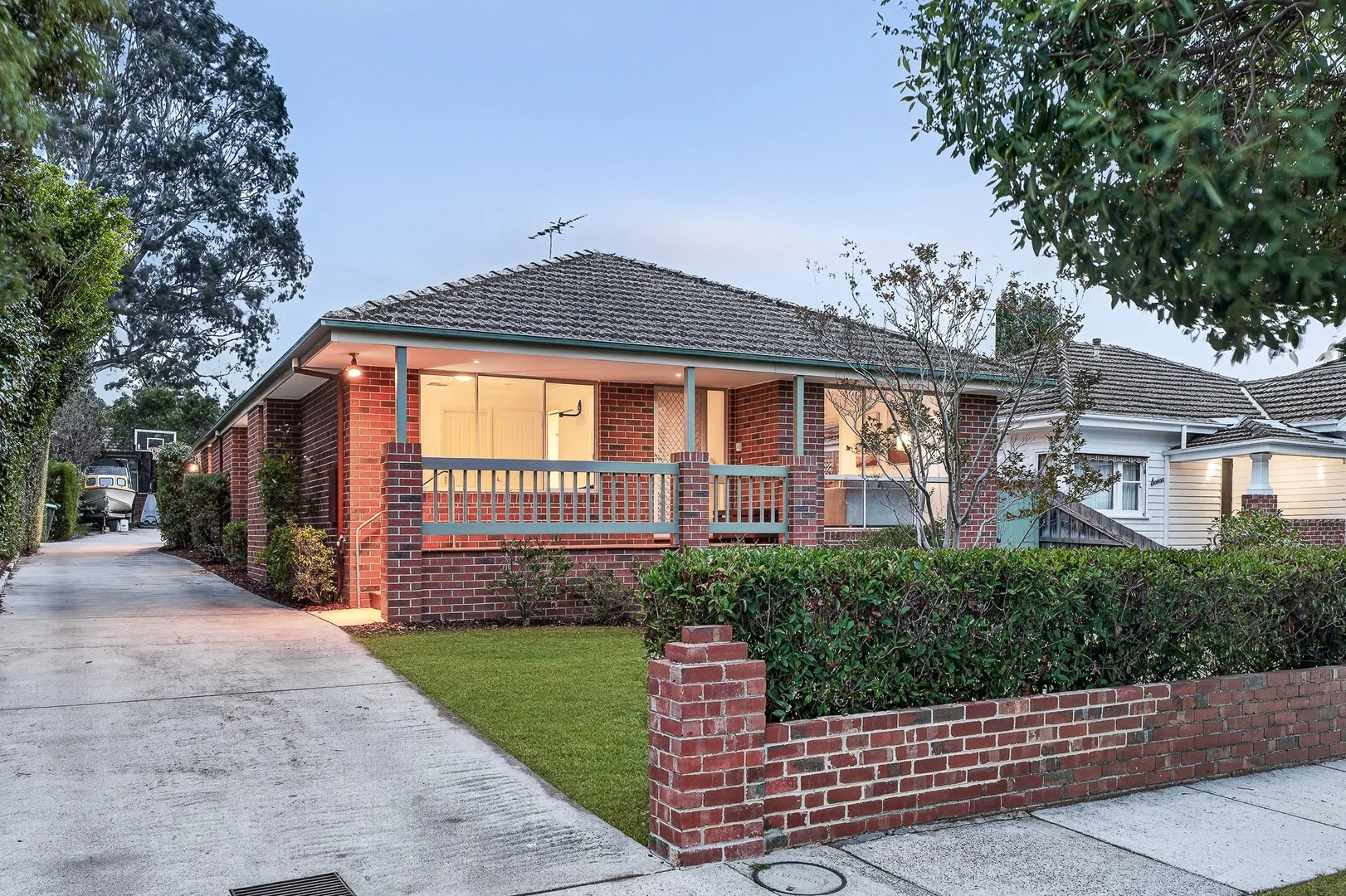 $1,200,000 - $1,300,000
House
$1,200,000 - $1,300,000
House
 $630,000 - $680,000
Apartment / Unit / Flat
$630,000 - $680,000
Apartment / Unit / Flat