Overview
## 1. Overview
St Leonard's Primary School is a Catholic, co-educational primary school serving families in the Glen Waverley area. The school operates as a medium-sized community with a strong sense of parish connection and family involvement. Class sizes are typically around 20–25 students, contributing to a supportive learning environment where individual attention and pastoral care are valued. The atmosphere is nurturing and inclusive, with a focus on faith formation, academic growth, and active participation in sport and community life.
The school emphasizes a balanced education that combines academic rigour with faith-based values, respect, and service to others. It aims to foster a warm, welcoming culture where students, families and staff collaborate to support every child’s growth and well-being.
---
## 2. Academics & Learning
- Academic strengths: English (literacy) and numeracy form core strengths, with attention to Religious Education, the arts, and ICT integration. The school supports holistic learning that blends core subjects with creative and critical thinking.
- Special programs: Targeted learning support, gifted and talented extension opportunities, and opportunities for student leadership. A focus on developing literacy, numeracy, and digital literacy across year levels helps students advance at an appropriate pace.
- NAPLAN / trends: NAPLAN trends for the school reflect ongoing focus on improving English and numeracy outcomes year by year. For the latest trend data, families should review official reporting sources (e.g., My School) and the school's annual reports.
- Student-teacher ratios: Typical ratios are in the range of approximately 1:18 to 1:22, varying by year level and class. The school aims to maintain access to teachers who can provide guidance and feedback to support growth.
- Support for diverse learners: EAL (English as an Additional Language) support and targeted assistance for students with additional learning needs (SEN) are provided to help all students engage with the curriculum and reach their potential.
---
## 3. Sports & Extracurricular Strengths
- Sports offered: A broad program commonly includes basketball, netball, soccer, cricket, Australian rules football, athletics, and swimming events through school and inter-school activities.
- Strong teams or achievements: The school participates in local inter-school events and diocesan competitions, with emphasis on teamwork, participation, and personal bests rather than only results.
- Music, arts, drama: A music program, choir or ensemble opportunities, and school productions support student creativity and performance skills.
- Clubs: Robotics, coding, chess, debating, and other clubs are typically available to extend learning beyond the classroom.
- Partnerships: The school often engages with local community groups and occasional partnerships for competitions and enrichment activities, supporting a well-rounded extracurricular life.
---
## 4. Wellbeing & Pastoral Care
- Anti-bullying approach: The school generally adopts a positive behaviour framework with restorative practices and inclusive social-emotional learning.
- House system: A house-based structure supports positive competition, teamwork, and community spirit across year levels.
- Counsellors / wellbeing officers: Access to a school counsellor or wellbeing coordinator supports emotional health, resilience, and individual needs.
- Transition support for new students: Orientation experiences, buddy programs, and targeted support help new students settle into the school community and routines.
---
## 5. Facilities
- Sports grounds: On-site sports facilities and play areas support outdoor activity and physical education.
- Libraries: A library space supports reading, research, and literacy development.
- Science labs: Dedicated science learning spaces facilitate inquiry-based science lessons.
- Music/performing arts centers: A dedicated area or space for music and performing arts activities.
- Tech/innovation labs: ICT-enabled spaces or classrooms that support digital learning and project-based work.
- Cafeteria: On-site canteen or food service provides meals and snacks.
- Updated playgrounds: Modernized outdoor spaces for recreation and exploration.
---
## 6. School Values & Community Culture
- School values / mission: Catholic faith formation alongside academic and personal growth, emphasizing respect, integrity, compassion, service, and community.
- Leadership style: Collaborative leadership with opportunities for student leadership and input from families and staff.
- Behaviour expectations: Clear codes of conduct and restorative approaches to behaviour to foster a respectful school climate.
- Community reputation: A supportive parish-connected community with families who value faith, family involvement, and a balanced education.
- Diversity & inclusion: A welcoming environment for families from diverse backgrounds, with inclusive practices and support for all learners.
---
## 7. School Logistics & Daily Operations
- School hours: Typical school day runs from the morning start to mid-afternoon, with a clear timetable that supports learning blocks and breaks.
- Before/after school care: Before and after school care options (OSHC) are commonly available through external providers or school-arranged services.
- Uniform requirements: A school uniform is standard, with seasonal options (summer and winter uniforms) and house-colour elements for events.
- Transport (train/bus routes): Access to public transport options (local bus routes and nearby train stations) supports commuting families; car drop-off and pick-up procedures are generally in place.
- Canteen availability: An on-site canteen or lunch service provides everyday meal and snack options.
- Fees (range): Fees are typically in the moderate range for Catholic primary schools in Victoria, with additional costs for camps, excursions, and some activities.
---
## 8. Enrolment & Admissions
11. What is the enrolment process and timeline?
- Parents usually submit an application to the school, along with required documentation (birth certificate, immunisation records, baptism certificate if applicable, etc.). The school may host information sessions or open days, invite families to participate in an interview or information evening, and issue offers when vacancies arise. The timeline commonly aligns with the upcoming school year, but specifics vary by year and intake.
12. Is there a waiting list, and how does it work?
- Some year levels may have waiting lists if vacancies are limited. Priorities typically consider factors such as siblings currently enrolled, parish or Catholic community connections, and availability. The school will provide guidance on how to join the waiting list and expected timelines.
13. Are there any entry requirements, tests, or interviews?
- Entry may involve an information evening or interview with families and students. Some Catholic primary schools may request baptism documentation or parish placement details, but formal academic testing is not always required for primary-age enrolments. The school will outline any specific requirements during the application process.
14. Does the school accept mid-year transfers?
- Mid-year transfers are considered if there are vacancies. Parents should contact the school to discuss current vacancies, transfer procedures, and the timeline for joining mid-year, including documentation and placement considerations.
---
## 9. Frequently Asked Questions
- Why Parents Choose This School?
- A Catholic, values-based education in a nurturing, inclusive environment with strong pastoral care, balanced academics, and a sense of community.
- What type of student thrives at this school?
- Students who value faith-informed learning, collaboration, respectful behaviour, and opportunities to participate in academics, sports, and the arts.
- What opportunities are available for students to extend their skills (academics, sports, arts)?
- Extension and enrichment in literacy and numeracy, gifted and talented offerings, sports teams and events, music and drama programs, robotics/coding clubs, and debating.
- How does the school communicate with parents?
- Regular newsletters, progress updates, parent-teacher interviews, a school website or portal, and direct contact with teachers and administration as needed.
- What is the school’s approach to teaching and learning?
- A balanced, student-centred approach that blends explicit instruction with inquiry-based learning, differentiation to meet diverse needs, and integration of faith elements where appropriate.
- How does the school support students who need extra academic help?
- Targeted support within the classroom, access to learning support staff, EAL and SEN support, and small-group enrichment or remediation as needed.
- What support is available for academic challenges?
- Early identification, individual learning plans, and targeted interventions through the school’s support teams and teachers.
- How does the school communicate with parents? (Repeated)
- See above: newsletters, portals, meetings, and direct conversations with teachers.
- What are the class sizes and how much individual attention do students receive?
- Class sizes are typically around 20–25 students, with teachers providing regular feedback and guidance to support individual learning needs.
- What extracurricular and sports opportunities are available?
- A range of sports (e.g., basketball, netball, soccer, cricket, athletics), music/arts programs, and clubs such as robotics, coding, chess, and debating.
- What facilities does the school offer (sports, science, arts)?
- Sports grounds, library, science labs, music/performing arts spaces, tech/innovation labs, canteen, and updated playgrounds.
- What is the school’s approach to technology and digital learning?
- Integration of ICT into learning, digital literacy development, and responsible use of technology as part of the curriculum.
- What transport and accessibility options are available?
- Nearby public transport options and established drop-off/pick-up procedures; accessible facilities to support student movement.
- What are the typical school fees or additional costs?
- Fees are in the moderate range for Catholic primary schools, with common additional costs for camps, excursions, and certain activities.
---
## 10. Short Pros & Cons list
- Pros
- Catholic, values-based education with strong pastoral care
- Nurturing, inclusive classroom environment
- Moderate class sizes and emphasis on individual attention
- Broad program across academics, arts, and sports
- Active community involvement and parish connection
- Accessible facilities and well-rounded extracurricular options
- Cons
- Medium-sized school may have fewer specialized subject options than larger schools
- Availability of mid-year entry can be limited depending on vacancies
- Public transport access may vary by family location; some families may need to rely on car travel or school runs














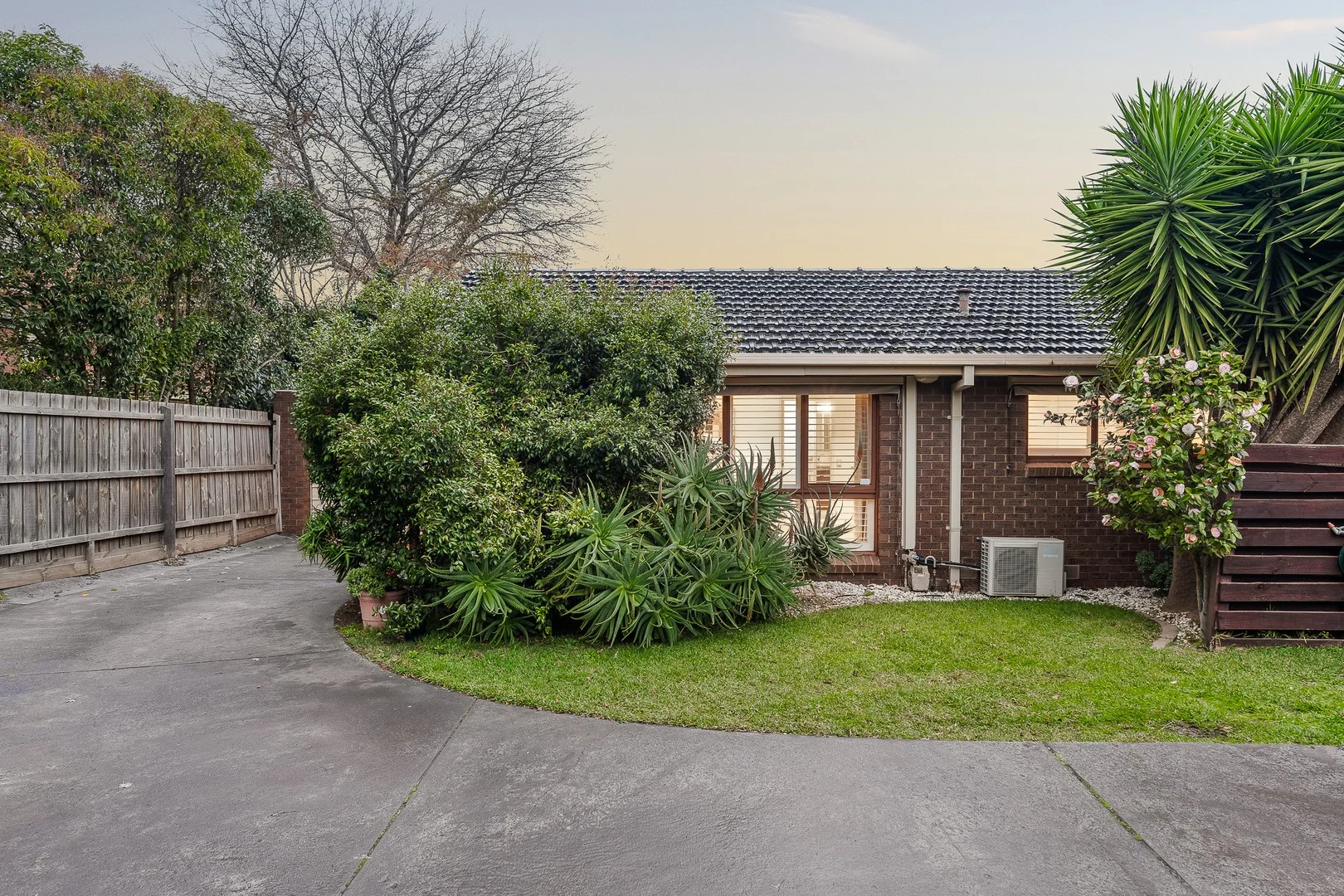 $770,000 - $820,000
Apartment / Unit / Flat
$770,000 - $820,000
Apartment / Unit / Flat
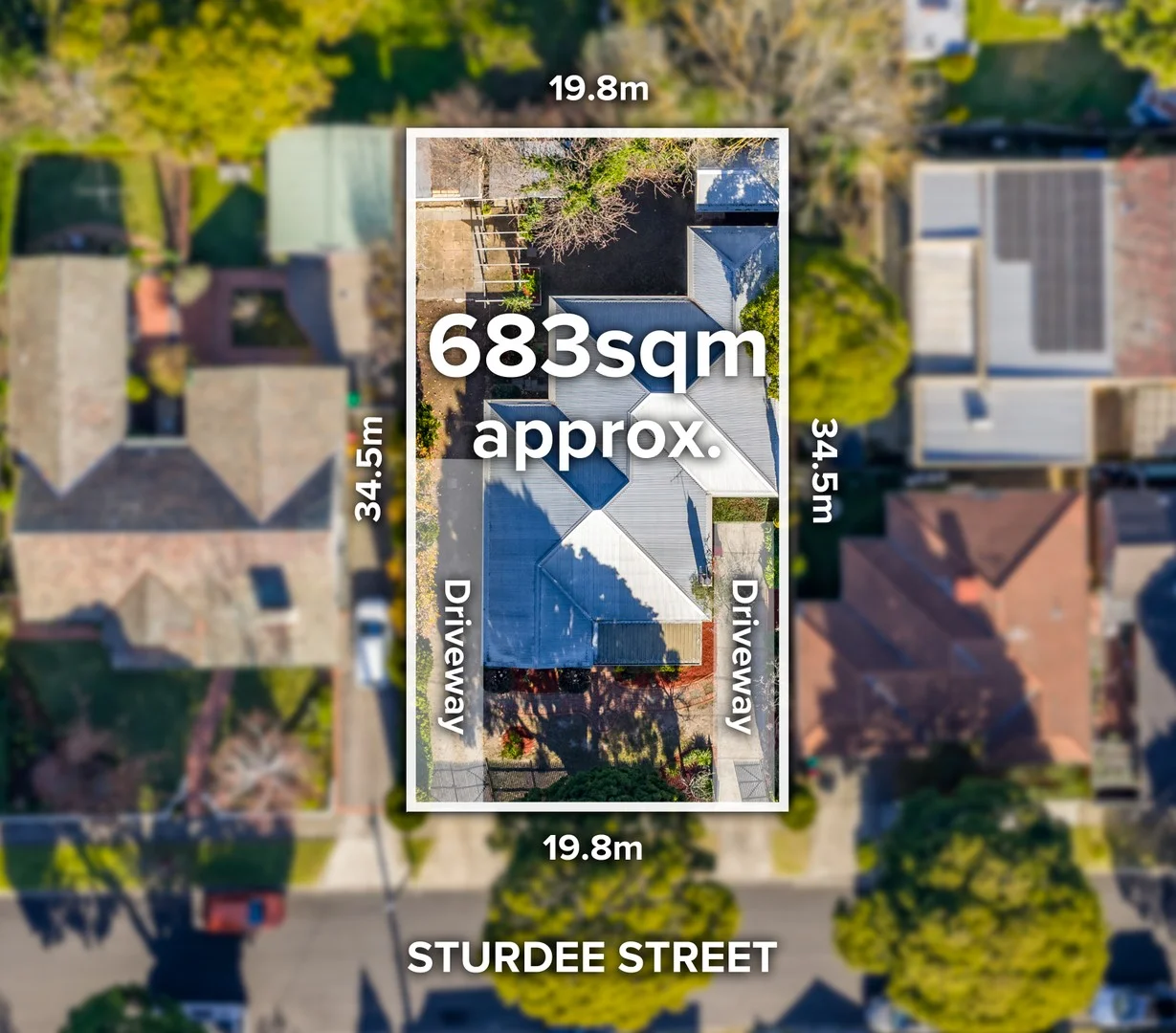 $2,000,000
House
$2,000,000
House
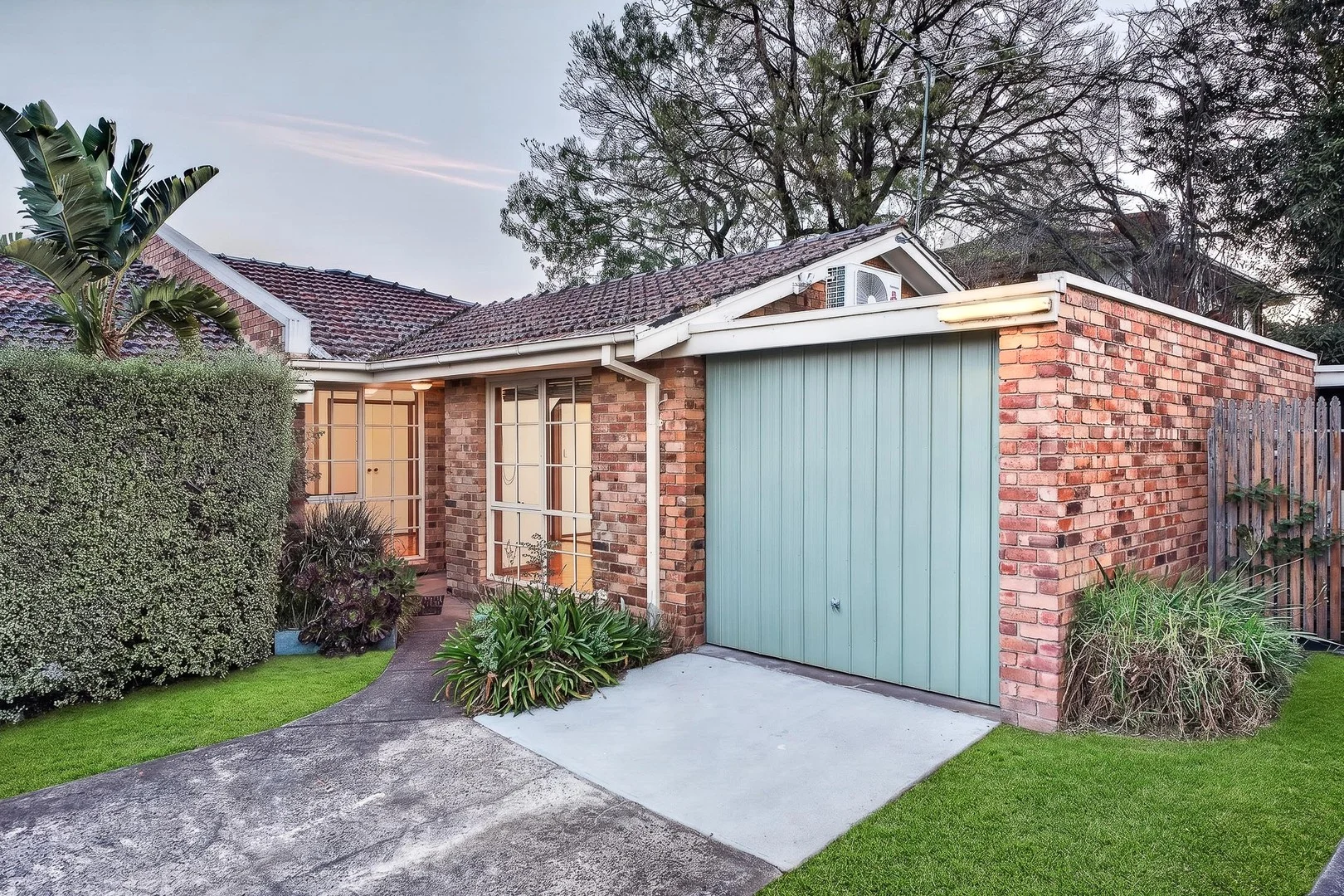 $765,000 - $825,000
Apartment / Unit / Flat
$765,000 - $825,000
Apartment / Unit / Flat
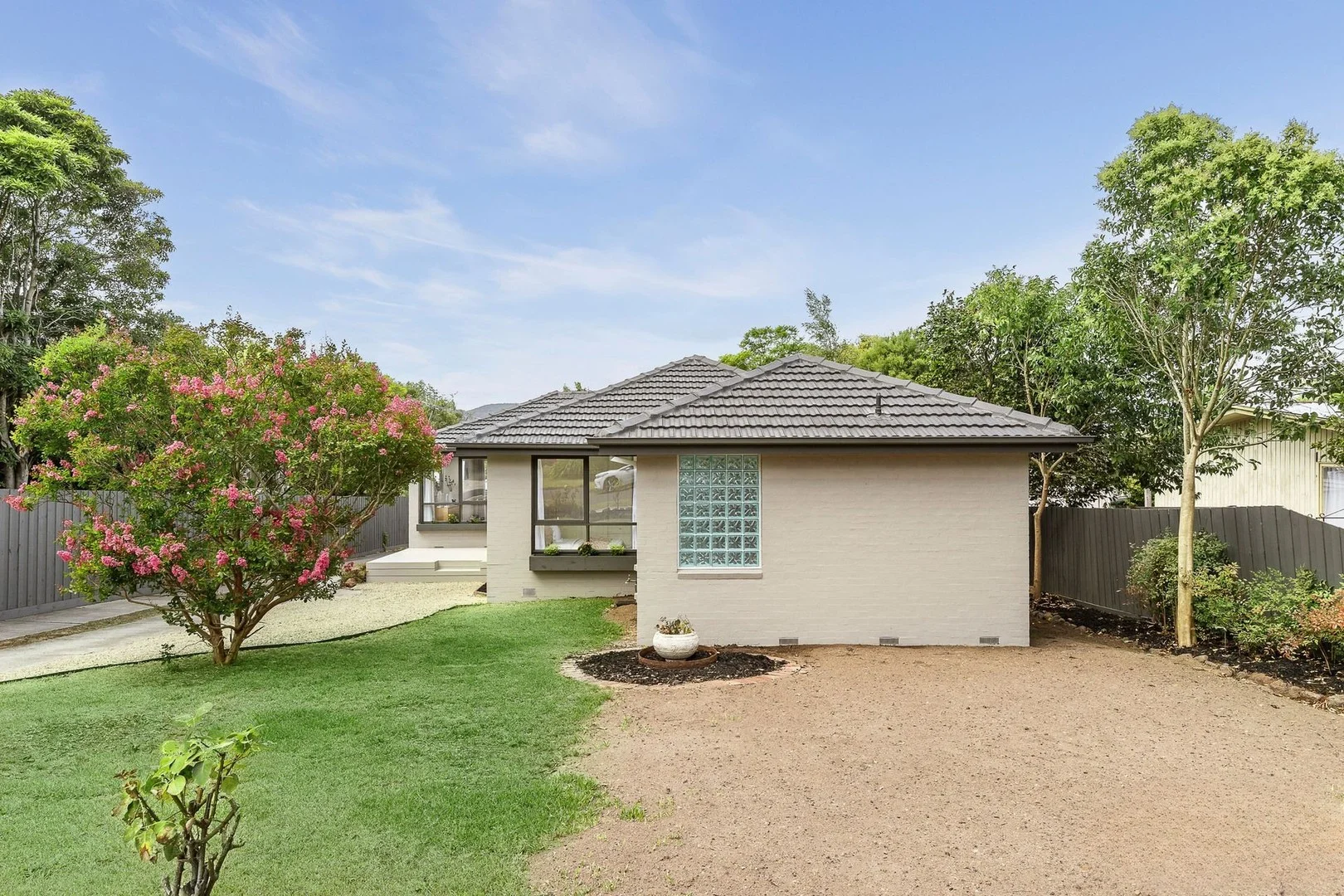 $700
Apartment / Unit / Flat
$700
Apartment / Unit / Flat
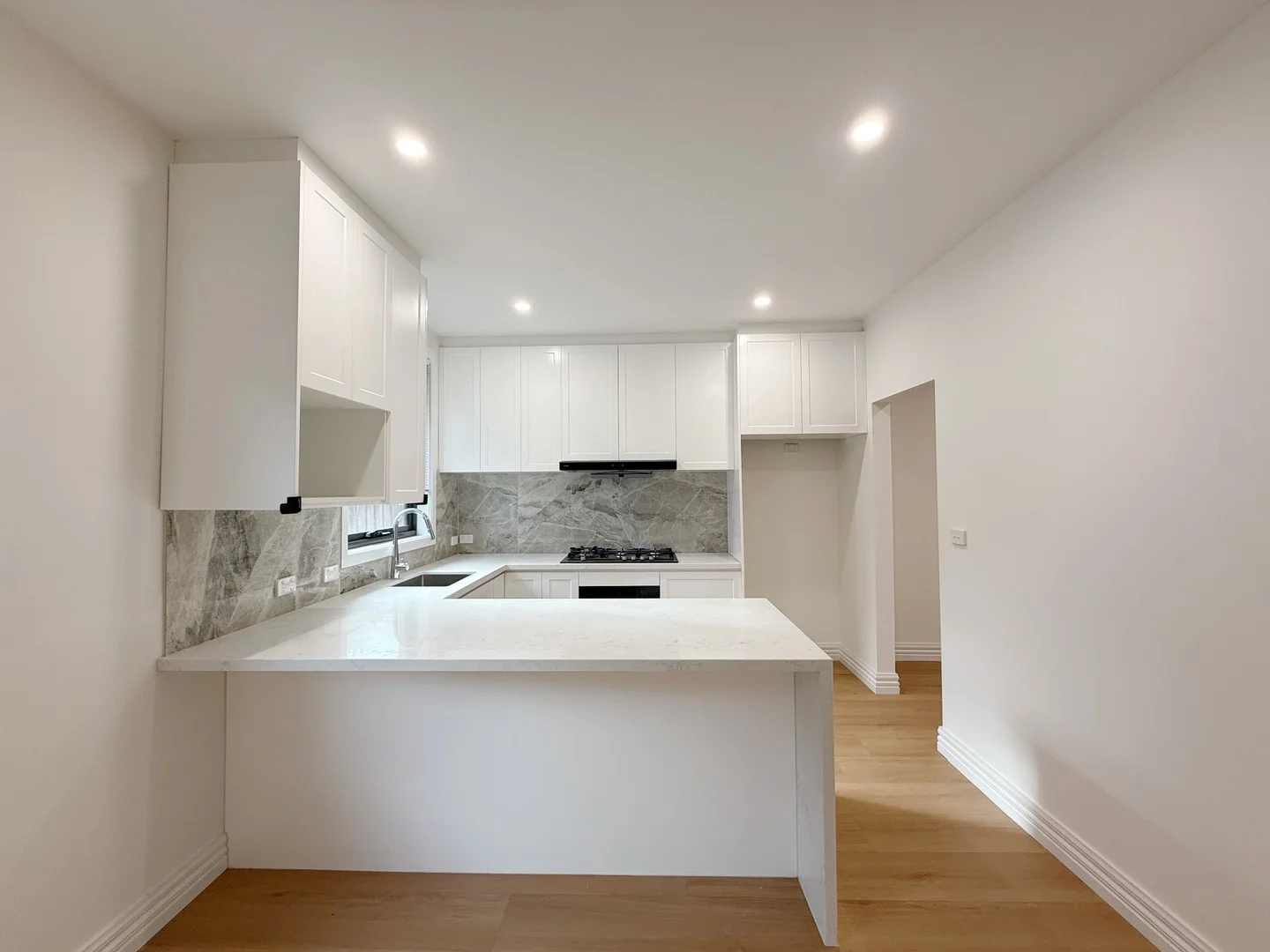 $1,280
House
$1,280
House
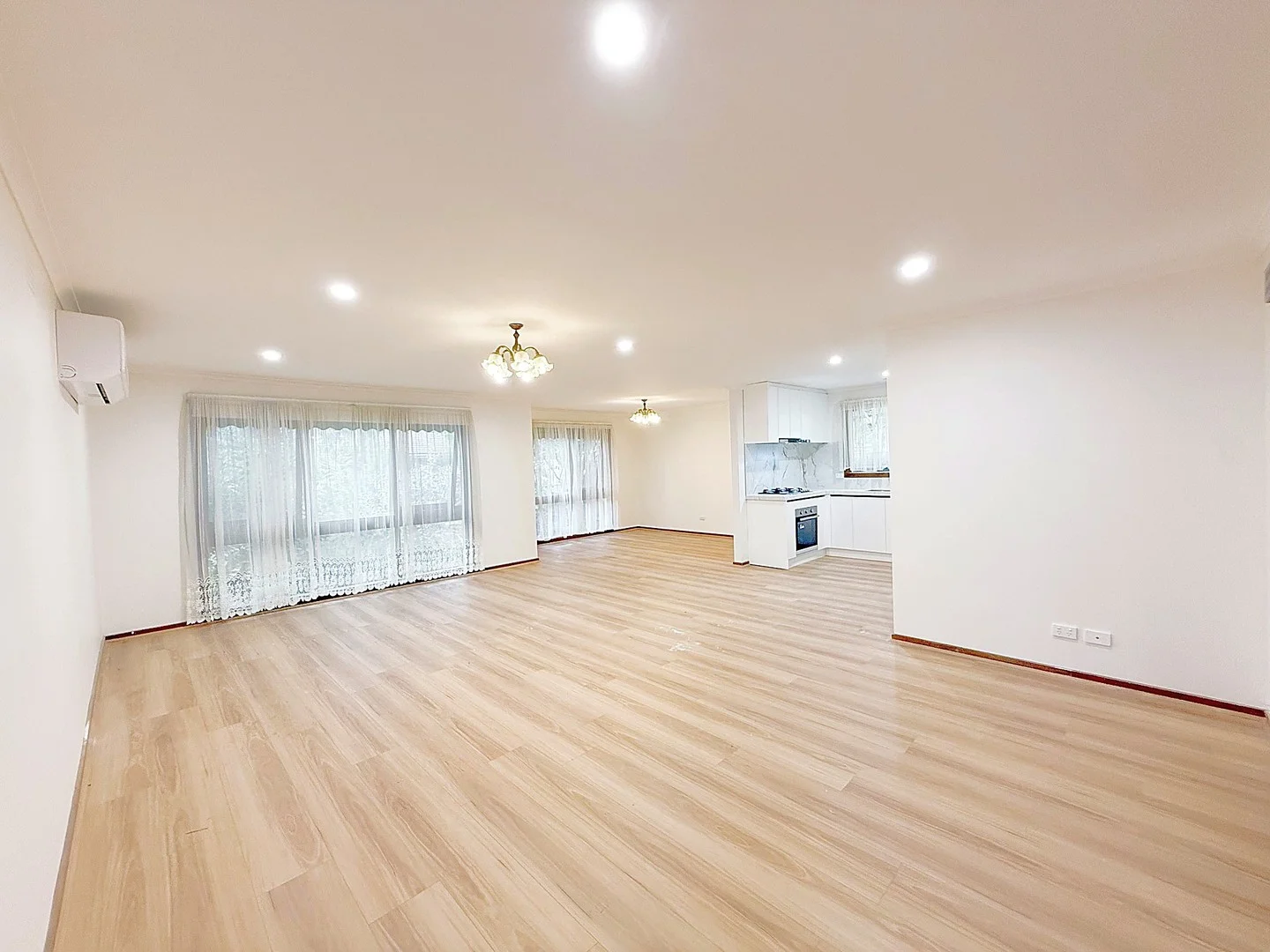 $1,100
House
$1,100
House
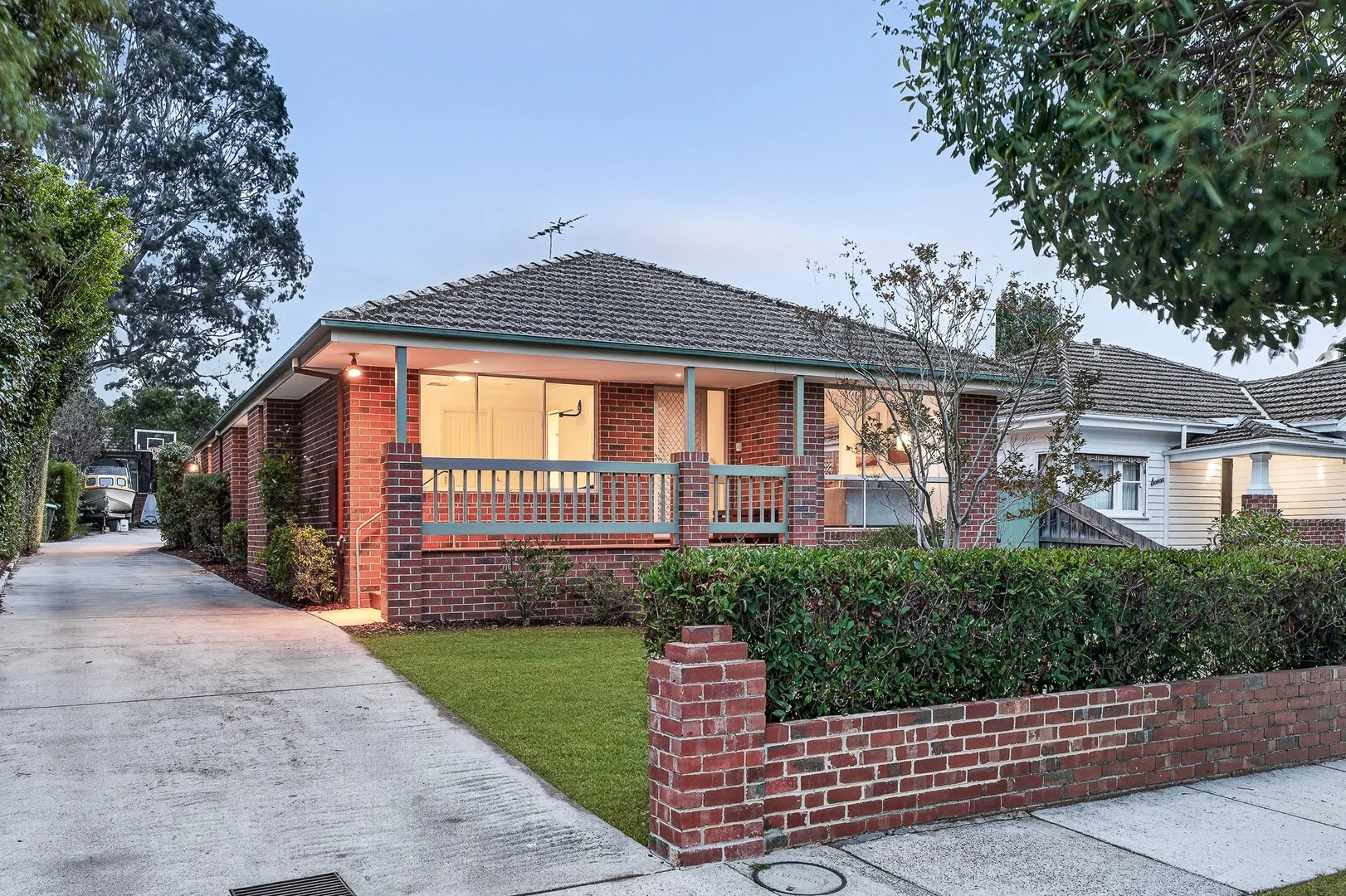 $1,200,000 - $1,300,000
House
$1,200,000 - $1,300,000
House
 $630,000 - $680,000
Apartment / Unit / Flat
$630,000 - $680,000
Apartment / Unit / Flat
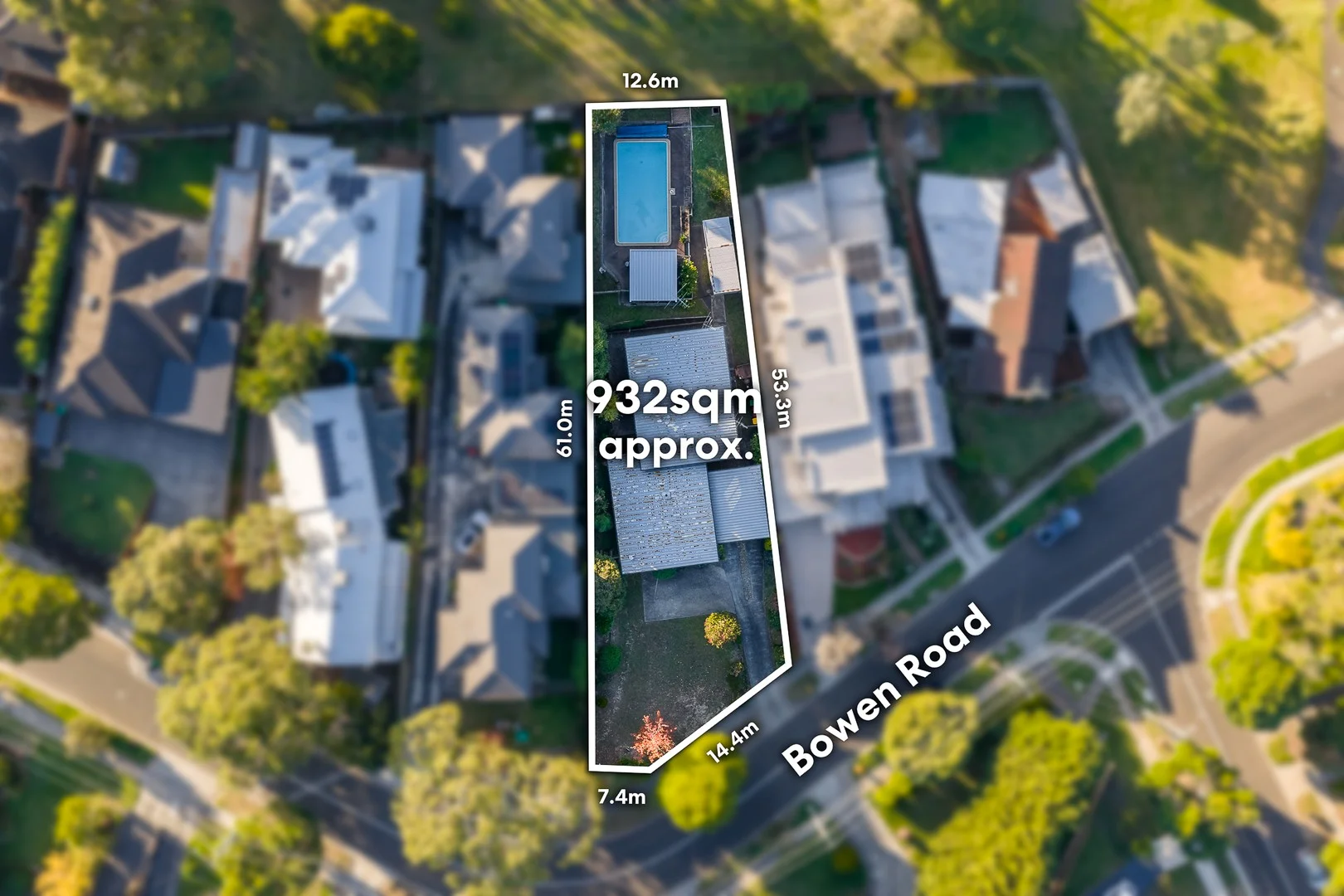 $1,300,000 - $1,400,000
House
$1,300,000 - $1,400,000
House