Overview
## 1. Overview
Clovelly Public School is a public, co-educational primary school serving students from Kindergarten to Year 6 in Clovelly, a coastal Sydney suburb. The school focuses on building a caring, inclusive learning community where every child can grow academically, socially and personally. The environment is nurturing and community-oriented, with small-to-medium school size and class configurations designed to support strong student-teacher relationships.
Class sizes are typically in the small-to-medium range, fostering personalised attention and a collaborative learning culture. The atmosphere emphasises inclusivity, positive behaviour, and a balanced emphasis on academics, creativity, and wellbeing.
---
## 2. Academics & Learning
- Academic strengths: Literacy and numeracy foundations with a strong emphasis on English, mathematics and inquiry-based learning. The school supports critical thinking, creative problem-solving and foundational skills across the curriculum.
- Special programs: NSW public schools commonly offer inclusive, differentiation-focused instruction with support for diverse learners. Clovelly Public School provides targeted support within the NSW curriculum, including EAL/D and SEN considerations, as well as opportunities for enrichment within the school day.
- NAPLAN / trends: NAPLAN data is used to monitor progress and guide teaching practice. Schools track year-to-year trends to identify areas for improvement and to celebrate gains in literacy and numeracy.
- Student-teacher ratios: Class sizes are aligned with NSW Department of Education guidelines, typically available in the small-to-medium range to support personalised feedback and small-group learning.
- Support for diverse learners: Strong commitment to inclusive education with EAL/D support and SEN planning to help students access learning and participate fully in class activities.
---
## 3. Sports & Extracurricular Strengths
- Sports offered: A broad range of team and individual sports common to NSW public primary schools, including athletics, soccer, cricket, netball and basketball, with opportunities for inter-school and local competitions.
- Strong teams or achievements: Participation-driven sports program with opportunities to represent the school at district or local events; focus on teamwork, conduct and school spirit.
- Music, arts, drama programs: Regular music and performing arts activities, with opportunities to participate in ensembles, school productions and drama initiatives.
- Clubs: Robotics, coding, chess, debating and other STEM/communication clubs are typically available or offered as after-school activities.
- Partnerships: Local partnerships with community arts and sporting groups, plus opportunities to engage in competitions and events at the district level.
---
## 4. Wellbeing & Pastoral Care
- Anti-bullying approach: Whole-school wellbeing framework emphasising respectful behaviour, safe environments, and proactive intervention.
- House system: (If applicable) House-based activities and events to foster belonging and healthy competition.
- Counsellors / wellbeing officers: Access to wellbeing staff to support mental health, social-emotional learning and transition support.
- Transition support for new students: Orientation activities, buddy programs and targeted supports to help new students settle in quickly and feel valued.
---
## 5. Facilities
- Sports grounds: Safe, well-maintained outdoor play and sport facilities for physical activity.
- Libraries: A resource-rich library space to support reading for pleasure and research.
- Science labs: Dedicated spaces for hands-on science learning and experiments.
- Music/performing arts centers: Facilities to support music education and drama activities.
- Tech/innovation labs: Modern spaces for technology and design projects.
- Cafeteria: On-site canteen or meal area supporting healthy eating options.
- Updated playgrounds: Safe, engaging play areas with equipment suitable for primary-aged children.
---
## 6. School Values & Community Culture
- School values / mission: A culture built on respect, responsibility, kindness and a commitment to inclusive education and student wellbeing.
- Leadership style: Collaborative leadership with opportunities for student involvement and staff collaboration to establish a positive school climate.
- Behaviour expectations: Clear expectations and consistent consequences aligned with positive behaviour practices.
- Community reputation: Known for a welcoming, family-friendly environment that values student growth and parental engagement.
- Diversity & inclusion: Emphasis on welcoming students from diverse backgrounds and ensuring accessible learning for all.
---
## 7. School Logistics & Daily Operations
- School hours: Typical school day runs during standard NSW primary school hours.
- Before/after school care: After-school care options are available through school-approved providers or OSHC programs.
- Uniform requirements: School uniform policy in place; details provided by the school for daily wear and any event-specific attire.
- Transport (train/bus routes): Local transport options via bus routes and walking/cycling arrangements; information on safe drop-off/pick-up is available from the school.
- Canteen availability: Canteen or canteen services offered on-site or nearby for lunch/snack options.
- Fees (low/medium/high ranges): As a public school, funded through NSW DoE with additional costs for certain activities, excursions or voluntary contributions; exact amounts are communicated by the school each year.
---
## 8. Enrolment & Admissions
### 11. What is the enrolment process and timeline?
- Check catchment: Confirm your residential catchment to determine eligibility for in-catchment enrolment.
- Submit an enrolment application: Complete the school’s enrolment form and provide required documentation.
- Gather supporting documents: Proof of identity, proof of address, birth certificate, immunisation records, and any custody or care arrangements if relevant.
- Documentation review: The school reviews applications in line with NSW DoE guidelines and available places.
- Offer and transition: If space is available, an offer of enrolment is provided; transition arrangements (orientation activities, start-of-year or mid-year onboarding) are organised.
- Timeline: Enrolments are typically processed for each term/year; exact timelines vary by year level and space availability.
### 12. Is there a waiting list, and how does it work?
- Waiting list: Some out-of-area or full-year levels may have a waiting list. Availability depends on current enrolments and space.
- How it works: Applicants are added to the list and progressed according to policy, with priority usually given to in-catchment students and siblings, followed by the date of application and other DoE guidelines.
- Updates: Families are kept informed about their position and any changes in prioritisation or space.
### 13. Are there any entry requirements, tests, or interviews?
- Entry requirements: Enrolment is based on eligibility and space; there are no general entrance exams for NSW public primary schools.
- Tests/interviews: Typically no formal testing or interviews; schools may offer information sessions or show tours to prospective families.
- Immunisation: Compliance with the NSW immunisation schedule is commonly part of enrolment documentation.
### 14. Does the school accept mid-year transfers?
- Mid-year transfers: May be possible if space is available and student placement aligns with year level cohorts.
- Process: Contact the school early to discuss capacity, eligibility and transition arrangements; complete any required forms and provide supporting documents.
---
## 9. Frequently Asked Questions
- Why Parents Choose This School?
- What type of student thrives at this school?
- What opportunities are available for students to extend their skills (academics, sports, arts)?
- How does the school communicate with parents?
- What is the school’s approach to teaching and learning?
- How does the school support students who need extra academic help?
- What support is available for academic challenges?
- How does the school communicate with parents?
- What are the class sizes and how much individual attention do students receive?
- What extracurricular and sports opportunities are available?
- What facilities does the school offer (sports, science, arts)?
- What is the school’s approach to technology and digital learning?
- What transport and accessibility options are available?
- What are the typical school fees or additional costs?
Note: The above FAQs reflect common parent questions. For precise answers, please consult the school's current policies and communications.
---
## 10. Short Pros & Cons list
- Pros
- Public, community-focused environment with an inclusive culture.
- Small-to-medium class sizes enabling personalised attention.
- Range of extracurriculars across sports, arts and STEM.
- Strong emphasis on wellbeing and supportive pastoral care.
- Convenient local location with family-friendly facilities.
- Cons
- Enrolment space may be limited in high-demand catchments.
- Some programs and facilities may vary year to year depending on funding and scheduling.
- Detailed information on fees, uniform, and transport should be confirmed with the school annually.
---
If you’d like, I can tailor this draft with more specific details from Clovelly Public School’s latest resources (enrolment forms, current programs, and official reminders).










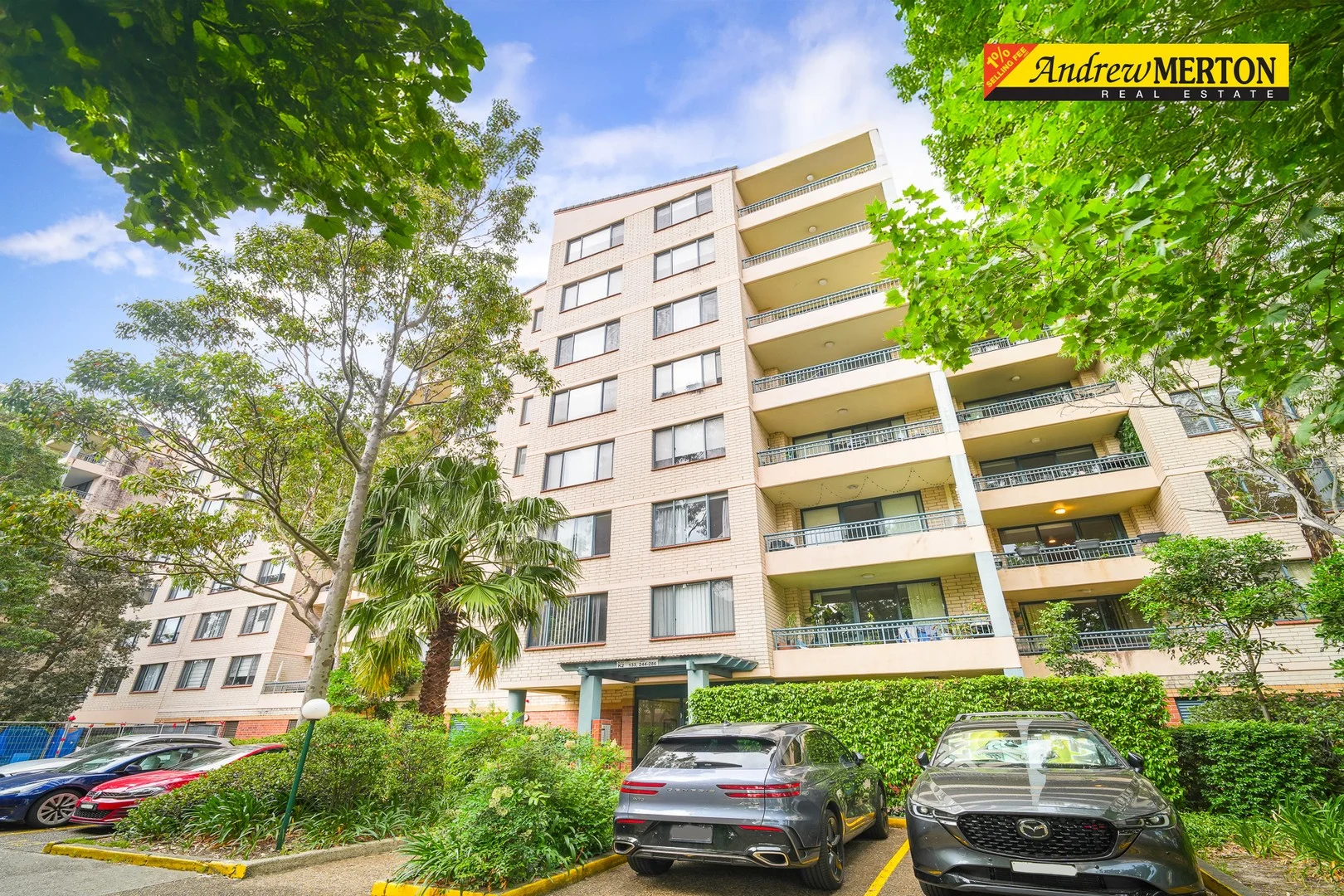 $933,000
Apartment / Unit / Flat
$933,000
Apartment / Unit / Flat
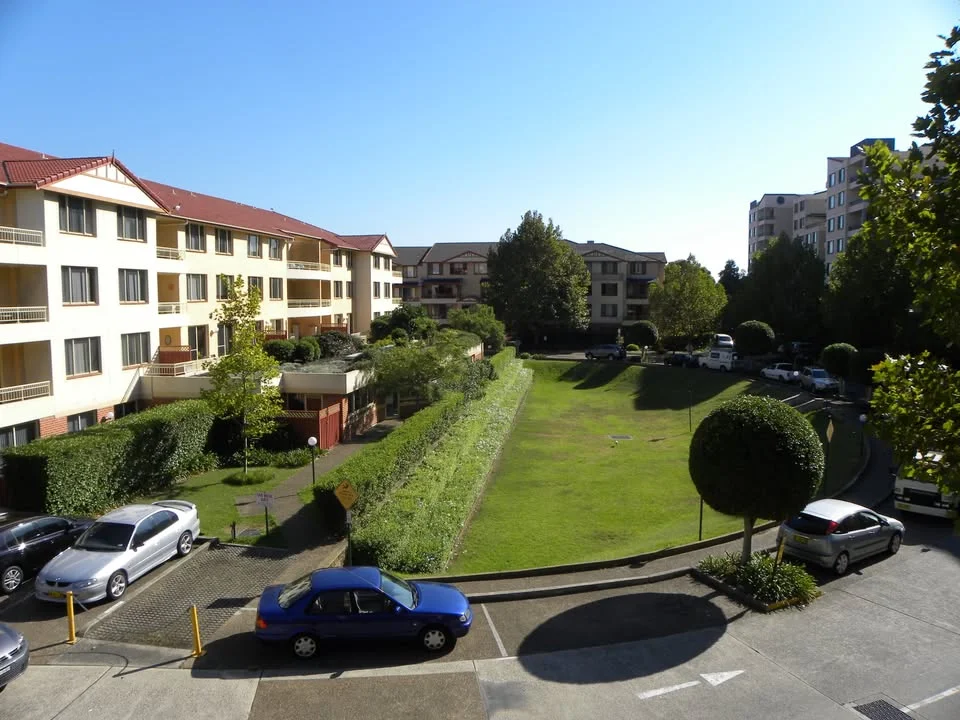 $990
Apartment / Unit / Flat
$990
Apartment / Unit / Flat
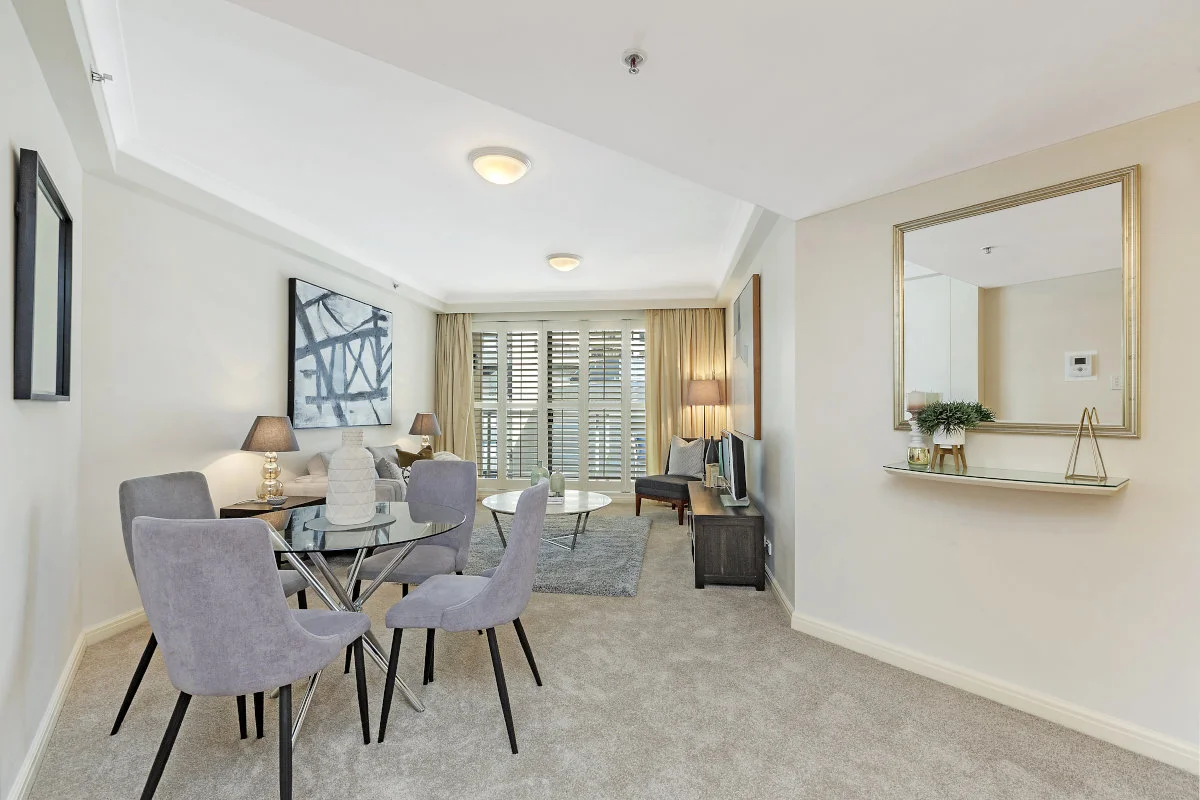 $660,000 - $725,000
Apartment / Unit / Flat
$660,000 - $725,000
Apartment / Unit / Flat
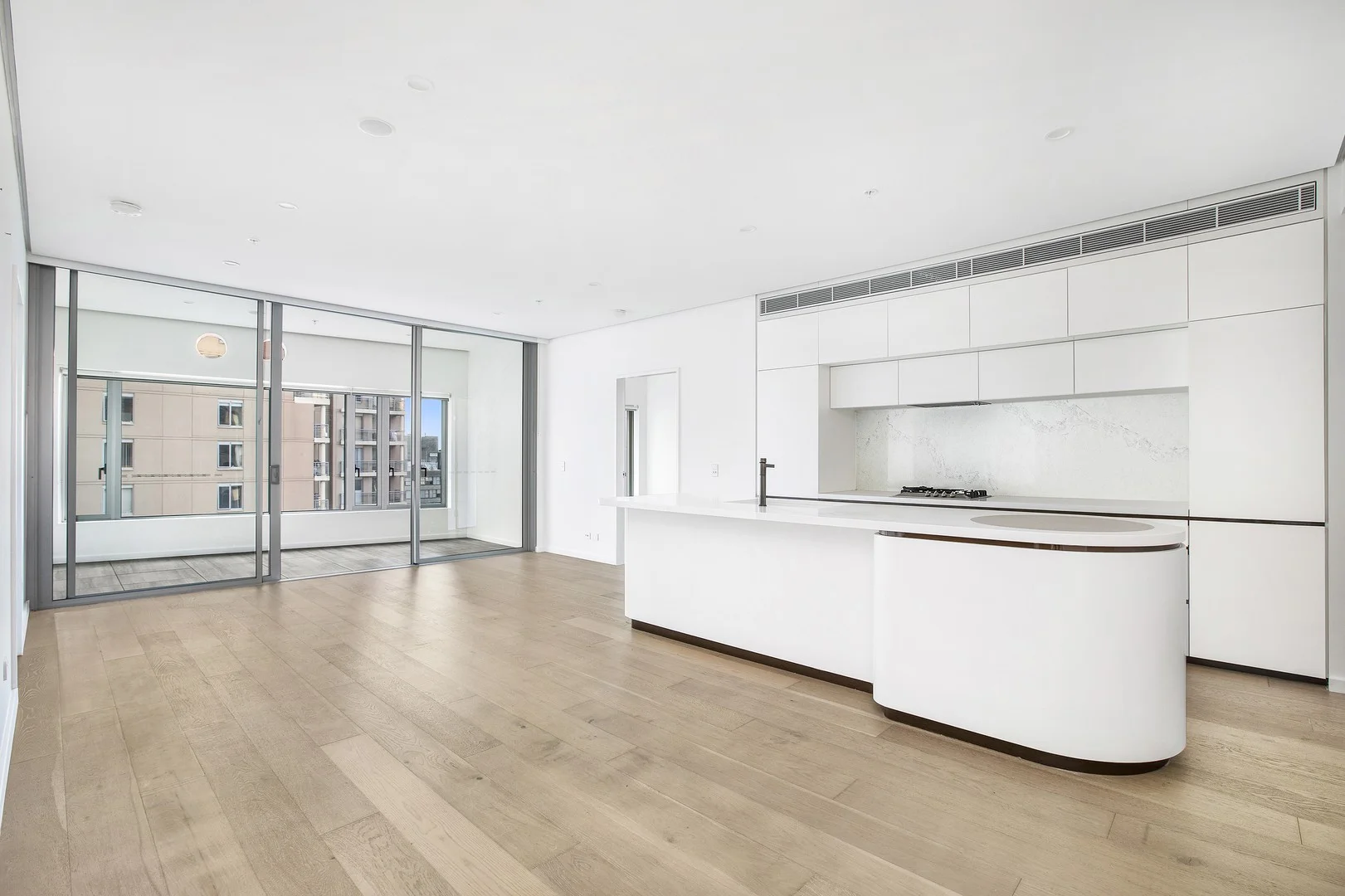 $2,250,000
Apartment / Unit / Flat
$2,250,000
Apartment / Unit / Flat
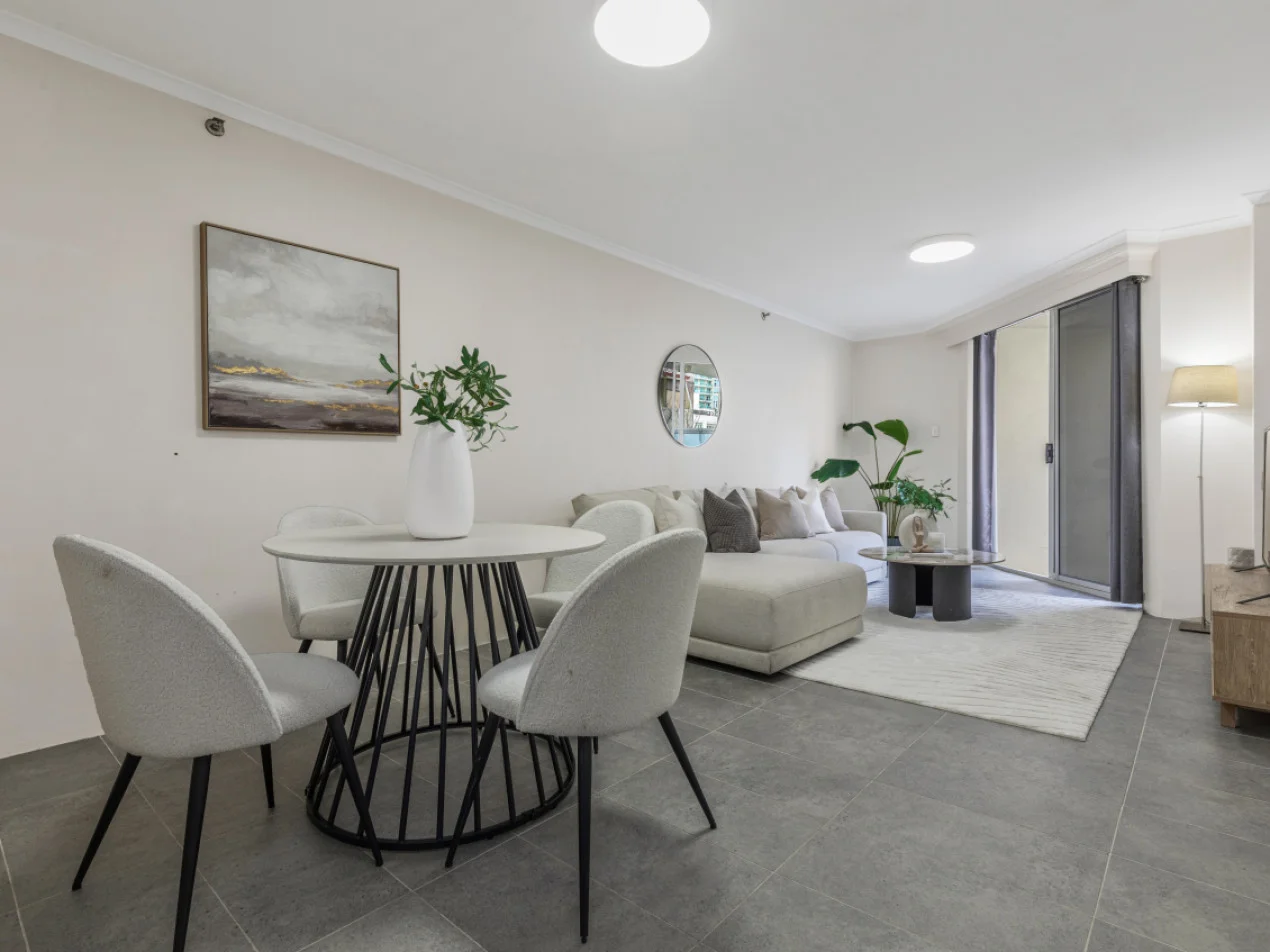 $640,000 - $675,000
Apartment / Unit / Flat
$640,000 - $675,000
Apartment / Unit / Flat
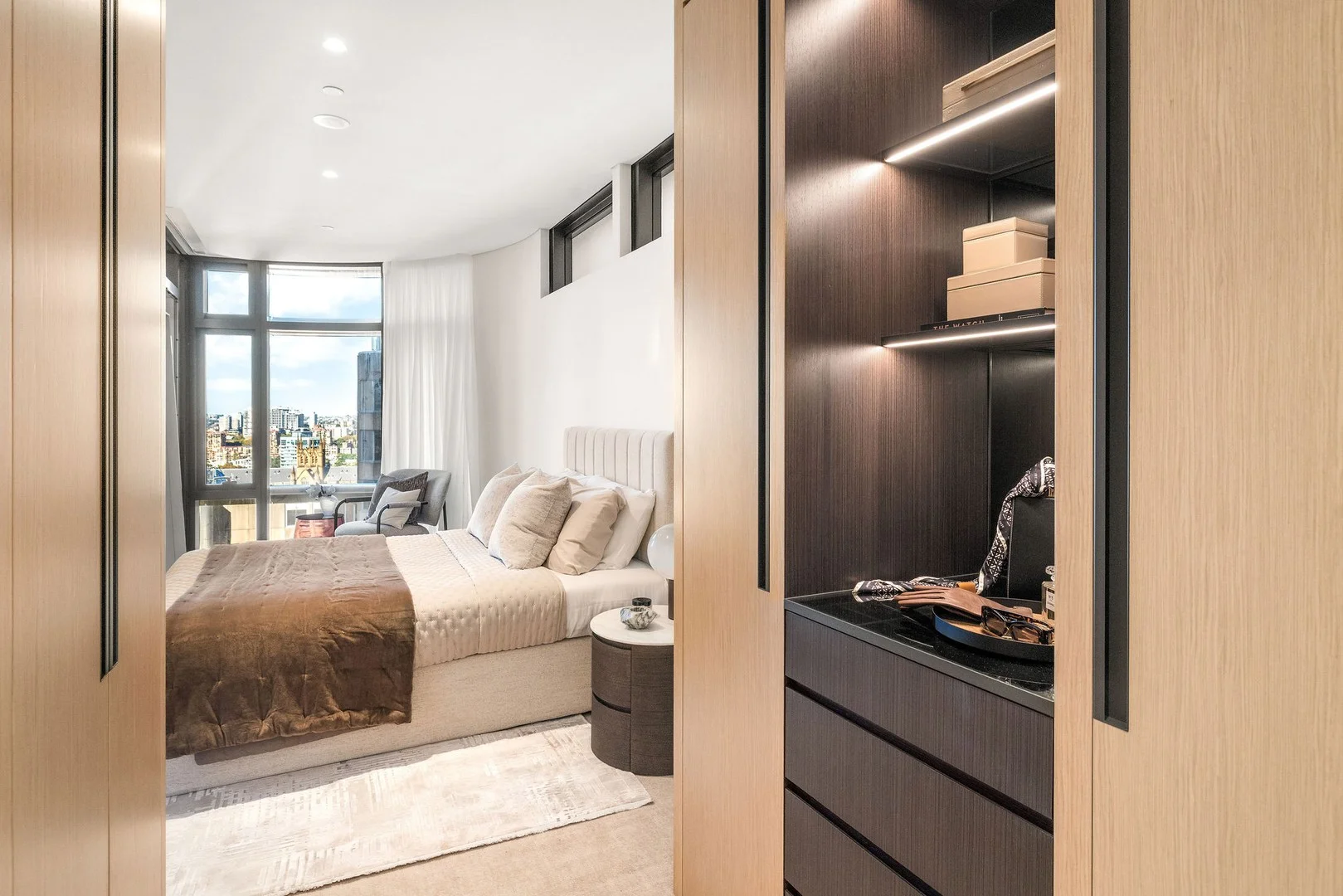 $2,745,000
propertyType.NEW APARTMENTS / OFF THE PLAN
$2,745,000
propertyType.NEW APARTMENTS / OFF THE PLAN
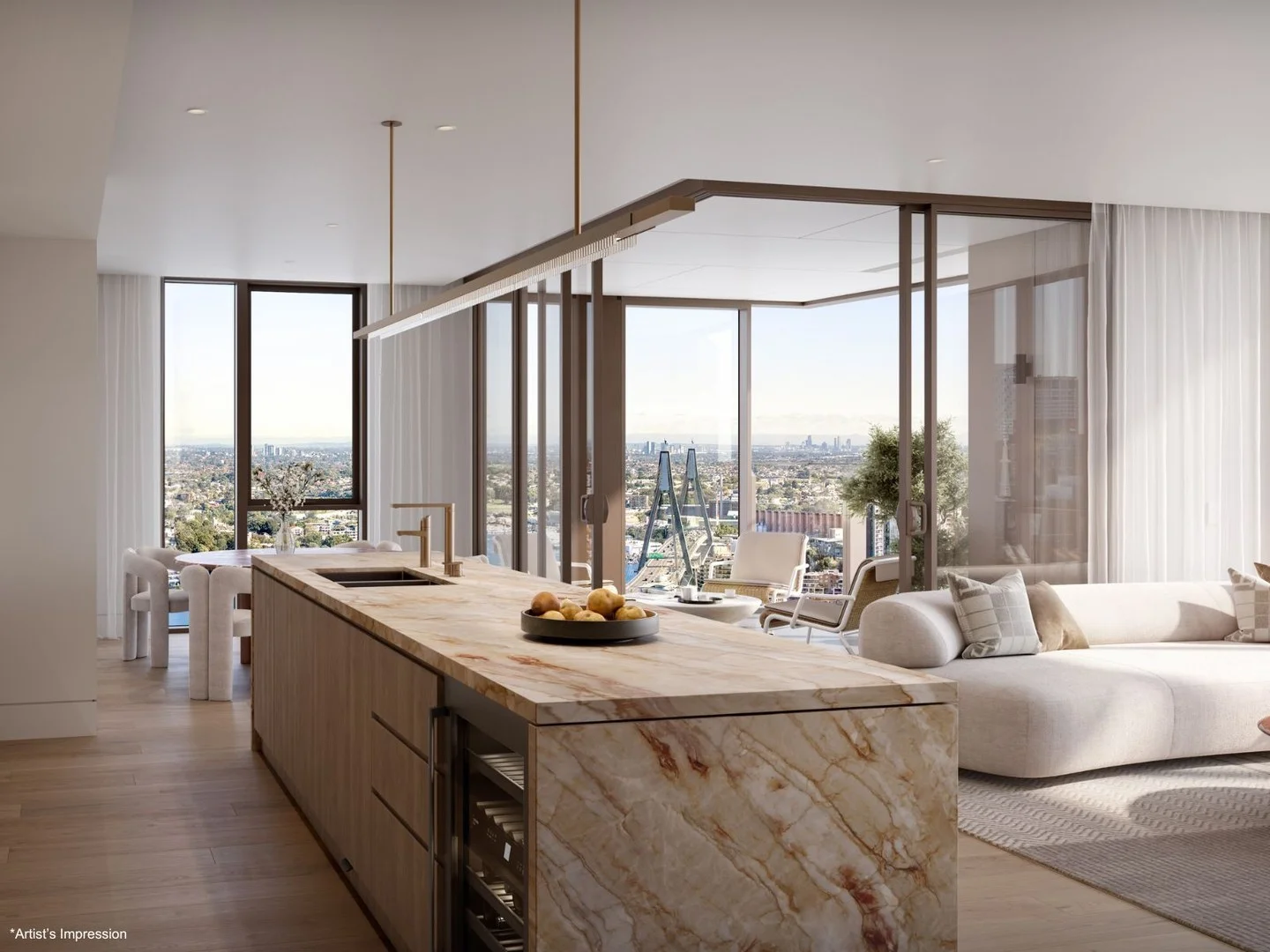 $9,020,000
propertyType.NEW APARTMENTS / OFF THE PLAN
$9,020,000
propertyType.NEW APARTMENTS / OFF THE PLAN
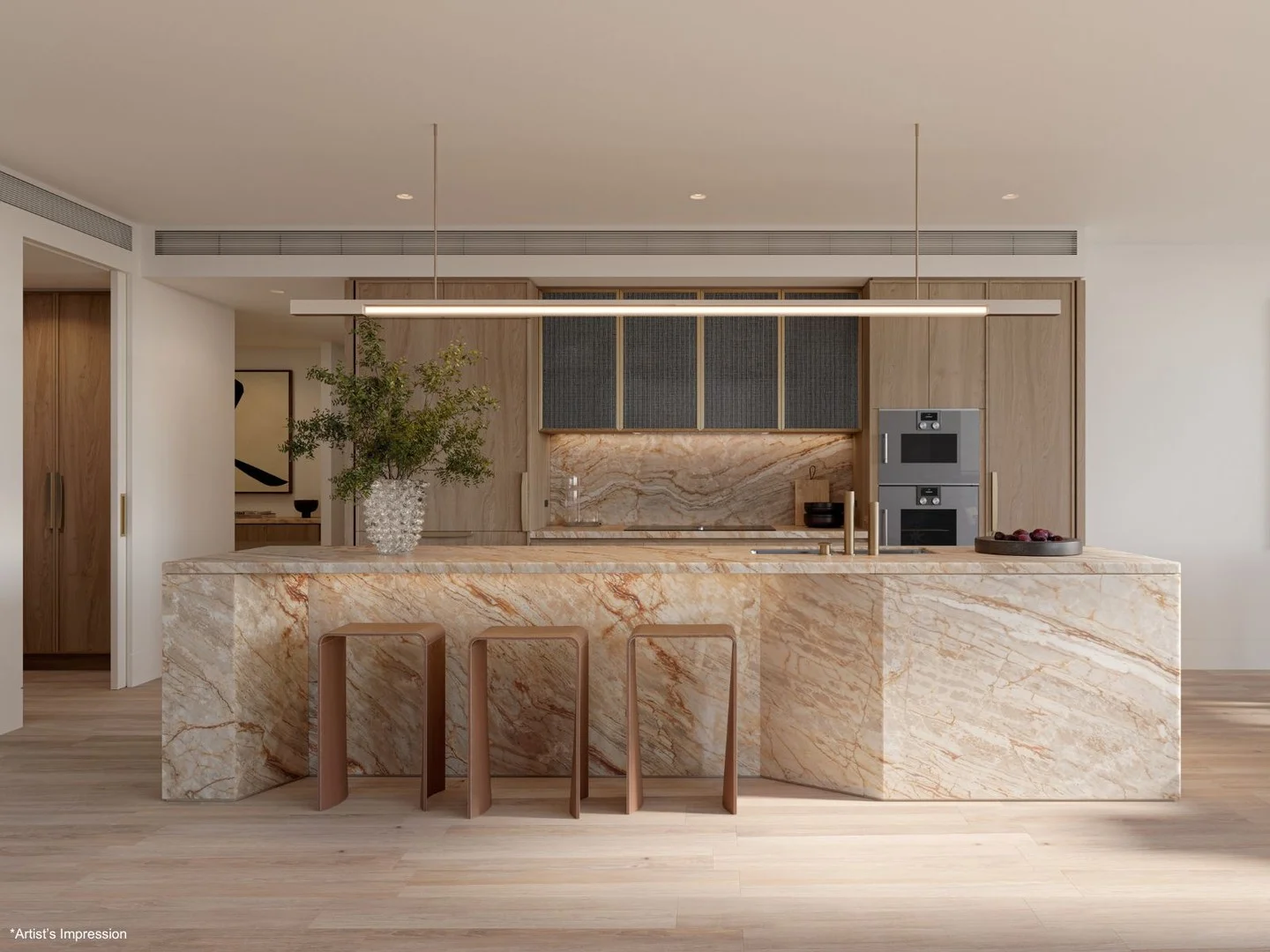 $6,225,000
propertyType.NEW APARTMENTS / OFF THE PLAN
$6,225,000
propertyType.NEW APARTMENTS / OFF THE PLAN
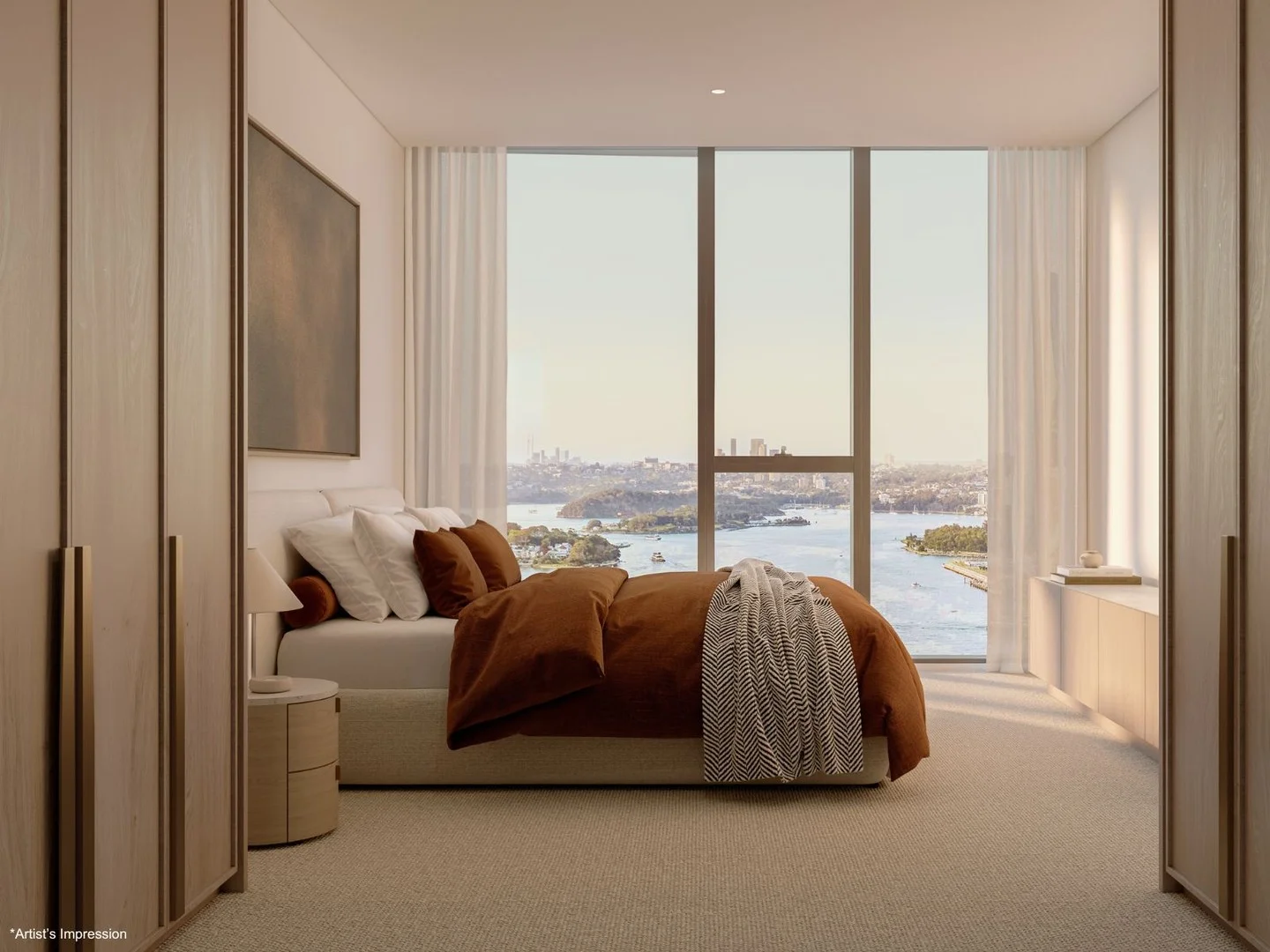 $8,630,000
propertyType.NEW APARTMENTS / OFF THE PLAN
$8,630,000
propertyType.NEW APARTMENTS / OFF THE PLAN