Overview
1. Overview
St Anthony's Catholic Primary School, Clovelly is a Catholic, co-educational primary school serving families in the local community. The school favours a small-to-medium school environment that emphasises faith, care and a positive learning culture. Class sizes are typically around 20–25 students, contributing to an atmosphere that is nurturing, inclusive and focused on holistic development.
2. Academics & Learning
- Academic strengths: A strong emphasis on literacy and numeracy within a Catholic educational framework, with opportunities for leadership and personal development. The school supports a values-driven approach to learning and engages students in inquiry and critical thinking within a faith-based context.
- Special programs: Catholic religious education and sacramental preparation are integrated into the learning program. The school supports student extension and enrichment within regular class structures and promotes service learning and community engagement.
- NAPLAN / trends: NSW/NAPLAN trends for primary schools typically show stable performance with year-to-year variation; schools monitor literacy and numeracy progress to guide targeted support.
- Student-teacher ratios: Class sizes and student-teacher ratios are aligned with NSW Catholic school standards, generally around 1 teacher for 20–25 students, with additional support where needed.
- Support for diverse learners: Provision for diverse learners includes EAL/D support, learning support staff, and targeted assistance for students requiring additional help within the classroom and through small-group programs.
3. Sports & Extracurricular Strengths
- Sports offered: A broad program of school sport, including popular team sports and athletics, with opportunities for inter-school competition.
- Strong teams or achievements: The school participates in inter-school events and showcases student teamwork, effort and sportsmanship.
- Music, arts, drama programs: Access to music and performing arts programs, with opportunities to participate in choir, assemblies, and school productions.
- Clubs: Robotics, chess, coding, debating and other lunchtime or after-school clubs are encouraged to broaden student interests.
- Partnerships: Connections with local community groups and networks for competitions and performance opportunities help extend learning beyond the classroom.
4. Wellbeing & Pastoral Care
- Anti-bullying approach: A proactive anti-bullying policy and positive Behaviour for Learning framework support a safe, respectful school culture.
- House system: A house/values system provides positive peer relationships, leadership opportunities and teamwork.
- Counsellors / wellbeing officers: Access to school-based wellbeing support, with staff trained to assist students’ social-emotional needs.
- Transition support for new students: Orientation activities, buddy systems and gradual transitions help new students settle in smoothly.
5. Facilities
- Sports grounds
- Libraries
- Science labs
- Music/performing arts centers
- Tech/innovation labs
- Cafeteria
- Updated playgrounds
6. School Values & Community Culture
- School values / mission: A faith-informed mission focused on Catholic values, character building and service to others.
- Leadership style: Inclusive leadership that invites student voice, staff collaboration and strong parish-school partnerships.
- Behaviour expectations: Clear, consistent expectations rooted in respect, responsibility and care for others.
- Community reputation: A welcoming, faith-centred school with strong ties to families and the local parish.
- Diversity & inclusion: Commitment to a supportive, inclusive environment that values diversity and belonging.
7. School Logistics & Daily Operations
- School hours: Typical primary school days with standard start and finish times; variations may occur on early/late days or on excursion days.
- Before/after school care: Availability of before and after school care or programs through approved providers (check current offering).
- Uniform requirements: School uniform policy with specified attire and practical guidelines for daily wear.
- Transport (train/bus routes): Transport options commonly include regional or local bus services; families should verify current routes and schedules with the school or local transport authorities.
- Canteen availability: Canteen services or options for healthy snacks and meals may be available; verify current offerings and times.
- Fees (low/medium/high ranges): Fee ranges are typically aligned with NSW Catholic primary schools; confirm current fees and any additional costs with the school.
8. Enrolment & Admissions
11. What is the enrolment process and timeline?
- Submit an enrolment application with the school, including any required family and student information.
- Attend information sessions or interviews as part of the process.
- Receive an offer of placement if a vacancy exists; timelines vary by year and demand.
12. Is there a waiting list, and how does it work?
- Some year levels may operate with a waiting list when applications exceed vacancies. The school can provide details on how the waitlist is managed, expected wait times and how priorities are determined (e.g., parish affiliation, siblings, local placement).
13. Are there any entry requirements, tests, or interviews?
- Entry procedures often include a family interview or information session, and may involve documentation (birth certificate, baptism certificate, proof of address, immunisation records). Standard admissions testing is not always required for primary years, but interviews help families and the school assess fit.
14. Does the school accept mid-year transfers?
- Mid-year transfers may be possible if vacancies exist. The school will outline the process, required documentation and any transitional support available to new mid-year students.
9. Frequently Ask Questions
- Why Parents Choose This School? A faith-based community with a focus on values, belonging, and holistic development for your child.
- What type of student thrives at this school? Students who value a supportive environment, strong community connections, and a balanced approach to academics, faith and extracurriculars.
- What opportunities are available for students to extend their skills (academics, sports, arts)? A range of enrichment activities, clubs (robotics, chess, coding, debating), sports teams, music and performing arts programs, and service opportunities.
- How does the school communicate with parents? Regular updates via newsletters, emails, a school portal or communications app, and parent-teacher meetings.
- What is the school’s approach to teaching and learning? A faith-informed, inquiry-based approach with a focus on literacy and numeracy, differentiation to meet diverse needs, and opportunities for student leadership.
- How does the school support students who need extra academic help? Targeted interventions within classrooms, small-group support, and access to learning support staff or EAL/D assistance as appropriate.
- What support is available for academic challenges? Early identification, personalised learning plans, regular progress checks and engagement with parents to plan next steps.
- How does the school communicate with parents? See above: newsletters, digital platforms and parent-teacher meetings.
- What are the class sizes and how much individual attention do students receive? Typical class sizes around 20–25 students, with individual or small-group attention through targeted supports.
- What extracurricular and sports opportunities are available? A broad program including clubs (robotics, chess, coding, debating), sports and inter-school programs, and opportunities in music and arts.
- What facilities does the school offer (sports, science, arts)? Sports grounds, library, science facilities, music/performing arts spaces, and related facilities to support a well-rounded program.
- What is the school’s approach to technology and digital learning? Integrated technology use to support learning, with responsible digital citizenship and access to appropriate devices and resources.
- What transport and accessibility options are available? Local bus routes or transport arrangements; check current options with the school for the latest details.
- What are the typical school fees or additional costs? Fees are set by the school; please consult the school for current information and any additional costs (uniforms, excursions, activities).
10. Short Pros & Cons list
Pros
- Catholic, values-based education with strong community ties
- Nurturing, inclusive environment and focus on wellbeing
- Range of clubs and extracurriculars (robotics, chess, coding, debating)
- Balanced emphasis on academics, faith, sport and arts
- Student support for diverse learners and transition needs
Cons
- As a smaller/medium Catholic primary, availability may vary by year level and demand
- Information on specific programs, facilities or fees should be confirmed with the school
- Mid-year transfers depend on vacancies and school capacity
If you’d like, I can tailor this content further by requesting current details directly from the school or by adjusting tone and length to fit your site’s style.










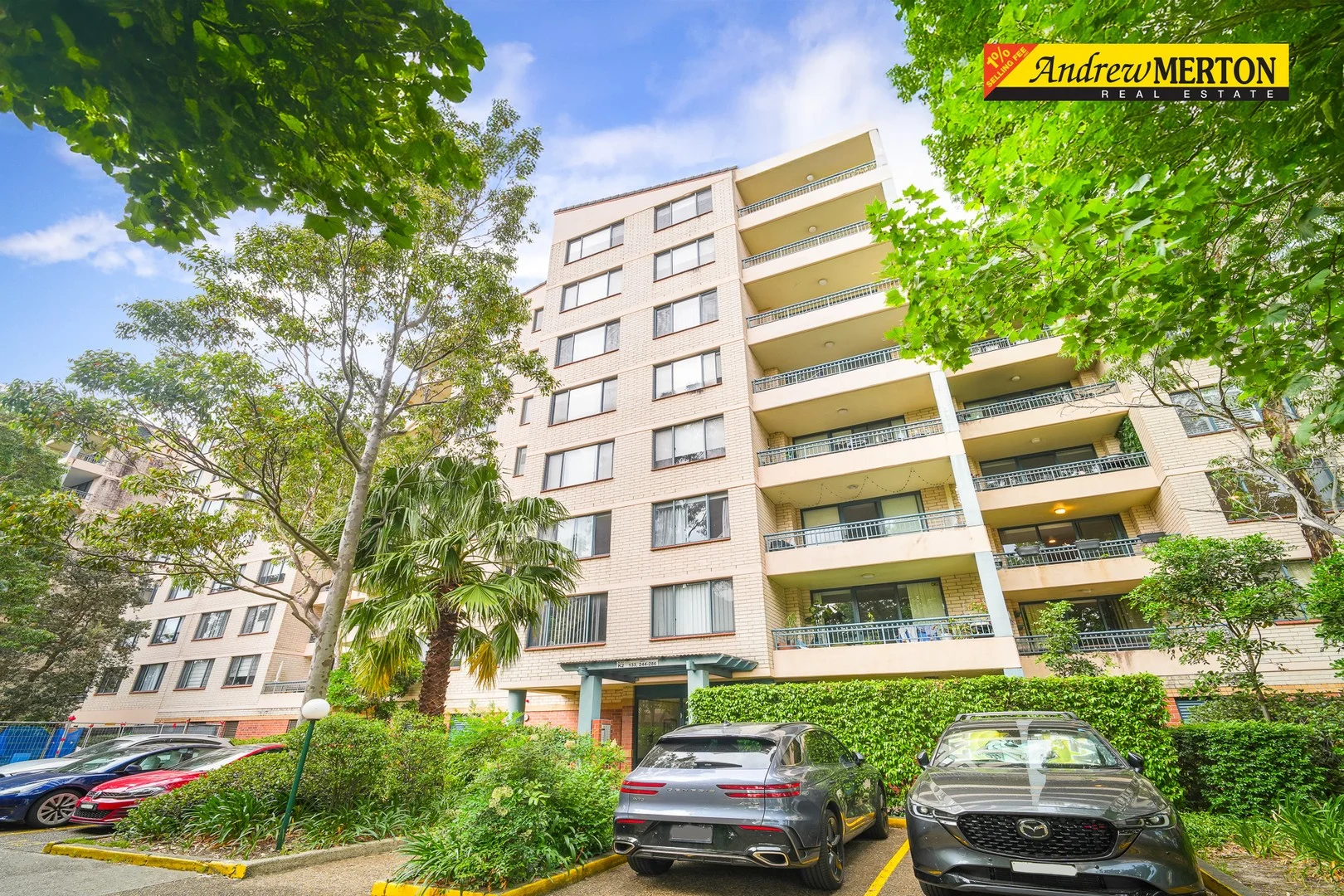 $933,000
Apartment / Unit / Flat
$933,000
Apartment / Unit / Flat
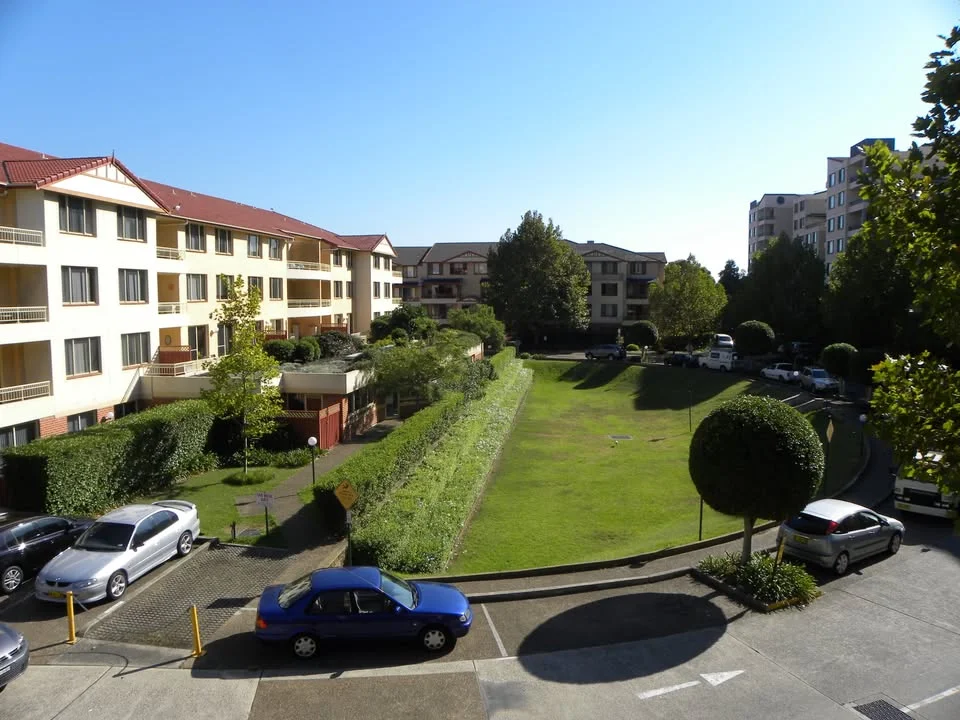 $990
Apartment / Unit / Flat
$990
Apartment / Unit / Flat
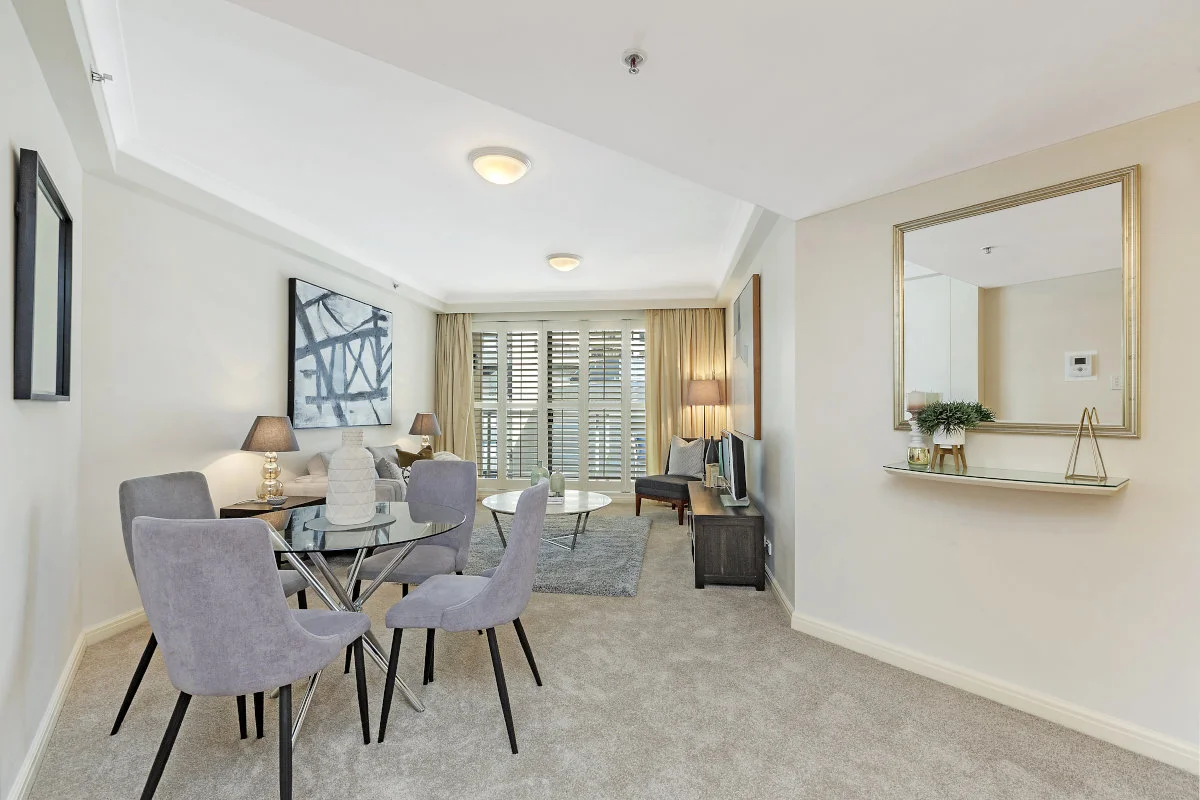 $660,000 - $725,000
Apartment / Unit / Flat
$660,000 - $725,000
Apartment / Unit / Flat
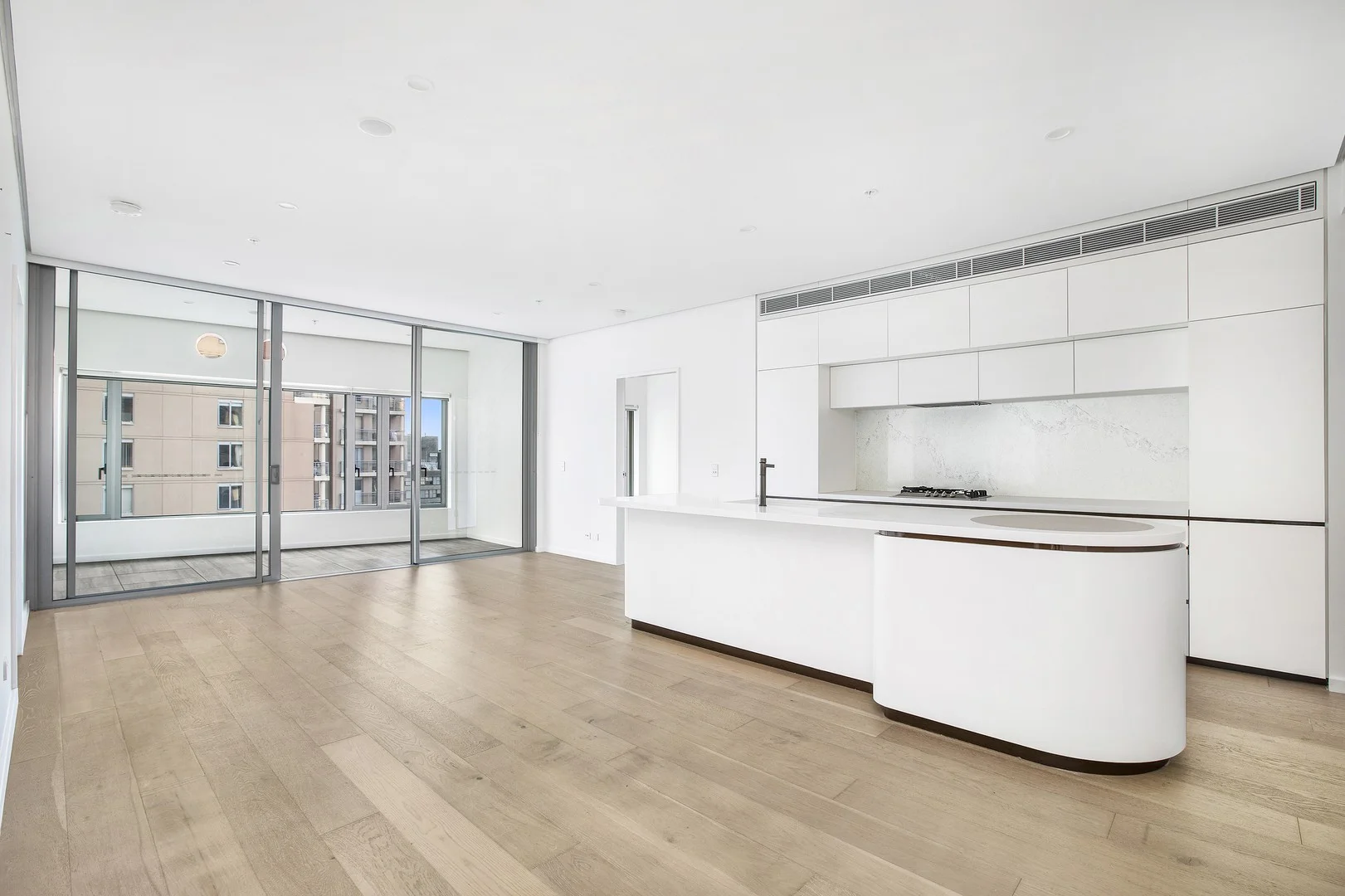 $2,250,000
Apartment / Unit / Flat
$2,250,000
Apartment / Unit / Flat
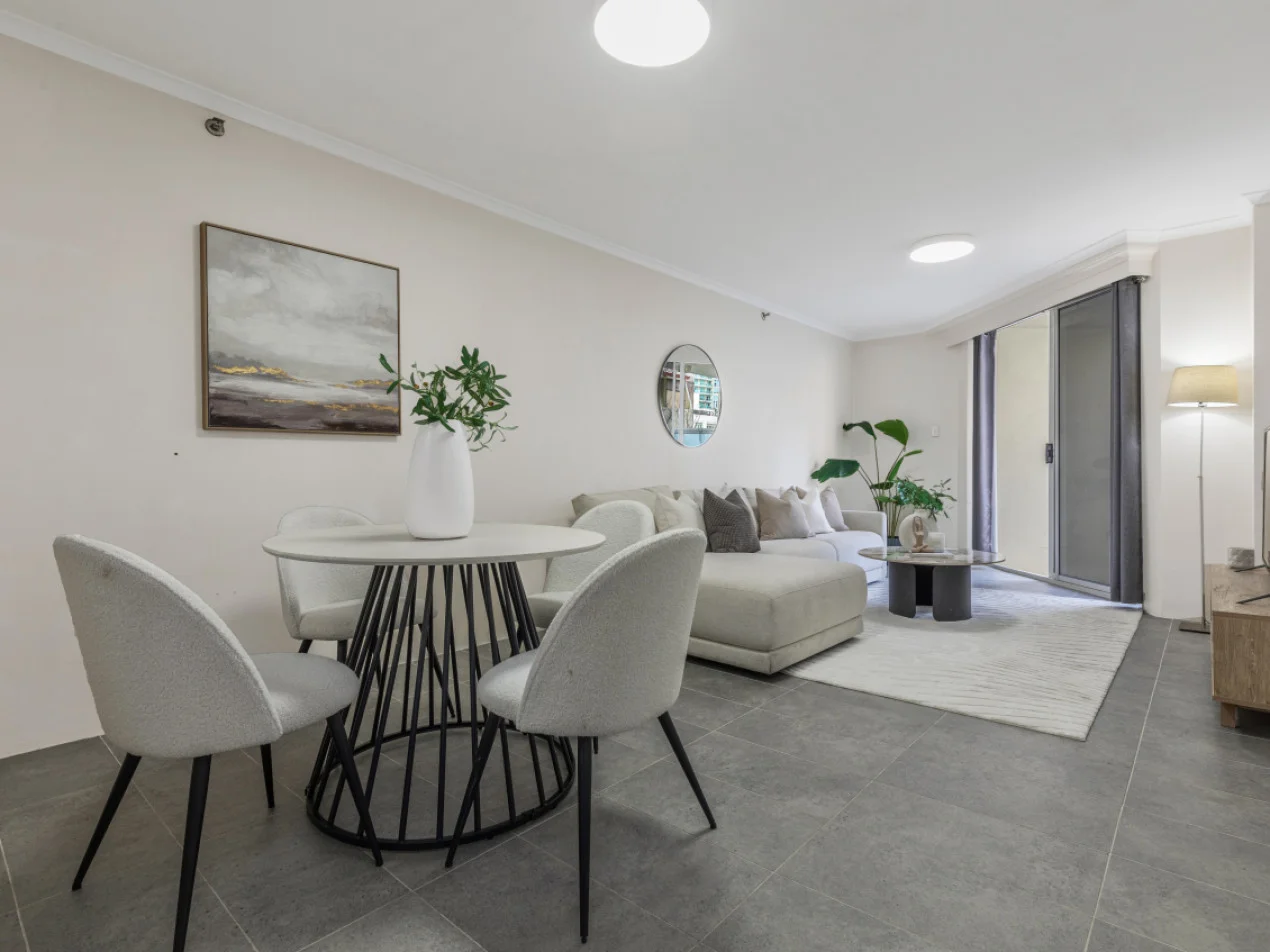 $640,000 - $675,000
Apartment / Unit / Flat
$640,000 - $675,000
Apartment / Unit / Flat
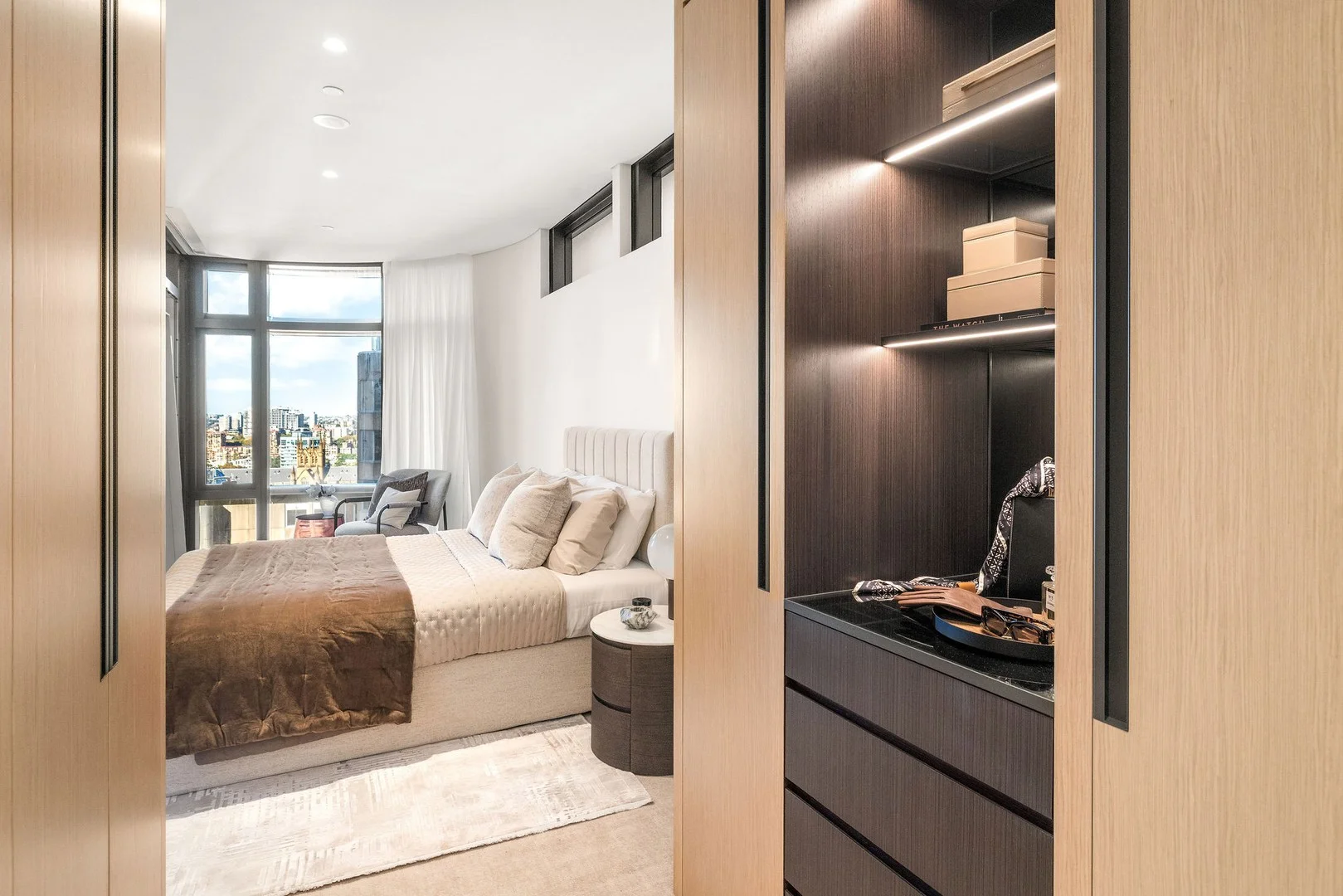 $2,745,000
propertyType.NEW APARTMENTS / OFF THE PLAN
$2,745,000
propertyType.NEW APARTMENTS / OFF THE PLAN
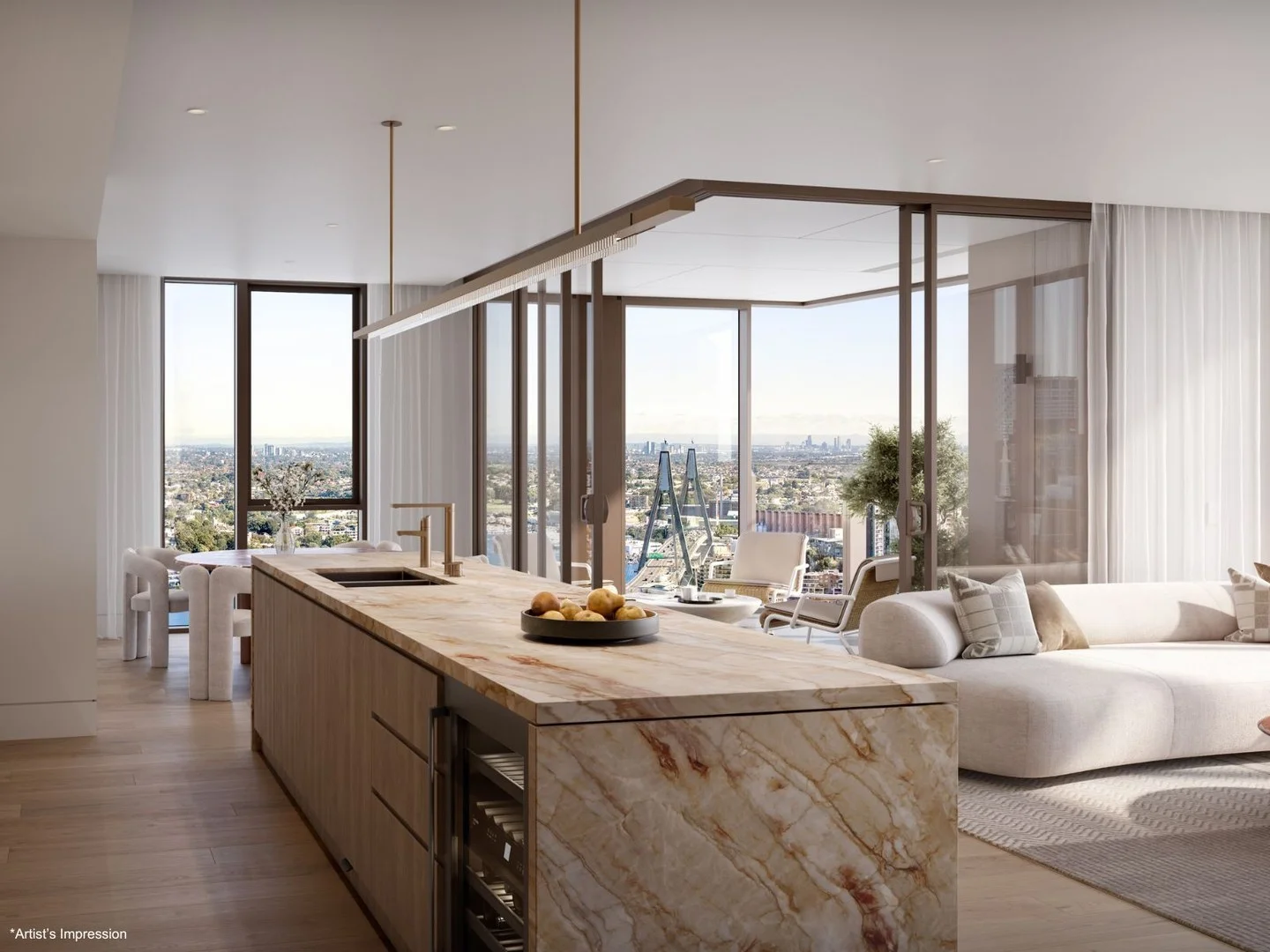 $9,020,000
propertyType.NEW APARTMENTS / OFF THE PLAN
$9,020,000
propertyType.NEW APARTMENTS / OFF THE PLAN
 $8,630,000
propertyType.NEW APARTMENTS / OFF THE PLAN
$8,630,000
propertyType.NEW APARTMENTS / OFF THE PLAN
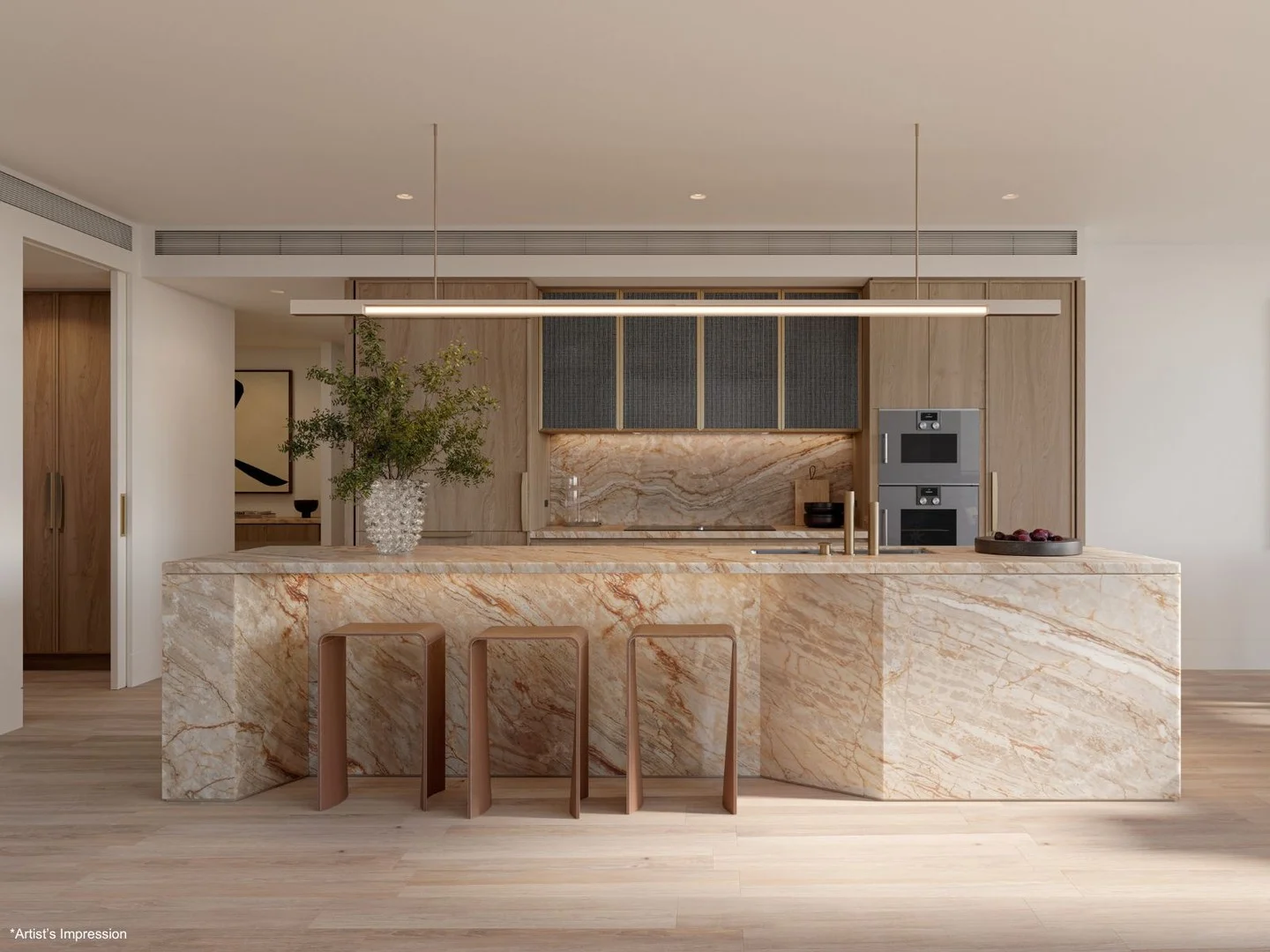 $6,225,000
propertyType.NEW APARTMENTS / OFF THE PLAN
$6,225,000
propertyType.NEW APARTMENTS / OFF THE PLAN