Overview
St Catherine's School, Waverley, is an independent Anglican day school for girls, spanning early learning through to Year 12. The school emphasizes a balanced education that supports academic achievement, creative expression, and strong community values. With a medium-sized student body, class sizes tend to be small to mid-range, enabling attentive teaching and personalised support. The atmosphere is nurturing and inclusive, combining academic rigour with opportunities in the arts, sport, and service.
Students are encouraged to be proactive, compassionate learners who contribute to the school and broader community. Leadership and service are woven into daily life, helping girls develop confidence, resilience, and a sense of responsibility.
Academics & Learning
- Academic strengths: Strong core academics across English, mathematics and science, with emphasis on languages, humanities, and critical thinking. A clear focus on literacy, numeracy, and leadership development supports well-rounded scholars.
- Special programs: Preparation for NSW’s Higher School Certificate (HSC) with enrichment options and opportunities for accelerated or extended learning where appropriate. A robust arts program complements STEM and humanities.
- Support for diverse learners: English as an Additional Language (EAL) support and targeted learning assistance (SEN) to help students thrive across ability levels.
- Sports offered: Swimming, netball, basketball, tennis, soccer, athletics, cricket, and other school-based programs tailored to student interest.
- Strong teams or achievements: Competitive inter-school programs with notable results in regional and city competitions; opportunities to contribute to multiple teams and events.
- Music, arts, drama: Comprehensive performing arts program including choir and orchestral ensembles, drama productions, and music opportunities aligned with curriculum.
- Clubs: Robotics, chess, coding, debating, and other interest-based clubs supported by staff and student leaders.
- Partnerships: Connections with local academies, clubs, and inter-school competitions to broaden exposure and experience.
Wellbeing & Pastoral Care
- Anti-bullying approach: Proactive, inclusive strategies to promote respectful behaviours and a positive campus culture.
- House system: House-based activities and competitions foster belonging, collaboration, and healthy competition.
- Counsellors / wellbeing officers: Access to dedicated wellbeing staff to support mental health, relationship-building, and personal development.
- Transition support: Structured orientation and buddy programs for new students to ease entry and establish connections.
Facilities
- Sports grounds: On-site facilities to support a range of team and individual sports.
- Libraries: Well-stocked library resources to support research, reading for pleasure, and academic work.
- Science labs: Modern science laboratories to support practical experiments and inquiry-based learning.
- Music/performing arts centers: Dedicated spaces for music ensembles, drama, and performance articulation.
- Tech/innovation labs: Updated tech spaces to support coding, digital projects, and STEM learning.
- Cafeteria: On-site canteen offering healthy options and convenient meal choices.
- Updated playgrounds: Safe, engaging play and activity areas for younger students and transitions.
- School values / mission: Emphasis on respect, integrity, compassion, excellence, and service; a culture that promotes both academic achievement and character development.
- Leadership style: Distributed and student-inclusive leadership; opportunities for student voice through councils, committees, and roles within the school.
- Behaviour expectations: Clear codes of conduct and expectations for respectful, responsible behaviour across all parts of school life.
- Community reputation: Known for a supportive, family-friendly atmosphere that values diversity and inclusion.
- Diversity & inclusion: Active programs and a culture that welcomes students from varied backgrounds; initiatives to support equity and opportunity.
School Logistics & Daily Operations
- School hours: Typical school day runs from morning arrival to mid-afternoon, with variations by year level.
- Before/after school care: Wrap-around care options available to support working families.
- Uniform requirements: Formal school uniform for everyday days, with summer/winter variations and additional sports uniforms for physical education and inter-school activities.
- Transport: Access via local bus routes and public transport options; convenient links for many commuting families.
- Canteen availability: On-site canteen offering a range of healthy options.
- Fees: Fees fall into a mid-to-high range for independent day schools; detailed fees are published by the school and reviewed annually.
Enrolment & Admissions
- What is the enrolment process and timeline?
- Submit an online application with required supporting documents (academic records, references, and any specialist reports as applicable).
- Attend open days or information sessions and participate in formal conversations or interviews as part of the process.
- Complete any required assessments or audition/music/drama components if relevant to year level.
- Receive and consider an offer; submit acceptance and any enrolment paperwork, along with deposits, within the timeline provided.
- Is there a waiting list, and how does it work?
- A waiting list may operate when places are full. Applications typically stay on file, and families are contacted if a place becomes available. Priority can be given to current families and siblings, with placement influenced by year level and vacancy.
- Are there any entry requirements, tests, or interviews?
- Common elements include an application form, interview, academic references, and possibly standardized assessments or auditions for specific pathways (e.g., music, drama). EAL considerations may also be part of the assessment for non-native English speakers.
- Does the school accept mid-year transfers?
- Mid-year transfers are considered subject to spaces and alignment with curriculum requirements; inquiries should be made early to determine availability and the transfer process.
Frequently Asked Questions
- Why Parents Choose This School?
- A strong balance of rigorous academics, dedicated pastoral care, active participation in arts and sports, and a supportive, inclusive community that fosters leadership and service.
- What type of student thrives at this school?
- Curious, motivated girls who value both academic challenge and opportunities in the arts, sport, and community service; students who respond well to a collaborative, supportive learning environment.
- What opportunities are available for students to extend their skills (academics, sports, arts)?
- Enrichment and extension in core subjects, leadership roles, competitive sport, performing arts programs, clubs such as robotics, coding, debating, and access to inter-school competitions and events.
- How does the school communicate with parents?
- Regular updates through newsletters, emails, parent portals, and scheduled meetings with teachers; open days and parent information sessions are common.
- What is the school's approach to teaching and learning?
- A student-centered approach that emphasises evidence-based pedagogy, inquiry-based learning, and differentiation to meet diverse learner needs, with a strong emphasis on reading, writing, numeracy, and critical thinking.
- How does the school support students who need extra academic help?
- Targeted EAL and SEN support, small-group or one-on-one assistance, and access to learning support staff; ongoing assessment informs additional interventions.
- What support is available for academic challenges?
- Diagnostic assessments, tailored support plans, tutoring options, and regular progress reviews to monitor and adjust support as needed.
- What extracurricular and sports opportunities are available?
- A broad range of sports (e.g., swimming, netball, basketball, tennis, soccer, athletics), performing arts, and clubs such as robotics, coding, chess, and debating.
- What facilities does the school offer (sports, science, arts)?
- Modern science labs, performing arts and music centers, libraries, tech/innovation labs, sports facilities, a canteen, and age-appropriate playgrounds.
- What is the school's approach to technology and digital learning?
- Integrated digital literacy across the curriculum, access to devices and software for coding, research, collaboration, and creative projects; emphasis on responsible, safe use of technology.
- What transport and accessibility options are available?
- Access via local bus routes and public transport; consideration of rail or other convenient options depending on family location.
- What are the typical school fees or additional costs?
- Fees are in the mid-to-high range for independent day schools; additional costs may include uniform, activities, music, and sport levies. Specific figures are provided by the school on request.
Short Pros & Cons list
Pros
- Independent Anglican school with a strong emphasis on academics, arts, and wellbeing
- Nurturing, inclusive culture with a clear code of conduct and supportive pastoral care
- Comprehensive facilities supporting science, music, arts, and technology
- Broad range of extracurricular opportunities and leadership pathways
Cons
- Fees are higher than many public options; commitment required for families
- Competitive environment in some year levels; admissions may be selective
- Travel may be a consideration for families living farther away from Waverley
- Availability of places varies by year level; mid-year transfers depend on vacancies
If you’d like, I can tailor any section with a particular emphasis (e.g., more emphasis on arts, more on STEM, or more on wellbeing) or adjust tone to be more promotional or more neutral.

 Free
Free











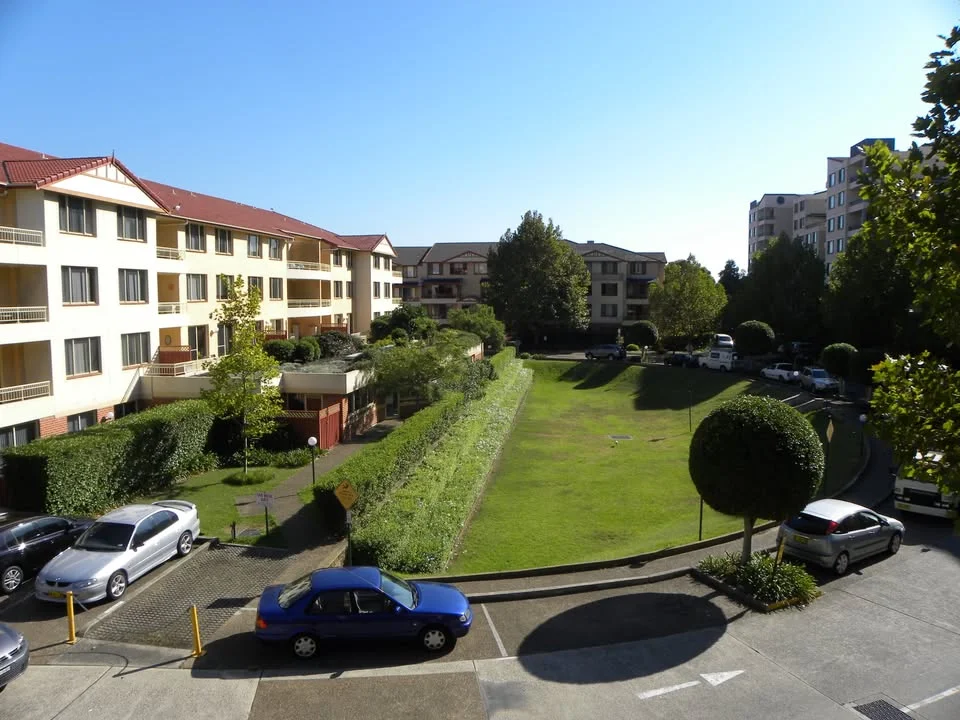 $990
Apartment / Unit / Flat
$990
Apartment / Unit / Flat
 $3,900,000
House
$3,900,000
House
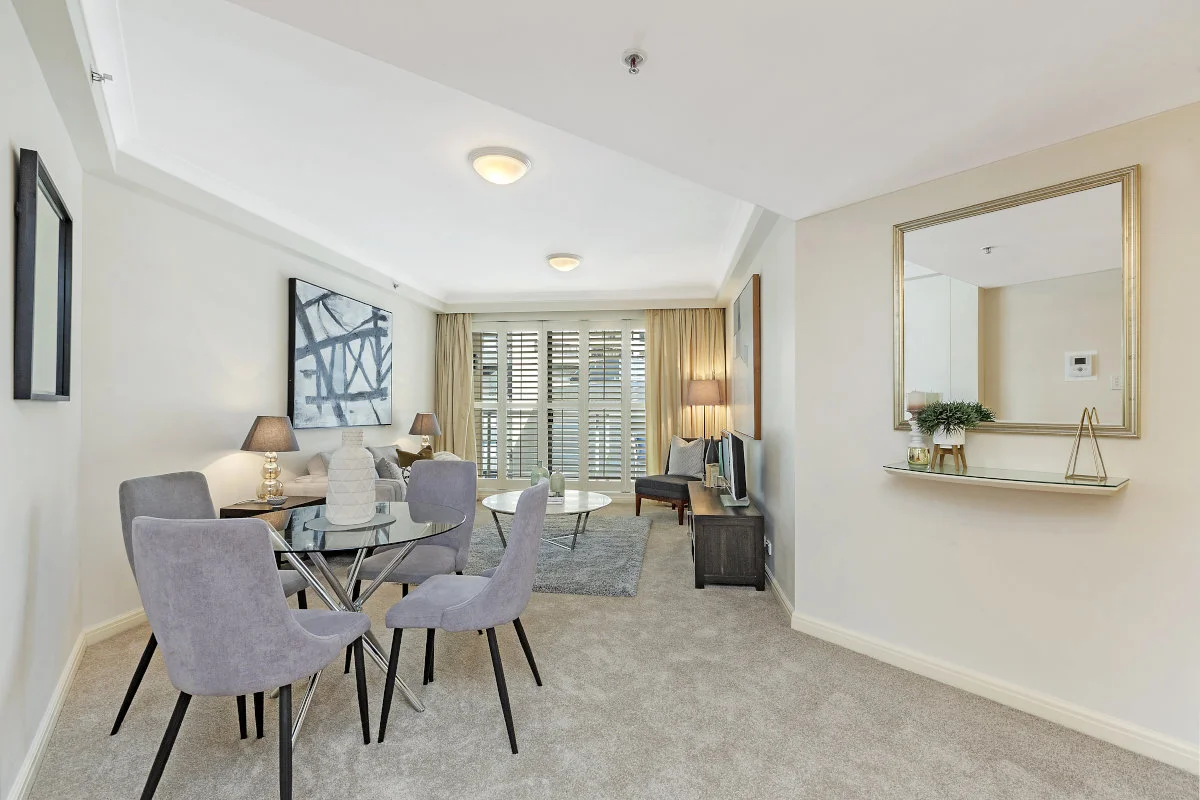 $660,000 - $725,000
Apartment / Unit / Flat
$660,000 - $725,000
Apartment / Unit / Flat
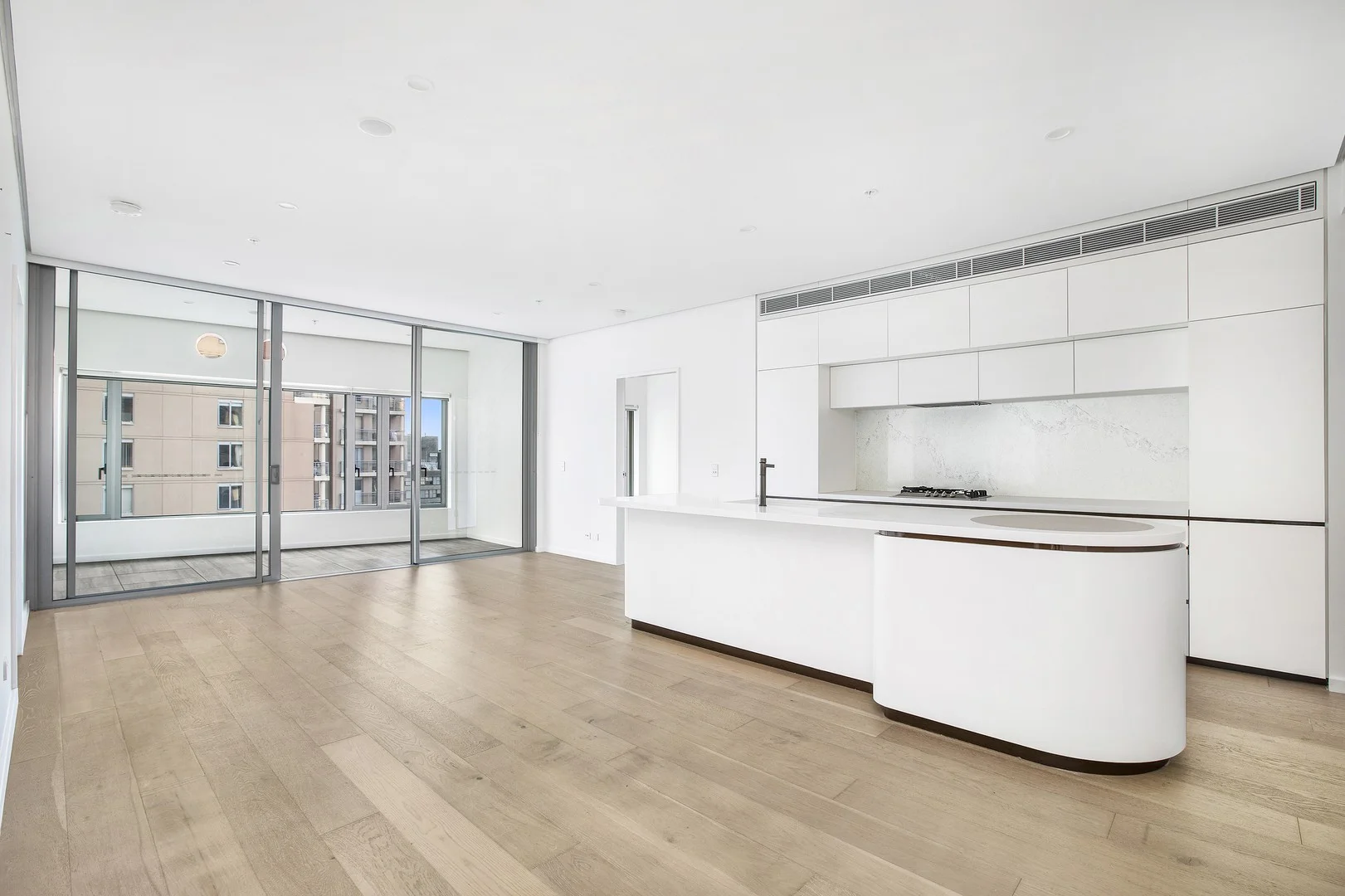 $2,250,000
Apartment / Unit / Flat
$2,250,000
Apartment / Unit / Flat
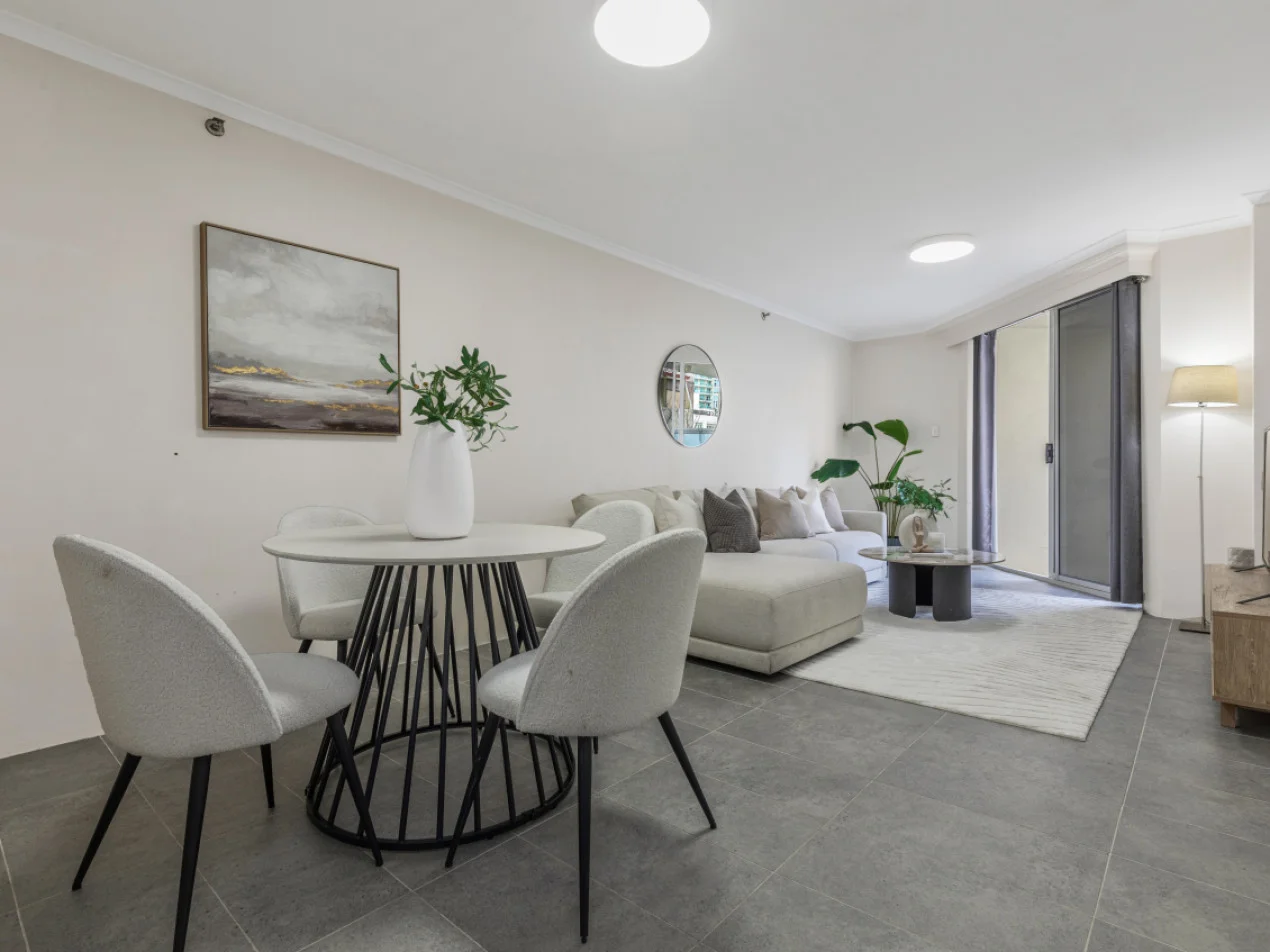 $640,000 - $675,000
Apartment / Unit / Flat
$640,000 - $675,000
Apartment / Unit / Flat
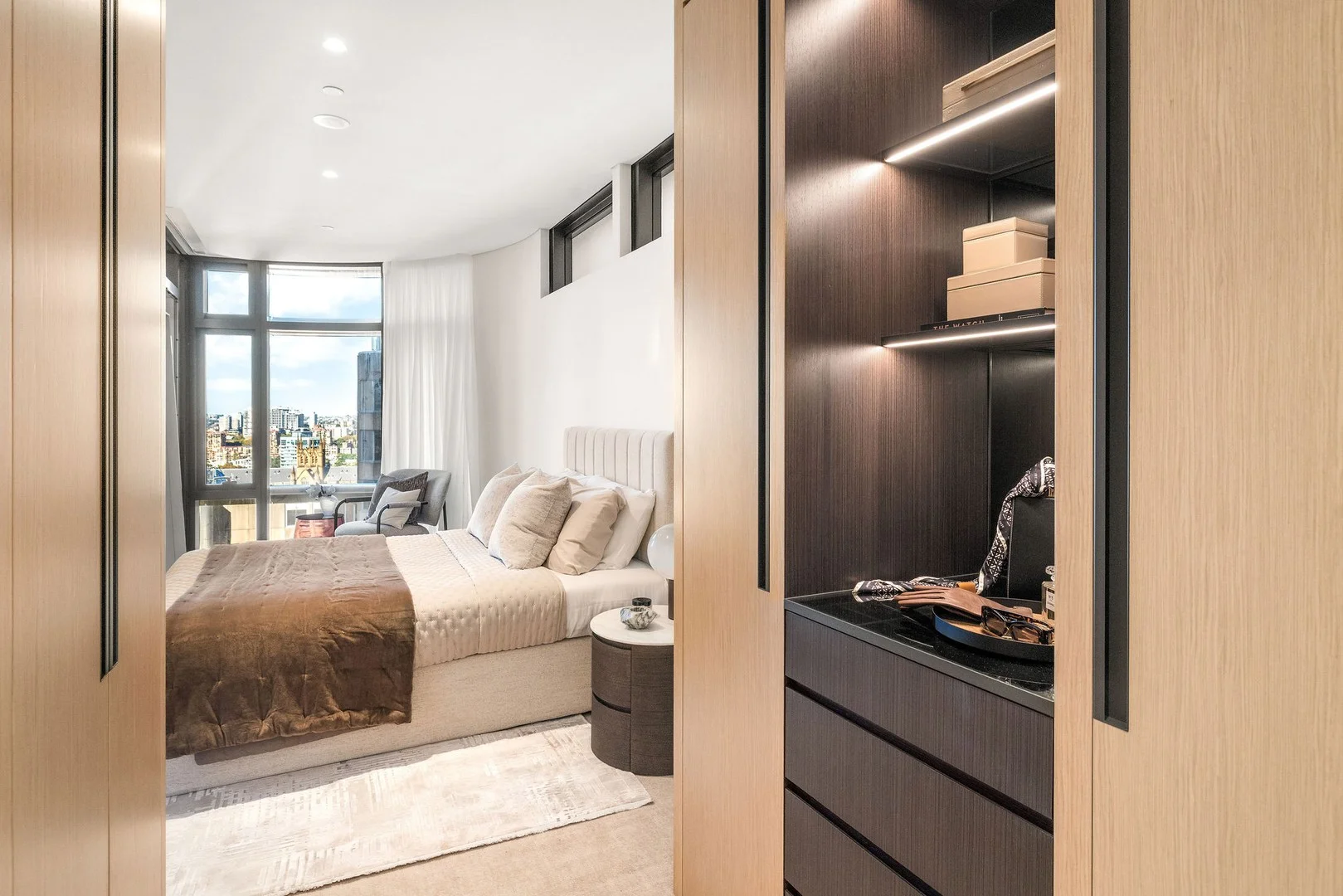 $2,745,000
propertyType.NEW APARTMENTS / OFF THE PLAN
$2,745,000
propertyType.NEW APARTMENTS / OFF THE PLAN
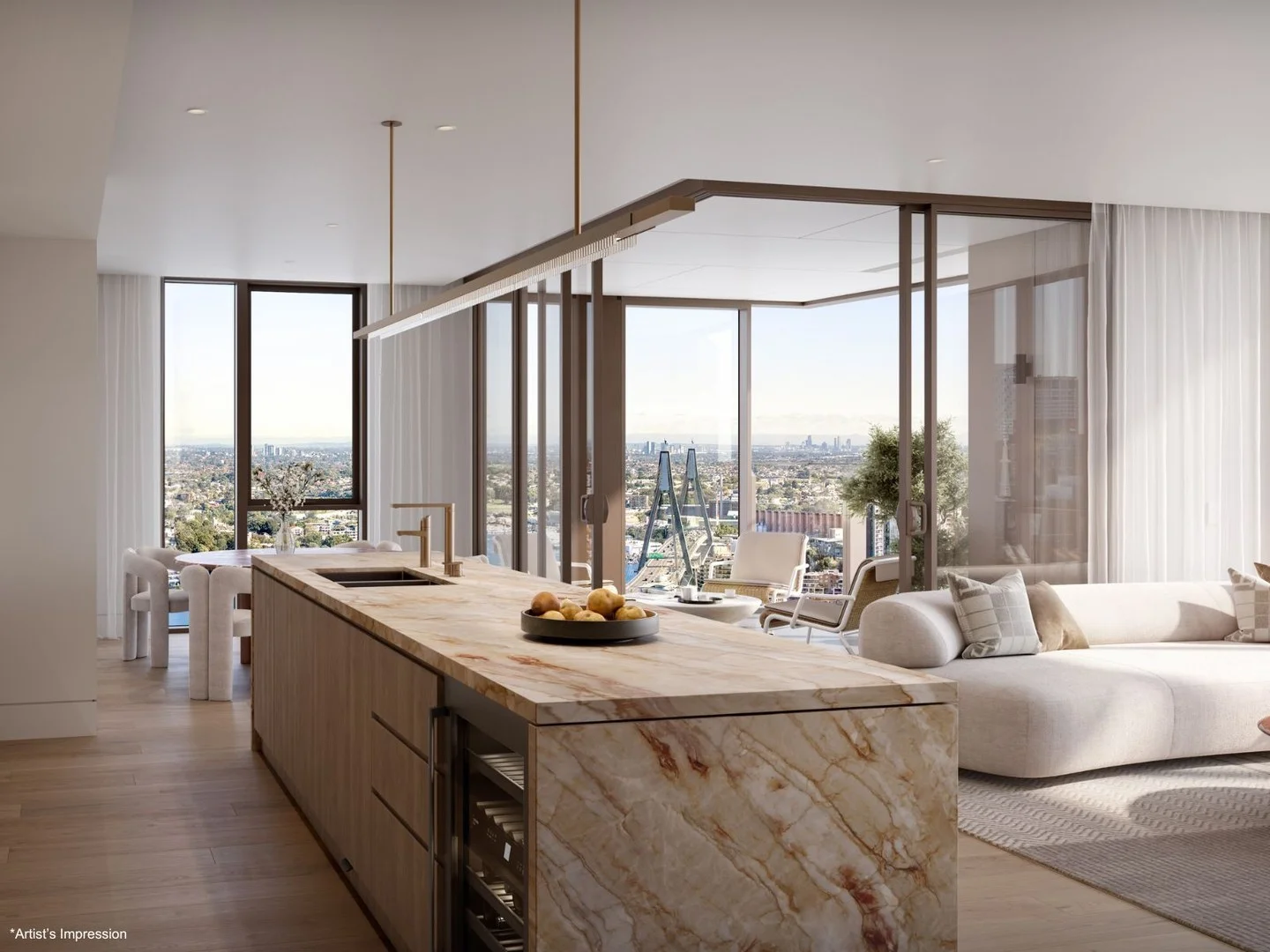 $9,020,000
propertyType.NEW APARTMENTS / OFF THE PLAN
$9,020,000
propertyType.NEW APARTMENTS / OFF THE PLAN
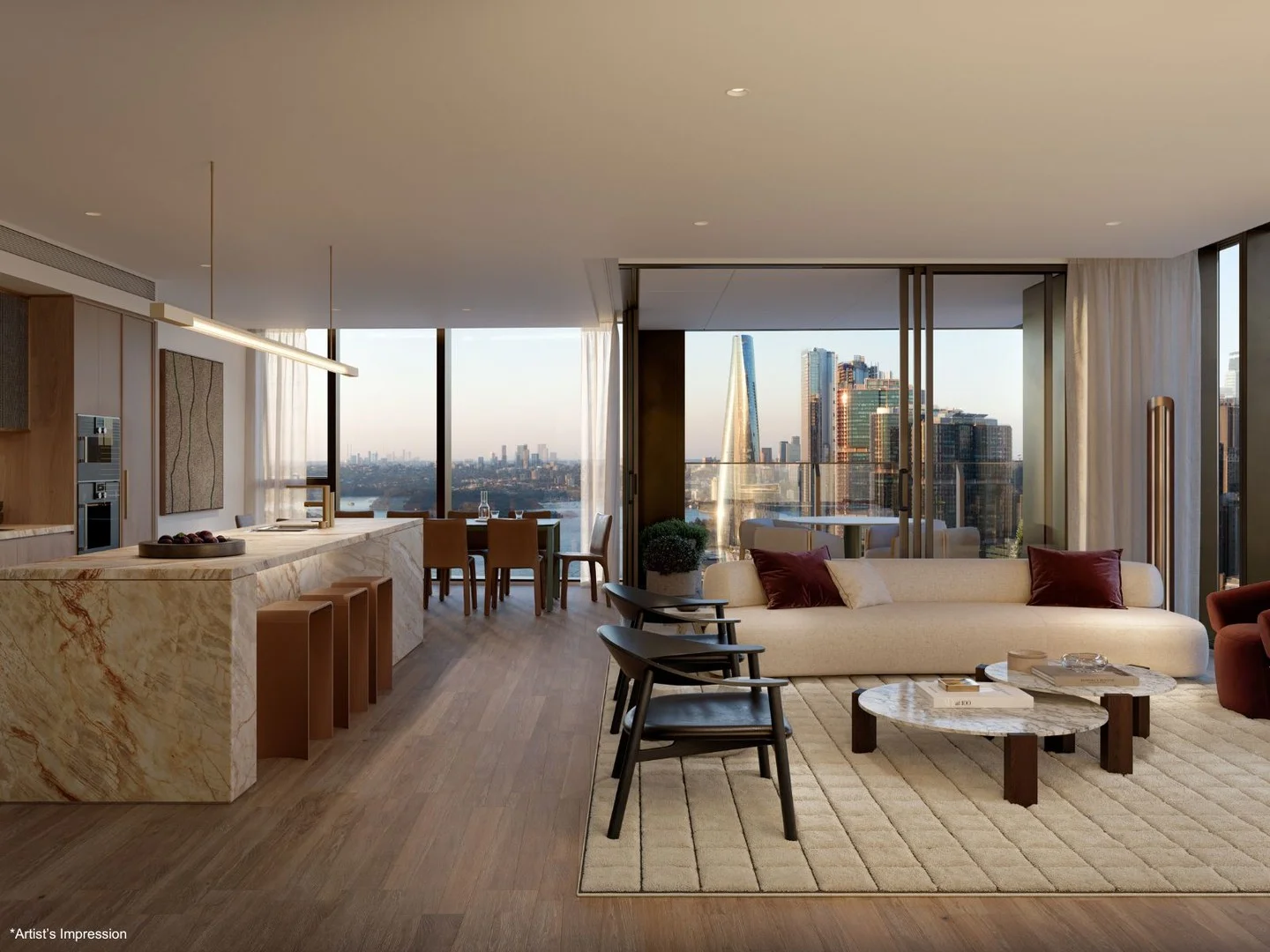 $12,980,000
propertyType.NEW APARTMENTS / OFF THE PLAN
$12,980,000
propertyType.NEW APARTMENTS / OFF THE PLAN
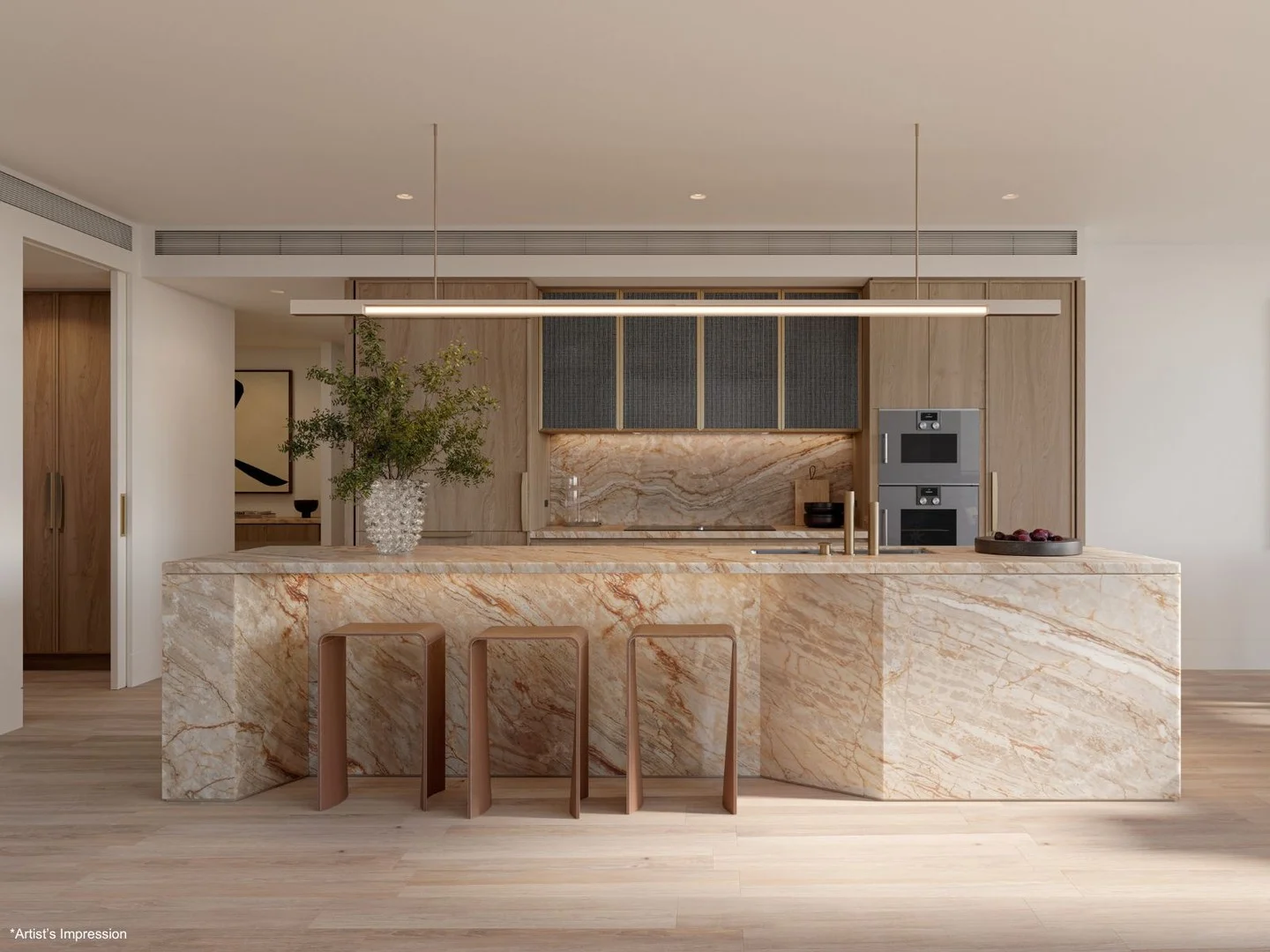 $6,225,000
propertyType.NEW APARTMENTS / OFF THE PLAN
$6,225,000
propertyType.NEW APARTMENTS / OFF THE PLAN