Overview
## 1. Overview
Clyde Secondary College is a public, co-educational secondary school serving students in Clyde and the surrounding areas. The school offers Years 7–12 with a medium-sized campus that supports a broad range of academic and wellbeing opportunities. The community-oriented environment aims to be inclusive and welcoming, fostering both academic achievement and well-rounded development.
- School type: Public
- School size: Medium
- Class size: Typically in the low-to-mid 20s
- Atmosphere/culture: Inclusive, diverse, supportive, with a balanced focus on academics and co-curriculars
⸻
## 2. Academics & Learning
Clyde Secondary College focuses on delivering strong foundational skills and pathways for further study or work. The school emphasizes core literacy and numeracy, with opportunities to engage in STEM, English, leadership development, and language studies. There are pathways and programs designed to cater to a range of learner needs.
- Academic strengths: STEM, English/literacy, leadership opportunities, and language study
- Special programs: VCE pathways, VET options, and gifted/talented pathways where available
- NAPLAN / trends: Public reports show ongoing focus on improving literacy and numeracy; trends over recent years indicate steady progress with targeted interventions
- Student-teacher ratios: Generally in the mid-teens to low 20s for class groups; school staff provide regular classroom support
- Support for diverse learners: EAL support, SEN assistance, learning adjustments, small-group interventions, and inclusive teaching practices
⸻
## 3. Sports & Extracurricular Strengths
Co-curricular opportunities are a key part of the Clyde Secondary College experience, with a broad range of activities designed to engage students beyond the classroom.
- Sports offered: A broad mix of team and individual sports (e.g., basketball, soccer, netball, athletics, swimming) with opportunities to participate in inter-school competitions
- Strong teams or achievements: Participation in regional and inter-school events; highlights vary by year and cohort
- Music, arts, drama programs: Instrumental music, choir, ensembles, school drama productions and performing arts activities
- Clubs: Robotics, chess, coding, debating, and other interest-based clubs
- Partnerships: Connections with local clubs, robotics leagues, coding competitions, and regional events to extend opportunities
⸻
## 4. Wellbeing & Pastoral Care
Wellbeing and pastoral care are central to student success, with practices designed to create a safe, respectful, and supportive environment.
- Anti-bullying approach: Clear policies, restorative practices, and a focus on student safety and respect
- House system: House-based activities to promote belonging and positive competition
- Counsellors / wellbeing officers: Access to school counsellors and wellbeing staff to support students
- Transition support for new students: Orientation programs, buddy/mentoring systems, and targeted supports for new entrants
⸻
## 5. Facilities
The school provides a range of facilities to support learning, performance, and student wellbeing.
- Sports grounds
- Libraries
- Science labs
- Music/performing arts centers
- Tech/innovation labs
- Cafeteria
- Updated playgrounds
⸻
## 6. School Values & Community Culture
Parents want to know what kind of culture and values characterize the school community and student body.
- School values / mission: A focus on respect, inclusion, achievement, and active citizenship
- Leadership style: Shared leadership opportunities, student voice, and collaborative planning
- Behaviour expectations: Clear code of conduct with restorative practices and consistent application
- Community reputation: Known for a welcoming, supportive environment and strong community links
- Diversity & inclusion: Emphasis on inclusion and accessibility for all students
⸻
## 7. School Logistics & Daily Operations
Key practical information to help families plan around school life.
- School hours: Typical school day aligned with Victorian norms; check the latest timetable for start/end times
- Before/after school care: OSHC or external providers typically available
- Uniform requirements: Compulsory school uniform with specified items; details available from the uniform shop
- Transport (train/bus routes): Public transport options available; plan routes via local timetables and school transport guides
- Canteen availability: On-site or school canteen/tuckshop operating at lunch breaks
- Fees (low/medium/high ranges): As a public school, there are no tuition fees; occasional levies or activity charges may apply for materials, camps, or optional programs
⸻
## 8. Enrolment & Admissions
11. What is the enrolment process and timeline?
- Check catchment eligibility and submit an application through the Victorian Department of Education process (in-catchment priority, with out-of-area entries considered if spaces exist). Gather required documents (identity, proof of residence, academic records) and follow the school’s published timelines. Successful applicants receive an offer with a confirmed start date.
12. Is there a waiting list, and how does it work?
- Some year levels or out-of-area applications may have wait lists. Waiting lists are typically managed by application date, space availability, and placement policies. Availability can vary by year level.
13. Are there any entry requirements, tests, or interviews?
- Generally, no entrance exams are required for enrolment. Some programs or specific pathways may involve information sessions or brief interviews to determine suitability or placement, but most admissions are based on eligibility and space.
14. Does the school accept mid-year transfers?
- Yes, subject to space and alignment with the school’s timetable. Prospective mid-year transfers should contact the enrolments team, provide current academic records, and arrange a start date that fits the school calendar.
⸻
## 9. Frequently Asked Questions
- Why Parents Choose This School?
- A supportive, inclusive community with a focus on well-being and achievement, good teaching staff, and a broad range of learning and co-curricular opportunities.
- What type of student thrives at this school?
- Curious, motivated learners who value collaboration, participate in clubs or sports, and appreciate a welcoming, inclusive environment.
- What opportunities are available for students to extend their skills (academics, sports, arts)?
- Pathways through VCE/VET, gifted/talented options where available, robust sports programs, music and drama, robotics, coding, debating, and other clubs.
- How does the school communicate with parents?
- Regular newsletters, emails, school portal, parent-teacher interviews, and information nights; announcements through the school community.
- What is the school’s approach to teaching and learning?
- Student-centered, inquiry-based learning with a strong emphasis on literacy and numeracy, supported by technology and collaborative activities.
- How does the school support students who need extra academic help?
- Targeted literacy/numeracy interventions, EAL support, SEN support, learning adjustments, and access to tutoring or small-group support.
- What support is available for academic challenges?
- Additional tutoring, progress monitoring, individualized learning plans, and specialist staff to assist with planning and goal setting.
- How does the school communicate with parents? (Yes, this repeats but in practice uses multiple channels)
- The school uses a combination of portals, newsletters, emails, and meetings to keep families informed.
- What are the class sizes and how much individual attention do students receive?
- Class sizes are typically in the low-to-mid 20s, with teachers providing regular feedback, targeted supports, and opportunities for one-on-one or small-group help.
- What extracurricular and sports opportunities are available?
- A wide range of sports, music, drama, and clubs (robotics, chess, coding, debating) with competitive and recreational options.
- What facilities does the school offer (sports, science, arts)?
- Sports grounds, libraries, science labs, music/performing arts centers, tech/innovation labs, canteen, and updated playgrounds.
- What is the school’s approach to technology and digital learning?
- Integration of ICT in learning, with access to devices and software that support modern teaching methods and digital literacy.
- What transport and accessibility options are available?
- Local bus/train access with planning support; school facilities designed to be accessible.
- What are the typical school fees or additional costs?
- As a public school, there are no tuition fees; some levies or costs for materials, camps, or optional activities may apply. Uniform and related items may incur separate costs.
⸻
## 10. Short Pros & Cons list
- Pros
- Public, community-focused environment with inclusive culture
- Broad academic and co-curricular opportunities (STEM, arts, sports, clubs)
- Supportive wellbeing and pastoral care
- Range of pathways (VCE/VET) and leadership opportunities
- Modern facilities and a strong sense of school community
- Cons
- Class sizes in the low-to-mid 20s may limit one-on-one time in peak periods
- Availability of some specialized programs may vary by year or intake
- Transport options depend on local routes and schedules; some families may rely on car travel
- As a growing suburb, space and wait times for certain programs or out-of-area admissions can fluctuate
⸻





 $600
House
$600
House
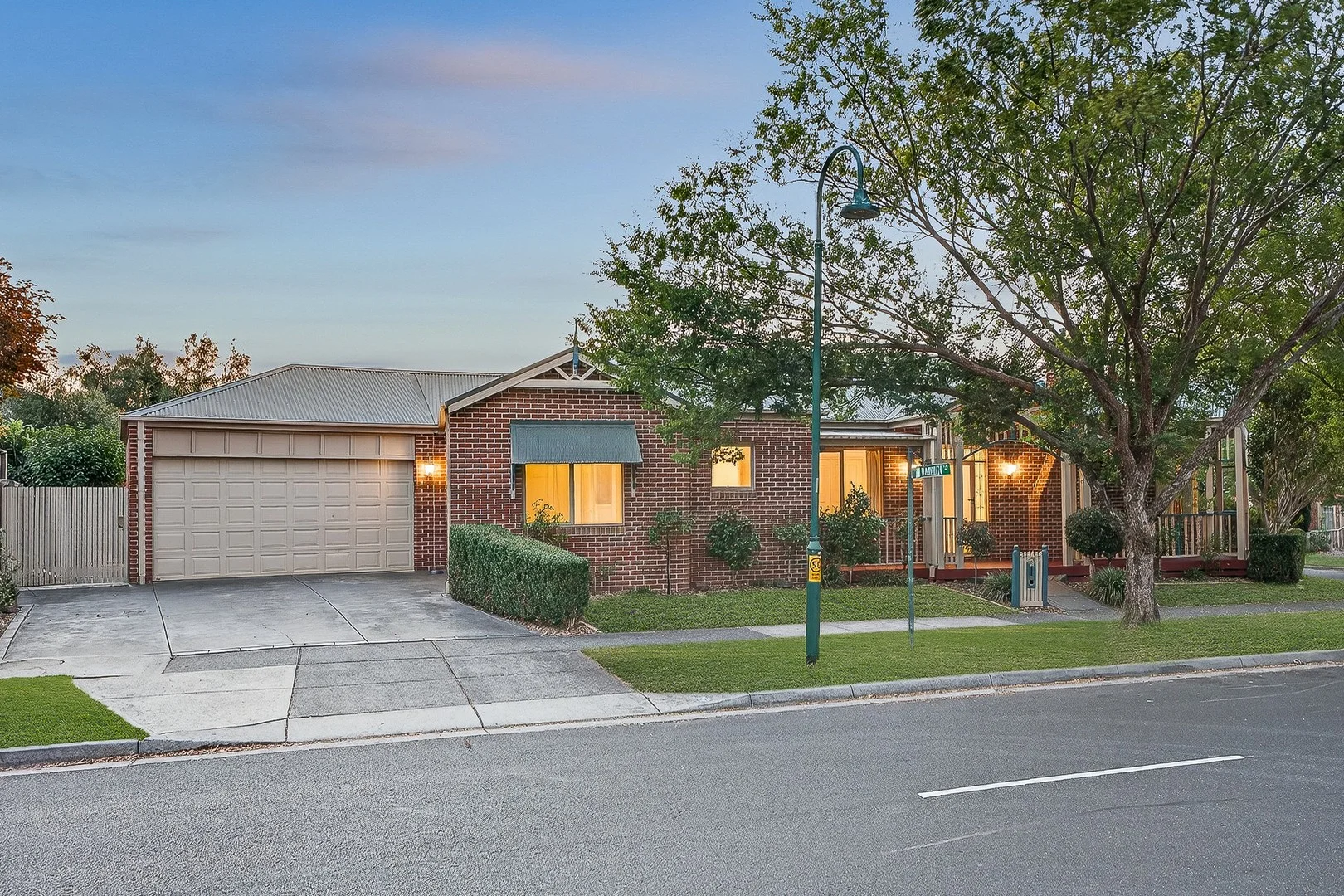 $700
House
$700
House
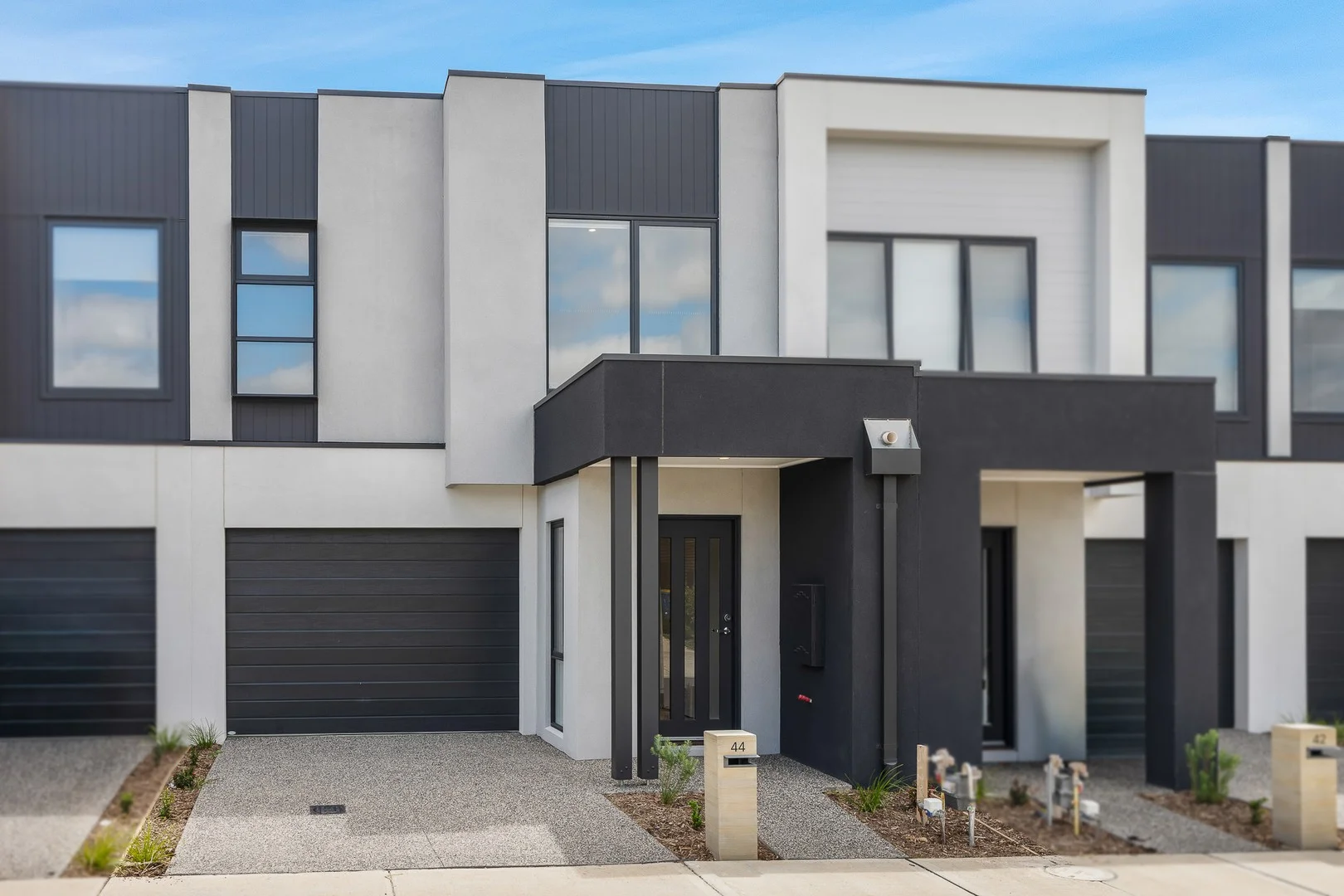 $595,000 - $645,000
House
$595,000 - $645,000
House
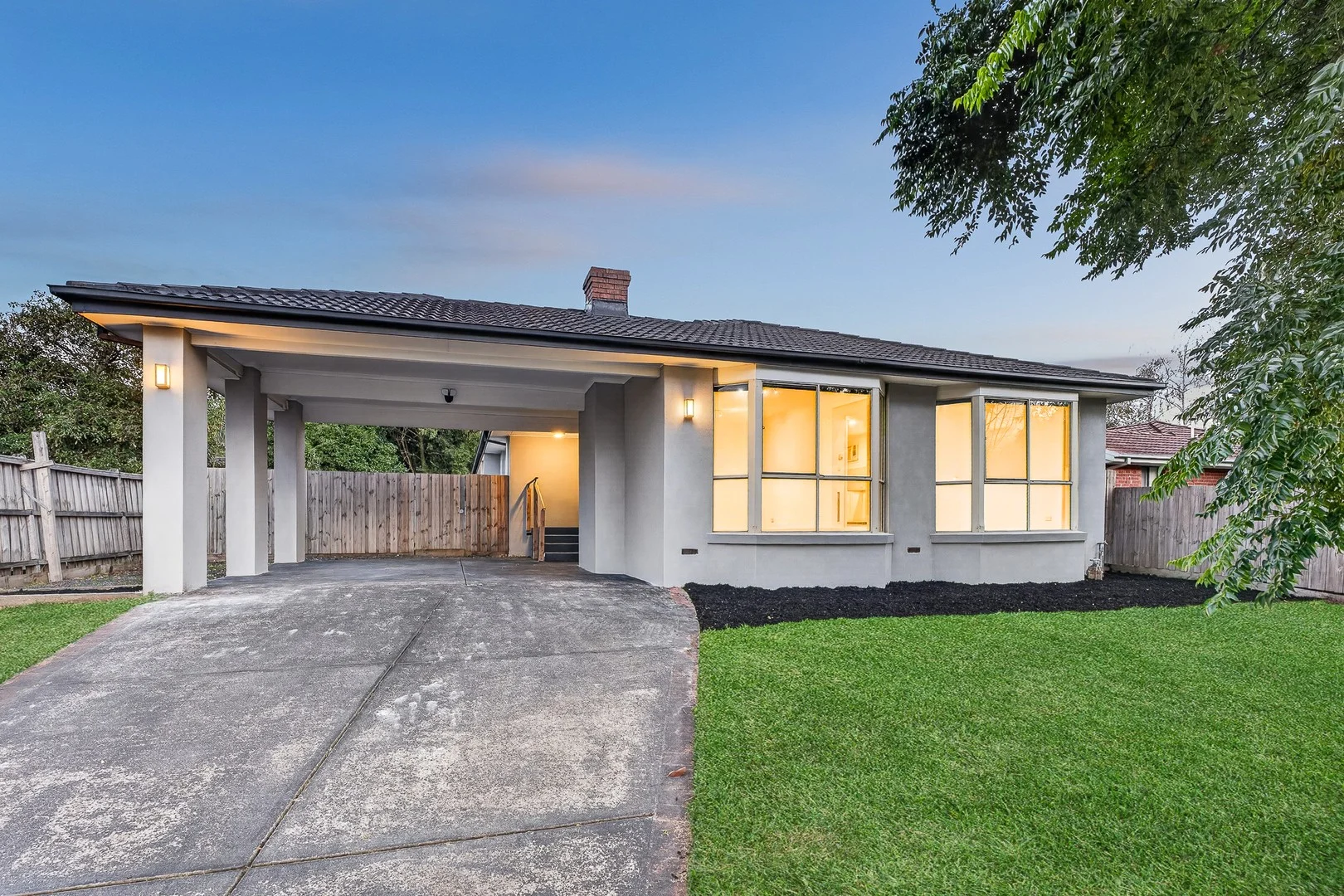 $800,000 - $880,000
House
$800,000 - $880,000
House
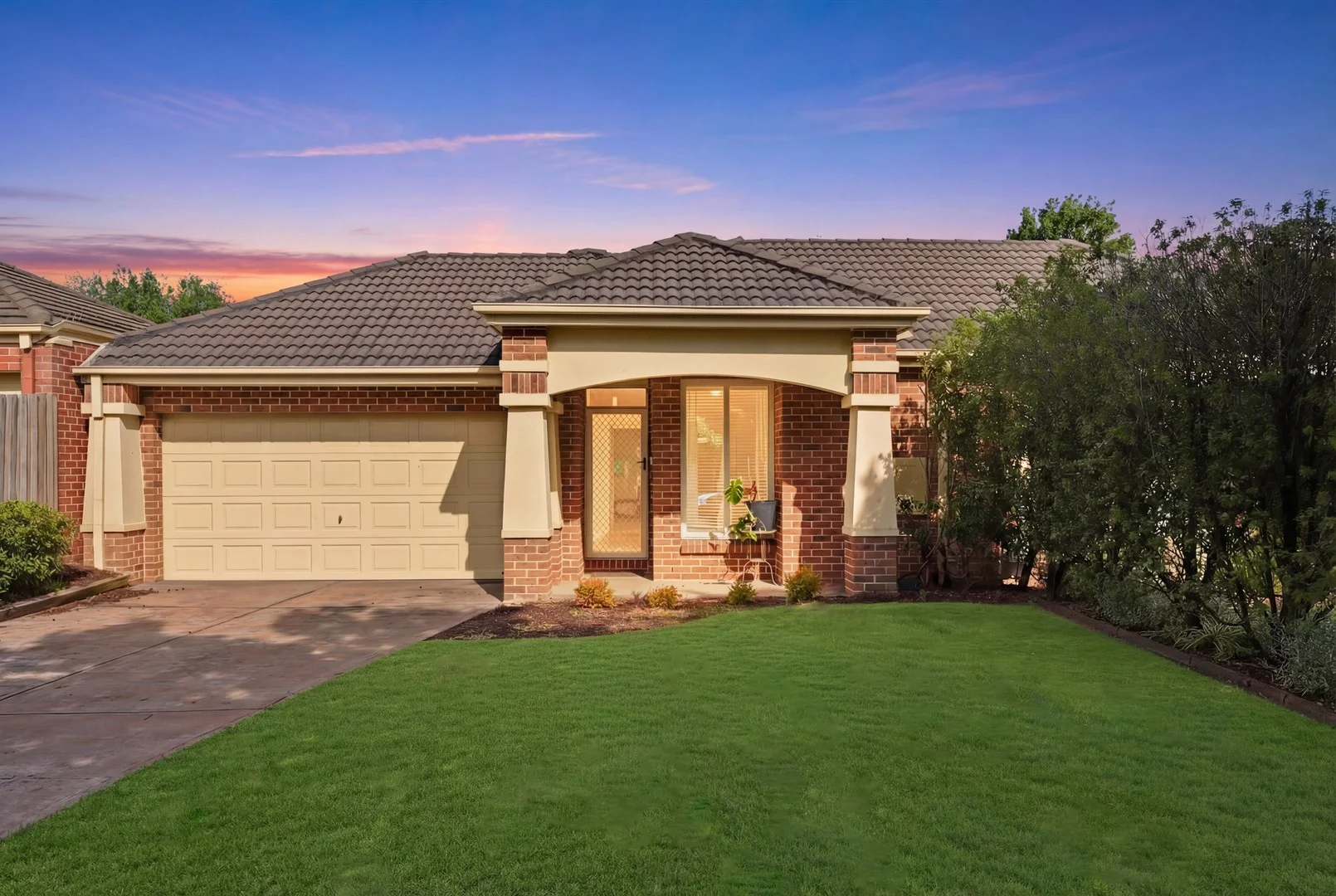 $795,000 - $835,000
House
$795,000 - $835,000
House