Overview
## Overview
Coogee Boys’ Preparatory School is an independent private boys’ school in Randwick, NSW, offering a focused K–6 education. The school has a small-to-medium size and class sizes typically in the low 20s, which supports close teacher–student relationships and individualized attention.
The atmosphere is nurturing yet academically rigorous, with an inclusive culture that values sport, leadership, and character development alongside core academics.
---
## Academics & Learning
- Academic strengths: English literacy and literacy-based programs, strong maths/numeracy support, and a visible emphasis on leadership and character development. The school also maintains a focus on STEM concepts and provides opportunities for students to engage with language learning.
- Special programs: Gifted and Talented or accelerated learning pathways, plus targeted support for students who need additional help. Leadership development and structured programs to prepare students for the transition to secondary schooling.
- NAPLAN trends: Consistent year-to-year improvements in literacy and numeracy with performance generally tracking above NSW averages in recent history, reflecting a stable, improving academic trajectory.
- Student-teacher ratios: Approximately 1:10 to 1:14, enabling substantial teacher attention and small-group support.
- Support for diverse learners: EAL (English as an Additional Language) support and SEN (Special Educational Needs) services, with inclusive education practices and targeted interventions where needed.
---
## Sports & Extracurricular Strengths
- Sports offered: Rugby union, cricket, football (soccer), athletics, swimming, basketball, and cross-country, with opportunities to participate across the winter and summer seasons.
- Strong teams or achievements: Competitive school teams with strong participation in inter-school and local competitions, including finals appearances and representative-level pathways for talented athletes.
- Music, arts, drama programs: Active music programs (ensembles and choir), drama productions, and opportunities to perform in school concerts and events.
- Clubs: Robotics, chess, coding, debating, public speaking, and other co-curricular clubs that complement academic learning and strategic thinking.
- Partnerships: Collaboration with local sporting clubs and coaching programs, participation in district and inter-school competitions, and access to external clinics to broaden skill development.
---
## Wellbeing & Pastoral Care
- Anti-bullying approach: Clear anti-bullying policies, preventive programs, student-voice initiatives, and confidential reporting channels to ensure a safe environment.
- House system: House-based activities and competitions to promote belonging, leadership opportunities, and healthy peer rivalry.
- Counsellors / wellbeing officers: Access to school counselors and wellbeing staff focused on social-emotional learning and student welfare.
- Transition support for new students: Orientation programs, buddy systems, and a structured induction to help new students settle in smoothly.
---
## Facilities
- Sports grounds: On-site fields and outdoor spaces for team sports and activities.
- Libraries: Central library with reading programs and study spaces.
- Science labs: Well-equipped science facilities for practical experiments and demonstrations.
- Music/performing arts centers: Dedicated spaces for rehearsals, performances, and productions.
- Tech/innovation labs: Classrooms and spaces for design, engineering, and digital learning activities.
- Cafeteria: On-site canteen offering healthy meal options on school days.
- Updated playgrounds: Modern, safe play areas supporting active breaks and outdoor learning.
---
## School Values & Community Culture
- School values / mission: Emphasis on respect, integrity, excellence, inclusion, and community involvement as central to daily life and learning.
- Leadership style: Student-centered and collaborative, with opportunities for leadership roles (e.g., house captains, prefect roles) and mentoring.
- Behaviour expectations: Clear code of conduct with consistent expectations and restorative approaches to discipline.
- Community reputation: Positive regional reputation as a supportive, well-rounded, and family-friendly community-school environment.
- Diversity & inclusion: Commitment to inclusive practices, respect for diverse backgrounds, and opportunities for all students to participate in activities and leadership roles.
---
## School Logistics & Daily Operations
- School hours: Typically around a morning start of 8:00–8:30am and an afternoon finish around 3:00–3:15pm, with variations by year level.
- Before/after school care: Availability of before- and after-school care programs or supervision to support families.
- Uniform requirements: Standard school uniform for daily wear, plus sport/physical education uniforms for activities and games.
- Transport (train/bus routes): Access to public transport options and local bus services; school drop-off/pick-up arrangements in the morning and afternoon.
- Canteen availability: On-site canteen or cafe operating on school days with healthy meal and snack options.
- Fees (low/medium/high ranges): Fees fall in the mid-to-high range for NSW independent primary schools, with regular updates in the annual fee schedule.
---
## Enrolment & Admissions
11. What is the enrolment process and timeline?
- Interested families typically submit an inquiry and application, provide student records, and participate in an admissions interview. Some year levels may include a short assessment or task. Offers are made after the interview and review of documents, and enrolment is completed with confirmation and necessary deposits.
12. Is there a waiting list, and how does it work?
- Yes, there is often a waiting list. Priority can be given to siblings, current families, and applicants from the feeder community. The wait time varies by year level and entry point.
13. Are there any entry requirements, tests, or interviews?
- Entry generally involves an interview and a review of previous school reports. Some year levels may require an assessment or task to gauge readiness and fit. English language proficiency assessments may be required for EAL learners.
14. Does the school accept mid-year transfers?
- Mid-year transfers are considered subject to place availability and balance with current cohorts. Prospective families should contact the admissions team to discuss specific timelines and requirements.
---
## Frequently Asked Questions
- Why Parents Choose This School?
- A close-knit, nurturing environment with a strong academic program, emphasis on leadership and character, plus solid sport and extracurriculars.
- What type of student thrives at this school?
- Boys who respond well to small-to-medium class sizes, value sport and teamwork, and enjoy a balanced focus on academics, arts, and wellbeing.
- What opportunities are available for students to extend their skills (academics, sports, arts)?
- Advanced learning opportunities, leadership roles, competitive sports programs, music ensembles, drama productions, robotics and coding clubs, and debating.
- How does the school communicate with parents?
- Regular newsletters, SMS/phone updates, parent-teacher conferences, and an online portal or student information system for grades and notices.
- What is the school’s approach to teaching and learning?
- A mix of inquiry-based and structured instruction, emphasis on literacy and numeracy, integrated STEM and digital learning, and a focus on real-world applications.
- How does the school support students who need extra academic help?
- Targeted interventions, small-group tutoring, EAL/SEN support, and differentiation within classroom instruction.
- What support is available for academic challenges?
- Access to learning support staff, progress monitoring, and collaboration with families to tailor learning plans.
- How does the school communicate with parents?
- See above: regular updates, conferences, and digital portals to keep families informed.
- What are the class sizes and how much individual attention do students receive?
- Class sizes are typically in the low 20s, with opportunities for targeted small-group instruction and teacher attention due to favorable student–teacher ratios.
- What extracurricular and sports opportunities are available?
- A broad range of sports (rugby, cricket, soccer, athletics, swimming, basketball), music and drama programs, plus clubs like robotics, chess, coding, and debating.
- What facilities does the school offer (sports, science, arts)?
- Sports grounds, library, science labs, music/performing arts spaces, tech/innovation labs, canteen, and modern playgrounds.
- What is the school’s approach to technology and digital learning?
- Integrated digital learning across the curriculum, with access to devices, coding activities, and hands-on STEM experiences.
- What transport and accessibility options are available?
- Public transport options, local bus/train access, and school-arranged drop-off/pick-up where applicable.
- What are the typical school fees or additional costs?
- Fees are in the mid-to-high range for NSW independent primary schools, with additional costs for activities, camps, and uniforms.
---
## Short Pros & Cons list
- Pros
- Small-to-medium school environment with relatively low class sizes
- Strong focus on academics balanced with sport and arts
- Inclusive culture with support for diverse learners
- Active wellbeing and pastoral care, with house system involvement
- Wide range of co-curriculars and clubs
- Cons
- Fees are in the mid-to-high range for NSW independent schools
- Smaller school size may mean fewer specialised resources than larger campuses
- Wait lists can apply for popular year levels
- Mid-year transfers depend on availability and may require flexibility in placement














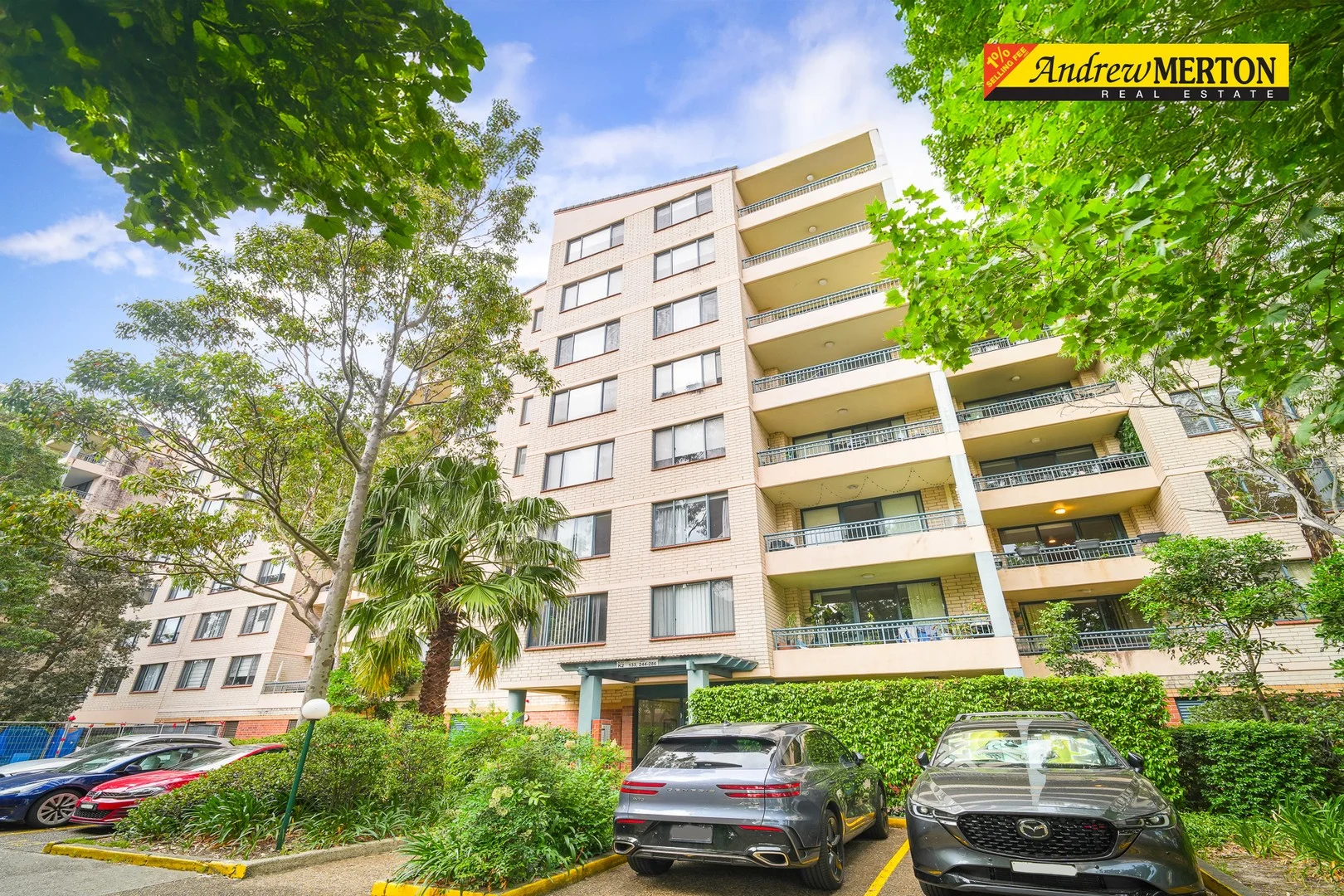 $933,000
Apartment / Unit / Flat
$933,000
Apartment / Unit / Flat
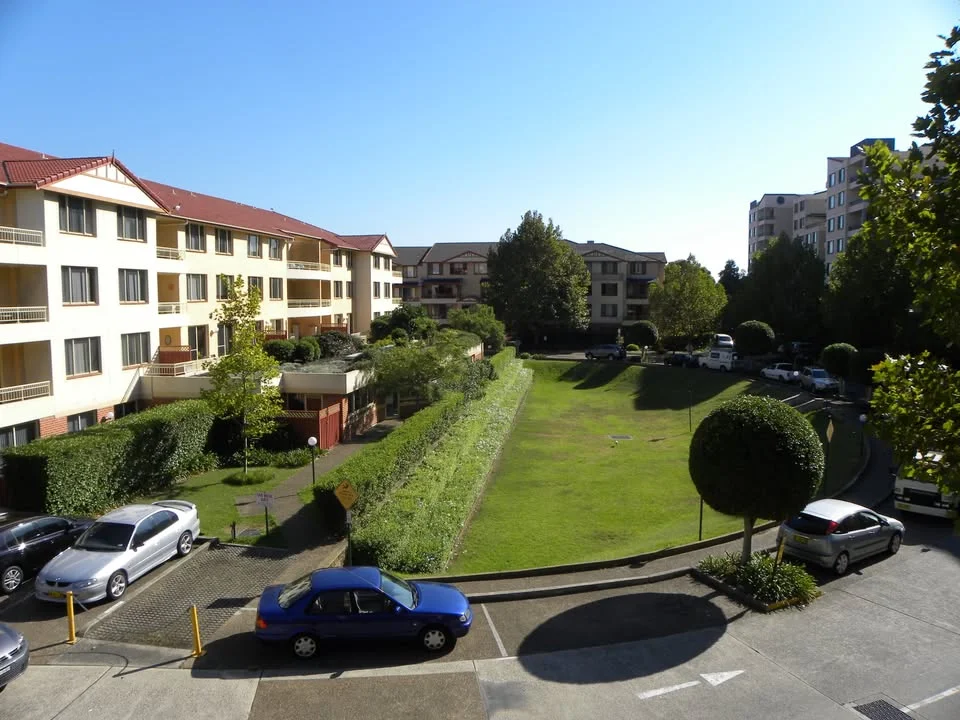 $990
Apartment / Unit / Flat
$990
Apartment / Unit / Flat
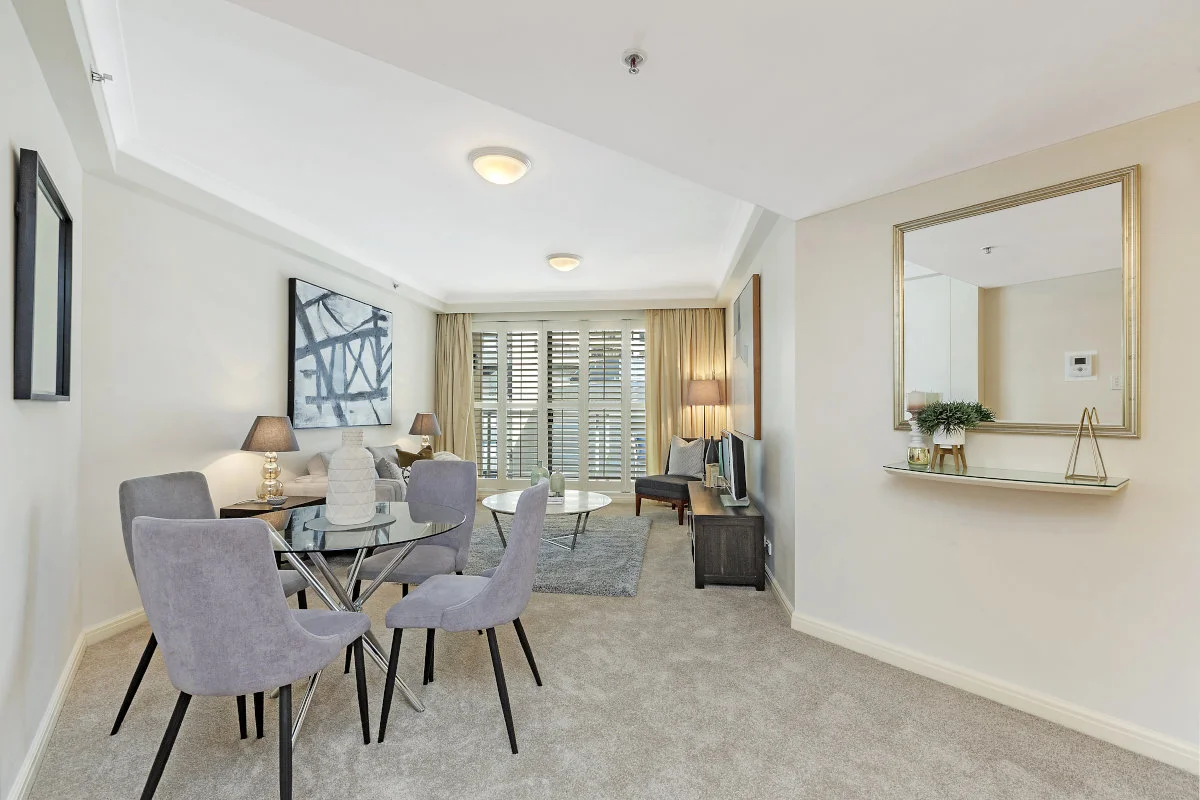 $660,000 - $725,000
Apartment / Unit / Flat
$660,000 - $725,000
Apartment / Unit / Flat
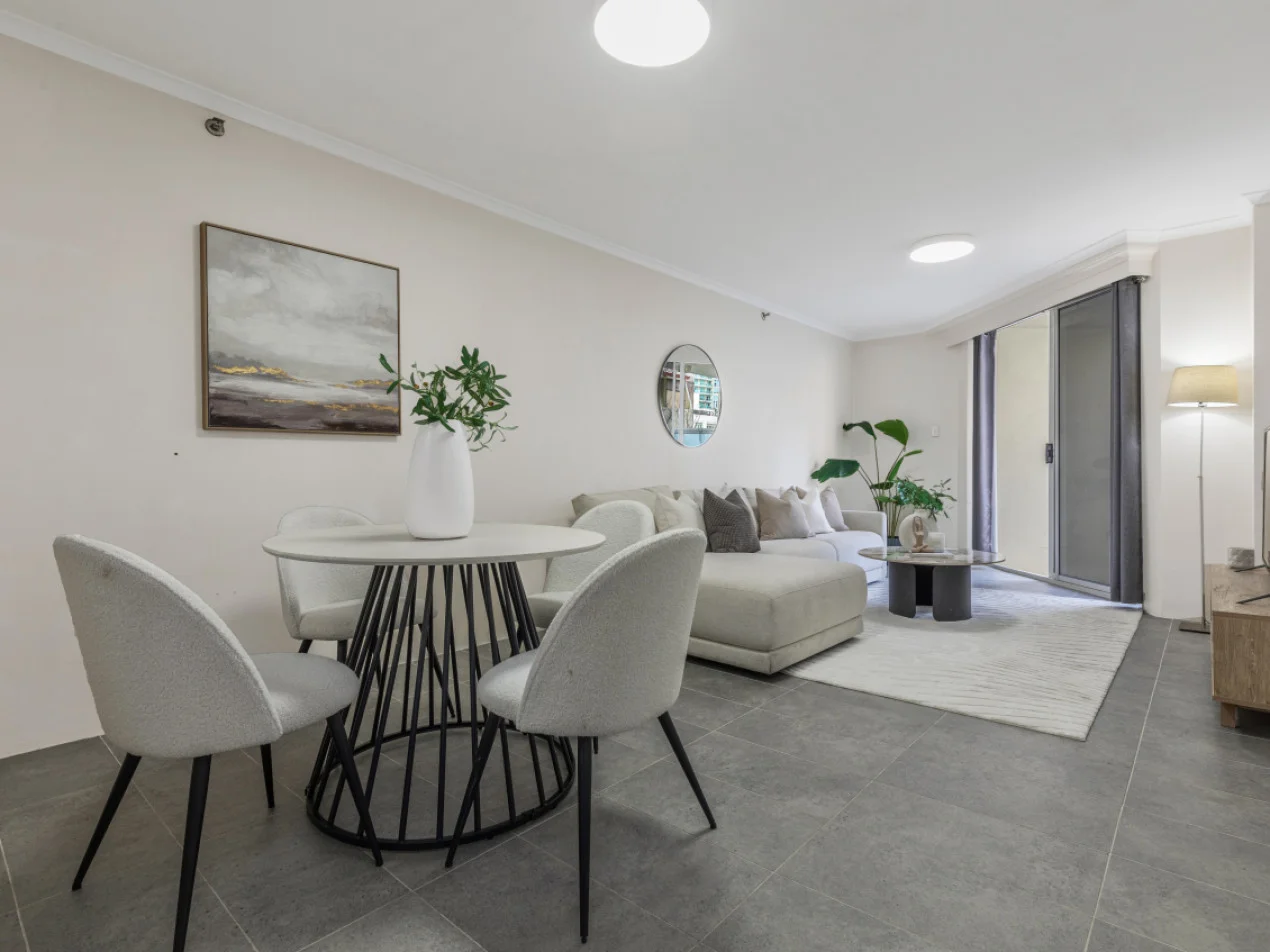 $640,000 - $675,000
Apartment / Unit / Flat
$640,000 - $675,000
Apartment / Unit / Flat
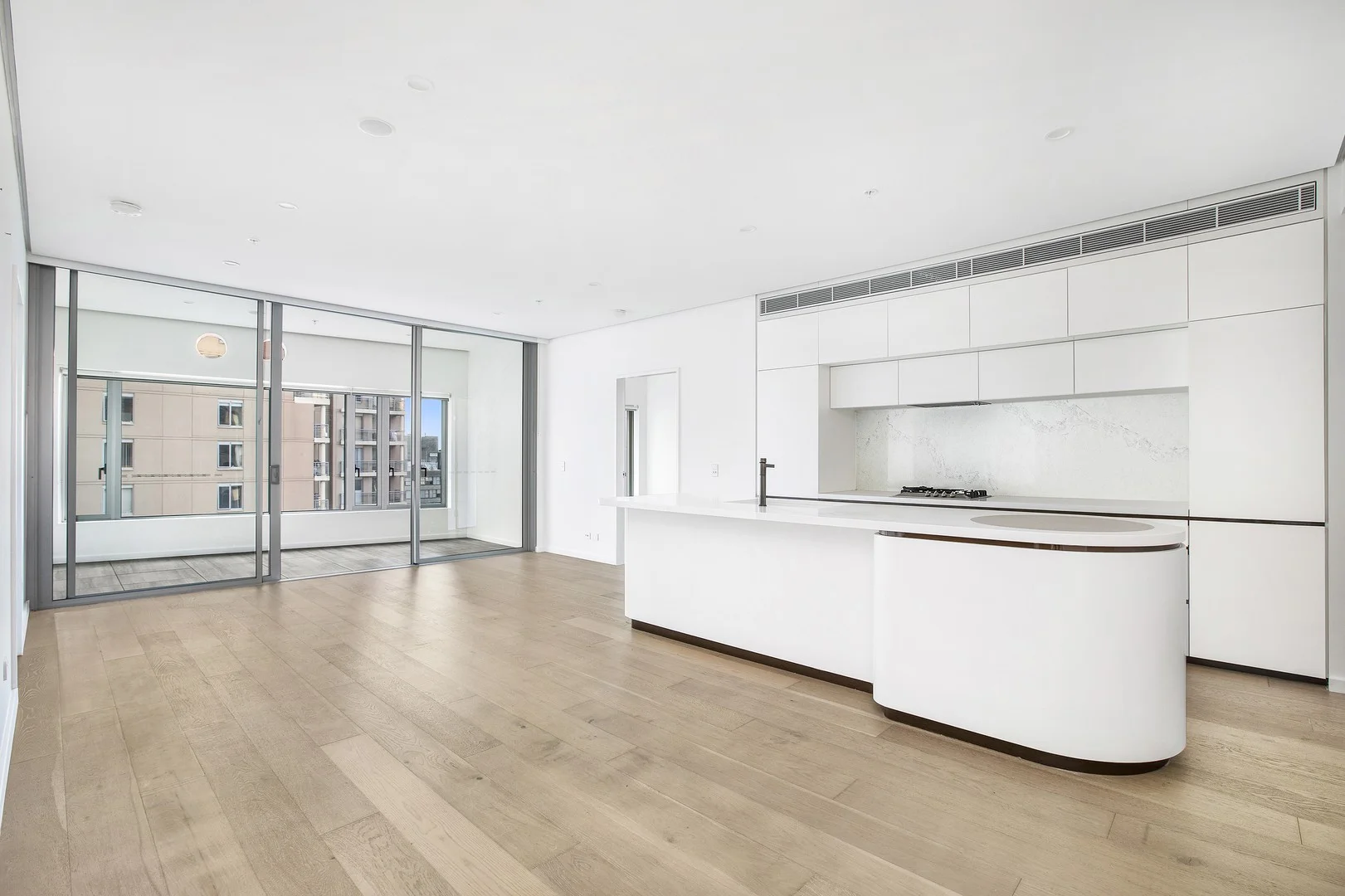 $2,250,000
Apartment / Unit / Flat
$2,250,000
Apartment / Unit / Flat
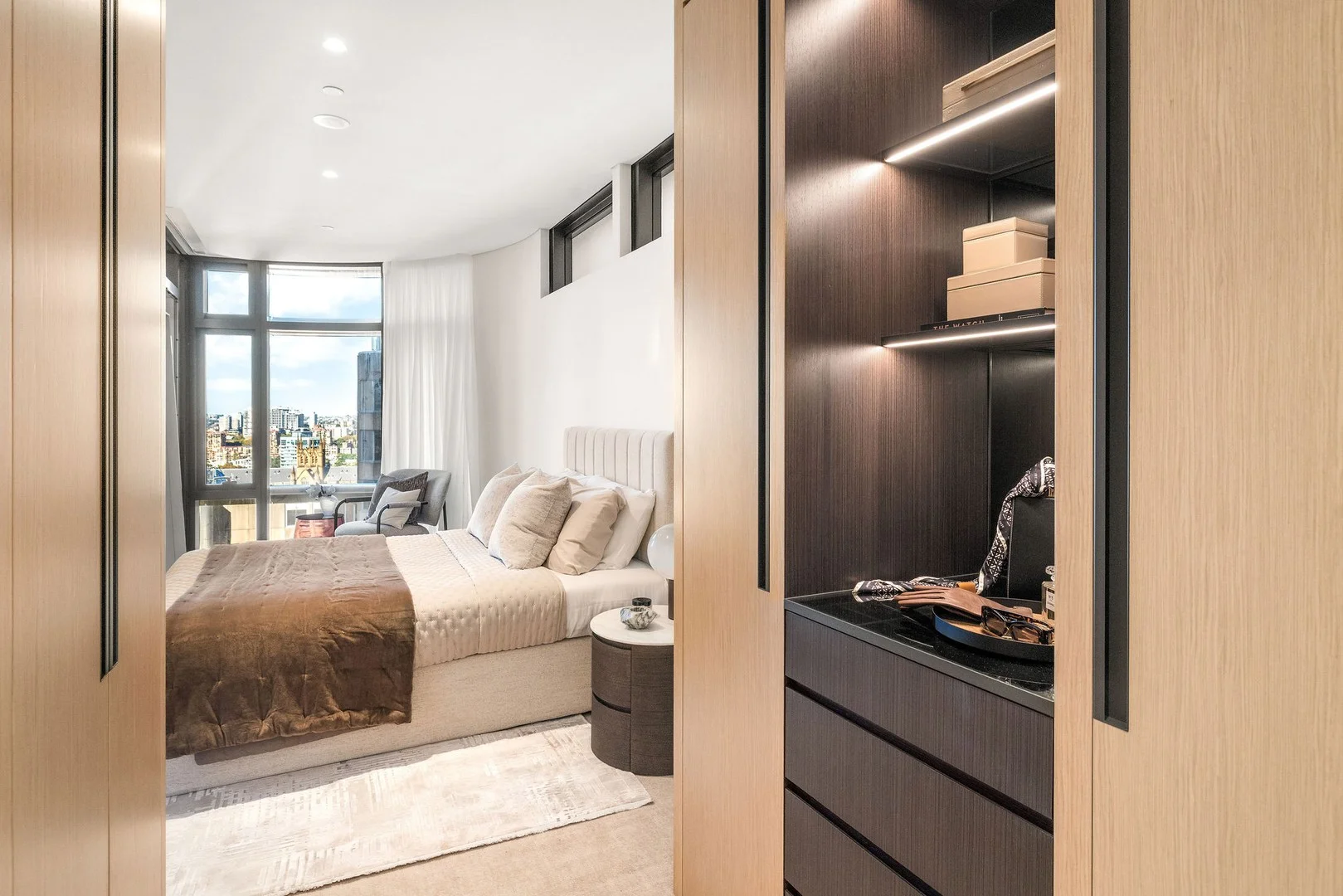 $2,745,000
propertyType.NEW APARTMENTS / OFF THE PLAN
$2,745,000
propertyType.NEW APARTMENTS / OFF THE PLAN
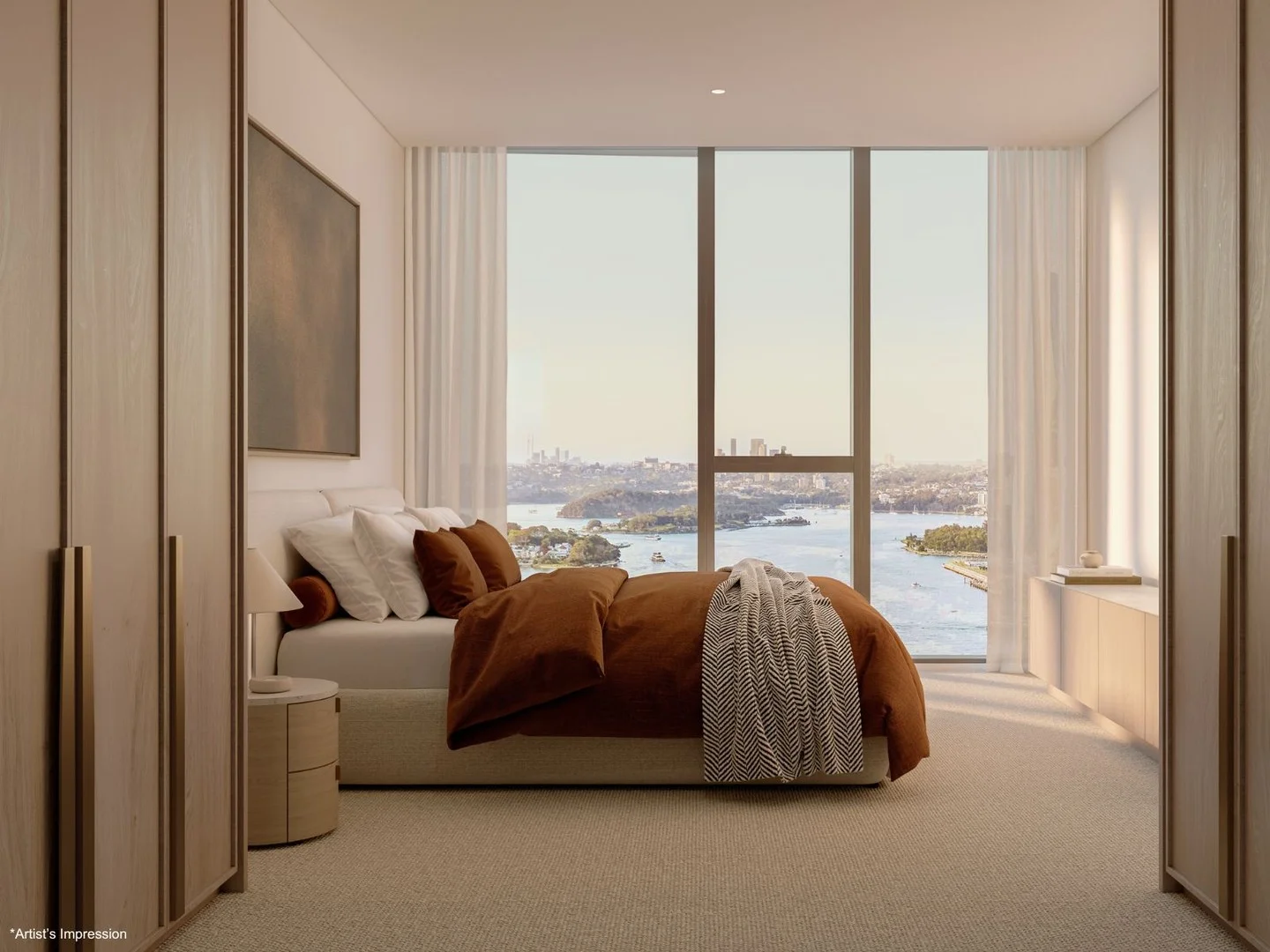 $8,630,000
propertyType.NEW APARTMENTS / OFF THE PLAN
$8,630,000
propertyType.NEW APARTMENTS / OFF THE PLAN
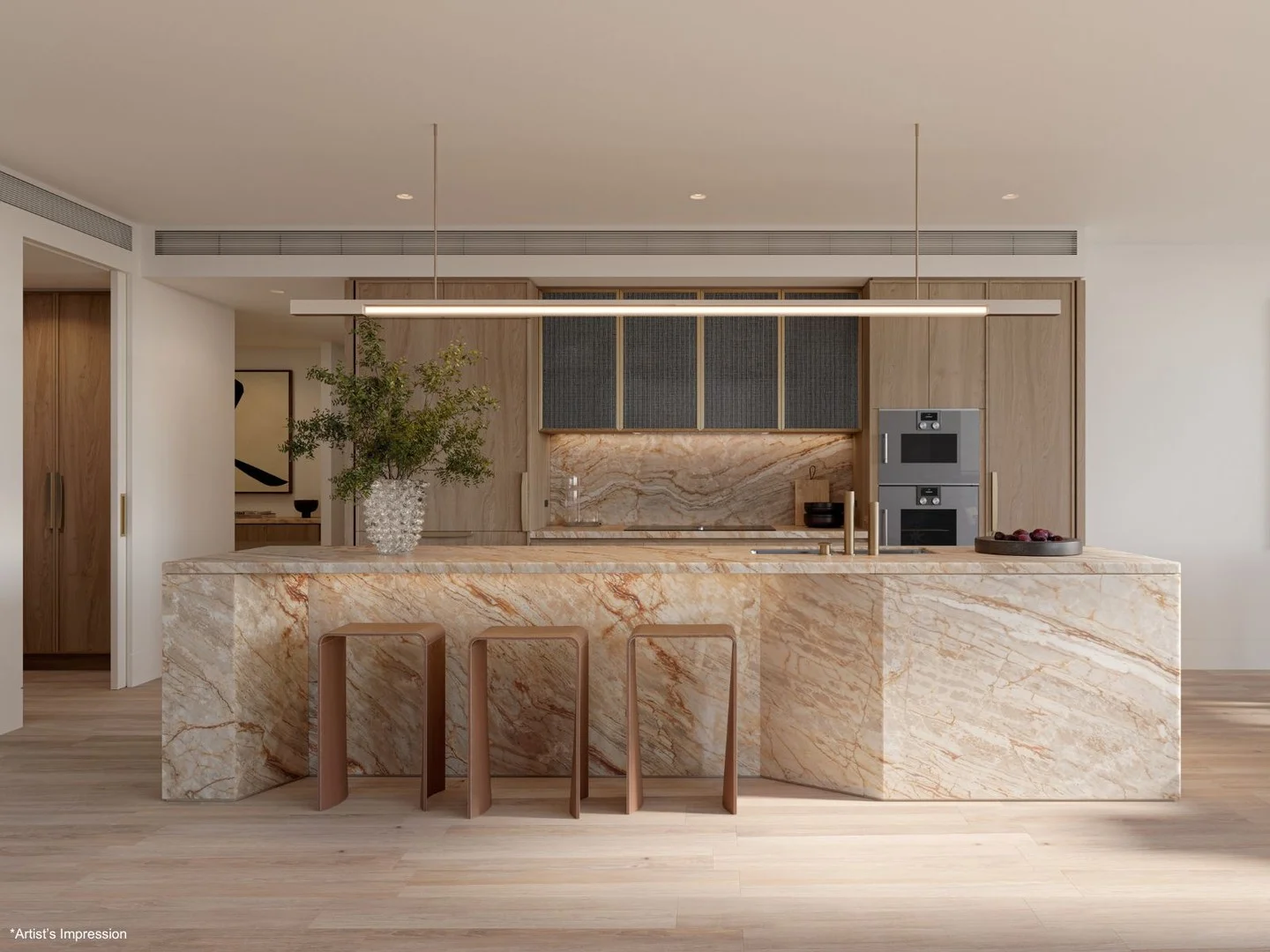 $6,225,000
propertyType.NEW APARTMENTS / OFF THE PLAN
$6,225,000
propertyType.NEW APARTMENTS / OFF THE PLAN
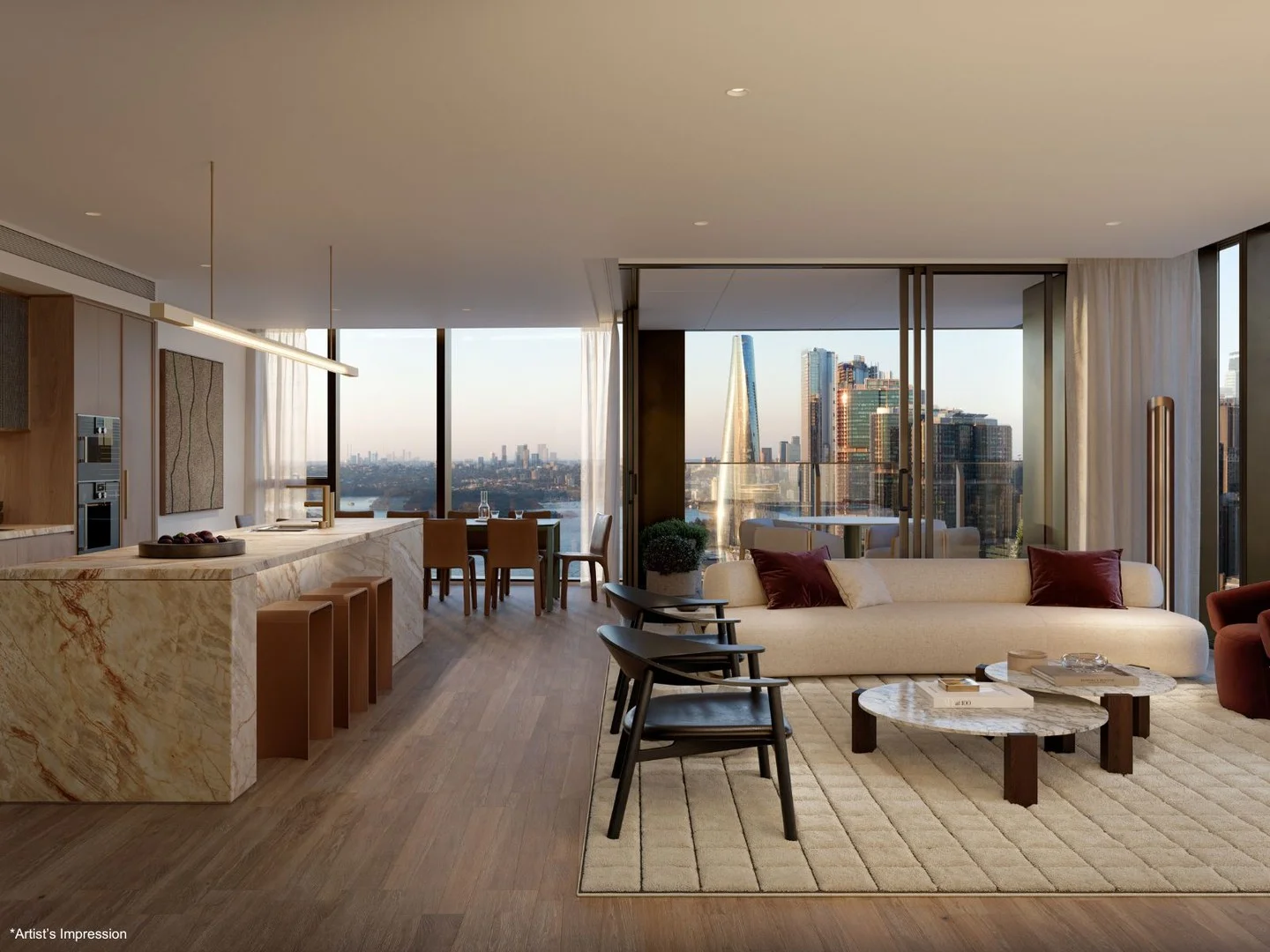 $12,980,000
propertyType.NEW APARTMENTS / OFF THE PLAN
$12,980,000
propertyType.NEW APARTMENTS / OFF THE PLAN