Overview
1. Overview
Our Lady of the Sacred Heart Catholic Primary School, Randwick is a Catholic primary school that provides a faith-filled, values-driven education in the Randwick area. As a medium-sized, co-educational school, it prioritises a nurturing, inclusive culture where students can grow academically, socially, and spiritually within a supportive community.
- School type: Catholic primary
- School size: Medium
- Class size: Typically around 22–28 students per class
- Atmosphere/culture: Nurturing, inclusive, faith-centered, and community-focused
⸻
2. Academics & Learning
The school emphasises core learning in literacy and numeracy alongside strong religious education and character development.
- Academic strengths: Literacy and numeracy foundations, strong Religious Education, leadership development, and opportunities in English, math, and related areas
- Special programs: Religious education formation; sacramental preparation; possible support for gifted and talented learners; programs to support EAL/D learners
- NAPLAN / Ofsted trends: Public trend data are typically used to monitor year-to-year progress; NSW Catholic primary schools commonly show steady or improving performance in reading and numeracy over time (consult the school’s annual reports for the latest trends)
- Student-teacher ratios: Class sizes small to medium; overall student-teacher interactions are designed to maximise learning time and individual attention
- Support for diverse learners: EAL/D support, learning support staffing, in-class adjustments, and targeted interventions to assist students with diverse learning needs
⸻
3. Sports & Extracurricular Strengths
A strong focus on holistic development with a broad range of activities and teams.
- Sports offered: Soccer, cricket, rugby league, netball, basketball, athletics, swimming (based on NSW primary school offerings)
- Strong teams or achievements: Regular participation in inter-school competitions; opportunities to represent the school in district events
- Music, arts, drama programs: School choirs, music ensembles, performing arts opportunities, and theatre/participation in school productions
- Clubs: Robotics, chess, coding, debating, art and design clubs; opportunities to extend skills beyond academics
- Partnerships: Involvement with local community activities, parish connections, and inter-school networks for competitions and performances
⸻
4. Wellbeing & Pastoral Care
Wellbeing is a core priority, with systems in place to support all students.
- Anti-bullying approach: Proactive programs and restorative practices; clear codes of conduct and student wellbeing supports
- House system: House-based activities and events to foster belonging and teamwork
- Counsellors / wellbeing officers: Access to school-based wellbeing staff and referral pathways for additional support
- Transition support for new students: Orientation activities, buddy programs, and targeted supports to ease transitions into new year levels or environments
⸻
5. Facilities
Facilities are designed to support a safe, engaging, and modern learning environment.
- Sports grounds: On-site sports fields and multi-use courts
- Libraries: Welcoming library with flexible learning spaces
- Science labs: Dedicated science spaces for hands-on experiments
- Music/performing arts centers: Music spaces and performance areas
- Tech/innovation labs: Computer labs or maker/technology spaces for coding and digital projects
- Cafeteria: On-site canteen or snack facilities
- Updated playgrounds: Well-maintained outdoor play areas
⸻
6. School Values & Community Culture
The school emphasises values-driven education and a positive community culture.
- School values / mission: Faith, compassion, respect, responsibility, and service underpin daily life and learning
- Leadership style: Collaborative and supportive, with student voice opportunities and active parent involvement
- Behaviour expectations: Clear behavioural expectations supported by pastoral care and restorative approaches
- Community reputation: Family-oriented and welcoming, with a strong sense of parish and school community
- Diversity & inclusion: Open to students from diverse backgrounds with inclusive practices and support for all families
⸻
7. School Logistics & Daily Operations
Practical information to help families plan the school day.
- School hours: Typically 9:00 am–3:00 pm (consult the school for exact times); may offer before/after school care
- Before/after school care: Available through on-site or partnered programs
- Uniform requirements: Standard school uniform with seasonal adjustments; details provided by the school
- Transport: Public transport options (bus routes and nearby stops); proximity to local trains or bus services; community drop-off/pick-up considerations
- Canteen availability: On-site canteen or snack facilities for students
- Fees: Fees fall within the typical range for NSW Catholic primary schools; exact amounts published by the school; additional costs may apply for camps and activities
⸻
8. Enrolment & Admissions
Understanding how to apply and secure a place.
11. What is the enrolment process and timeline?
- Applications are typically submitted via the school's enrolment process and may run in cycles for the upcoming year. Gather required documents (birth certificate, immunisation records, baptism certificate if applicable) and participate in any information sessions or orientation events. Offers are typically made after the intake period, with timelines published by the school.
12. Is there a waiting list, and how does it work?
- Yes, most Catholic primary schools maintain a waiting list. Priority often goes to siblings, parish affiliations, and then general applicants. Places become available as current families move or as new cohorts begin.
13. Are there any entry requirements, tests, or interviews?
- Entry usually involves eligibility checks (Catholic identity may be a factor), interviews with families, and possibly brief assessments or information sessions. Standardised testing is not typically required for entry at the primary level, but schools may request prior academic records.
14. Does the school accept mid-year transfers?
- Mid-year transfers are often possible if spaces exist, subject to meeting documentation requirements (previous school report, records, immunisation), and alignment with the school’s enrolment policies.
⸻
9. Frequently Asked Questions
- Why Parents Choose This School?
- Catholic values, a nurturing environment, small-to-medium class sizes, and a focus on both academics and character development.
- What type of student thrives at this school?
- Students who benefit from a faith-informed community, those who engage in collaborative learning, and learners who respond well to a supportive, structured environment.
- What opportunities are available for students to extend their skills (academics, sports, arts)?
- Strong core programs in literacy and numeracy, plus religious education; inter-school sports; music, drama, robotics, coding, and debating clubs.
- How does the school communicate with parents?
- Regular updates through newsletters, parent portals, notices, and scheduled meetings; open channels with teachers and leadership.
- What is the school’s approach to teaching and learning?
- A balanced approach combining explicit instruction, differentiated support, and opportunities for inquiry, collaboration, and faith formation.
- How does the school support students who need extra academic help?
- In-class supports, targeted interventions, learning support staff, and access to EAL/D or SEN resources as needed.
- What support is available for academic challenges?
- Individual or small-group support, progress monitoring, and coordination with families to create effective plans.
- How does the school communicate with parents? (Repeated)
- See above: regular channels such as newsletters, portals, and meetings.
- What are the class sizes and how much individual attention do students receive?
- Class sizes typically around 22–28 students with teacher-led instruction and opportunities for targeted, small-group attention.
- What extracurricular and sports opportunities are available?
- A range of sports (e.g., soccer, cricket, netball, rugby) and clubs (robotics, chess, coding, debating), plus music and performing arts programs.
- What facilities does the school offer (sports, science, arts)?
- Sports grounds, library, science labs, music/performing arts facilities, and technology spaces.
- What is the school’s approach to technology and digital learning?
- Integration of digital learning through computer labs or technology spaces and age-appropriate tech use within the curriculum.
- What transport and accessibility options are available?
- Local transport options (bus routes and proximity to rail services); flexible drop-off/pick-up arrangements may be available.
- What are the typical school fees or additional costs?
- Fees align with NSW Catholic primary school ranges; check the school’s published fee schedule for exact figures and any additional costs (camps, excursions, extracurricular activities).
⸻
10. Short Pros & Cons list
Pros
- Catholic values-based education in a nurturing, inclusive environment
- Medium-sized classes with opportunities for individual attention
- Broad academics plus religious education and character development
- Diverse extracurriculars: sports, arts, robotics, coding, debating
- Active wellbeing support, house-based activities, and transition help for new students
- Accessible facilities: library, science labs, music/performing arts, and tech spaces
Cons
- Enrolment may involve a waitlist and competition for limited places
- Uniforms and additional costs for trips, camps, and some activities
- As with many urban schools, transport options may depend on local routes and schedules
- Availability of mid-year transfers may be limited by current capacity
If you’d like, I can tailor this draft further with more precise details from the school’s own communications or public reports.














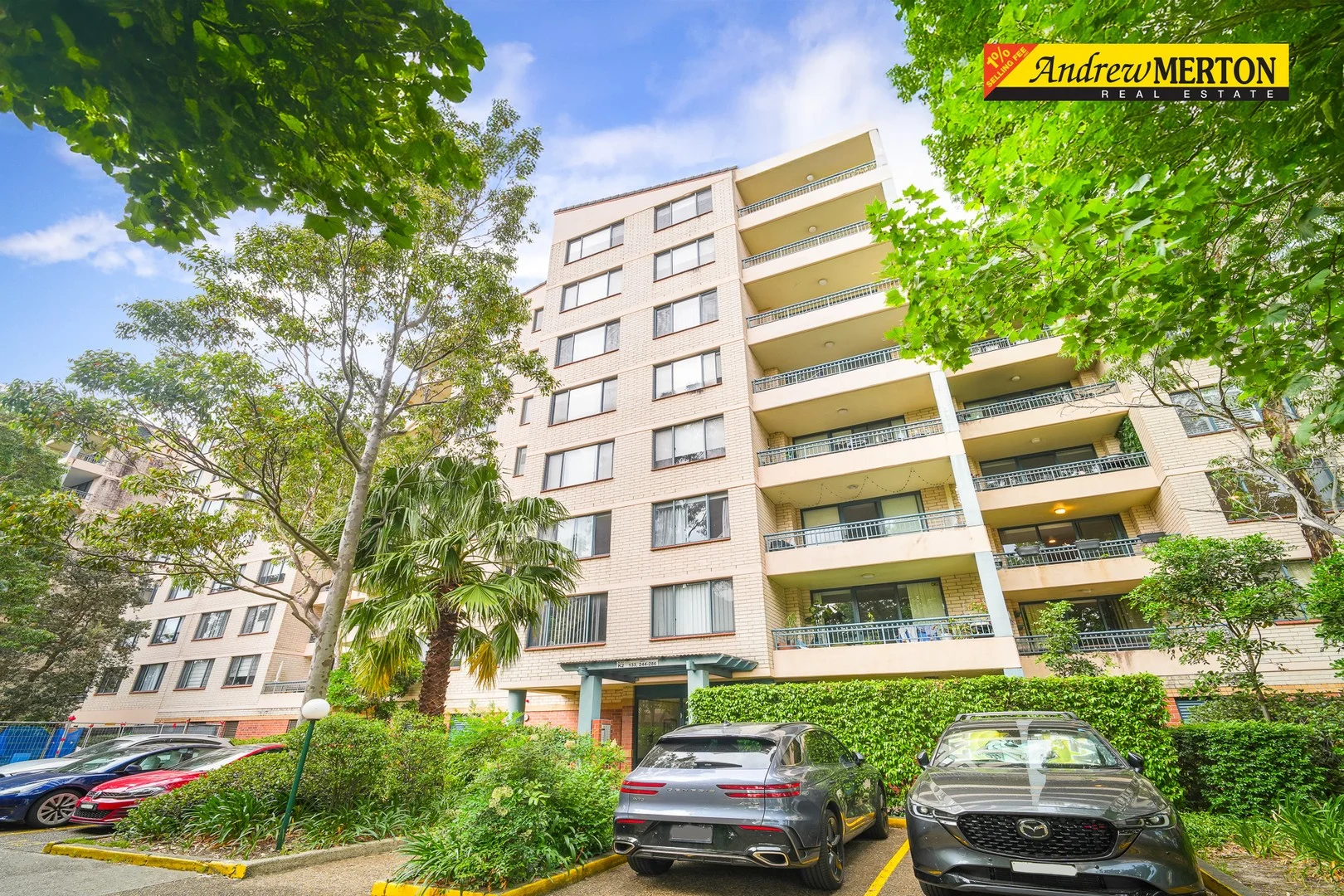 $933,000
Apartment / Unit / Flat
$933,000
Apartment / Unit / Flat
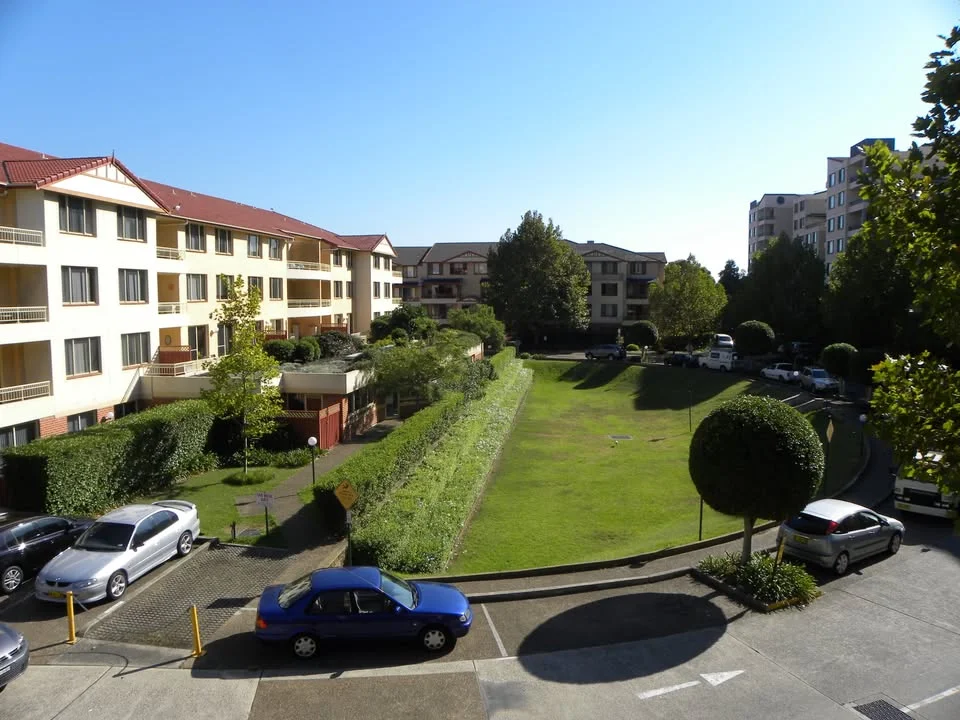 $990
Apartment / Unit / Flat
$990
Apartment / Unit / Flat
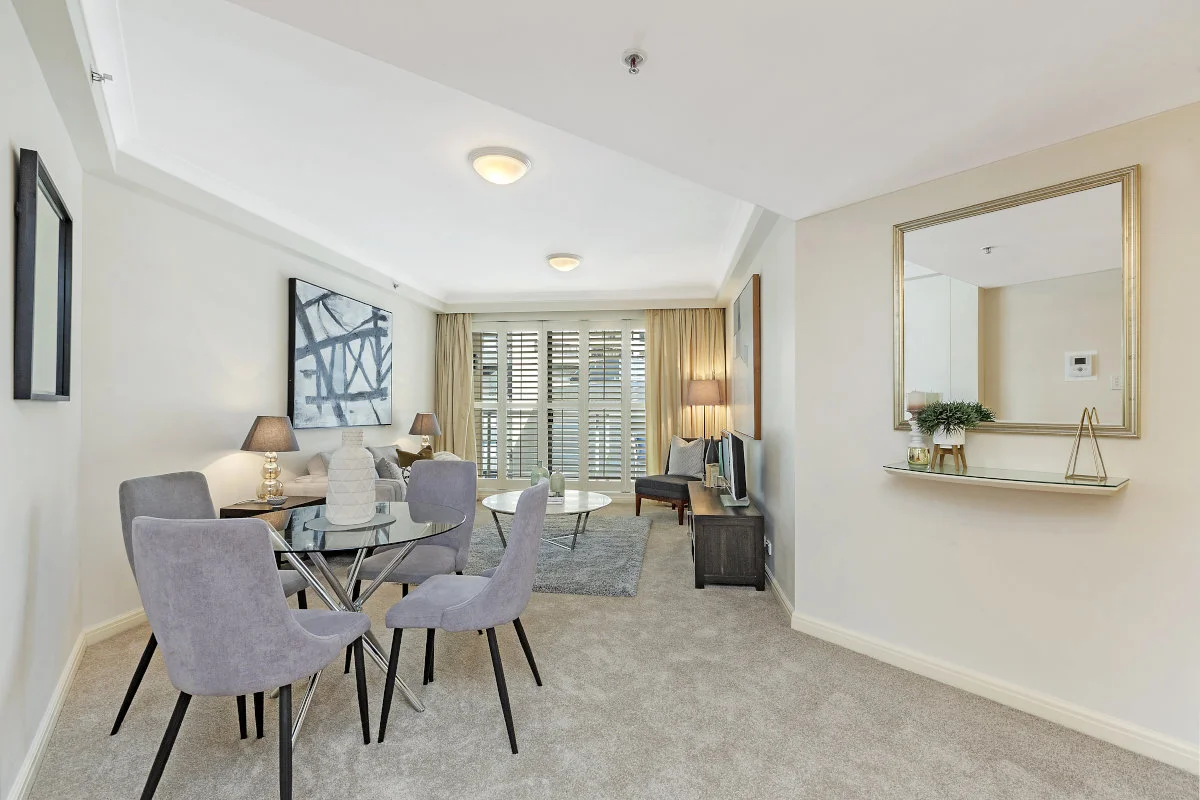 $660,000 - $725,000
Apartment / Unit / Flat
$660,000 - $725,000
Apartment / Unit / Flat
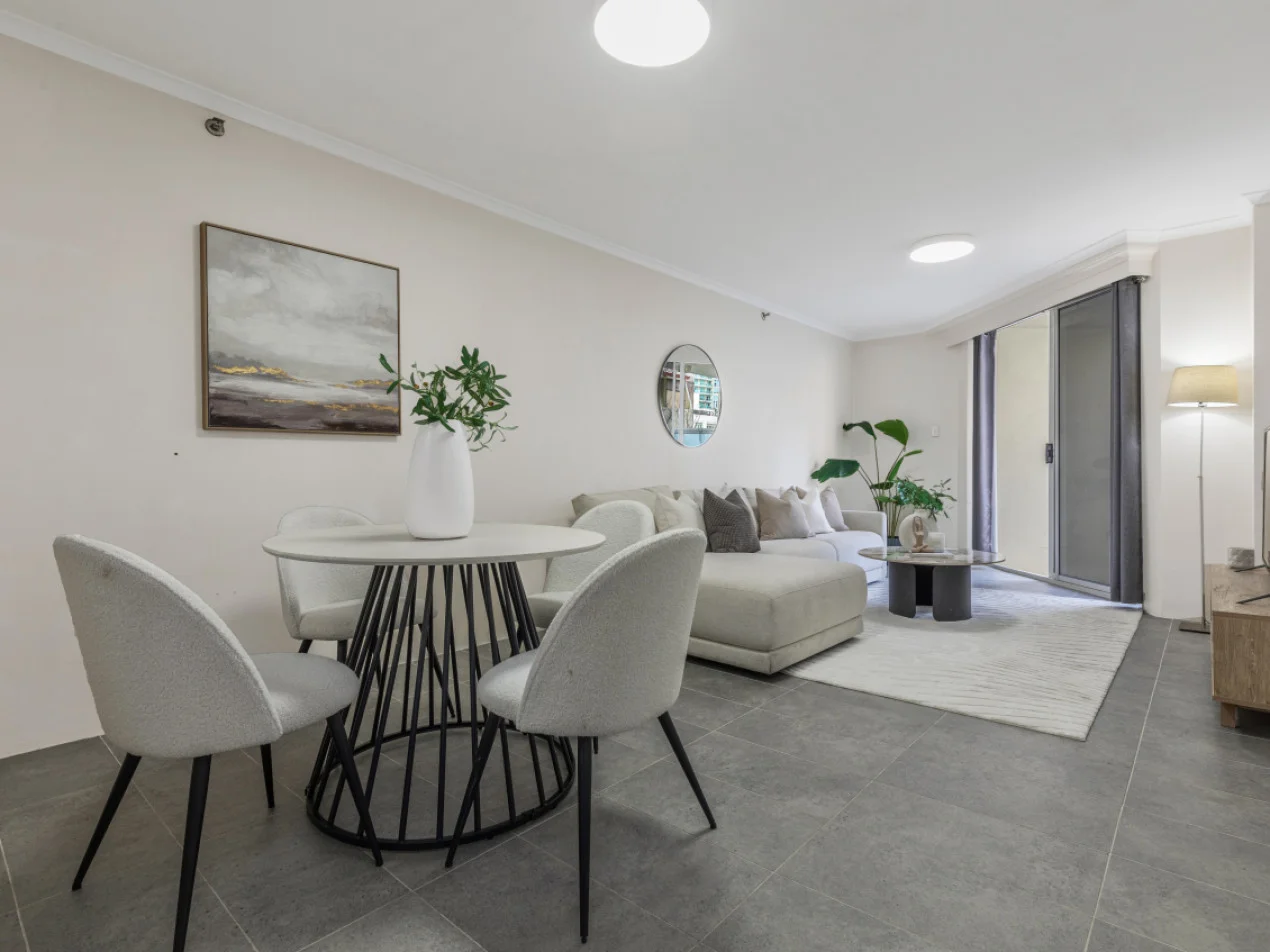 $640,000 - $675,000
Apartment / Unit / Flat
$640,000 - $675,000
Apartment / Unit / Flat
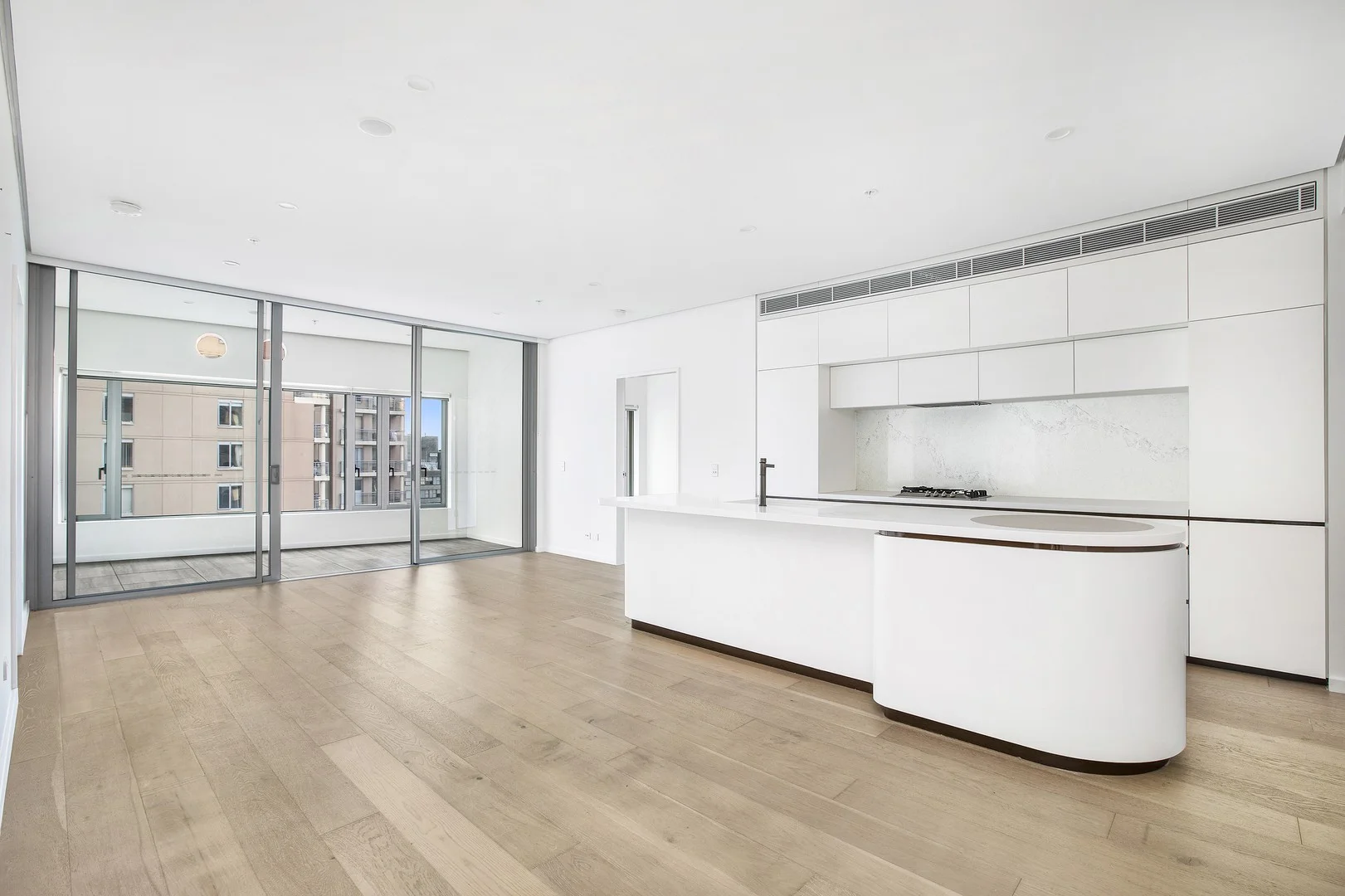 $2,250,000
Apartment / Unit / Flat
$2,250,000
Apartment / Unit / Flat
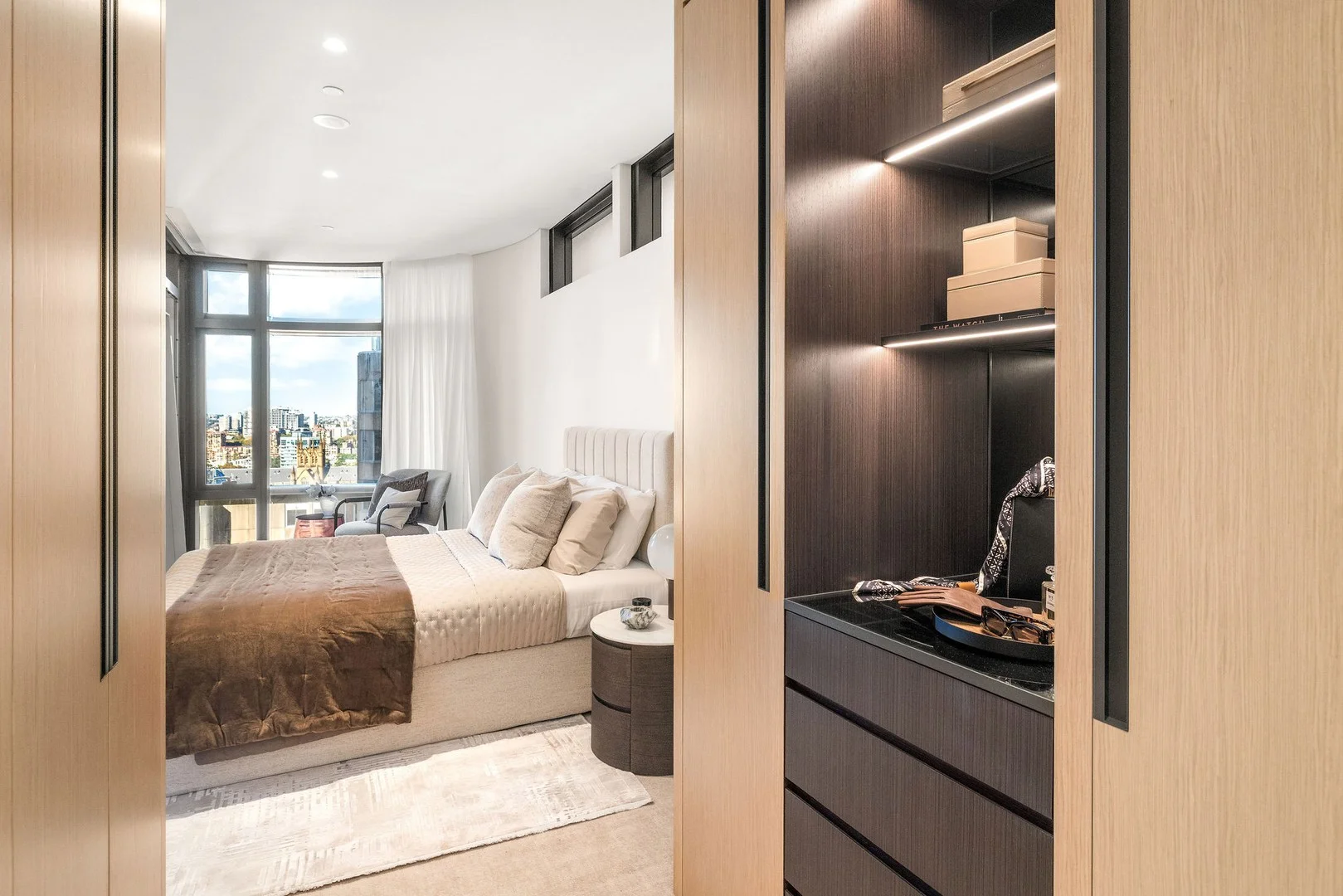 $2,745,000
propertyType.NEW APARTMENTS / OFF THE PLAN
$2,745,000
propertyType.NEW APARTMENTS / OFF THE PLAN
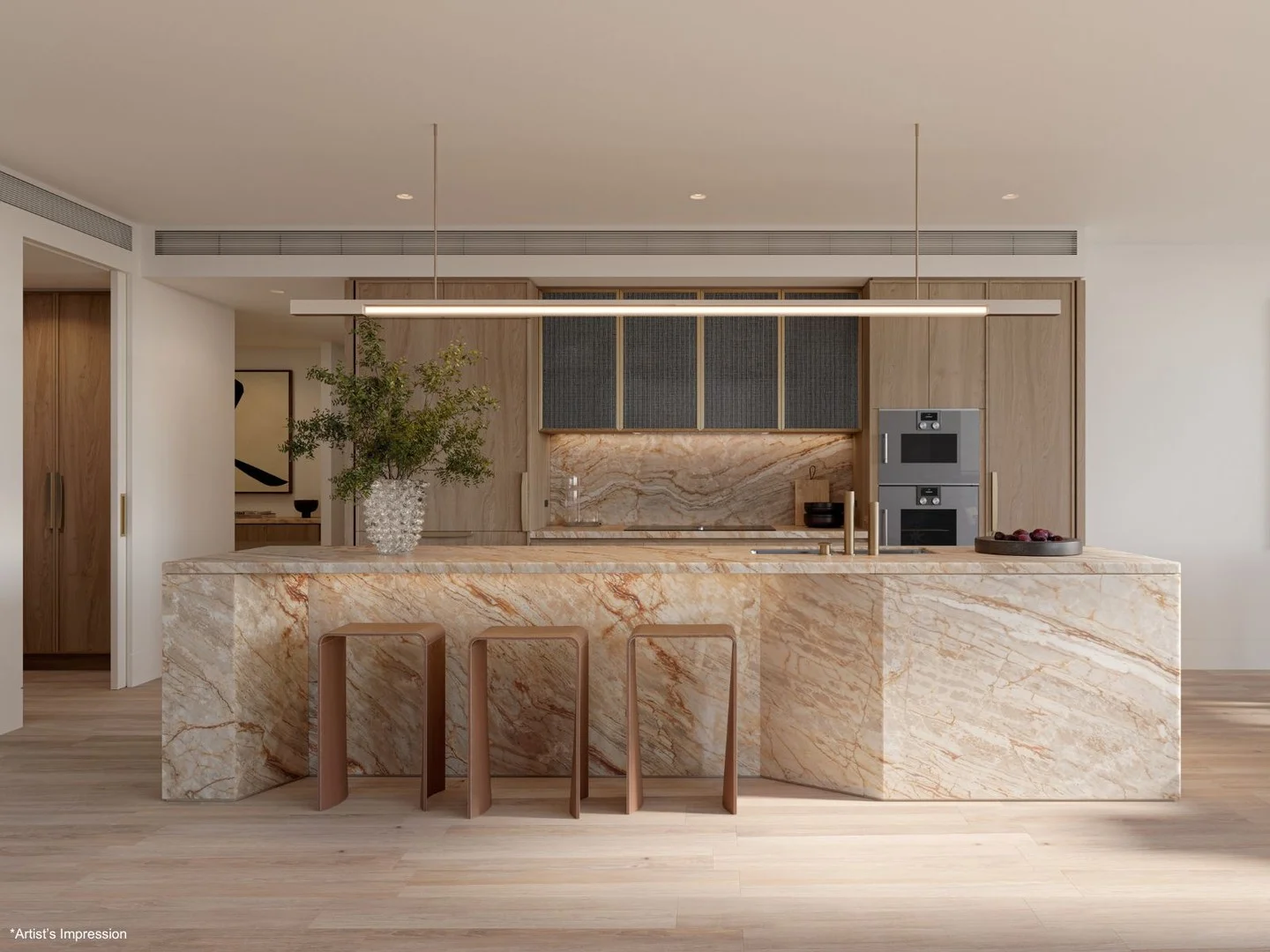 $6,225,000
propertyType.NEW APARTMENTS / OFF THE PLAN
$6,225,000
propertyType.NEW APARTMENTS / OFF THE PLAN
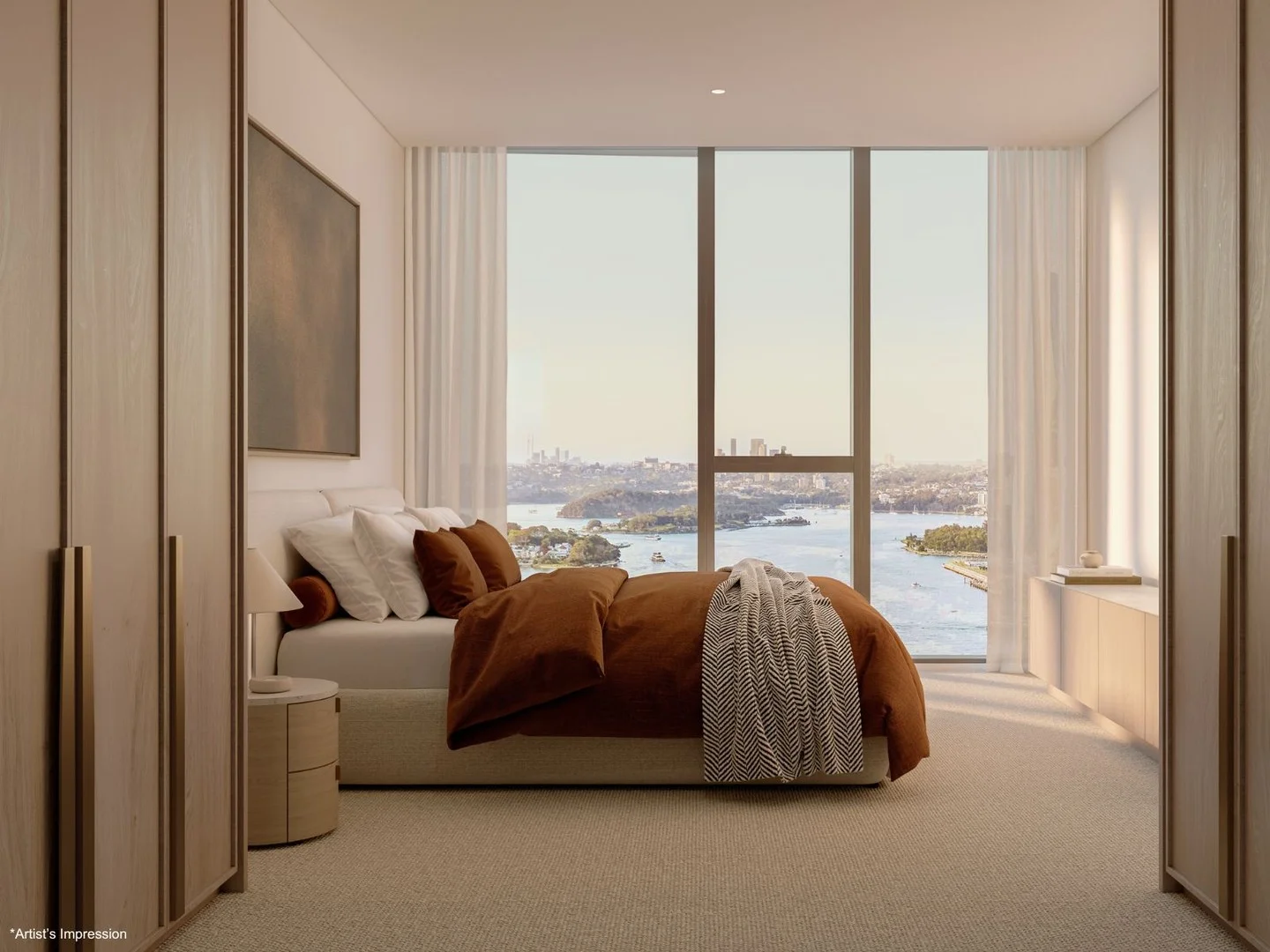 $8,630,000
propertyType.NEW APARTMENTS / OFF THE PLAN
$8,630,000
propertyType.NEW APARTMENTS / OFF THE PLAN
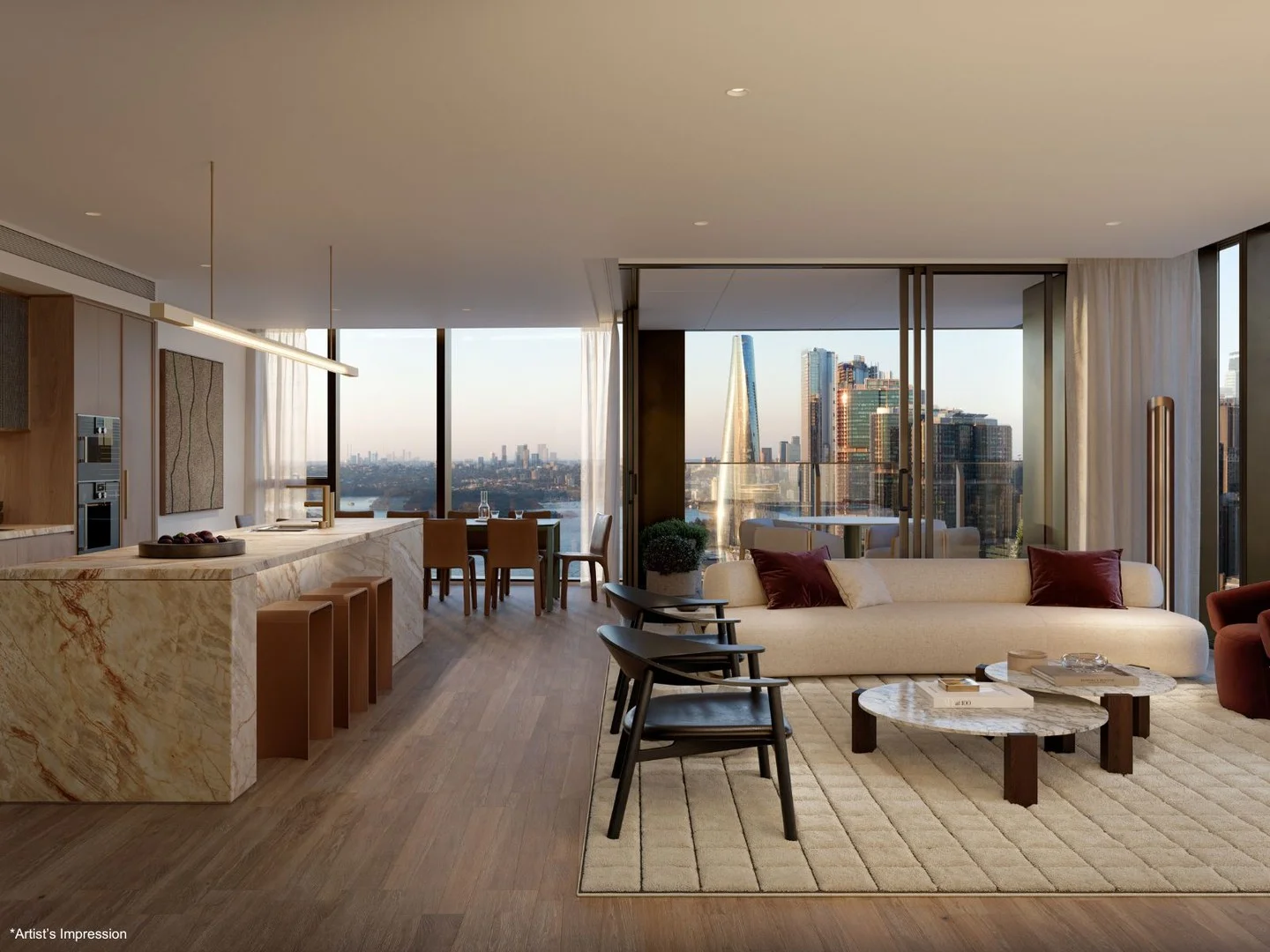 $12,980,000
propertyType.NEW APARTMENTS / OFF THE PLAN
$12,980,000
propertyType.NEW APARTMENTS / OFF THE PLAN