Overview
Marcellin College Randwick is a Catholic secondary school serving families in the Randwick area and the broader Sydney community. Grounded in Catholic tradition, the college emphasises values-based education, service, and academic growth within a supportive, inclusive environment.
The school is medium-sized, which helps foster close student–teacher relationships and a strong sense of community. Class sizes are designed to allow individual attention, while the learning atmosphere remains welcoming, respectful, and focused on preparing students for life beyond school.
- School type: Catholic
- School size: Medium
- Atmosphere/culture: Nurturing, inclusive, faith-based, academically oriented
Academics & Learning
Marcellin College Randwick offers a well-rounded curriculum with several areas of academic strength and opportunity for growth.
- Academic strengths: STEM, English, leadership development, and languages are key focus areas within the curriculum.
- Special programs: Gifted and talented pathways, leadership development programs, and opportunities for accelerated learning or targeted academic challenges.
- Support for diverse learners: Dedicated support for diverse learners, including EAL and SEN assistance, learning support staff, and tailored interventions where needed.
A strong focus on holistic development means sport and extracurriculars are well-supported and diverse.
- Sports offered: A broad range of sports including football, rugby, cricket, basketball, soccer, athletics, swimming, tennis, and cross country.
- Strong teams or achievements: Competitive participation in inter-school competitions with notable programs in key sports, promoting teamwork and school pride.
- Music, arts, drama programs: Active music programs, bands, choir, and drama productions complemented by performing arts facilities.
- Clubs: Robotics, chess, coding, debating, and other interest-based clubs to broaden skills beyond the classroom.
- Partnerships: Collaboration with local clubs, community organisations, and inter-school competitions to extend opportunities.
Wellbeing & Pastoral Care
Wellbeing sits at the heart of the student experience, supported by a dedicated pastoral framework.
- Anti-bullying approach: Whole-school anti-bullying policies and programs that promote respect, inclusion, and student safety.
- House system: A house-based structure to foster belonging, leadership, and positive competition.
- Counsellors / wellbeing officers: A team of school counsellors and wellbeing staff available for confidential support and guidance.
- Transition support for new students: Orientation programs, buddy systems, and transition support to help new students settle in smoothly.
Facilities
The campus offers facilities that support learning across disciplines and activities.
- Sports grounds
- Libraries
- Science laboratories
- Music/performing arts centers
- Tech/innovation laboratories
- Cafeteria
- Updated playgrounds
The facilities are designed to be inviting and to support a wide range of learning experiences, from STEM labs to arts and performance spaces.
The school’s values and culture shape daily life and expectations.
- School values / mission: A focus on faith, service, integrity, and academic excellence.
- Leadership style: Values-based leadership with opportunities for student voice and participation in school initiatives.
- Behaviour expectations: Clear codes of conduct that emphasise respect, responsibility, and positive behavior.
- Community reputation: A welcoming, collaborative community known for supporting students and families.
- Diversity & inclusion: Commitment to diversity and inclusive practices that reflect the wider community.
School Logistics & Daily Operations
Practical information to help families plan and participate in school life.
- School hours: Typical school day runs from morning to mid-afternoon, with routines that support learning and student well-being.
- Before/after school care: Availability of supervision or care arrangements before and after standard school hours.
- Uniform requirements: A school uniform policy with designated dress guidelines for regular days and for sports.
- Transport (train/bus routes): Access to public transport options and local bus/train routes common for families in the area.
- Canteen availability: Canteen or food services available to students.
- Fees (low/medium/high ranges): Fees are aligned with Catholic systemic school expectations and publicised by the school; typically positioned in the mid-range within comparable NSW schools.
Enrolment & Admissions
- What is the enrolment process and timeline?
- Inquiry and open day or information session
- Online or paper application submission with required documentation
- Provision of supporting documents (birth certificate, immunisation records, previous school reports, proof of Catholic connection where applicable)
- Information session and/or interview
- Offer of place and acceptance
- Enrolment confirmation and any required deposits
- Is there a waiting list, and how does it work?
- Some year levels may operate a waiting list if spaces are limited. Offers are typically made as places become available, with priority given to established timelines, and, where applicable, Catholic families or local parish connections.
- Are there any entry requirements, tests, or interviews?
- Generally, a formal application is required, and interviews or information sessions may be part of the process. Schools may request previous academic records and attendance information. There is typically no entrance exam for non-selective entry, though interviews help families and the school determine fit.
- Does the school accept mid-year transfers?
- Yes, subject to space availability and formal submission of required documentation. Parents should contact the enrolments team to discuss options and timelines.
Frequently Asked Questions
- Why Parents Choose This School?
- A values-based Catholic education in a supportive, inclusive community with a focus on academic and personal development, strong pastoral care, and well-rounded opportunities.
- What type of student thrives at this school?
- Students who are engaged in learning, value community, and want a balance of academics, faith-informed service, and co-curricular pursuits.
- What opportunities are available for students to extend their skills (academics, sports, arts)?
- Options across STEM, languages, leadership programs, accelerated learning pathways, sports teams, music, drama, robotics, coding, debating, and more through partnerships and clubs.
- How does the school communicate with parents?
- Regular communications via newsletters, emails, parent portals, and scheduled meetings; openness to feedback and engagement through parent-teacher interactions.
- What is the school’s approach to teaching and learning?
- A student-centered, inclusive approach that blends core academic instruction with differentiated learning, support for diverse learners, and opportunities for leadership and service.
- How does the school support students who need extra academic help?
- Dedicated learning support staff, EAL and SEN services, targeted interventions, and pathway options to meet individual learning needs.
- What support is available for academic challenges?
- Access to tutors, study skill programs, counselling for study planning, and collaboration with families to create personalised plans.
- How does the school communicate with parents? (Note: same as above)
- See above for details on communication channels and frequency.
- What extracurricular and sports opportunities are available?
- A wide range of sports and clubs, including robotics, chess, coding, debating, music programs, theatre, and inter-school competitions.
- What facilities does the school offer (sports, science, arts)?
- Sports grounds, libraries, modern science labs, music/performing arts spaces, tech/innovation labs, and a canteen.
- What is the school’s approach to technology and digital learning?
- Integrated digital learning with access to devices, software, and online resources to support modern teaching and learning practices.
- What transport and accessibility options are available?
- Access to local public transport options, with information available to families about routes and accessibility; parking and drop-off arrangements typically managed for safety and efficiency.
- What are the typical school fees or additional costs?
- Fees are aligned with NSW Catholic systemic school expectations and publicly available through the school's enrolment materials; families can expect standard annual fees and potential costs for uniforms, excursions, and some activities.
Short Pros & Cons list
Pros
- Strong Catholic ethos with a supportive, welcoming community
- Balanced focus on academics, faith, and co-curricular opportunities
- Wide range of sports, arts, and clubs
- Comprehensive wellbeing and pastoral support
- Good facilities across science, arts, and technology
Cons
- As a mid-sized city school, places can be competitive during peak intake years
- Transport options depend on local routes and public transit availability
- Uniforms and certain activities may involve ongoing costs
- Some families may prefer larger or co-educational settings for broader social experiences
 Free
Free











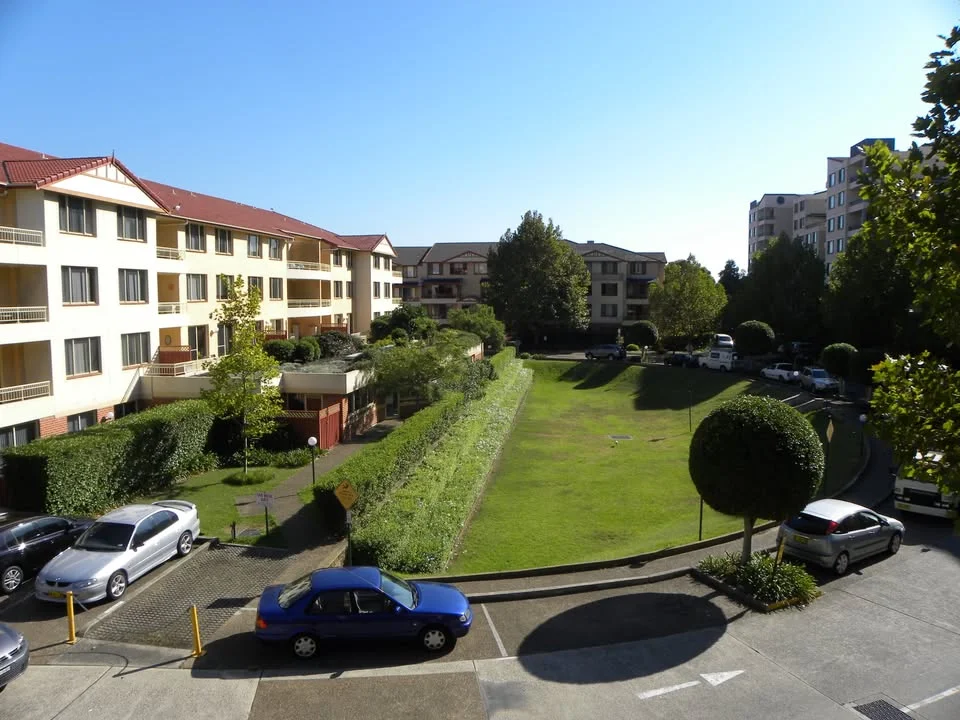 $990
Apartment / Unit / Flat
$990
Apartment / Unit / Flat
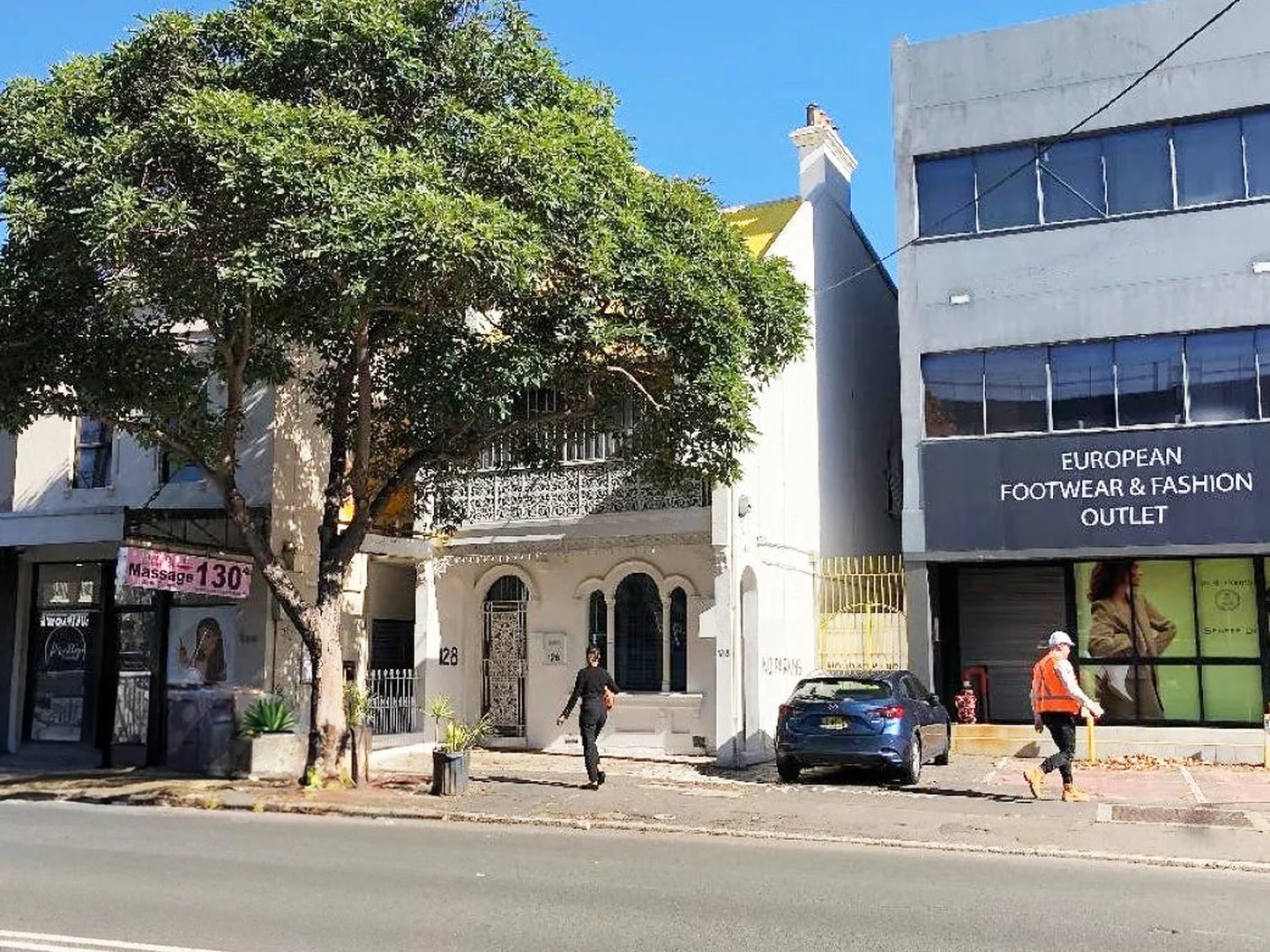 $3,900,000
House
$3,900,000
House
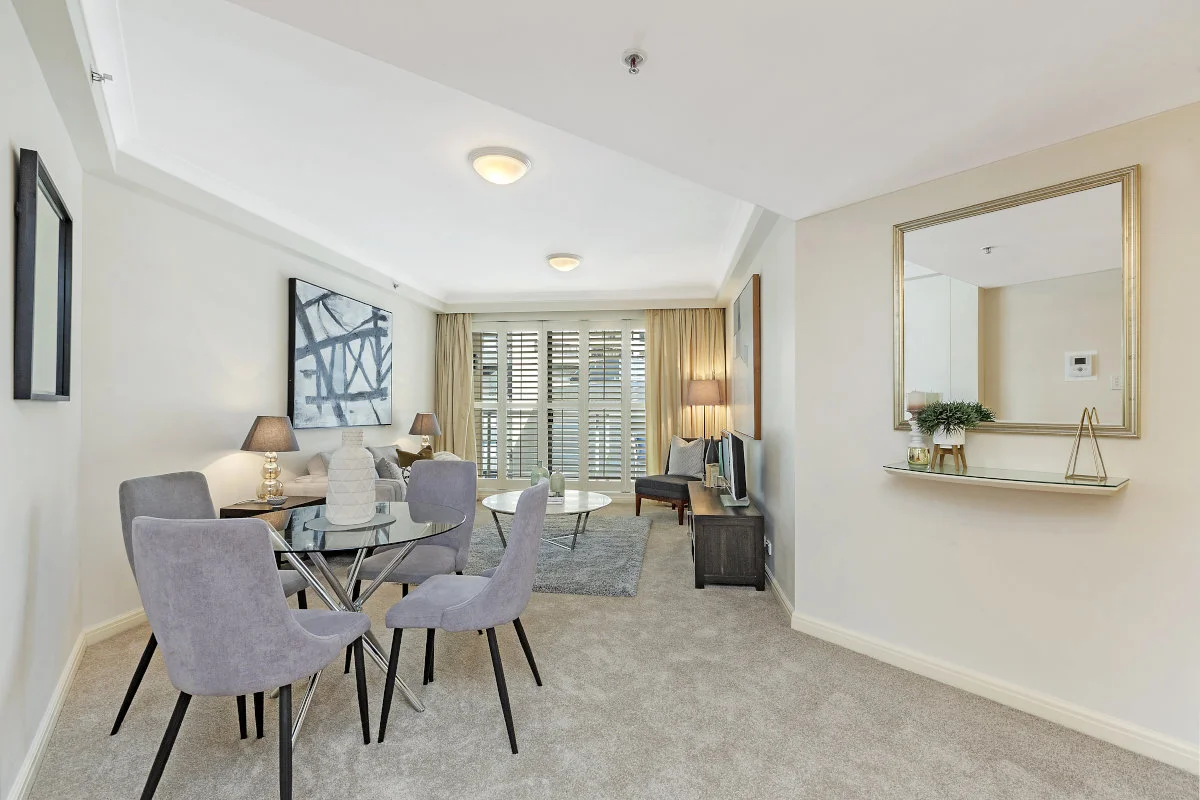 $660,000 - $725,000
Apartment / Unit / Flat
$660,000 - $725,000
Apartment / Unit / Flat
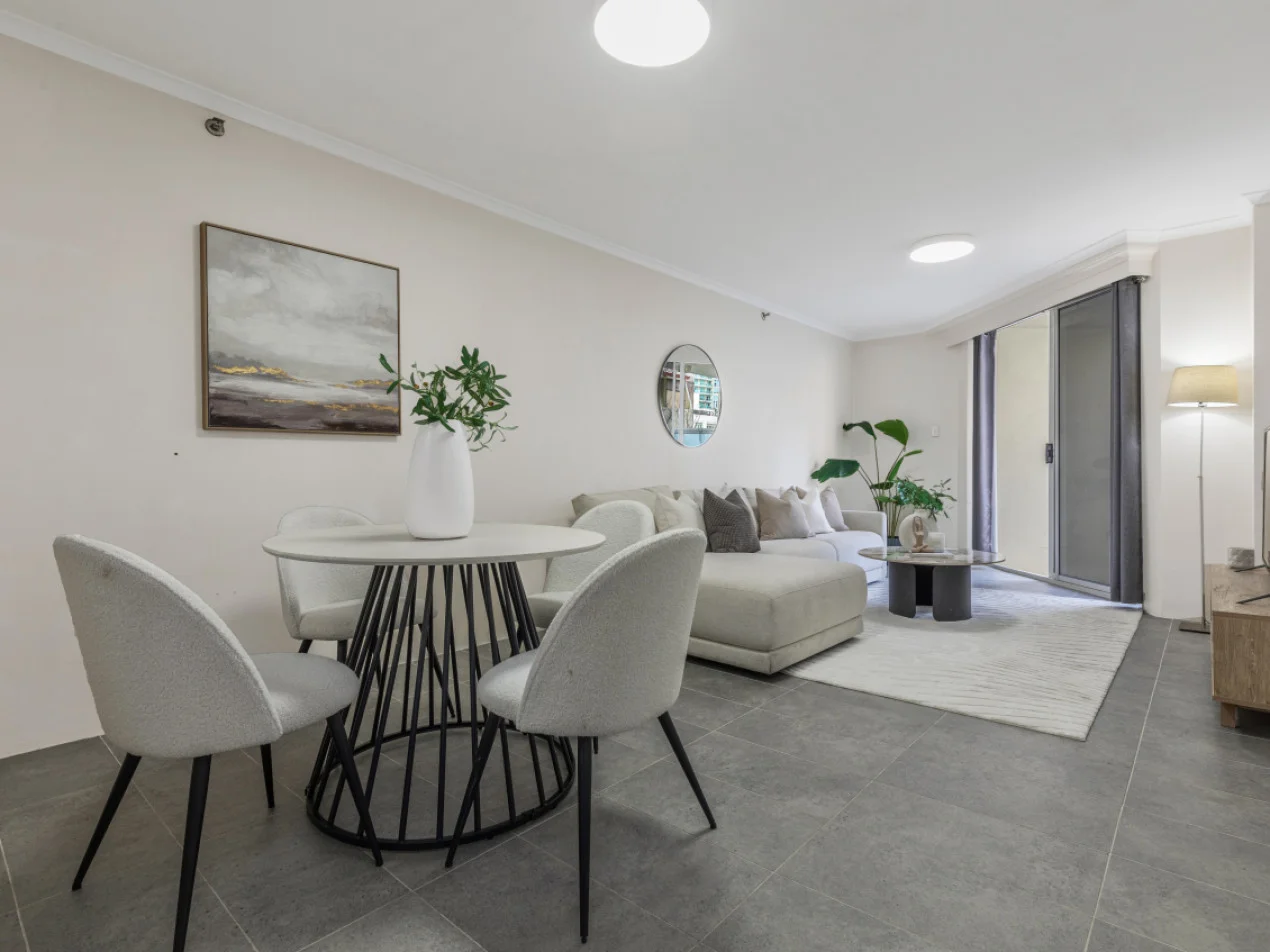 $640,000 - $675,000
Apartment / Unit / Flat
$640,000 - $675,000
Apartment / Unit / Flat
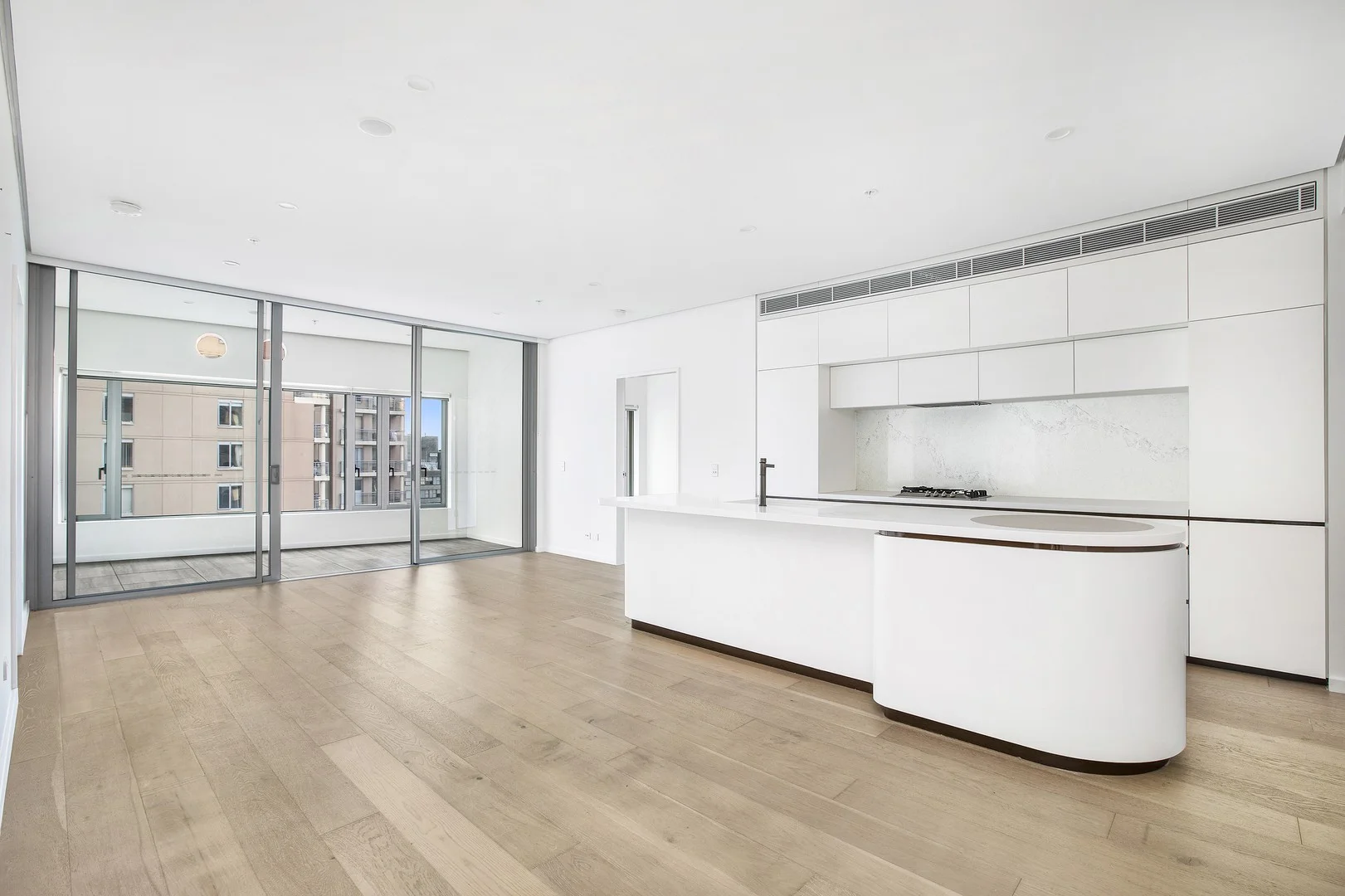 $2,250,000
Apartment / Unit / Flat
$2,250,000
Apartment / Unit / Flat
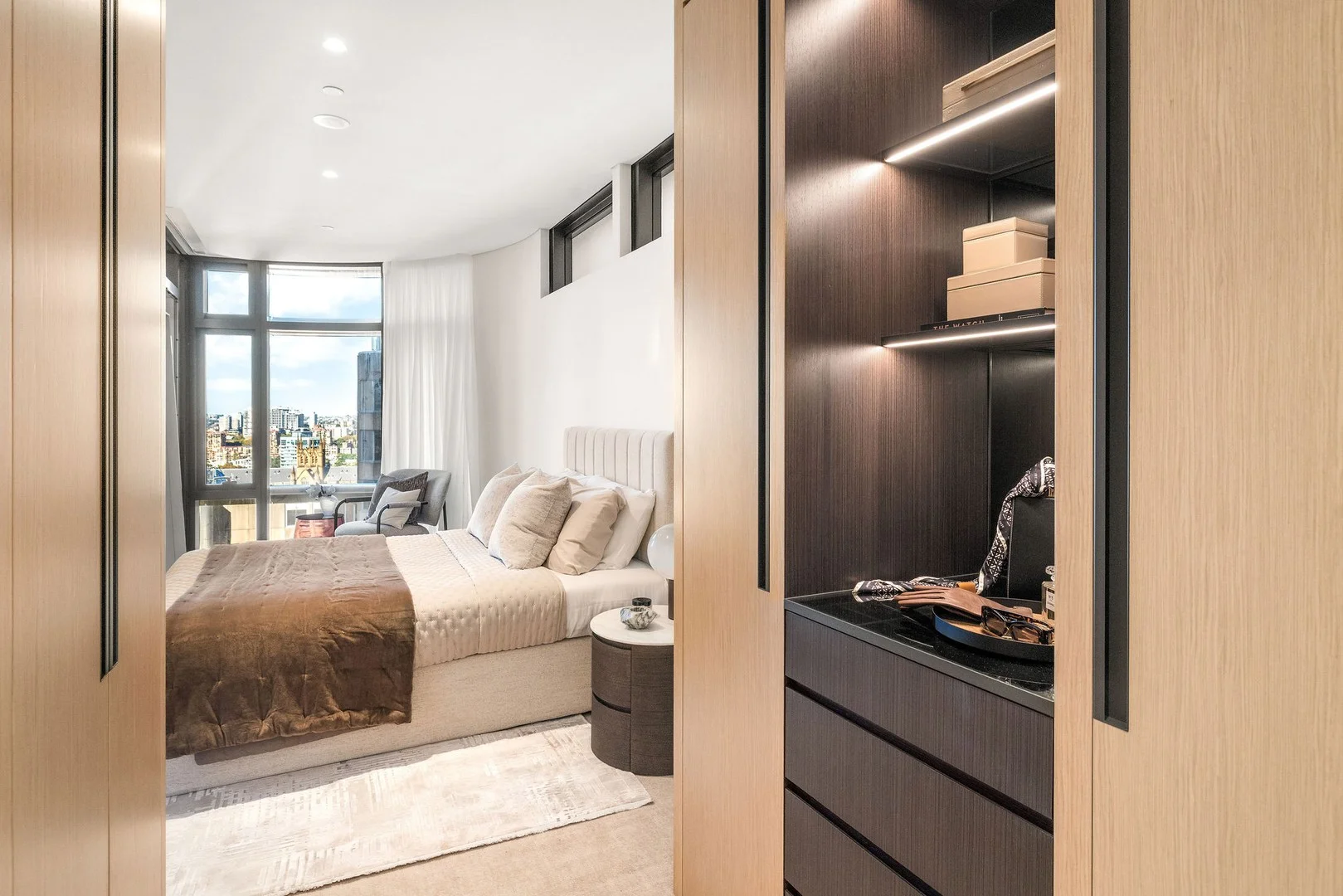 $2,745,000
propertyType.NEW APARTMENTS / OFF THE PLAN
$2,745,000
propertyType.NEW APARTMENTS / OFF THE PLAN
 $12,980,000
propertyType.NEW APARTMENTS / OFF THE PLAN
$12,980,000
propertyType.NEW APARTMENTS / OFF THE PLAN
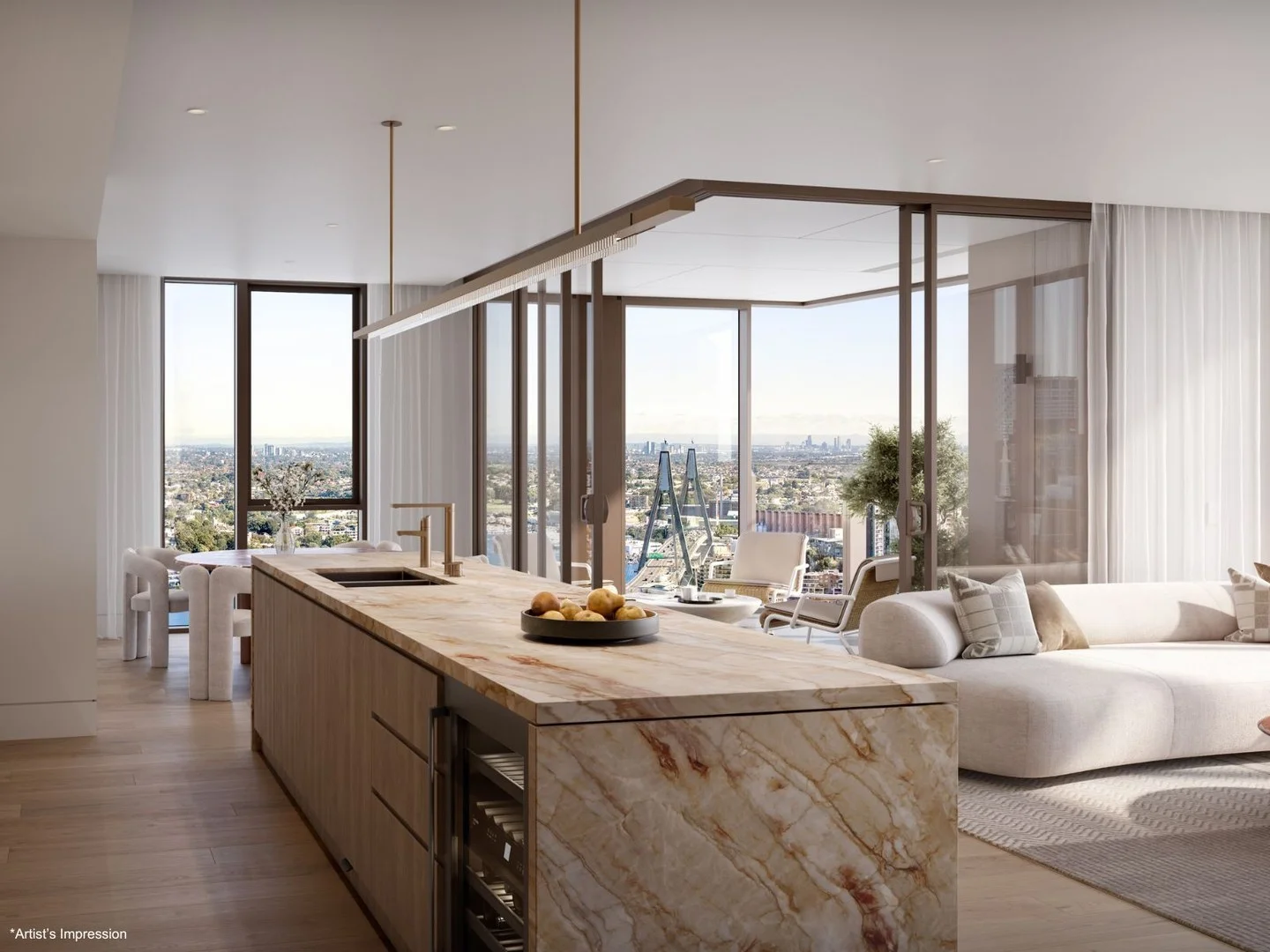 $9,020,000
propertyType.NEW APARTMENTS / OFF THE PLAN
$9,020,000
propertyType.NEW APARTMENTS / OFF THE PLAN
 $6,225,000
propertyType.NEW APARTMENTS / OFF THE PLAN
$6,225,000
propertyType.NEW APARTMENTS / OFF THE PLAN