## Overview
Corpus Christi College, Bateman is a Catholic independent school offering a comprehensive education across the primary and secondary years. The college focuses on a values-based education within a supportive, community-driven environment that blends academic achievement with faith formation. The school aims to develop confident, responsible learners who contribute positively to their communities.
- School type: Catholic, independent
- School size: Medium to large
- Class size: Mid-20s to low-30s
- Atmosphere/culture: Nurturing, inclusive, academically oriented, community-focused
⸻
## Academics & Learning
Corpus Christi College emphasizes a broad, rigorous curriculum with opportunities for enrichment and leadership development. Core strengths typically include strong English and humanities programs, solid STEM offerings, and language studies, with a focus on developing critical thinking and communication skills.
- Academic strengths: English and humanities, STEM, languages, leadership development
- Special programs: Gifted and talented/enrichment options, potential accelerated pathways, faith-based learning integrated with curriculum
- NAPLAN / trends: Positive trajectories in literacy and numeracy over recent years, with a focus on continuing improvement and meeting individual student targets
- Student-teacher ratios: Generally in the lower-to-mid range (approximately 1:15 to 1:22 depending on year level and cohort)
- Support for diverse learners: EAL support, SEN support, targeted learning assistance, access to guidance and learning support staff
⸻
## Sports & Extracurricular Strengths
Sports and extracurriculars are a highlight for many families, with a broad offering across seasons and a track record of participation in regional competitions. The college supports both competitive teams and a wide range of clubs that foster teamwork and personal growth.
- Sports offered: Basketball, soccer/football, netball, hockey, athletics, swimming, cricket, tennis (programs vary by year)
- Strong teams or achievements: Competitive interschool teams with active participation in regional events and sports carnivals
- Music, arts, drama programs: Robust performing arts including choir, bands, drama productions, and opportunities to participate in productions and concerts
- Clubs: Robotics, coding, chess, debating, public speaking, science clubs, environmental clubs
- Partnerships: Local clubs and regional competitions, collaboration with community arts and sports organizations
⸻
## Wellbeing & Pastoral Care
Wellbeing and pastoral care are central to the school experience, with structures in place to support students’ emotional health, safety, and transitions. The college emphasizes a respectful culture and proactive welfare practices.
- Anti-bullying approach: Clear policies, zero-tolerance stance, student-led initiatives and awareness programs
- House system: House-based activities to foster belonging, leadership, and healthy competition
- Counsellors / wellbeing officers: Access to school counsellors and wellbeing staff for students and families
- Transition support for new students: Orientation programs, buddy systems, and targeted transition support to help new students settle in
⸻
## Facilities
The campus provides a range of modern facilities to support learning, physical activity, and creative pursuits. The environment is designed to be accessible, comfortable, and conducive to exploration and collaboration.
- Sports grounds
- Libraries
- Science labs
- Music/performing arts centers
- Tech/innovation labs
- Cafeteria
- Updated playgrounds
⸻
## School Values & Community Culture
The school communicates a clear mission and values-driven culture, prioritising leadership that is inclusive and service-oriented. Behaviour expectations are aligned with the school’s values, fostering a respectful and supportive community reputation with a commitment to diversity and inclusion.
- School values / mission: Faith-based values, integrity, respect, excellence
- Leadership style: Collaborative, student-centered, service-minded
- Behaviour expectations: Clear codes of conduct, emphasis on respect and responsibility
- Community reputation: Positive standing within the Catholic education sector and local community
- Diversity & inclusion: Commitment to inclusive practices and equity for all students
⸻
## School Logistics & Daily Operations
Practical information helps families plan around the school day and activities. The college aims to provide accessibility, consistency, and support around logistics.
- School hours: Typical school day runs mornings to afternoons with after-school programs; exact times vary by year level
- Before/after school care: Available
- Uniform requirements: School uniform with specified dress code
- Transport: Bus routes and access to public transport; proximity to train and major bus networks; drop-off/pick-up procedures
- Canteen availability: On-site canteen or food service options
- Fees: Fees fall in the mid-to-high range for WA private Catholic schools (varies by year level and program)
⸻
## Enrolment & Admissions
11. What is the enrolment process and timeline?
- Submit an online or paper application with supporting documents (birth certificate, immunisation records, academic reports).
- Complete any required assessments or screening and participate in an admissions interview.
- Receive a provisional offer followed by acceptance and placement confirmation within the school’s timeline.
- The timeline can vary by year level and year of entry; check with the admissions team for current windows.
12. Is there a waiting list, and how does it work?
- There may be a waiting list depending on year level and vacancies. Priorities often include siblings, parish affiliation, and proximity; waitlist procedures are managed by the admissions office with regular updates.
13. Are there any entry requirements, tests, or interviews?
- Entry typically involves an interview and may include assessments to determine readiness for the program. Documentation like reports and immunisation records are usually required.
14. Does the school accept mid-year transfers?
- Mid-year transfers are considered where vacancies exist. Applicants should contact the admissions team to discuss availability, timing, and required documentation.
⸻
## Frequently Asked Questions
- Why Parents Choose This School?
- A values-based Catholic education, strong sense of community, and a balanced focus on academics, wellbeing, and faith formation.
- What type of student thrives at this school?
- Students who are motivated, collaborative, and committed to both academic achievement and personal growth within a close-knit community.
- What opportunities are available for students to extend their skills (academics, sports, arts)?
- Enrichment programs, accelerated options, leadership opportunities, clubs (robotics, coding, debating), music and drama productions, and competitive sports teams.
- How does the school communicate with parents?
- Regular updates via newsletters, portals, parent-teacher conferences, and electronic communications; parent information evenings and dashboards for student progress.
- What is the school’s approach to teaching and learning?
- A balanced, student-centered approach combining rigorous academics with values-based education, differentiated instruction, and support for diverse learners.
- How does the school support students who need extra academic help?
- Targeted learning support, literacy and numeracy interventions, EAL/SEN assistance, and access to school counsellors and learning support staff.
- What support is available for academic challenges?
- Additional tutoring or small-group sessions, personalised learning plans, and ongoing monitoring of progress.
- How does the school communicate with parents? (Duplicate)
- See above: regular updates, conferences, and digital platforms.
- What are the class sizes and how much individual attention do students receive?
- Class sizes are generally in the mid-20s to low-30s range with targeted support available through learning assistance and small-group sessions.
- What extracurricular and sports opportunities are available?
- A broad range of clubs (robotics, coding, chess, debating, public speaking) and multiple sports, with pathways to regional and interschool competitions.
- What facilities does the school offer (sports, science, arts)?
- Modern sports facilities, well-equipped science labs, music and performing arts centers, libraries, and dedicated tech/innovation spaces.
- What is the school’s approach to technology and digital learning?
- Integration of digital tools and resources across the curriculum, with emphasis on digital literacy, safe online practices, and responsible use.
- What transport and accessibility options are available?
- Access to bus routes and public transport; convenient drop-off/pick-up arrangements and accessibility considerations for students with needs.
- What are the typical school fees or additional costs?
- Fees exist for tuition and activities; these can vary by year level and program. Families are encouraged to review the current fee schedule with the admissions office.
⸻
## Short Pros & Cons list
- Pros
- Catholic, values-based education with a strong sense of community
- Broad academic and enrichment offerings across K–12
- Wide range of extracurriculars and robust performing arts
- Supportive wellbeing and transition programs
- Modern facilities and dedicated learning spaces
- Cons
- Fees are typical of private Catholic schools and may be a consideration for some families
- Demand can lead to waiting lists for certain year levels
- Mid-year entry depends on vacancies and may require flexibility in intake
⸻












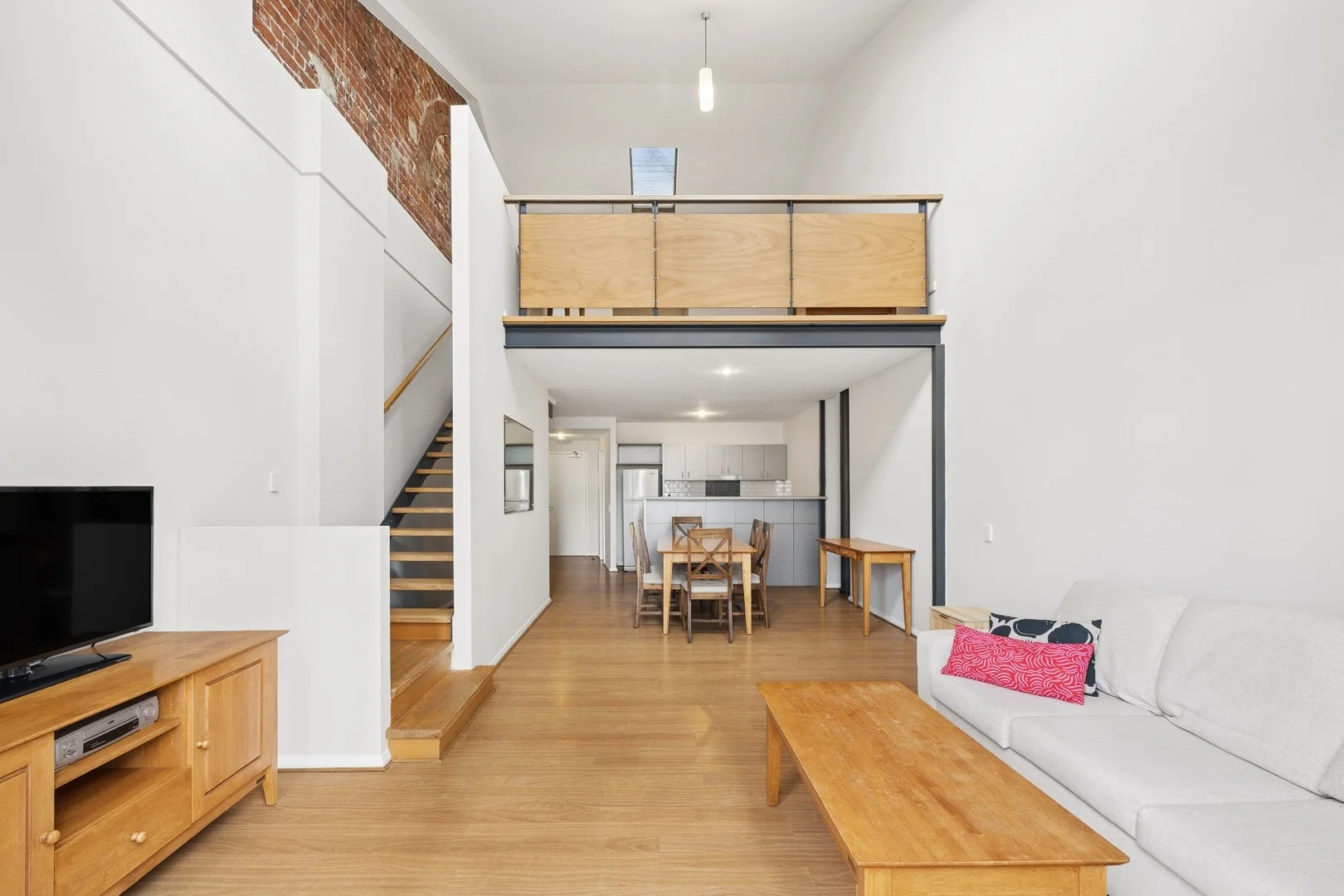 $549,000
Apartment / Unit / Flat
$549,000
Apartment / Unit / Flat
 $580,000
Apartment / Unit / Flat
$580,000
Apartment / Unit / Flat
 $700,000
Apartment / Unit / Flat
$700,000
Apartment / Unit / Flat


