Overview
## Overview
Corpus Christi College is a Catholic school located in Maroubra, NSW, serving families seeking a values-based education within the Sydney Catholic Education system. The college typically operates as a medium-sized high school with a focus on developing academic ability, character, and service.
Class sizes are generally in the range of 22–28 students per class, depending on year level, giving a balance of strong teacher attention and robust peer collaboration. The atmosphere is usually described as nurturing and inclusive, with an emphasis on academic growth, community involvement, and respectful relationships across staff, students, and families.
---
## Academics & Learning
- Academic strengths: Strong literacy and numeracy foundations, with emphasis on English, STEM, humanities, and religious education. Leadership development and campus-wide learning programs often complement core subjects.
- Special programs: Opportunities commonly available include leadership initiatives, pathways to university, and gifted/talented programs where offered. Some schools also provide accelerated learning options in certain year levels.
- NAPLAN trends: Schools in this sector typically track steady progress in reading, writing, and numeracy over time, with targeted programs to close any gaps and raise overall achievement across year cohorts.
- Student-teacher ratios: Typical ranges are around 1:12 to 1:18, varying by year and subject. This supports relatively close classroom attention while allowing for diverse course offerings.
- Support for diverse learners: EAL support and inclusive education approaches are commonly available, with learning support staff and referrals to external specialists as needed to assist students with diverse learning needs.
---
## Sports & Extracurricular Strengths
- Sports offered: Soccer, rugby league, basketball, cricket, athletics, swimming, and other school-based codes are commonly available, with options for inter-school and local competitions.
- Strong teams or achievements: Many Catholic colleges participate in regional and diocesan competitions, with opportunities to contribute to school teams and events across sports.
- Music, arts, drama programs: School choirs, bands, orchestras, and drama productions are often active, along with public performances and showcases.
- Clubs: Robotics, chess, coding, debating, and other interest-based clubs are typically offered to broaden student engagement beyond the classroom.
- Partnerships: Collaboration with local community clubs, athletic academies, and regional competitions provides additional pathways for sport and performance excellence.
---
## Wellbeing & Pastoral Care
- Anti-bullying approach: A proactive, whole-school approach to wellbeing and safety, with clear policies, reporting channels, and restorative practices where appropriate.
- House system: A house-based framework is commonly used to foster belonging, mentorship, and healthy competition among students.
- Counsellors / wellbeing officers: Access to school counsellors or wellbeing coordinators to support emotional health, study planning, and transition needs.
- Transition support for new students: Orientation days, buddy programs, and targeted induction activities help new students settle in and build connections quickly.
---
## Facilities
- Sports grounds: Access to gymnasium, outdoor playing fields, courts, and running tracks is typical.
- Libraries: Dedicated learning spaces with study areas, resources, and digital access.
- Science labs: Modern laboratories for biology, chemistry, and physics experiments.
- Music/performing arts centers: Rehearsal spaces, practice rooms, and performance venues for concerts and productions.
- Tech/innovation labs: Computer labs and STEM spaces supporting coding, robotics, and digital projects.
- Cafeteria: On-site canteen or school meal service offering healthy options.
- Updated playgrounds: Well-maintained play and outdoor recreation areas linked to student wellbeing and activity breaks.
---
## School Values & Community Culture
- School values / mission: Catholic faith-based values such as respect, compassion, service, and integrity guide daily learning and community life.
- Leadership style: Generally collaborative and inclusive, encouraging student voice, peer mentorship, and respectful leadership opportunities.
- Behaviour expectations: Clear codes of conduct centered on respect, responsibility, safety, and accountability.
- Community reputation: A supportive and engaged local community with active parental involvement and open communication channels.
- Diversity & inclusion: Emphasis on inclusive education and welcoming students from diverse backgrounds, while nurturing a sense of belonging for all.
---
## School Logistics & Daily Operations
- School hours: Typical days start in the morning and finish in the afternoon, with regular timetable blocks and break periods.
- Before/after school care: Many schools offer or coordinate after-school care or supervision, often through on-site provisions or partner providers.
- Uniform requirements: Standard formal uniform for daily wear, with a sports uniform for physical education and extracurricular use.
- Transport (train/bus routes): Access is supported by local bus services and nearby train routes; specific routes depend on the student’s residential area and school partnership with transport providers.
- Canteen availability: Canteen or tuck shop services are commonly available on-site or nearby, offering healthy meal and snack options.
- Fees (low/medium/high ranges): As a private-Catholic or system-supported school, fees fall in the mid-to-high range relative to public options, with published schedules typically available at enrollment.
---
## Enrolment & Admissions
11. What is the enrolment process and timeline?
- Complete the school’s official enrolment form and submit supporting documents (birth certificate, immunisation records, academic reports, proof of address, etc.).
- Attend an information evening or open day if offered, followed by any required interviews or admissions steps.
- Await offer of placement, which is confirmed after eligibility checks, availability, and any family-specific requirements are met. Timeline varies by intake and year level.
12. Is there a waiting list, and how does it work?
- Yes, waiting lists may apply when enrolment capacity is reached. Priority often goes to prospective families within the local catchment area, siblings of current students, and any special programs the school runs. The list position is typically reassessed annually.
13. Are there any entry requirements, tests, or interviews?
- Some programs or year levels may include an interview, and there may be a review of previous academic records. Standardised testing is not universally required for all entrants, but certain pathways or gifted programs may involve additional assessments as applicable.
14. Does the school accept mid-year transfers?
- Mid-year transfers are considered where vacancies exist and after a formal application process. Availability, alignment of subject choices, and compatibility with current cohorts are taken into account, with transition support provided to ease the move.
---
## Frequently Asked Questions
- Why Parents Choose This School?
- Strong Catholic values, supportive pastoral care, credible academic programs, and opportunities for holistic development through sport, arts, and leadership.
- What type of student thrives at this school?
- Students who value a faith-based environment, demonstrate commitment to their studies, participate in extracurriculars, and contribute to a collaborative school community.
- What opportunities are available for students to extend their skills (academics, sports, arts)?
- Access to advanced coursework where offered, leadership roles, sports teams, arts productions, robotics, debating clubs, and community service opportunities.
- How does the school communicate with parents?
- Regular newsletters, parent portals, scheduled information evenings, and direct channels with teachers and pastoral staff.
- What is the school’s approach to teaching and learning?
- A mix of traditional instruction with contemporary, student-centered learning, clear learning goals, and ongoing assessment to support growth.
- How does the school support students who need extra academic help?
- Targeted learning support, in-class adjustments, tutoring programs, and collaboration with families to create individualized plans.
- What support is available for academic challenges?
- Access to learning support staff, counsellors, and appropriate referrals for additional resources as needed.
- How does the school communicate with parents? (Repeated)
- See above: newsletters, portals, conferences, and direct communication channels with staff.
- What are the class sizes and how much individual attention do students receive?
- Class sizes typically range 22–28 students, with opportunities for targeted teacher support and small-group learning where possible.
- What extracurricular and sports opportunities are available?
- A range of sports across in-season and inter-school competitions, plus clubs for robotics, chess, coding, debating, music, drama, and more.
- What facilities does the school offer (sports, science, arts)?
- Modern facilities including sports grounds and gym, libraries, science labs, performing arts spaces, tech/innovation labs, and on-site canteens.
- What is the school’s approach to technology and digital learning?
- Integration of digital tools to support learning, with computer and STEM resources, online platforms for assignments and communication, and a focus on digital citizenship.
- What transport and accessibility options are available?
- Public transport access via local bus routes and nearby train stations, with consideration for families in the surrounding area; accessibility features align with mainstream facilities.
- What are the typical school fees or additional costs?
- Fees fall in the mid-to-high range for private-Catholic schools in NSW, with additional costs for uniforms, excursions, and optional programs; exact figures are published in the school’s fee schedule.
---
## Short Pros & Cons list
- Pros
- Catholic values and a faith-based, character-driven education
- Balanced focus on academics, wellbeing, and extracurriculars
- Supportive pastoral care and strong community culture
- Moderately sized class groups enabling teacher attention
- Broad facilities supporting science, arts, and technology
- Cons
- Tuition fees may be higher than public schools
- Availability of places can depend on demand and catchment rules
- Some programs or pathways may be limited by year level or staffing
- Uniforms and additional costs can add to overall expenses
- Transitions can take time for families moving from outside the catchment







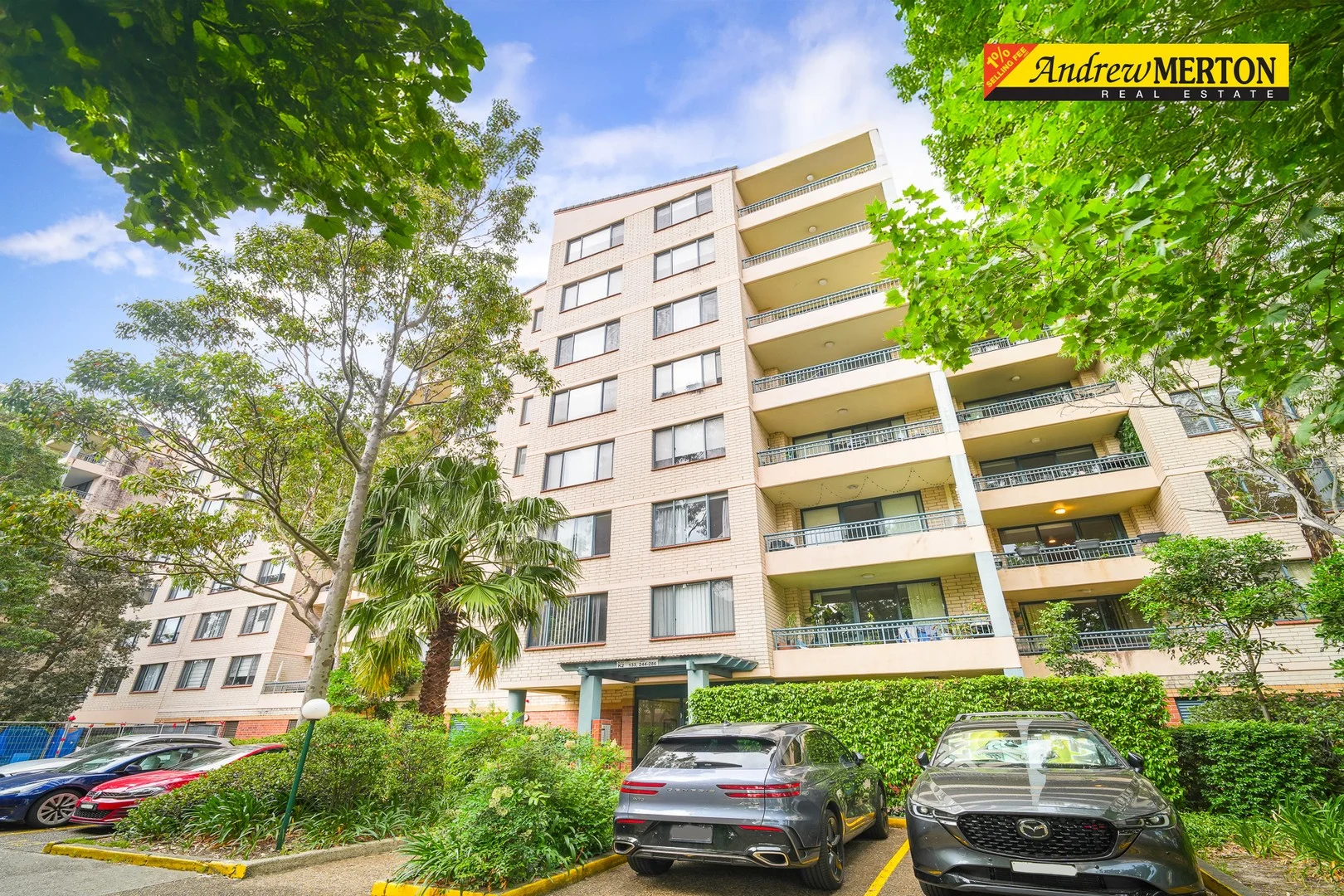 $933,000
Apartment / Unit / Flat
$933,000
Apartment / Unit / Flat
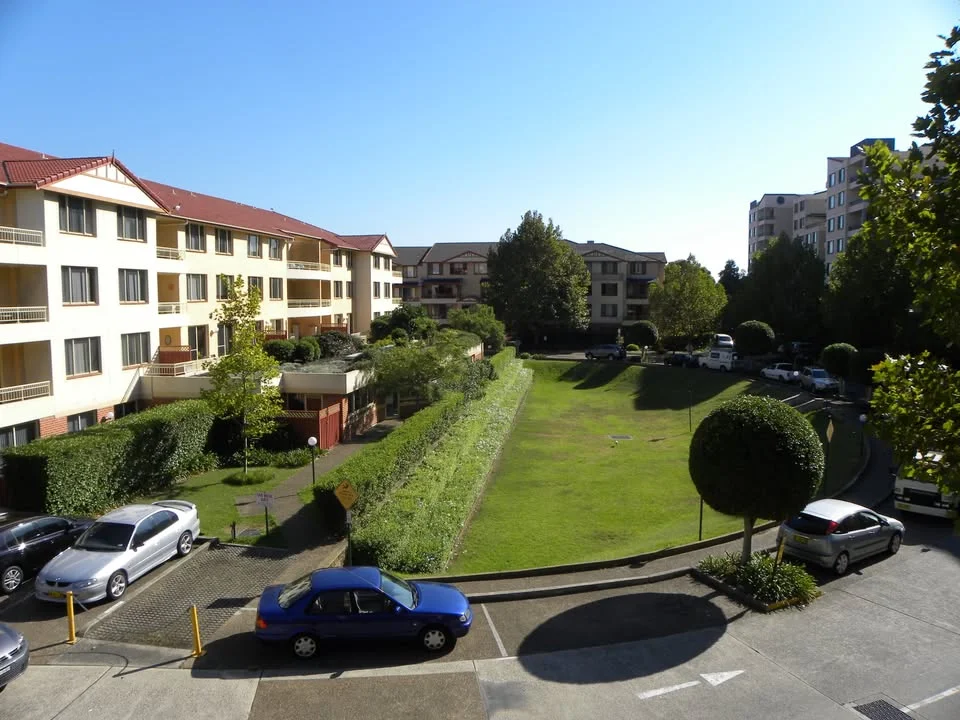 $990
Apartment / Unit / Flat
$990
Apartment / Unit / Flat
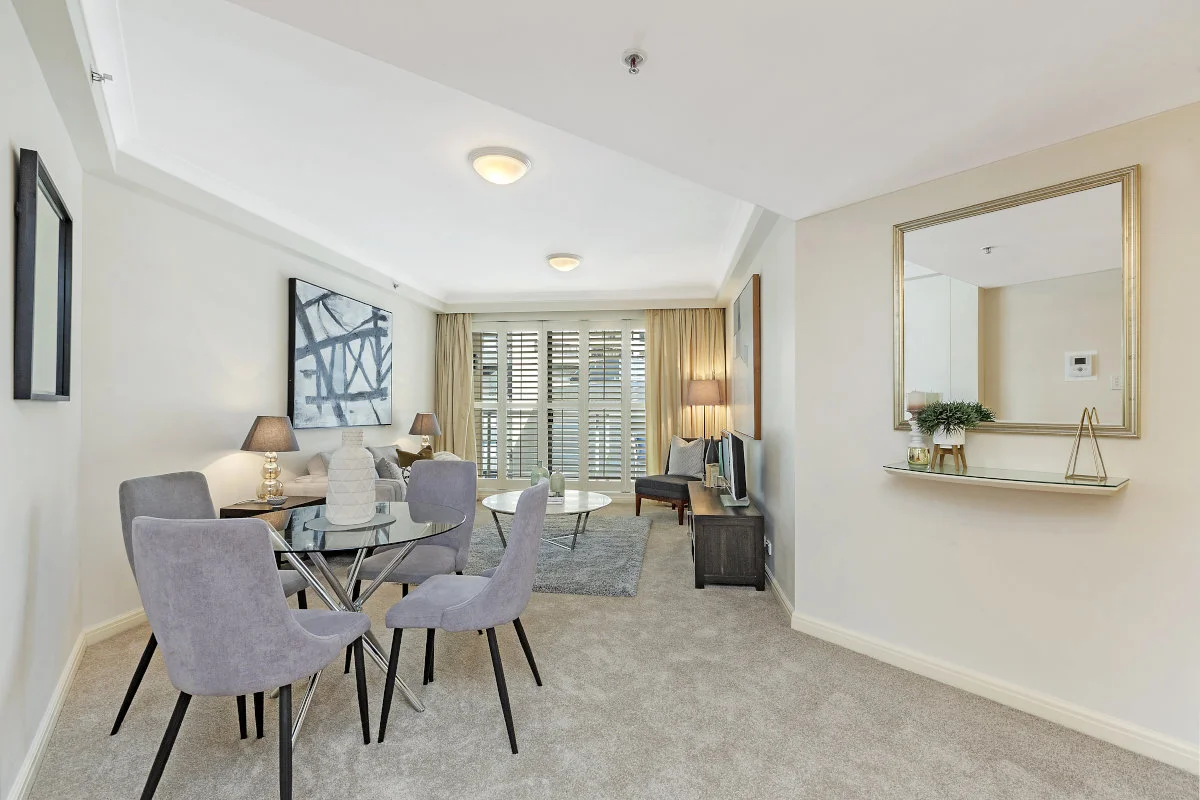 $660,000 - $725,000
Apartment / Unit / Flat
$660,000 - $725,000
Apartment / Unit / Flat
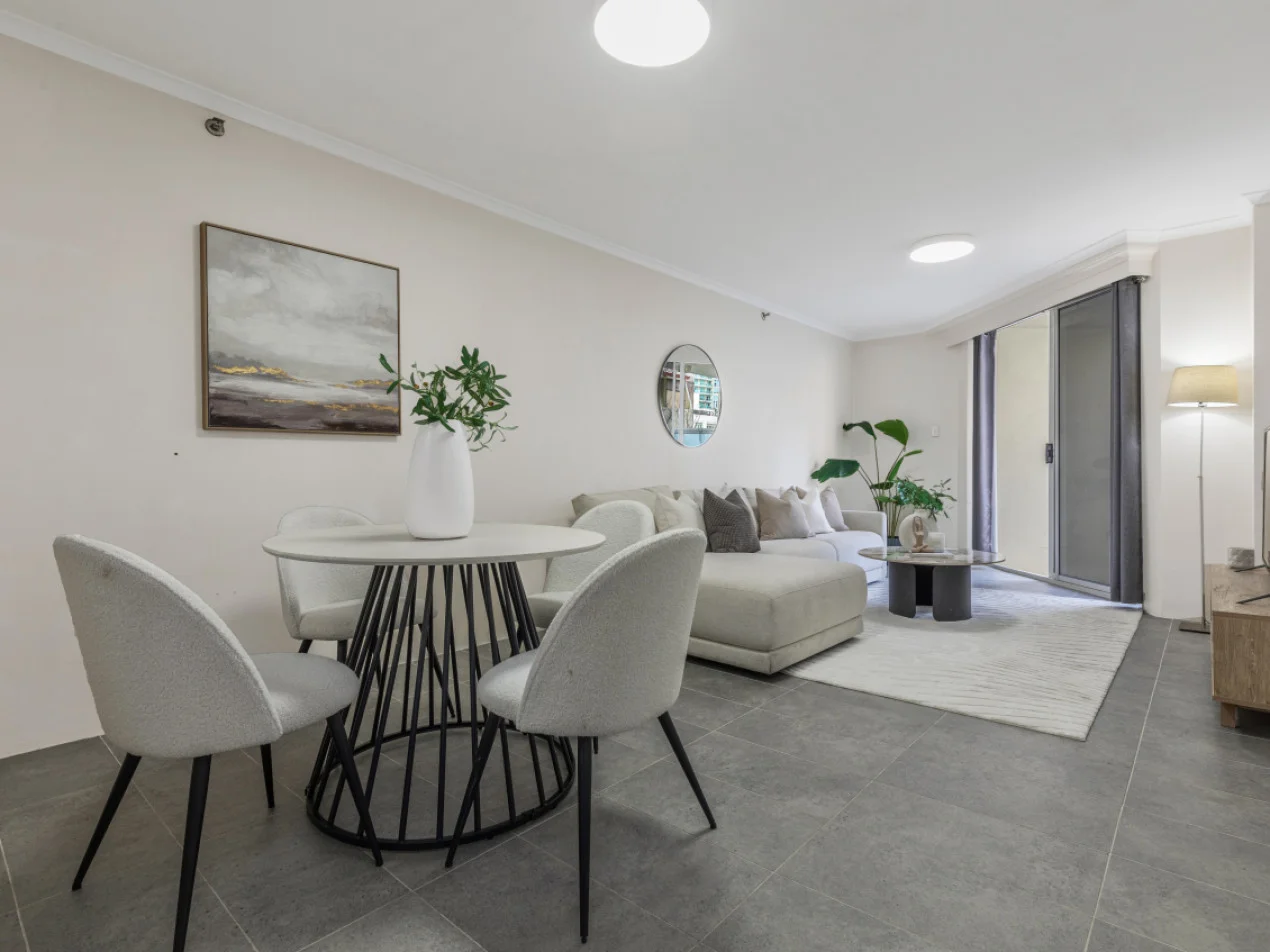 $640,000 - $675,000
Apartment / Unit / Flat
$640,000 - $675,000
Apartment / Unit / Flat
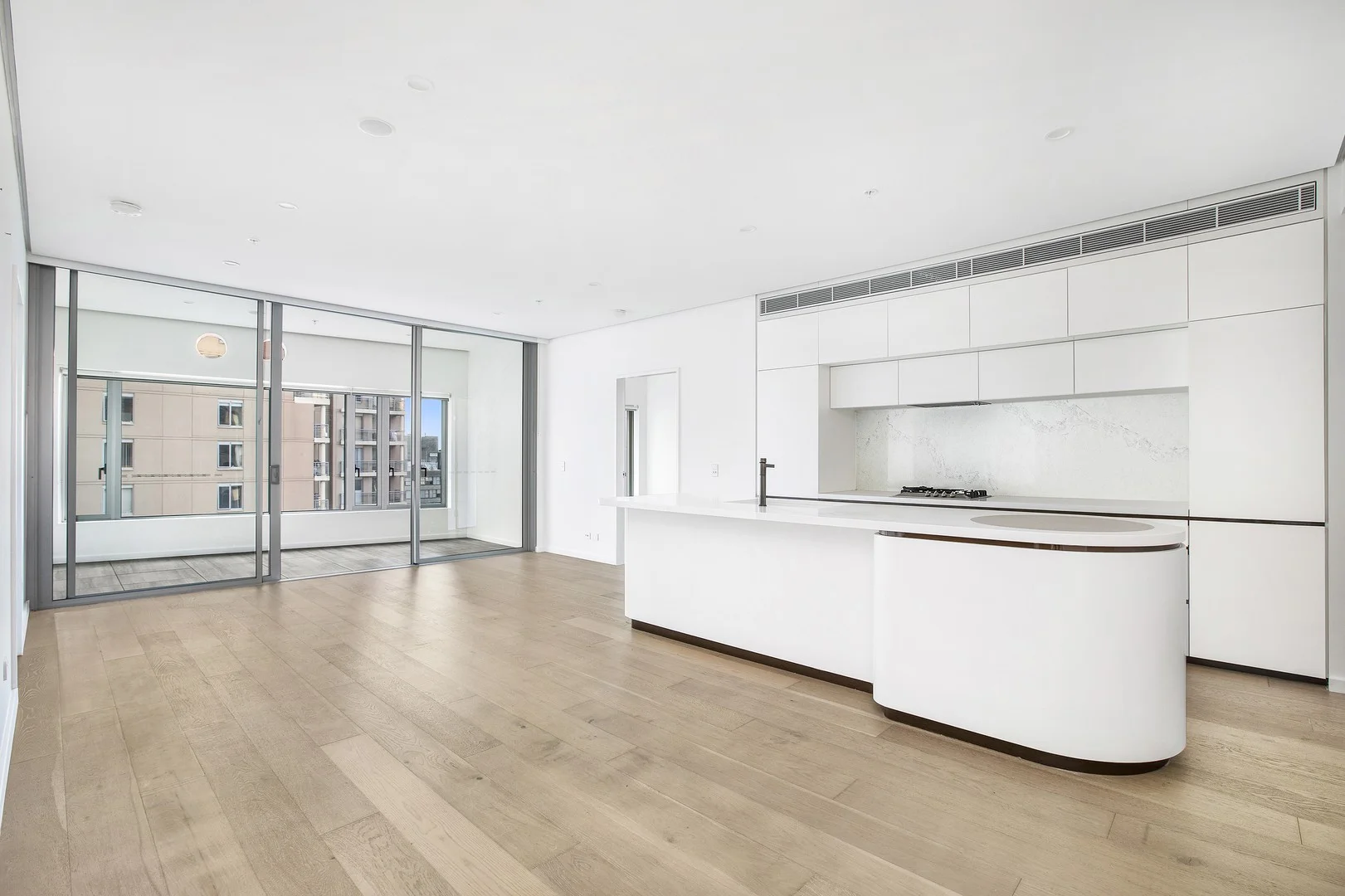 $2,250,000
Apartment / Unit / Flat
$2,250,000
Apartment / Unit / Flat
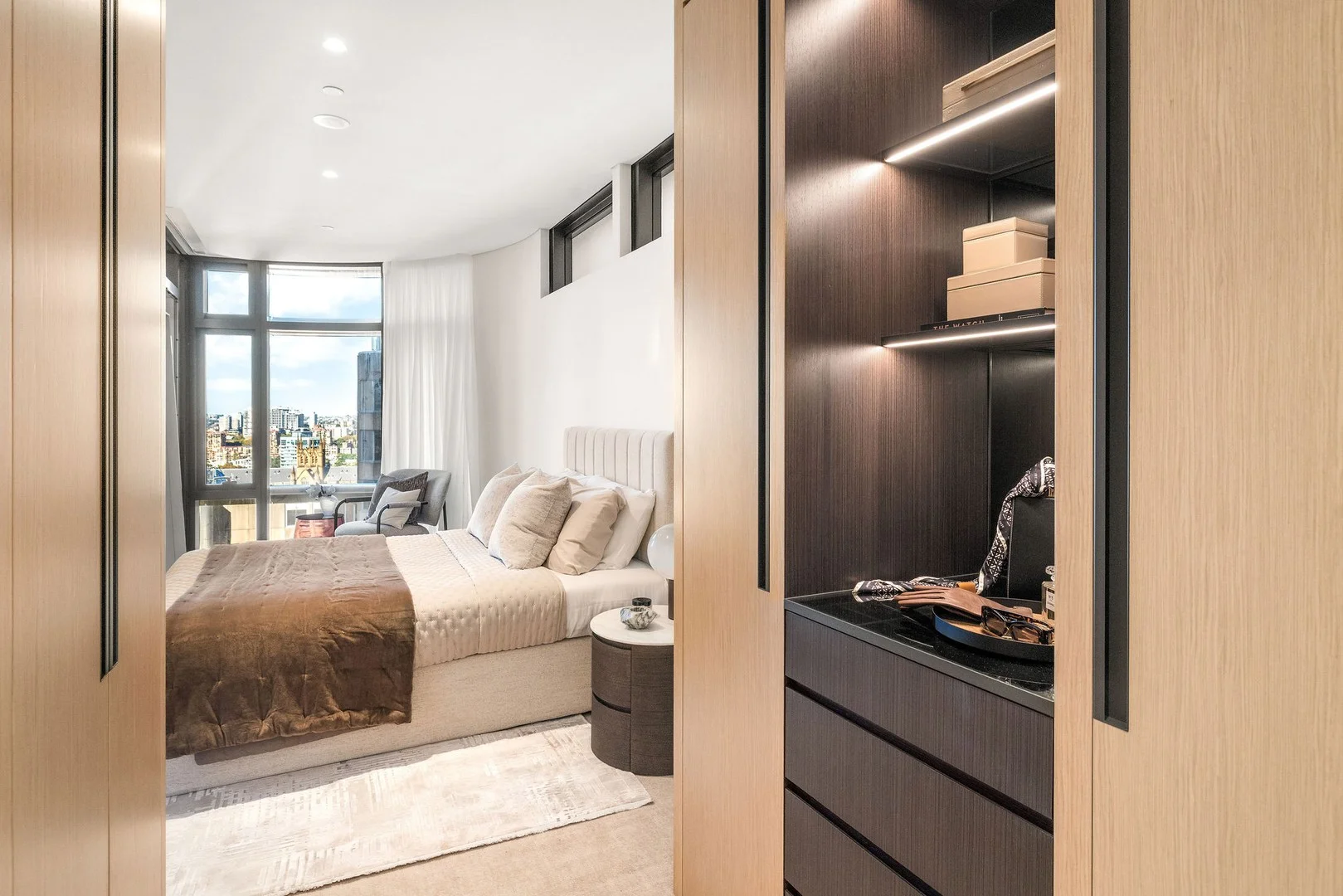 $2,745,000
propertyType.NEW APARTMENTS / OFF THE PLAN
$2,745,000
propertyType.NEW APARTMENTS / OFF THE PLAN
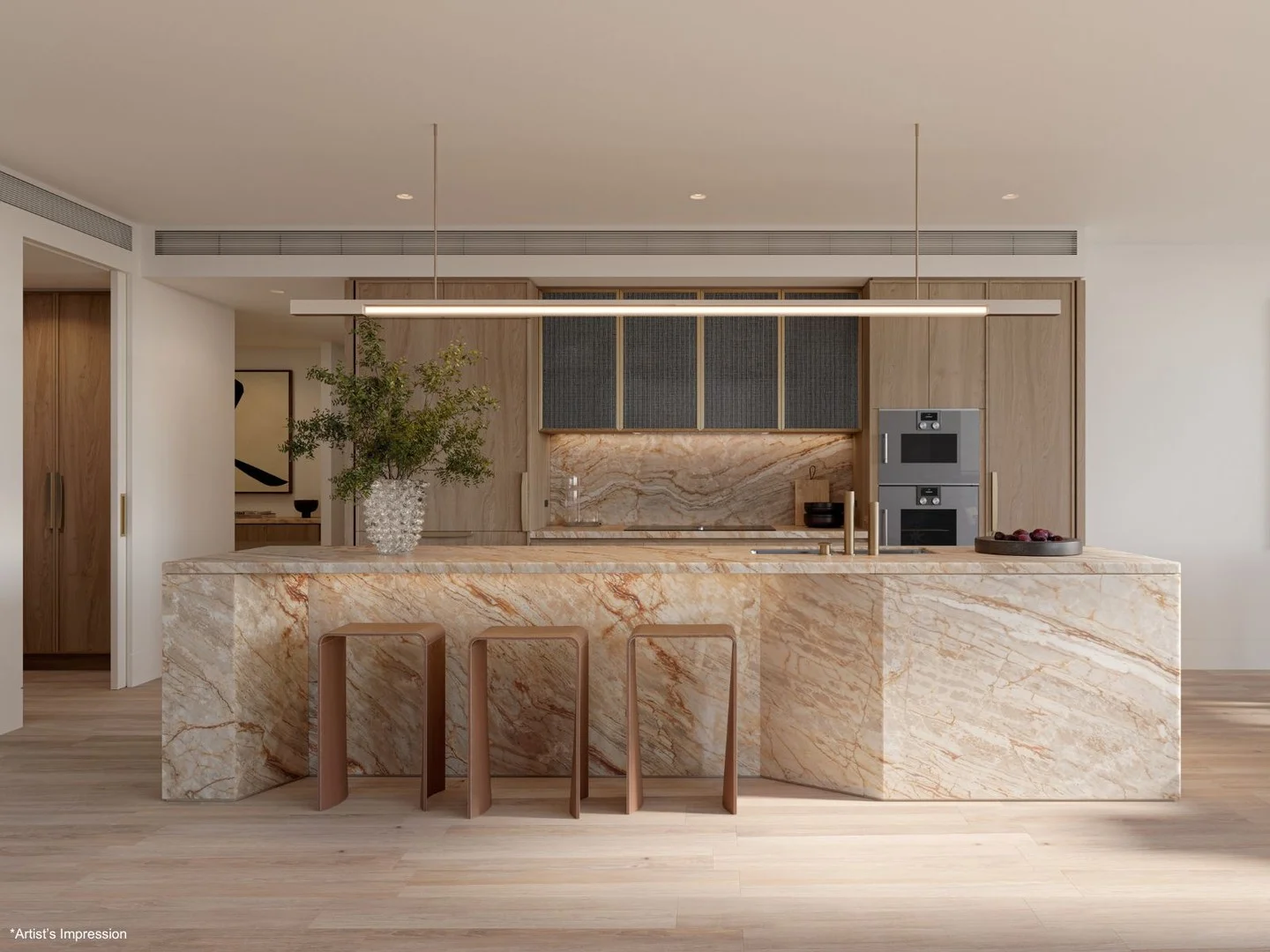 $6,225,000
propertyType.NEW APARTMENTS / OFF THE PLAN
$6,225,000
propertyType.NEW APARTMENTS / OFF THE PLAN
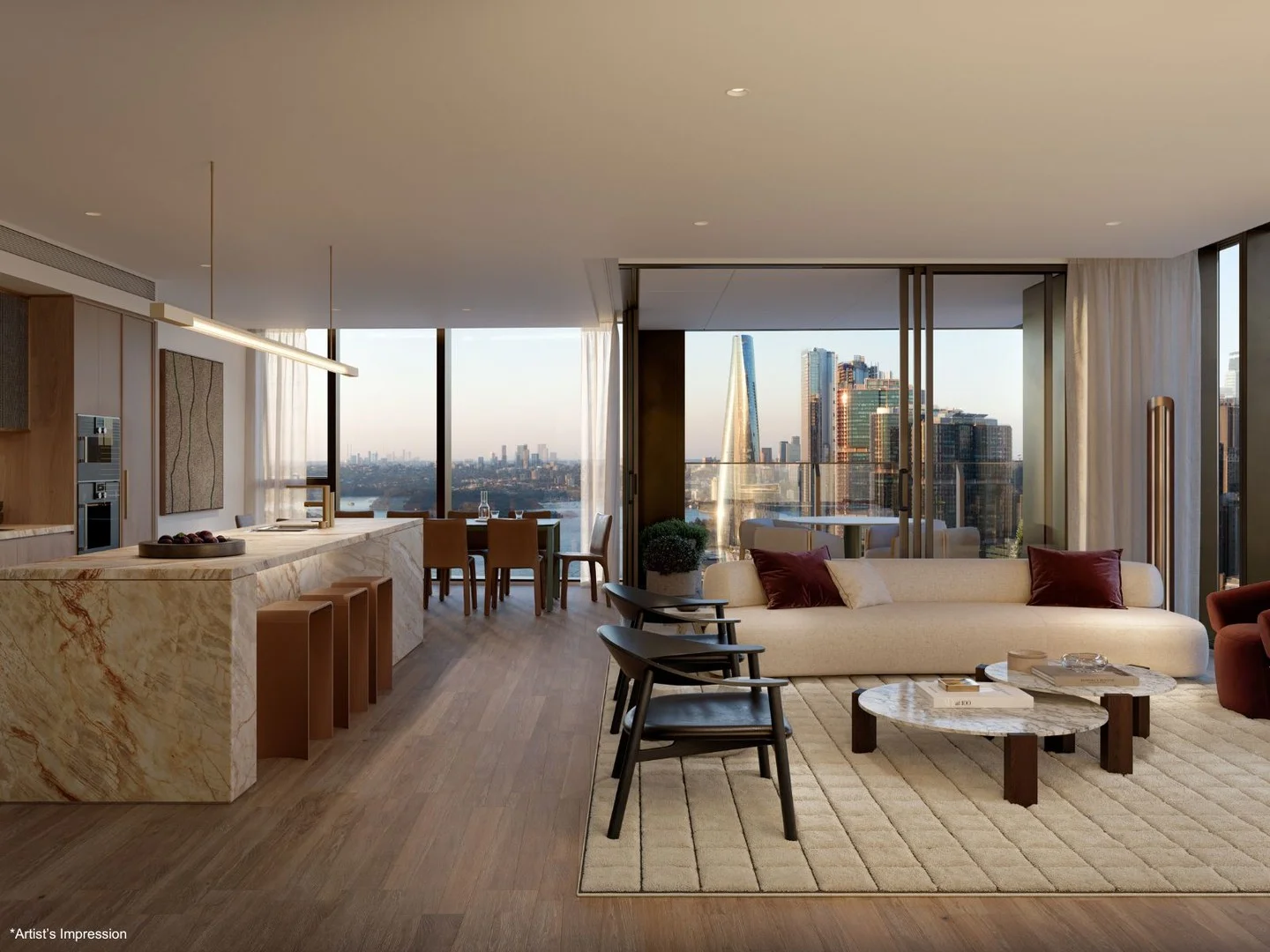 $12,980,000
propertyType.NEW APARTMENTS / OFF THE PLAN
$12,980,000
propertyType.NEW APARTMENTS / OFF THE PLAN
 $8,630,000
propertyType.NEW APARTMENTS / OFF THE PLAN
$8,630,000
propertyType.NEW APARTMENTS / OFF THE PLAN


