Overview
1. Overview
- Type and vibe: Catholic primary school, co-educational, part of the NSW Catholic education system. The community typically emphasises faith formation alongside strong academic and pastoral supports.
- Size and class feel: medium-sized school community with a welcoming, family-like atmosphere. Typical class sizes are around 20–28 students, balancing personalized attention with opportunities for peer learning.
2. Academics & Learning
- Academic strengths: solid emphasis on literacy and numeracy, with integration of faith-based learning. Opportunities to explore STEM, arts, and language studies within a faith-informed framework.
- Special programs: school-wide programs often include leadership opportunities, faith formation, and differentiated learning approaches. Some schools also offer gifted/talented extensions and digital literacy initiatives.
- NAPLAN trends: schools in this sector commonly show steady year-on-year progress in core literacy and numeracy areas, with targeted supports to lift students who need it.
- Student-teacher ratios: typical ratios range from about 1:18 to 1:24, supporting a mix of whole-class, small-group, and individualized instruction.
- Support for diverse learners: programs for EAL (English as an Additional Language) learners and students with additional learning needs, including targeted interventions and collaboration with specialists.
3. Sports & Extracurricular Strengths
- Sports offered: a range of team and individual sports (e.g., soccer, athletics, cricket, rugby league, netball) with participation in local and district competitions.
- Strong teams or achievements: students often compete in inter-school events and local leagues, with opportunities for recognition in various sports.
- Music, arts, drama programs: active music and performing arts stream, occasional school productions or concerts, and opportunities to engage in drama and visual arts.
- Clubs: robotics, coding, chess, debating, and other clubs may be available, depending on Year and staffing.
- Partnerships: collaborations with local clubs, sporting associations, and community groups to provide extra-curricular opportunities and competitions.
4. Wellbeing & Pastoral Care
- Anti-bullying approach: formal anti-bullying policies, buddy programs, and clear reporting pathways to foster a safe, respectful environment.
- House system: house groups used for events, competitions, and whole-school activities, helping to build belonging and spirit.
- Counsellors / wellbeing officers: access to school wellbeing staff or guidance counselors to support students' emotional and social needs.
- Transition support for new students: orientation activities, buddy systems, and targeted supports to help new families settle in.
5. Facilities
- Sports grounds: outdoor play and sports spaces suitable for primary-level activities.
- Libraries: dedicated library spaces for reading, research, and quiet study.
- Science labs: age-appropriate science facilities for hands-on experiments and discovery.
- Music/performing arts centers: spaces for music, drama, and performances.
- Tech/innovation labs: classrooms or spaces equipped for digital learning, coding, and creative projects.
- Cafeteria: on-site eating area or canteen facilities.
- Updated playgrounds: modern, safe play spaces for breaks and physical activity.
6. School Values & Community Culture
- Values / mission: faith-centered upbringing with values such as respect, responsibility, service, and integrity.
- Leadership style: collaborative and distributed leadership among staff; student voice is often encouraged through clubs and student councils.
- Behaviour expectations: clear codes of conduct emphasizing respect, kindness, and responsible decision-making.
- Community reputation: generally viewed as a supportive, faith-based school with a strong sense of community involvement.
- Diversity & inclusion: welcoming environment for families from diverse backgrounds; inclusive practices in teaching and student support.
7. School Logistics & Daily Operations
- School hours: typical school day starts around 9:00 am and finishes in the mid-afternoon, with variations by year level.
- Before/after school care: BASC or similar programs commonly available for before and after-school care.
- Uniform requirements: standard school uniform policy with seasonal options; details provided by the school.
- Transport: access to public transport options and local bus/train routes; school may offer parking and drop-off zones.
- Canteen availability: canteen or snack facilities available on-site or nearby; menu reflects school guidelines.
- Fees: fee ranges are generally moderate, with additional costs for uniforms, excursions, and some activities; financial assistance or support may be available in some cases.
8. Enrolment & Admissions
11. What is the enrolment process and timeline?
- Inquiry and information session → submission of enrolment application → collection of required documents (birth certificate, baptism certificate where applicable, parish details) → assessment/interview if applicable → offer of placement → confirmation of enrolment and payment of fees. Timelines typically align with annual intake cycles; mid-year placements may be possible subject to space.
12. Is there a waiting list, and how does it work?
- Many Catholic primary schools maintain a waiting list when enrolments exceed available places. Applicants are typically prioritized by parish affiliation, sibling attendance, and date of application; places become available as current families relocate or defer.
13. Are there any entry requirements, tests, or interviews?
- Entry often involves documentation verification and an interview or family conversation to understand fit with the school’s values and environment. Some schools may request baptism or parish involvement as part of Catholic identity considerations; assess requirements with the specific school.
14. Does the school accept mid-year transfers?
- Mid-year transfers are sometimes possible, depending on place availability, academic compatibility, and readiness to transition. It’s important to contact the school promptly to discuss vacancies and the transfer process.
9. Frequently Asked Questions
- Why Parents Choose This School?
- A values-driven Catholic education offering a caring, inclusive community with strong emphasis on faith, academics, and personal development.
- What type of student thrives at this school?
- Curious, respectful, and engaged students who are eager to participate in learning, faith activities, and school life.
- What opportunities are available for students to extend their skills (academics, sports, arts)?
- Access to enriched literacy/numeracy practices, leadership opportunities, sports programs, arts and music, and various clubs (robotics, coding, debating) as offered.
- How does the school communicate with parents?
- Regular newsletters, emails, website updates, parent-teacher interviews, and digital platforms or portals for announcements and student progress.
- What is the school’s approach to teaching and learning?
- Differentiated instruction within a faith-informed framework, focusing on literacy, numeracy, critical thinking, and holistic development.
- How does the school support students who need extra academic help?
- Targeted small-group supports, learning adjustments, and access to support staff or specialists as available.
- What support is available for academic challenges?
- Early intervention, individualized help plans, and collaboration with families to address learning needs.
- How does the school communicate with parents? (repeated)
- See earlier: newsletters, portals, and staff meetings; responsiveness to inquiries.
- What are the class sizes and how much individual attention do students receive?
- Typical class sizes around 20–28 students, with some opportunities for smaller-group instruction and targeted support.
- What extracurricular and sports opportunities are available?
- A range of sports and physical education activities, plus clubs such as robotics, coding, chess, and debating depending on staffing and year level.
- What facilities does the school offer (sports, science, arts)?
- Sports grounds, library, science labs, music/performing arts spaces, tech/innovation areas, canteen, and updated playgrounds.
- What is the school’s approach to technology and digital learning?
- Emphasis on digital literacy, use of classroom technology and online learning tools to support learning and collaboration.
- What transport and accessibility options are available?
- Access to local bus routes and public transport; consideration of accessibility needs and family parking/drop-off arrangements.
- What are the typical school fees or additional costs?
- Fees cover uniforms, excursions, activities, and miscellaneous costs; some families may access financial assistance or support programs where available.
10. Short Pros & Cons list
- Pros
- Values-based education with a supportive, faith-centered community
- Moderate class sizes enabling more individual attention
- Broad range of sports, arts, and clubs for well-rounded development
- Strong emphasis on wellbeing, pastoral care, and student safety
- Facilities typically include libraries, science labs, music/arts spaces, and updated outdoor areas
- Cons
- Availability of places may be limited; waiting lists can apply
- Fees and uniform costs add to total annual expenses
- Catholic identity may influence admissions preferences or alignment requirements
- Extracurricular offerings depend on staff availability and year level
- Location may affect commuting time for some families
Note: The above content is a draft framework intended to be customized with verified, school-specific details. Please confirm exact figures, programs, and procedures with St Agnes’ Catholic Primary School – Matraville to ensure accuracy.









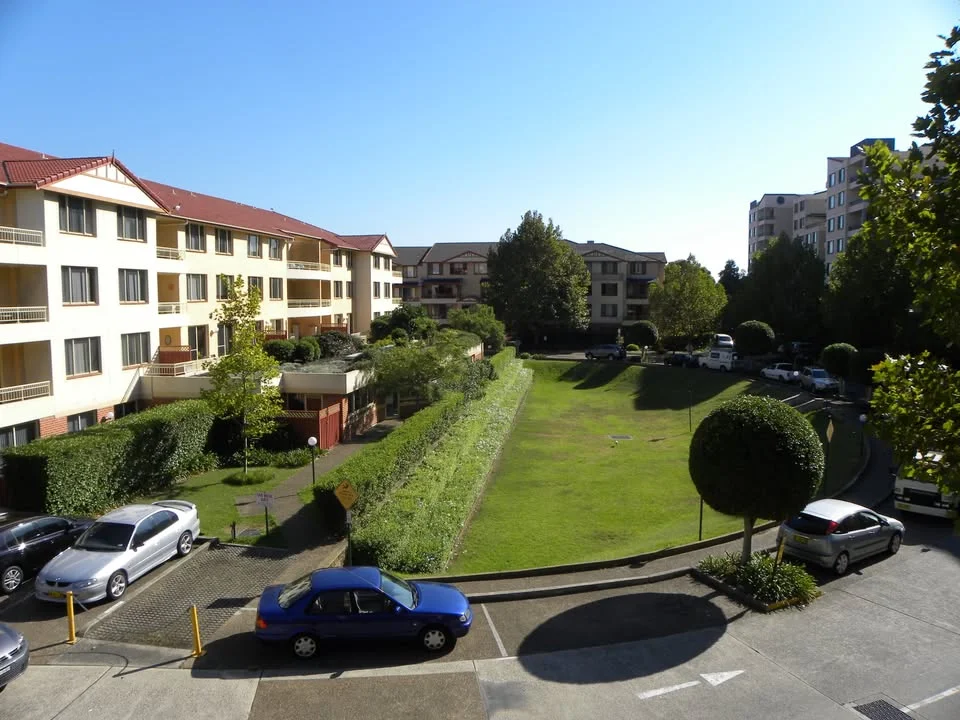 $990
Apartment / Unit / Flat
$990
Apartment / Unit / Flat
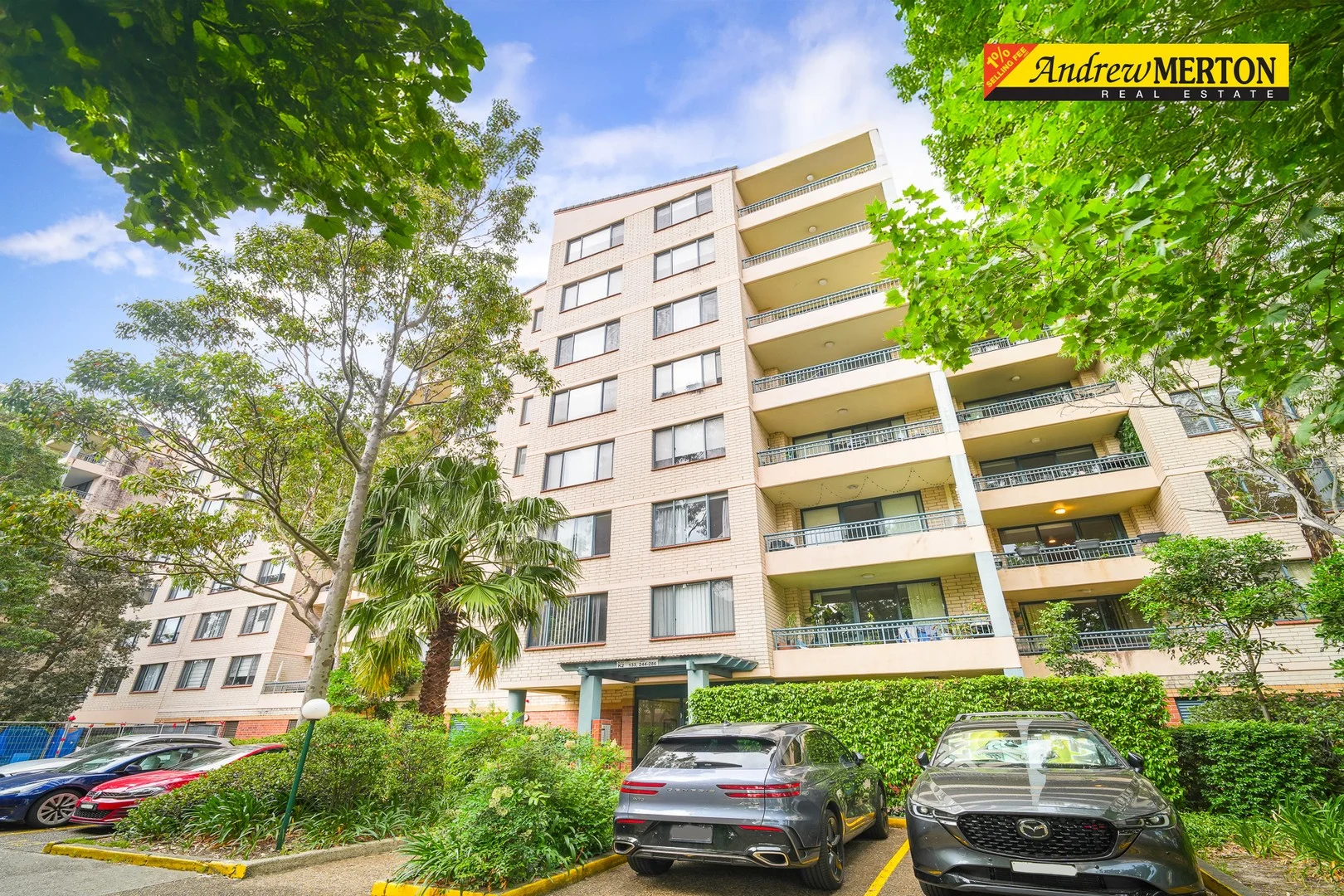 $933,000
Apartment / Unit / Flat
$933,000
Apartment / Unit / Flat
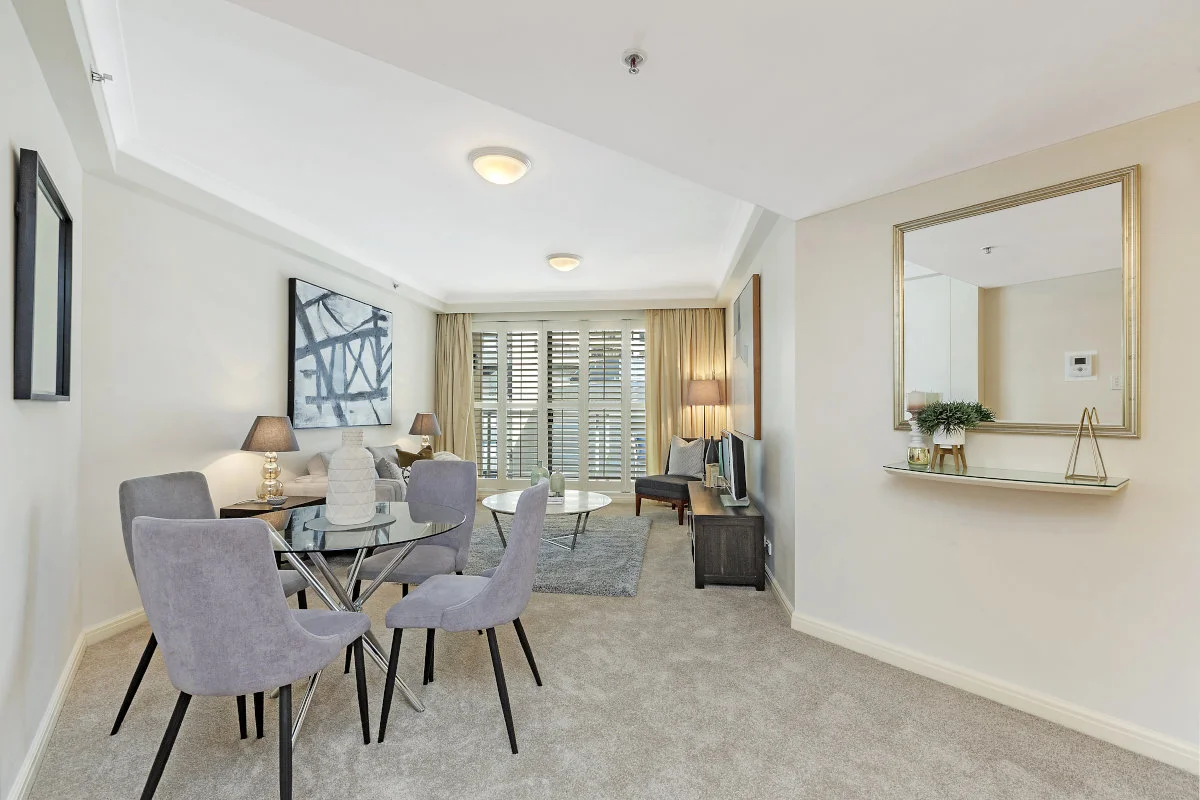 $660,000 - $725,000
Apartment / Unit / Flat
$660,000 - $725,000
Apartment / Unit / Flat
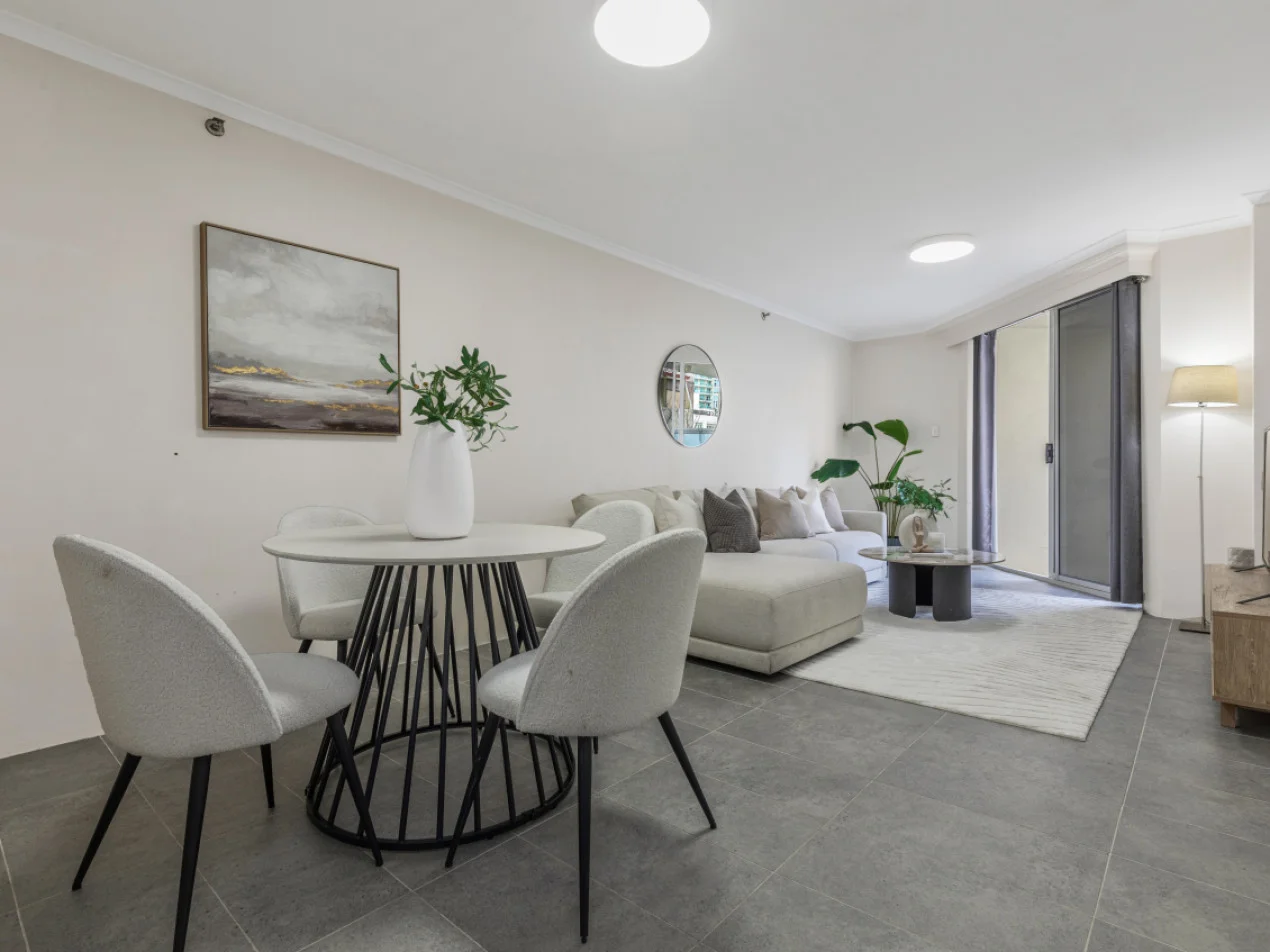 $640,000 - $675,000
Apartment / Unit / Flat
$640,000 - $675,000
Apartment / Unit / Flat
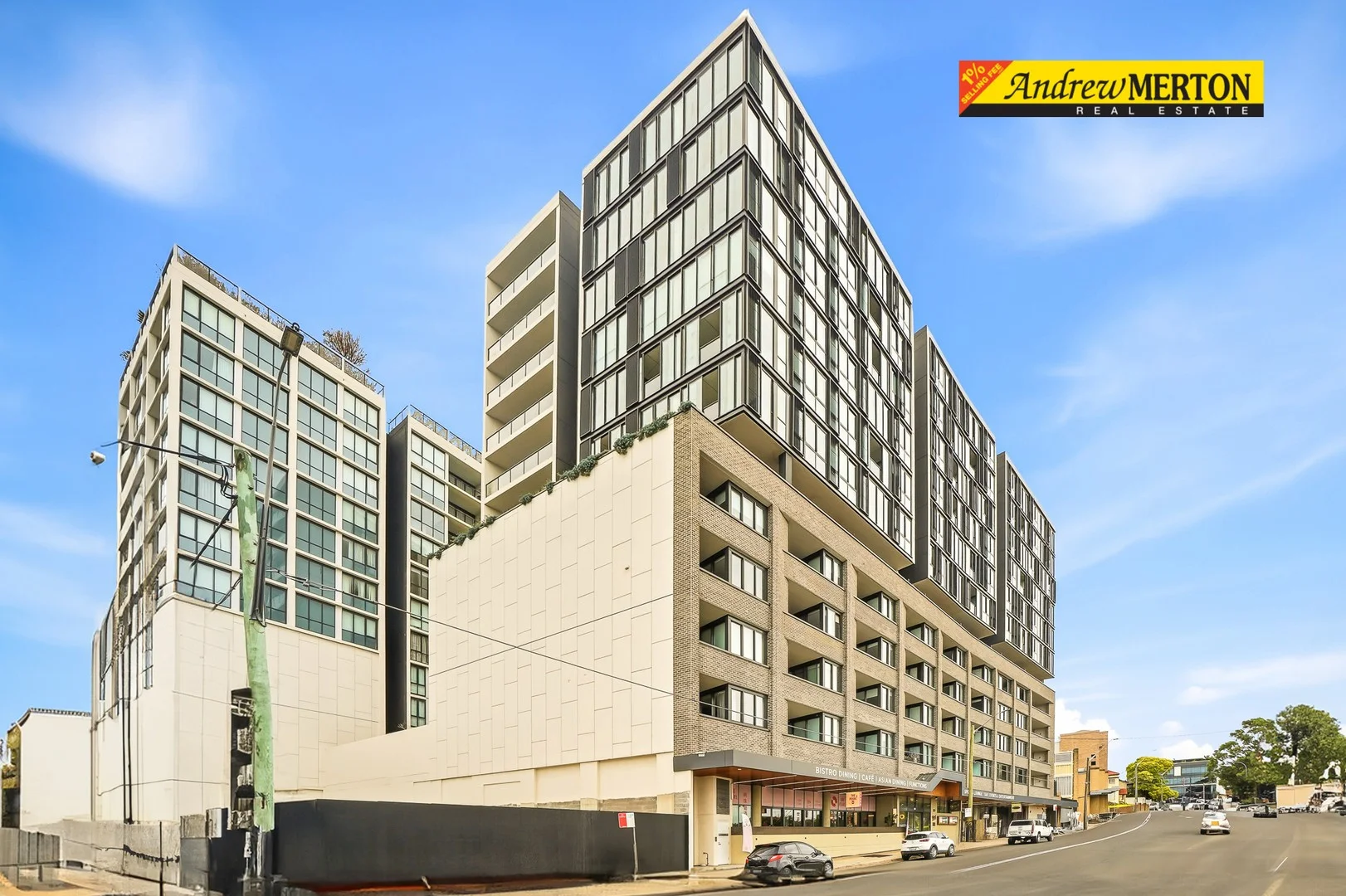 $699,000
Apartment / Unit / Flat
$699,000
Apartment / Unit / Flat
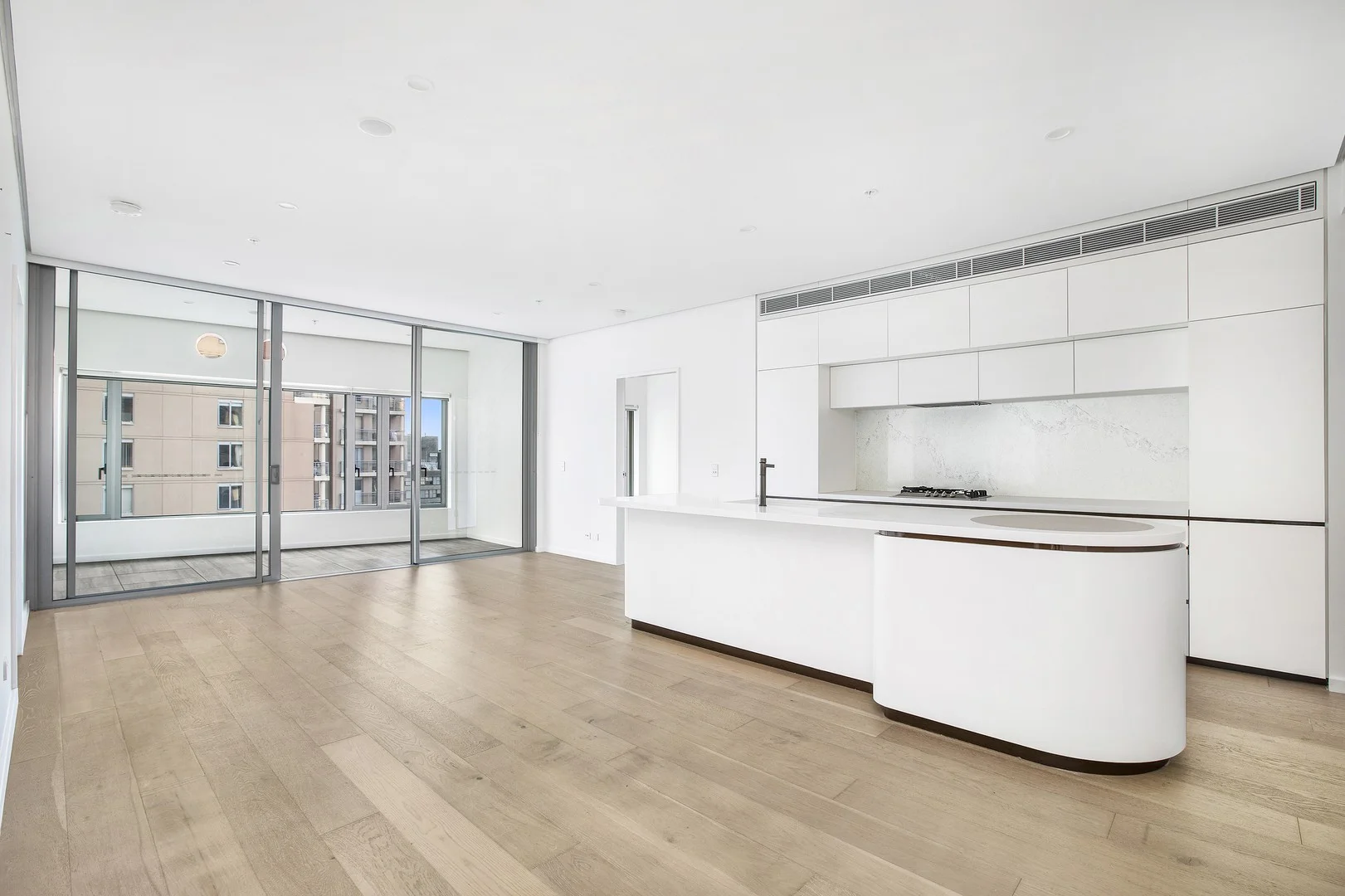 $2,250,000
Apartment / Unit / Flat
$2,250,000
Apartment / Unit / Flat
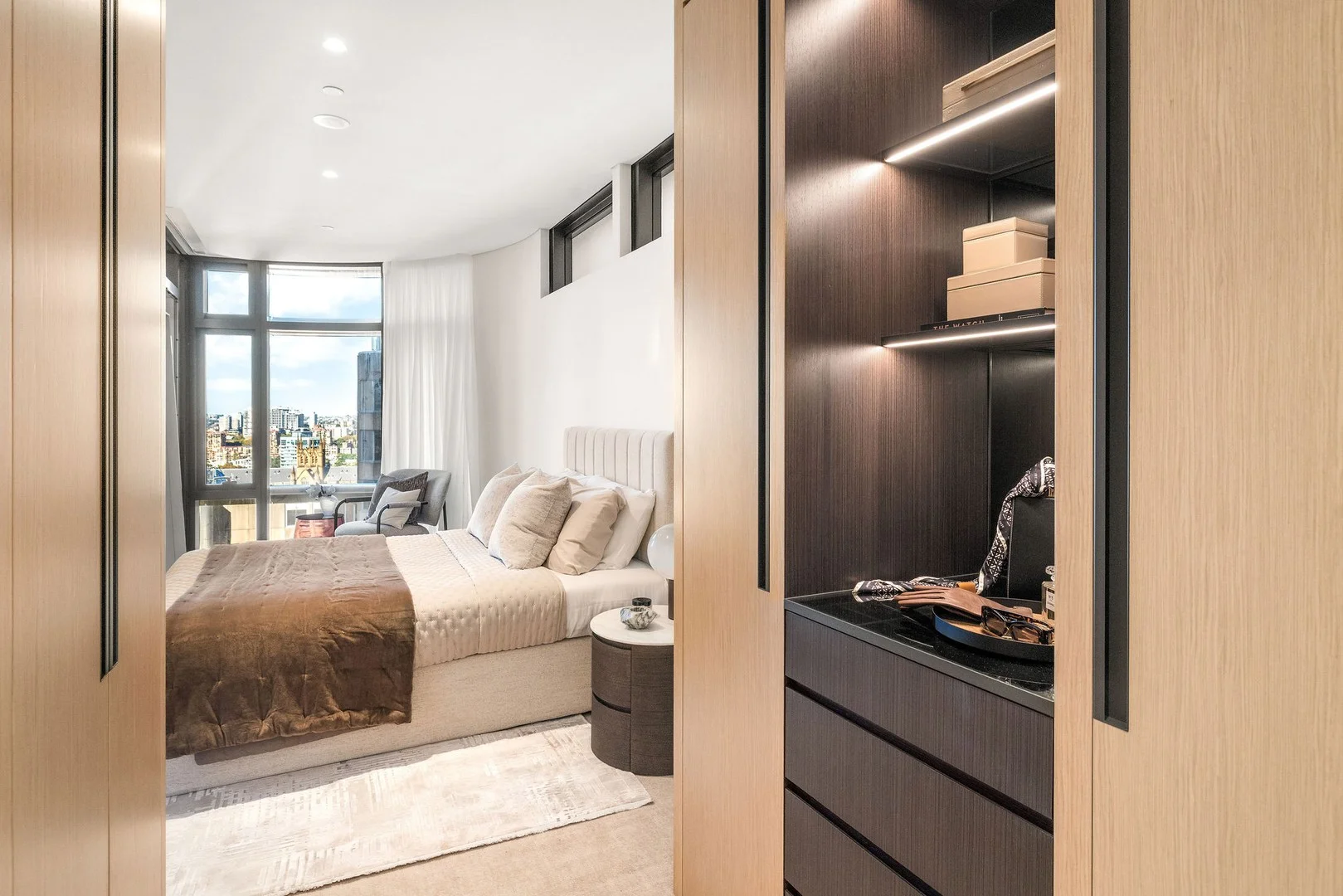 $2,745,000
propertyType.NEW APARTMENTS / OFF THE PLAN
$2,745,000
propertyType.NEW APARTMENTS / OFF THE PLAN
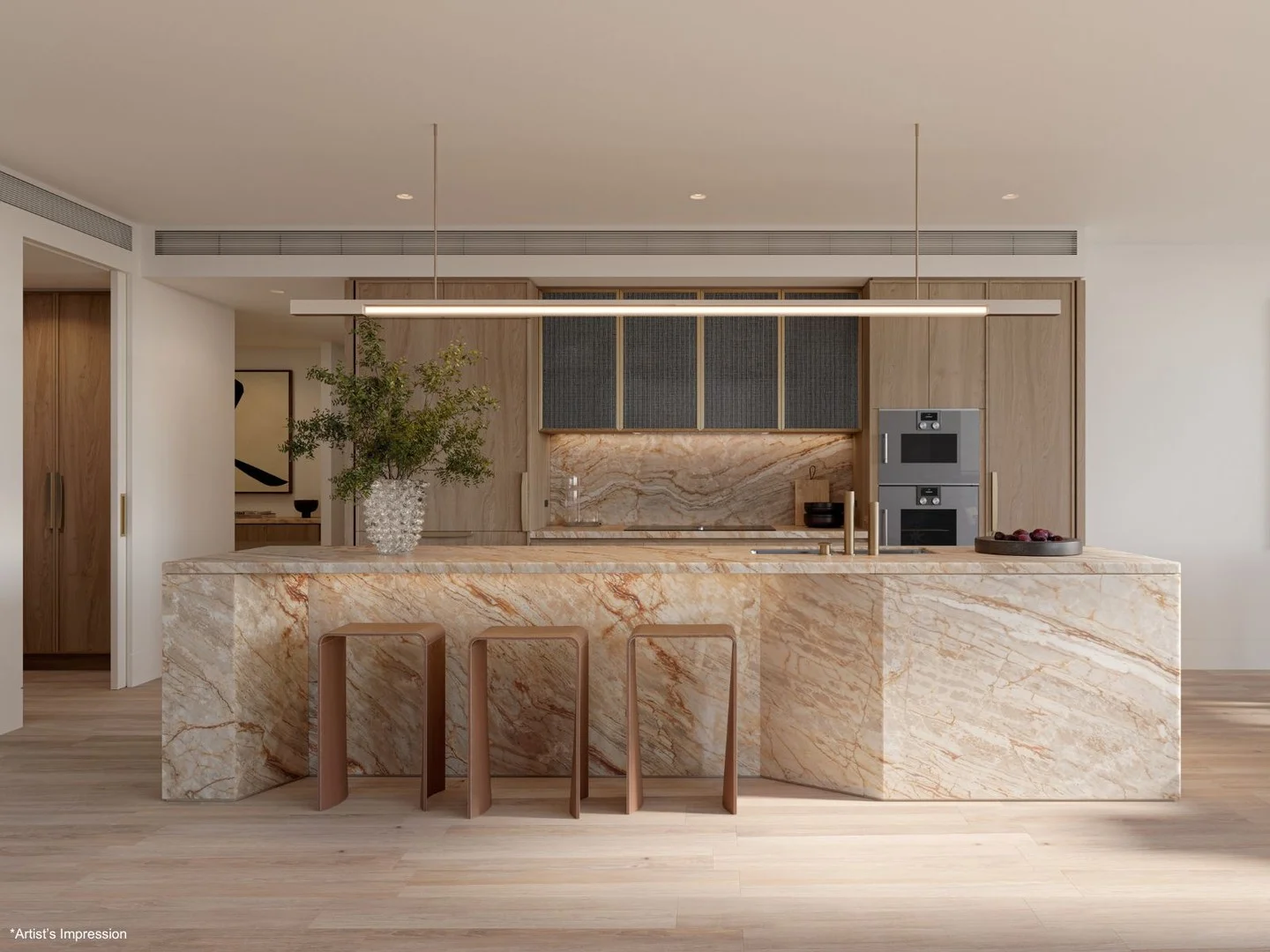 $6,225,000
propertyType.NEW APARTMENTS / OFF THE PLAN
$6,225,000
propertyType.NEW APARTMENTS / OFF THE PLAN
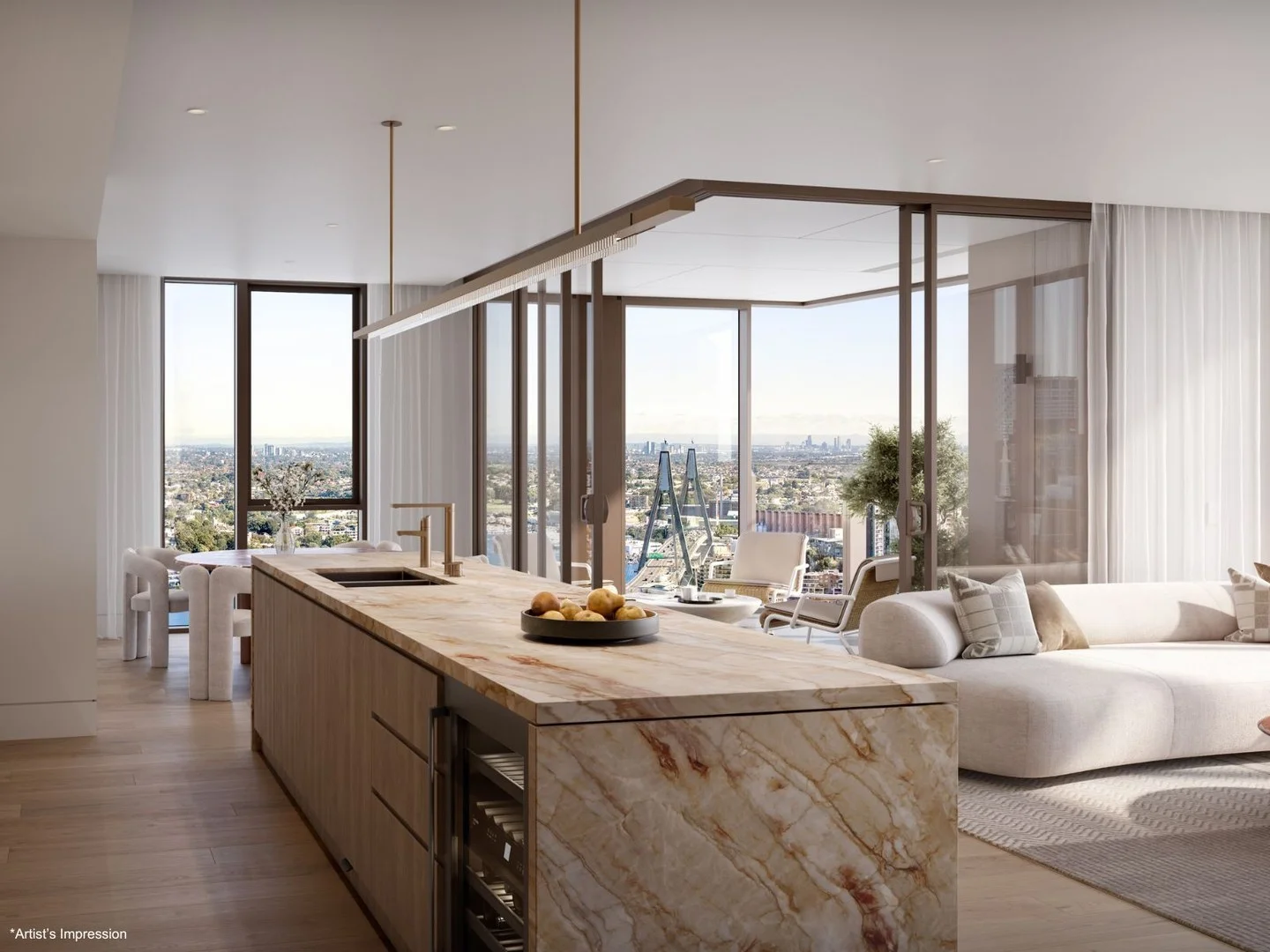 $9,020,000
propertyType.NEW APARTMENTS / OFF THE PLAN
$9,020,000
propertyType.NEW APARTMENTS / OFF THE PLAN


