Overview
# 1. Overview
St Aidan’s Catholic Primary School is a co-educational Catholic primary school serving families in Maroubra Junction and the Sydney eastern suburbs. As a Catholic school, it focuses on faith-based learning alongside strong academics, aiming to nurture well-rounded individuals within a supportive community.
The school is small-to-medium in size, with class sizes typically in the mid-20s. The atmosphere is generally described as nurturing and inclusive, blending academic rigor with care for each child’s social and spiritual growth. The school emphasises teamwork, respect, and developing each student’s gifts within a faith-based framework.
# 2. Academics & Learning
- Academic strengths: Focus on strong literacy and numeracy foundations, with opportunities for leadership development and digital literacy. The school also integrates faith-informed learning across the curriculum.
- Special programs: Catholic faith formation is embedded, with opportunities for sacramental preparation. Differentiated learning supports, and extended learning options may be available for capable students.
- NAPLAN trends: Trends typically show steady progress in reading and numeracy over time, with attainment levels consistent with or above state averages for similar schools.
- Student-teacher ratios: Class sizes around the low-to-mid 20s, with a low-to-moderate student-teacher ratio that supports targeted teaching and small-group supports.
- Support for diverse learners: EAL/D support and targeted assistance for students needing additional academic or social supports; inclusive education practices are used to help diverse learners participate fully.
# 3. Sports & Extracurricular Strengths
- Sports offered: A range of primary sports common to NSW Catholic schools, including team sports such as soccer, netball, basketball, cricket, and athletics; swimming programs may be part of the curriculum or elective activities.
- Strong teams or achievements: Participation in local interschool competitions and events; emphasis on teamwork, fair play, and personal improvement.
- Music, arts, drama programs: Active music and performing arts offerings, including choir or ensemble opportunities and opportunities to perform in school productions.
- Clubs: Robotics, coding, chess, debating, and other age-appropriate clubs to develop problem-solving and communication skills.
- Partnerships: Connections with local community and parish activities, and participation in regional competitions or festivals where available.
# 4. Wellbeing & Pastoral Care
- Anti-bullying approach: Clear anti-bullying and respectful behaviour policies, supported by whole-school programs and classroom initiatives.
- House system: A house-based structure to promote belonging, leadership, and healthy competition across year groups.
- Counsellors / wellbeing officers: Access to a school-based wellbeing professional(s) or counsellor to support students’ emotional health and social development.
- Transition support for new students: Structured orientation for new students, buddy programs, and planned transition activities to help students settle in smoothly.
# 5. Facilities
- Sports grounds: On-site outdoor spaces suitable for physical education and recreation.
- Libraries: A library or media center supporting reading and research.
- Science labs: Dedicated spaces for hands-on science inquiry and experiments.
- Music/performing arts centers: Music rooms or performance spaces supporting musical activities and drama.
- Tech/innovation labs: Computer rooms or digital learning spaces for coding, robotics, and technology use.
- Cafeteria: On-site canteen or lunch facilities providing daily meals or snacks.
- Updated playgrounds: Safe and engaging play areas for break times.
# 6. School Values & Community Culture
- School values / mission: Grounded in Catholic faith values such as respect, service, responsibility, and compassion, with opportunities to grow in spirit and character.
- Leadership style: Collaborative and student-inclusive, encouraging student voice through council or representative roles.
- Behaviour expectations: Clear codes of conduct emphasizing respect, safety, inclusion, and responsibility.
- Community reputation: Strong ties with the local parish and parent community, fostering a supportive and engaged school culture.
- Diversity & inclusion: Commitment to inclusivity, celebrating diverse backgrounds and ensuring accessible opportunities for all students.
# 7. School Logistics & Daily Operations
- School hours: Typical school day runs from morning to mid-afternoon with time allocated for assemblies, lessons, and breaks.
- Before/after school care: Before and after school care options are often available through on-site or partner providers.
- Uniform requirements: Formal school uniform with seasonal options (summer and winter) and clear guidelines for wear.
- Transport (train/bus routes): Access to local public transport options; information on drop-off and pick-up routines is available from the school.
- Canteen availability: Canteen or lunch facilities offering daily meals or snacks; options may vary by day.
- Fees (low/medium/high ranges): Fees are typically in the mid-range for NSW Catholic primary schools, with additional costs for materials, activities, and uniforms. Exact fees vary by year level and family circumstances.
# 8. Enrolment & Admissions
11. What is the enrolment process and timeline?
- Submit an enrolment application with required documents (birth certificate, baptism/catholic confirmation details if applicable, and family information).
- The school conducts an interview or information meeting for prospective families and students.
- Applications are reviewed, with offers made according to availability and policy timelines. Families are informed of decisions within a stated timeframe.
12. Is there a waiting list, and how does it work?
- Yes, there may be a waiting list when year cohorts are full. Applications are typically placed on hold and ranked by date of submission and eligibility considerations, with communication from the school about waitlist status and expected timelines.
13. Are there any entry requirements, tests, or interviews?
- Generally, there is an interview and information session for families and students. Some years may involve discussions about the student’s readiness and fit with the school’s environment; no standardized entrance tests are usually required beyond Catholic considerations and readiness for school life.
14. Does the school accept mid-year transfers?
- Yes, mid-year transfers are sometimes possible if vacancy spaces exist. Families seeking mid-year transfer should contact the school early to discuss availability, transfer requirements, and documentation (transcripts, last report, and relevant records).
# 9. Frequently Asked Questions
- Why Parents Choose This School?
- A values-based education in a welcoming Catholic community, strong literacy and numeracy focus, supportive staff, and opportunities for faith formation and leadership.
- What type of student thrives at this school?
- Students who are curious, collaborative, respectful, and eager to engage in both academic and faith-based activities within a caring community.
- What opportunities are available for students to extend their skills (academics, sports, arts)?
- Strong core academics with opportunities for leadership; clubs such as robotics, coding, chess, debating; participation in sports; music and performing arts programs; and additional support or extension where appropriate.
- How does the school communicate with parents?
- Regular newsletters, emails, a learning management system or portal, and parent-teacher interviews; timely updates about events and student progress.
- What is the school’s approach to teaching and learning?
- A balanced approach combining explicit instruction with inquiry-based learning, differentiation to meet diverse needs, and integration of faith-based values across the curriculum.
- How does the school support students who need extra academic help?
- Targeted small-group or one-on-one interventions, reading and numeracy support, EAL/D assistance, and referrals to further services as needed.
- What support is available for academic challenges?
- Individual learning plans, regular progress monitoring, and collaboration with families to set goals and track improvements.
- How does the school communicate with parents?
- See above; ongoing, proactive communication through multiple channels.
- What are the class sizes and how much individual attention do students receive?
- Class sizes are typically in the low-to-mid 20s, with teachers able to provide targeted instruction and small-group support within the timetable.
- What extracurricular and sports opportunities are available?
- A range of sports and games, music and arts programs, and clubs such as robotics, coding, chess, and debating, with opportunities to participate in interschool or community events.
- What facilities does the school offer (sports, science, arts)?
- Facilities include sports grounds, libraries, science labs, music/performing arts spaces, tech/innovation labs, canteen, and updated playgrounds.
- What is the school’s approach to technology and digital learning?
- Emphasis on digital literacy, use of age-appropriate technology in lessons, safe online practices, and integration of tech across the curriculum.
- What transport and accessibility options are available?
- Access to local public transport routes; clear drop-off/pick-up procedures; accessible facilities and grounds to support all students.
- What are the typical school fees or additional costs?
- Fees are in the mid-range for NSW Catholic primary schools, with additional costs for uniforms, activities, excursions, and materials. Exact figures vary by year and family circumstances.
# 10. Short Pros & Cons list
- Pros
- Strong faith-based values integrated with learning
- Nurturing, inclusive school culture with small-to-medium class sizes
- Broad range of academic, arts, and sports opportunities
- Solid wellbeing supports and transitional programs for new students
- Active community and parish connection
- Cons
- As with many smaller/private Catholic schools, fees are applicable and may be higher than public schools
- Availability of places can vary year to year; some year levels may have waiting lists
- Extracurricular offerings may depend on staffing and facilities availability at any given time
If you’d like, I can tailor these sections further with more specific details you provide or help format them for your site’s exact layout.









 $933,000
Apartment / Unit / Flat
$933,000
Apartment / Unit / Flat
 $990
Apartment / Unit / Flat
$990
Apartment / Unit / Flat
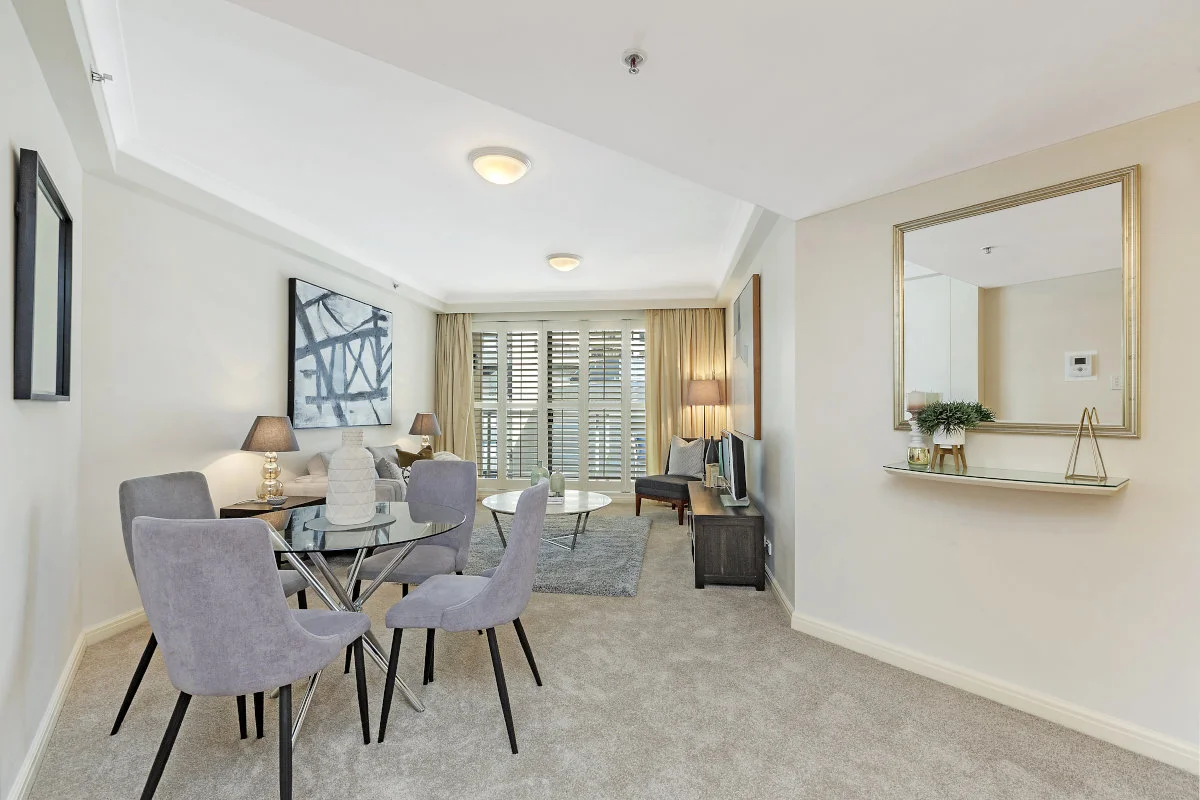 $660,000 - $725,000
Apartment / Unit / Flat
$660,000 - $725,000
Apartment / Unit / Flat
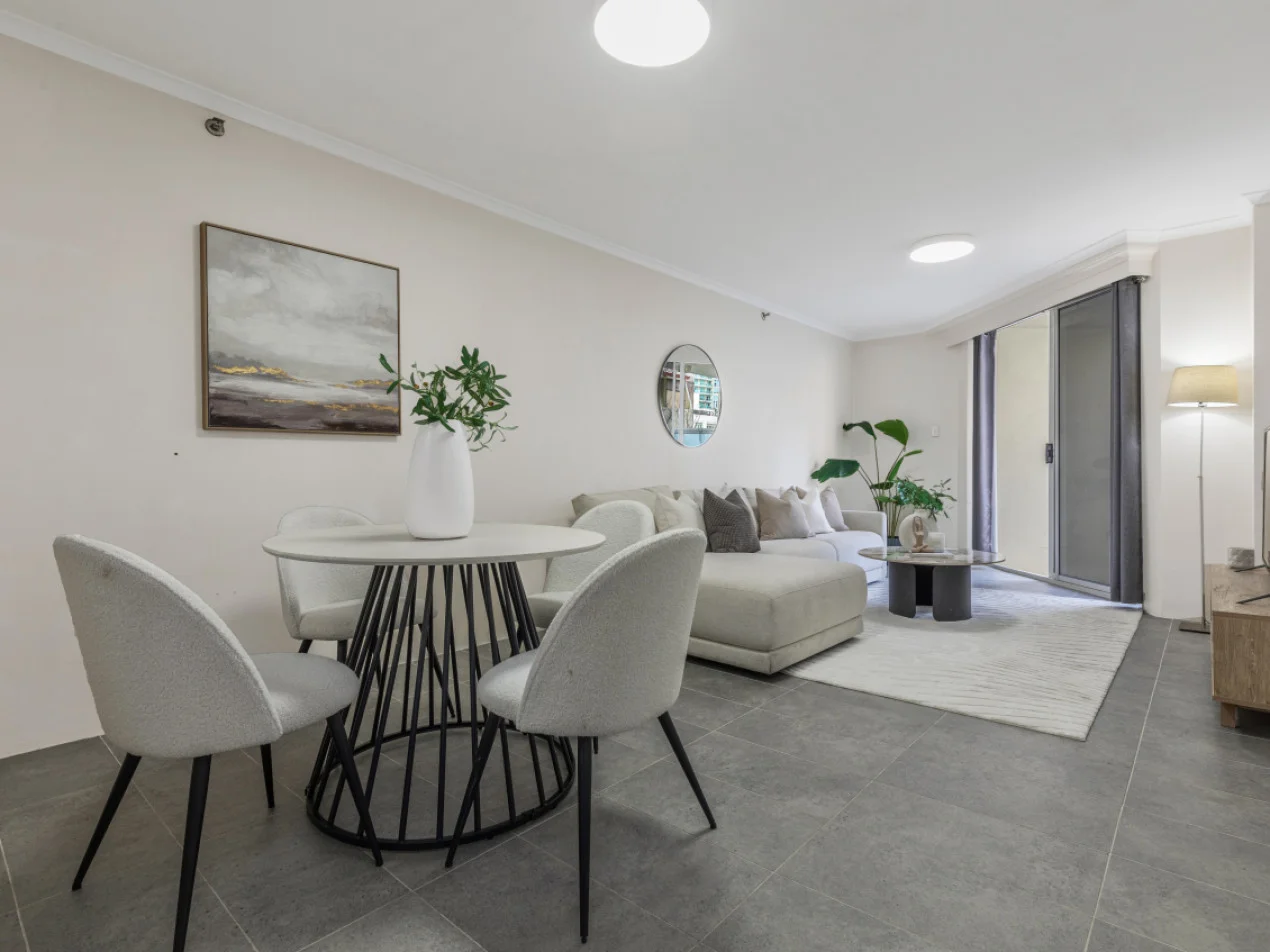 $640,000 - $675,000
Apartment / Unit / Flat
$640,000 - $675,000
Apartment / Unit / Flat
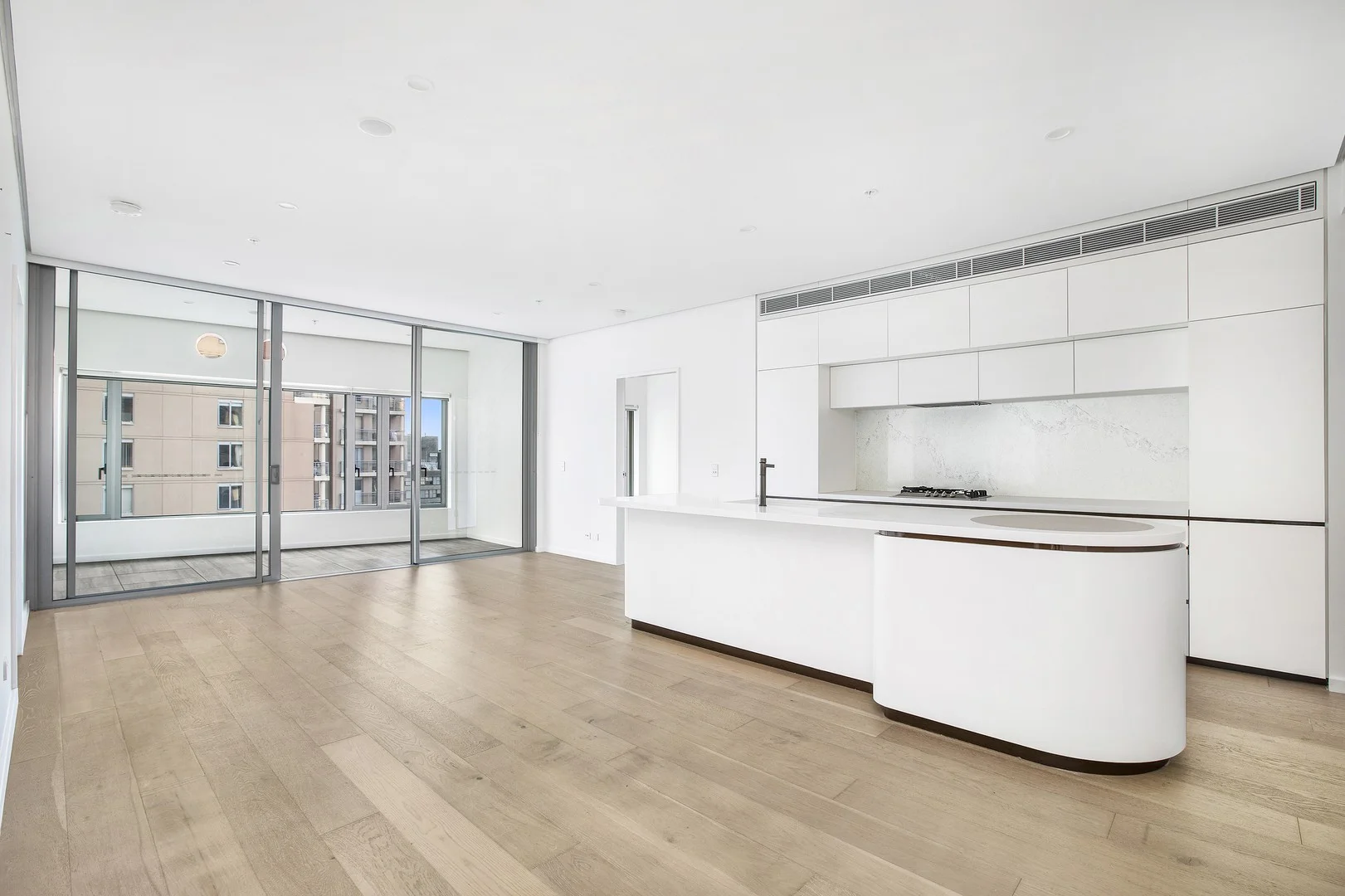 $2,250,000
Apartment / Unit / Flat
$2,250,000
Apartment / Unit / Flat
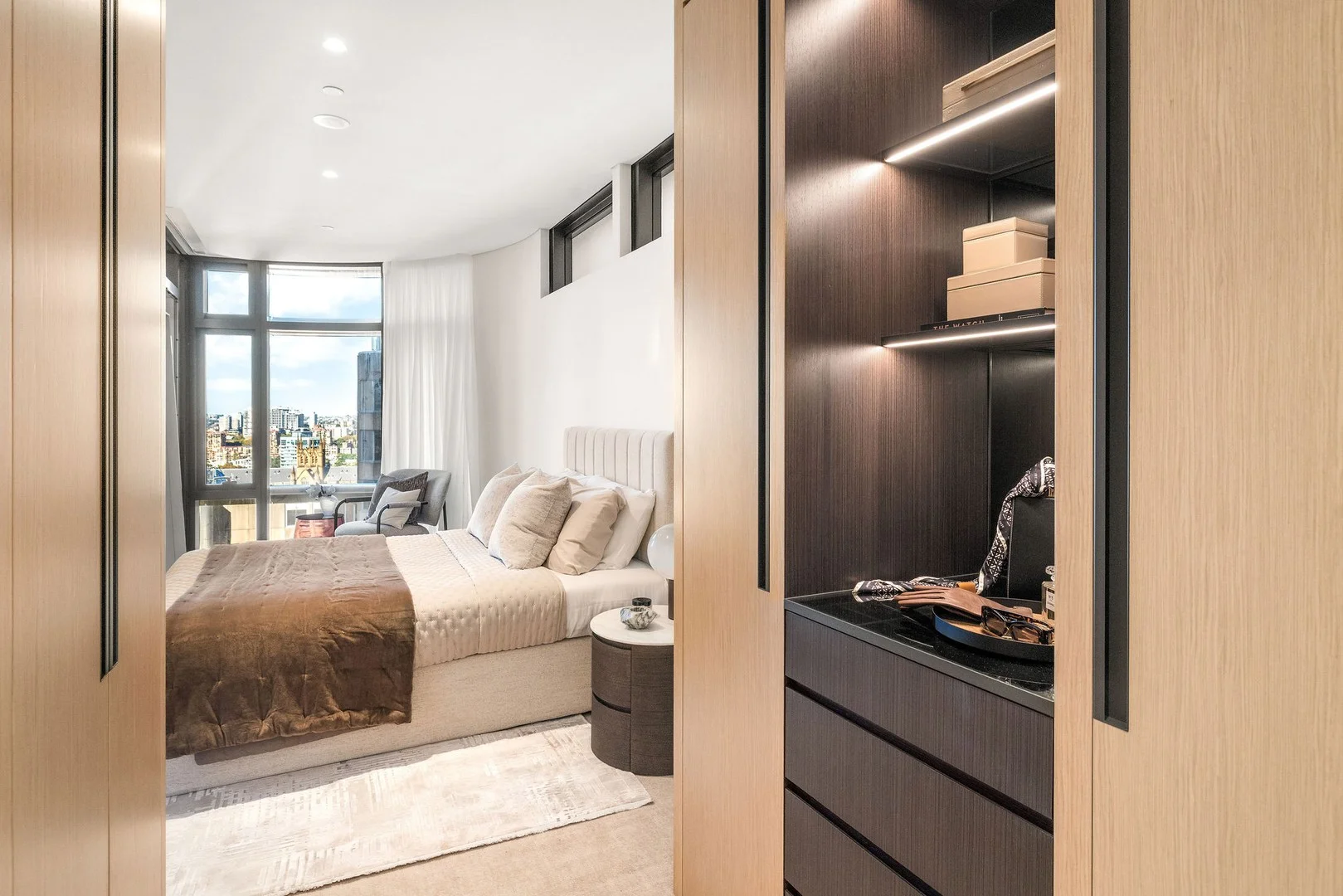 $2,745,000
propertyType.NEW APARTMENTS / OFF THE PLAN
$2,745,000
propertyType.NEW APARTMENTS / OFF THE PLAN
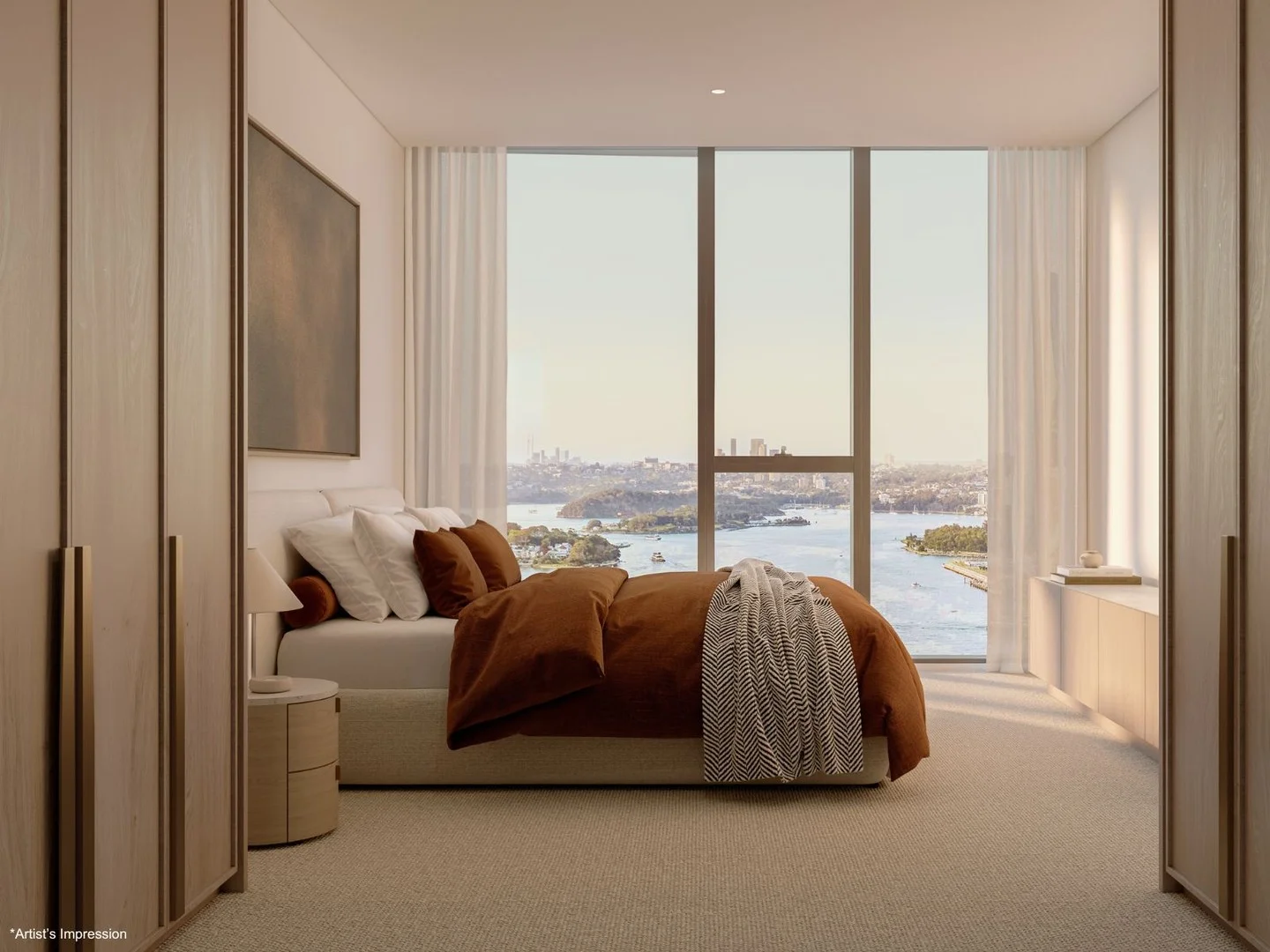 $8,630,000
propertyType.NEW APARTMENTS / OFF THE PLAN
$8,630,000
propertyType.NEW APARTMENTS / OFF THE PLAN
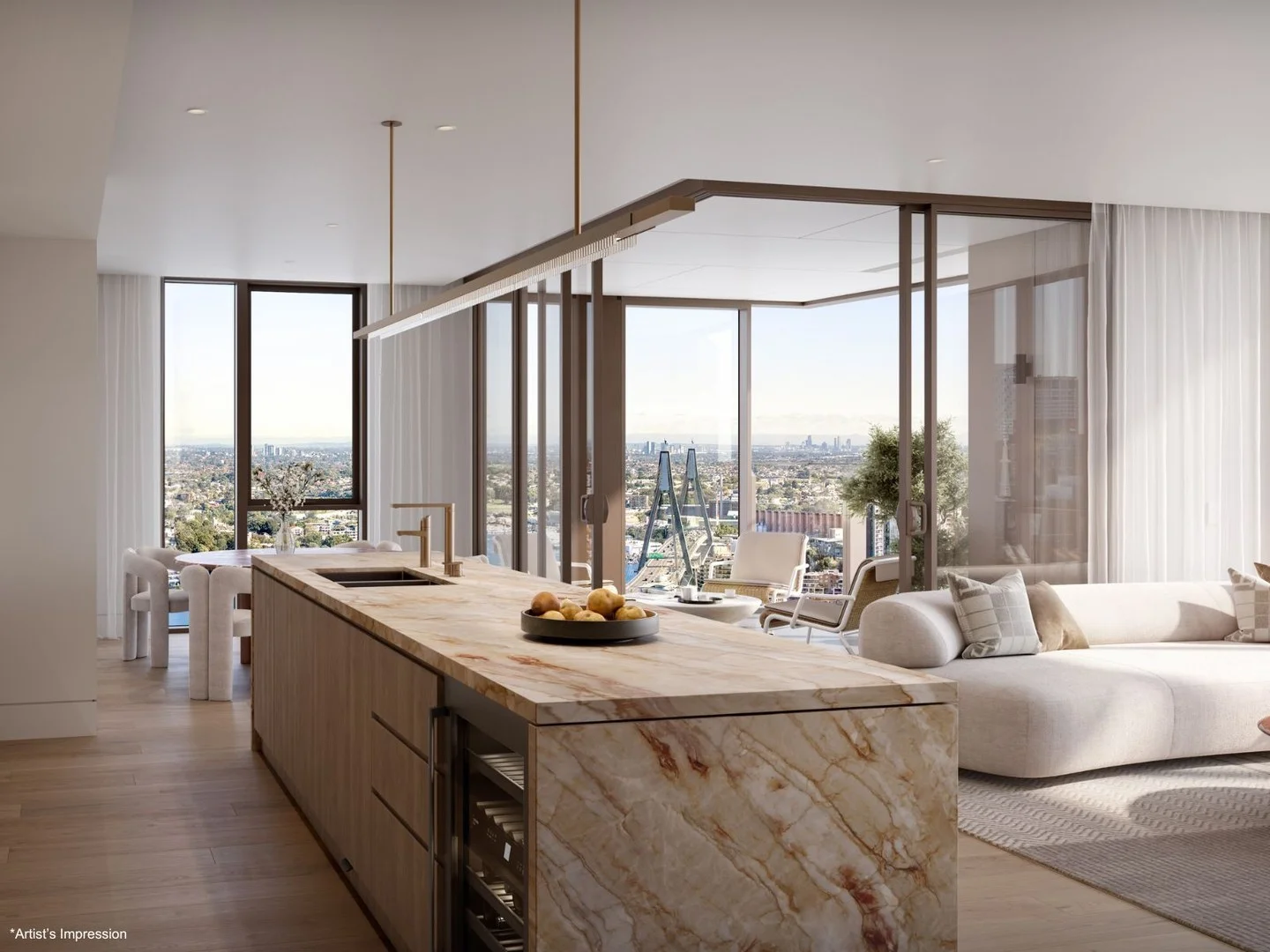 $9,020,000
propertyType.NEW APARTMENTS / OFF THE PLAN
$9,020,000
propertyType.NEW APARTMENTS / OFF THE PLAN
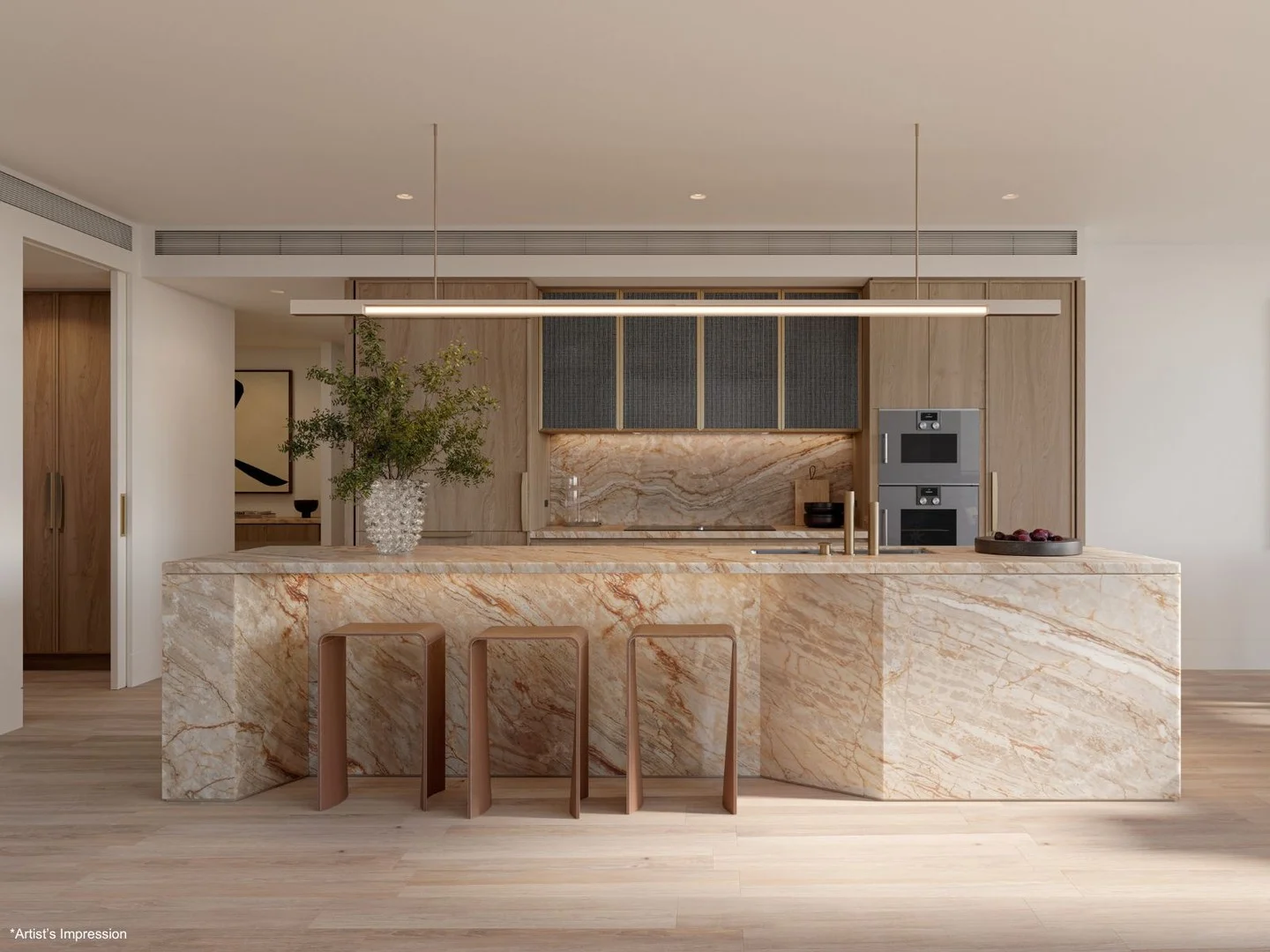 $6,225,000
propertyType.NEW APARTMENTS / OFF THE PLAN
$6,225,000
propertyType.NEW APARTMENTS / OFF THE PLAN


