# Overview
Cranbrook School is an independent Anglican day and boarding school for boys, located in Bellevue Hill, Sydney. It provides education from primary through to Year 12 and has a long-standing reputation for academic rigour, strong character development, and a broad co-curricular program. The campus blends traditional heritage with modern facilities, reflecting a culture that values excellence, service and leadership.
With a large, active community and a teacher-focused approach, Cranbrook creates a structured but supportive environment. Class sizes are typically small to mid-range, fostering strong teacher–student relationships and opportunities for personalised feedback. The atmosphere is academically oriented while maintaining a welcoming, inclusive feel that supports boys to explore their interests across sport, arts and service.
---
# Academics & Learning
- Academic strengths: English/literature, sciences, mathematics, humanities, languages, and leadership development. The school emphasises rigorous coursework across the NSW curriculum and opportunities for extension in senior years.
- Special programs: NSW Higher School Certificate (HSC) focus with pathways for accelerated learning and gifted/talented opportunities within the program. There are additional enrichment options and targeted learning support for high achievers.
- NAPLAN / trends: Historically strong performance relative to state averages, with year-to-year consistency and improvement in key bands. For current trend data, consult NSW Education metrics.
- Student-teacher ratios: Class sizes are kept relatively small to moderate to support individual feedback and teacher attention, with typical ratios in the single digits to low double digits depending on year level.
- Support for diverse learners: EAL (English as an Additional Language) support, SEN (special educational needs) assistance, and learning support services are available to assist a range of learning profiles.
---
# Sports & Extracurricular Strengths
- Sports offered: Rugby, cricket, swimming, athletics, tennis, basketball, football (soccer), and rowing are commonly featured in the program, with additional recreational and competitive options.
- Strong teams or achievements: First teams in major NSW Independent Schools competitions; ongoing participation in regional championships and inter-school events.
- Music, arts, drama programs: Active music ensembles, orchestras, drama productions and access to performing arts facilities; regular opportunities to participate in school productions and concerts.
- Clubs: Robotics, chess, coding, debating (and other interest-based clubs) to develop problem-solving and communication skills.
- Partnerships: Participation in local competitions and affiliations with external clubs and organizations to provide broader opportunities in sport, arts and STEM.
---
# Wellbeing & Pastoral Care
- Anti-bullying approach: Clear policies and a proactive culture aimed at creating a respectful and safe school environment; emphasis on student wellbeing and peer support.
- House system: A house-based structure supports pastoral care, belonging, and intra-school competition, helping to build mentorship and community.
- Counsellors / wellbeing officers: Access to school counsellors and wellbeing staff to support mental health, social-emotional development and transition periods.
- Transition support for new students: Induction programs, buddy systems and orientation activities to assist both day and boarding students adjusting to Cranbrook life.
---
# Facilities
- Sports grounds: Extensive outdoor spaces and playing fields to support a wide range of inter-school competitions.
- Libraries: Well-stocked libraries that support reading, research and study needs.
- Science labs: Modern, well-equipped laboratories for practical science learning.
- Music/performing arts centers: Dedicated spaces for rehearsal, music ensembles and theatre.
- Tech/innovation labs: Contemporary ICT and STEM facilities to support coding, robotics and innovation projects.
- Cafeteria: On-site dining with options for students’ daily meals.
- Updated playgrounds: Modern outdoor play and recreation areas for younger students and general use.
---
# School Values & Community Culture
- School values / mission: A commitment to excellence, integrity, leadership, service and community. Aims to develop responsible, well-rounded young men.
- Leadership style: Distributed leadership with student leadership opportunities (e.g., prefects, captains) and active teacher mentorship.
- Behaviour expectations: Clear codes of conduct focused on respect, responsibility and resilience.
- Community reputation: Longstanding reputation within NSW independent education; strong alumni and parent community supporting student growth.
- Diversity & inclusion: Emphasis on inclusion and respect for diverse backgrounds within a traditional, values-driven environment.
---
# School Logistics & Daily Operations
- School hours: Typical school day runs during standard daytime hours with after-school activities; specific times vary by year level and program.
- Before/after school care: Availability of before/after school care or supervision to support working families.
- Uniform requirements: Formal school uniform required, with additional sport or summer/winter variants as appropriate.
- Transport (train/bus routes): Access to transport options including school buses or public transport links; details provided by the admissions team.
- Canteen availability: On-site canteen or lunch facilities with catering for daily meals.
- Fees (low/medium/high ranges): Fees are in the higher range relative to state options, reflecting the school’s private/independent status and comprehensive program.
---
# Enrolment & Admissions
11. What is the enrolment process and timeline?
- Applications typically begin with an online submission, followed by a formal assessment or interview process. Timelines vary by year level; there are usually scheduled intake periods throughout the year, with preferred timelines for Year 7 entry and other transition points.
12. Is there a waiting list, and how does it work?
- Yes, there is often a waiting list for certain year levels. Allocation is based on space availability, with priority given to siblings and prior Cranbrook connections where applicable; applications on the list are reviewed as vacancies arise.
13. Are there any entry requirements, tests, or interviews?
- Entry generally involves an academic and/or ability assessment, interviews with targeted staff, and may include music or scholarship components for specialised programs. Pastoral references and medical/communication considerations may also be requested.
14. Does the school accept mid-year transfers?
- Mid-year transfers may be possible if spaces are available. Parents should contact the admissions team to discuss vacancy and timing, and to understand any mid-year assessment requirements.
---
# Frequently Ask Questions
- Why Parents Choose This School?
- Strong academic reputation, supportive pastoral care, broad co-curricular opportunities, and a values-driven community that focuses on character as well as achievement.
- What type of student thrives at this school?
- Students who are ambitious, curious, team-oriented and engaged in sports, arts or service programs tend to thrive, especially those who value tradition and leadership opportunities.
- What opportunities are available for students to extend their skills (academics, sports, arts)?
- Advanced coursework within the HSC framework; leadership roles; high-level sports teams; music ensembles and theatre; robotics, debate and coding clubs.
- How does the school communicate with parents?
- Regular newsletters, parent portals, parent-teacher meetings and annual reports; digital platforms keep families informed about progress and events.
- What is the school’s approach to teaching and learning?
- Student-centered and varied teaching strategies that promote critical thinking, collaboration and independent learning, with strong teacher feedback.
- How does the school support students who need extra academic help?
- Targeted learning support, EAL assistance, SEN services and tutoring or mentoring arrangements as needed.
- What support is available for academic challenges?
- Access to counselling and learning support staff; personalised coaching and targeted interventions to help students catch up or advance.
- How does the school communicate with parents?
- (See above) Regular updates through multiple channels to ensure parents stay informed about progress and school life.
- What are the class sizes and how much individual attention do students receive?
- Class sizes are small to mid-range, designed to maximise teacher-student interaction and personalised feedback.
- What extracurricular and sports opportunities are available?
- A wide range of sports and clubs including rugby, cricket, swimming, tennis, athletics, robotics, chess, coding, debating and music/theatre programs.
- What facilities does the school offer (sports, science, arts)?
- Comprehensive facilities including sports grounds, science labs, libraries, performing arts spaces and modern technology labs.
- What is the school’s approach to technology and digital learning?
- Modern digital learning environment with ICT facilities, coding and STEM resources, and appropriate BYOD or device programs where applicable.
- What transport and accessibility options are available?
- School transport options and access to public transport; details provided during the admissions process.
- What are typical school fees or additional costs?
- Fees are in the higher range for NSW independent schools, reflecting the comprehensive program and facilities; exact figures are provided by the admissions team.
---
# Short Pros & Cons list
- Pros
- Strong academic program with robust HSC preparation
- Broad and high-quality co-curricular offerings (sport, arts, clubs)
- Supportive pastoral care and well-established house system
- Modern facilities paired with traditional values
- Active alumni network and engaged parent community
- Cons
- Higher tuition and boarding costs relative to public schooling
- Competitive environment may feel intense for some students
- Programs and entry points may have specific admission timelines and require early planning












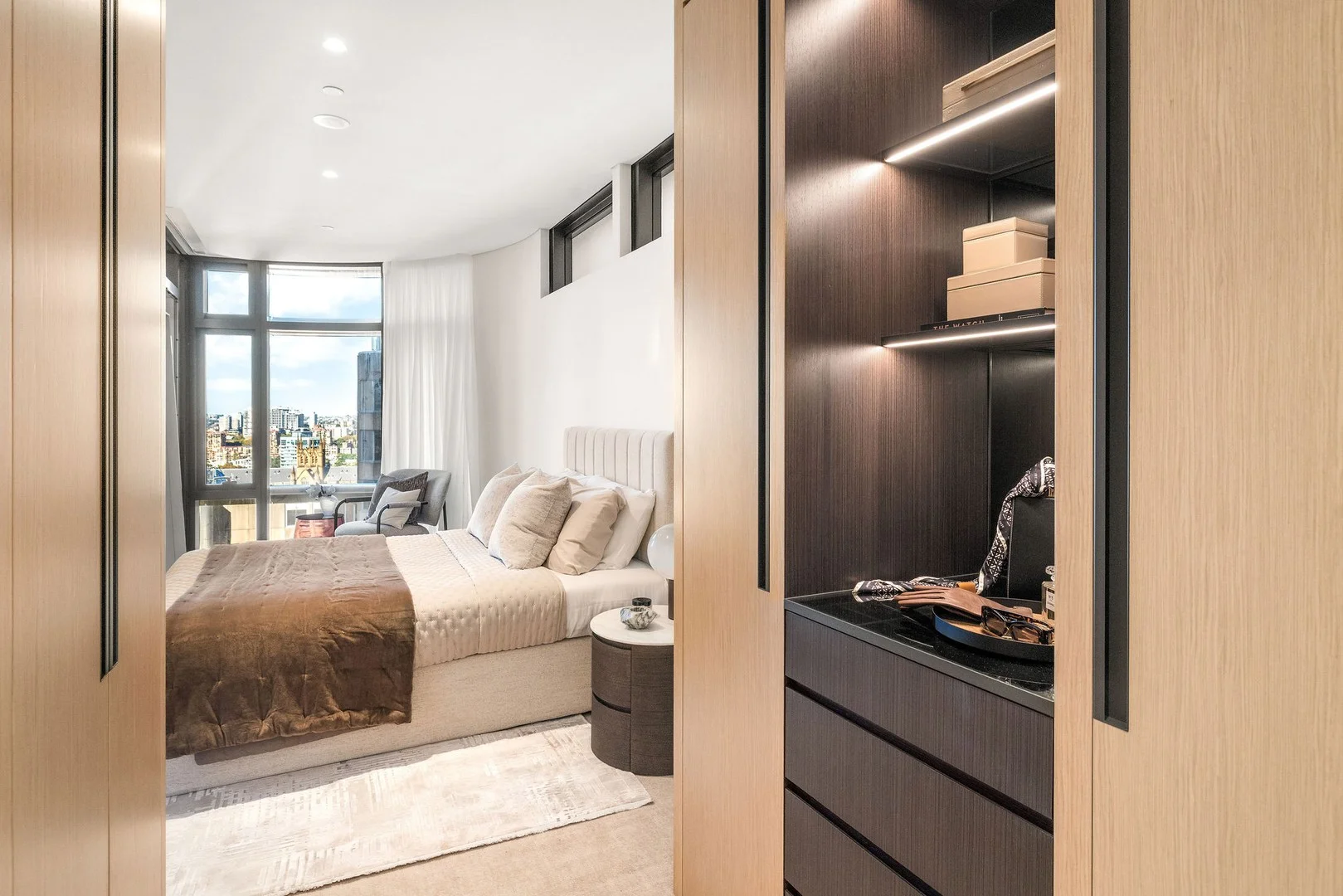 $2,745,000
propertyType.NEW APARTMENTS / OFF THE PLAN
$2,745,000
propertyType.NEW APARTMENTS / OFF THE PLAN
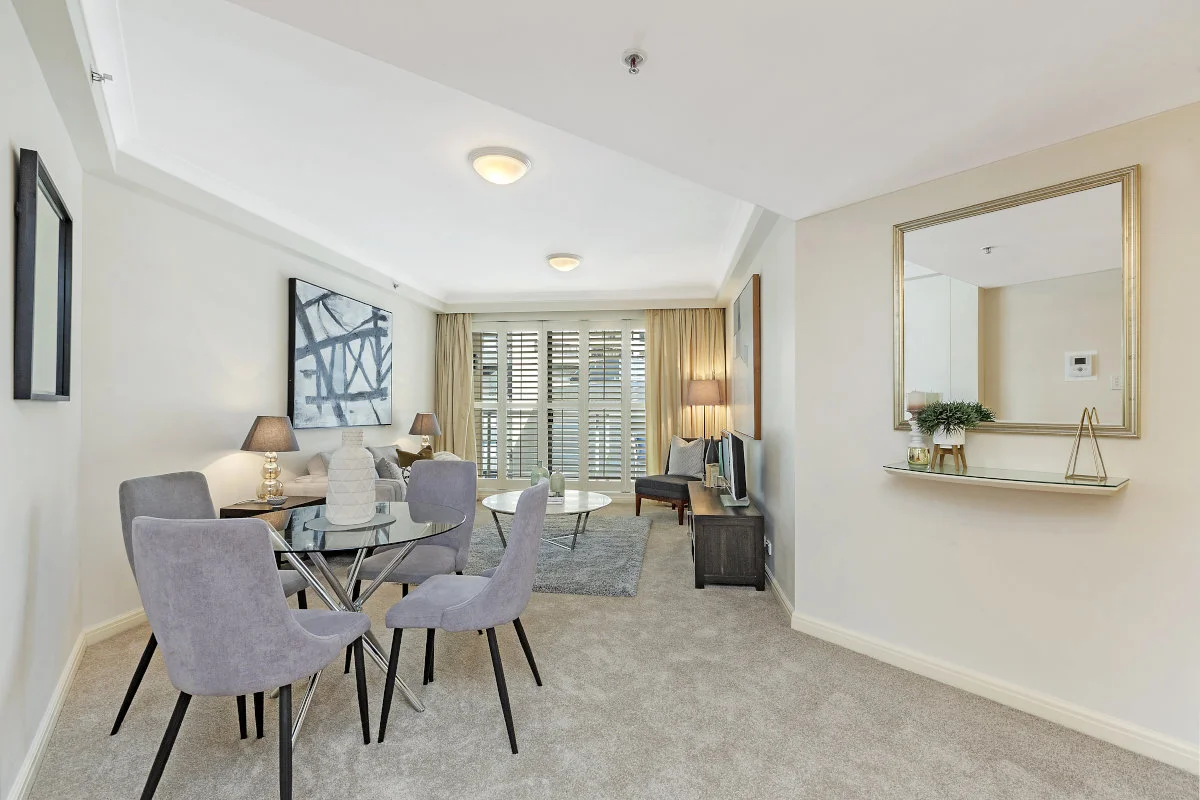 $660,000 - $725,000
Apartment / Unit / Flat
$660,000 - $725,000
Apartment / Unit / Flat
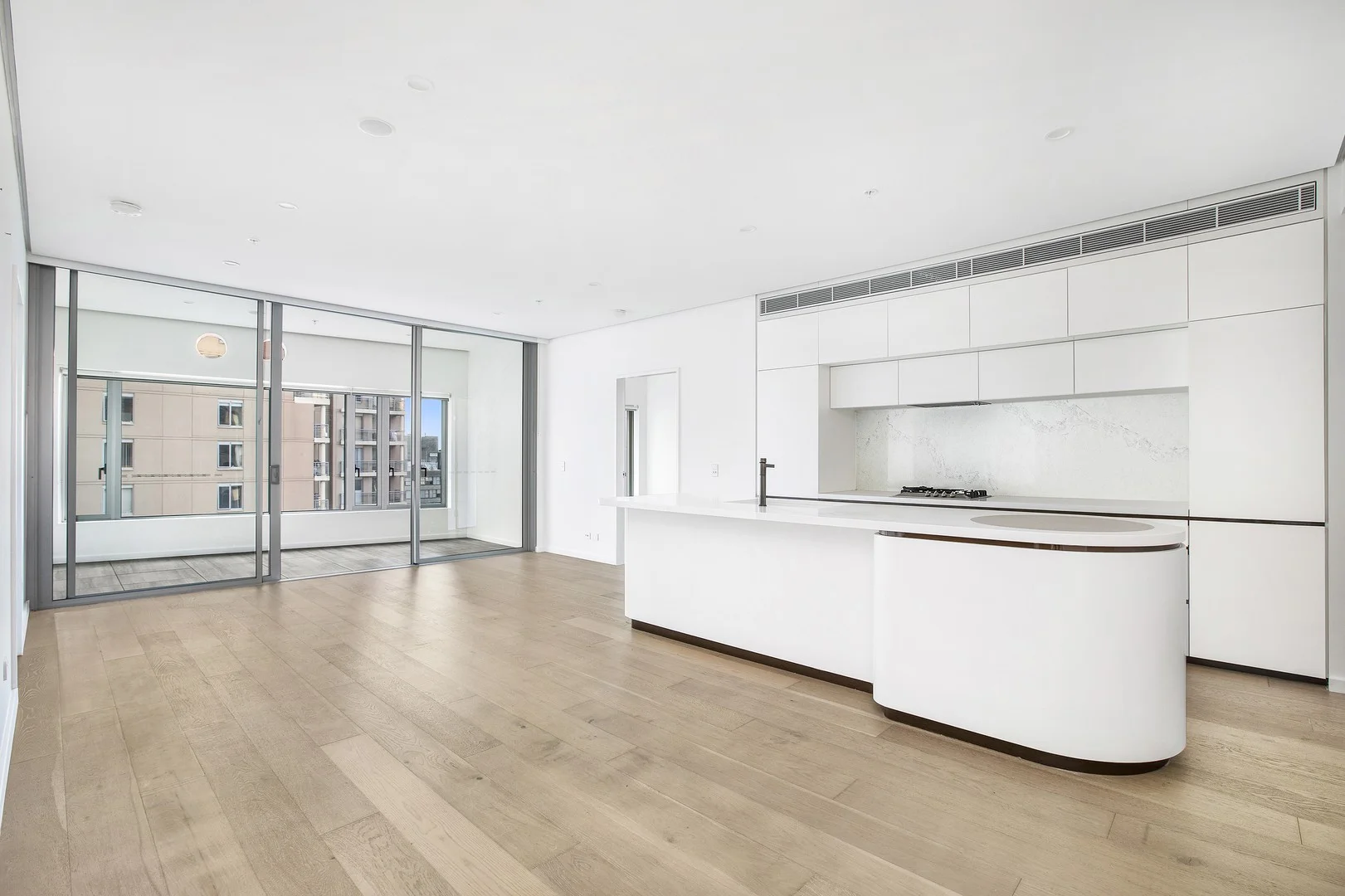 $2,250,000
Apartment / Unit / Flat
$2,250,000
Apartment / Unit / Flat
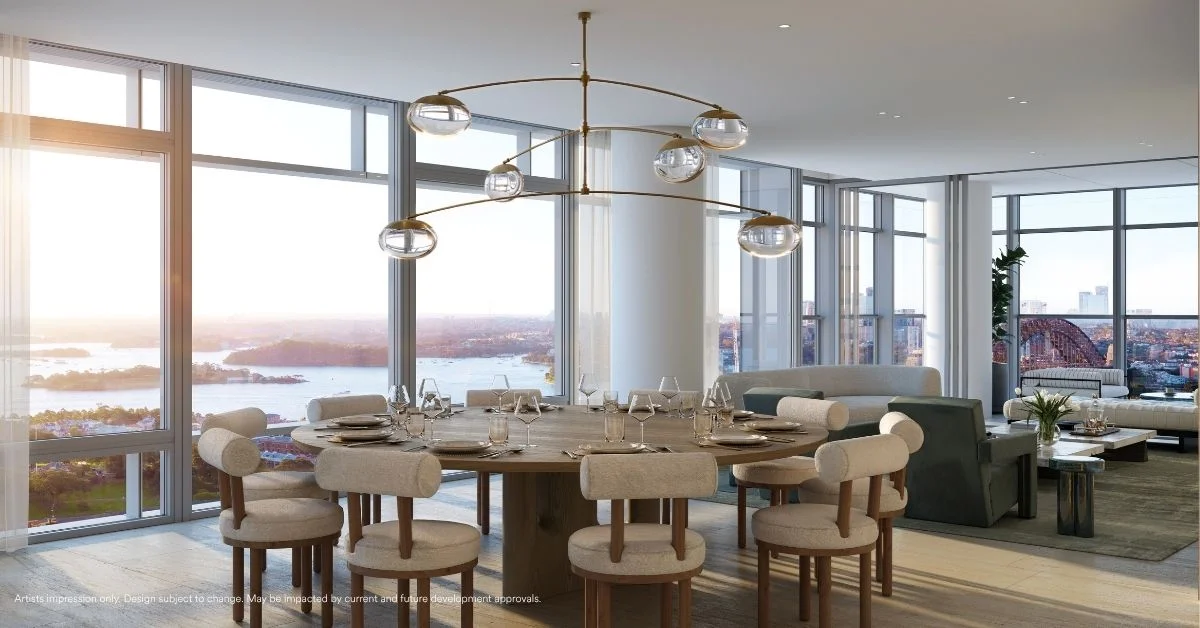 $26,550,000
propertyType.NEW APARTMENTS / OFF THE PLAN
$26,550,000
propertyType.NEW APARTMENTS / OFF THE PLAN
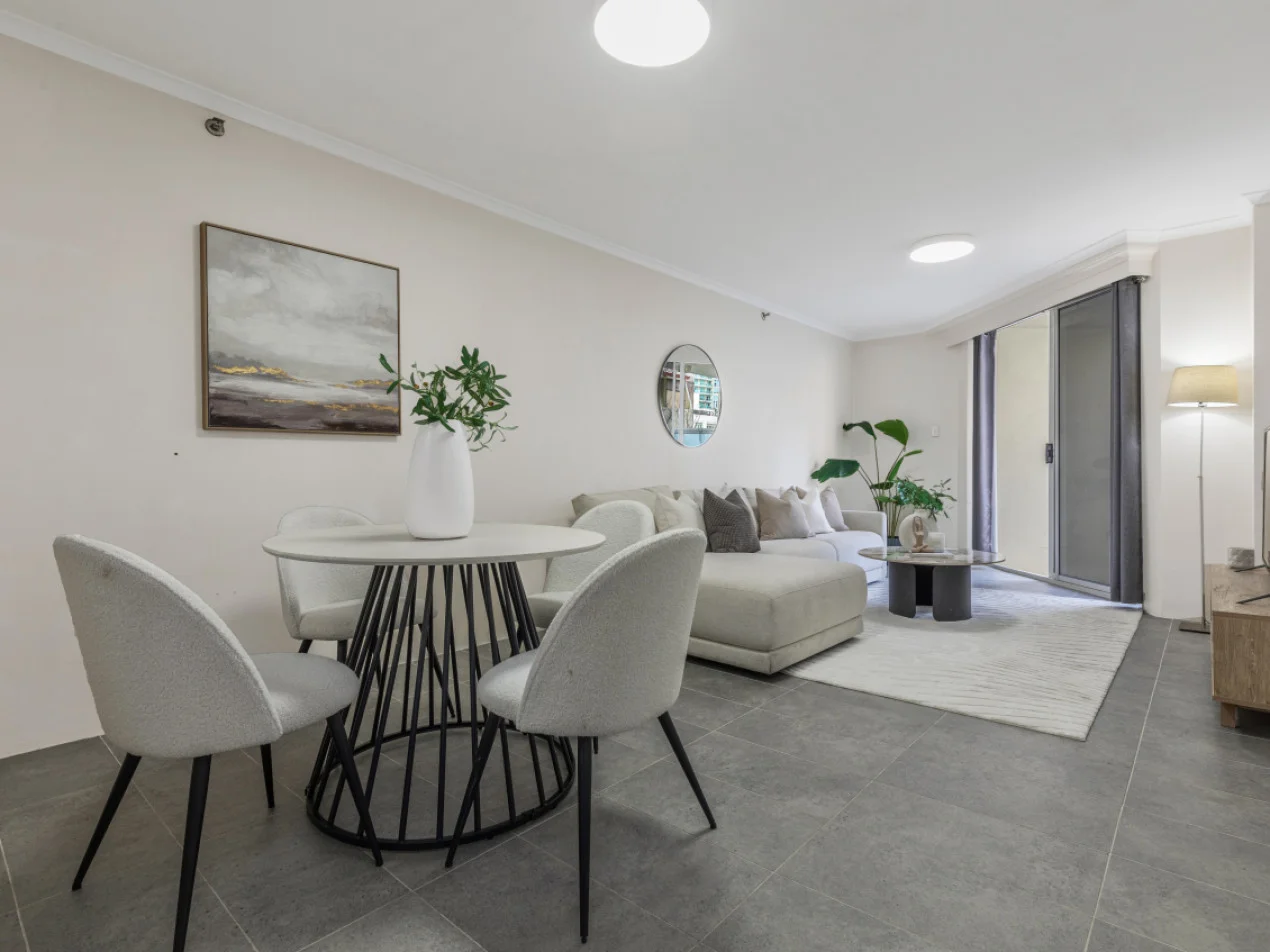 $640,000 - $675,000
Apartment / Unit / Flat
$640,000 - $675,000
Apartment / Unit / Flat
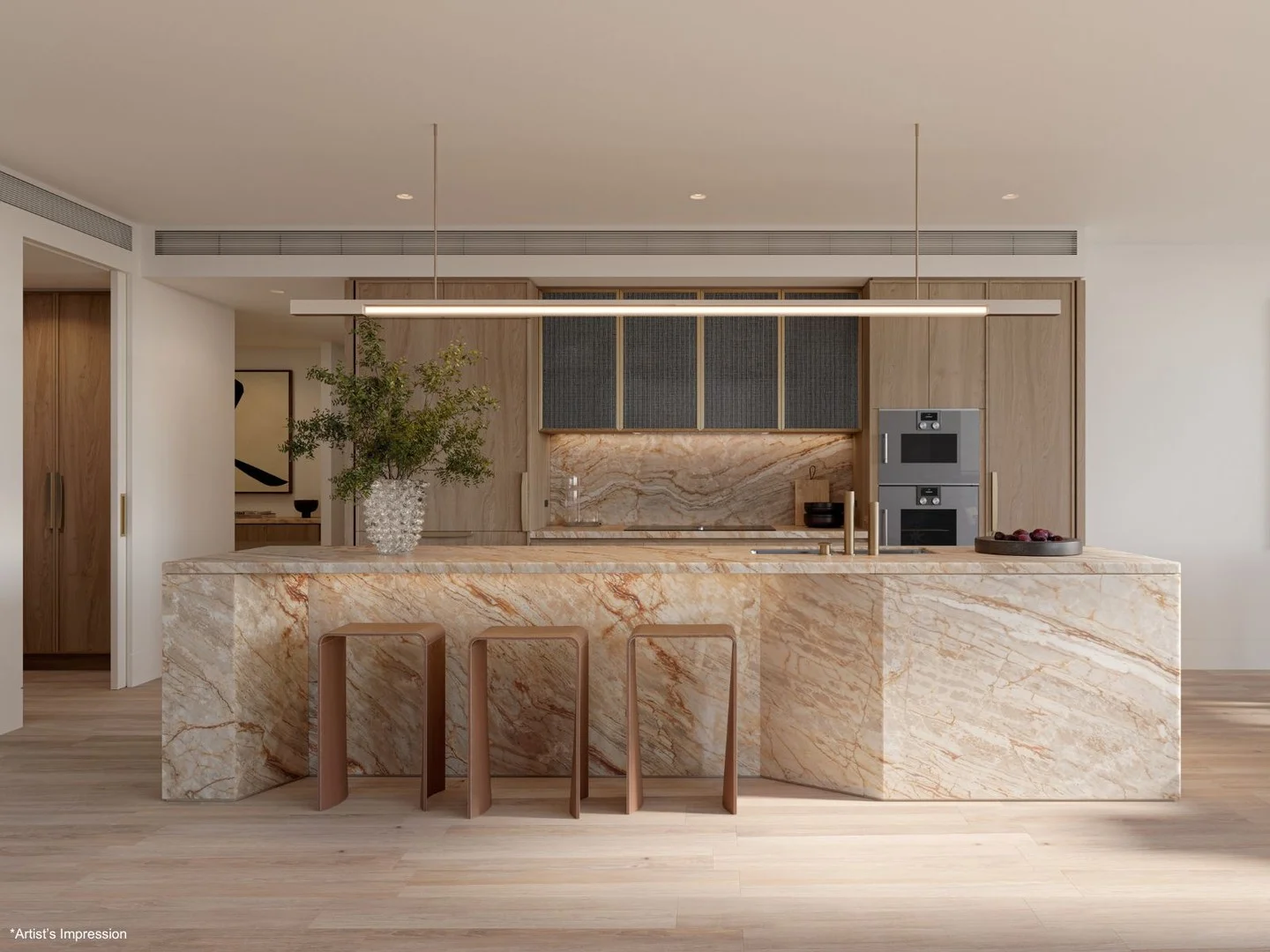 $6,225,000
propertyType.NEW APARTMENTS / OFF THE PLAN
$6,225,000
propertyType.NEW APARTMENTS / OFF THE PLAN
 $12,980,000
propertyType.NEW APARTMENTS / OFF THE PLAN
$12,980,000
propertyType.NEW APARTMENTS / OFF THE PLAN
 $8,630,000
propertyType.NEW APARTMENTS / OFF THE PLAN
$8,630,000
propertyType.NEW APARTMENTS / OFF THE PLAN
 $9,020,000
propertyType.NEW APARTMENTS / OFF THE PLAN
$9,020,000
propertyType.NEW APARTMENTS / OFF THE PLAN


