## Overview
The Scots College is an independent boys’ school based in Bellevue Hill, Sydney, that emphasises a well-rounded education combining academics, sport and leadership. As a large private school, it offers a broad curriculum with strong emphasis on personal development, character, and community involvement. The school aims to foster an inclusive, high-achievement culture where students are encouraged to excel academically while thriving in sport, the arts, and service.
Class sizes are typically moderate, supporting personalised feedback and teacher access. The atmosphere flows from a tradition-rich, sport- and service-focused environment, with a clear emphasis on leadership, resilience and teamwork.
## Academics & Learning
- Academic strengths: Strong emphasis on STEM, English, leadership development, and language studies; a rigorous curriculum designed to prepare students for senior secondary success and life beyond school.
- Special programs: Opportunities for gifted and talented pathways and accelerated learning options; structured leadership and community service programs; substantial co-curricular options that complement core studies.
- NAPLAN trends: Public profiles of NSW independent schools typically show stable to improving NAPLAN performance in literacy and numeracy over recent years, reflecting sustained academic focus and support systems.
- Student-teacher ratios: Generally in the low-to-mid range for large Australian independent schools, allowing meaningful teacher access and feedback.
- Support for diverse learners: Dedicated EAL (English as an Additional Language) support and SEN (special education needs) services, with learning support staff and individualised plans to assist diverse learners.
## Sports & Extracurricular Strengths
- Sports offered: A comprehensive program including rugby union, cricket, football (soccer), swimming, athletics, tennis, basketball and other team or individual sports.
- Strong teams or achievements: Notable emphasis on inter-school competition and a track record of strong performances across major sports, particularly rugby and cricket, within state and regional circuits.
- Music, arts, drama: Robust music and performing arts programs, including ensembles, concerts and productions; dedicated spaces for music and drama.
- Clubs: Robotics, chess, coding, debating, and other student-led clubs complement academic life and competition participation.
- Partnerships: Active participation in local and regional competitions and partnerships with external clubs and organisations to broaden opportunities in sport, science, technology and the arts.
## Wellbeing & Pastoral Care
- Anti-bullying approach: Proactive bullying prevention policies, clear reporting mechanisms and a focus on fostering a respectful school culture.
- House system: A house framework that supports spirit, camaraderie and friendly competition, with house-based activities and mentoring.
- Counsellors / wellbeing officers: On-site wellbeing staff and counsellors dedicated to student welfare, mental health, and resilience.
- Transition support for new students: Orientation programs and buddy systems to help new students settle, with ongoing pastoral care to support adaptation and belonging.
## Facilities
- Sports grounds
- Libraries
- Science labs
- Music/performing arts centers
- Tech/innovation labs
- Canteen
- Updated playgrounds
## School Values & Community Culture
- School values / mission: A values-driven approach emphasising leadership, service, integrity, respect and excellence.
- Leadership style: A mix of distributed leadership and student voice, with opportunities for students to lead in various clubs and initiatives.
- Behaviour expectations: Clear codes of conduct emphasising respect, responsibility and resilience.
- Community reputation: Longstanding presence in the independent school sector with strong ties to the local community and alumni networks.
- Diversity & inclusion: Commitment to an inclusive environment with programs and activities designed to support diverse students and outlooks.
## School Logistics & Daily Operations
- School hours: Typical school day routines with start and finish times aligned to NSW norms; punctual attendance and structured timetable.
- Before/after school care: Availability of supervision and care before and after school hours.
- Uniform requirements: Formal school uniform on most days; sports uniform for PE and inter-school activities; clear dress standards.
- Transport: Bus routes and access to reliable public transport connections common for Sydney schools; school-supported travel options where available.
- Canteen availability: On-site canteen or dining facilities offering meals and snacks.
- Fees: High compared to state schools, reflecting the independent schooling model and breadth of facilities and programs.
## Enrolment & Admissions
11. What is the enrolment process and timeline?
- Submit an application and supporting documents; complete any required assessments or auditions (if applicable for scholarships or specialised programs); attend interviews or information sessions; receive an offer; complete enrolment documentation and pay deposits; participate in orientation before the start of the academic year.
12. Is there a waiting list, and how does it work?
- Yes, there is often a waitlist for certain year groups. Expressions of interest are typically registered, and placement depends on vacancies, year level needs, and priority factors such as siblings or specific program placements.
13. Are there any entry requirements, tests, or interviews?
- Entry may involve academic assessments or diagnostic testing, along with a formal interview. Some programs or scholarships may require auditions (music, drama) or special testing for gifted pathways.
14. Does the school accept mid-year transfers?
- Transfers mid-year are possible subject to vacancy availability, meeting entry requirements, and completion of requisite transfer documentation and assessments.
## Frequently Asked Questions
- Why Parents Choose This School?
- A strong all-round program combining academics, sport, arts, and leadership; a values-based culture; extensive facilities and supportive pastoral care; robust preparation for future study and life.
- What type of student thrives at this school?
- Motivated, team-oriented students who value both academics and co-curricular opportunities, leadership experiences, and a supportive community.
- What opportunities are available for students to extend their skills (academics, sports, arts)?
- Advanced STEM and language pathways, gifted and talented programs, leadership and service opportunities; extensive sports programs and high-level competition; music ensembles and drama productions; robotics, coding, debating and other clubs.
- How does the school communicate with parents?
- Regular newsletters, parent portals, parent-teacher conferences, and scheduled updates from tutors and coordinators; clear channels for feedback and events.
- What is the school’s approach to teaching and learning?
- Rigorous, balanced and student-centred, with a focus on inquiry, critical thinking, differentiation for diverse learners, and ongoing assessment to support growth.
- How does the school support students who need extra academic help?
- Access to learning support, EAL, SEN services, small-group and targeted tutoring, and personalised learning plans.
- What support is available for academic challenges?
- Early identification of needs, targeted interventions, extension options for capable students, and regular progress reviews with teachers and specialists.
- How does the school communicate with parents?
- See above: multiple channels including portals, meetings and newsletters; proactive updates about student progress and events.
- What are the class sizes and how much individual attention do students receive?
- Class sizes are typically in the 20s, with ample opportunities for individual feedback through specialist teachers, tutors, and pastoral staff.
- What extracurricular and sports opportunities are available?
- A broad program across sports, music, drama and clubs (robotics, chess, coding, debating) with opportunities to compete, perform and lead.
- What facilities does the school offer (sports, science, arts)?
- Comprehensive facilities including sports grounds, well-equipped libraries, modern science labs, dedicated music/arts spaces, tech/innovation labs, a canteen and upgraded playgrounds.
- What is the school’s approach to technology and digital learning?
- Integrated digital literacy, classroom technology, coding and robotics, and opportunities for students to engage with digital projects and responsible use of technology.
- What transport and accessibility options are available?
- Bus services and public transport links typical for Sydney private schools; campus accessibility features and convenient drop-off/pick-up arrangements.
- What are the typical school fees or additional costs?
- Fees fall in the high range for NSW independent day schools, with additional costs for items such as uniforms, excursions, music/drama activities and optional programs.
## Short Pros & Cons
- Pros
- Strong all-round program across academics, sport and the arts
- Comprehensive wellbeing and pastoral support
- Broad co-curricular opportunities and leadership development
- Prestigious, well-established community with extensive facilities
- Cons
- Higher cost compared with public schools
- Large school environment may feel less intimate for some students
- Competitive culture may not suit every learner or family
If you’d like, I can tailor these sections with more specific details (e.g., current program names, exact facilities, or recent enrolment statistics) based on the most up-to-date school profiles you have.

 $95+
$95+











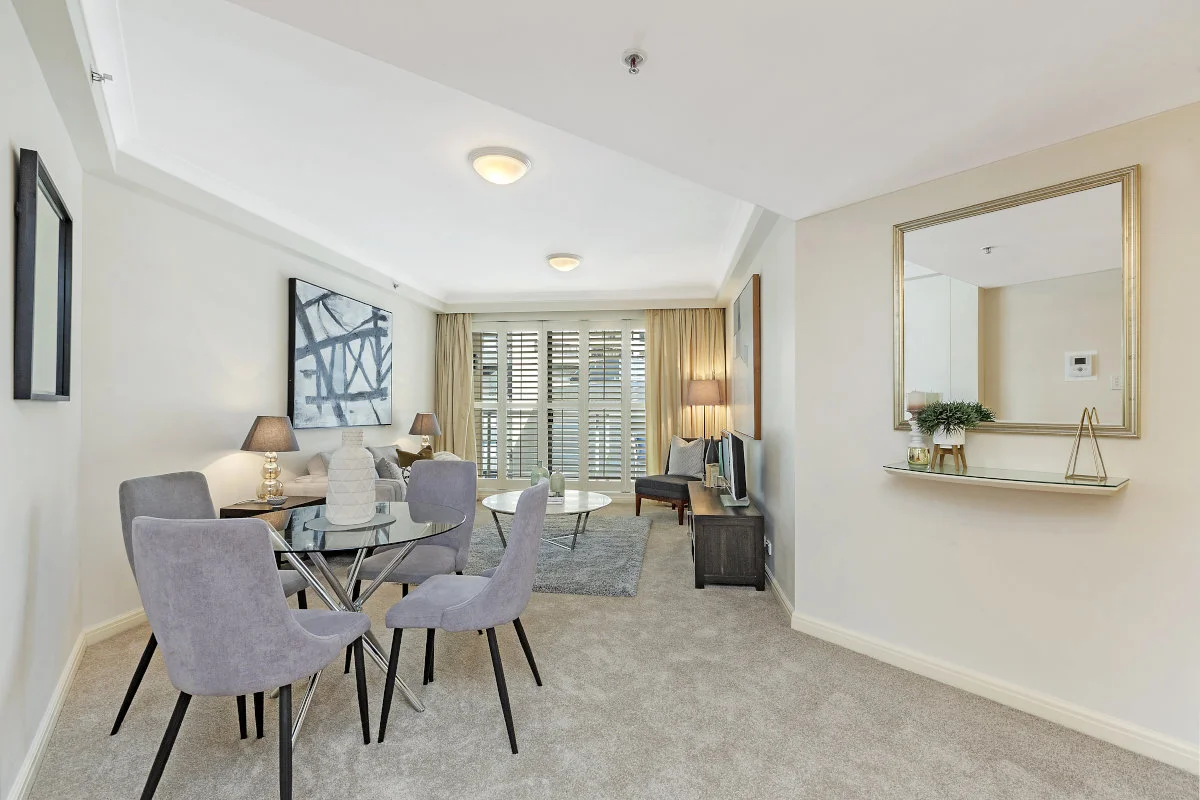 $660,000 - $725,000
Apartment / Unit / Flat
$660,000 - $725,000
Apartment / Unit / Flat
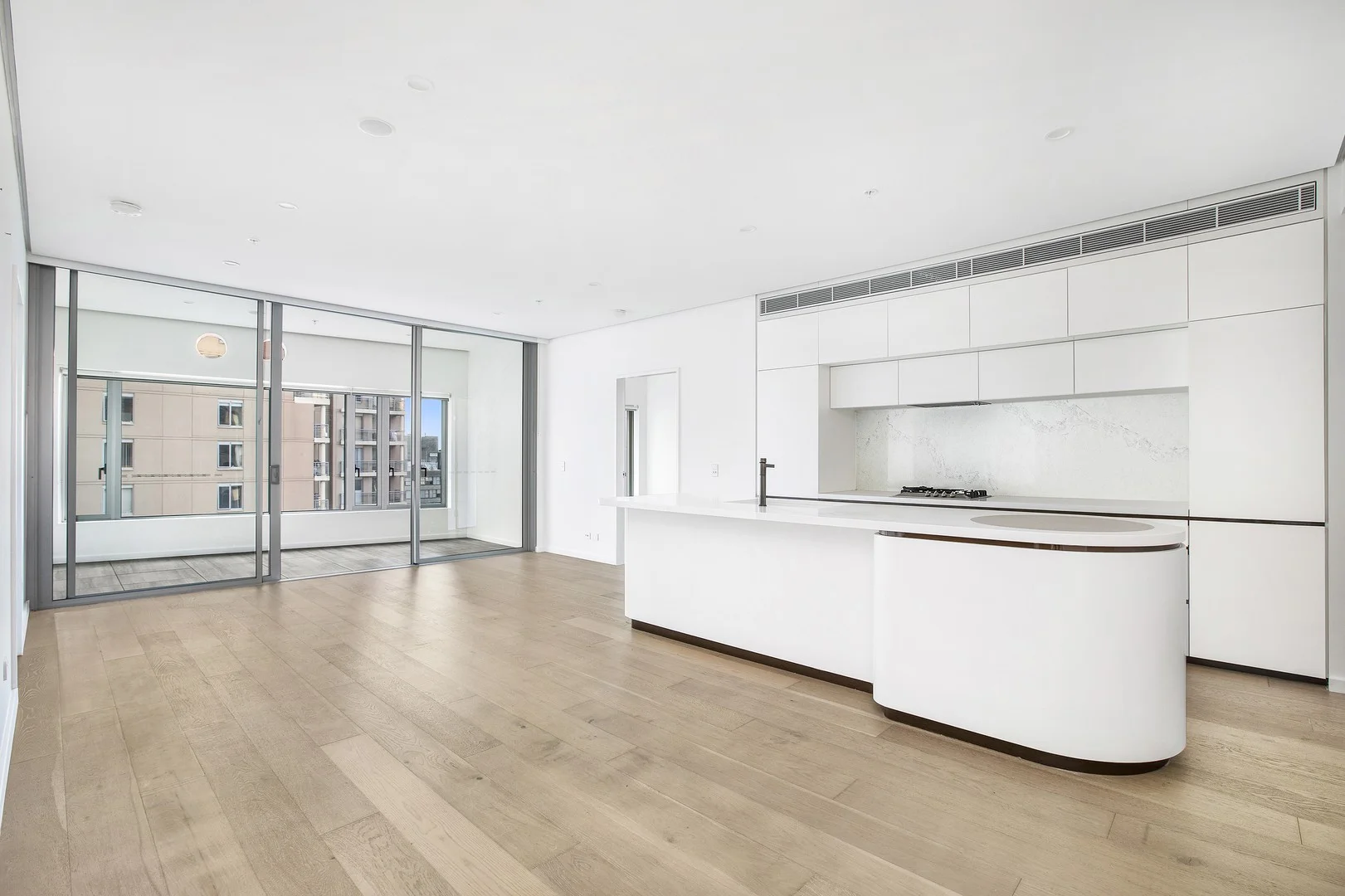 $2,250,000
Apartment / Unit / Flat
$2,250,000
Apartment / Unit / Flat
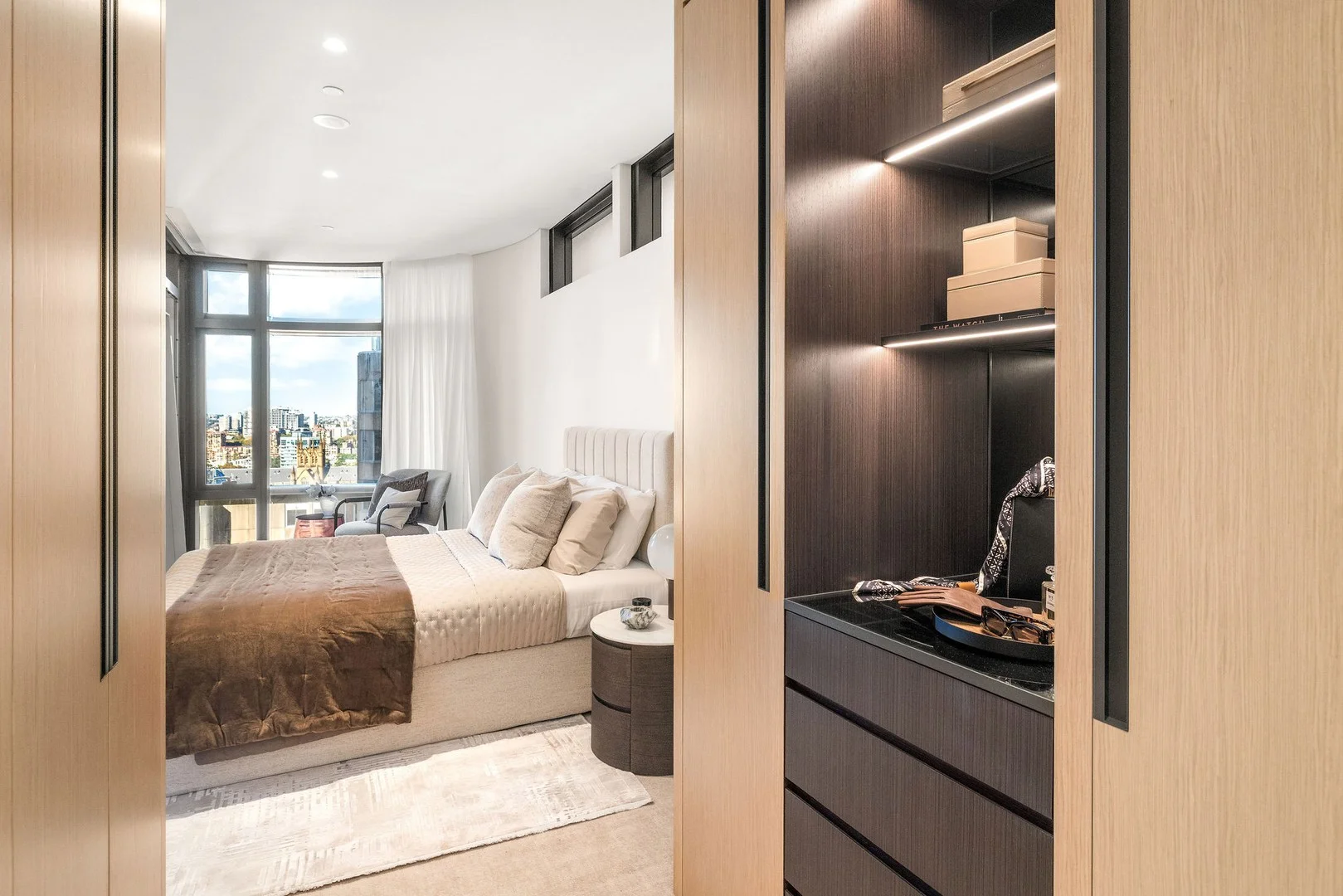 $2,745,000
propertyType.NEW APARTMENTS / OFF THE PLAN
$2,745,000
propertyType.NEW APARTMENTS / OFF THE PLAN
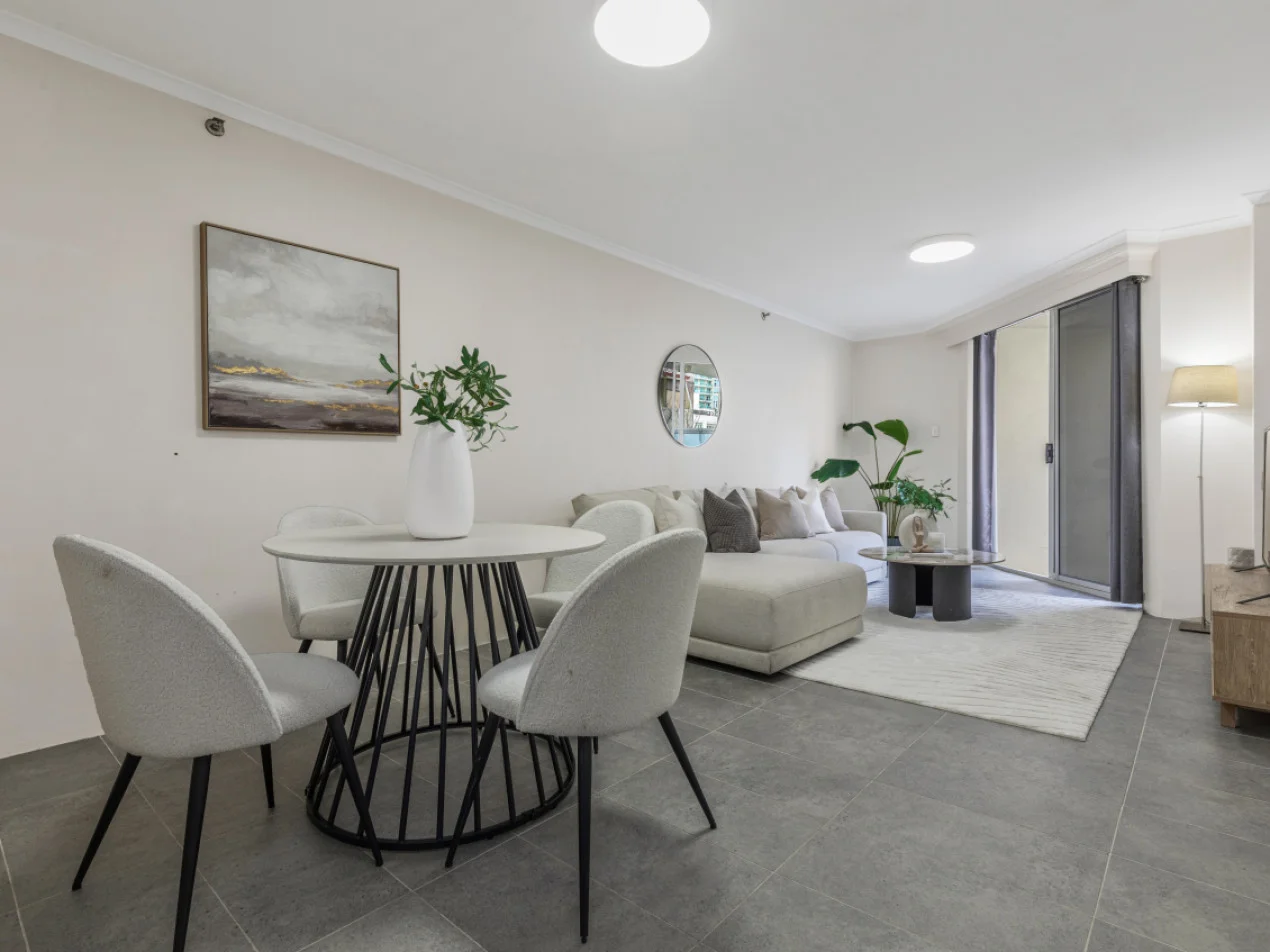 $640,000 - $675,000
Apartment / Unit / Flat
$640,000 - $675,000
Apartment / Unit / Flat
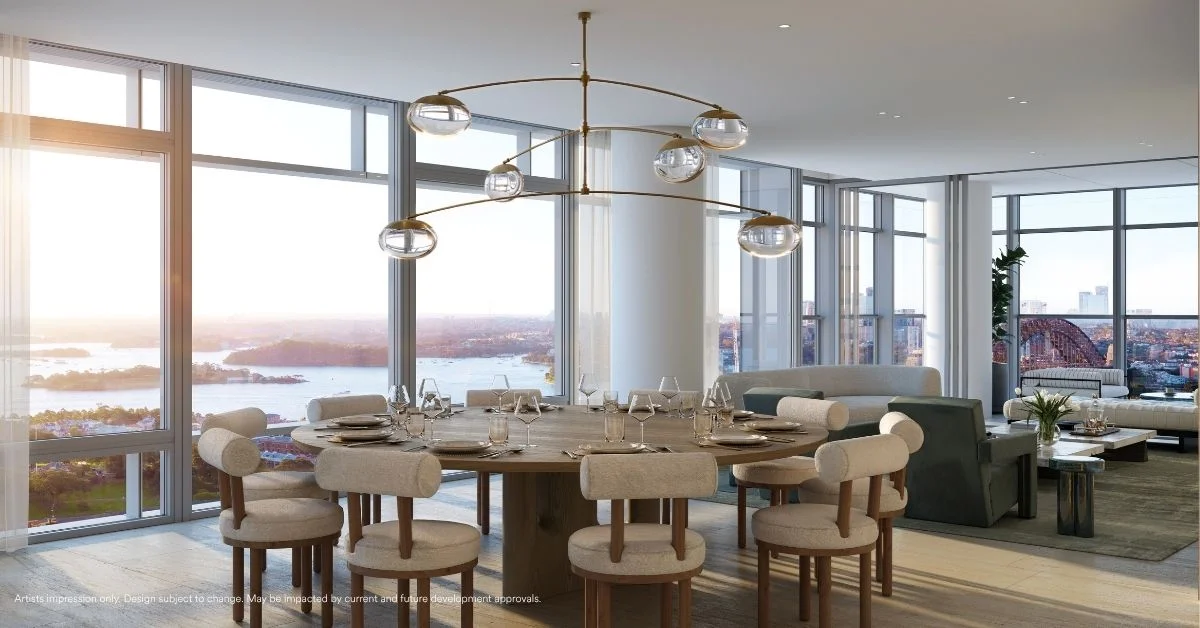 $26,550,000
propertyType.NEW APARTMENTS / OFF THE PLAN
$26,550,000
propertyType.NEW APARTMENTS / OFF THE PLAN
 $8,630,000
propertyType.NEW APARTMENTS / OFF THE PLAN
$8,630,000
propertyType.NEW APARTMENTS / OFF THE PLAN
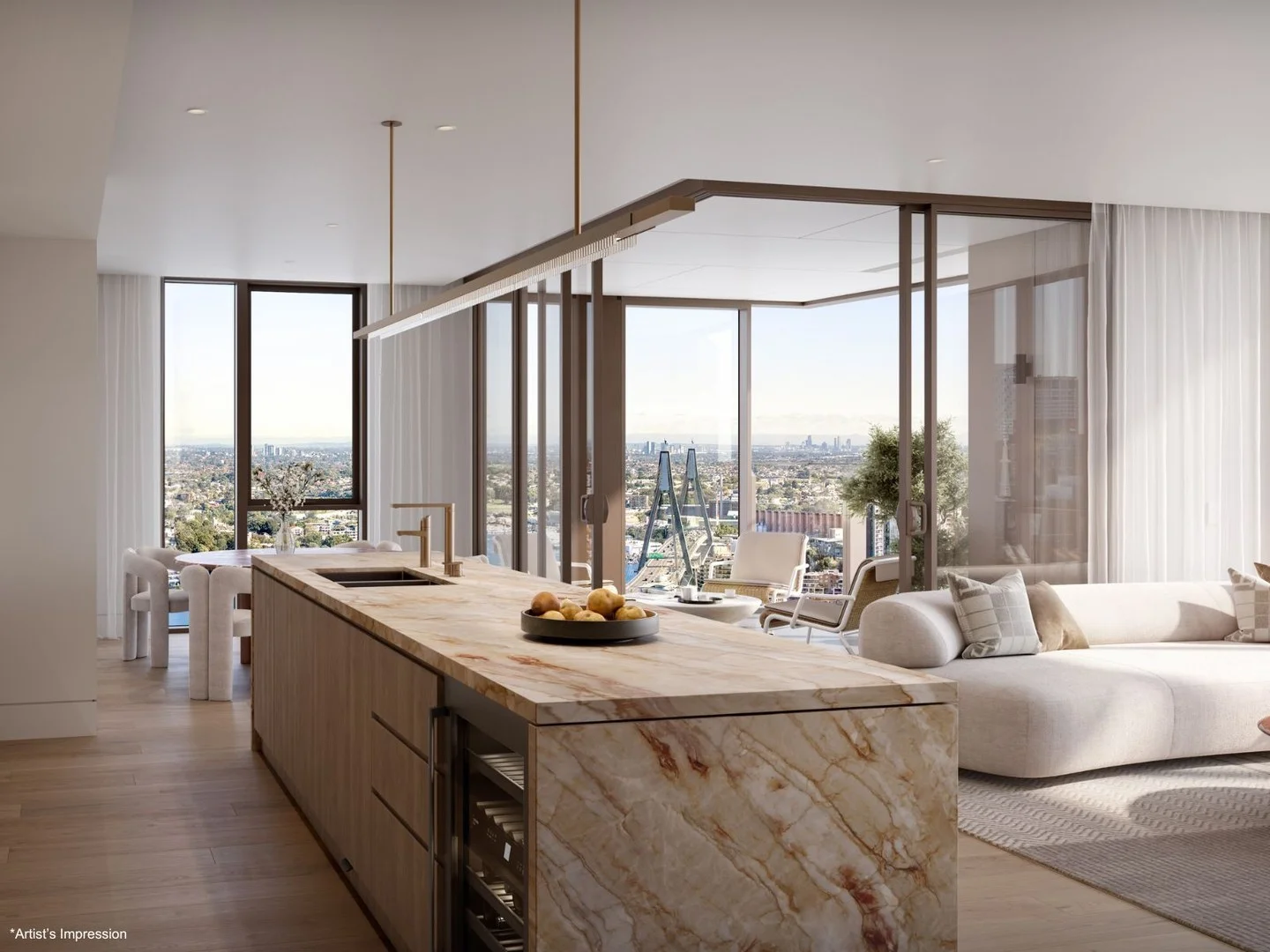 $9,020,000
propertyType.NEW APARTMENTS / OFF THE PLAN
$9,020,000
propertyType.NEW APARTMENTS / OFF THE PLAN
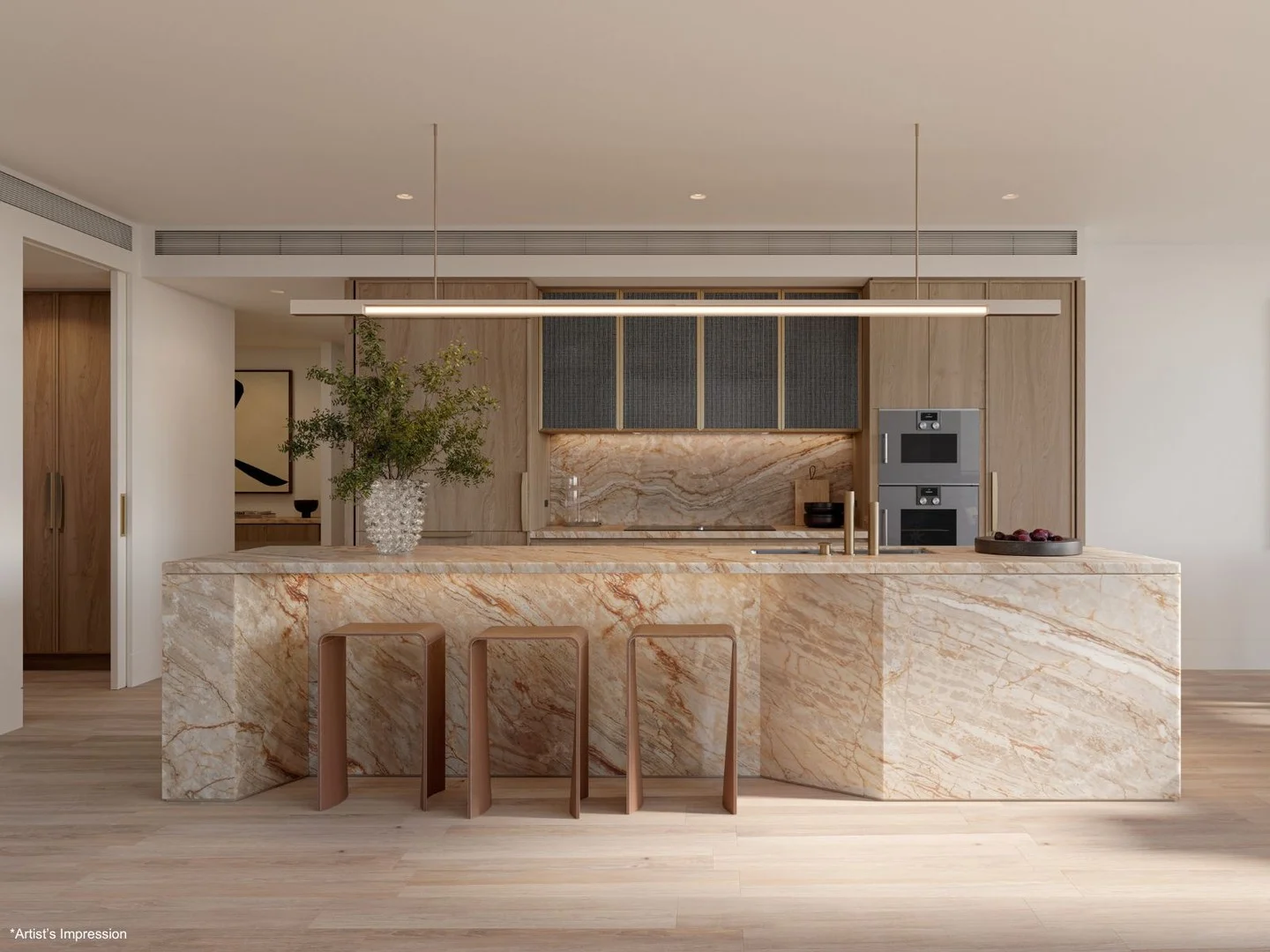 $6,225,000
propertyType.NEW APARTMENTS / OFF THE PLAN
$6,225,000
propertyType.NEW APARTMENTS / OFF THE PLAN
 $12,980,000
propertyType.NEW APARTMENTS / OFF THE PLAN
$12,980,000
propertyType.NEW APARTMENTS / OFF THE PLAN


