## 1. Overview
Kincincpal-Rose Bay is an independent Catholic day school for girls in Rose Bay, Sydney, rooted in the Sacred Heart tradition. It combines faith-based values with a strong academic program, aiming to develop confident, compassionate young women who contribute to their communities. The school sits within a supportive, close-knit community that values service, leadership and personal growth.
The campus tends to feel medium-to-large in size with a focus on personalised learning. Class sizes are typically small-to-medium, designed to support individual attention and collaborative learning. The atmosphere is nurturing and inclusive, with an emphasis on faith, character, and academic achievement.
⸻
## 2. Academics & Learning
- Academic strengths: Broad strengths across English, the humanities, STEM, and languages, with a focus on critical thinking, communication and leadership skills.
- Special programs: HSC pathways with a wide subject offering, opportunities for extension/gifted and talented programs, and active involvement in music and arts as part of a well-rounded curriculum.
- NAPLAN / trends: NSW NAPLAN results are tracked over time, with a focus on steady improvement in key reading and numeracy domains; the school regularly reviews trends to guide teaching strategies and intervention where needed.
- Student-teacher ratios: Generally small-to-medium class sizes and low student-teacher ratios, supporting individual attention and tailored feedback.
- Support for diverse learners: Comprehensive learning support, EAL (English as an Additional Language) assistance, and inclusive education strategies to support students with diverse needs.
⸻
## 3. Sports & Extracurricular Strengths
- Sports offered: Netball, basketball, soccer, tennis, athletics, swimming, and other team and individual activities common to Australian independent schools.
- Strong teams or achievements: Competitive inter-school teams with regular participation and achievement across various sports, contributing to school spirit and teamwork.
- Music, arts, drama programs: Robust performing arts program including choir, ensembles, drama productions and opportunities to develop musical and theatrical talents.
- Clubs: Robotics, chess, coding, debating, maths and other enrichment clubs available to extend student interests beyond the classroom.
- Partnerships: Collaborations with local sports clubs, arts organizations, and inter-school competitions to broaden experience and competition exposure.
⸻
## 4. Wellbeing & Pastoral Care
- Anti-bullying approach: Clear anti-bullying policies and programs, with restorative practices and student wellbeing initiatives to promote respectful relationships.
- House system: House-based pastoral care structure to foster belonging, friendly competition, mentoring and community connection.
- Counsellors / wellbeing officers: Access to school-based counsellors and wellbeing staff to support mental health, resilience and academic planning.
- Transition support for new students: Structured induction, buddy programs and orientation activities to help new students settle in quickly and feel supported.
⸻
## 5. Facilities
- Sports grounds: On-site sports facilities and fields appropriate for a range of athletic programs.
- Libraries: Well-stocked library resource centre with study spaces and research support.
- Science labs: Modern, well-equipped science laboratories for chemistry, biology and physics experiments.
- Music/performing arts centers: Dedicated spaces for music practice, ensembles and drama productions.
- Tech/innovation labs: Tech and innovation spaces supporting coding, robotics and digital projects.
- Cafeteria: On-site canteen and dining facilities for students and staff.
- Updated playgrounds: Well-maintained outdoor spaces and playgrounds suitable for younger year levels and physical activity.
⸻
## 6. School Values & Community Culture
- School values / mission: Grounded in Sacred Heart principles—faith, service, learning, and community; a mission to develop capable, compassionate young women ready to lead.
- Leadership style: Collaborative and student-centered, with opportunities for student voice, leadership roles and community involvement.
- Behaviour expectations: Clear behavioural expectations rooted in respect, responsibility and integrity.
- Community reputation: Strong, positive reputation within the Sacred Heart network and the broader school community; active alumnae and community connections.
- Diversity & inclusion: Commitment to inclusive practices and celebrating diversity within the school community.
⸻
## 7. School Logistics & Daily Operations
- School hours: Typical school day runs from mid-morning to mid-afternoon with a structured timetable; some days may include early arrivals or after-school activities.
- Before/after school care: Availability of before- and after-school care or supervision through school programs or partnerships.
- Uniform requirements: Acceptable formal uniform with seasonal adjustments; sport and activity uniforms for PE and after-school programs.
- Transport: Access to public transport and/or school-arranged bus routes servicing the Eastern Suburbs and surrounding areas.
- Canteen availability: On-site canteen or school-determined lunch options for students.
- Fees: Fees fall into the higher range relative to public options, typical of many independent Catholic schools; detailed fee schedules are provided on enrolment materials.
⸻
## 8. Enrolment & Admissions
11. What is the enrolment process and timeline?
- Begin with an expression of interest and submission of the required documents.
- Complete the school’s application, including academic records, reports and any requested references.
- Attend a school interview (and possibly subject or pathway discussions) and complete any required assessments.
- Receive an offer of placement if successful, with a defined timeline to accept and secure a place.
- Complete enrolment paperwork and pay any applicable fees to finalise the process.
12. Is there a waiting list, and how does it work?
- Yes, there is typically a waiting list when all places are not immediately available.
- Offers are made as vacancies arise, often prioritised by cohort availability, with potential considerations for siblings, parish or other school-specific criteria.
- Families on the waitlist are kept informed and may be invited to open days or information sessions.
13. Are there any entry requirements, tests, or interviews?
- Yes. Entry often involves interviews with parents and students, and may include academic records review and subject-specific discussions.
- Some years may require assessments to gauge literacy, numeracy or overall readiness for the curriculum.
14. Does the school accept mid-year transfers?
- Mid-year transfers are possible if places are available and all evaluation criteria are met, including transcripts, reports and alignment with the receiving year’s curriculum.
- The transfer is subject to a review of student needs, class availability and a smooth transition plan.
⸻
## 9. Frequently Asked Questions
- Why Parents Choose This School?
- What type of student thrives at this school?
- What opportunities are available for students to extend their skills (academics, sports, arts)?
- How does the school communicate with parents?
- What is the school’s approach to teaching and learning?
- How does the school support students who need extra academic help?
- What support is available for academic challenges?
- How does the school communicate with parents?
- What are the class sizes and how much individual attention do students receive?
- What extracurricular and sports opportunities are available?
- What facilities does the school offer (sports, science, arts)?
- What is the school’s approach to technology and digital learning?
- What transport and accessibility options are available?
- What are the typical school fees or additional costs?
⸻
## 10. Short Pros & Cons list
- Pros
- Independent Catholic environment with a values-based education
- Strong academic program and broad subject offerings
- Supportive wellbeing and pastoral care with a house system
- Wide range of extracurriculars, including clubs and performing arts
- Small-to-medium class sizes aiding personalised attention
- Cons
- Fees are higher than public options; ongoing tuition costs
- Competitive environment may feel intense for some students
- Limited co-educational experiences due to girls-only setting
- Availability of mid-year transfers depends on vacancies and alignment with year level
⸻
 $95+
$95+











 $2,745,000
propertyType.NEW APARTMENTS / OFF THE PLAN
$2,745,000
propertyType.NEW APARTMENTS / OFF THE PLAN
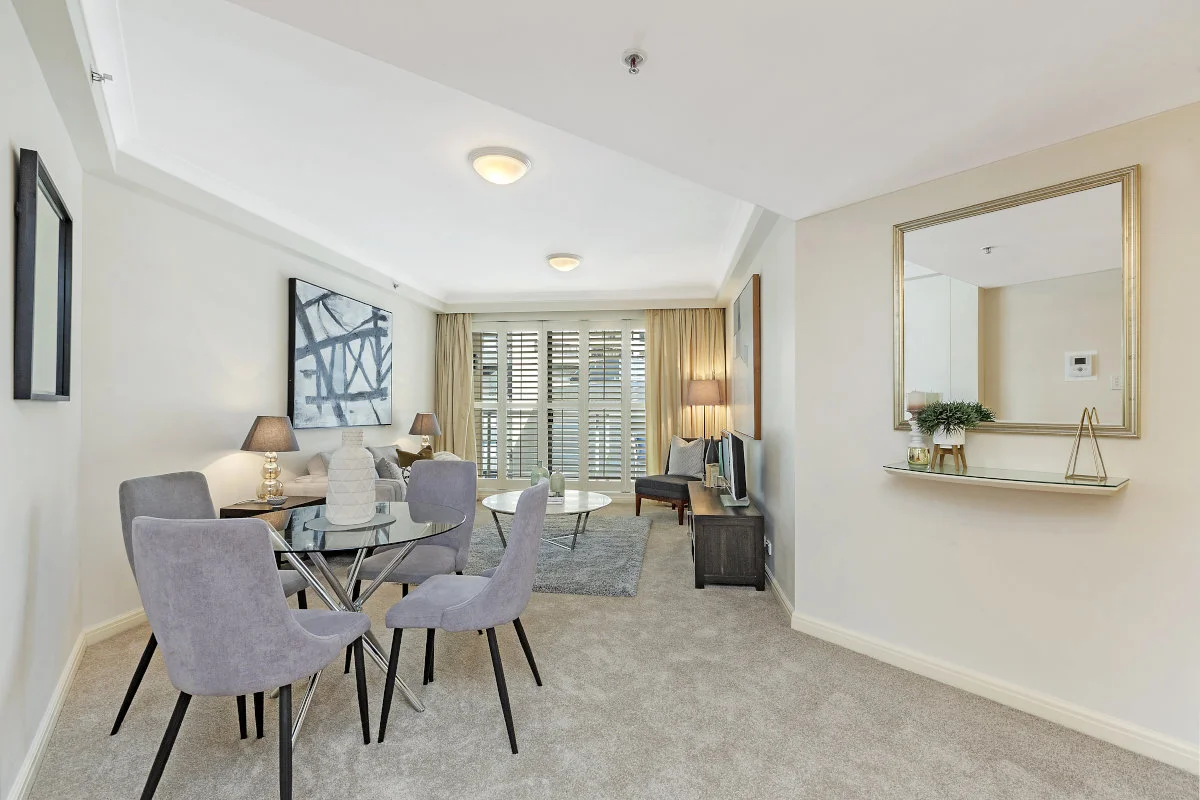 $660,000 - $725,000
Apartment / Unit / Flat
$660,000 - $725,000
Apartment / Unit / Flat
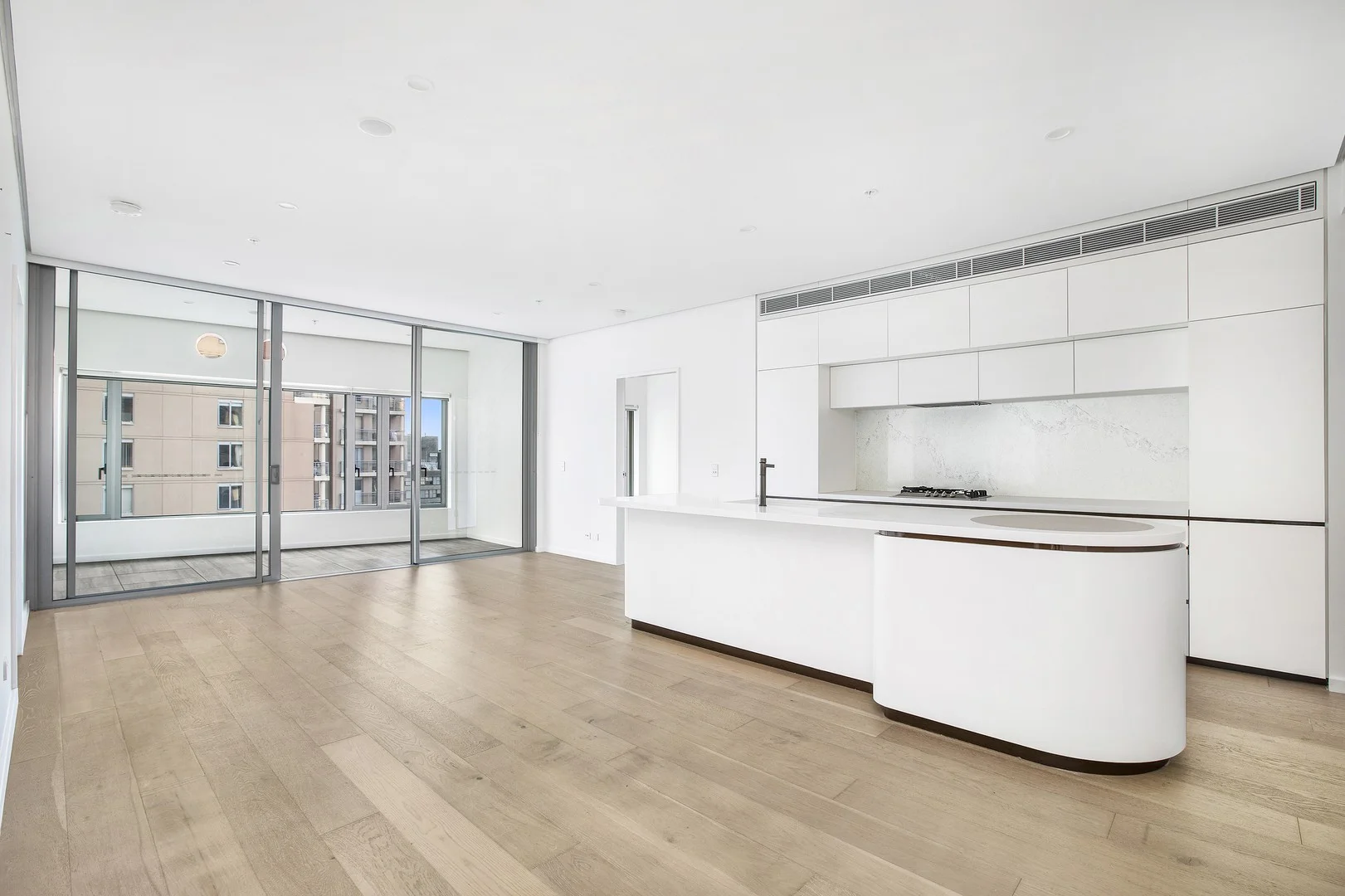 $2,250,000
Apartment / Unit / Flat
$2,250,000
Apartment / Unit / Flat
 $26,550,000
propertyType.NEW APARTMENTS / OFF THE PLAN
$26,550,000
propertyType.NEW APARTMENTS / OFF THE PLAN
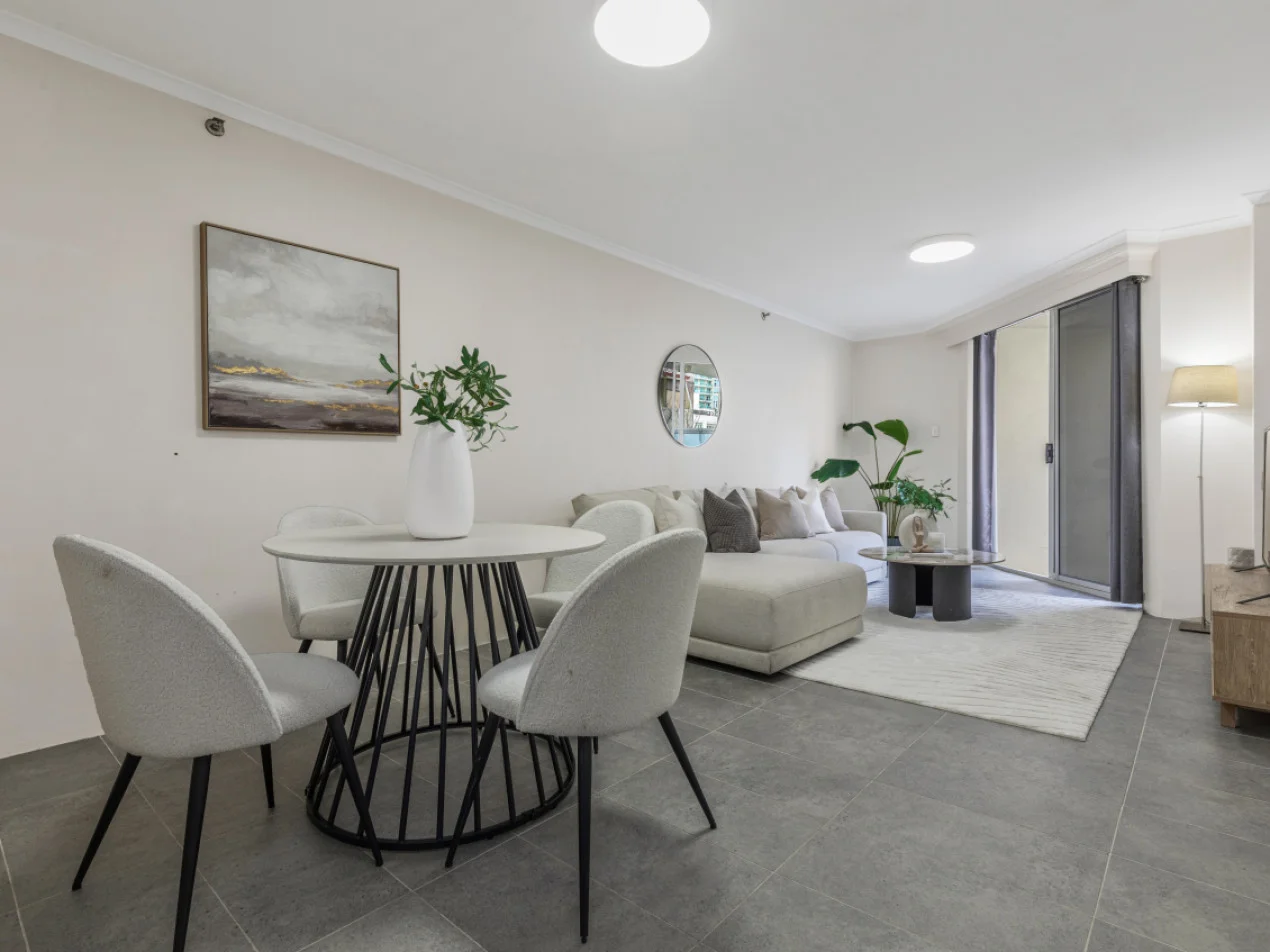 $640,000 - $675,000
Apartment / Unit / Flat
$640,000 - $675,000
Apartment / Unit / Flat
 $8,630,000
propertyType.NEW APARTMENTS / OFF THE PLAN
$8,630,000
propertyType.NEW APARTMENTS / OFF THE PLAN
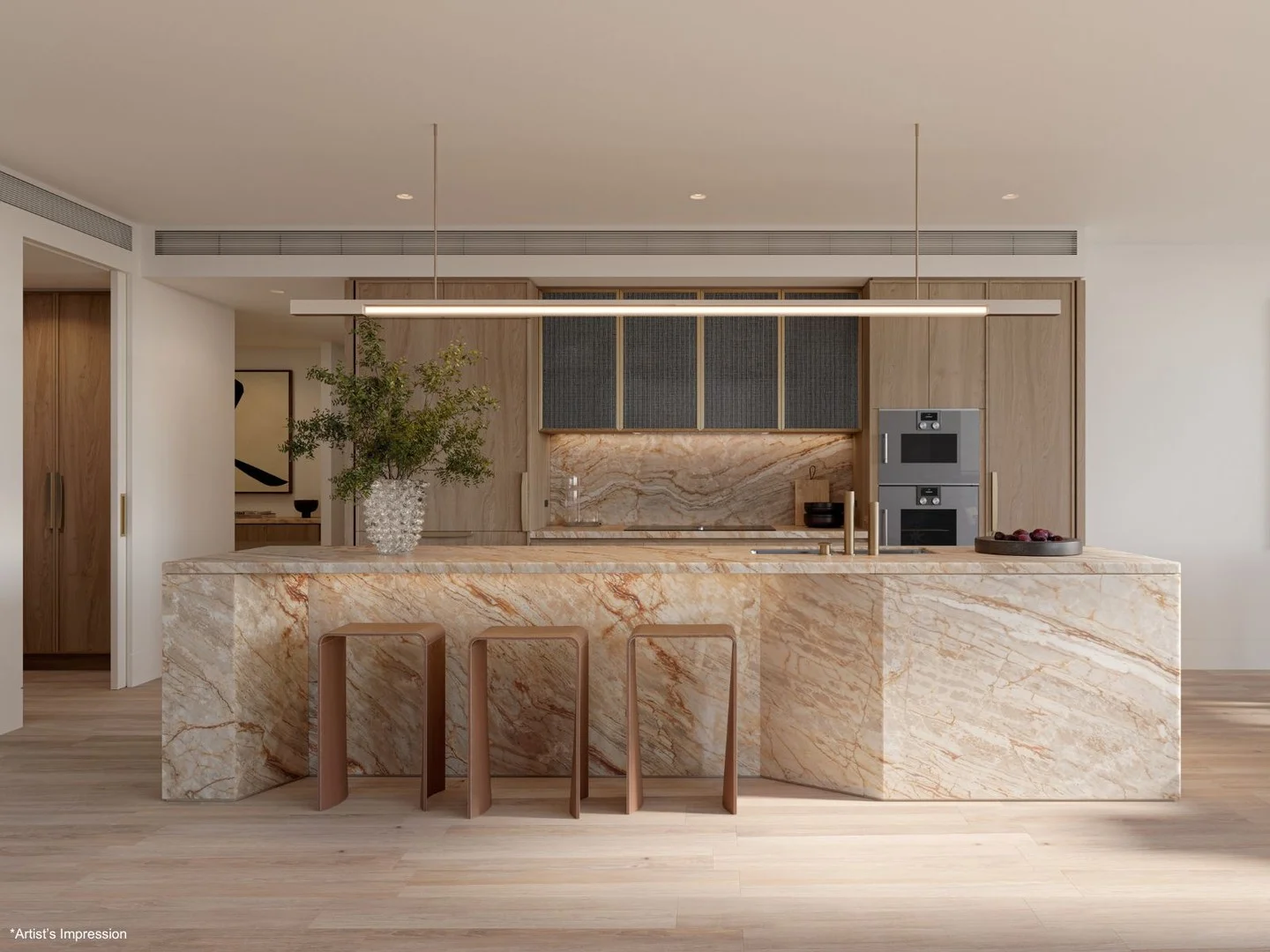 $6,225,000
propertyType.NEW APARTMENTS / OFF THE PLAN
$6,225,000
propertyType.NEW APARTMENTS / OFF THE PLAN
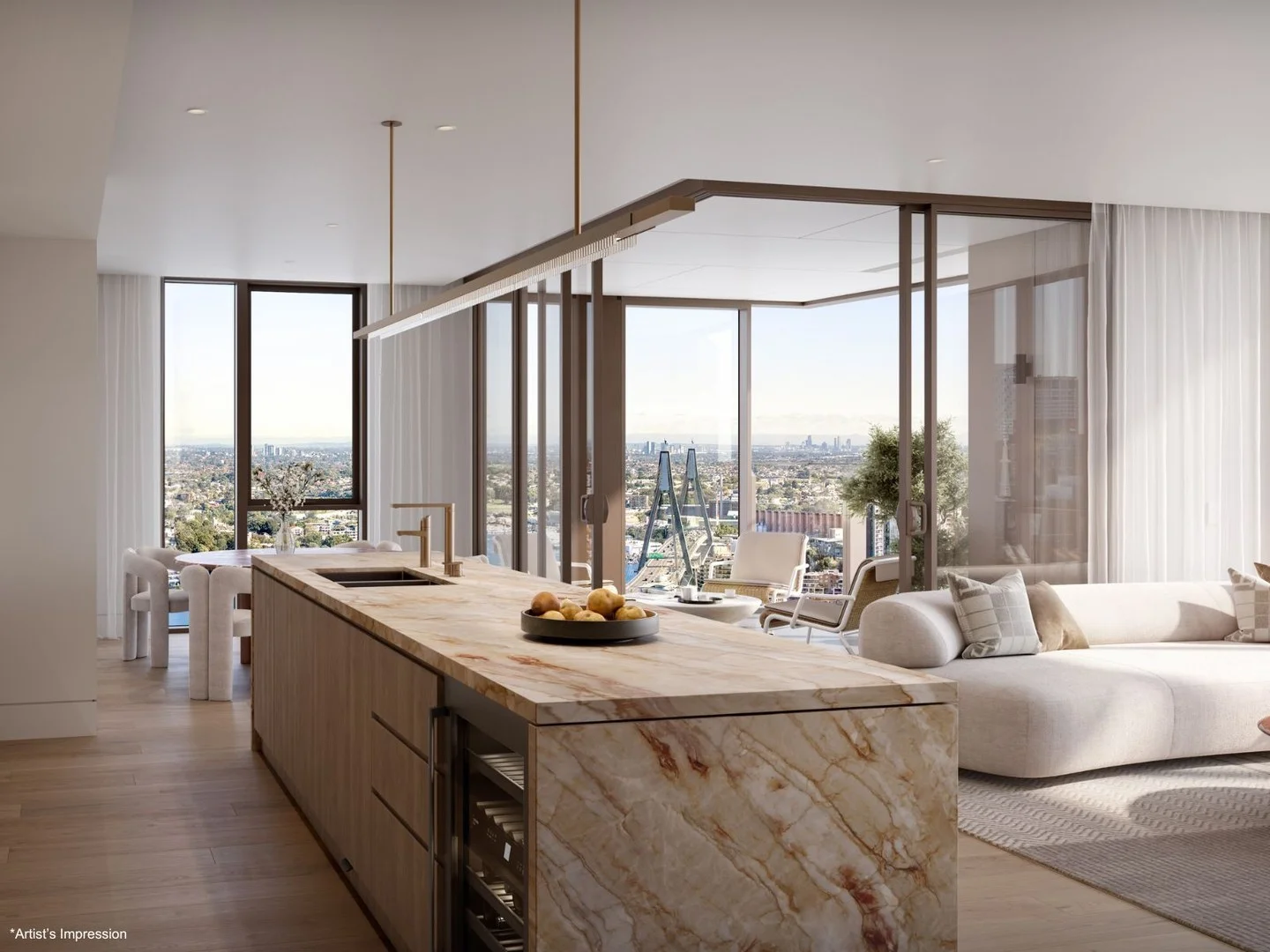 $9,020,000
propertyType.NEW APARTMENTS / OFF THE PLAN
$9,020,000
propertyType.NEW APARTMENTS / OFF THE PLAN
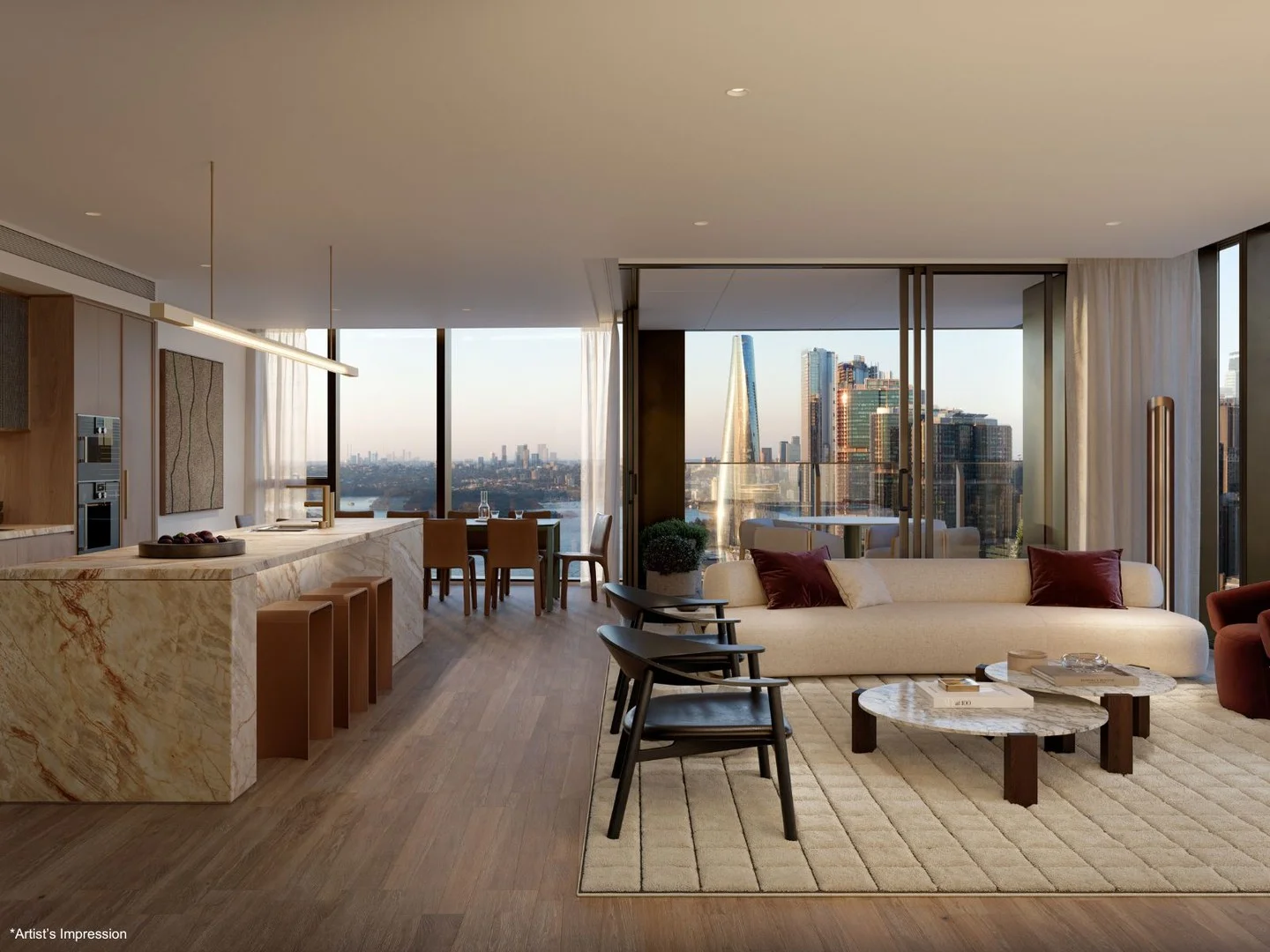 $12,980,000
propertyType.NEW APARTMENTS / OFF THE PLAN
$12,980,000
propertyType.NEW APARTMENTS / OFF THE PLAN


