Overview
# 1. Overview
Dallas Brooks Community Primary School is a public primary school in Victoria that serves families in and around the local community. The school is mid-sized, offering a welcoming and inclusive atmosphere where students are encouraged to engage, learn, and grow across a broad curriculum. Class sizes are typically in the low 20s, supporting individual attention while enabling collaborative learning, group projects, and student participation.
The culture at Dallas Brooks emphasises wellbeing, respect, and achievement. It aims to balance academic development with social-emotional learning, inclusivity, and a sense of belonging for students from diverse backgrounds.
# 2. Academics & Learning
- Academic strengths: Focus on literacy and numeracy with integrated STEM activities to build problem-solving and critical thinking. Opportunities for extended learning in areas like leadership and creative thinking are often made available through school programs.
- Special programs: STEAM/technology integrated activities, and gifted/talented opportunities where appropriate, plus targeted support for students needing extra help.
- NAPLAN trends: Historically, schools in this sector aim to maintain or improve literacy and numeracy outcomes with steady growth across recent years; performance tends to stay above state averages in many cohorts, with gradual improvements over time.
- Student-teacher ratios: Typically around 1:22 in standard classes, with additional support staff to assist targeted groups or individuals as needed.
- Support for diverse learners: EAL support, SEN support, and inclusion practices are commonly available to help all students access learning and reach their potential.
# 3. Sports & Extracurricular Strengths
- Sports offered: A range of core sports such as Australian rules football, cricket, soccer, basketball, athletics, and swimming programs, with opportunities to participate in inter-school events.
- Strong teams or achievements: Students regularly participate in district and inter-school competitions; emphasis on teamwork, sportsmanship, and personal bests.
- Music, arts, drama programs: Active music and performing arts programs, school productions, choir or band opportunities, and opportunities to participate in drama activities.
- Clubs: Robotics, chess, coding, debating, environmental/sustainability clubs, and other enrichment activities are commonly available.
- Partnerships: Connections with local community clubs and participation in regional or inter-school competitions help extend opportunities beyond the classroom.
# 4. Wellbeing & Pastoral Care
- Anti-bullying approach: Whole-school anti-bullying policies and respectful relationships programs underpin daily interactions, often backed by restorative practices.
- House system: A house structure is used to foster community, healthy competition, and peer mentoring across year levels.
- Counsellors / wellbeing officers: Access to school-based counsellors or wellbeing support staff to assist with social-emotional needs and transitions.
- Transition support for new students: Orientation activities, buddy programs, and clear transition processes to help new students settle in smoothly.
# 5. Facilities
- Sports grounds: On-site spaces for physical education and sporting activities.
- Libraries: A functional library offering access to books, digital resources, and literacy programs.
- Science labs: Dedicated spaces for hands-on science learning and experiments.
- Music/performing arts centers: Areas for music, drama, and performance activities.
- Tech/innovation labs: Computer or IT suites and spaces for coding and digital projects.
- Cafeteria: On-site canteen or canteen facilities supporting healthy eating options.
- Updated playgrounds: Modern outdoor play areas and equipment for active recreation.
# 6. School Values & Community Culture
- School values / mission: Emphasis on respect, responsibility, resilience, and inclusion, with a focus on developing well-rounded individuals.
- Leadership style: Collaborative leadership with opportunities for student input (e.g., student council) and staff teamwork to support school goals.
- Behaviour expectations: Clear, consistently applied guidelines promoting positive behavior and restorative approaches to conflict.
- Community reputation: Strong involvement from families and local communities, with positive feedback on inclusion and support networks.
- Diversity & inclusion: Commitment to welcoming students from diverse backgrounds and providing appropriate supports to ensure equity in learning.
# 7. School Logistics & Daily Operations
- School hours: Typical day runs from start of morning sessions to afternoon completion, with recess and lunch breaks built in.
- Before/after school care: After-school care programs (OSHC or equivalent) are commonly available for families needing additional supervision.
- Uniform requirements: School uniform (usually a navy/green palette with logo polo shirts and appropriate bottoms) with sport uniform on designated days.
- Transport (train/bus routes): Local bus services and walk/cycle options are generally available; proximity to public transport may influence accessibility.
- Canteen availability: Canteen or lunch program commonly available with nutritious options; volunteers may be welcome.
- Fees (low/medium/high ranges): Public primary schools typically have low to modest optional costs (e.g., excursions, activity fees); core learning is funded through the state system.
# 8. Enrolment & Admissions
11. What is the enrolment process and timeline?
- Enrolment is typically managed through the state education system. Parents submit an application during the designated intake period, provide required documentation (proof of address, identity, and other records), and complete any school-specific steps such as orientation sessions if offered. Timelines vary by year and intake window, so check with the school or the local education department for exact dates and steps.
12. Is there a waiting list, and how does it work?
- Waiting lists are common when a year level is full. Local resident priority may apply in some cases. If placed on a waiting list, you’re notified when places become available; timelines depend on enrolment demand and space.
13. Are there any entry requirements, tests, or interviews?
- For most public primary schools in Victoria, there are no formal entrance tests. There may be a short intake interview or discussion with families to understand needs, and to plan supports (especially for EAL or SEN), but this varies by school.
14. Does the school accept mid-year transfers?
- Mid-year transfers are possible if there is space. Parents should contact the school as early as possible to discuss availability, documentation, and transition plans.
# 9. Frequently Asked Questions
- Why Parents Choose This School?
- A supportive, inclusive environment with strong wellbeing supports, solid literacy and numeracy programs, and varied extracurricular activities. Positive relationships with staff and a secure community help children thrive academically and socially.
- What type of student thrives at this school?
- Curious, engaged students who value teamwork, participation in activities beyond the classroom, and a respectful, collaborative learning environment.
- What opportunities are available for students to extend their skills (academics, sports, arts)?
- Enrichment in STEM/STEAM activities, leadership opportunities, clubs (robotics, coding, debating), advanced literacy/numeracy tasks, and regular participation in sports and performing arts.
- How does the school communicate with parents?
- Through newsletters, emails, a school app or portal, and regular parent-teacher meetings. Notices and updates are typically provided in clear, accessible formats.
- What is the school’s approach to teaching and learning?
- Student-centred, with a focus on literacy and numeracy, inquiry-based and collaborative learning, and integration of technology to support exploration and creativity.
- How does the school support students who need extra academic help?
- Targeted small-group support, EAL and SEN provisions, and individualized learning plans where required.
- What support is available for academic challenges?
- Access to teachers’ additional help, learning support staff, and coordination with families to address barriers to learning; referrals to external services when needed.
- How does the school communicate with parents? (Note: repeated question)
- See above: regular updates via newsletters, portal/app, and meetings.
- What are the class sizes and how much individual attention do students receive?
- Typical class sizes are around 20–25 students, with teachers focusing on providing differentiated instruction and targeted support to individuals and small groups.
- What extracurricular and sports opportunities are available?
- A range of sports, music and arts programs, and clubs such as robotics, chess, coding, and debating. Opportunities to represent the school in inter-school events are encouraged.
- What facilities does the school offer (sports, science, arts)?
- Modern facilities including sports grounds, a library, science labs, a music/performing arts area, technology/ICT labs, a canteen, and updated playgrounds.
- What is the school’s approach to technology and digital learning?
- Integration of digital tools into learning, access to computer or IT spaces, and opportunities for students to develop digital literacy and coding skills.
- What transport and accessibility options are available?
- Access via local public transport, walking or cycling options, and car drop-off routines. Accessibility considerations are addressed to support students with additional needs.
- What are typical school fees or additional costs?
- Public primary schools generally have low to modest optional costs (e.g., for excursions or materials). Parents are advised to check the school’s current fee schedule.
# 10. Short Pros & Cons list
- Pros
- Public, inclusive environment with strong wellbeing supports
- Balanced focus on academics, sport, and the arts
- Moderate class sizes conducive to individualized attention
- Broad range of extracurricular activities and clubs
- Active community involvement and partnerships
- Cons
- As a public school, programs and facilities depend on state funding and local demand, which may affect availability of certain enrichment opportunities
- Waiting lists can occur in high-demand year levels
- Mid-year transfers may require flexibility around intake processes and class placements
If you’d like, I can tailor this draft with more precise details once you confirm the exact enrolment numbers, current programs, and any recent upgrades or changes at Dallas Brooks Community Primary School.











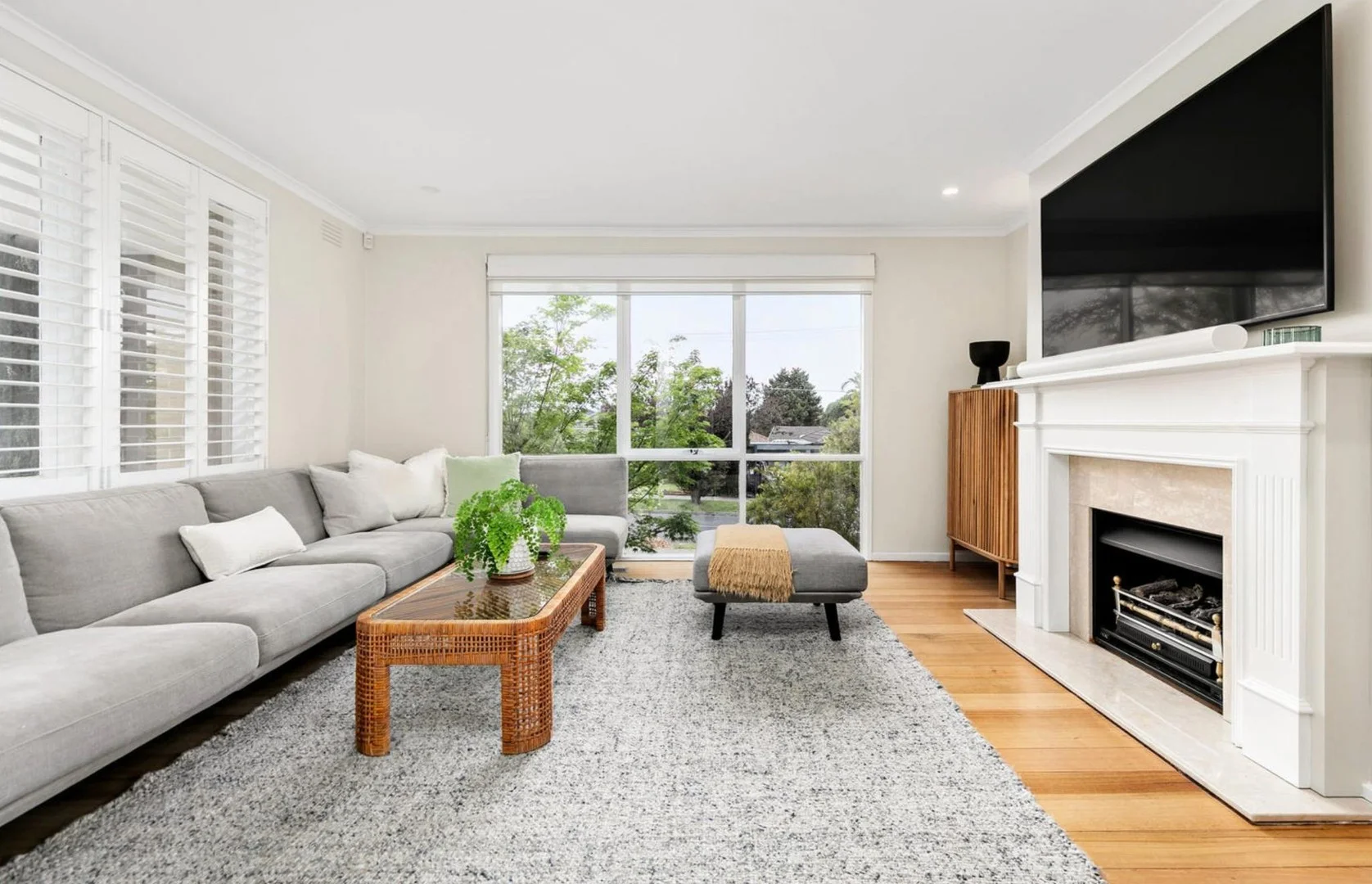 $750
House
$750
House
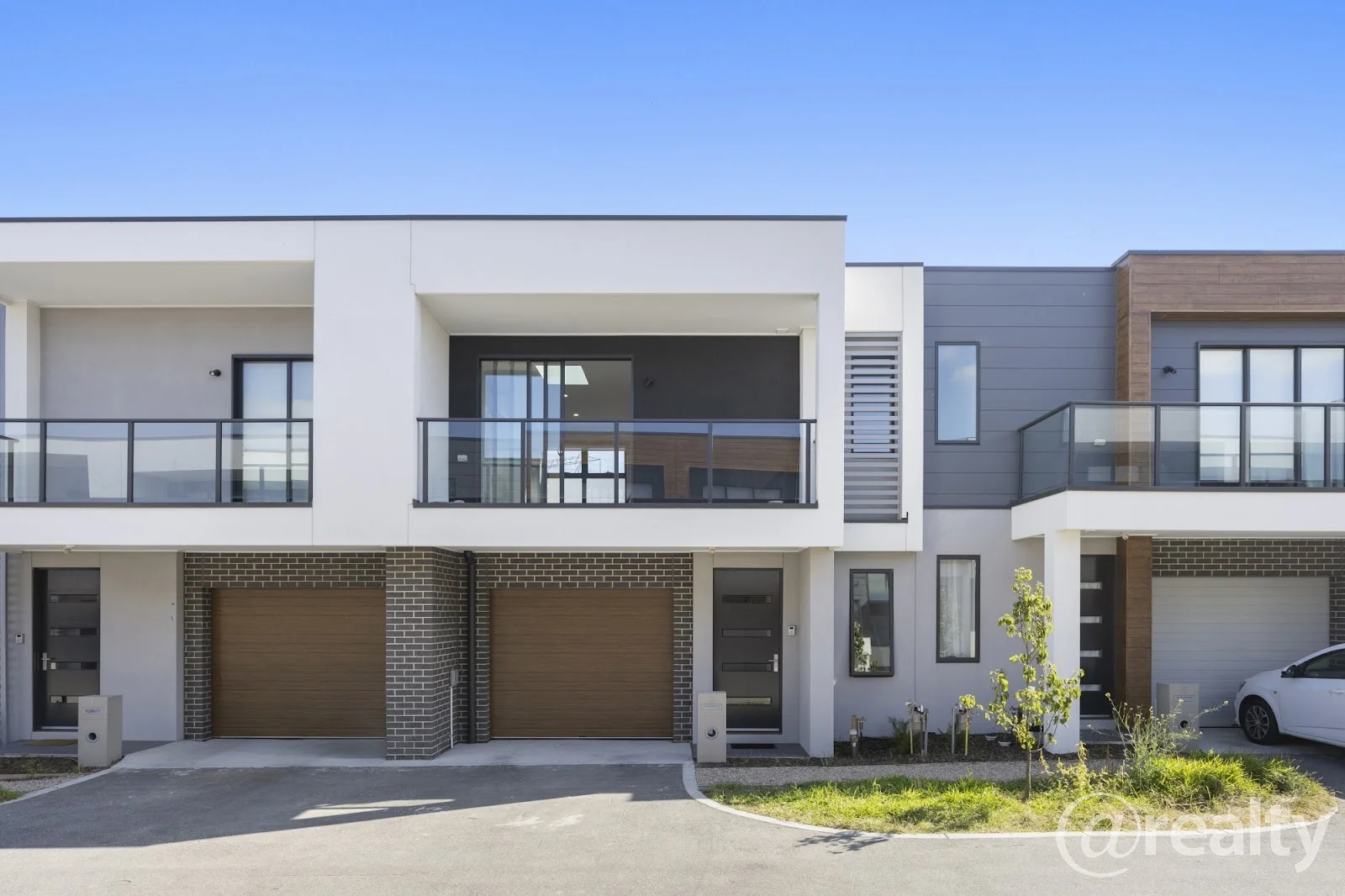 $510
Townhouse
$510
Townhouse
 $1,220,000 - $1,320,000
House
$1,220,000 - $1,320,000
House