- Overview
Dianella Heights Primary School is a public primary school in Western Australia that serves families in the Dianella area. The school aims to create an inclusive, welcoming environment where students are supported to achieve academically while developing confidence, resilience and positive social skills. It emphasizes a balanced approach to learning, wellbeing and community involvement.
- School type: Public
- School size: Medium
- Atmosphere/culture: Inclusive, nurturing, academically focused with strong emphasis on student wellbeing and community engagement
- Academics & Learning
Dianella Heights Primary School grounds its teaching in the Australian Curriculum, focusing on literacy, numeracy and key cross-curricular areas. The school aims to build strong foundational skills while offering opportunities to explore STEM, languages and creative/critical thinking.
- Academic strengths: Strong literacy and numeracy foundations; emphasis on STEM, digital literacy and creative arts; opportunities to develop leadership and communication skills
- Special programs: Gifted and Talented (where available), accelerated learning options and targeted support for students needing additional challenge or help
- Support for diverse learners: EAL/D support, SEN support and targeted interventions as part of inclusive education
- Sports & Extracurricular Strengths
Dianella Heights Primary School offers a varied mix of sport, arts and clubs to support well-rounded development and active participation.
- Sports offered: Team sports such as soccer, basketball, netball, cricket, AFL/footy programs, athletics; regular physical education activities
- Strong teams or achievements: Participation in inter-school events and local competitions; opportunities to contribute to school-representative teams
- Music, arts, drama programs: School choir, music ensembles, drama and performing arts activities
- Clubs: Robotics, coding, chess, debating and other interest-based clubs
- Partnerships: Local community groups and competitions connected to STEM, arts and sport; opportunities to engage with external programs and events
- Wellbeing & Pastoral Care
Wellbeing is a core focus, underpinning a safe and supportive learning environment.
- Anti-bullying approach: Whole-school positive behaviour framework and respectful relationship initiatives
- House system: House groups support belonging, teamwork and healthy competition
- Counsellors / wellbeing officers: Access to school wellbeing staff or counsellors to support students’ social-emotional needs
- Transition support for new students: Orientation activities, buddy systems and targeted onboarding to ease transitions
- Facilities
Facilities focus on supporting diverse learning experiences and student wellbeing.
- Sports grounds: Multi-use oval and court spaces for PE and games
- Libraries: Modern library with books and digital resources
- Science labs: Dedicated spaces for hands-on science activities
- Music/performing arts centers: Rooms for music, drama and performance
- Tech/innovation labs: STEAM/tech spaces for coding and design projects
- Cafeteria: On-site canteen or vending options supporting healthy choices
- Updated playgrounds: Safe, age-appropriate play areas and outdoor learning spaces
- School Values & Community Culture
The school fosters a values-driven culture that supports student growth, respectful interactions and inclusive participation.
- School values / mission: Respect, responsibility, integrity, kindness; focus on whole-child development
- Leadership style: Collaborative and distributed leadership with opportunities for student and parent involvement
- Behaviour expectations: Clear, positive behaviour expectations aligned with school values
- Community reputation: Active involvement from families and local community; emphasis on inclusivity and positive relationships
- Diversity & inclusion: Commitment to an inclusive environment that welcomes students of all backgrounds
- School Logistics & Daily Operations
Practical information to help families plan around school life.
- School hours: Typical start and finish times aligned with WA public-school hours
- Before/after school care: Available or community-based options may be offered
- Uniform requirements: School uniform is worn by students
- Transport (train/bus routes): Public transport options and school bus services as available in the area
- Canteen availability: Canteen or lunch program options for students
- Fees (low/medium/high ranges): No tuition for standard curriculum; minimal costs may apply for excursions, activities or optional programs
- Enrolment & Admissions
Enrolment is managed according to WA public-school processes, with guidance for families applying for entry.
- What is the enrolment process and timeline?
- Submit an enrolment application through the appropriate WA public-school channels.
- Provide required documentation (proof of address, birth certificate, immunisation records, etc.).
- The school coordinates placement based on catchment rules, availability and timelines set by the Department of Education. Orientation or information sessions may occur prior to start.
- Is there a waiting list, and how does it work?
- Waiting lists can occur for in-demand year levels or for out-of-area requests. Placement depends on space, catchment rules and enrolment priorities. The school will advise families of likely timelines and next steps.
- Are there any entry requirements, tests, or interviews?
- Generally, WA public primary schools do not require entrance exams. Some programs or placement decisions may involve brief discussions or intake information, but most enrolments are determined by standard documentation and catchment eligibility.
- Does the school accept mid-year transfers?
- Yes, subject to space and enrolment processes. Prospective mid-year transfers should contact the administration team, provide required documentation and coordinate with the new year level to ensure a smooth transition.
- Frequently Asked Questions
- Why Parents Choose This School?
- A supportive, inclusive environment with a focus on literacy, numeracy and wellbeing, plus opportunities across sports, arts and STEM.
- What type of student thrives at this school?
- Students who are motivated to learn, participate in a range of activities and value a caring, respectful community.
- What opportunities are available for students to extend their skills (academics, sports, arts)?
- A mix of advanced or gifted options where applicable, targeted academic support, multiple sports teams, clubs (robotics, coding, chess, debating) and arts programs (music, drama).
- How does the school communicate with parents?
- Regular updates through newsletters, email, a school app or portal, formal reporting and scheduled parent-teacher meetings.
- What is the school’s approach to teaching and learning?
- Student-centered learning aligned to the Australian Curriculum, with a focus on literacy, numeracy, digital literacy and skill development across subjects.
- How does the school support students who need extra academic help?
- Targeted interventions, EAL/D support, SEN support and access to additional tutoring or small-group instruction as needed.
- What support is available for academic challenges?
- Dedicated teachers and wellbeing staff collaborate to implement personalised plans and intervention strategies.
- How does the school communicate with parents? (Duplicate)
- See above: newsletters, email, school app/portal, parent meetings.
- What extracurricular and sports opportunities are available?
- A broad range including team sports, arts, music and clubs such as robotics, coding, chess and debating.
- What facilities does the school offer (sports, science, arts)?
- Sports grounds, libraries, science labs, music/performing arts spaces and tech/innovation labs, plus a canteen and updated playgrounds.
- What is the school’s approach to technology and digital learning?
- Integration of digital literacy and age-appropriate technology across the curriculum to develop 21st-century skills.
- What transport and accessibility options are available?
- Public transport options and school-based or local transport arrangements as appropriate for the area.
- What are the typical school fees or additional costs?
- Public-school enrollment involves no tuition; there may be modest costs for excursions, activities and optional programs.
- Short Pros & Cons list
Pros
- Supportive, inclusive learning environment with a focus on wellbeing
- Balanced academics with opportunities in STEM, arts and sport
- Active extracurriculars and clubs (robotics, coding, chess, debating)
- Clear values and positive behaviour approach
- Strong community involvement and parent engagement
Cons
- Availability of certain programs or after-school options can depend on year level and budget
- Transport options rely on public systems and service availability in the area
- Mid-year transfers depend on space and enrolment priorities; timing can affect placement
- Some programs may incur additional costs for excursions or resources
If you’d like, I can tailor this further with more precise details once you share any official numbers or descriptions you’d like included.











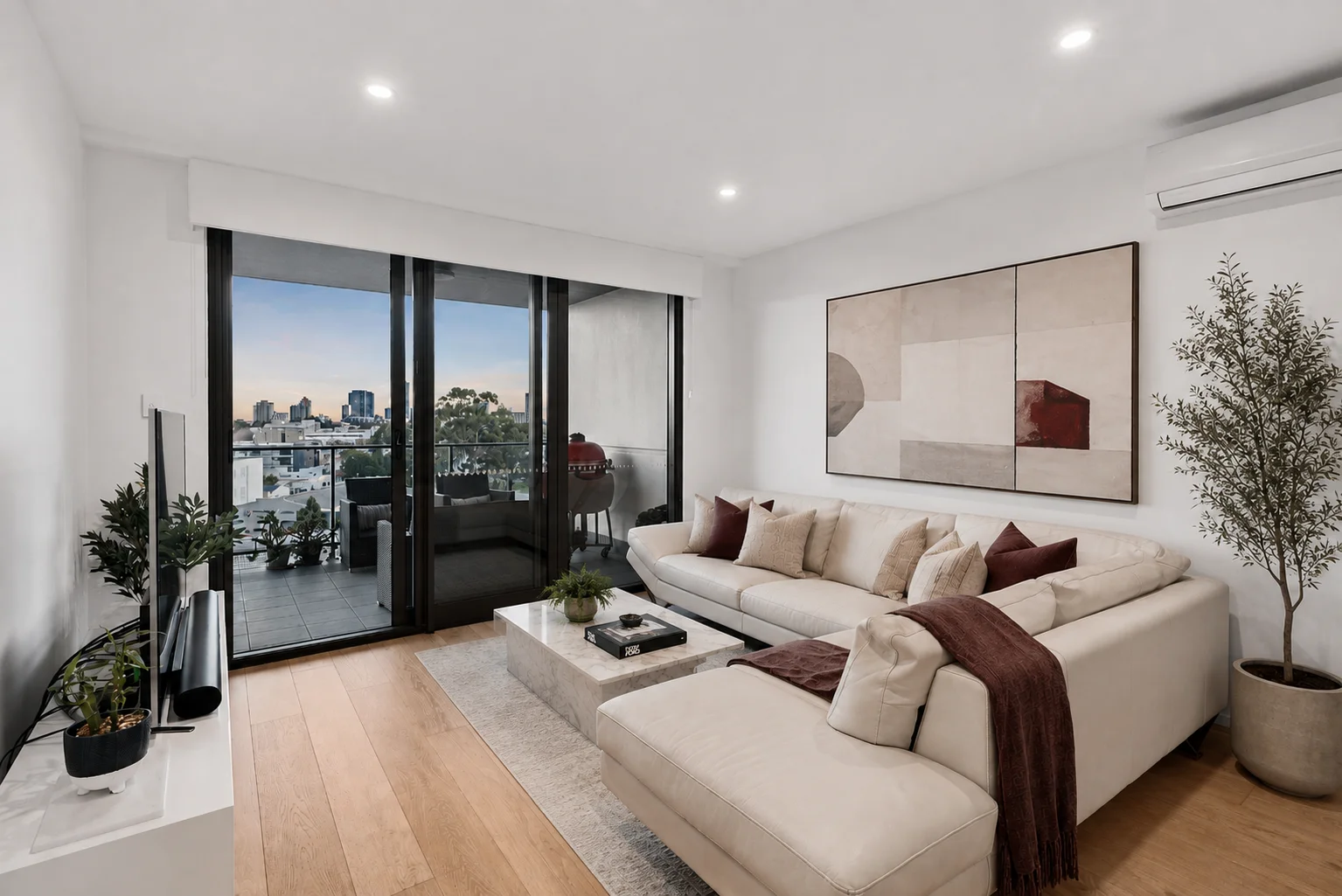 $700,000
Apartment / Unit / Flat
$700,000
Apartment / Unit / Flat
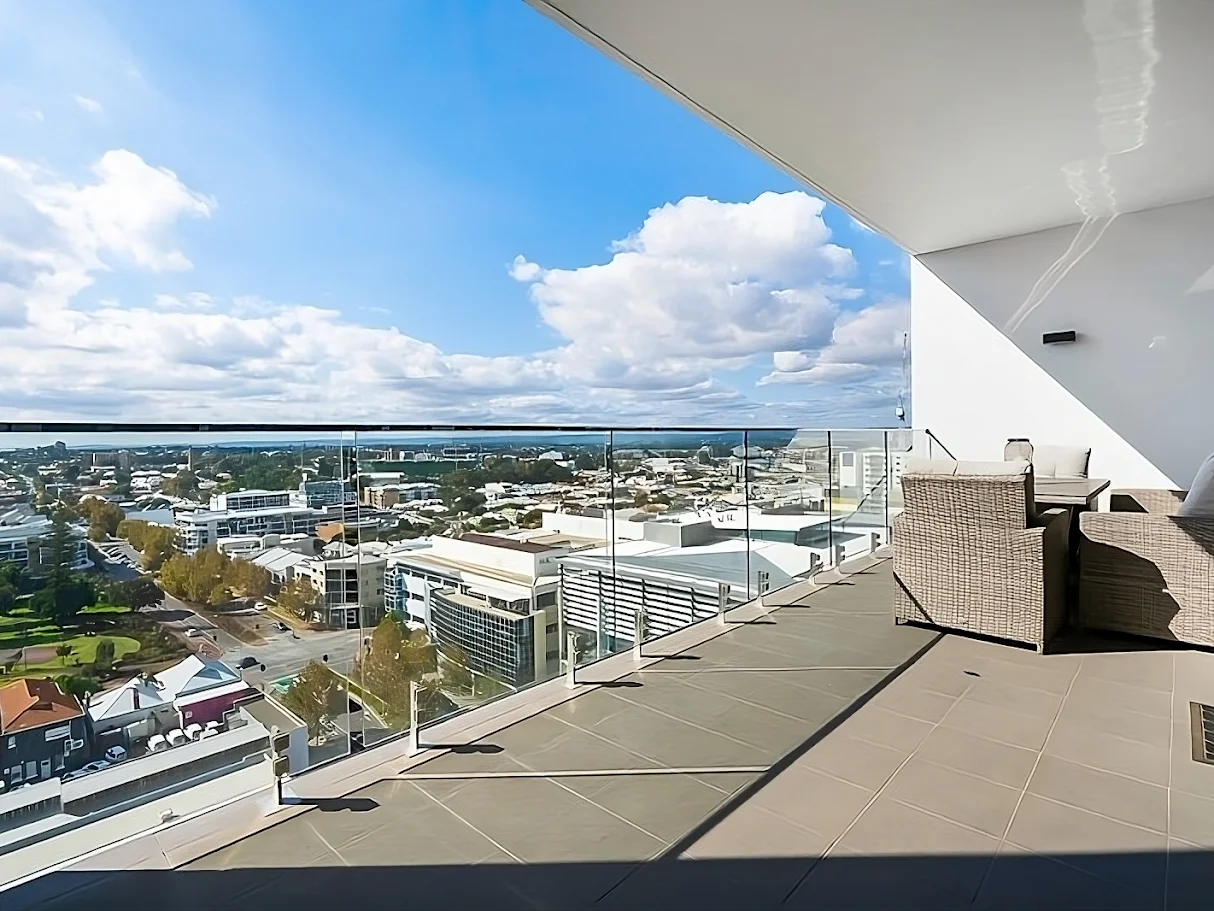 $580,000
Apartment / Unit / Flat
$580,000
Apartment / Unit / Flat
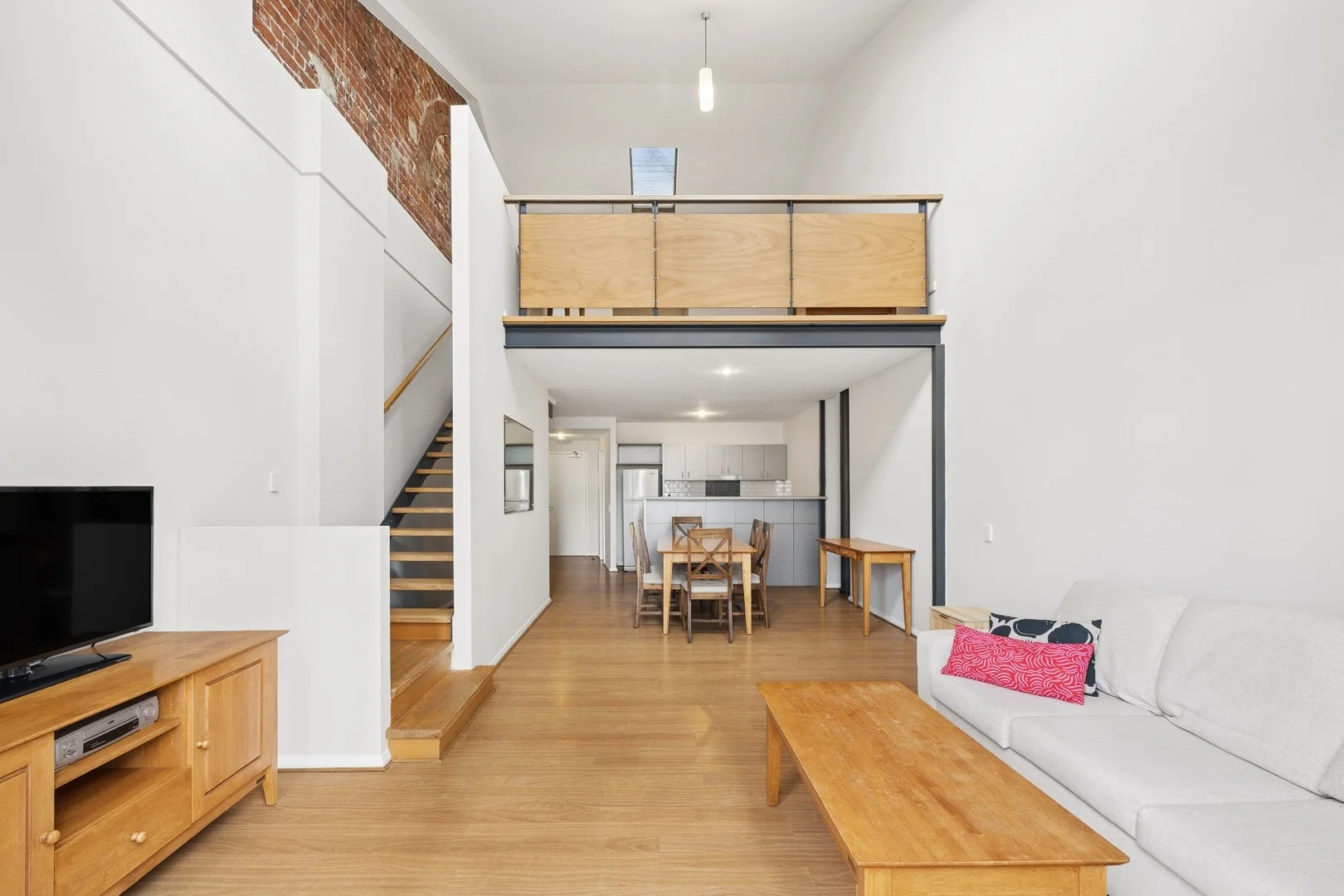 $549,000
Apartment / Unit / Flat
$549,000
Apartment / Unit / Flat
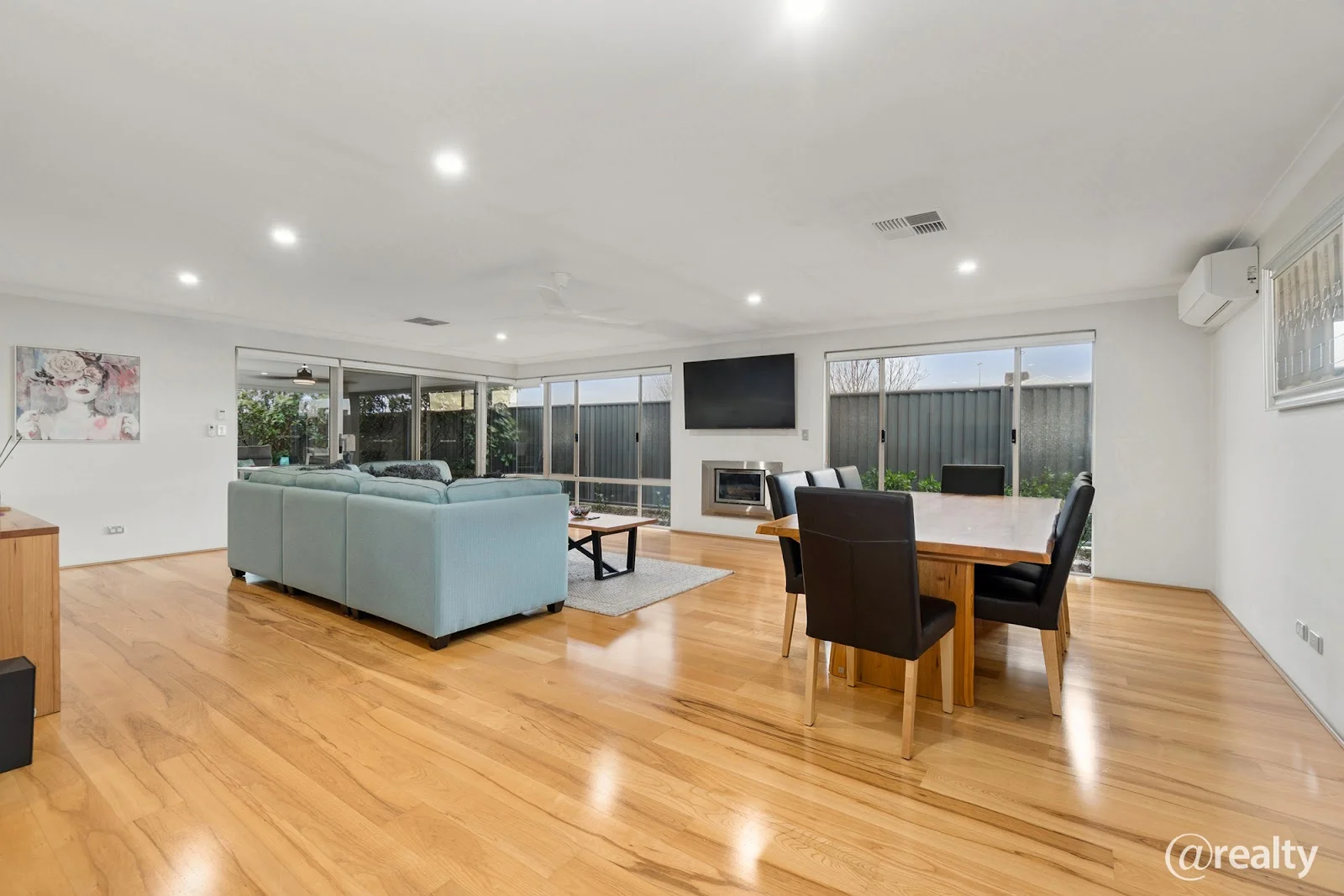 $1,030,000
House
$1,030,000
House
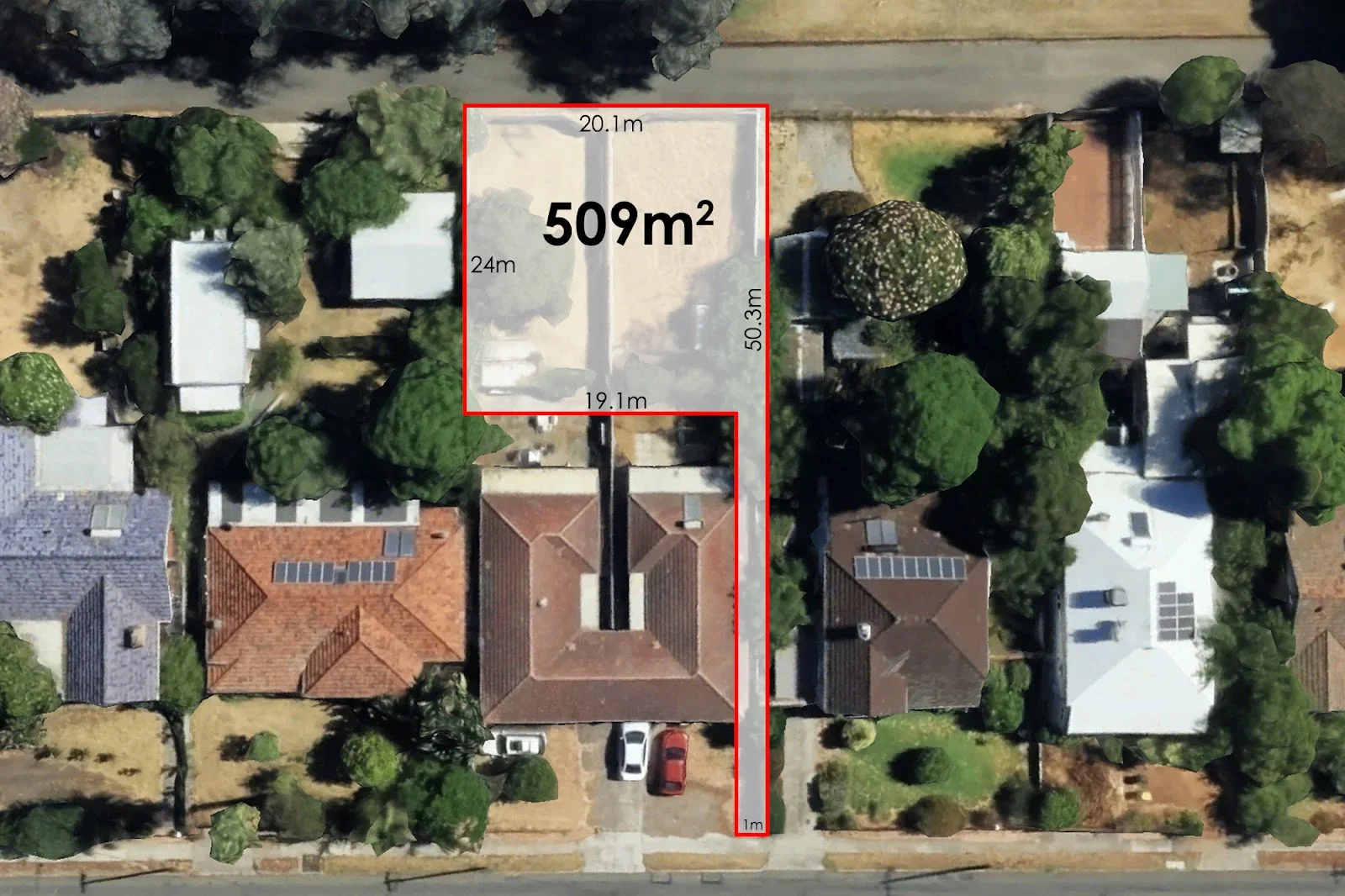 $480,000
Vacant Land
$480,000
Vacant Land