Overview
1. Overview
Victoria Park Primary School (WA) is a public primary school that serves families in and around the Victoria Park area. The school emphasises a welcoming, inclusive culture with a strong focus on literacy and numeracy, alongside opportunities in science, technology and the arts. The atmosphere is nurturing and community-minded, with a medium-sized school community that supports collaboration among staff, students and families.
- School type: Public
- School size: Medium
- Class size: Typically around 22–28 students per class
- Atmosphere/culture: Nurturing, inclusive, diverse and academically focused
⸻
2. Academics & Learning
Victoria Park Primary School prioritises solid foundational skills while expanding students’ horizons with STEAM, languages and leadership opportunities. There are pathways for extension and enrichment for students who demonstrate higher-level abilities.
- Academic strengths: Literacy and numeracy foundations, with growing emphasis on STEM, digital literacy and early leadership skills
- Special programs: Opportunities for extension/advanced learning and participation in school-led leadership activities
- NAPLAN trends: Steady performance with strengths typically seen in literacy and numeracy; trends show continued improvement and consistency over time
- Student-teacher ratios: Approximately 1:22 (varies by year and class)
- Support for diverse learners: EAL support and SEN support available; targeted interventions and inclusive practices
⸻
3. Sports & Extracurricular Strengths
The school supports a well-rounded program that appeals to families prioritising sport, arts and clubs, with opportunities for inter-school involvement.
- Sports offered: Athletics, soccer, netball, basketball, cricket, swimming and playground-based physical education activities
- Strong teams or achievements: Active participation in district-level events and inter-school competitions
- Music, arts, drama programs: Regular music and performing arts opportunities, assemblies and school productions
- Clubs: Robotics, chess, coding, debating and other student-led clubs
- Partnerships: Local community clubs and inter-school competitions provide additional pathways and challenges
⸻
4. Wellbeing & Pastoral Care
Wellbeing is a central pillar of school life, with programs designed to support every student’s social and emotional development.
- Anti-bullying approach: Clear anti-bullying policies, student mentoring and buddy programs to promote respectful behavior
- House system: House groups to foster belonging, friendly competition and teamwork
- Counsellors / wellbeing officers: Access to school-based wellbeing staff to support students and families
- Transition support for new students: Orientation sessions, buddy programs and dedicated staff support to ease transitions
⸻
5. Facilities
Facilities are designed to support a broad curriculum and a safe, engaging learning environment.
- Sports grounds
- Libraries
- Science labs
- Music/performing arts center
- Tech/innovation labs
- Cafeteria
- Updated playgrounds
⸻
6. School Values & Community Culture
The school community is built on values that guide everyday learning and behavior, with a focus on inclusion and positive leadership.
- School values / mission: Respect, Responsibility, Integrity, Cooperation (embedded in daily practice)
- Leadership style: Distributed leadership with opportunities for student voice and teacher collaboration
- Behaviour expectations: Clear guidelines that promote respect, fairness and accountability
- Community reputation: Friendly, welcoming, and collaborative with an active parent community
- Diversity & inclusion: Strong emphasis on inclusivity and supporting families from diverse backgrounds
⸻
7. School Logistics & Daily Operations
Practical information to help families plan around school life.
- School hours: Typical start and finish times aligned with WA public school schedules
- Before/after school care: Availability of before/after school care through approved providers
- Uniform requirements: School uniform required (as per Department of Education guidelines)
- Transport (train/bus routes): Public transport options are accessible nearby; bus routes and connections available locally
- Canteen availability: Canteen or canteen services offered on-site or via approved arrangements
- Fees (low/medium/high ranges): Public school charges are modest; voluntary contributions and standard materials fees may apply
⸻
8. Enrolment & Admissions
11. What is the enrolment process and timeline?
- Enrolment is handled through the WA Department of Education process. Parents submit an application with proof of residence, the child’s birth certificate, immunisation details and any required documentation. Timelines vary by intake period; it’s best to start the process several months before the desired start date. Local catchment rules apply, and schools confirm placement after review of the application.
12. Is there a waiting list, and how does it work?
- If the school reaches capacity, a district-managed waiting list is used. Waiting lists are typically ordered by priority (e.g., catchment eligibility, special circumstances) and vacancies are offered as they arise. Late-year transfers may be possible if space becomes available.
13. Are there any entry requirements, tests, or interviews?
- Public primary schools in WA generally do not require entrance tests. Admissions are based on the Department’s enrolment criteria, with possible interviews or discussions used to understand family needs and placement suitability only if required by the school or district.
14. Does the school accept mid-year transfers?
- Yes, mid-year transfers may be accepted if there are available places. If not, a waiting list or alternate arrangements may be suggested by the school or district.
⸻
9. Frequently Ask Questions
- Why Parents Choose This School?
Families choose Victoria Park Primary School for its solid foundational academics, supportive environment, inclusive culture and active community involvement. The school offers a balanced program across literacy, numeracy, STEM, arts and sport, with a welcoming atmosphere for families new to the area.
- What type of student thrives at this school?
Students who are motivated by a well-rounded program, who value inclusivity and teamwork, and who respond well to a supportive teacher-student relationship tend to thrive.
- What opportunities are available for students to extend their skills (academics, sports, arts)?
Extension and enrichment opportunities exist within the classroom and through clubs (robotics, coding, chess, debating), alongside sport teams, music/arts performances and leadership activities.
- How does the school communicate with parents?
Regular updates through newsletters, emails and the school portal; parent-teacher meetings and open forums are held to share progress and welcome feedback.
- What is the school’s approach to teaching and learning?
A focus on strong literacy and numeracy foundations, integrated STEAM experiences, and inclusive teaching practices that meet diverse learning needs.
- How does the school support students who need extra academic help?
Targeted intervention programs, EAL and SEN support, and collaboration with families to tailor assistance.
- What support is available for academic challenges?
Dedicated staff provide extra tutoring, monitoring and adjustment of learning plans as needed.
- How does the school communicate with parents? (Repeated)
See above: newsletters, portals, and direct links to teachers and administration.
- What are the class sizes and how much individual attention do students receive?
Classes typically range around 22–28 students, with teachers providing daily instruction, feedback and targeted support to students as needed.
- What extracurricular and sports opportunities are available?
A broad range of clubs (robotics, coding, chess, debating) and sports (athletics, soccer, netball, basketball, cricket, swimming) with opportunities to compete in district events.
- What facilities does the school offer (sports, science, arts)?
Sports grounds, library, science labs, music/performing arts center, tech/innovation labs, canteen and updated playgrounds.
- What is the school’s approach to technology and digital learning?
Emphasis on digital literacy, access to devices and age-appropriate software to support learning across subjects.
- What transport and accessibility options are available?
Proximity to public transport with available bus routes; safer drop-off/pick-up zones and accessibility considerations for families.
- What are the typical school fees or additional costs?
Public schools have modest voluntary contributions and material fees; families may incur costs for activities or consumables beyond standard charges.
⸻
10. Short Pros & Cons list
Pros
- Public, inclusive environment with a balanced curriculum
- Strong foundations in literacy and numeracy
- Wide range of extracurriculars and clubs
- Supportive wellbeing programs and staff
- Active community involvement and parent engagement
Cons
- Class sizes near the upper end of some primary ranges during peak years
- As a public school, funding and program capacity can vary by year and cohort
- Transport options depend on local public routes and services
⸻










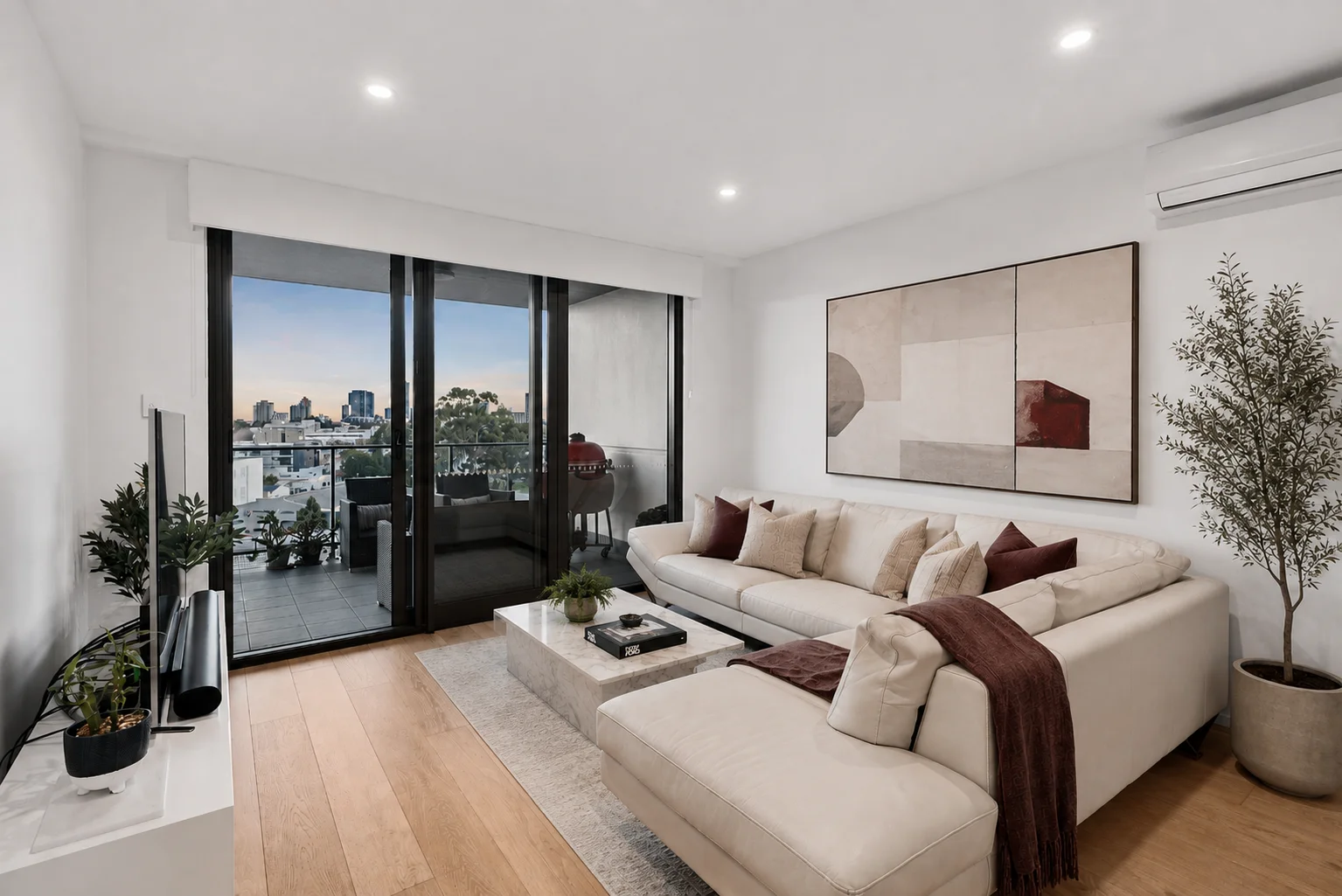 $700,000
Apartment / Unit / Flat
$700,000
Apartment / Unit / Flat
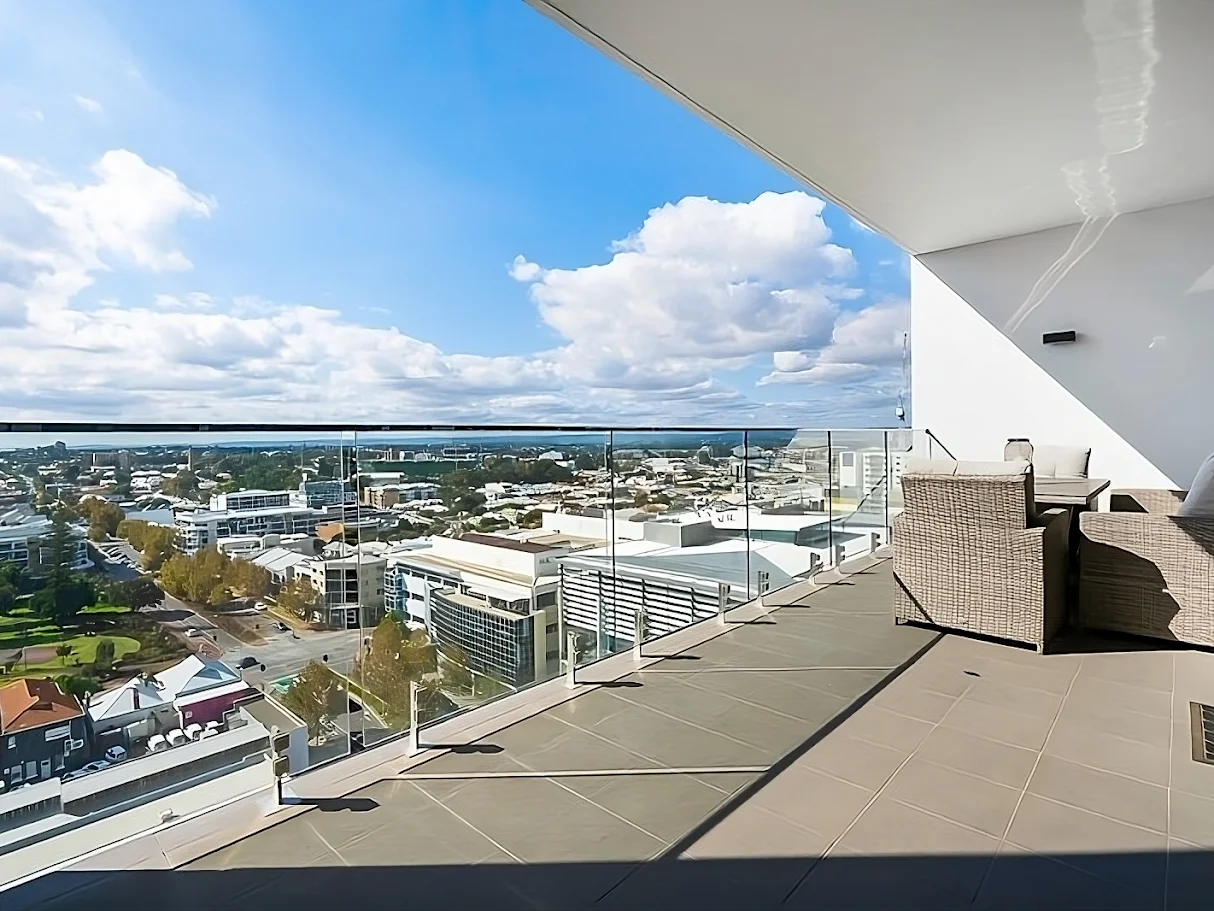 $580,000
Apartment / Unit / Flat
$580,000
Apartment / Unit / Flat
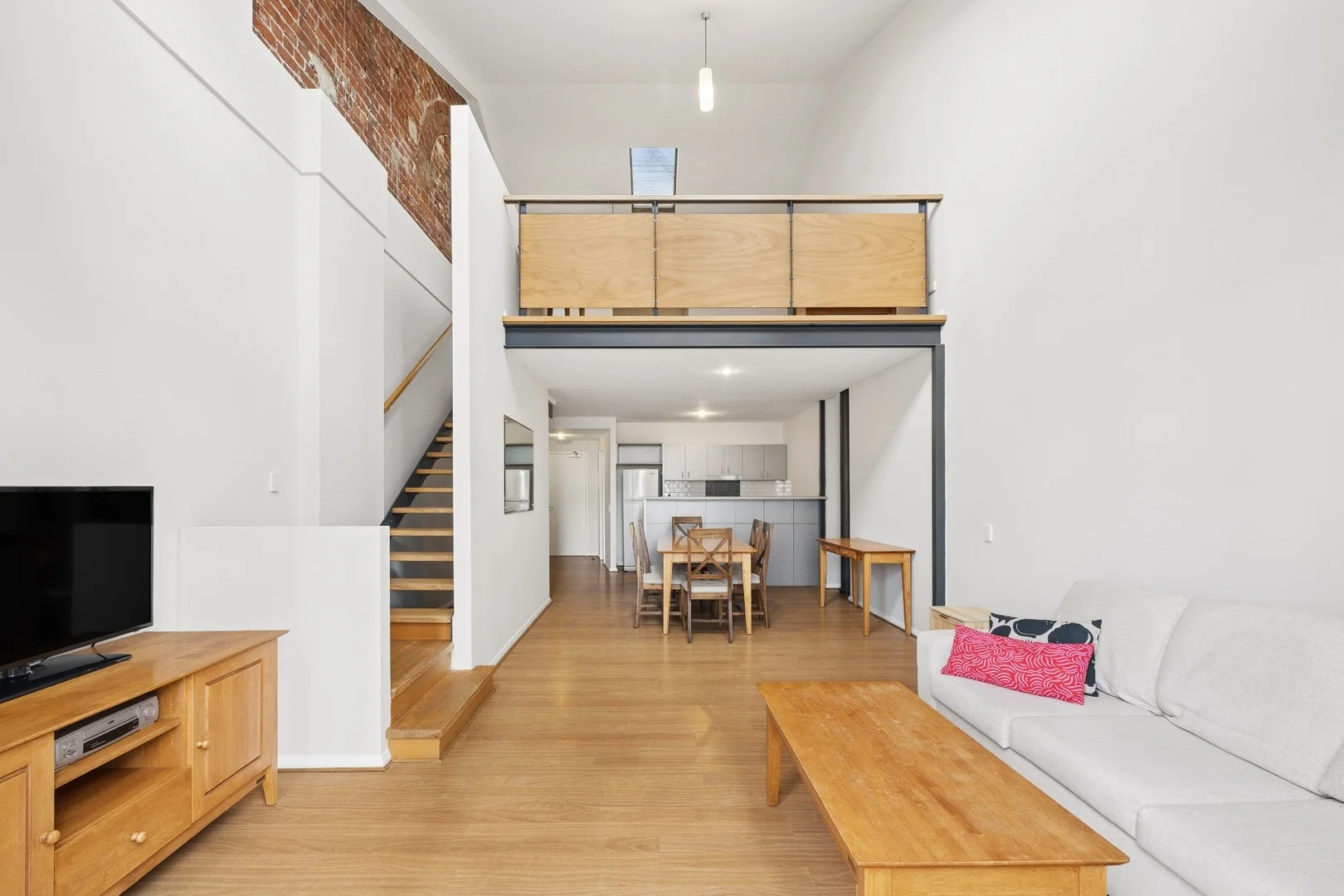 $549,000
Apartment / Unit / Flat
$549,000
Apartment / Unit / Flat
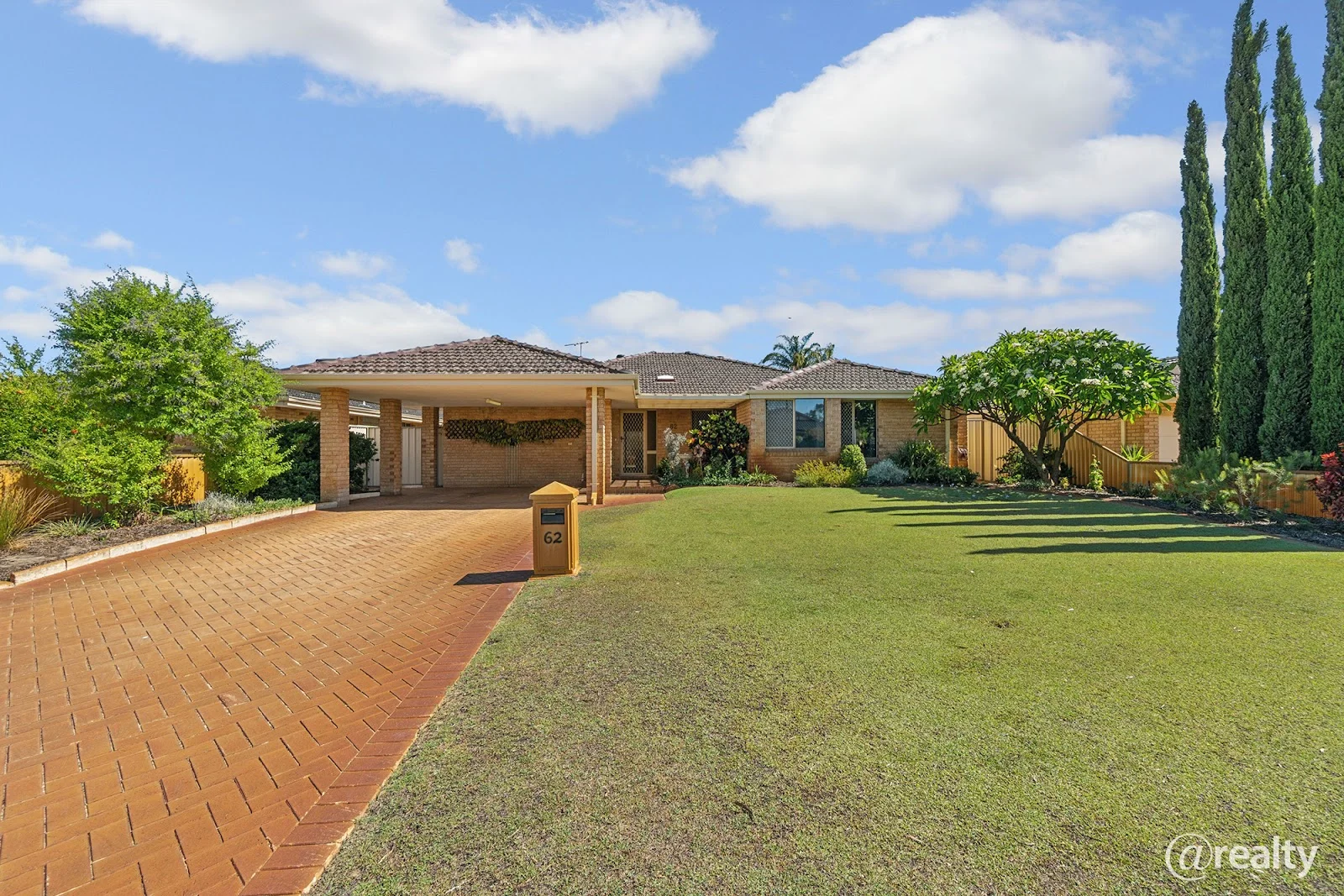 $1,099,000 - $1,153,950
House
$1,099,000 - $1,153,950
House
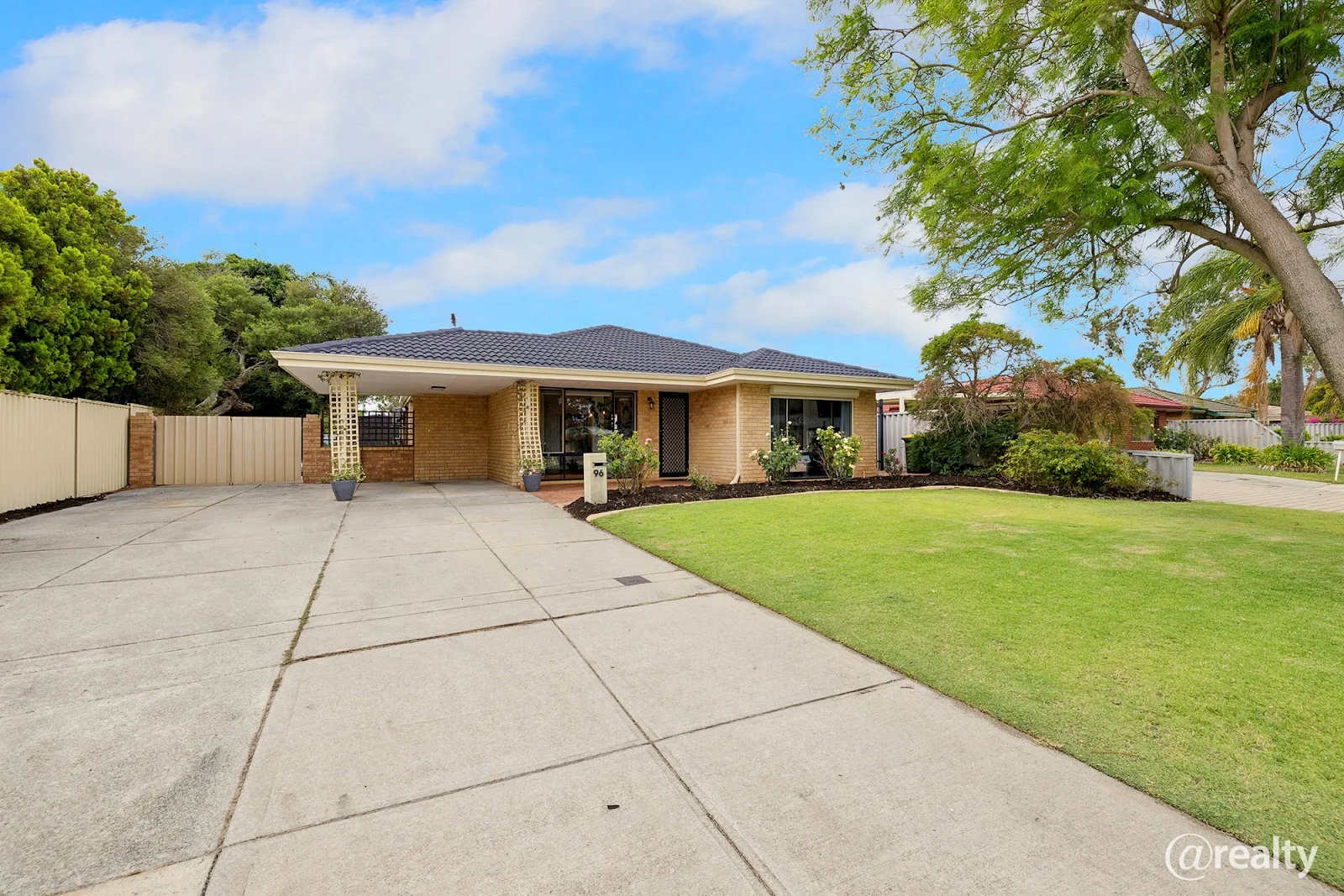 $899,000 - $943,950
House
$899,000 - $943,950
House
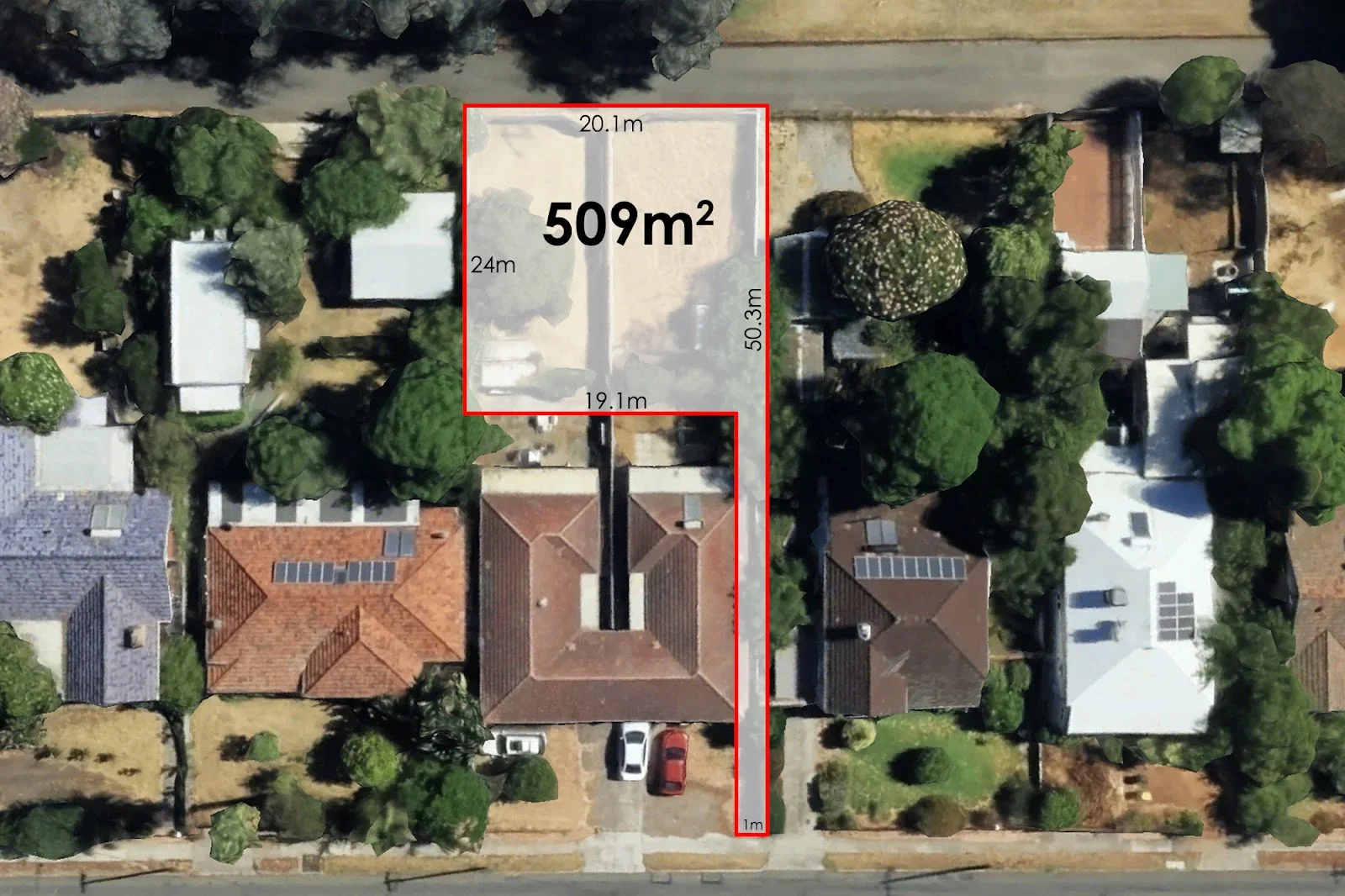 $480,000
Vacant Land
$480,000
Vacant Land