Overview
1. Overview
Edenbrook Secondary College is a public, co-educational secondary school serving students in the Pakenham area of Victoria. It aims to provide a well-rounded education that supports academic growth, social development, and positive wellbeing. The school fosters a welcoming and inclusive culture where students from diverse backgrounds can thrive and participate in a range of learning experiences.
- School type: Public
- School size: Medium
- Class size: Mid-20s (typical)
- Atmosphere/culture: Inclusive, supportive, academically focused, diverse
⸻
2. Academics & Learning
Edenbrook Secondary College emphasizes a balanced approach to learning, combining strong core academics with opportunities to explore interests beyond the classroom.
- Academic strengths: STEM and English/Literacy, leadership development, and languages are highlighted areas; the school supports a broad range of subject choices to prepare students for post-school pathways.
- Special programs: Gifted and Talented provisions, accelerated learning options where appropriate, and a broad VCE subject offering to suit varied interests and future plans (ATAR/alternative pathways).
- NAPLAN trends: Publicly available trend data typically show stable or improving results over recent years in key areas; refer to the school’s annual report for exact trend details.
- Student-teacher ratios: Aim to provide meaningful teacher contact through a reasonable student-to-teacher ratio and targeted small-group support where needed.
- Support for diverse learners: EAL (English as an Additional Language) support, SEN/inclusive education programs, and intervention strategies to help students reach their personal best.
⸻
3. Sports & Extracurricular Strengths
A strong focus on holistic development means students can pursue sport, arts, and enriched learning outside the classroom.
- Sports offered: A range of team and individual sports commonly available at secondary schools, such as football/soccer, netball, basketball, cricket, athletics, and swimming.
- Strong teams or achievements: Active participation in inter-school competitions with competitive teams across various sports.
- Music, arts, drama programs: School ensembles, choirs, drama productions, and opportunities in visual arts and media.
- Clubs: Robotics, chess, coding, debating, and other interest-based clubs to extend learning beyond the classroom.
- Partnerships: Connections with local sporting clubs, community organizations, and regional/zone competitions to broaden engagement and opportunities.
⸻
4. Wellbeing & Pastoral Care
Wellbeing is a central pillar of school life, helping students feel safe, supported, and ready to learn.
- Anti-bullying approach: Clear anti-bullying policies, education programs, and restorative practices to address issues constructively.
- House system: A house framework to foster belonging, friendly competition, and leadership opportunities.
- Counsellors / wellbeing officers: Access to school counsellors and wellbeing staff for personal, social, and academic support.
- Transition support for new students: Orientation programs, buddy systems, and transitional assistance to help new students settle in smoothly.
⸻
5. Facilities
The school provides a range of facilities designed to support learning, performance, and everyday student life.
- Sports grounds
- Libraries
- Science labs
- Music/performing arts centers
- Tech/innovation labs
- Cafeteria
- Updated playgrounds
⸻
6. School Values & Community Culture
Parents often look for a shared sense of purpose and a positive school climate. Edenbrook Secondary College aims to cultivate that.
- School values / mission: Core values typically include respect, integrity, inclusion, and resilience, guiding everyday learning and behavior.
- Leadership style: Student leadership opportunities alongside collaborative staff leadership foster ownership and responsibility.
- Behaviour expectations: Clear codes of conduct and positive behaviour support to maintain a respectful learning environment.
- Community reputation: A growing reputation for inclusivity, student support, and community engagement.
- Diversity & inclusion: Strong emphasis on diversity and inclusion across all aspects of school life.
⸻
7. School Logistics & Daily Operations
Essential day-to-day information to help families plan around school life.
- School hours: Typical school day starts mid-morning to around mid-afternoon; exact times are published in the official timetable.
- Before/after school care: May be offered or facilitated via partnerships; check local options and school programs.
- Uniform requirements: School uniform policy with details in enrolment materials.
- Transport (train/bus routes): Public transport options and school-specific travel guidance; information on bus/train routes and schedules is available through local transport authorities.
- Canteen availability: On-site canteen or cafeteria service providing meals and snacks.
- Fees (low/medium/high ranges): As a public school, costs are related to uniforms, materials, excursions, and activities; exact fees are published by the school.
⸻
8. Enrolment & Admissions
11. What is the enrolment process and timeline?
- Applications are usually submitted via the official school enrollment process with defined intake windows. Parents are guided through required documentation and timelines in the school’s enrolment information.
12. Is there a waiting list, and how does it work?
- If capacity is temporarily exceeded, a waiting list may be established and managed according to district policies and vacancy availability.
13. Are there any entry requirements, tests, or interviews?
- Entry requirements typically include eligibility for enrolment and may involve information sessions or meetings; specific tests or interviews are not always required but may occur for certain programs or year levels.
14. Does the school accept mid-year transfers?
- Mid-year transfers can be considered if spaces are available; the process generally involves the standard enrolment steps and coordination with the local education authority.
⸻
9. Frequently Asked Questions
- Why Parents Choose This School?
- Public, inclusive environment with a broad curriculum, supportive wellbeing services, and opportunities across academics, sport, and arts.
- What type of student thrives at this school?
- Students who are engaged, curious, collaborative, and motivated to participate in a broad range of activities and support programs.
- What opportunities are available for students to extend their skills (academics, sports, arts)?
- Access to a broad VCE subject set, leadership roles, STEM and arts clubs, sports teams, music ensembles, and debating.
- How does the school communicate with parents?
- Through regular newsletters, emails, parent portals, information evenings, and school websites/updates.
- What is the school’s approach to teaching and learning?
- Curriculum aligned with Victorian standards, emphasis on student engagement, differentiation, and assessment for learning.
- How does the school support students who need extra academic help?
- Targeted intervention, EAL/SEN support, tutoring opportunities, and small-group or one-on-one assistance.
- What support is available for academic challenges?
- Learning supports, counsellors, and access to dedicated staff who can connect students with appropriate resources.
- How does the school communicate with parents?
- (Repeated) Regular updates via multiple channels such as email, newsletters, portals, and information evenings.
- What are the class sizes and how much individual attention do students receive?
- Class sizes are mid-range with a focus on providing opportunities for individual attention and teacher support where needed.
- What extracurricular and sports opportunities are available?
- A wide range of sports, music/arts programs, robotics, chess, coding, debating clubs, and community partnerships.
- What facilities does the school offer (sports, science, arts)?
- Sports grounds, libraries, science labs, performing arts/music centers, tech/innovation labs, canteen, and updated playgrounds.
- What is the school’s approach to technology and digital learning?
- Integrated digital learning with access to devices and software to support learning, collaboration, and creativity.
- What transport and accessibility options are available?
- Public transport options, school travel guidance, and information on accessibility and parking.
- What are the typical school fees or additional costs?
- Public school fees cover many core items; additional costs may include uniforms, materials, and certain activities or excursions.
⸻
10. Short Pros & Cons list
Pros
- Public school with inclusive environment
- Broad academic and extra-curricular offerings
- Strong wellbeing and supportive services
- Access to a range of facilities (science, arts, sports, tech)
Cons
- As a medium-sized public school, some programs may operate with standard class sizes rather than very small groups
- Some activities or trips may require additional fees
- Availability of spaces can vary by year level and timing of enrolments
⸻







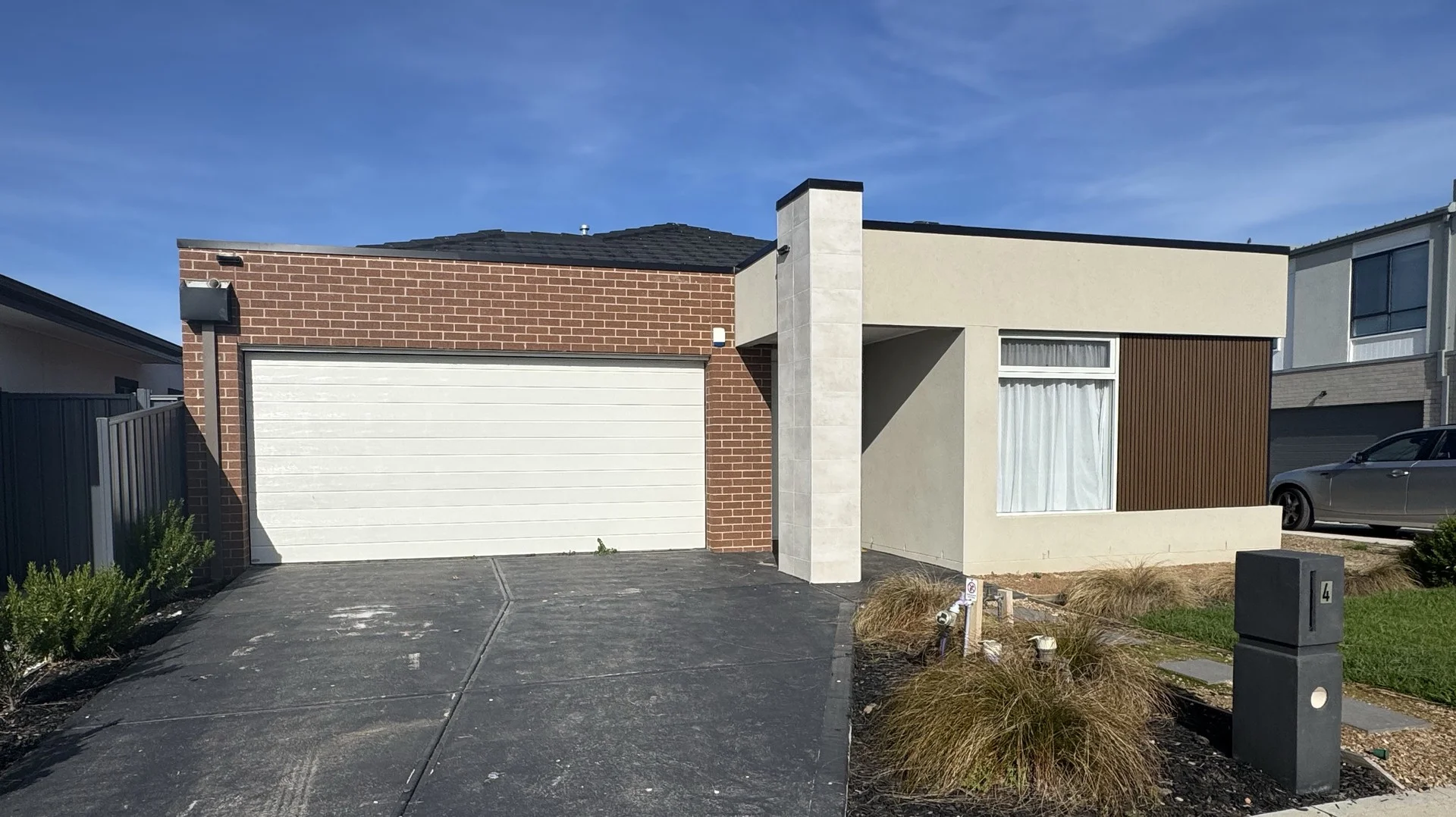 $600
House
$600
House
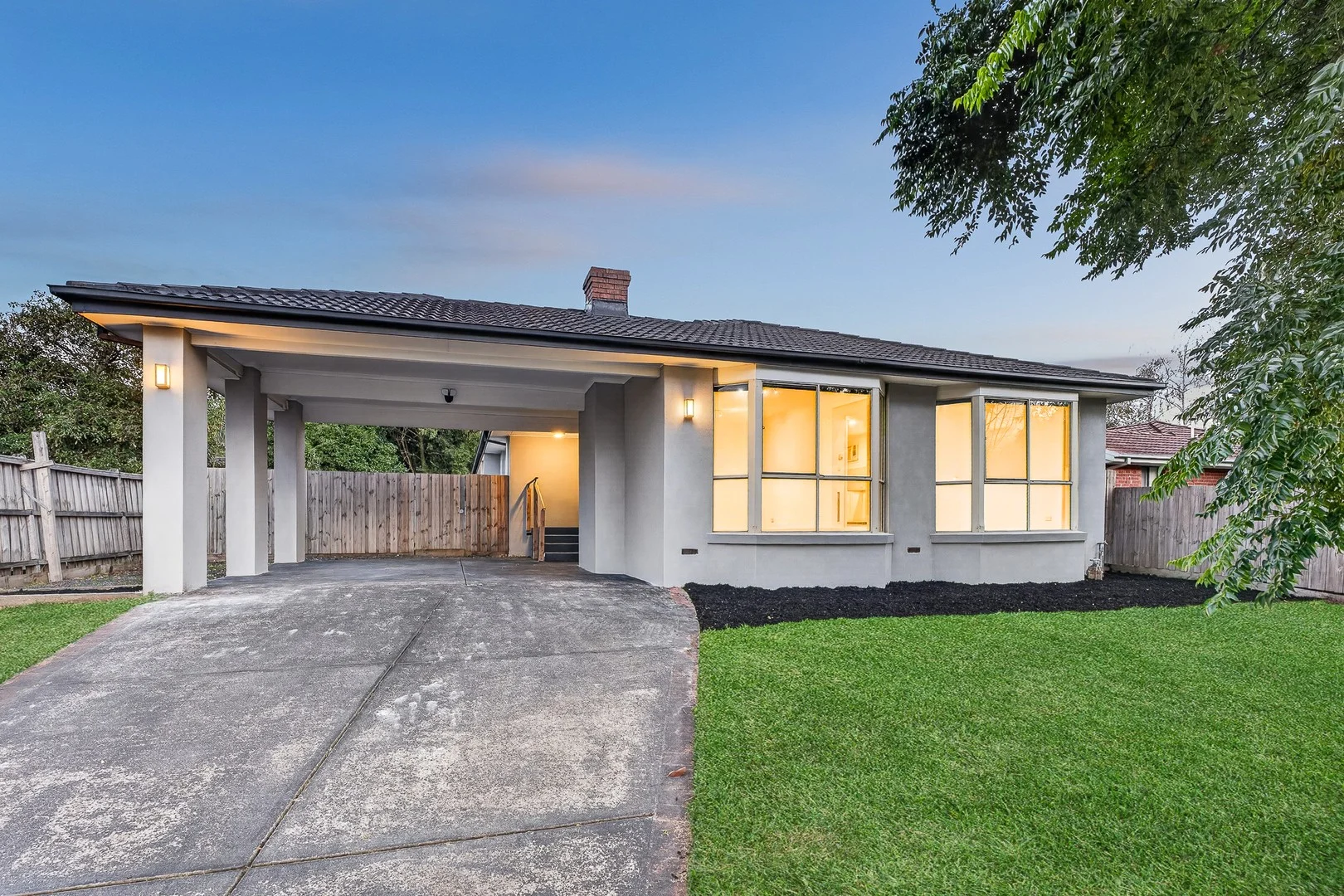 $800,000 - $880,000
House
$800,000 - $880,000
House
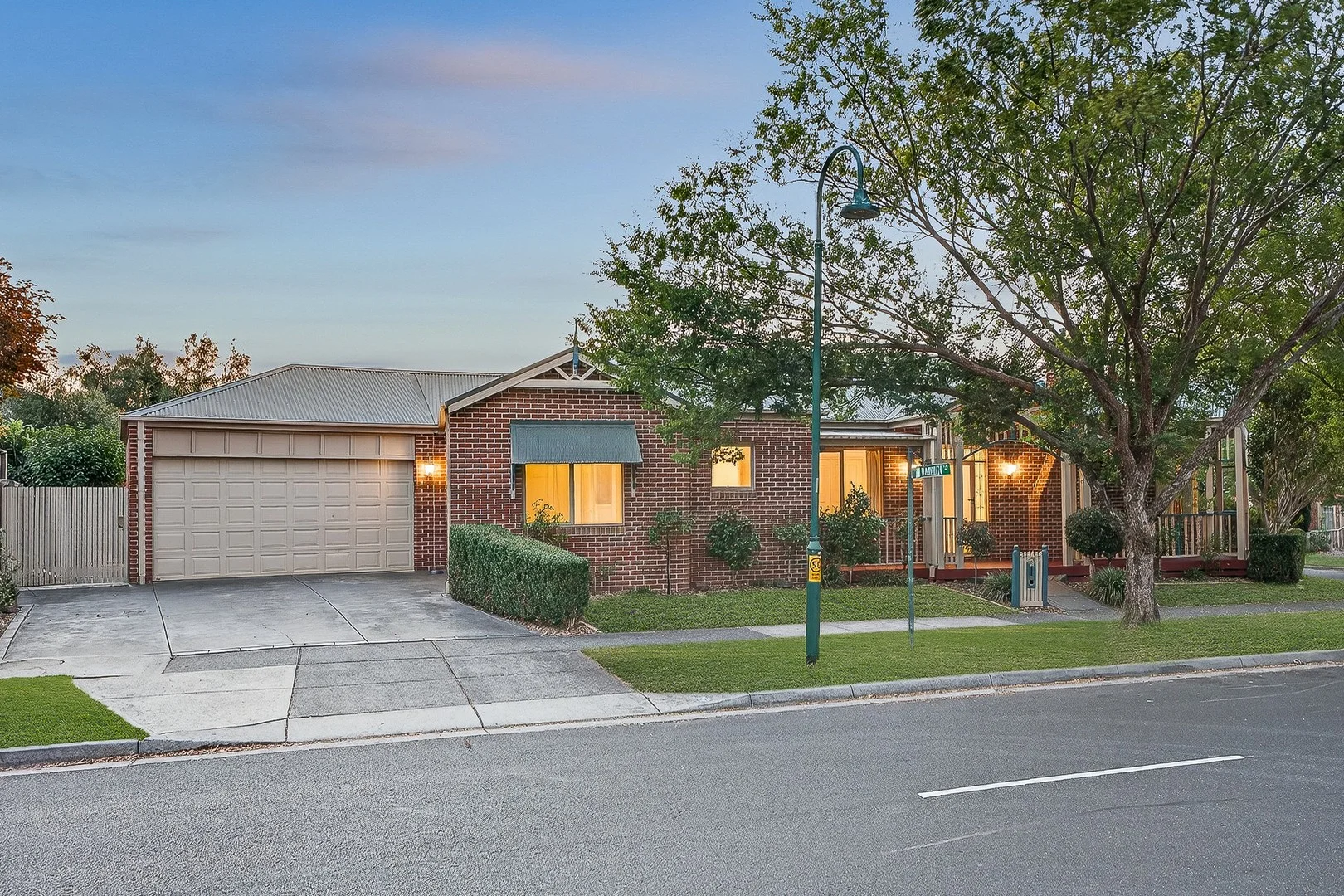 $700
House
$700
House
 $795,000 - $835,000
House
$795,000 - $835,000
House
 $595,000 - $645,000
House
$595,000 - $645,000
House