Overview
## Overview
Eileen O’Connor Catholic College is a Catholic co-educational secondary school serving students in Years 7–12. As a Catholic college, it blends academic study with a faith-centred ethos, emphasising service, character, and community. The school is medium-sized, which supports approachable class sizes and strong teacher–student relationships. The atmosphere is nurturing and inclusive, with a focus on student wellbeing, faith development, and supportive pastoral care.
## Academics & Learning
- Academic strengths: The college prioritises solid literacy and numeracy foundations, strong English and Mathematics, and robust programs across Science, Humanities, and the Arts. There is an emphasis on developing critical thinking, communication, and problem-solving skills, with opportunities to engage in STEM and leadership activities.
- Special programs: Gifted and Talented pathways and accelerated options are available for students seeking extension. The school supports HSC preparation and offers leadership development opportunities to foster student agency.
- NAPLAN / trends: Trends in recent years show steady progress in reading, writing, and numeracy, with performance typically around or above broader regional benchmarks. Schools often focus on continued improvement through targeted literacy and numeracy interventions.
- Student-teacher ratios: Class sizes are designed to enable meaningful interaction and support, with favorable student-teacher ratios that allow for small-group instruction and differentiation.
- Support for diverse learners: There are established supports for diverse learners, including EAL and SEN, with learning support staff and targeted programs to assist students needing additional help.
## Sports & Extracurricular Strengths
- Sports offered: The college provides a range of team and individual sports, including soccer, rugby league, basketball, netball, cricket, tennis, athletics, and swimming.
- Strong teams or achievements: Student teams compete in regional and inter-school competitions, with a track record of strong participation and competitive performances across several sports.
- Music, arts, drama programs: There are active music ensembles, a choir, and drama productions, along with opportunities to perform and compete in arts events.
- Clubs: Robotics, coding, chess, debating, and other clubs run throughout the year to support a variety of interests.
- Partnerships: The school engages with local clubs, competitions, and community programs to broaden opportunities for students, including partnerships with regional arts and sports organizations.
## Wellbeing & Pastoral Care
- Anti-bullying approach: The college adopts a clear anti-bullying policy with restorative practices and ongoing wellbeing education to promote respectful behaviour.
- House system: A house structure supports belonging, with pastoral care and leadership opportunities tied to house communities.
- Counsellors / wellbeing officers: Dedicated counsellors and wellbeing staff provide confidential support, wellbeing programs, and individual or small-group assistance.
- Transition support for new students: Comprehensive orientation sessions, buddy systems, and transition programs help new students settle in smoothly.
## Facilities
- Sports grounds: On-site sports facilities support a wide range of activities and inter-school sport.
- Libraries: A well-equipped library supports study, reading for pleasure, and research.
- Science labs: Modern science labs enable hands-on experiments across disciplines.
- Music/performing arts centers: Dedicated spaces for music, drama, and performance activities.
- Tech/innovation labs: ICT and innovation spaces support digital learning and project-based work.
- Cafeteria: On-site catering provides daily meals and snacks.
- Updated playgrounds: Modern play and seating areas contribute to a welcoming campus environment.
## School Values & Community Culture
- School values / mission: The college centres its mission on faith, service, excellence, and community. Core values guide behaviour, leadership, and service opportunities.
- Leadership style: Student leadership programs and teacher mentoring promote a collaborative, respectful leadership culture.
- Behaviour expectations: Clear expectations around safety, respect, responsibility, and integrity are embedded in daily life and routines.
- Community reputation: The school is regarded for its caring community, strong sense of belonging, and active parental involvement.
- Diversity & inclusion: The college embraces diversity and fosters an inclusive environment where all students feel valued and supported.
## School Logistics & Daily Operations
- School hours: The school day runs from morning to afternoon with structured periods and breaks.
- Before/after school care: Availability of supervision and programs outside normal hours supports families’ needs.
- Uniform requirements: A standard uniform policy applies, with approved items for everyday wear and sports.
- Transport (train/bus routes): Access to public transport and school-arranged or recommended bus routes helps students travel to and from campus.
- Canteen availability: An on-site canteen offers meals and snacks during the day.
- Fees (low/medium/high ranges): Fees are in the moderate range for a Catholic systemic high school, with additional costs for certain activities or optional programs. Government support and concessions may be available.
## Enrolment & Admissions
11. What is the enrolment process and timeline?
- Applications are typically submitted online with supporting documents. Information evenings and interviews may be part of the process. Offers are issued as seats become available, with timelines varying by year level and demand.
12. Is there a waiting list, and how does it work?
- A waiting list may operate when required. Applicants are placed in order of priority and date of application, and families are contacted if a place becomes available.
13. Are there any entry requirements, tests, or interviews?
- Entry often involves an interview or information session. Some schools may request supporting documents, parish or baptism information, and, for certain programs, additional assessment or discussion of needs.
14. Does the school accept mid-year transfers?
- Mid-year transfers can be possible if space is available. The process typically requires an official request,-leave/transfer documentation, a copy of previous school reports, and coordination with the campus leadership.
## Frequently Asked Questions
- Why Parents Choose This School?
- A values-based Catholic environment, strong wellbeing support, active faith life, and a focus on both academic and personal growth.
- What type of student thrives at this school?
- Students who are engaged, respectful, collaborative, and motivated to contribute to the school community while pursuing solid academic outcomes.
- What opportunities are available for students to extend their skills (academics, sports, arts)?
- Extension programs and accelerated pathways, diverse sports teams, arts ensembles, drama productions, robotics and coding clubs, debating, and leadership opportunities.
- How does the school communicate with parents?
- Through emails, newsletters, parent portals, information evenings, and regular updates from teachers and leaders.
- What is the school’s approach to teaching and learning?
- Student-centred, differentiated instruction, evidence-based practices, and integration of technology to support learning and critical thinking.
- How does the school support students who need extra academic help?
- Learning support services, EAL and SEN assistance, targeted interventions, tutoring, and small-group coaching.
- What support is available for academic challenges?
- Access to counsellors, subject tutoring, personalised learning plans, and early intervention strategies.
- How does the school communicate with parents?
- See above: multiple channels including digital and in-person communications; consistent updates from the school community.
- What are the class sizes and how much individual attention do students receive?
- Class sizes are in the mid-20s range, with a favorable student-teacher ratio that enables individual attention and targeted support.
- What extracurricular and sports opportunities are available?
- A broad mix of sports, music, drama, robotics, coding, chess, debating, and other clubs, plus competitions and inter-school events.
- What facilities does the school offer (sports, science, arts)?
- Comprehensive facilities including sports grounds, libraries, science labs, music/performing arts centers, tech/innovation labs, a canteen, and updated playgrounds.
- What is the school’s approach to technology and digital learning?
- Integration of ICT in lessons, use of digital platforms for learning and communication, and supported by appropriate safeguarding and tech policies.
- What transport and accessibility options are available?
- Public transport connections, school can provide information on bus routes and accessibility features, with safe drop-off/pick-up arrangements.
- What are the typical school fees or additional costs?
- Fees are generally moderate for a Catholic systemic high school, with possible additional costs for activities, trips, or electives; government concessions may apply.
## Short Pros & Cons list
- Pros
- Values-based Catholic environment with a focus on wellbeing and community
- Supportive pastoral care and inclusive atmosphere
- Strong academics with opportunities for extension and leadership
- Broad range of extracurriculars (sports, arts, clubs)
- Moderate class sizes and favorable student–teacher ratios
- Good facilities supporting science, arts, and technology
- Cons
- Fees apply (typical for Catholic systemic schools) and some costs may be extra for activities
- Admission can involve waiting lists during high-demand years
- As a faith-based school, religious instruction and ethos are central, which may not suit all families
- Mid-year transfers depend on space and may involve extra coordination











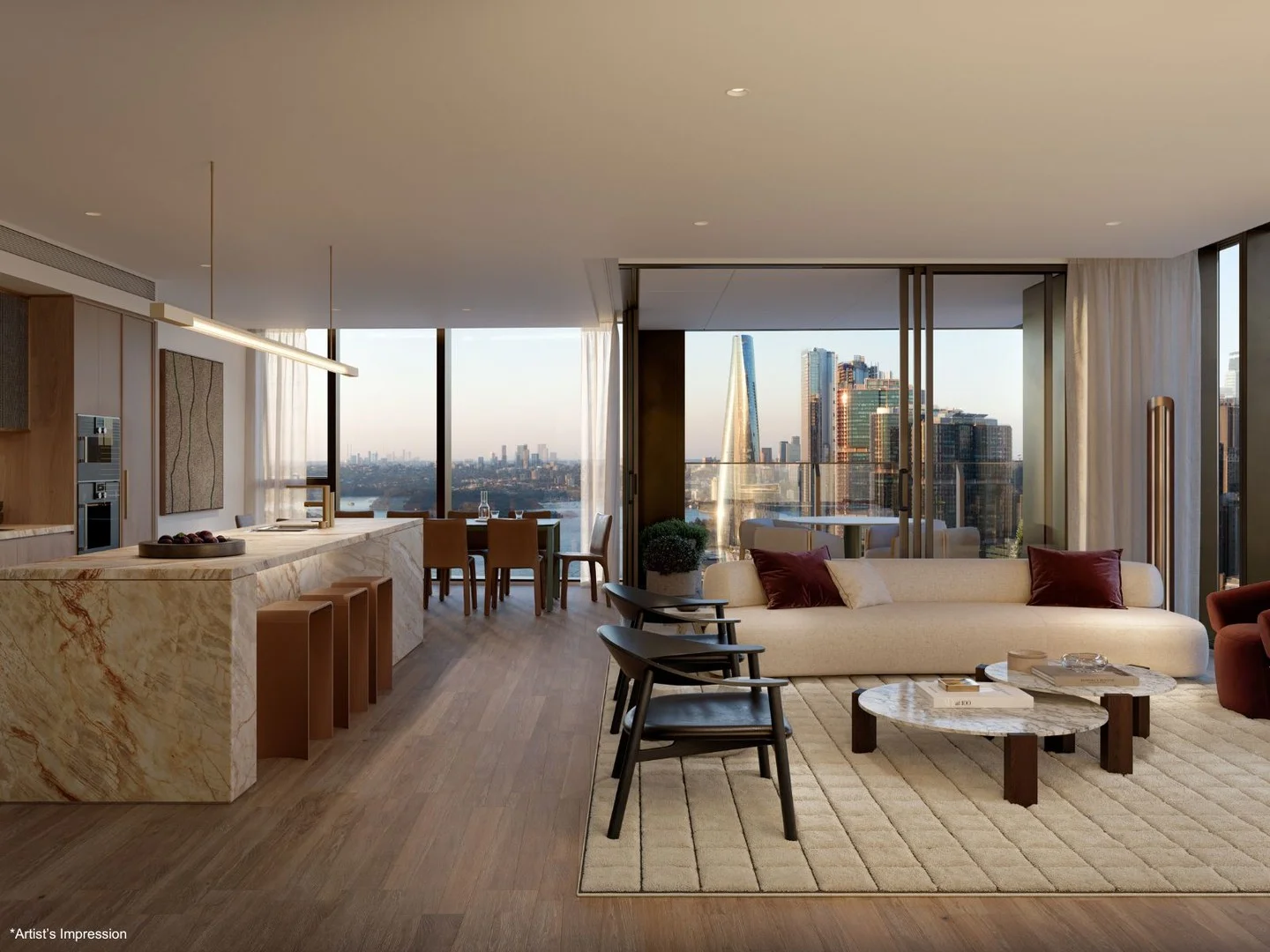
 $8,630,000
propertyType.NEW APARTMENTS / OFF THE PLAN
$8,630,000
propertyType.NEW APARTMENTS / OFF THE PLAN
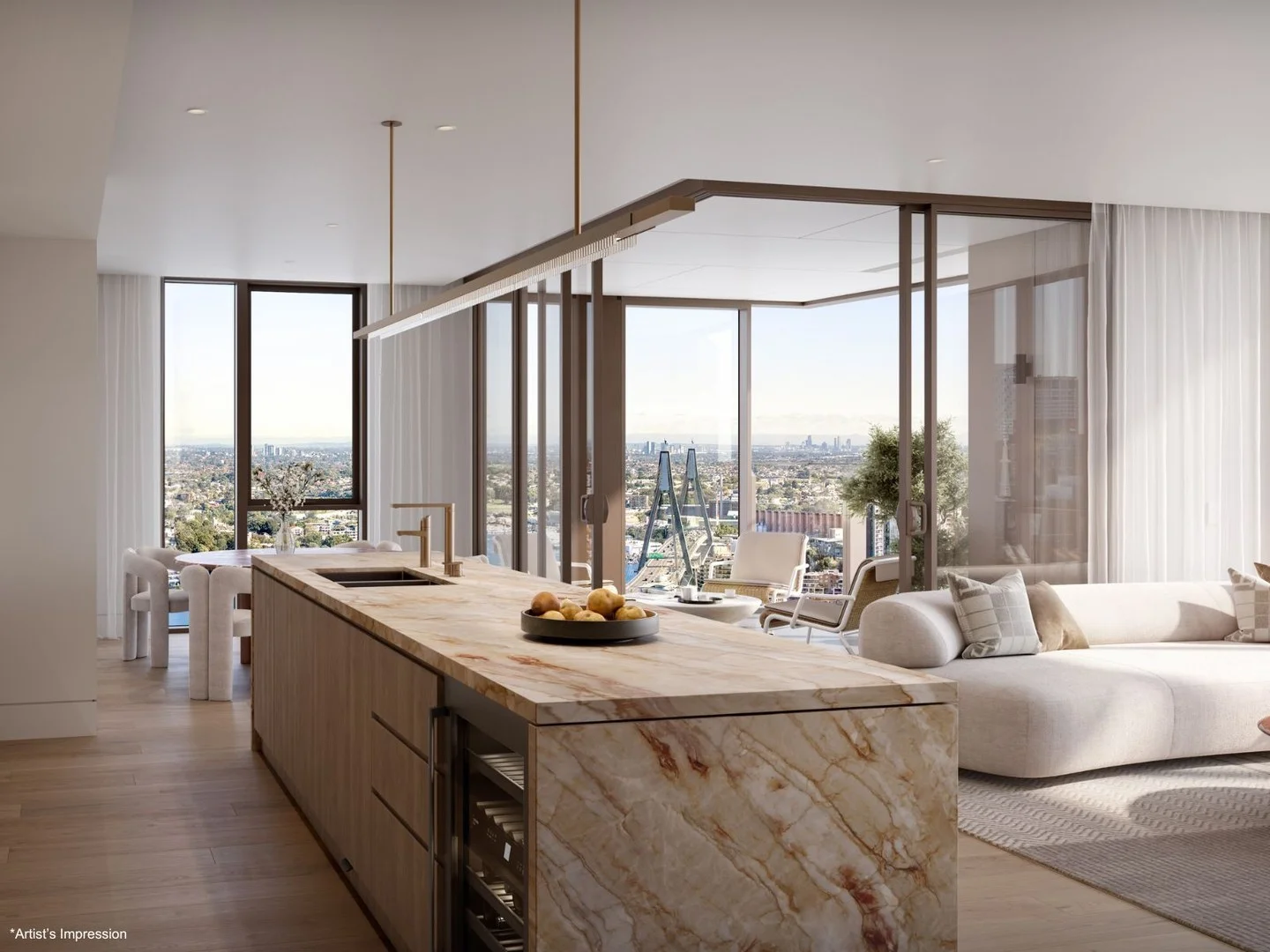
 $12,980,000
propertyType.NEW APARTMENTS / OFF THE PLAN
$12,980,000
propertyType.NEW APARTMENTS / OFF THE PLAN
 $9,020,000
propertyType.NEW APARTMENTS / OFF THE PLAN
$9,020,000
propertyType.NEW APARTMENTS / OFF THE PLAN
 $6,225,000
propertyType.NEW APARTMENTS / OFF THE PLAN
$6,225,000
propertyType.NEW APARTMENTS / OFF THE PLAN
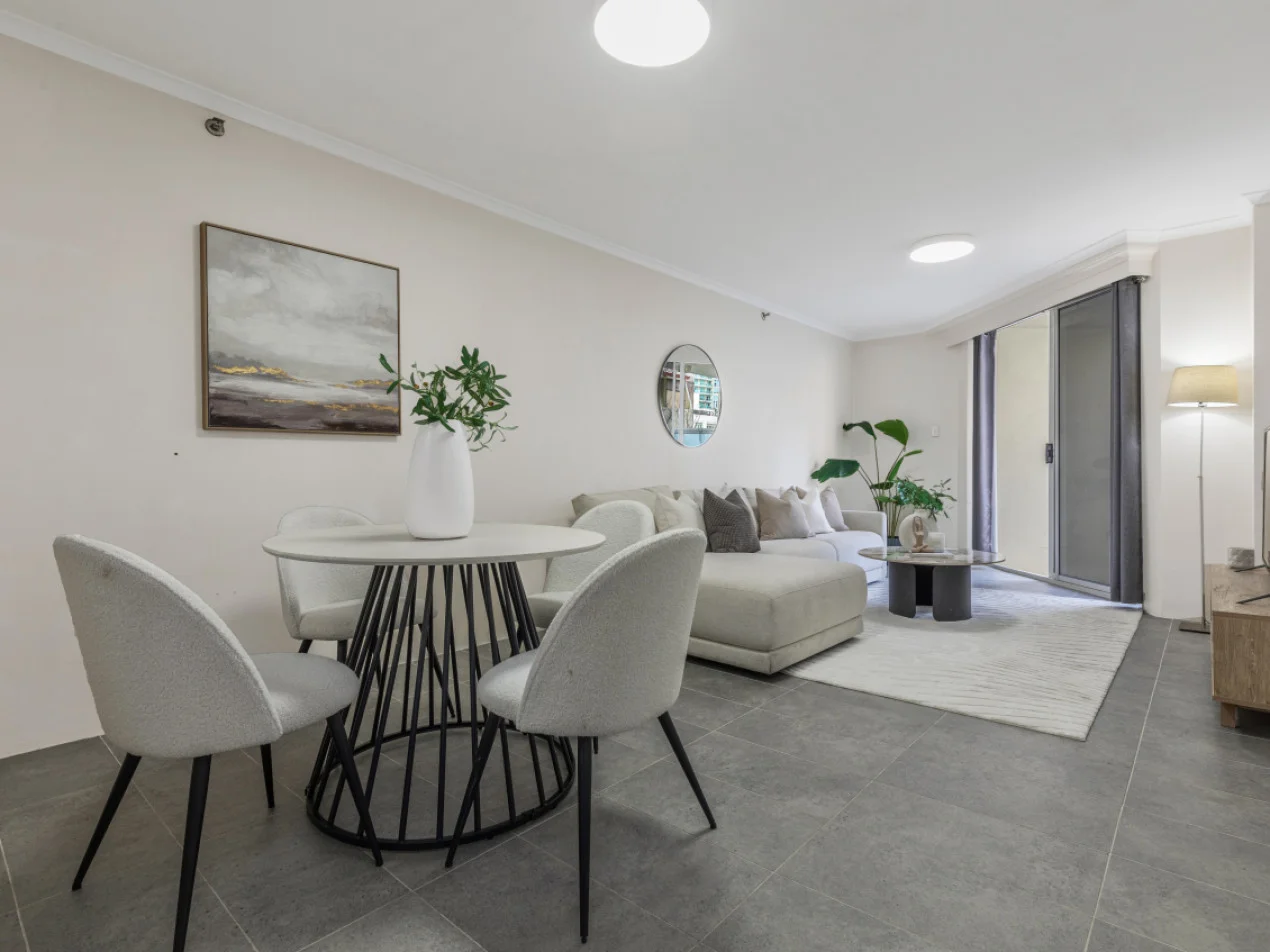 $640,000 - $675,000
Apartment / Unit / Flat
$640,000 - $675,000
Apartment / Unit / Flat
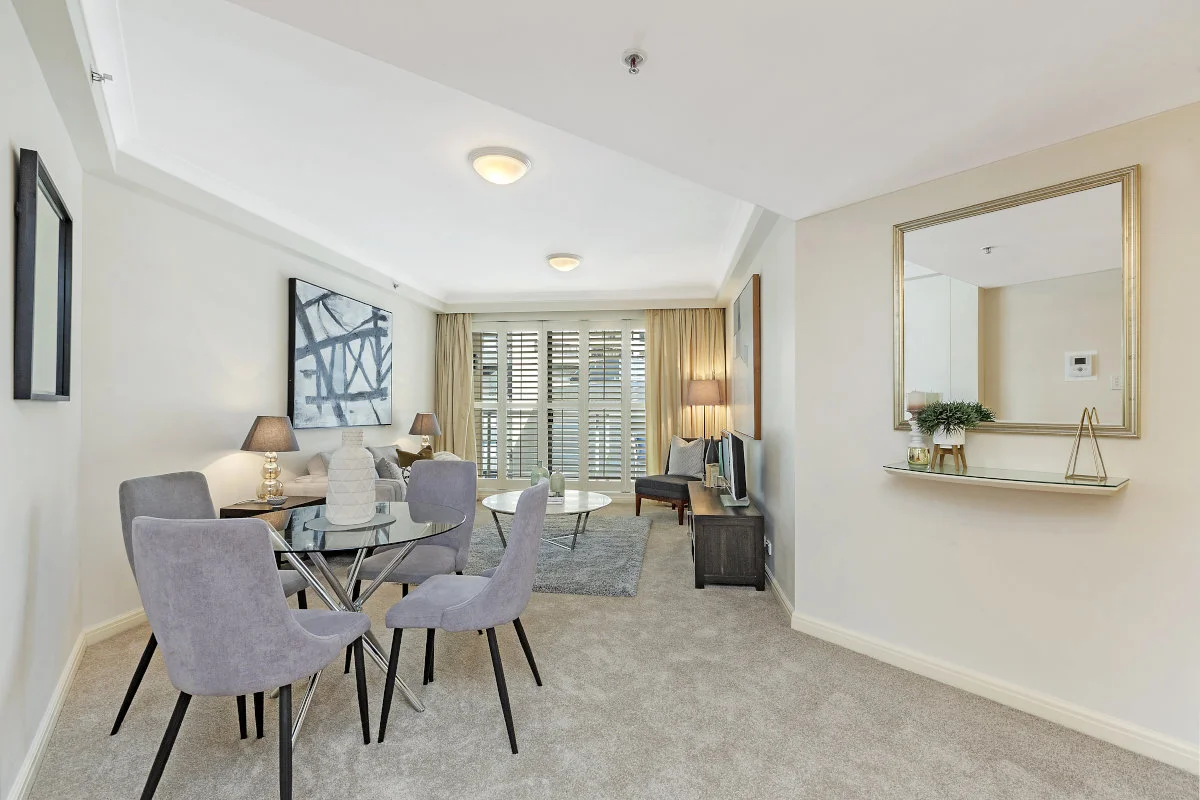 $660,000 - $725,000
Apartment / Unit / Flat
$660,000 - $725,000
Apartment / Unit / Flat
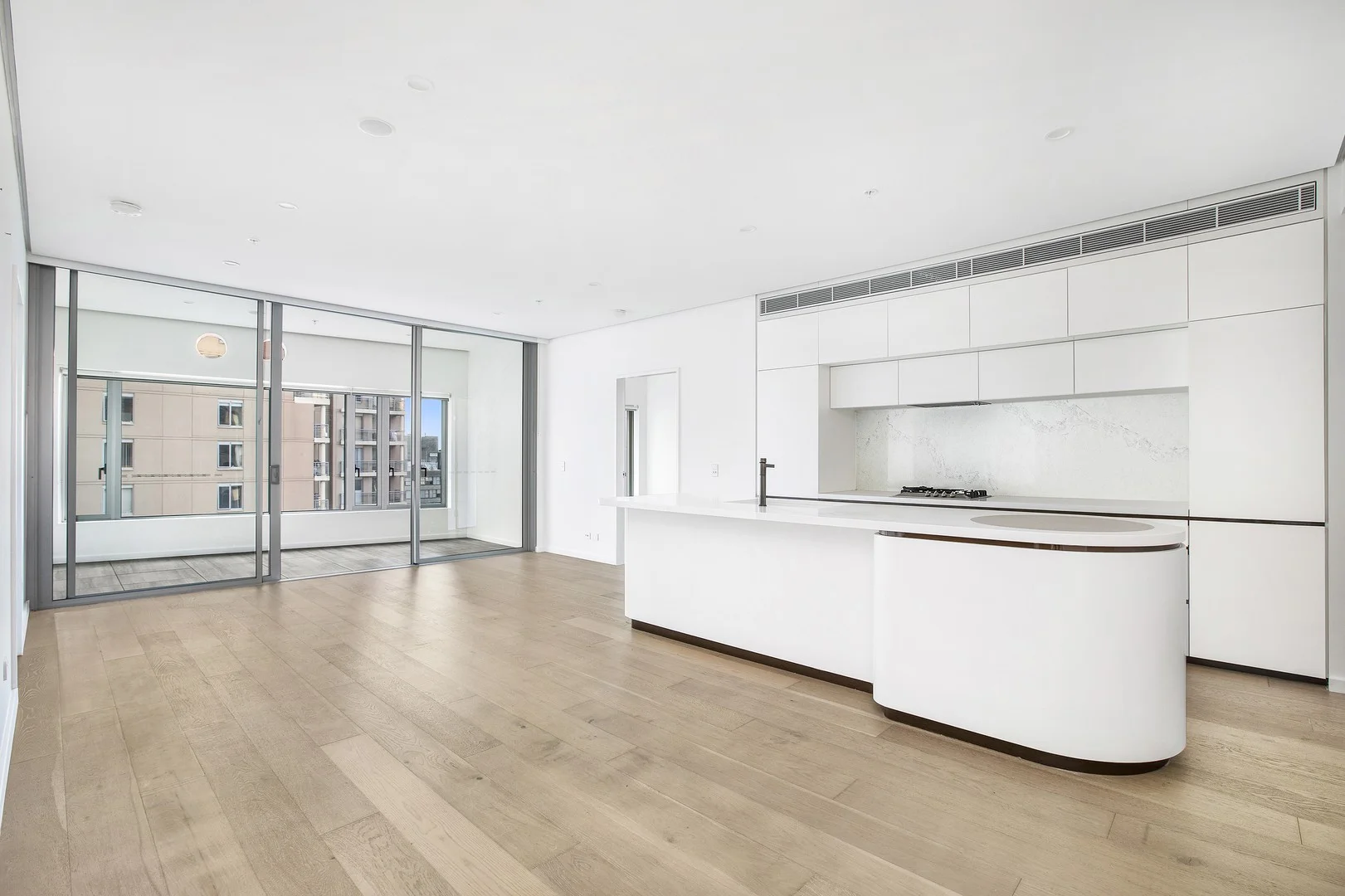 $2,250,000
Apartment / Unit / Flat
$2,250,000
Apartment / Unit / Flat
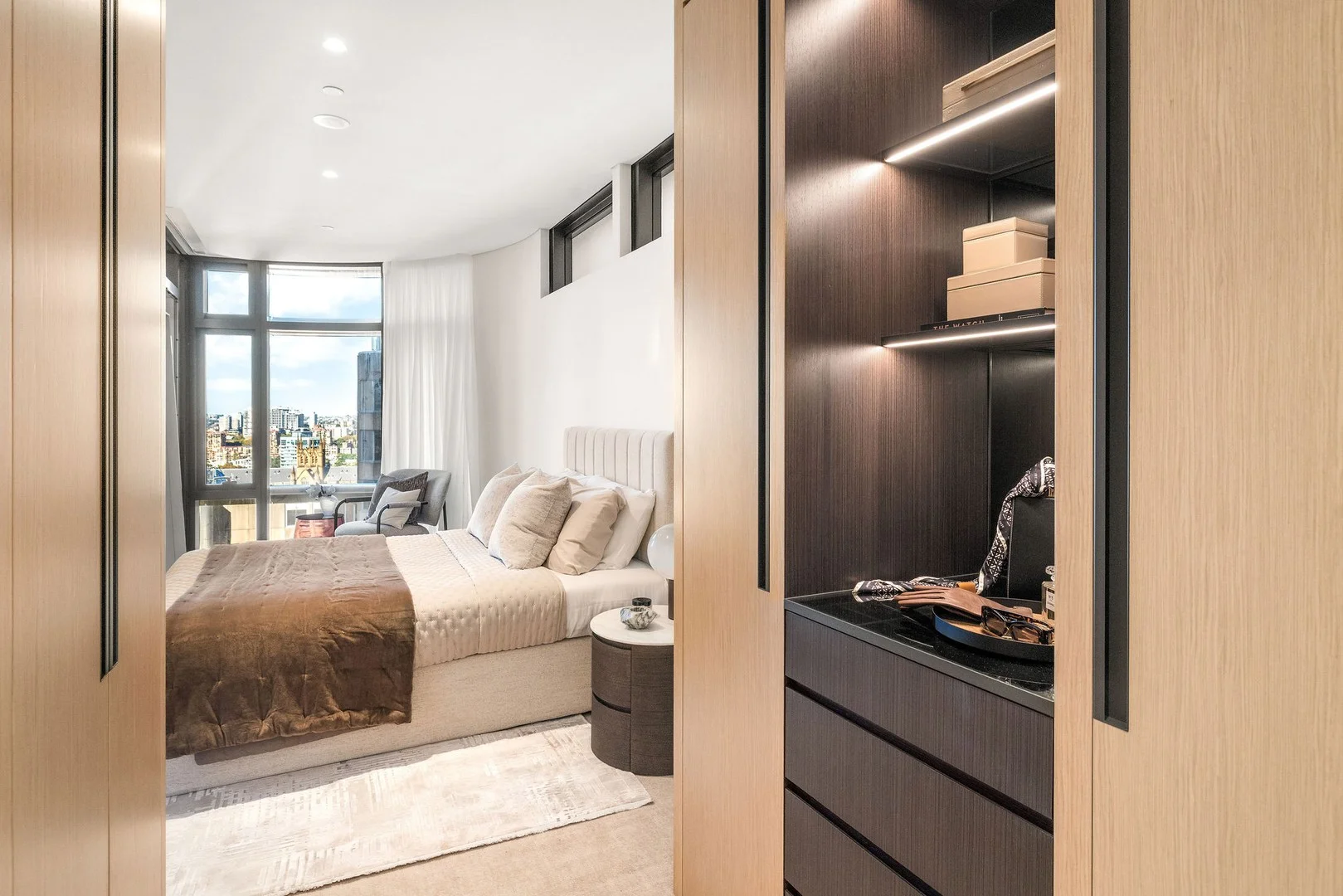 $2,745,000
propertyType.NEW APARTMENTS / OFF THE PLAN
$2,745,000
propertyType.NEW APARTMENTS / OFF THE PLAN
 $990
Apartment / Unit / Flat
$990
Apartment / Unit / Flat