## 1. Overview
Fort Street High School is a public, selective high school in Petersham, NSW. The school is large and academically focused, drawing students from across the region who seek a rigorous, high-achievement environment. Classes typically run with sizes that support engaged learning, and the school culture blends strong academic expectations with a welcoming, inclusive atmosphere.
- School type: Public, selective high school
- School size: Large
- Class size: Typically around 25–30 students per class
- Atmosphere/culture: Academic, diverse, inclusive, with a long-standing tradition of excellence
⸻
## 2. Academics & Learning
Fort Street High School emphasises high academic achievement across core disciplines and through enriched learning experiences.
- Academic strengths: STEM, English, modern languages, and humanities are among the core strengths. The school supports leadership development and critical thinking through its rigorous curriculum.
- Special programs: Selective entry programs, enrichment opportunities, and accelerated/advanced subject streams for high achievers.
- NAPLAN trends: Historically strong performance with positive year-to-year trends in learning outcomes across key domains.
- Student-teacher ratios: Generally favorable ratios that support teacher-led instruction and targeted in-class assistance; varies by subject and year level.
- Support for diverse learners: EAL (English as an Additional Language) support, SEN (special education needs) resources, learning support programs, and dedicated guidance for students requiring extra academic or wellbeing assistance.
⸻
## 3. Sports & Extracurricular Strengths
This section highlights opportunities that many Aussie and UK families look for.
- Sports offered: A range of inter-school sports including team and individual options such as athletics, cricket, soccer, rugby, basketball, swimming, and more, with competitive involvement in district competitions.
- Strong teams or achievements: Regular participation and success across multiple sports, with a culture that supports commitment, teamwork, and sportsmanship.
- Music, arts, drama programs: Active music ensembles, theatre and drama productions, and opportunities to engage in performing arts alongside academics.
- Clubs: Robotics, chess, coding, debating, and other skill-based or intellectually oriented clubs.
- Partnerships: Connections with local clubs, universities, and competitions to broaden exposure (e.g., inter-school events and regional/invitational contests).
⸻
## 4. Wellbeing & Pastoral Care
Wellbeing and pastoral care are central to student success and safety.
- Anti-bullying approach: Proactive anti-bullying policies, clear reporting channels, and programs to build a respectful school culture.
- House system: A house-based approach to pastoral care and community-building, fostering belonging and healthy competition.
- Counsellors / wellbeing officers: Access to school counsellors and wellbeing professionals to support mental health, coping strategies, and personal development.
- Transition support for new students: Structured inductions, buddy programs, and targeted support to help students settle in smoothly.
⸻
## 5. Facilities
Fort Street High School offers a range of facilities designed to support learning, research, and performance.
- Sports grounds: On-site or nearby facilities to support physical education and sport.
- Libraries: Well-resourced libraries with study spaces and access to digital resources.
- Science labs: Modern science laboratories for hands-on experiments and practical learning.
- Music/performing arts centers: Dedicated spaces for musical ensembles, drama, and performances.
- Tech/innovation labs: Computer labs and maker/innovation spaces to support technology and STEM projects.
- Cafeteria: On-site canteen or dining facilities for students.
- Updated playgrounds: Well-maintained outdoor spaces for breaks and recreation.
⸻
## 6. School Values & Community Culture
Understanding the school's ethos helps families gauge fit and alignment with their own values.
- School values / mission: Commitment to academic excellence, integrity, respect, and inclusion; emphasis on developing well-rounded, responsible young adults.
- Leadership style: Collaborative and student-centered leadership that supports teacher expertise and student voice.
- Behaviour expectations: Clear standards for conduct, responsibility, and positive engagement within the school community.
- Community reputation: A long-standing, respected public school with a track record of high academic achievement and active student participation.
- Diversity & inclusion: A culture that values diversity and strives to create an inclusive environment for students from varied backgrounds.
⸻
## 7. School Logistics & Daily Operations
Practical details help families plan around school life.
- School hours: Regular school day structure (start and end times align with NSW public high school norms).
- Before/after school care: Availability may vary; inquire about programs or supervision options.
- Uniform requirements: Standard school uniform as per NSW public school guidelines.
- Transport (train/bus routes): Accessible by public transport with nearby bus or train routes; parking and drop-off arrangements typically available.
- Canteen availability: On-site canteen or cafeteria services for students.
- Fees (low/medium/high ranges): As a public school, voluntary contributions and additional costs exist but are generally modest; detailed fee information is provided by the school.
⸻
## 8. Enrolment & Admissions
11. What is the enrolment process and timeline?
- NSW selective high schools admit students based on the Selective High School Test conducted by the Department of Education. Applications typically open in the year prior to entry (Year 6 to Year 7 transition). The process includes registration for the test, sitting the test, and following Department timelines for results and offer rounds.
12. Is there a waiting list, and how does it work?
- There is a process for offers and possible waiting lists depending on cohort size and intake needs. Waiting lists are managed by the Department of Education and the school, with offers made as seats become available.
13. Are there any entry requirements, tests, or interviews?
- Entry is primarily via the NSW Selective High School Test. Some additional information about eligibility and any school-specific considerations is provided by the Department of Education and the school.
14. Does the school accept mid-year transfers?
- Mid-year transfers may be considered in special circumstances or for students transferring within NSW public schools, subject to space and policy. Check with the school for current mid-year transfer policies and timelines.
⸻
## 9. Frequently Asked Questions
- Why Parents Choose This School?
- A strong track record of academic achievement, selective entry processes, and a supportive environment that challenges high-ability students.
- What type of student thrives at this school?
- Motivated, academically oriented students who enjoy a rigorous curriculum and participate in enrichment opportunities.
- What opportunities are available for students to extend their skills (academics, sports, arts)?
- Enriched subject streams, accelerated learning options, competitive sports, music ensembles, drama productions, robotics, coding, debating, and other clubs.
- How does the school communicate with parents?
- Regular progress updates, parent meetings, newsletters, and digital communications through the school’s platforms.
- What is the school’s approach to teaching and learning?
- Rigorous, inquiry-based learning with a focus on critical thinking, collaboration, and real-world application.
- How does the school support students who need extra academic help?
- Dedicated learning support, EAL and SEN resources, targeted tutoring or mentoring, and access to counsellors.
- What support is available for academic challenges?
- Academic planning, tutoring options, and welfare support to address both study and wellbeing needs.
- How does the school communicate with parents? (duplicate question)
- See above: newsletters, meetings, and digital platforms.
- What are the class sizes and how much individual attention do students receive?
- Class sizes typically around 25–30, with teacher-led instruction and opportunities for targeted support.
- What extracurricular and sports opportunities are available?
- A broad range of sports, music, drama, and clubs such as robotics, chess, coding, and debating.
- What facilities does the school offer (sports, science, arts)?
- Sports facilities, libraries, science labs, music/performing arts spaces, tech/innovation labs, canteen, and updated outdoor areas.
- What is the school’s approach to technology and digital learning?
- Integration of technology across learning, access to digital resources, and opportunities to develop digital literacy and coding skills.
- What transport and accessibility options are available?
- Accessible public transport options with nearby routes; information on parking and accessibility is provided by the school.
- What are the typical school fees or additional costs?
- As a public school, fees are generally modest with voluntary contributions; specific costs are outlined by the school.
⸻
## 10. Short Pros & Cons list
- Pros
- Strong academic reputation and selective entry
- Broad range of enrichment opportunities across academics, arts, and sports
- Robust wellbeing and pastoral care
- Diverse, inclusive school culture with active student participation
- Excellent facilities to support learning and performance
- Cons
- Competitive environment may be intense for some students
- Selective admission means not all applicants gain entry
- Public school fees are modest but there may be voluntary contributions and costs for certain activities
- Large school size can mean busier campus and larger class dynamics
⸻








 $3,900,000
House
$3,900,000
House
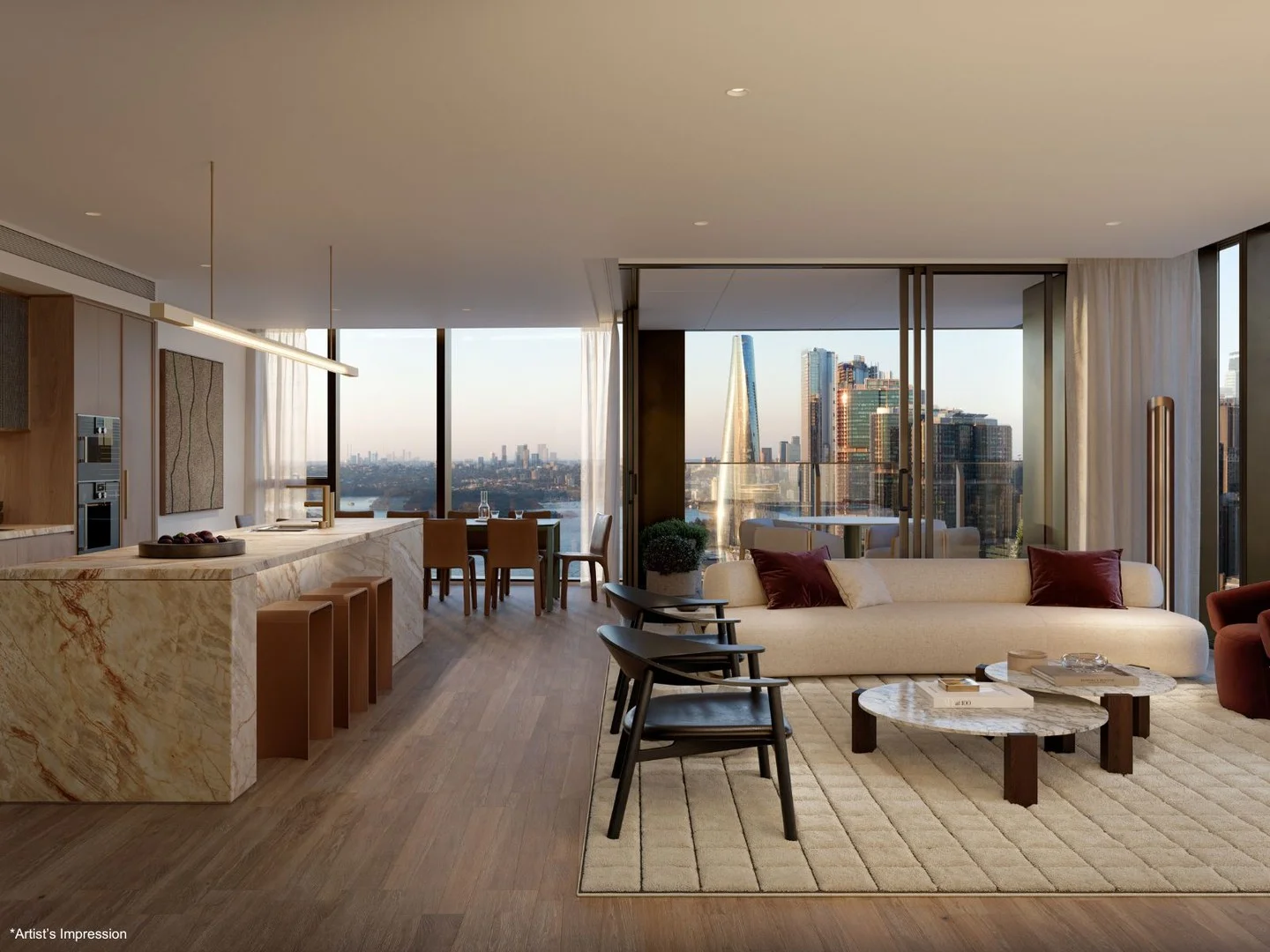 $12,980,000
propertyType.NEW APARTMENTS / OFF THE PLAN
$12,980,000
propertyType.NEW APARTMENTS / OFF THE PLAN
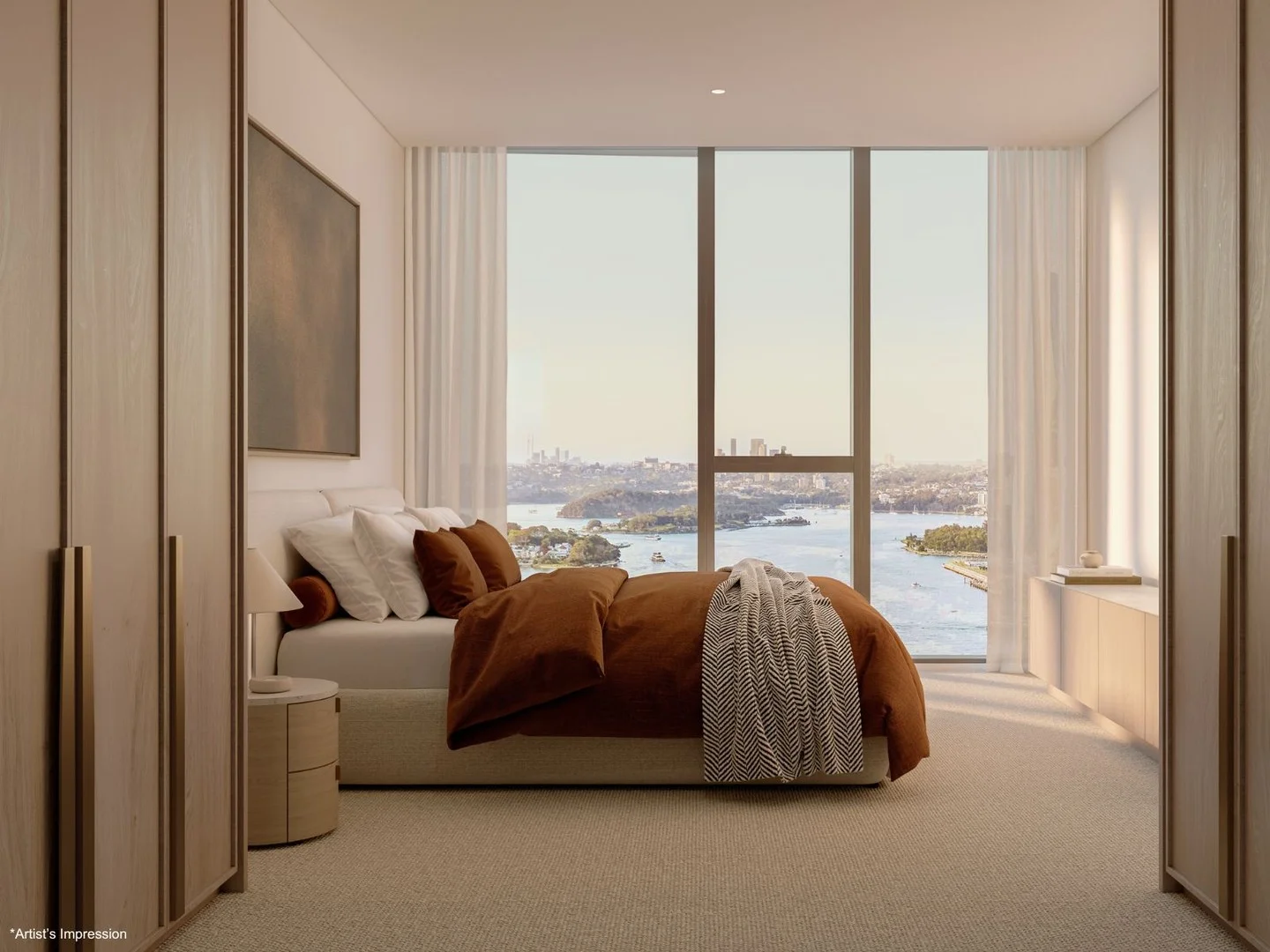 $8,630,000
propertyType.NEW APARTMENTS / OFF THE PLAN
$8,630,000
propertyType.NEW APARTMENTS / OFF THE PLAN
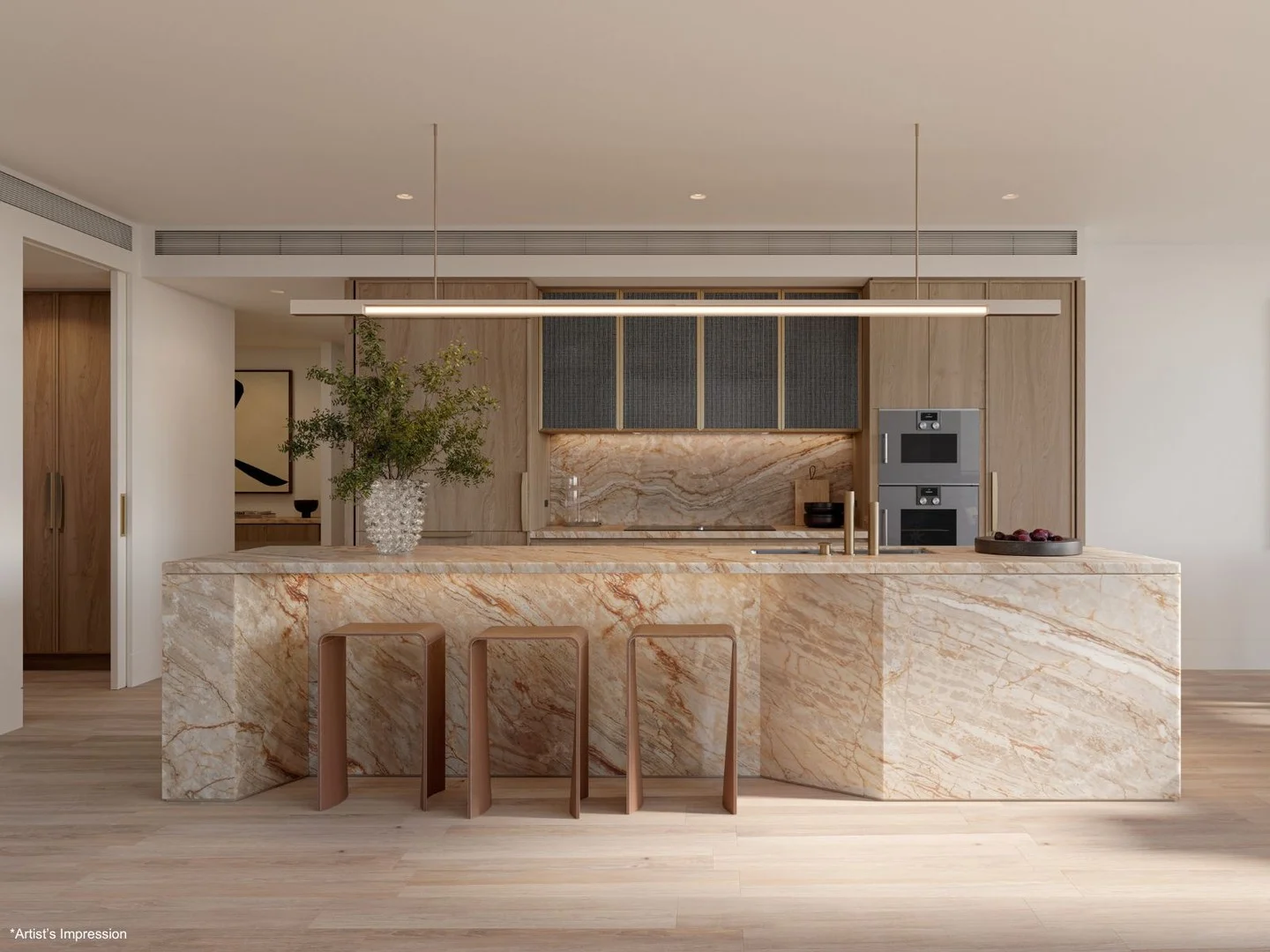 $6,225,000
propertyType.NEW APARTMENTS / OFF THE PLAN
$6,225,000
propertyType.NEW APARTMENTS / OFF THE PLAN
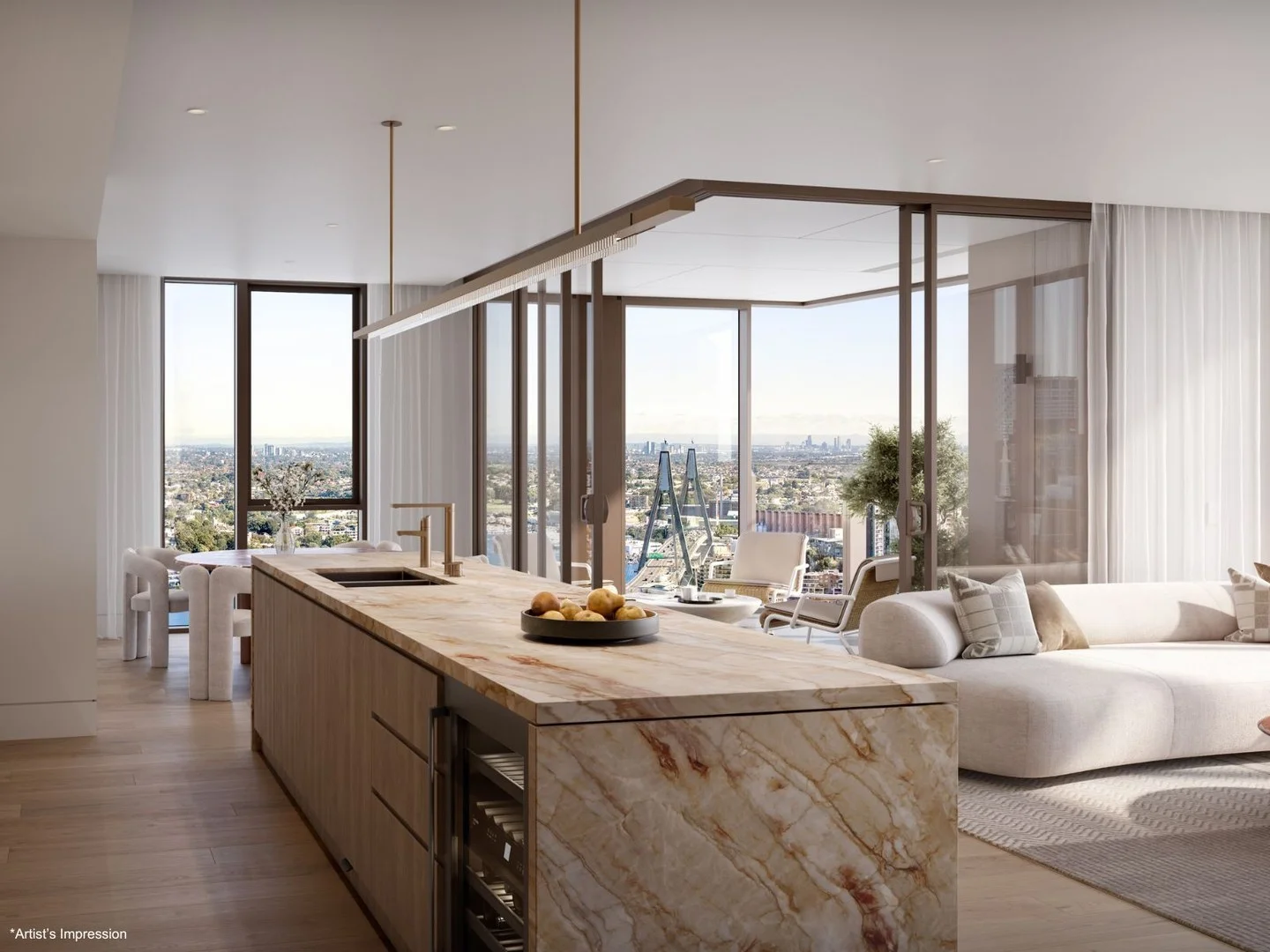 $9,020,000
propertyType.NEW APARTMENTS / OFF THE PLAN
$9,020,000
propertyType.NEW APARTMENTS / OFF THE PLAN
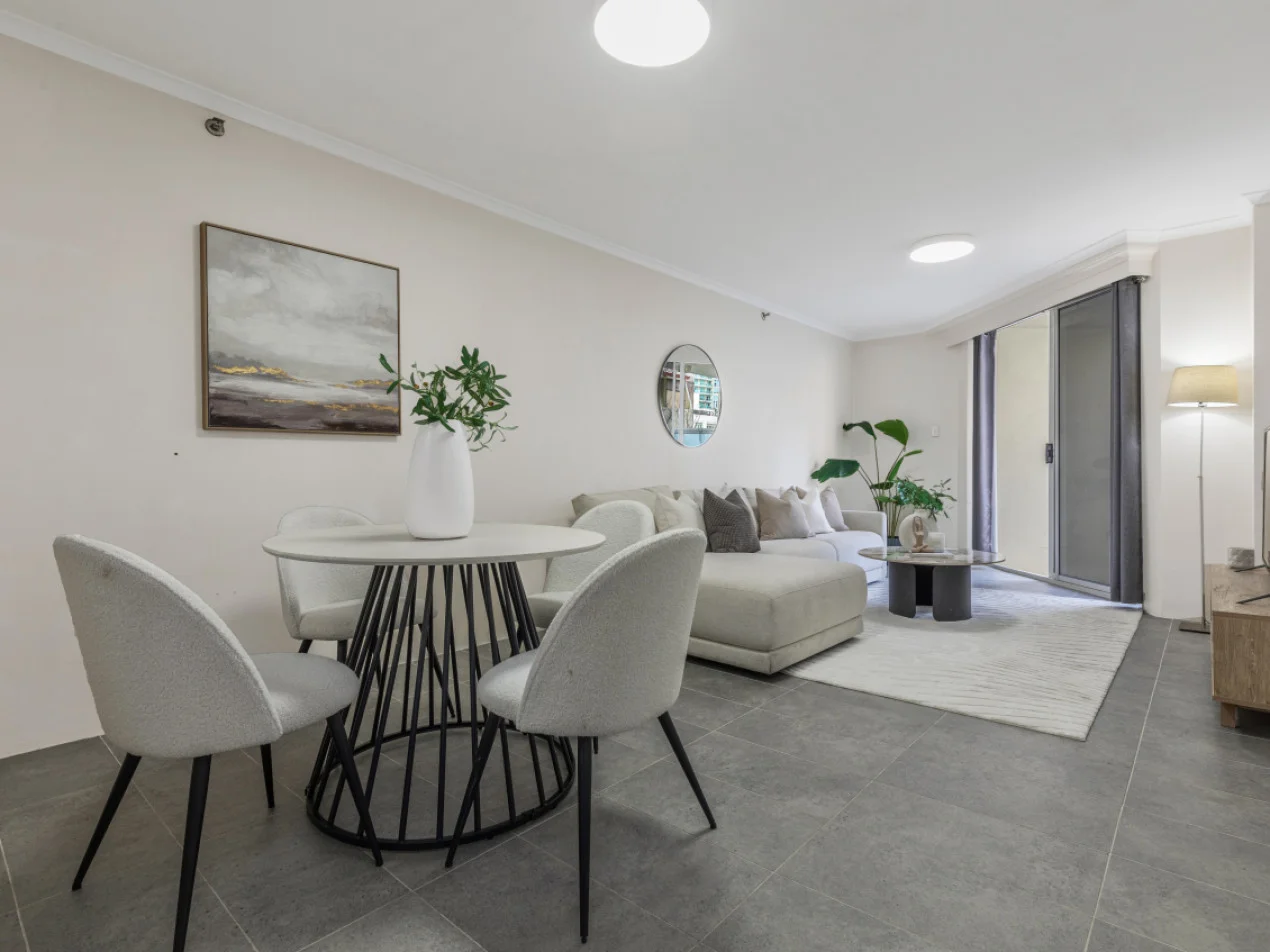 $640,000 - $675,000
Apartment / Unit / Flat
$640,000 - $675,000
Apartment / Unit / Flat
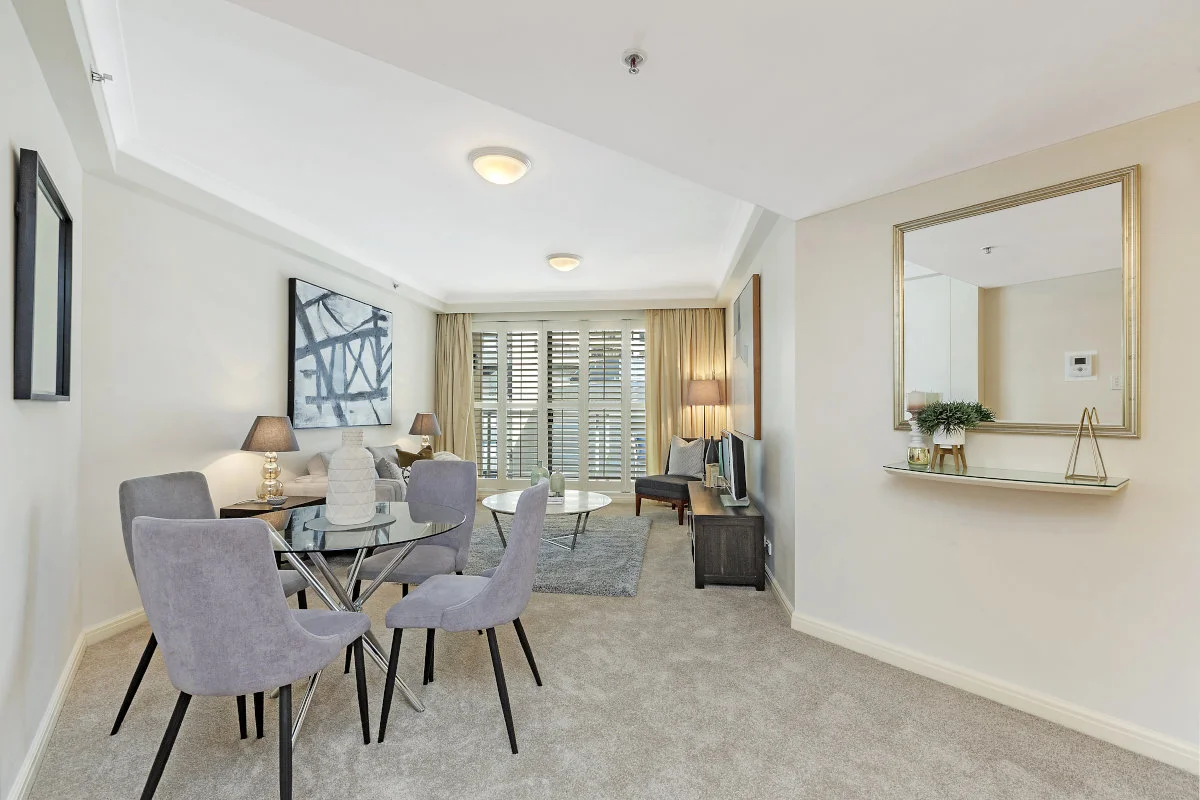 $660,000 - $725,000
Apartment / Unit / Flat
$660,000 - $725,000
Apartment / Unit / Flat
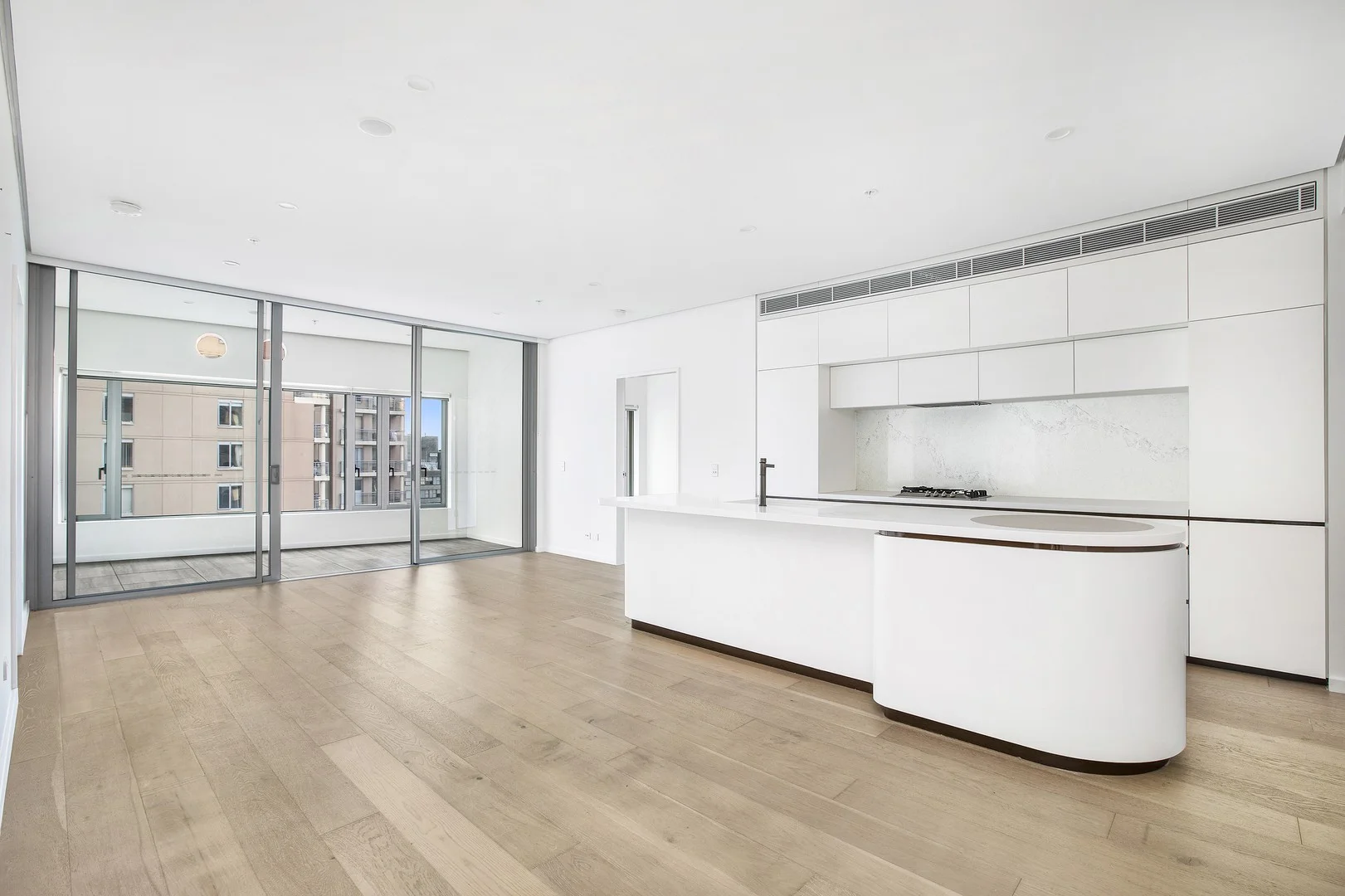 $2,250,000
Apartment / Unit / Flat
$2,250,000
Apartment / Unit / Flat
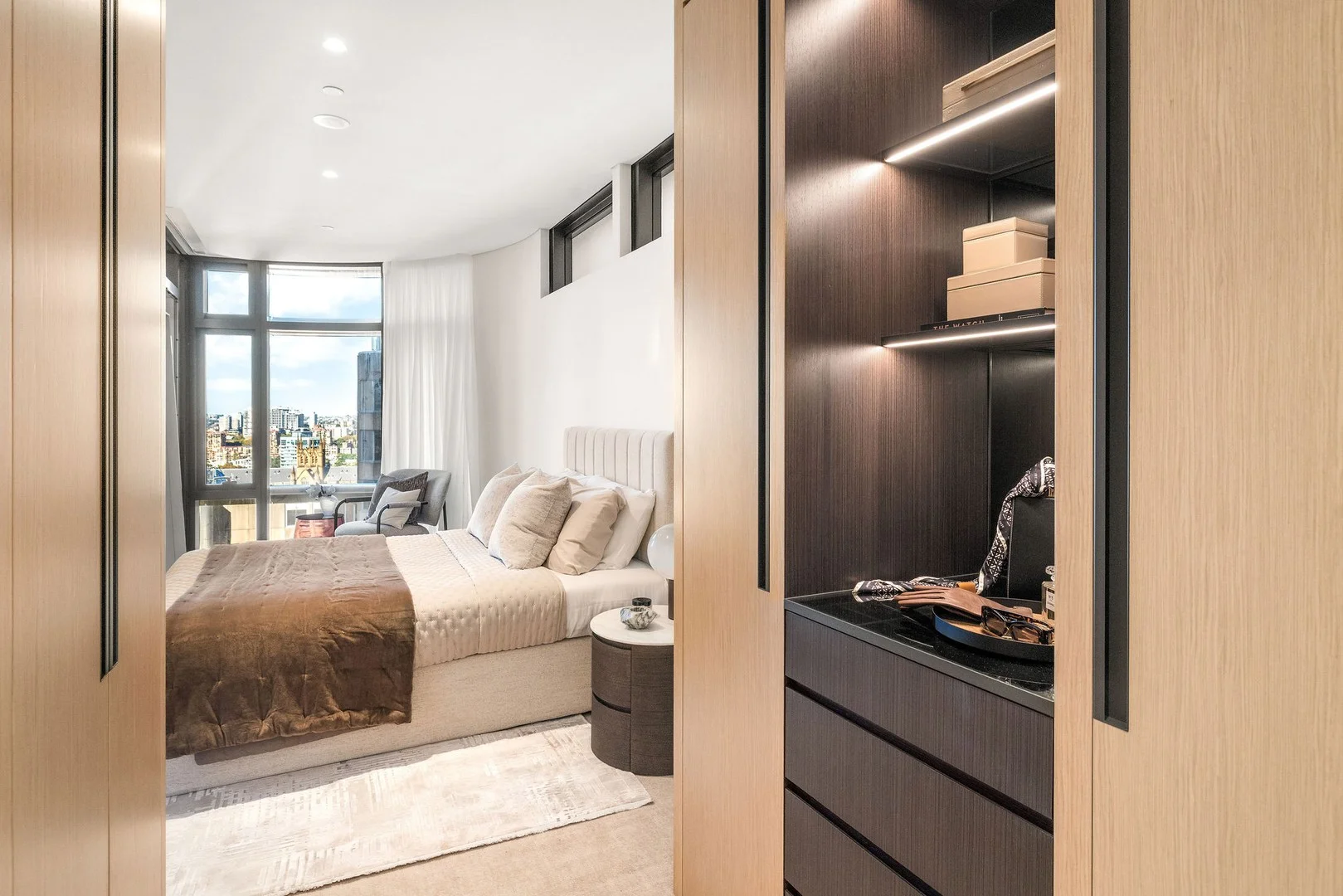 $2,745,000
propertyType.NEW APARTMENTS / OFF THE PLAN
$2,745,000
propertyType.NEW APARTMENTS / OFF THE PLAN


