Overview
1. Overview
The NSW School of Languages Petersham is a public, co-educational high school with a strong focus on language learning. It serves as a specialist hub within the NSW Department of Education system, offering diverse language programs to students from across the public-school sector. The school emphasizes language proficiency, intercultural understanding, and academic achievement within a supportive, inclusive environment.
Atmosphere at the school tends to be nurturing and academically focused, with a culture that values diversity and collaboration. Class sizes are generally small to mid-sized, which supports individualized attention and active participation in language study. Overall, the school fosters an inclusive, language-rich environment that helps students develop strong communication skills and cross-cultural competence.
⸻
2. Academics & Learning
- Academic strengths: The school emphasizes languages as a core academic focus, supported by literacy development and cross-cultural communication skills. English literacy and critical thinking are integrated with language studies to build well-rounded learners.
- Special programs: Opportunities include language extension and enrichment within the NSW curriculum, with pathways for accelerated study in languages and access to higher-level language courses where available. Gifted and Talented programs may be accessible through the Department of Education’s broader offerings.
- NAPLAN / Ofsted trends: NAPLAN trends at NSW public-language-focused schools typically show stable or improving performance in reading and writing, with language-learning cohorts often demonstrating strong overall literacy development. Ofsted is not applicable in NSW; the school aligns with NSW Education standards and reporting.
- Student-teacher ratios: Class sizes are designed to be small to medium to facilitate active language learning and individualized feedback. This generally yields favorable student-teacher ratios for language instruction.
- Support for diverse learners: Strong emphasis on inclusive education, with EAL (English as an Additional Language) support and SEN (Special Educational Needs) programs available to help diverse learners participate fully in language study and core subjects.
⸻
3. Sports & Extracurricular Strengths
- Sports offered: A range of standard school sports is available, with opportunities to participate in inter-school and local competitions where appropriate.
- Strong teams or achievements: Students may participate in district-level teams and events; the school supports achievement in sports through school-based and community partnerships.
- Music, arts, drama programs: The school provides music and performing arts opportunities to complement language study, helping students express culture through the arts.
- Clubs: Robotics, chess, coding, debating and other clubs are commonly available, supporting a broad set of interests beyond languages.
- Partnerships: Local community partnerships and participation in regional competitions or collaborative programs help extend opportunities in sports, arts, and technology.
⸻
4. Wellbeing & Pastoral Care
- Anti-bullying approach: The school implements a clear anti-bullying policy with reporting channels and a proactive, supportive culture to maintain a safe learning environment.
- House system: A house-based structure often supports wellbeing, leadership opportunities, and sense of belonging through events and friendly competition.
- Counsellors / wellbeing officers: Access to school counsellors and wellbeing staff provides social-emotional support, career guidance, and transition assistance.
- Transition support for new students: Orientation programs, buddy systems, and targeted transition support help new students settle in smoothly and build connections early.
⸻
5. Facilities
- Sports grounds: On-site or nearby facilities to support physical education and extracurricular sports.
- Libraries: Central library spaces with language resources and study zones.
- Science labs: Equipped science laboratories to support STEM alongside language studies.
- Music/performing arts centers: Dedicated spaces for music, drama, and performances.
- Tech/innovation labs: Contemporary learning spaces that support digital literacy and coding activities.
- Cafeteria: On-site dining facilities or access to nearby food options.
- Updated playgrounds: Safe, modern outdoor spaces for breaks and informal activities.
Note: The facility set is designed to support a language-focused curriculum while providing essential spaces for well-being, collaboration, and diverse learning activities.
⸻
6. School Values & Community Culture
- School values / mission: A mission centered on language proficiency, intercultural understanding, inclusion, and academic excellence.
- Leadership style: Collegiate and student-centered leadership, with opportunities for student voices in clubs, student councils, and peer leadership roles.
- Behaviour expectations: Clear codes of conduct emphasize respect, responsibility, and positive engagement in learning communities.
- Community reputation: Known for language excellence and an inclusive, diverse school culture that values global-mindedness.
- Diversity & inclusion: Strong commitment to diversity and inclusion, reflecting the multicultural fabric of the student body and local community.
⸻
7. School Logistics & Daily Operations
- School hours: Follows the standard NSW public-school timetable with core learning blocks throughout the day.
- Before/after school care: OSHC or approved providers may be available in the local area or through partnering arrangements.
- Uniform requirements: School uniform is required, with details provided by the school and Department of Education guidelines.
- Transport (train/bus routes): Accessible by public transport; families typically use local bus routes or nearby train stations with available options.
- Canteen availability: On-site or nearby canteen options; healthy meal and snack choices are available.
- Fees (low/medium/high ranges): As a public school, core education is funded by the NSW Government; there may be minimal voluntary contributions and costs for excursions or optional activities.
⸻
8. Enrolment & Admissions
11. What is the enrolment process and timeline?
- Enrollment is typically managed through the NSW Department of Education pathways. Applications are submitted during the school’s intake periods, with timelines set by the department. Families are advised to monitor official communication for key dates, forms, and assessment requirements.
12. Is there a waiting list, and how does it work?
- Waiting lists may operate when year groups reach capacity. Prospective students are placed on the list in order of application and notified if spaces become available. The Department of Education provides guidance on expected timelines.
13. Are there any entry requirements, tests, or interviews?
- Entry requirements for a public language-focused school generally involve standard enrollment processes. Specific tests or language placement considerations may be used to determine course placement, but interviews are not typically a requirement for general enrollment. Check with the school for any year-specific placement procedures.
14. Does the school accept mid-year transfers?
- Mid-year transfers are possible depending on space and the Department’s policies. Families seeking mid-year transfers should contact the school early and provide required documentation to initiate the process.
⸻
9. Frequently Asked Questions
- Why Parents Choose This School?
- Families often choose the School of Languages for its language expertise, diverse course offerings, and inclusive environment that supports cross-cultural understanding and strong literacy development.
- What type of student thrives at this school?
- Students who are curious about languages, cultures, and global perspectives tend to thrive, as do those who benefit from collaborative learning, small class sizes, and supportive pastoral care.
- What opportunities are available for students to extend their skills (academics, sports, arts)?
- Extended language courses, language immersion or enrichment activities, arts and music programs, drama, debating clubs, and technology/coding clubs provide multiple avenues to grow.
- How does the school communicate with parents?
- Communication typically includes newsletters, the school website, email, parent portals, intranet updates, and scheduled information evenings or parent-teacher meetings.
- What is the school’s approach to teaching and learning?
- The approach emphasizes language proficiency, critical thinking, cultural understanding, and inclusive teaching practices with opportunities for collaboration and project-based learning.
- How does the school support students who need extra academic help?
- Support includes learning support staff, EAL assistance, targeted tutoring, and referrals to relevant programs; accommodation in class and assessment adjustments may be provided as needed.
- What support is available for academic challenges?
- Access to counsellors, learning support staff, and academic guidance resources is available to help students address challenges and plan improvements.
- How does the school communicate with parents? (Repeated)
- See above: newsletters, portals, emails, and regular meetings.
- What are the class sizes and how much individual attention do students receive?
- Class sizes are small to medium to enable more individualized instruction and timely feedback, especially in language learning.
- What extracurricular and sports opportunities are available?
- A range of clubs (robotics, chess, coding, debating) and sports programs, as well as music and performing arts opportunities, are available to complement language study.
- What facilities does the school offer (sports, science, arts)?
- Facilities include libraries, science labs, music/arts spaces, tech/innovation labs, sports grounds, cantines, and study areas to support a well-rounded education.
- What is the school’s approach to technology and digital learning?
- Digital literacy and technology use are integrated into learning with access to computer labs, online resources, and supported by relevant staff and programs.
- What transport and accessibility options are available?
- Transport options typically include public buses and trains; accessibility considerations are aligned with NSW Department of Education standards and local transit availability.
- What are the typical school fees or additional costs?
- Core education is funded by the government; there may be minimal voluntary contributions and additional costs for excursions or optional activities.
⸻
10. Short Pros & Cons list
Pros
- Strong focus on languages and intercultural understanding
- Small to medium class sizes enabling personalized attention
- Inclusive, supportive wellbeing and pastoral care
- Broad range of clubs and arts opportunities to complement language study
- Transparent communication and community-minded culture
Cons
- As a language-focused public school, sports offerings may be more limited compared to larger general high schools
- Some specialized programs or excursions may involve added costs
- Availability of certain elective pathways may vary by year and cohort
⸻









 $8,630,000
propertyType.NEW APARTMENTS / OFF THE PLAN
$8,630,000
propertyType.NEW APARTMENTS / OFF THE PLAN
 $12,980,000
propertyType.NEW APARTMENTS / OFF THE PLAN
$12,980,000
propertyType.NEW APARTMENTS / OFF THE PLAN
 $6,225,000
propertyType.NEW APARTMENTS / OFF THE PLAN
$6,225,000
propertyType.NEW APARTMENTS / OFF THE PLAN
 $9,020,000
propertyType.NEW APARTMENTS / OFF THE PLAN
$9,020,000
propertyType.NEW APARTMENTS / OFF THE PLAN
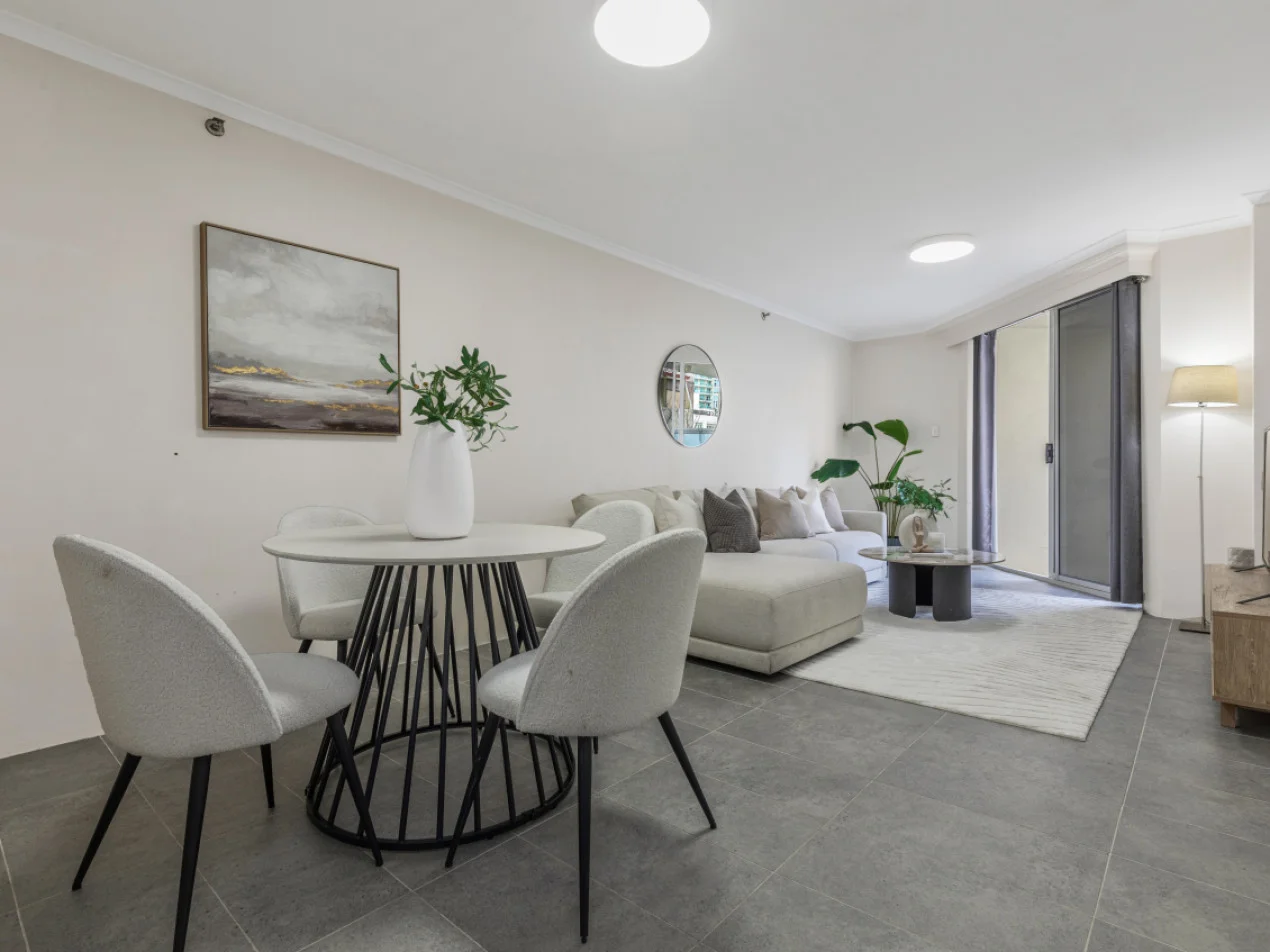 $640,000 - $675,000
Apartment / Unit / Flat
$640,000 - $675,000
Apartment / Unit / Flat
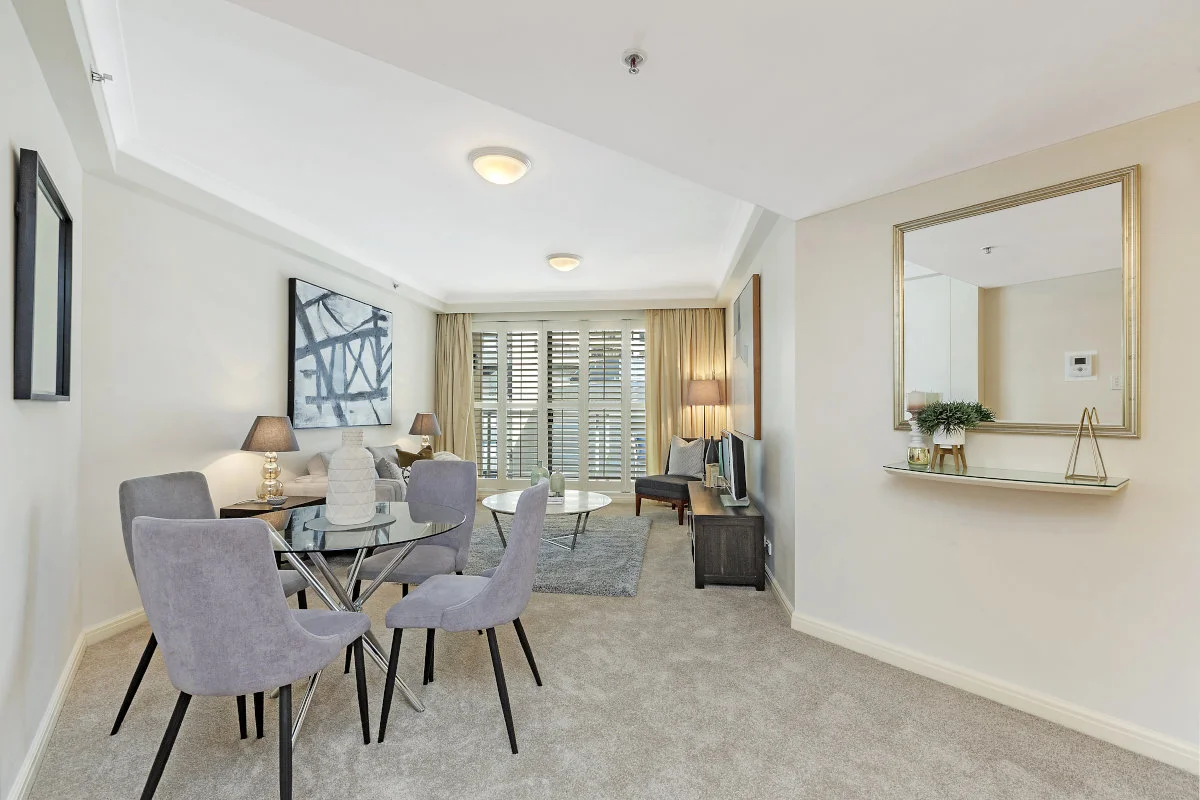 $660,000 - $725,000
Apartment / Unit / Flat
$660,000 - $725,000
Apartment / Unit / Flat
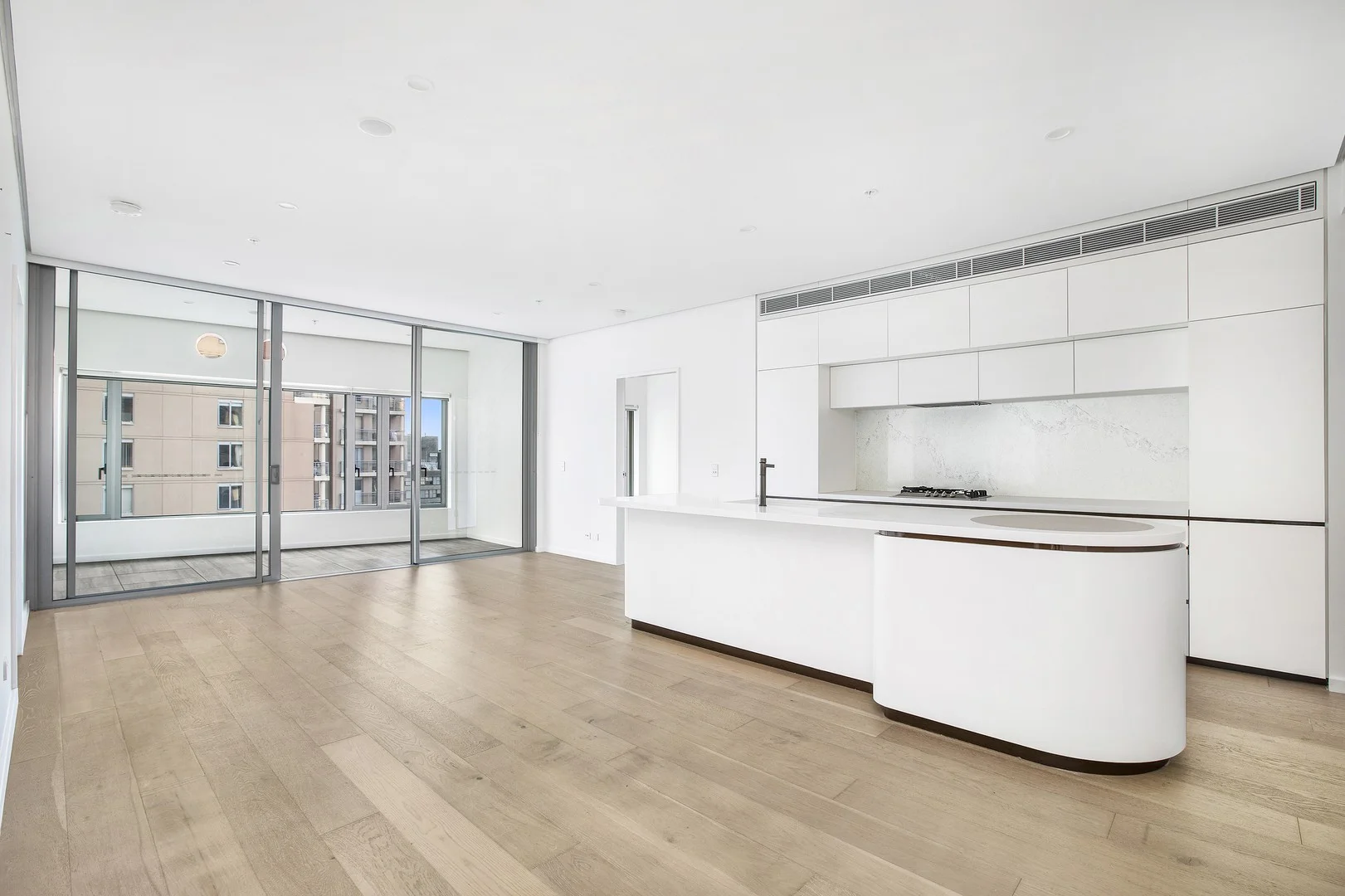 $2,250,000
Apartment / Unit / Flat
$2,250,000
Apartment / Unit / Flat
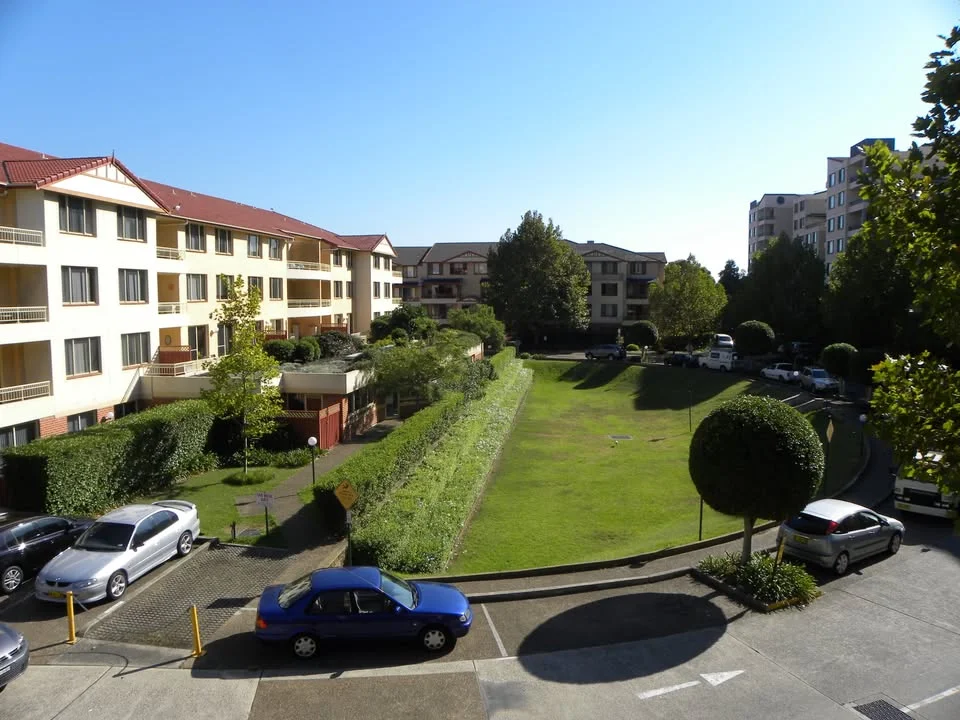 $990
Apartment / Unit / Flat
$990
Apartment / Unit / Flat
 $2,745,000
propertyType.NEW APARTMENTS / OFF THE PLAN
$2,745,000
propertyType.NEW APARTMENTS / OFF THE PLAN