Overview
Eltham College VIC is a private, independent, co-educational day school serving students from Preparatory to Year 12 in Eltham, Victoria. The college emphasizes a values-driven education that blends academic rigor with strong pastoral care and a broad co-curricular program. With a medium school size and typical class sizes around 20–24 students, the campus fosters an inclusive, supportive culture that balances academics, arts, and sport.
The atmosphere is nurturing and academically focused, supporting diverse talents and interests. Students are encouraged to strive for excellence while developing leadership, teamwork, and resilience within a caring community.
Academics & Learning
- Academic strengths: solid performance across STEM and English, with robust programs in humanities and languages (e.g., French and Japanese). The college places emphasis on critical thinking, inquiry-based learning, and real-world application.
- Special programs: VCE pathway with potential gifted and talented initiatives, leadership programs, and service learning opportunities. Some schools offer accelerated or enrichment options; check current offerings for year-by-year specifics.
- Support for diverse learners: EAL support and SEN services available, with individualized learning plans and access to specialists to help students achieve their potential.
- Sports offered: a broad program including codes such as cricket, basketball, football (soccer), tennis, netball, and athletics, with facilities to support training and competition.
- Strong teams or achievements: competitive inter-school teams across multiple sports, with emphasis on participation, development, and regional pathways.
- Music, arts, drama: strong performing arts culture with school ensembles, bands, choirs, and regular drama productions; access to rehearsal spaces and performance venues.
- Clubs: robotics, chess, coding, debating, science clubs, and other interest-based groups to broaden skills and collaboration.
- Partnerships: connections with local academies and regional competitions for competitions, development programs, and exposure to external opportunities.
Wellbeing & Pastoral Care
- Anti-bullying approach: proactive, zero-tolerance messaging paired with education on respect, empathy, and safe reporting channels.
- House system: house-based pastoral structure to foster belonging, healthy competition, and peer support.
- Counsellors / wellbeing officers: on-campus wellbeing staff and access to school counsellors for personal, social, and academic support.
- Transition support for new students: orientation programs, buddy systems, and targeted transition initiatives to help students settle in smoothly.
Facilities
- Sports grounds: ample playing fields and court spaces to support a wide range of sports.
- Libraries: well-stocked library with study spaces and resources for research and reading.
- Science labs: modern science laboratories for practical experiments across disciplines.
- Music/performing arts centers: dedicated spaces for music practice, ensembles, and drama productions.
- Tech/innovation labs: contemporary STEM/Tech facilities to support coding, robotics, and design projects.
- Cafeteria: on-site canteen with daily meal options.
- Updated playgrounds: age-appropriate outdoor play and social spaces for younger students.
- Values / mission: focus on respect, integrity, excellence, inclusion, and community contribution.
- Leadership style: collaborative leadership with opportunities for student voice and leadership roles.
- Behaviour expectations: clear conduct policies aligned with the school’s values; emphasis on responsible citizenship and respectful interactions.
- Community reputation: well-regarded within the local community, with active parent involvement and a reputation for academic and co-curricular balance.
- Diversity & inclusion: commitment to a diverse student body and inclusive practices that support students from varied backgrounds.
School Logistics & Daily Operations
- School hours: typical day runs from morning to mid/late afternoon, with year-level variations.
- Before/after school care: provision for before and after school care or supervision to support working families.
- Uniform requirements: formal uniform standards with specified dress codes for different year levels.
- Transport: access to local bus services and train options via nearby stations; some families rely on school-organized or regional transport links.
- Canteen availability: on-site canteen or cafeteria providing daily meal options.
- Fees: fees fall in the mid-to-high range for Melbourne independent schools; additional costs may include uniform, excursions, and certain activity fees.
Enrolment & Admissions
- What is the enrolment process and timeline?
- Step 1: Submit an application with required documentation (birth certificate, previous school reports, etc.).
- Step 2: Receive information on available intake years and calendar milestones.
- Step 3: Attend a discovery day or information session; participate in an interview or meeting with the admissions team.
- Step 4: Participate in any required assessments or testing (subject to year level and program).
- Step 5: Receive offer of place (subject to space and meeting entry requirements) and confirm acceptance with an enrolment deposit.
- Step 6: Complete any pre-term enrollment steps (orientation, uniform fitting, and access to parent communications).
- Is there a waiting list, and how does it work?
- Yes, waiting lists are common for popular year levels. Placement usually prioritizes siblings or returning families, with other spots allocated based on date of application, readiness, and space availability. Parents may be asked to maintain contact updates and reconfirm interest as spaces become available.
- Are there any entry requirements, tests, or interviews?
- Depending on year level and program, entry may include interviews, learning assessments (mathematics, literacy), and discussion of interests and goals. Some years or scholarships may require additional testing or portfolio submissions. Evidence of prior schooling and attendance records are typically requested.
- Does the school accept mid-year transfers?
- Mid-year transfers may be possible if there is space and timetables can be aligned. Prospective families should contact the admissions team early to discuss available options, timetable compatibility, and required documentation.
Frequently Asked Questions
- Why Parents Choose This School?
- A balanced approach to academics, wellbeing, and co-curriculars within a supportive community; strong progression to senior studies and real-world skills.
- What type of student thrives at this school?
- Students who are motivated, curious, and collaborative; those who value a well-rounded education with opportunities in sport, arts, and leadership.
- What opportunities are available for students to extend their skills (academics, sports, arts)?
- A range of advanced coursework, leadership programs, sports pathways, performing arts productions, and clubs (robotics, coding, debating, etc.).
- How does the school communicate with parents?
- Regular updates through newsletters, parent portals, emails, and scheduled meetings; timely communication about student progress and events.
- What is the school’s approach to teaching and learning?
- Inquiry-based learning, differentiation to meet diverse needs, and integration of technology to support modern learning.
- How does the school support students who need extra academic help?
- Access to targeted tutoring, EAL/SEN support, learning plans, and small-group or one-to-one interventions.
- What support is available for academic challenges?
- Diagnostic assessments, academic coaching, mentorship, and referrals to specialist staff as needed.
- How does the school communicate with parents? (duplicate question addressed above)
- What extracurricular and sports opportunities are available?
- A broad range including sports codes, music, drama, and clubs such as robotics, chess, coding, and debating.
- What facilities does the school offer (sports, science, arts)?
- Comprehensive facilities including sports grounds, libraries, science labs, performing arts spaces, and tech/innovation labs.
- What is the school’s approach to technology and digital learning?
- Integration of digital tools and resources to support learning, with appropriate guidelines for technology use and digital citizenship.
- What transport and accessibility options are available?
- Local bus services and access to train routes via nearby stations; car pickup and drop-off arrangements typically supported.
- What are the typical school fees or additional costs?
- Fees are in the mid-to-high range for private schools in the area; additional costs may include uniform, excursions, and elective activity fees.
Short Pros & Cons list
- Balanced focus on academics, wellbeing, and co-curriculars in a supportive community
- Strong pastoral care, well-resourced facilities, and broad extracurricular opportunities
- Clear values and inclusive culture with leadership opportunities
- Fees are higher than government schools and some private options
- Competition for places at popular year levels can lead to waiting lists
- Transport options may vary by location; some families rely on school or public transport arrangements
- Availability of certain programs or scholarships can be year-level dependent; check current offerings for specifics
 Free
Free










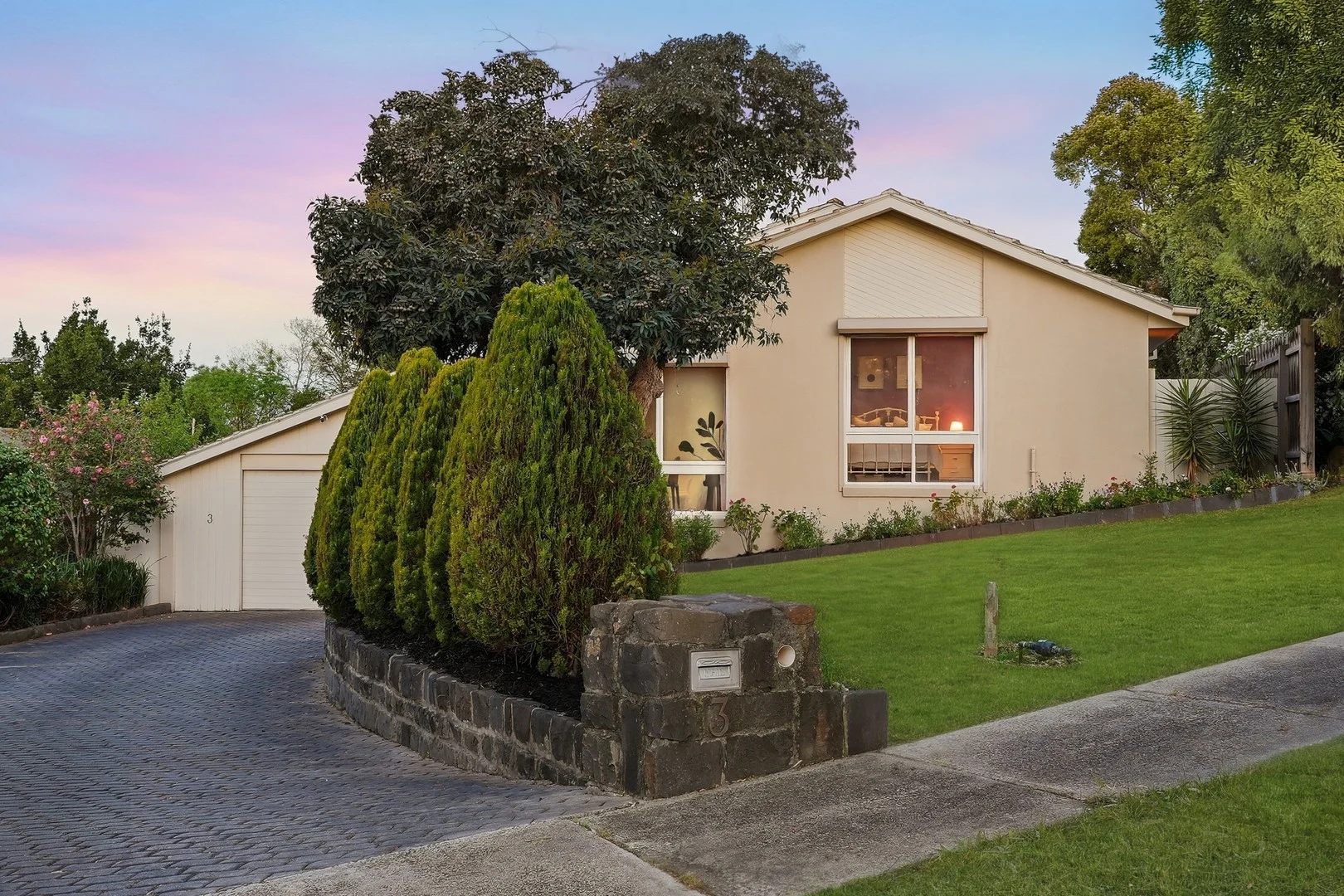 $1,350,000
House
$1,350,000
House
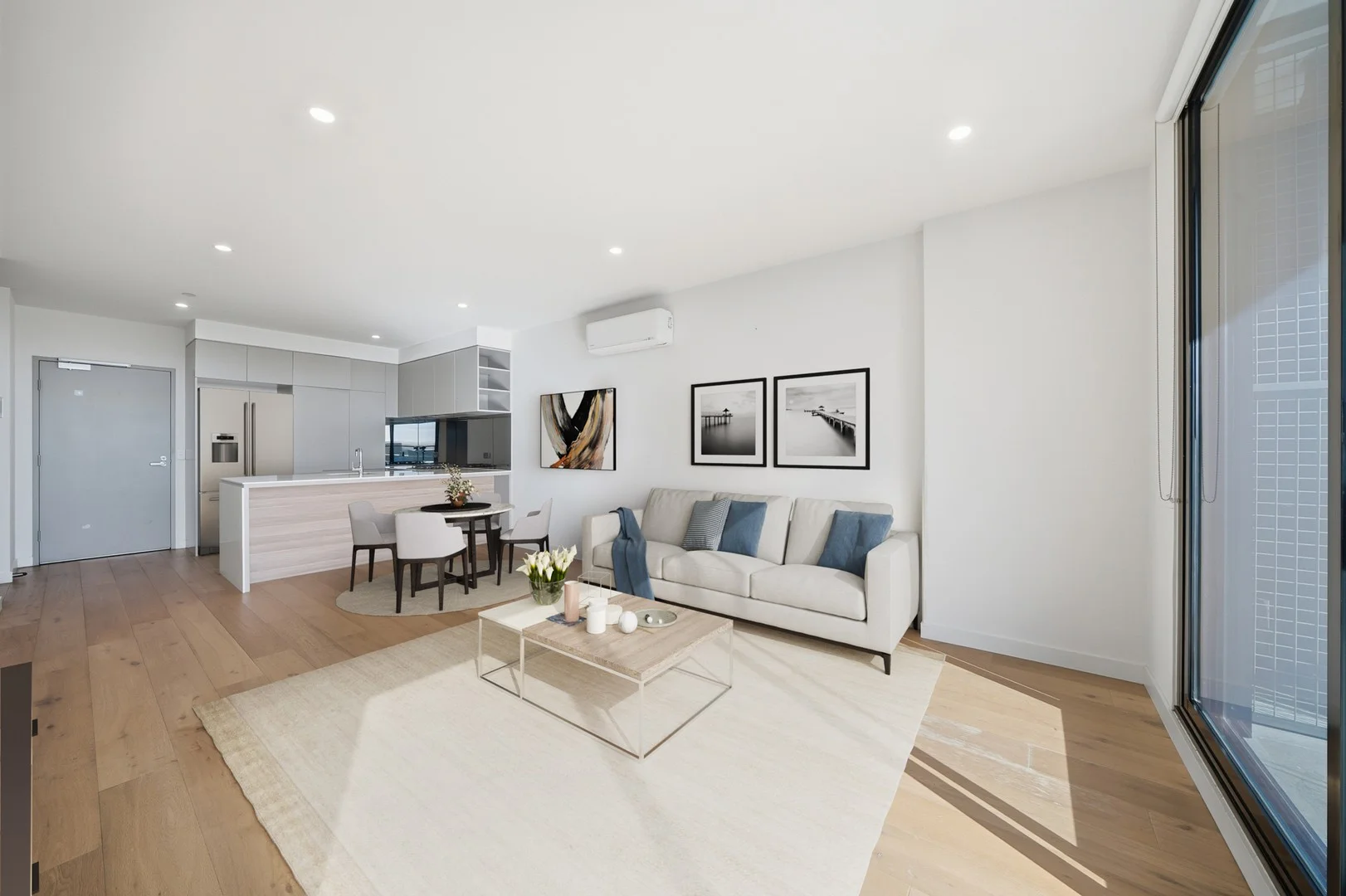 $500,000 - $550,000
Apartment / Unit / Flat
$500,000 - $550,000
Apartment / Unit / Flat
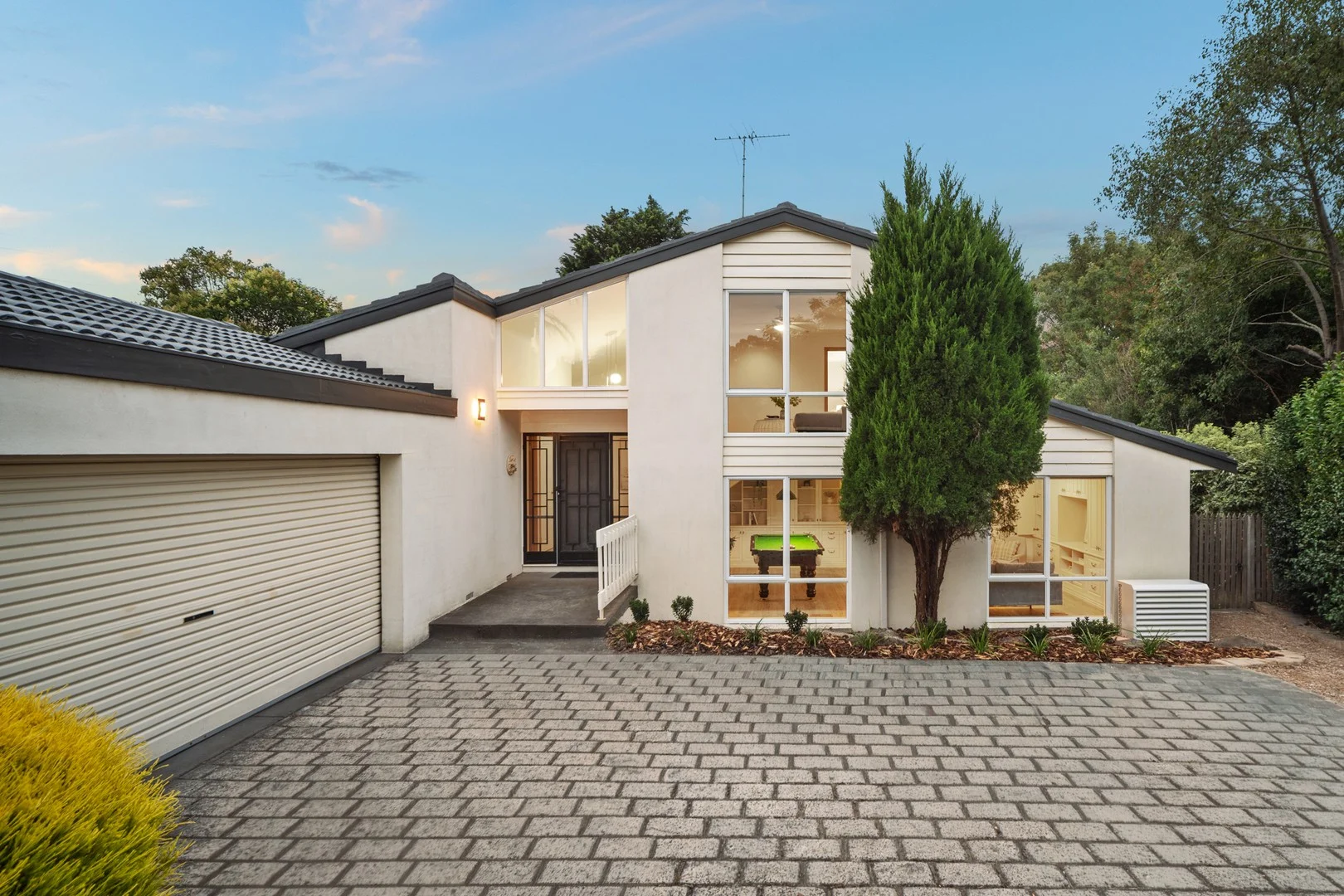 $1,380,000 - $1,500,000
House
$1,380,000 - $1,500,000
House
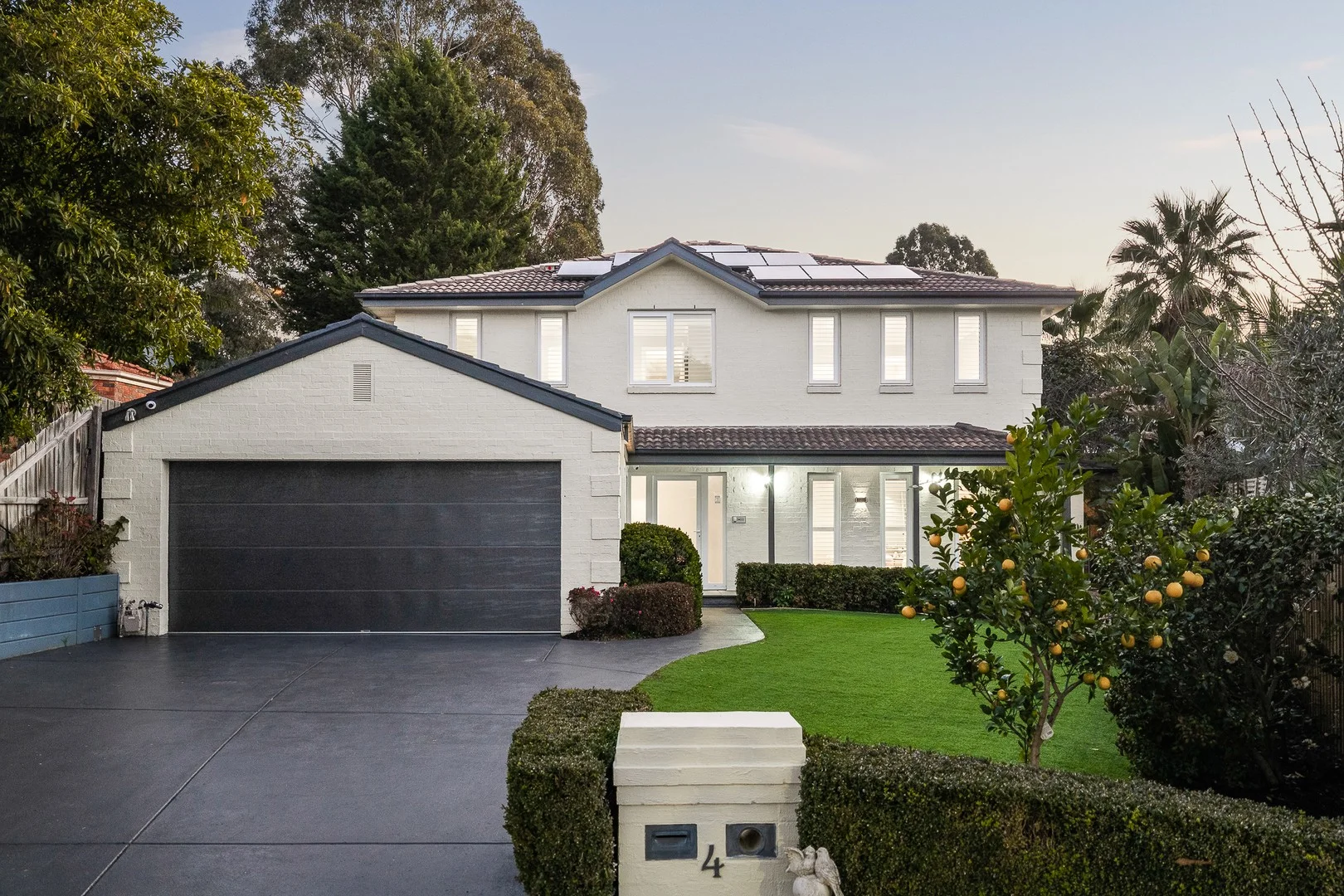 $1,900,000
House
$1,900,000
House
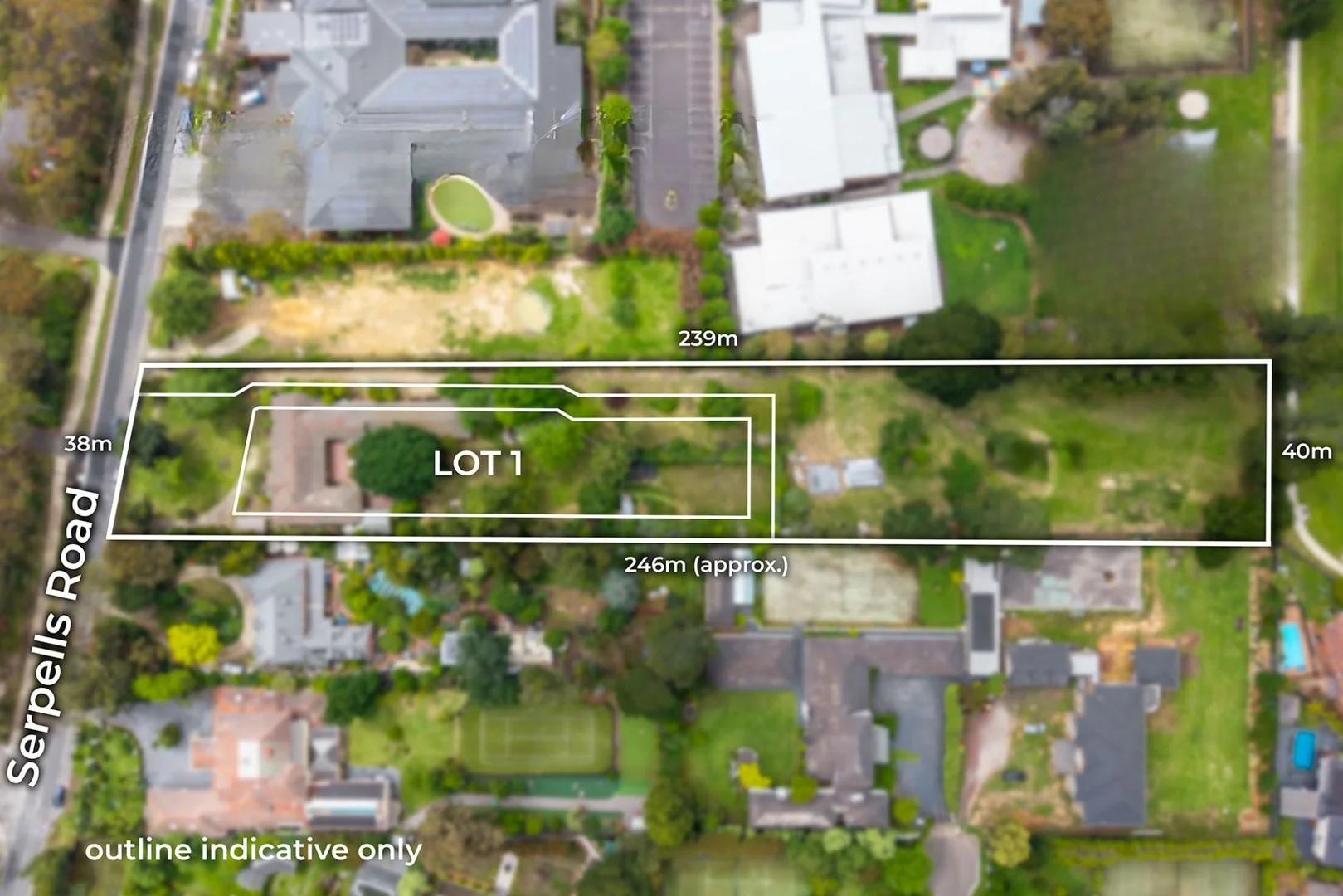 $5,600,000
House
$5,600,000
House
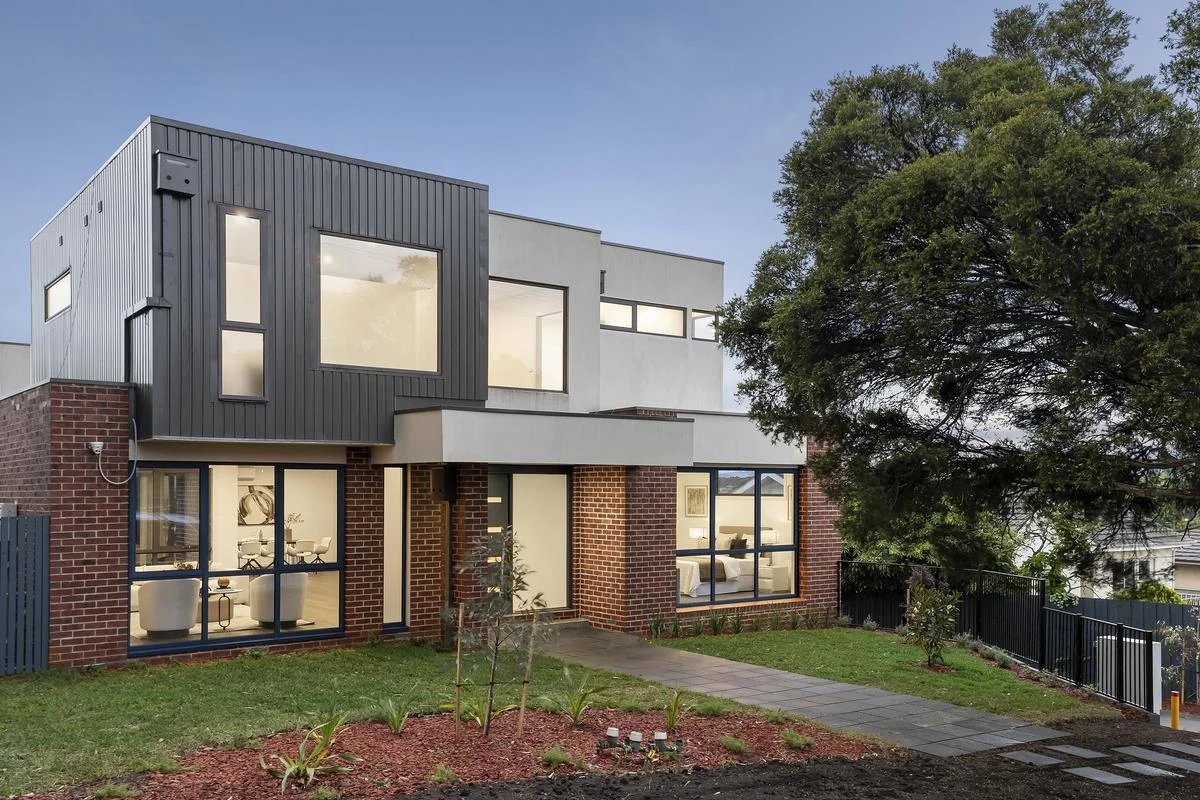 $1,550,000 - $1,650,000
Townhouse
$1,550,000 - $1,650,000
Townhouse
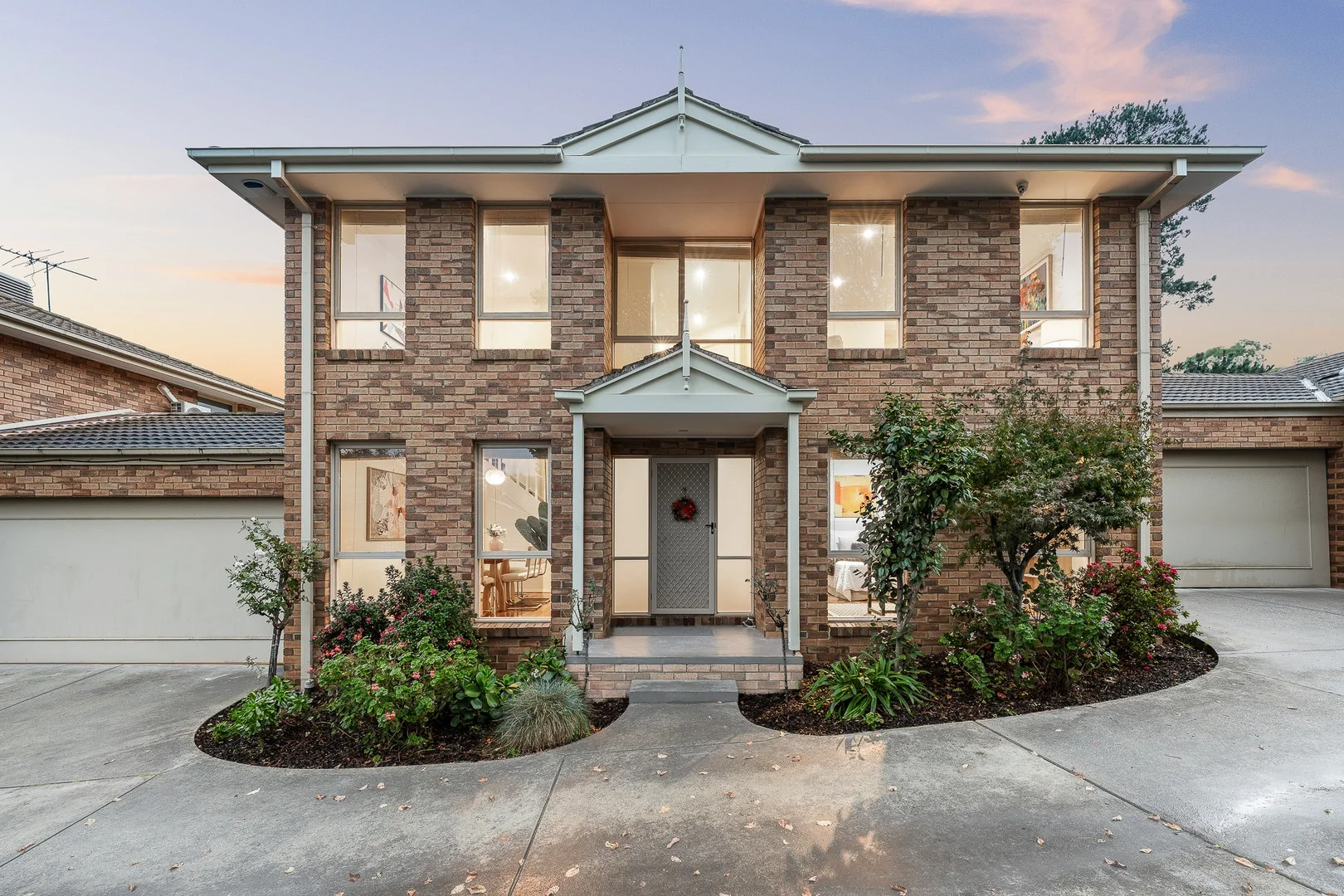 $950,000 - $1,045,000
Apartment / Unit / Flat
$950,000 - $1,045,000
Apartment / Unit / Flat
 $1,220,000 - $1,320,000
House
$1,220,000 - $1,320,000
House
 $900,000 - $990,000
Townhouse
$900,000 - $990,000
Townhouse


