Overview
## Overview
Fitra Community School is a private/independent educational facility in Melbourne’s Clayton South area, offering a values-based, community-focused learning environment. The school emphasizes a holistic approach to development, balancing academic growth with social-emotional well-being and character formation.
With a medium-sized student body and typically class sizes in the mid-range, the school fosters a nurturing and inclusive atmosphere, where students are encouraged to participate, collaborate, and strive for personal best across academics, arts, and sports.
⸻
## Academics & Learning
- Academic strengths: English, mathematics, STEM pathways, languages, and literacy/numeracy development are central, complemented by leadership and social-emotional learning opportunities.
- Special programs: Gifted and talented options, accelerated learning tracks, and integrated values-based studies may be available to appropriate students.
- NAPLAN trends: Historical patterns show steady literacy and numeracy progress and ongoing efforts to close any gaps through targeted supports.
- Student-teacher ratios: Typically around 1:12 to 1:18 in primary and 1:12 to 1:20 in secondary cohorts.
- Support for diverse learners: EAL (English as an Additional Language) support, SEN (Special Educational Needs) assistance, and learning support programs to promote inclusive education.
⸻
## Sports & Extracurricular Strengths
- Sports offered: A range of team and individual sports (e.g., football, basketball, netball, cricket, athletics) with opportunities to participate in school leagues and inter-school events.
- Strong teams or achievements: Active participation in local and regional competitions with recognized teamwork and competitive results.
- Music, arts, drama programs: Access to music lessons, choir or ensembles, and drama productions to showcase creativity.
- Clubs: Robotics, chess, coding, debating, and other interests available to broaden skills beyond the classroom.
- Partnerships: Local clubs, academies, and competitions that widen exposure to sport, coding, and STEM activities.
⸻
## Wellbeing & Pastoral Care
- Anti-bullying approach: Clear anti-bullying policies, restorative practices, and a focus on respectful behavior and conflict resolution.
- House system: House groups support camaraderie, friendly competition, and peer mentoring.
- Counsellors / wellbeing officers: Access to dedicated staff for wellbeing, counseling, and personal development.
- Transition support for new students: Orientation programs, buddy systems, and targeted onboarding to help with settling in.
⸻
## Facilities
- Sports grounds: On-site playing fields and courts to support physical education and extra-curricular sports.
- Libraries: Central libraries with print and digital resources to support learning.
- Science labs: Equipped science facilities for practical experiments and inquiry-based learning.
- Music/performing arts centers: Space for music instruction, rehearsals, and performances.
- Tech/innovation labs: Resources for design, coding, and hands-on STEM activities.
- Cafeteria: On-site canteen or dining facilities for daily meals and breaks.
- Updated playgrounds: Safe, modern outdoor play areas for break times and physical activity.
⸻
## School Values & Community Culture
- School values / mission: A mission grounded in respect, responsibility, and service, guiding everyday choices and school culture.
- Leadership style: Collaborative and student-centered, with opportunities for student voice through councils or representative roles.
- Behaviour expectations: Clear codes of conduct emphasizing courtesy, integrity, and accountability.
- Community reputation: A reputation built on inclusivity, support for families, and active community involvement.
- Diversity & inclusion: Commitment to welcoming students from diverse backgrounds and providing equitable access to opportunities.
⸻
## School Logistics & Daily Operations
- School hours: Typical school day starts mid-morning and ends in the afternoon, with potential after-school options.
- Before/after school care: Available or arranged through on-site or partner programs.
- Uniform requirements: Standardized uniform policy with guidelines for daily wear and sport-specific attire.
- Transport (train/bus routes): Access to public transport options with designated drop-off/pick-up arrangements; details vary by route.
- Canteen availability: On-site canteen or meal program offering daily food provisions.
- Fees (low/medium/high ranges): Fees fall in the mid-to-upper range relative to local options; subject to annual updates and any additional program costs.
⸻
## Enrolment & Admissions
11. What is the enrolment process and timeline?
- Begin with an inquiry or application submission.
- Submit required documents (birth certificate/ID, immunisation records, previous school reports, etc.).
- Attend any required intake assessments or interviews.
- Participate in any family/student interviews or orientation sessions.
- Receive offer of enrolment and complete acceptance by the specified deadline.
- Complete enrolment confirmation and onboarding steps for the new term.
12. Is there a waiting list, and how does it work?
- Waiting lists may apply based on vacancies.
- Priority often given to siblings and to families who have completed the enrolment process and offered documentation on time.
- Timelines depend on current and upcoming intake capacity.
13. Are there any entry requirements, tests, or interviews?
- Entry may involve an interview with the family and student.
- May include a learning assessment or placement considerations to determine appropriate supports or program placement.
- Required documentation typically includes immunisation records and school reports.
14. Does the school accept mid-year transfers?
- Mid-year transfers can be considered if there is space and suitable placement is available.
- Transfers usually require academic transcripts, attendance records, and an orientation or transition plan for the new student.
⸻
## Frequently Asked Questions
- Why Parents Choose This School?
Parents often value the school's values-based approach, supportive staff, inclusive community, and balance between academics, wellbeing, and extra-curricular opportunities.
- What type of student thrives at this school?
Students who enjoy a collaborative environment, value community, engage in a broad range of activities, and benefit from a caring, small-to-medium school setting.
- What opportunities are available for students to extend their skills (academics, sports, arts)?
Access to accelerated or gifted programs, clubs (robotics, coding, debating), diverse sports, music ensembles, and drama productions.
- How does the school communicate with parents?
Regular newsletters, email updates, a parent portal, scheduled parent-teacher conferences, and open channels with staff.
- What is the school’s approach to teaching and learning?
Focus on student-centered, inquiry-based learning with differentiation to support diverse needs and strengths.
- How does the school support students who need extra academic help?
Targeted learning support, tutoring, EAL services, SEN assistance, and small-group interventions.
- What support is available for academic challenges?
Access to counselors, learning support staff, and intervention programs to help students catch up and stay engaged.
- How does the school communicate with parents?
(Repeated) See above: newsletters, portals, conferences, and direct access to teachers.
- What are the class sizes and how much individual attention do students receive?
Class sizes typically range from about 18 to 24 students, with opportunities for targeted teacher support, small-group work, and individualized guidance.
- What extracurricular and sports opportunities are available?
A broad menu across sports, arts, clubs (robotics, chess, coding, debating), and performance opportunities, often tied to local partnerships and competitions.
- What facilities does the school offer (sports, science, arts)?
Facilities include sports grounds, libraries, science labs, music/performing arts spaces, tech/innovation labs, and a canteen.
- What is the school’s approach to technology and digital learning?
Integration of ICT across the curriculum, access to computer labs or devices, and digital learning platforms to support learning.
- What transport and accessibility options are available?
Transport options typically include access to public transit routes and designated drop-off/pick-up, with parking and accessibility considerations.
- What are the typical school fees or additional costs?
Fees fall in the mid-to-high range relative to local options, with potential additional costs for camps, excursions, and extra-curricular activities.
⸻
## Short Pros & Cons list
- Pros
- Values-based, inclusive environment with a focus on wellbeing.
- Balanced emphasis on academics, arts, and sports.
- Supportive staff and active community involvement.
- Range of clubs and extra-curricular opportunities.
- Good facilities to support learning and activities.
- Cons
- Smaller to mid-sized setting may mean fewer course options compared with large public schools.
- Fees are typically higher than government schools.
- Transport options can be location-dependent and may require planning.
- Availability of certain programs may vary by intake year and staffing.












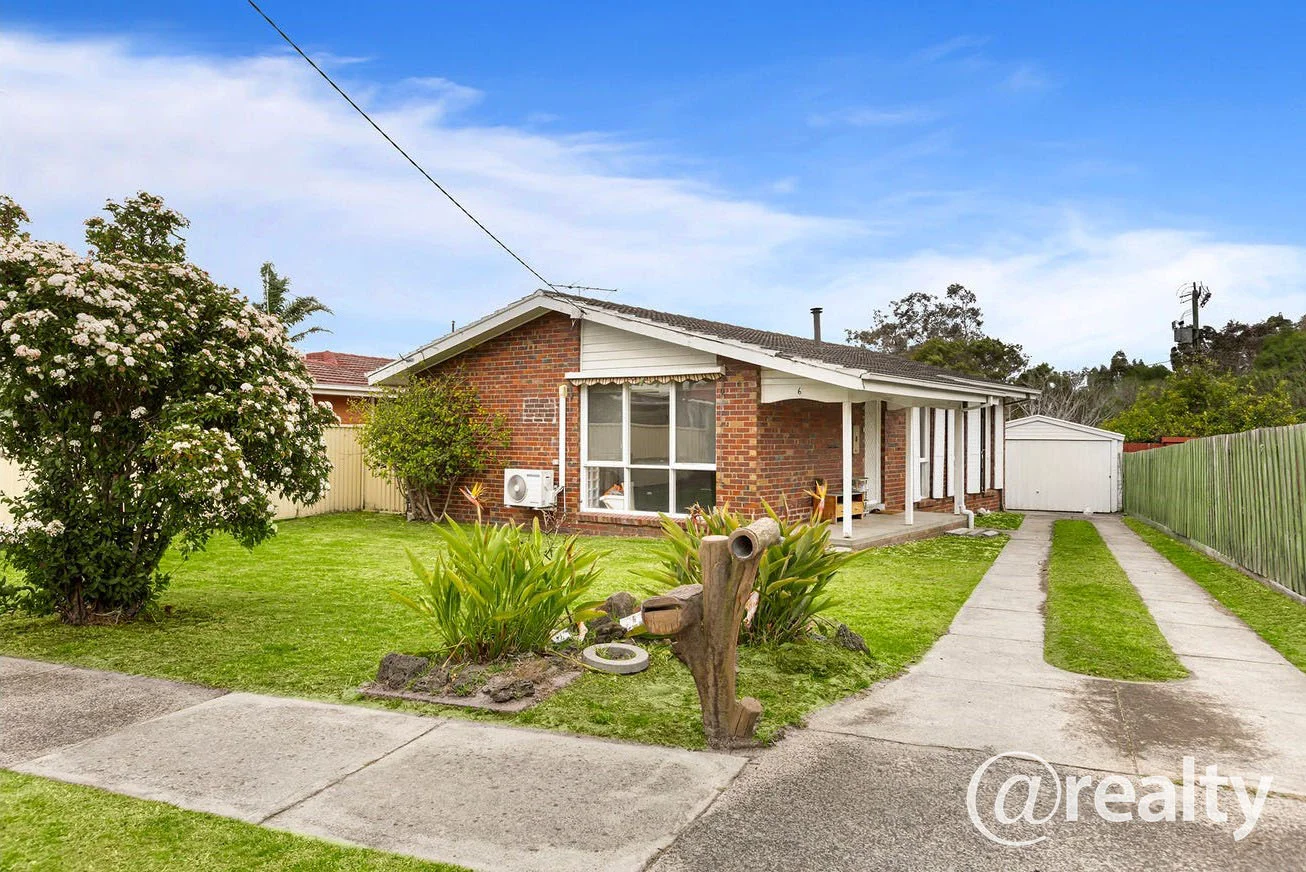 $610
House
$610
House
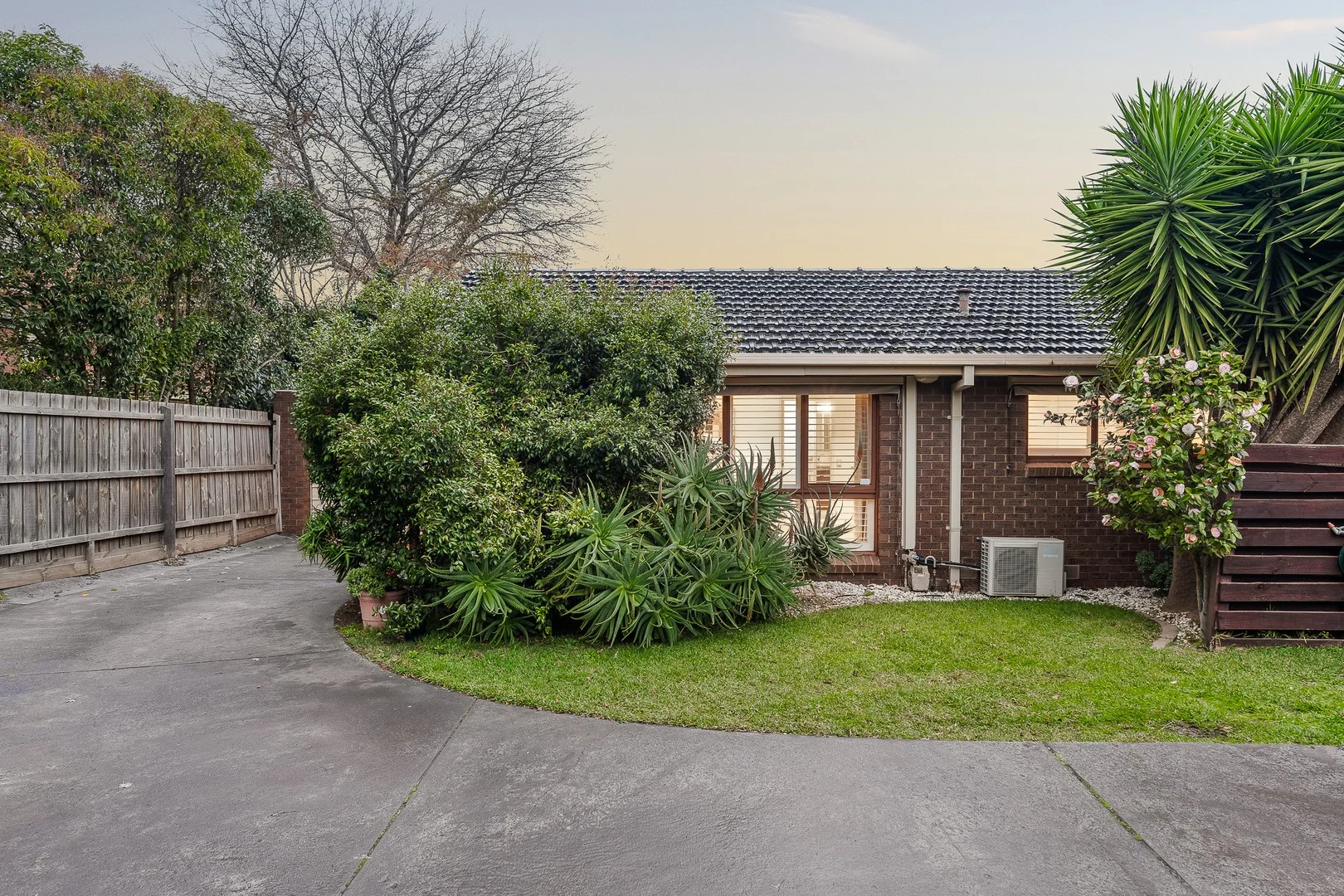
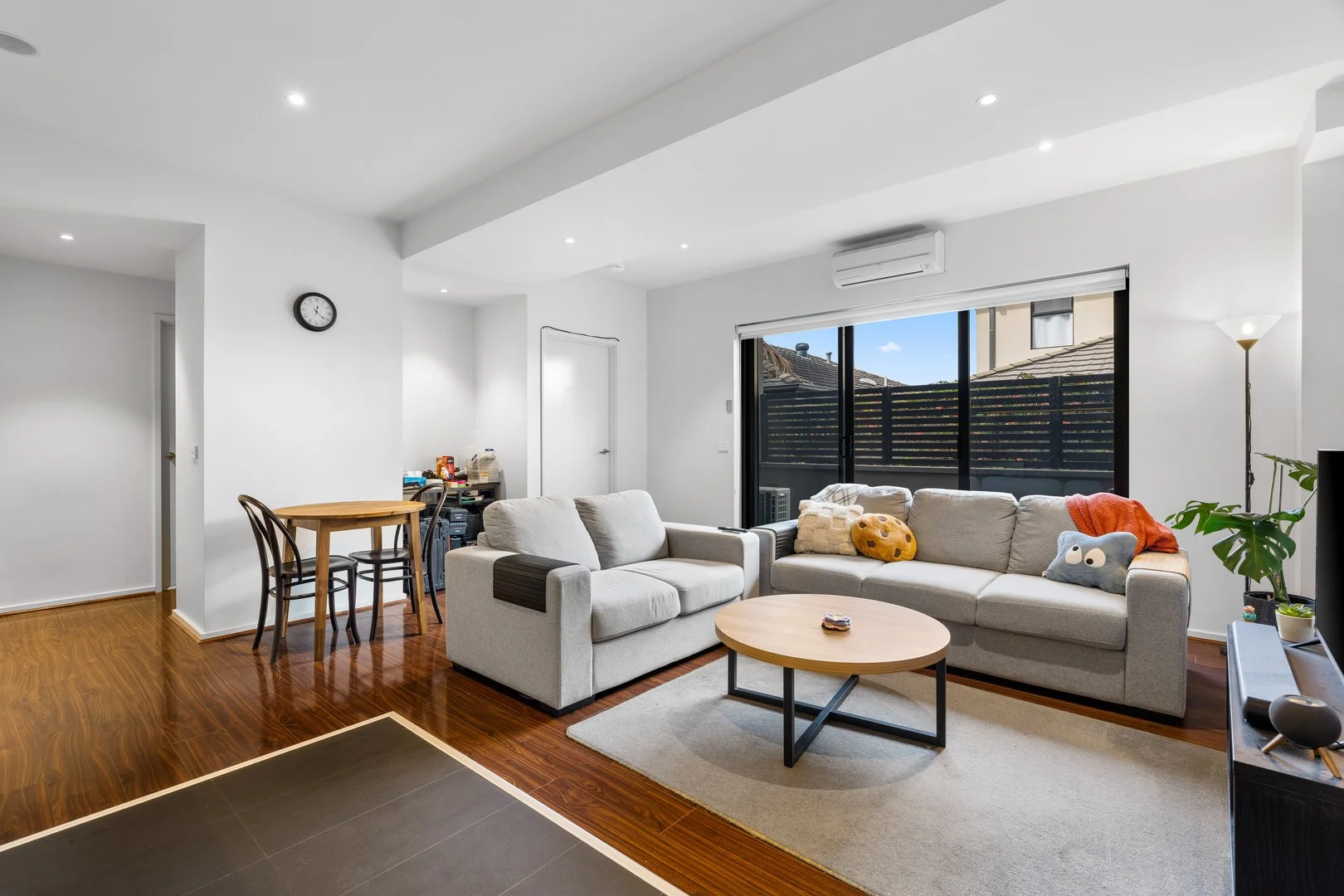 $385,000 - $410,000
Apartment / Unit / Flat
$385,000 - $410,000
Apartment / Unit / Flat
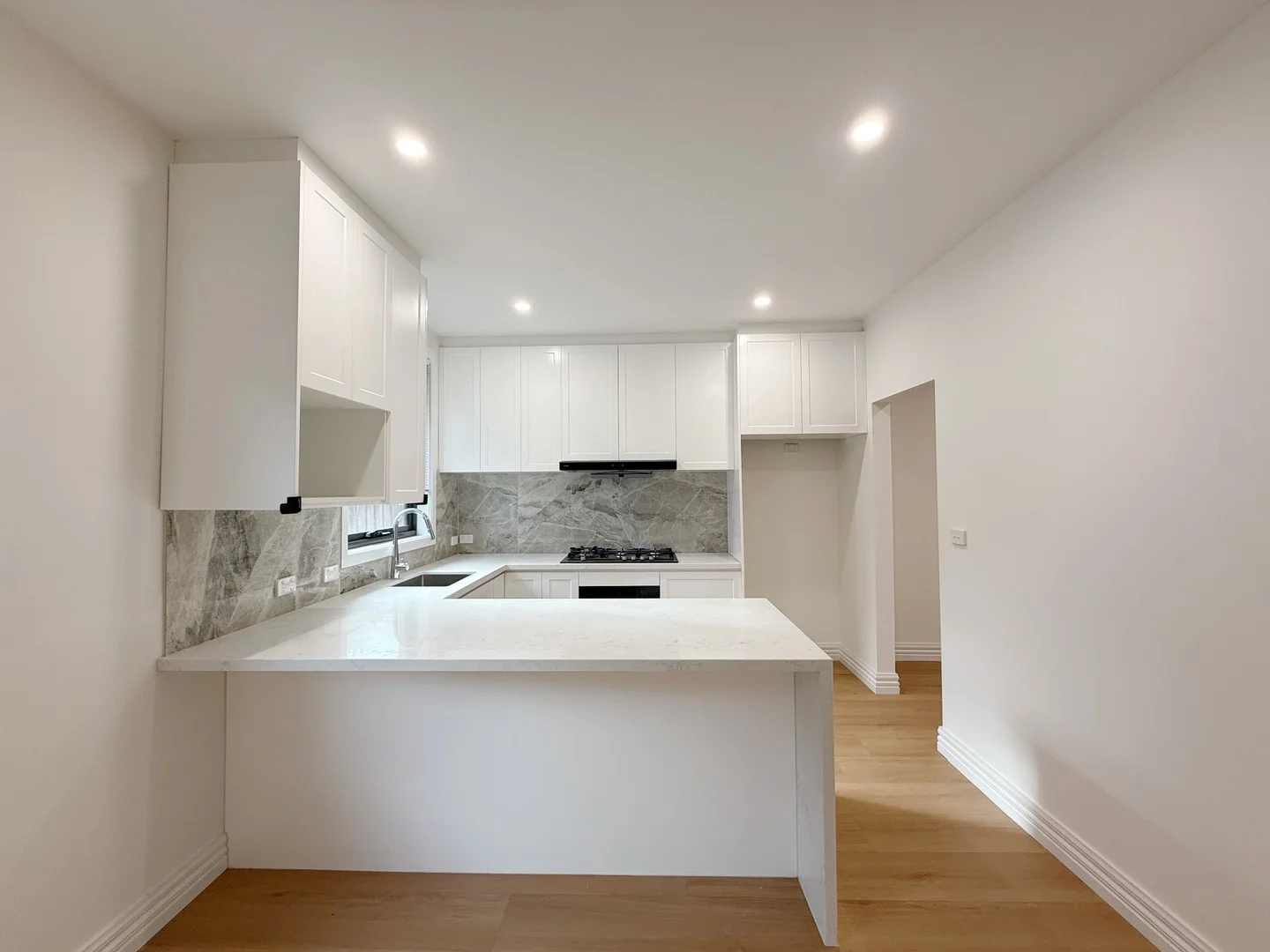
 $770,000 - $820,000
Apartment / Unit / Flat
$770,000 - $820,000
Apartment / Unit / Flat
 $1,280
House
$1,280
House
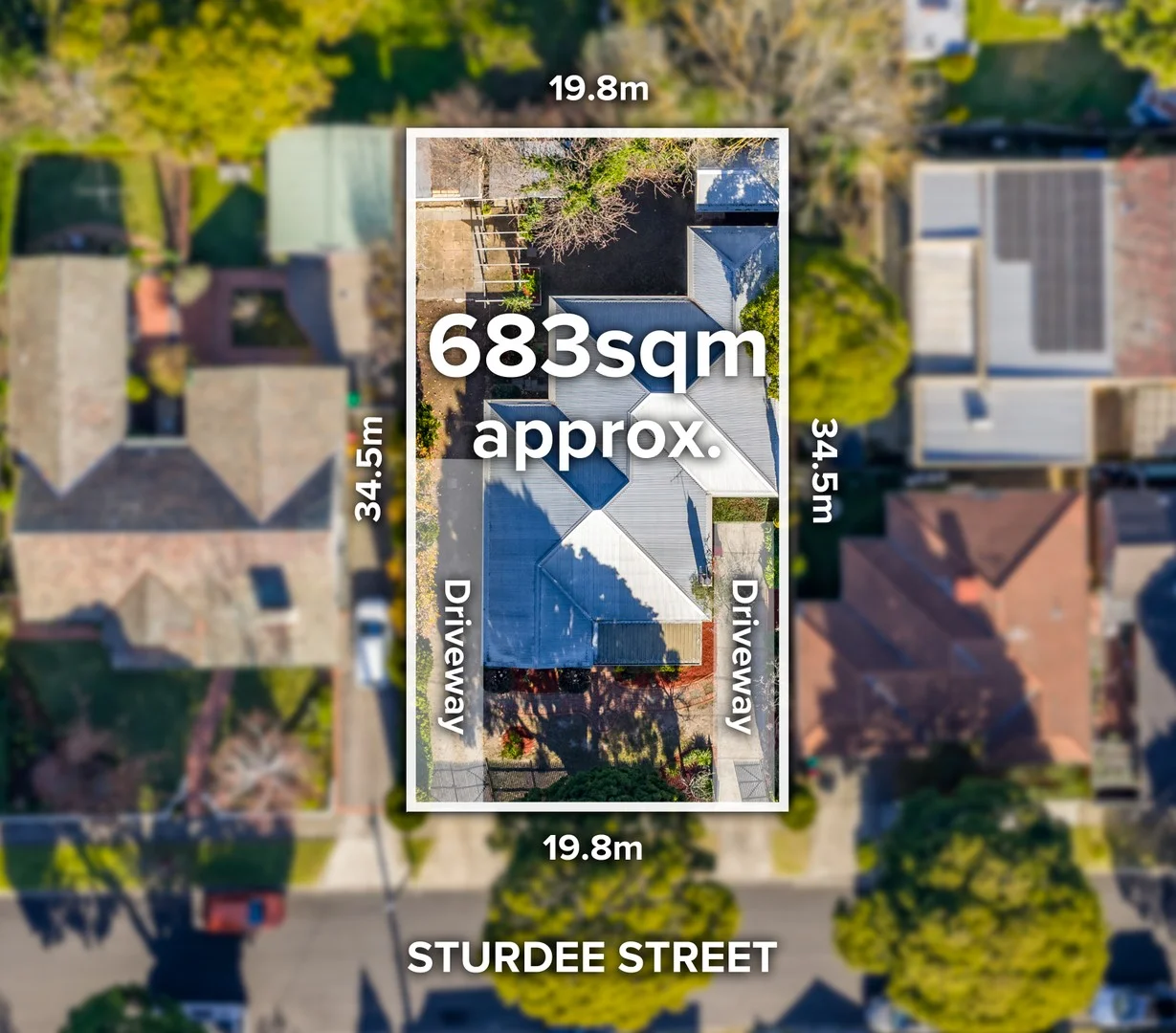
 $4,200,000
House
$4,200,000
House
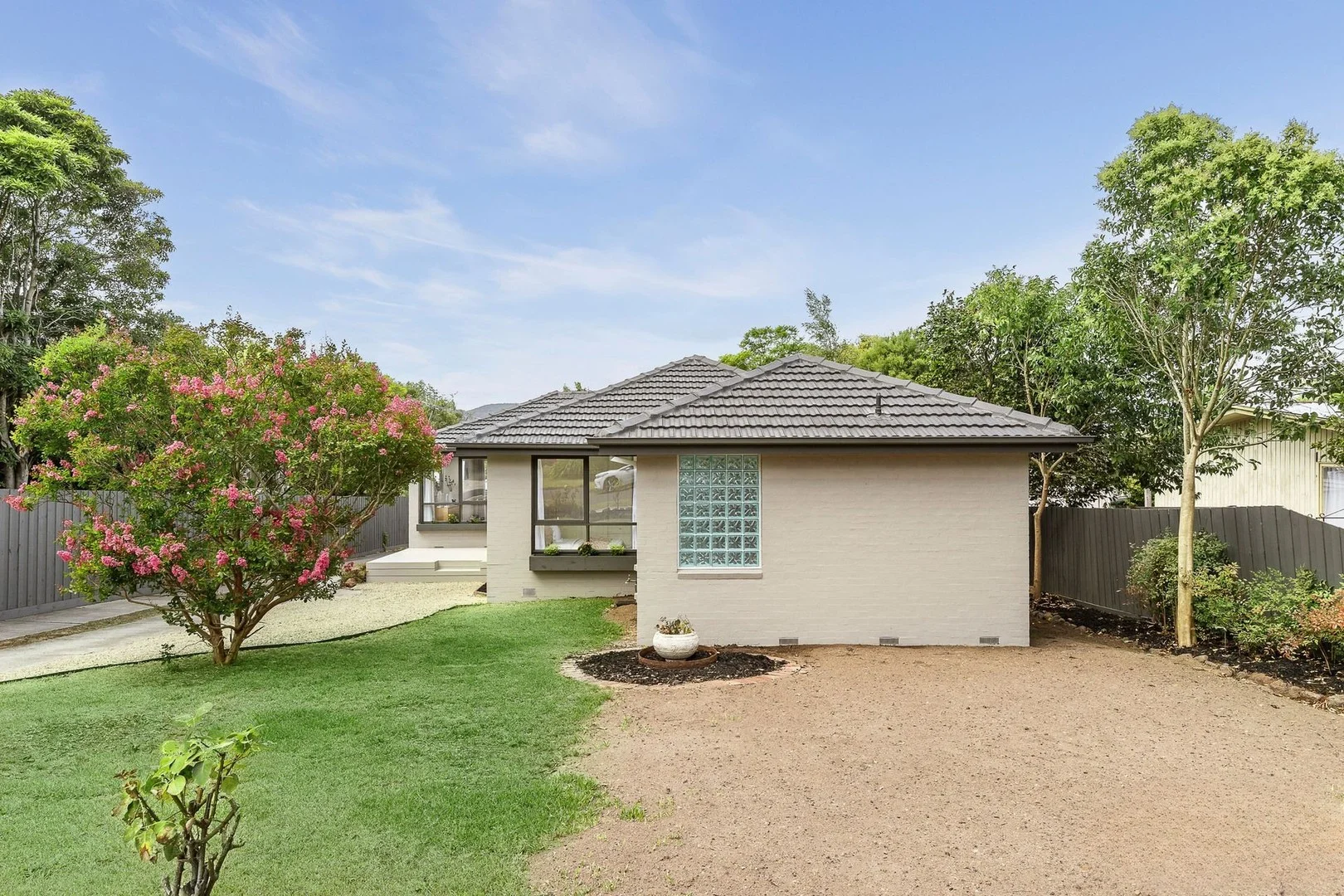
 $2,000,000
House
$2,000,000
House
 $700
Apartment / Unit / Flat
$700
Apartment / Unit / Flat
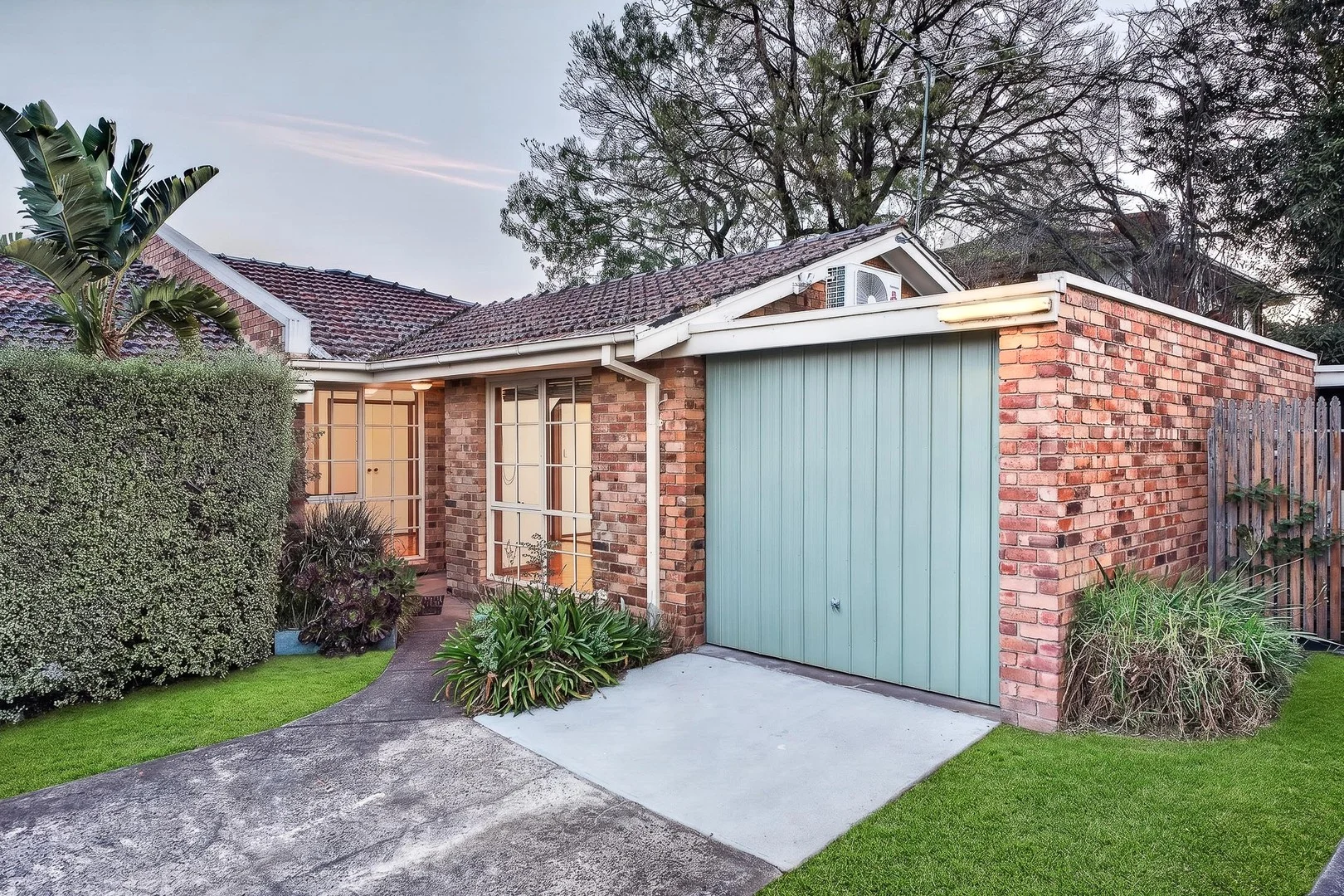 $765,000 - $825,000
Apartment / Unit / Flat
$765,000 - $825,000
Apartment / Unit / Flat
 $630,000 - $680,000
Apartment / Unit / Flat
$630,000 - $680,000
Apartment / Unit / Flat