Overview
## Overview
St Joseph's Catholic Primary School in Springvale is a Catholic, co-educational primary school that serves families seeking a faith-centred, values-driven education. The school tends to be described as a medium-sized community with a welcoming and inclusive atmosphere that emphasises both academic progress and spiritual development. Class sizes are typically in the range common for Victorian primary schools, supporting close teacher-student relationships and student engagement in learning.
The culture at St Joseph's is generally nurturing and supportive, with a focus on Catholic values, respect, service to others, and fostering a sense of belonging within a diverse community.
---
## Academics & Learning
- Academic strengths: Emphasis on literacy and numeracy foundations, with integrated religious education and opportunities to engage in the arts and physical education as part of a balanced curriculum. Schools of this type often incorporate explicit teaching in English, mathematics and STEM-related activities within a broad learning program.
- Special programs: Catholic identity is woven through daily learning; there may be opportunities for extension and enrichment within standard curricula and school-wide programs.
- NAPLAN / trends: Look for steady, year-on-year progress and a focus on improving core skills; for exact trend data, check the school's published reports or the Victorian Department of Education dashboards.
- Student-teacher ratios: Class sizes typically align with state expectations for primary schools, with teachers supported by teacher aides in some year levels to assist with targeted instruction and diverse learner needs.
- Support for diverse learners: EAL (English as an Additional Language) and SEN (Special Education Needs) supports are commonly available, including targeted programs and inclusive teaching practices to help a range of learners access the curriculum.
---
## Sports & Extracurricular Strengths
- Sports offered: Typical primary programs include team sports such as soccer, netball, Australian rules football, cricket and athletics, along with regular PE sessions and inter-school events.
- Strong teams or achievements: Schools of similar size often participate in inter-school sport days and local competitions; achievements vary by year and cohort.
- Music, arts, drama programs: A rhythm of music and performing arts is usually present, with opportunities in choir, concert performances and drama activities as part of the broader arts program.
- Clubs: Robotics, coding, chess, debate and other after-school activities are commonly offered to extend student learning beyond the classroom.
- Partnerships: Schools often engage with local community clubs and inter-school competitions to broaden participation in sport, arts and STEM activities.
Note: Specifics may vary by year and cohort; contact the school for the exact current extracurricular lineup.
---
## Wellbeing & Pastoral Care
- Anti-bullying approach: Schools in this sector typically implement a whole-school anti-bullying policy with clear reporting mechanisms and restorative practices to support safe, respectful interactions.
- House system: A house structure is commonly used to foster belonging, healthy competition and pastoral support across year levels.
- Counsellors / wellbeing officers: A wellbeing team or designated staff members usually provide social-emotional support, transition assistance and access to counselling services as needed.
- Transition support for new students: Orientation activities, buddy programs and gradual transition planning help new students settle into school life and routines.
---
## Facilities
- Sports grounds: On-site playing fields or courts for outdoor activities and sports.
- Libraries: A school library supporting literacy development and independent reading.
- Science labs: Dedicated spaces for practical science activities and experiments.
- Music/performing arts centers: Rooms or spaces for music, drama and performance activities.
- Tech/innovation labs: Access to computer or technology-enabled learning spaces for digital skills and coding.
- Cafeteria: On-site canteen or meal provision supporting healthy eating and social time.
- Updated playgrounds: Safe, age-appropriate play spaces for break times and physical activity.
Visual, simple, and informative facilities are typically highlighted to parents as part of school tours and prospectuses.
---
## School Values & Community Culture
- School values / mission: A faith-based mission focusing on compassion, service, respect, and community. Learning is framed within Catholic identity and ethical development.
- Leadership style: Inclusive and student-centered, with opportunities for student voice through classroom responsibilities, student leadership groups and collaborative decision-making.
- Behaviour expectations: Clear expectations grounded in respect, kindness and responsibility; use of a positive behavior framework and restorative approaches where needed.
- Community reputation: Generally viewed as a welcoming Catholic community that engages families in school life.
- Diversity & inclusion: Commitment to an inclusive environment that values diversity and supports students from various backgrounds and abilities.
---
## School Logistics & Daily Operations
- School hours: Typical primary school day starts mid-morning and ends in the mid-afternoon; precise times are available on the school’s timetable.
- Before/after school care: Often available through on-site or partner programs to support working families.
- Uniform requirements: A set uniform policy with available school-branded attire; details provided in the uniform guidelines.
- Transport (train/bus routes): Public transport options are available in Springvale, with likely proximity to local bus routes and train stations; check current routes and school travel plans.
- Canteen availability: Canteen or lunch program commonly available to provide meals or snacks during the day.
- Fees (low/medium/high ranges): Fees typically fall in the medium range for Victorian Catholic primary schools; exact costs and what’s included (levies, excursions, materials) are detailed in the school’s fee schedule.
---
## Enrolment & Admissions
11. What is the enrolment process and timeline?
- Prospective families typically begin with an application or enrolment expression of interest, followed by documentation submission, and an interview or information session. Timelines vary by year and demand; consult the school or its enrolment page for the current calendar.
12. Is there a waiting list, and how does it work?
- Many Catholic primary schools maintain a waitlist when applications exceed available places. The school will advise the process, priority considerations (often related to parish affiliation, siblings, or Catholic families), and expected wait times.
13. Are there any entry requirements, tests, or interviews?
- Entry often involves an interview or meeting with families and students, along with standard documentation (identity, immunisation records, etc.). Some Catholic schools note preferences or requirements related to parish enrollment; confirm exact requirements with the school.
14. Does the school accept mid-year transfers?
- Mid-year transfers are commonly considered if places are available, subject to assessment of placement feasibility and administrative requirements. Contact the school to discuss current vacancy and transfer arrangements.
---
## Frequently Asked Questions
- Why Parents Choose This School?
- A values-based Catholic education with a supportive, inclusive community and a focus on developing the whole child—academic, social and spiritual growth.
- What type of student thrives at this school?
- Students who respond well to a faith-informed, caring school culture; those who value community, mentorship from teachers and engagement in a broad curriculum.
- What opportunities are available for students to extend their skills (academics, sports, arts)?
- Strong literacy and numeracy focus, arts and music programs, physical education, and after-school activities such as clubs and coding or chess programs.
- How does the school communicate with parents?
- Regular updates through newsletters, meetings, parent portals and student progress reports; open channels for parent-teacher contact.
- What is the school’s approach to teaching and learning?
- A balanced, inclusive pedagogy that integrates core academics with faith-based values, student wellbeing and opportunities for hands-on learning.
- How does the school support students who need extra academic help?
- Small-group instruction, targeted support within the classroom, additional intervention where needed, and access to specialist staff.
- What support is available for academic challenges?
- Intervention strategies, tailored learning plans and collaboration with families to monitor progress and adjust instruction.
- How does the school communicate with parents? (Duplicate question retained for completeness)
- See above: newsletters, meetings, parent portals, and direct teacher communication.
- What are the class sizes and how much individual attention do students receive?
- Class sizes align with state norms for primary schools; individual attention is supported through targeted teaching and, in some cases, classroom aides.
- What extracurricular and sports opportunities are available?
- A range of sports, arts and clubs, with opportunities to participate in inter-school events, music and performing arts activities, and after-school programs.
- What facilities does the school offer (sports, science, arts)?
- Sports facilities, a library, science labs, a music/performing arts area, and ICT/tech spaces alongside standard dining and play areas.
- What is the school’s approach to technology and digital learning?
- Integration of technology in learning through classroom devices and digital projects, with curriculum-aligned use of educational software and tools.
- What transport and accessibility options are available?
- Access to local bus routes and proximity to rail services; updated travel information is available through the school and local transport providers.
- What are the typical school fees or additional costs?
- Fees generally fall in the medium range for regional Catholic primary schools; exact amounts, levies, and excursion costs are listed in the school’s fee schedule.
---
## Short Pros & Cons
- Pros
- Values-based Catholic education within a welcoming, inclusive community
- Focus on literacy and numeracy alongside arts, sports and wellbeing
- Support for diverse learners and pathways for student involvement
- Active pastoral care and a house-based community structure
- Family-friendly communication and engagement opportunities
- Cons
- Catholic primary schools may prioritise Catholic families or parish alignment (check enrolment policies)
- Extracurricular offerings can vary by year; confirm current clubs and programs
- Transport options depend on location and available routes; verify travel plans
- Fees and associated costs vary; review the latest fee schedule for exact amounts










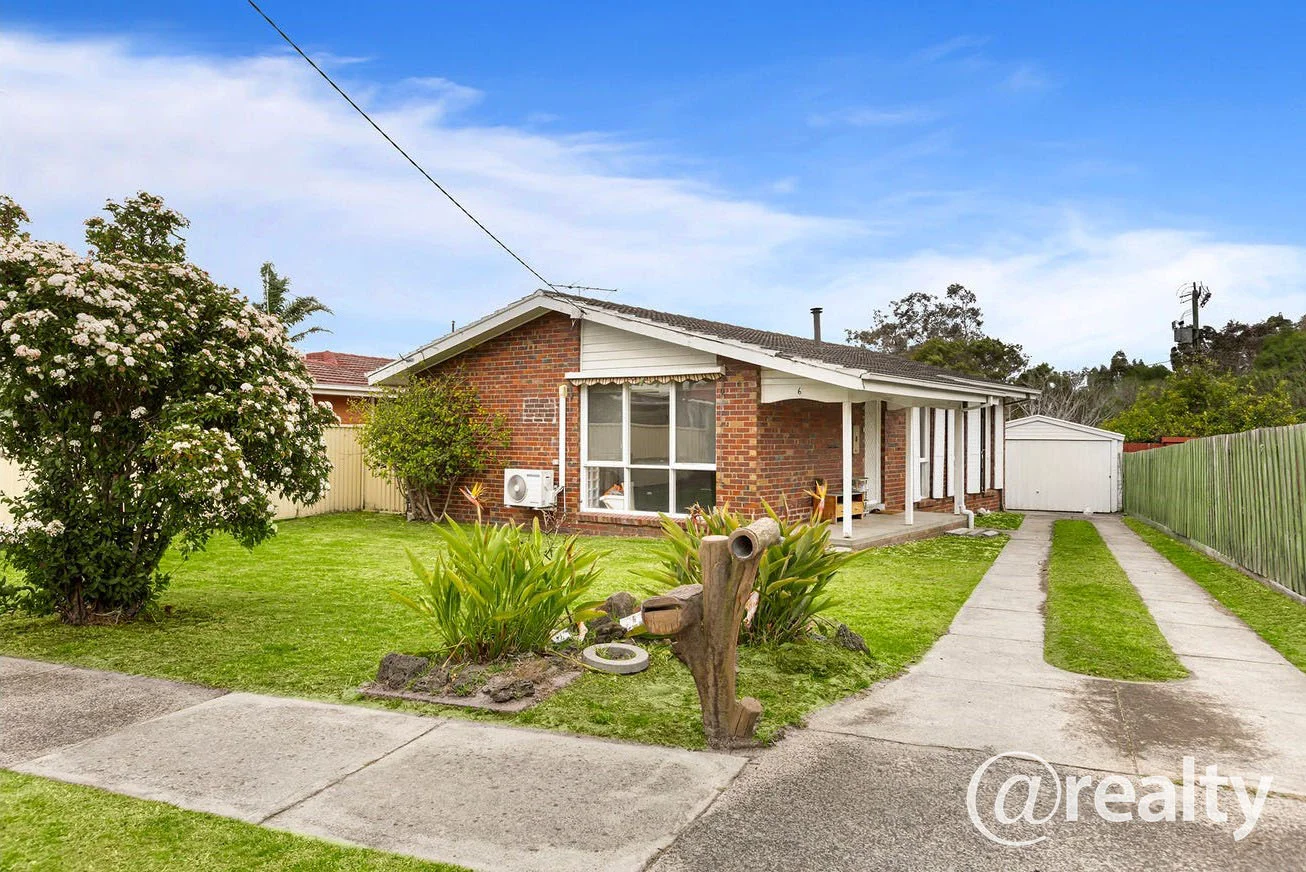 $610
House
$610
House
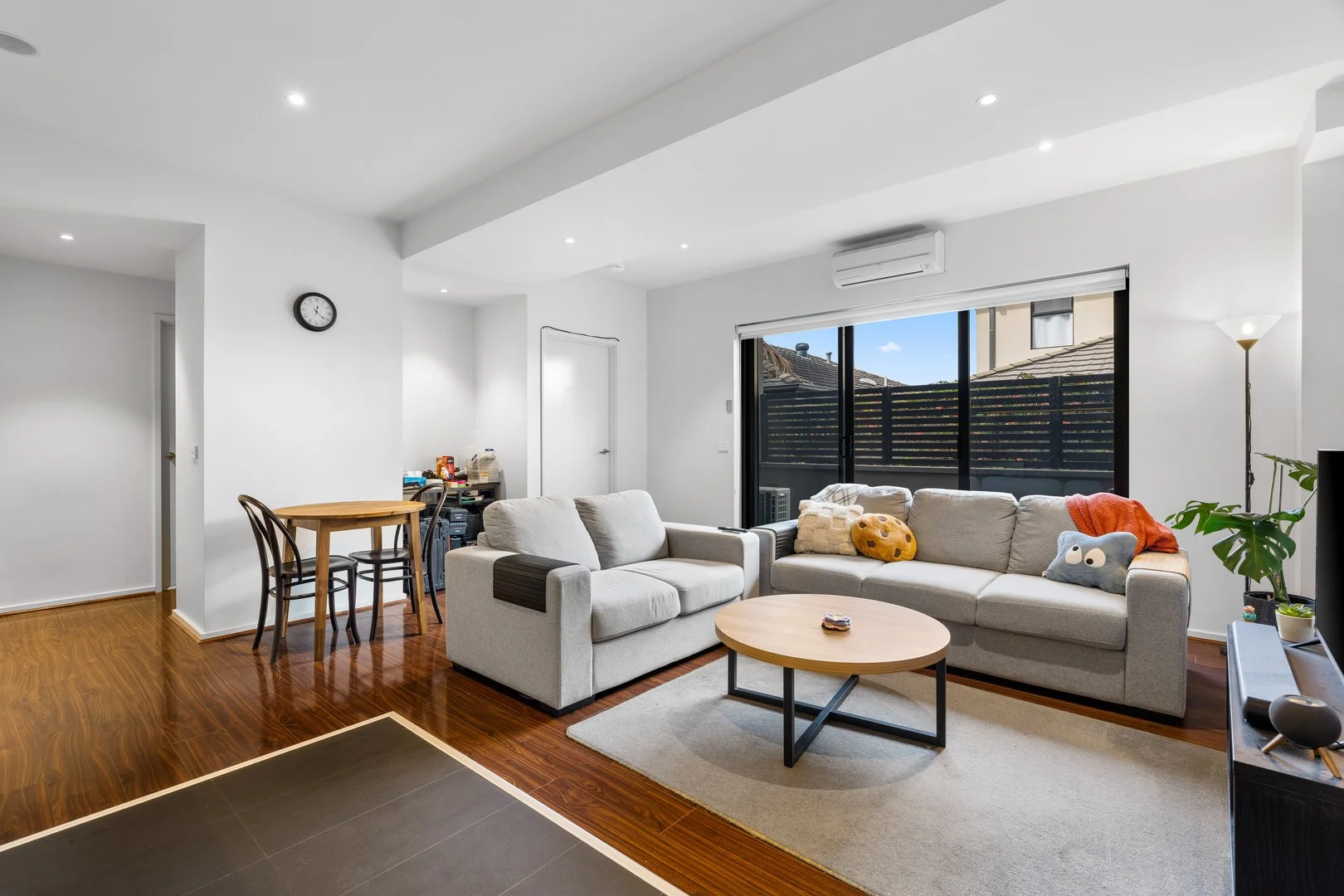 $385,000 - $410,000
Apartment / Unit / Flat
$385,000 - $410,000
Apartment / Unit / Flat
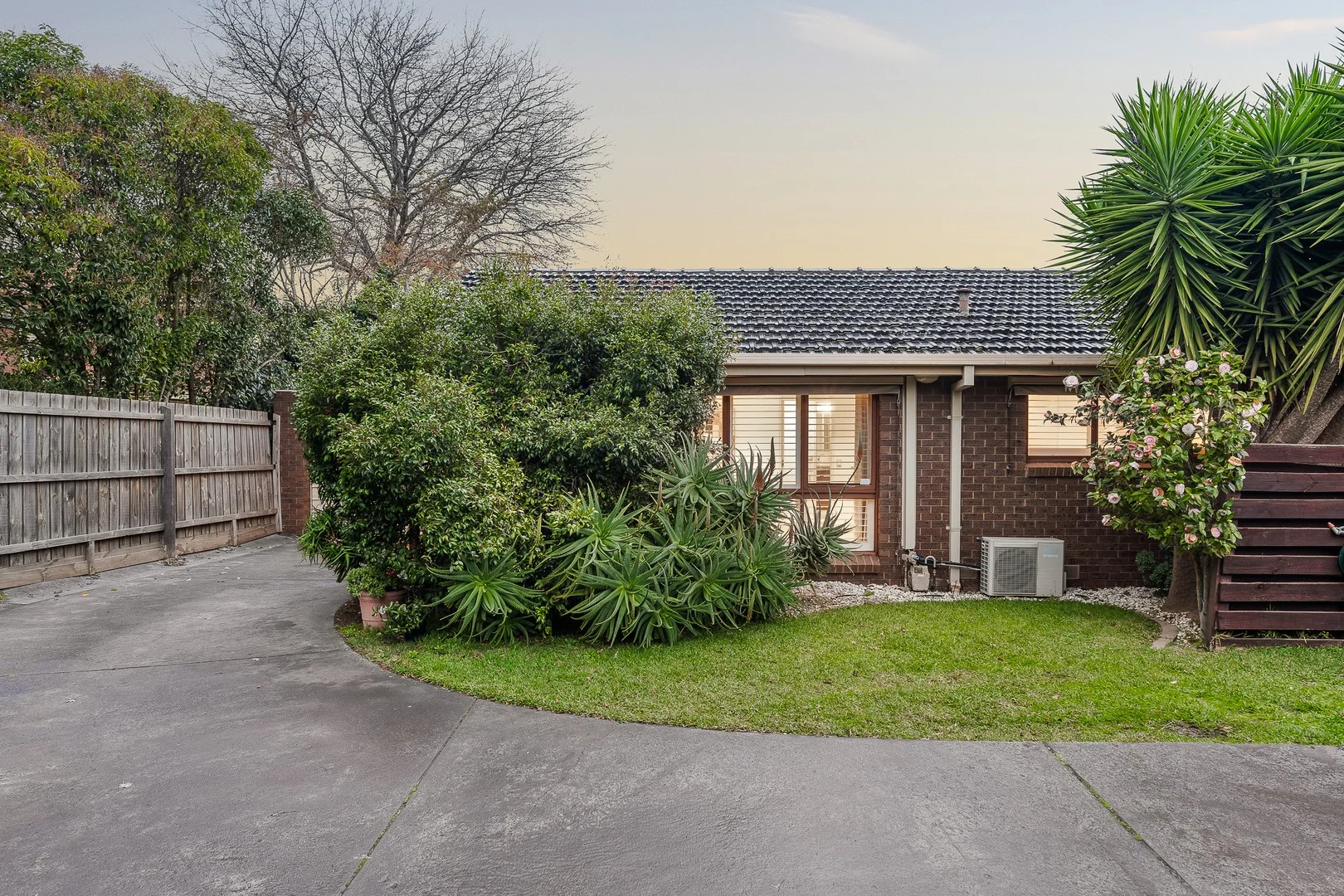 $770,000 - $820,000
Apartment / Unit / Flat
$770,000 - $820,000
Apartment / Unit / Flat
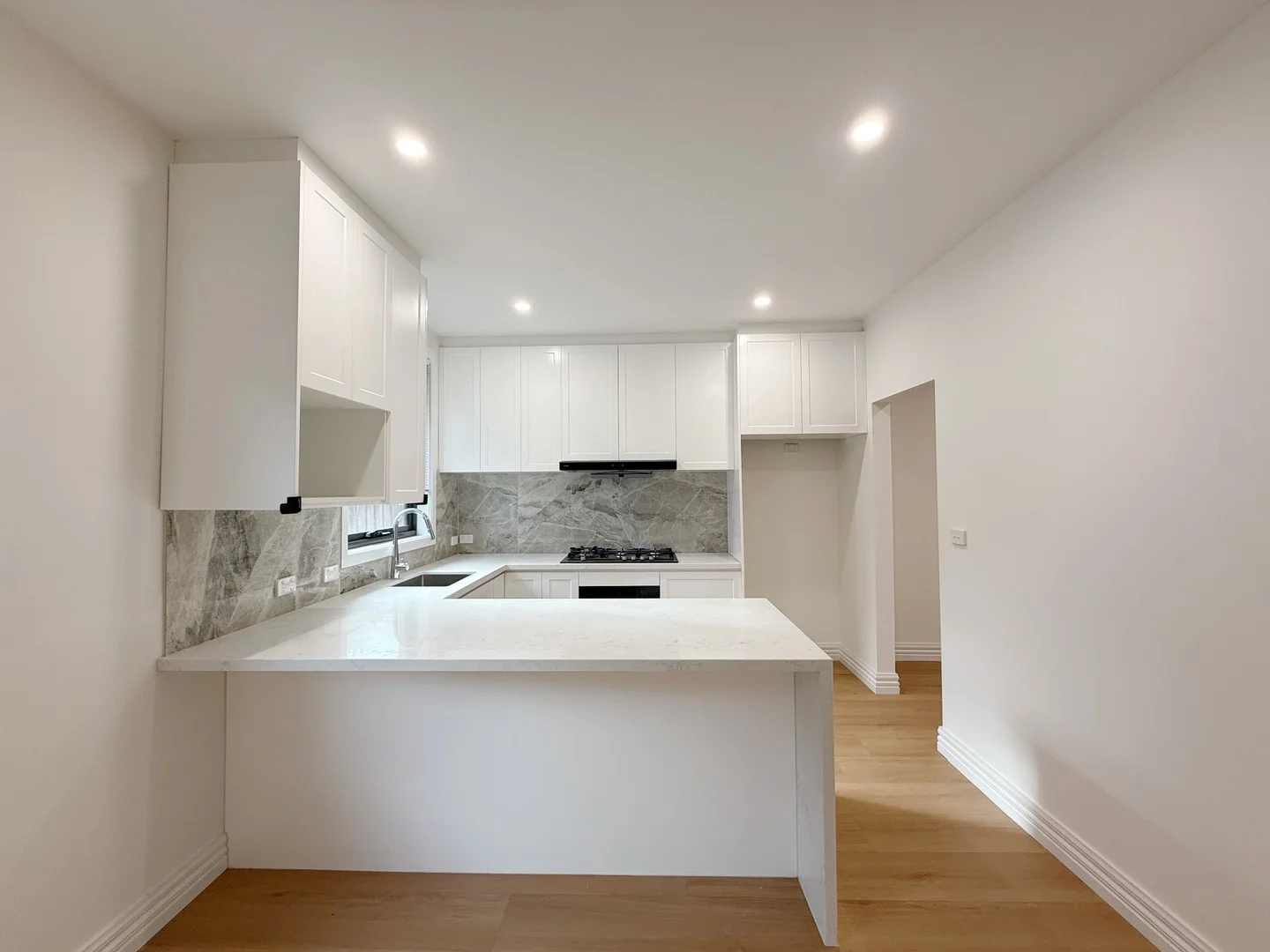 $1,280
House
$1,280
House
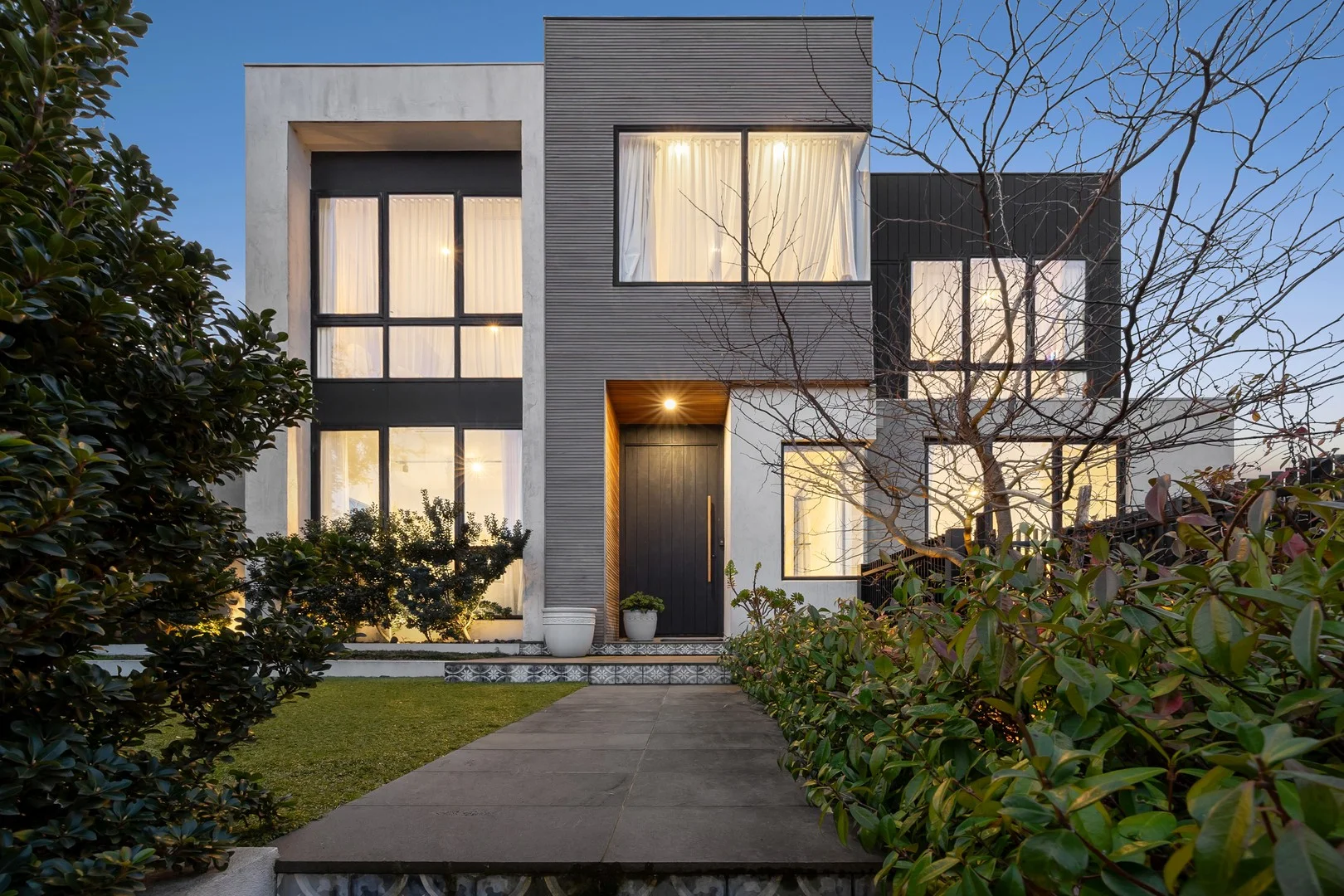 $4,200,000
House
$4,200,000
House
 $700
Apartment / Unit / Flat
$700
Apartment / Unit / Flat
 $2,000,000
House
$2,000,000
House
 $765,000 - $825,000
Apartment / Unit / Flat
$765,000 - $825,000
Apartment / Unit / Flat