## Overview
Bellevue Heights Primary School is a public primary school focused on inclusive, community-centered education. It emphasizes a supportive, student-focused environment where families are encouraged to participate in school life and partner with staff to support learning and well-being.
- School type: Public
- School size: Small to medium
- Class size: Typically in the low- to mid-20s
- Atmosphere/culture: Nurturing, inclusive, and supportive of diverse learners
⸻
## Academics & Learning
- Academic strengths: English, mathematics, and literacy are central, with a strong emphasis on literacy development, numeracy, and opportunities to engage in STEM-related activities; leadership and collaboration are encouraged across year levels.
- Special programs: Targeted reading support, extension/advanced opportunities where available, and participation in STEM/coding and other enrichment activities.
- NAPLAN / trends: Trends over time show steady progress with outcomes commonly aligned to or improving relative to state averages; the school monitors progress to tailor supports.
- Student-teacher ratios: Favourable ratios enable targeted teaching and small-group interventions when needed.
- Support for diverse learners: EAL support and SEN services are provided through an inclusive education framework with a coordinated support team.
⸻
## Sports & Extracurricular Strengths
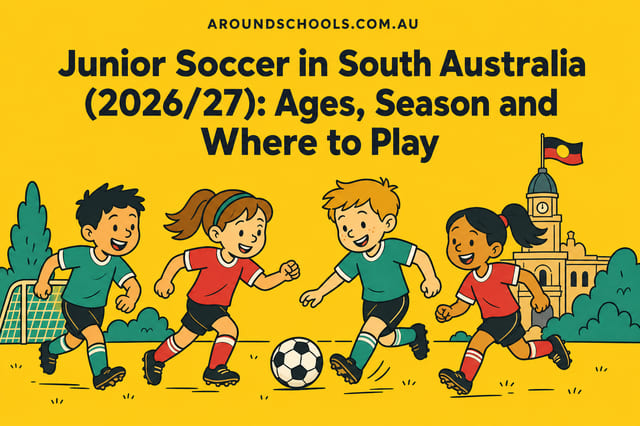
- Sports offered: Soccer (football), netball, basketball, athletics, cricket, and other school-based physical activities.
- Strong teams or achievements: Active participation in inter-school events and regional competitions; sport programs emphasize teamwork and skill development.
- Music, arts, drama programs: Music program and opportunities to participate in choir or drama/performing arts activities; occasional school productions.
- Clubs: Robotics, coding, chess, debating, and other clubs supported by staff and community partners.
- Partnerships: Local community clubs and organizations partner with the school for competitions, clinics, and enrichment activities.
⸻
## Wellbeing & Pastoral Care
- Anti-bullying approach: Whole-school anti-bullying initiatives with restorative practices and ongoing wellbeing education.
- House system: House groups foster belonging, friendly competition, and teamwork (e.g., four houses).
- Counsellors / wellbeing officers: Access to school counsellor or wellbeing staff for individual and small-group support.
- Transition support for new students: Orientation activities, buddy programs, and welcome processes to help new students settle in.
⸻
## Facilities
- Sports grounds
- Libraries
- Science labs
- Music/performing arts centers
- Tech/innovation labs
- Cafeteria
- Updated playgrounds
⸻
## School Values & Community Culture
- School values / mission: Emphasis on respect, responsibility, collaboration, and a student-centered approach to learning.
- Leadership style: Distributed leadership with opportunities for student voices and staff leadership across classrooms and programs.
- Behaviour expectations: Clear expectations for respectful conduct and consistent positive-behaviour support.
- Community reputation: Known for a supportive, family-friendly atmosphere and strong home–school partnerships.
- Diversity & inclusion: Welcomes diverse families and learners; inclusive practices are embedded in daily routines and planning.
⸻
## School Logistics & Daily Operations
- School hours: Typical day runs during standard school hours (early morning to mid-afternoon).
- Before/after school care: After-school care options available through school programs or partner providers.
- Uniform requirements: School uniform required; details provided by the school and uniform suppliers.
- Transport (train/bus routes): Access to local bus services and walking/cycling options; transport details provided by the school and education department.
- Canteen availability: On-site canteen or lunch program offering healthy options.
- Fees (low/medium/high ranges): As a public school, fees are modest with voluntary contributions; costs may apply for excursions, optional activities, and stationery.
⸻
## Enrolment & Admissions
11. What is the enrolment process and timeline?
- Enrolments are processed through the Department for Education’s processes for public schools. Applications typically open per the annual intake cycle; families provide required documentation (proof of address, birth certificate, immunisation records, etc.). Interviews are not routinely used for standard public primary enrolments; confirmation of placement follows available spaces and official timelines.
12. Is there a waiting list, and how does it work?
- There may be a waiting list if more applications than places are available. In-catchment priorities generally apply first; out-of-catchment applications may be considered if space allows, aligned with departmental policies and timelines.
13. Are there any entry requirements, tests, or interviews?
- There are no standard entry tests or interviews for most public primary enrolments. Immunisation requirements and address documentation are typical, with placement driven by space and policy rather than testing.
14. Does the school accept mid-year transfers?
- Mid-year transfers are possible subject to space and the usual enrolment process; families should contact the school early to discuss availability and required documentation.
⸻
## Frequently Asked Questions
- Why Parents Choose This School?
- A strong sense of community, supportive staff, inclusive learning environment, and a focus on student well-being and holistic development.
- What type of student thrives at this school?
- Students who are engaged, collaborative, curious, and values-based learners who enjoy a inclusive, community-focused setting with opportunities across academics, sport, and the arts.
- What opportunities are available for students to extend their skills (academics, sports, arts)?
- Enrichment through literacy and numeracy programs, STEM/coding clubs, leadership opportunities, inter-school sports, music and drama activities, and debating or robotics clubs.
- How does the school communicate with parents?
- Regular newsletters, parent-teacher conferences, classroom notices, and digital platforms to keep families informed about learning, events, and wellbeing.
- What is the school’s approach to teaching and learning?
- Student-centered, inquiry-based learning with a strong emphasis on literacy and numeracy, collaborative projects, and integration of digital technologies.
- How does the school support students who need extra academic help?
- Targeted reading support, small-group interventions, EAL and SEN services, and access to wellbeing staff to coordinate additional assistance.
- What support is available for academic challenges?
- Learning support teams, tailored interventions, and referrals to specialists as needed to address specific academic needs.
- How does the school communicate with parents? (repeat)
- See above: newsletters, conferences, and digital updates.
- What are the class sizes and how much individual attention do students receive?
- Class sizes are small-to-medium, with teachers providing targeted instruction and opportunities for individual support within the classroom and through small-group interventions.
- What extracurricular and sports opportunities are available?
- A range of sports, music and drama activities, robotics/coding/chess/debating clubs, and opportunities to compete in inter-school events.
- What facilities does the school offer (sports, science, arts)?
- Comprehensive facilities including sports grounds, a library, science labs, music/performing arts spaces, tech/innovation labs, a canteen, and modern playgrounds.
- What is the school’s approach to technology and digital learning?
- Integrated ICT and digital learning, with devices and platforms to support learning, along with guidance on digital citizenship and safe online practices.
- What transport and accessibility options are available?
- Local bus routes and walking/cycling options, with accessibility considerations included in planning and daily operations.
- What are typical school fees or additional costs?
- Public primary schools have low and modest costs, including voluntary contributions and optional charges for excursions, activities, and materials.
⸻
## Short Pros & Cons list
- Pros
- Strong sense of community and supportive environment
- Inclusive education with focus on wellbeing
- Balanced emphasis on academics, sport, and arts
- Access to diverse extracurriculars (STEM, coding, robotics, arts)
- Attentive staff and family partnerships
- Cons
- Class sizes may be medium rather than very small
- Public school fees are modest, but some activities may have optional costs
- Mid-year transfer availability depends on space and timing
⸻







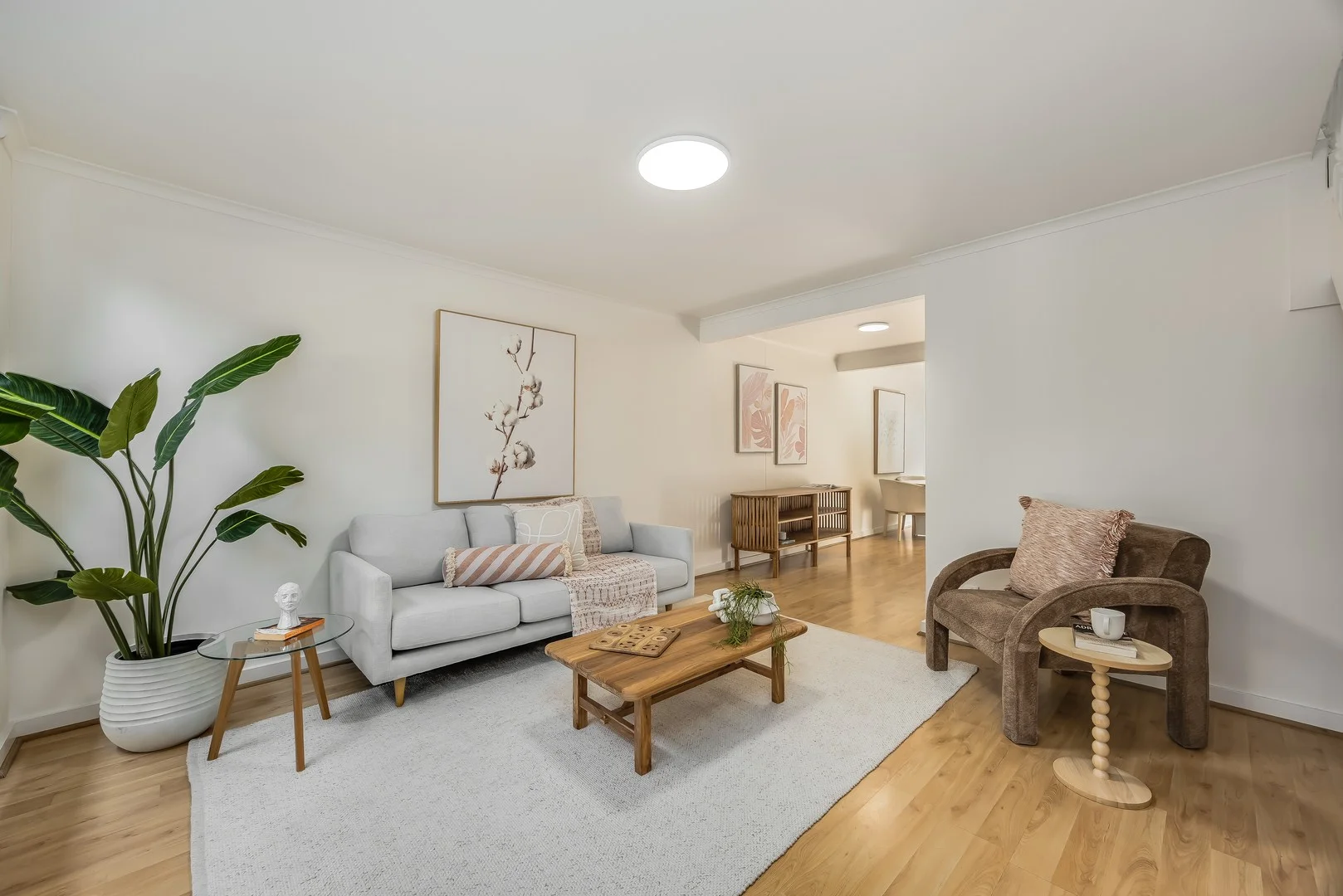 $775,000
House
$775,000
House
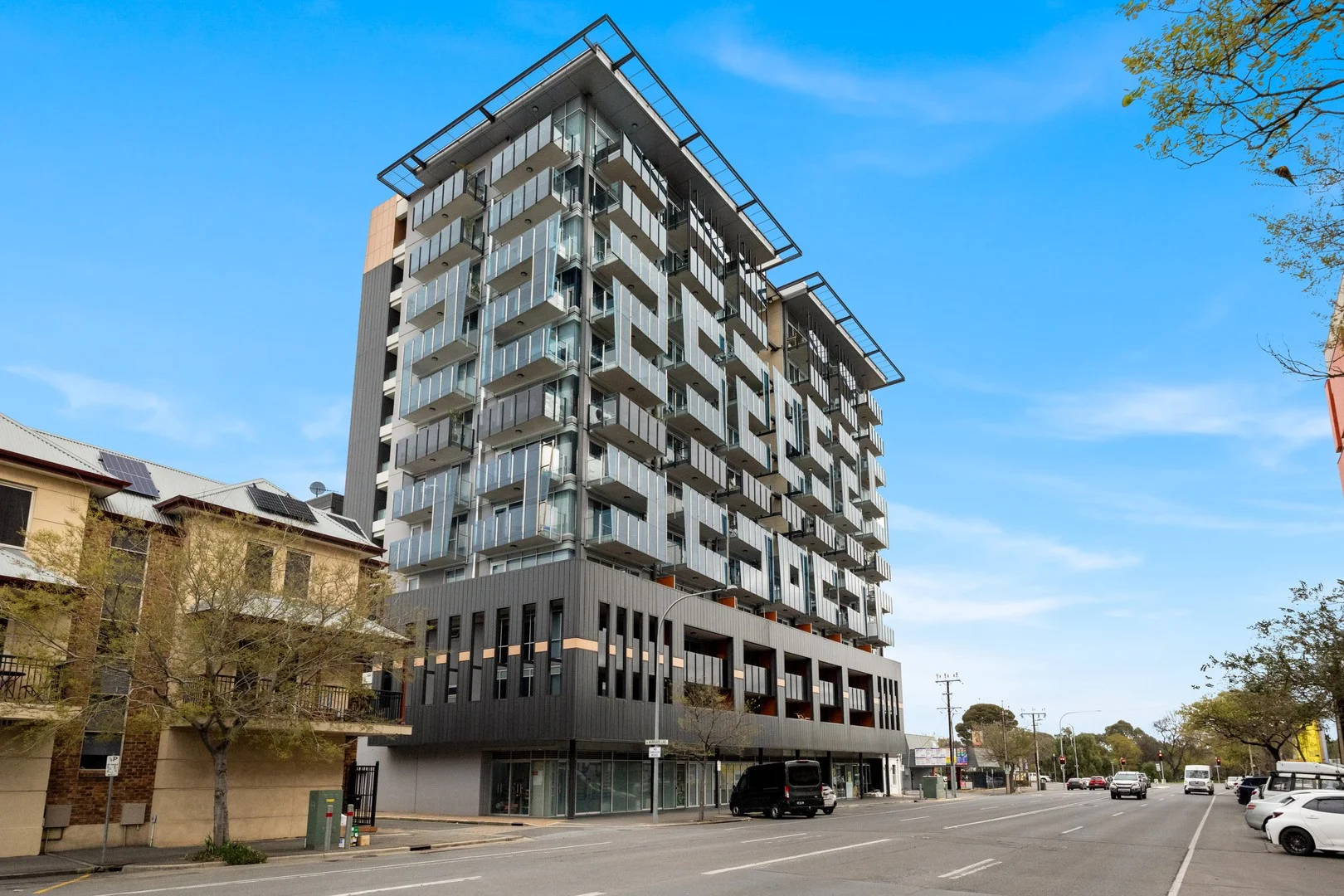 $1,100,000
Apartment / Unit / Flat
$1,100,000
Apartment / Unit / Flat
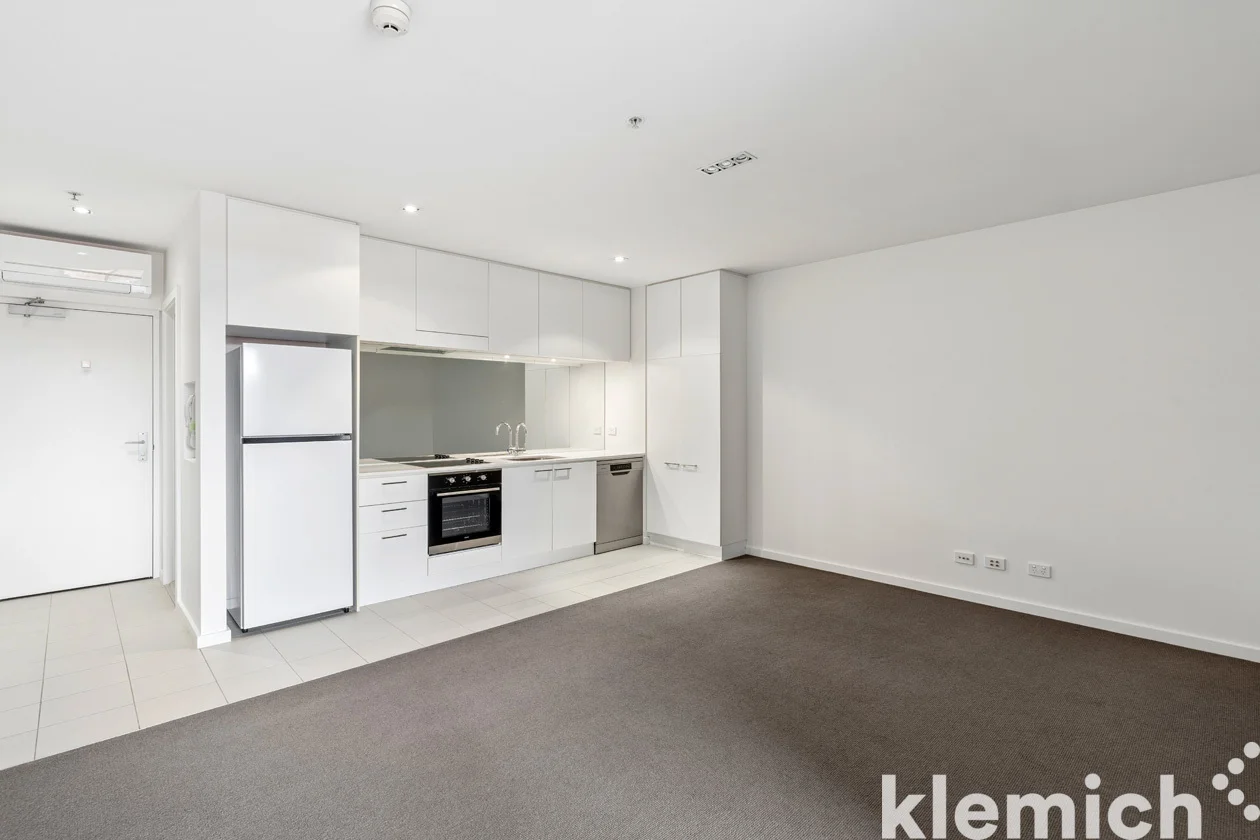 $440,000
Apartment / Unit / Flat
$440,000
Apartment / Unit / Flat
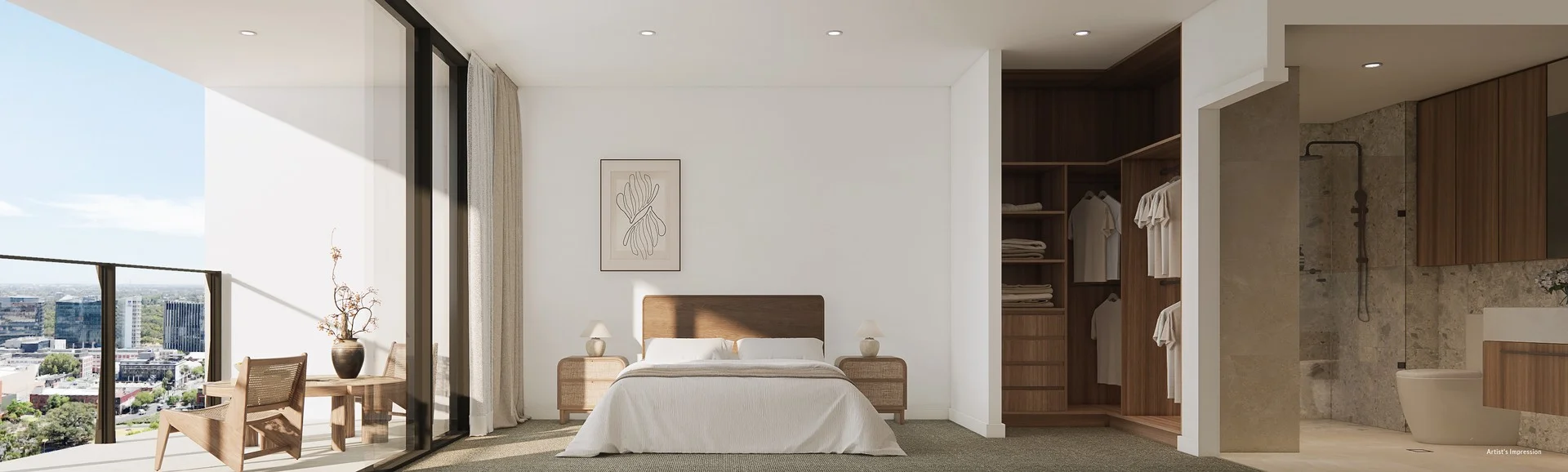 $1,056,000
Apartment / Unit / Flat
$1,056,000
Apartment / Unit / Flat
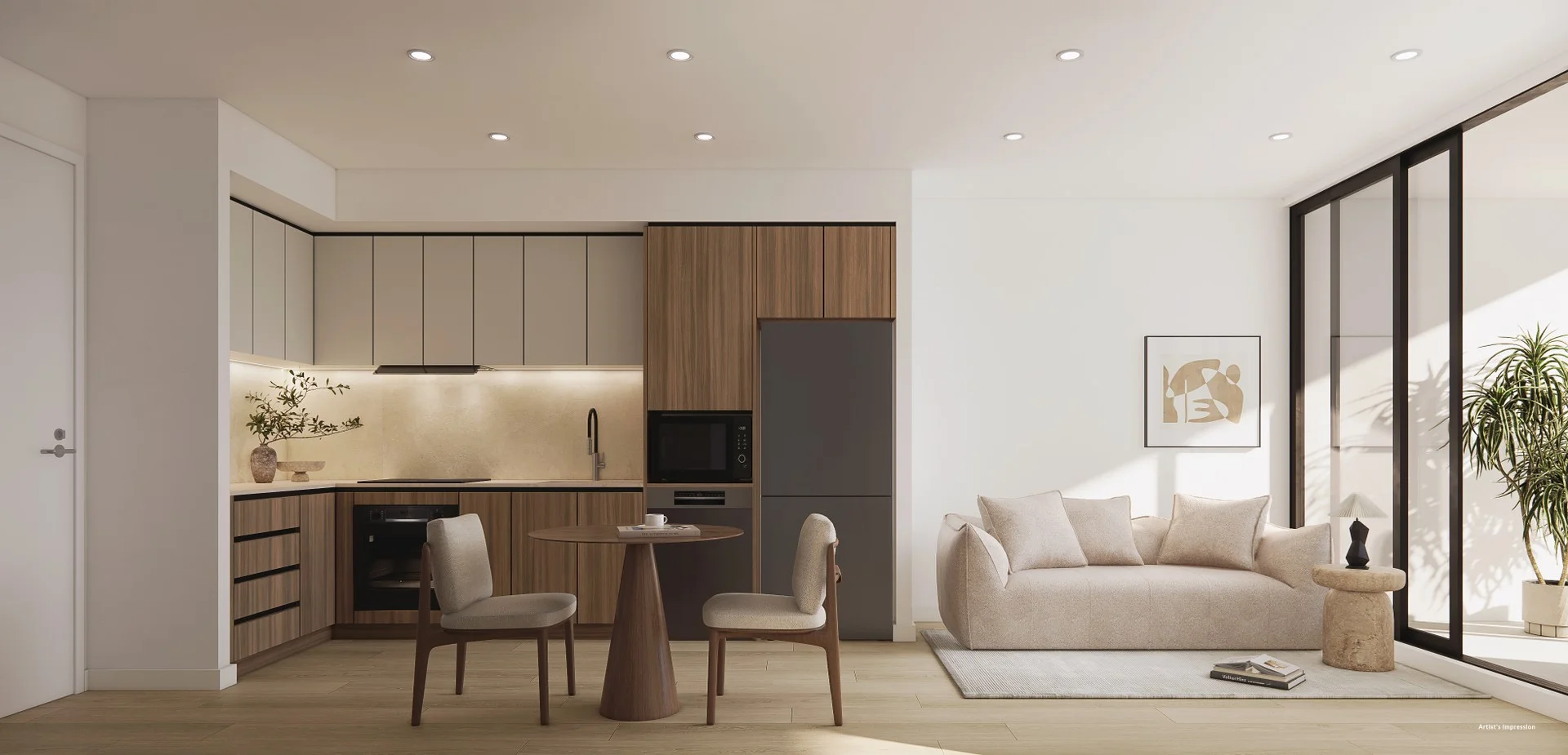 $588,000
Apartment / Unit / Flat
$588,000
Apartment / Unit / Flat
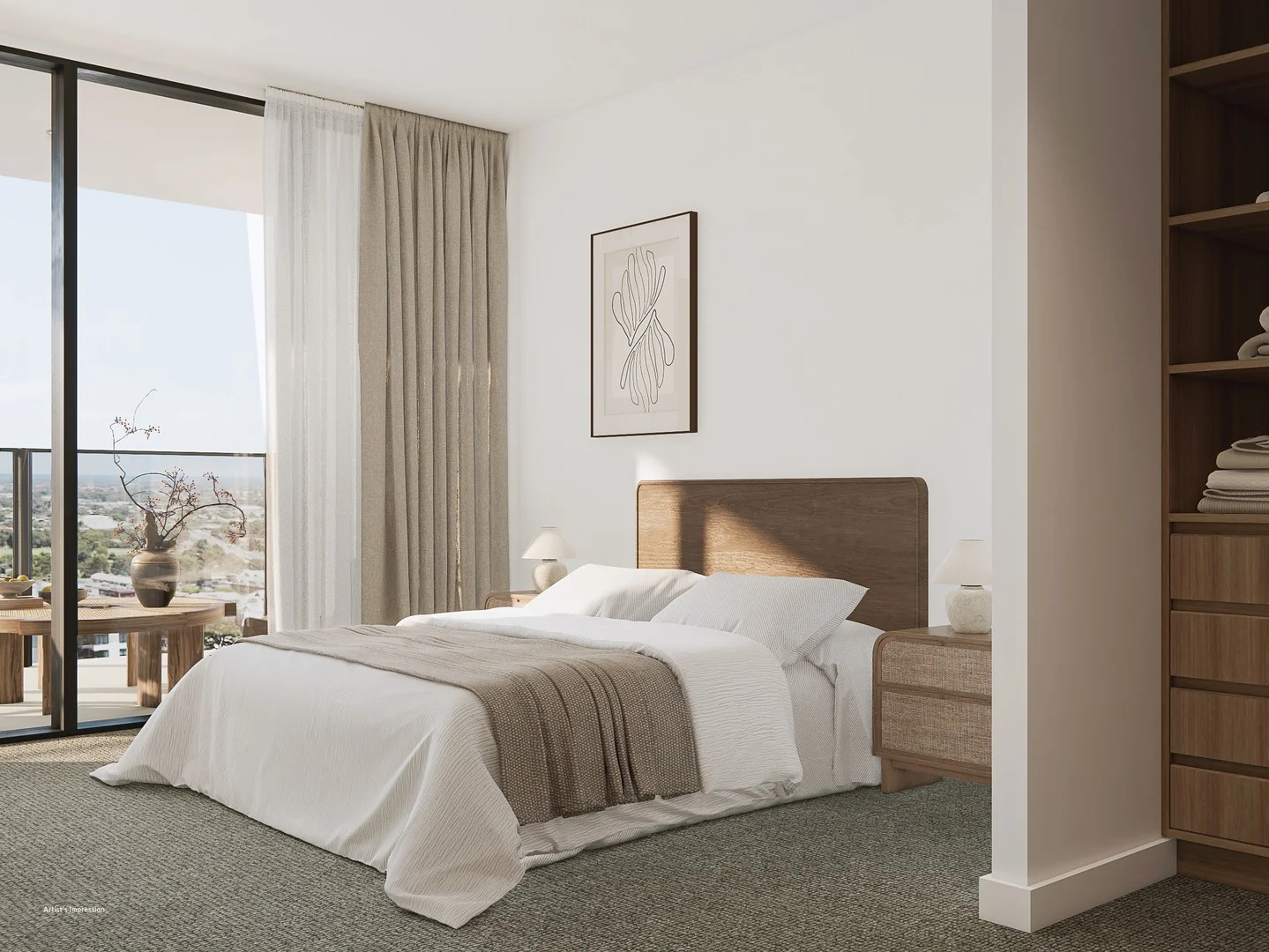 $935,000
Apartment / Unit / Flat
$935,000
Apartment / Unit / Flat
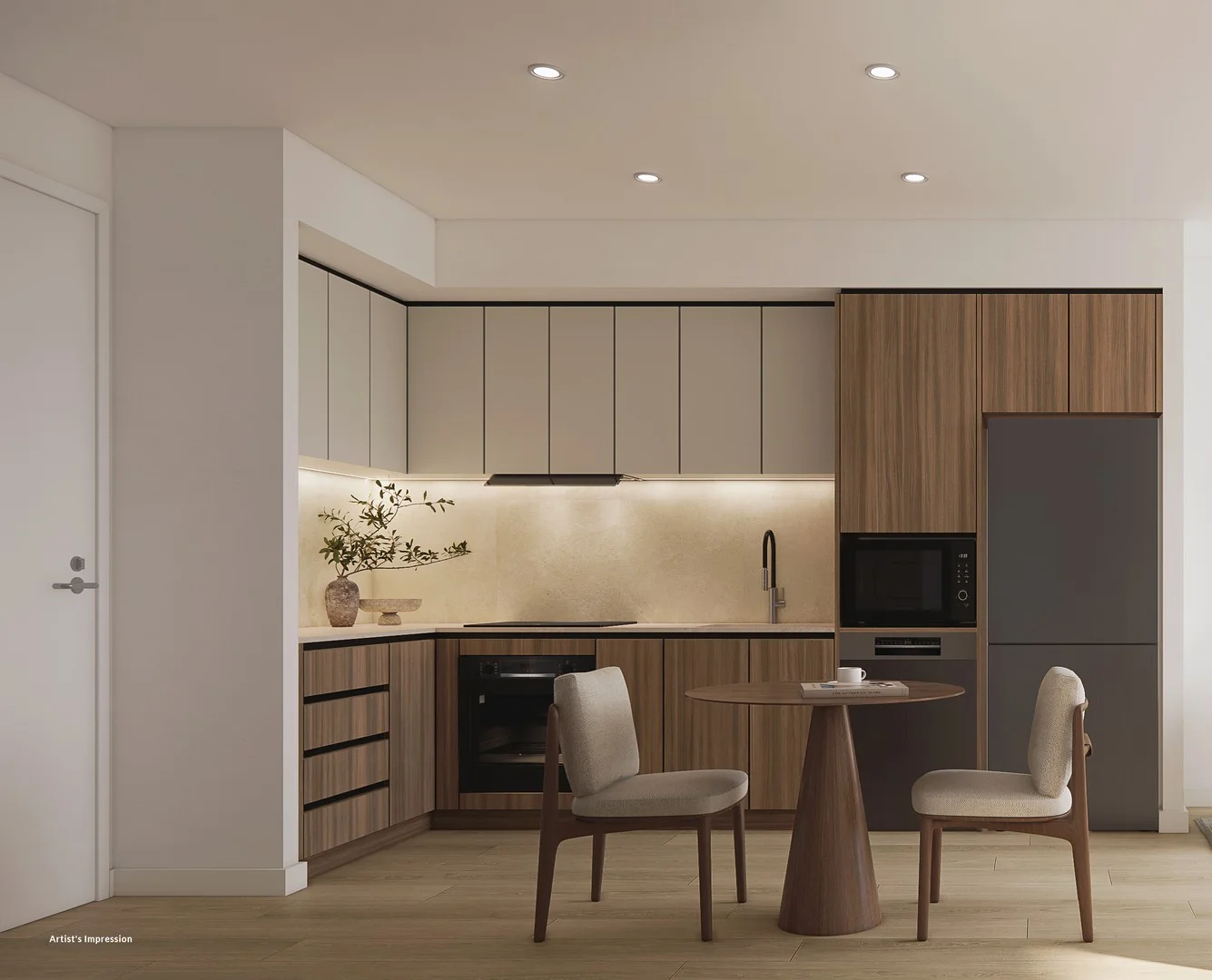 $557,000
Apartment / Unit / Flat
$557,000
Apartment / Unit / Flat
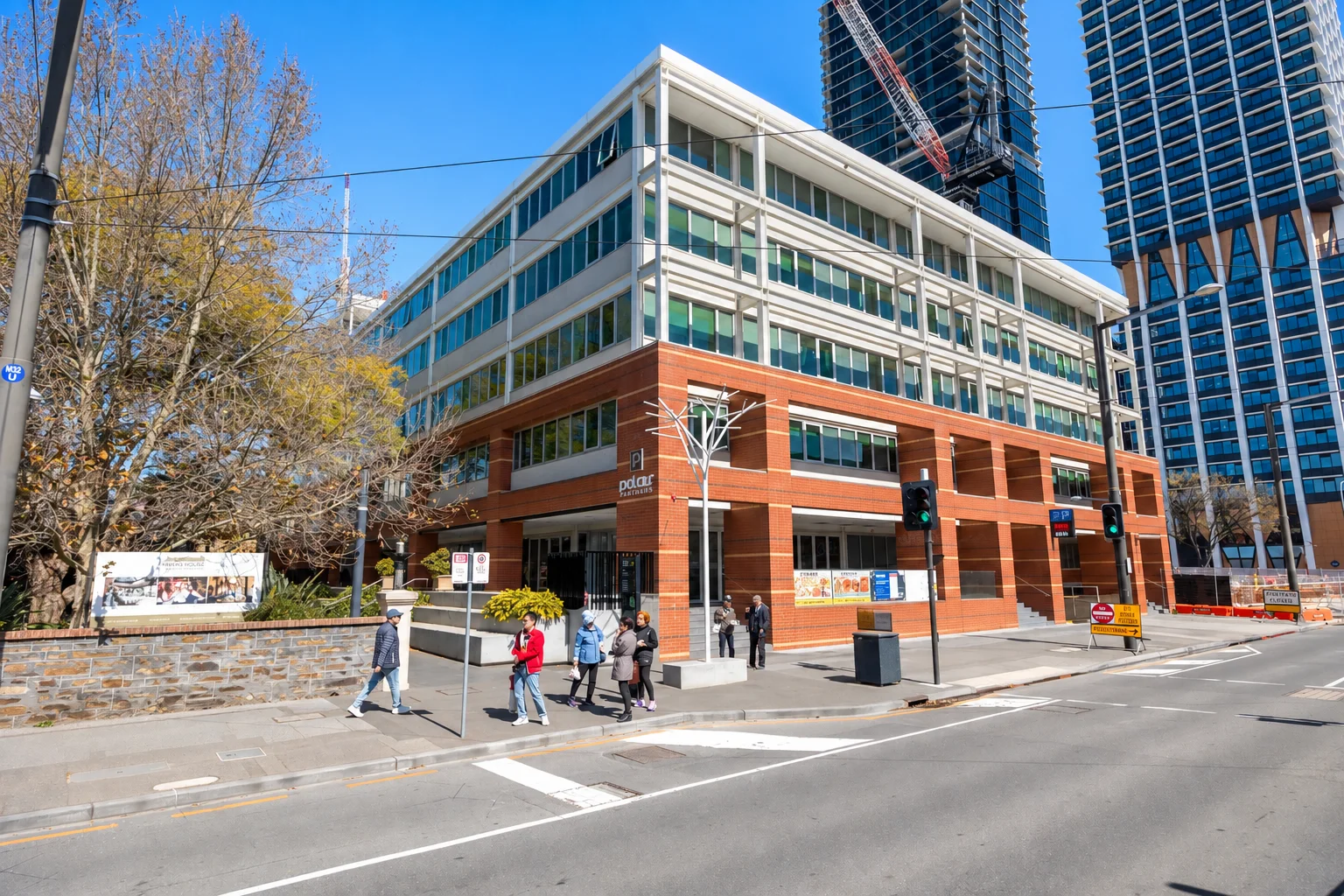 $545,000
Apartment / Unit / Flat
$545,000
Apartment / Unit / Flat