Overview
1. Overview (1–2 paragraphs max)
Fr John Therry Catholic Primary School Balmain is a Catholic primary school serving families in inner-west Sydney. As a parish-based, faith-guided school, it emphasises a caring, inclusive community where students learn in a supportive environment. The school aims to balance strong academic foundations with social and spiritual development.
The school is small-to-medium in size, with class groups designed to be manageable and intimate. Classes typically run with around 20–25 students, supported by dedicated teachers and learning assistants to foster a warm, nurturing atmosphere that encourages curiosity, respect and participation in faith-informed learning.
⸻
2. Academics & Learning
Academic strengths commonly highlighted include English literacy and numeracy, with strong literacy across the curriculum and purposeful reading programs. The school often emphasises STEM integration and practical problem-solving, alongside development of digital literacy and critical thinking. Leadership opportunities and collaborative learning are integrated into the curriculum to build confidence and independence.
Special programs may include Gifted & Talented or enrichment opportunities, targeted support for students needing extra help, and a strong Religious Education program that complements core subjects. The school typically offers language learning as part of its curriculum (such as Indonesian or Italian) in selected year levels. Student-teacher ratios are managed to support individual attention within a positive learning environment. Support for diverse learners includes EAL support and inclusion-focused strategies to help all students access learning.
⸻
3. Sports & Extracurricular Strengths
Sports offered often include soccer, basketball, netball, cricket and other team or multi-sport activities, with participation in local and inter-school events common. The school typically fields strong teams in regional Catholic school competitions and celebrates achievements in athletics as part of a well-rounded program.
Music, drama and performing arts opportunities are available, including choir or band pathways and school productions. Clubs commonly offered include robotics, coding, chess and debating, giving students avenues to explore interests beyond the classroom. The school may also form partnerships with local sporting or arts organisations to broaden competition and performance opportunities.
⸻
4. Wellbeing & Pastoral Care
Wellbeing is a central priority, with a proactive anti-bullying approach and a positive behavior framework. Most schools of this type implement a house system to foster friendly competition, teamwork and belonging. Access to a school counselor or wellbeing officer (often part-time or on a shared-care model) supports student mental health, resilience and social-emotional learning.
Transition support for new students helps families settle in—this includes orientation activities, buddy programs and ongoing teacher-notified progress updates. The pastoral care program is designed to build confidence, strengthen relationships and support students as they adapt to school life.
⸻
5. Facilities
Facilities typically include:
- Sports grounds for outdoor activities and physical education
- Library and learning commons
- Science labs for hands-on experiments
- Music/performing arts spaces or roles for choir, drama and concerts
- Tech/innovation labs or makerspaces for coding and digital projects
- On-site cafeteria or canteen
- Updated playgrounds and outdoor learning areas
The layout and facilities are designed to be visually engaging and accessible, supporting a range of learning experiences from quiet study to active collaboration.
⸻
6. School Values & Community Culture
The school operates with a faith-based values framework, emphasising compassion, respect, responsibility and service. Leadership is often collaborative, encouraging student voice and leadership opportunities within the classroom and school life. Behaviour expectations are clear and consistently applied, reinforcing a safe and respectful environment.
Community reputation tends to be warm and welcoming, with strong parent involvement and partnerships with the local parish. The school prioritises diversity and inclusion, welcoming families from varied backgrounds and ensuring accessible pathways for all students to participate fully in school life.
⸻
7. School Logistics & Daily Operations
Typical logistics information include:
- School hours: generally around a standard primary school day (start mid-morning to early afternoon, with variations by year level)
- Before/after school care: often available or facilitated through an approved provider
- Uniform requirements: a standard Catholic primary uniform with seasonal options
- Transport: accessible by public transport and local walking routes; bus/train options may be available depending on catchment
- Canteen: on-site or partner canteen options on most days
- Fees: generally described as moderate within NSW Catholic primary settings, with family discounts or sibling rates common
⸻
8. Enrolment & Admissions
Enrolment is typically managed through the school office in coordination with the diocese and parish. Open days or information evenings are commonly offered to prospective families, with opportunities to tour the school and meet staff.
⸻
11. What is the enrolment process and timeline?
- Submit an enrolment application during the approved opening period (usually announced by the school and diocese well in advance).
- Provide required documentation (birth certificate, immunisation records, proof of residential address or eligibility, and any parish confirmation if applicable).
- Complete any school-specific parent information sessions and, where applicable, a student readiness conversation or interview with a teacher or principal.
- Receive an enrolment offer if a place is available; complete acceptance and any required formalities (including orientation or transition planning).
- If waitlisted, be placed on the school’s waiting list with periodic updates; offers are made as spaces become available.
⸻
12. Is there a waiting list, and how does it work?
- Yes, most enrolments operate with a waiting list when capacity is reached.
- Allocation typically follows available places, with priority often given to siblings of current students and parish/ catchment considerations, followed by date of application.
- Offers are made as spaces become available, with families receiving updates at regular intervals.
⸻
13. Are there any entry requirements, tests, or interviews?
- Entry requirements usually include completion of standard documentation and proof of eligibility; a school interview or information session may be part of the process.
- Some year levels may involve informal readiness discussions or assessments to understand learning needs and to plan appropriate support.
- For faith-based schools, there may be discussion about alignment with school values and community expectations; formal religious instruction requirements are typically explained during the enrolment process.
⸻
14. Does the school accept mid-year transfers?
- Yes, mid-year transfers are sometimes possible, subject to space in the relevant year level and meeting enrolment criteria.
- Families applying for mid-year entry should contact the school’s enrolments office promptly to discuss vacancy availability, timing, and transition planning.
⸻
9. Frequently Ask Questions
- Why Parents Choose This School?
- Families often choose for a faith-based community that supports both academic growth and character development in a nurturing environment. The focus on belonging, values, and community involvement appeals to many parents.
- What type of student thrives at this school?
- Students who respond well to a supportive, inclusive setting with clear expectations, emphasis on faith, service, and collaborative learning tend to thrive. Curious, respectful students who engage across academics, arts and sport usually do well.
- What opportunities are available for students to extend their skills (academics, sports, arts)?
- Opportunities typically include enrichment programs in literacy and numeracy, STEM activities, leadership roles, and clubs such as robotics, coding, chess and debating. Extracurricular activities often cover sports, music, drama and performing arts, with opportunities to compete in local events.
- How does the school communicate with parents?
- Communication usually includes regular newsletters, a parent portal or communication app, scheduled parent-teacher meetings, and announcements from the principal. Some schools also provide email updates and informal check-ins.
- What is the school’s approach to teaching and learning?
- The approach blends foundational skills with inquiry-based learning, collaboration and explicit instruction. It often includes differentiation to meet diverse learner needs, integration of technology, and a strong focus on literacy and numeracy across subjects.
- How does the school support students who need extra academic help?
- Support typically includes targeted interventions, small-group or one-on-one teaching, EAL support, SEN support, and coordination with families to plan appropriate learning goals.
- What support is available for academic challenges?
- Additional tutoring options, targeted small-group sessions, and progress monitoring with adjustments to instruction and resources are common approaches.
- How does the school communicate with parents? (duplicate)
- See above: regular updates via newsletters, portals, and meetings to keep families informed about student progress and school life.
- What are the class sizes and how much individual attention do students receive?
- Class sizes are typically around 20–25 students, with teacher-to-student ratios that allow for ongoing feedback and some level of individualized attention through small-group work and teacher supports.
- What extracurricular and sports opportunities are available?
- A broad range of sports (e.g., soccer, basketball, netball, cricket) and arts programs (music, drama) are commonly available, along with clubs such as robotics, coding, chess and debating.
- What facilities does the school offer (sports, science, arts)?
- Facilities usually include sports grounds, library, science labs, music/performing arts spaces, tech/innovation labs, a canteen, and updated playgrounds.
- What is the school’s approach to technology and digital learning?
- The school commonly emphasises digital literacy, safe online practices, and the integration of technology across the curriculum to support learning and creativity.
- What transport and accessibility options are available?
- Public transport access and local walking routes are typical; some families use buses or trains depending on catchment. The school will provide information on any transport support or arrangements.
- What are the typical school fees or additional costs?
- Fees are usually described as moderate within the NSW Catholic primary sector, with some activities or excursions requiring additional costs. Family discounts or sibling rates are commonly available.
⸻
10. Short Pros & Cons list
Pros
- Catholic ethos with a nurturing, inclusive community
- Small-to-medium school size supports strong teacher-student relationships
- Focus on literacy, numeracy and holistic development (academic, faith, wellbeing)
- Range of enrichment, arts, sports and clubs
- Dedicated wellbeing supports and transition assistance for new students
Cons
- Smaller school may mean fewer specialist facilities or programs than larger urban schools
- Availability of certain year-level places can be limited; mid-year transfers depend on space
- Fees are moderate (as with many independent Catholic settings) and may require ongoing family budgeting
- Language offerings and advancedTracks may vary by year and enrolment demand
⸻









 $8,630,000
propertyType.NEW APARTMENTS / OFF THE PLAN
$8,630,000
propertyType.NEW APARTMENTS / OFF THE PLAN
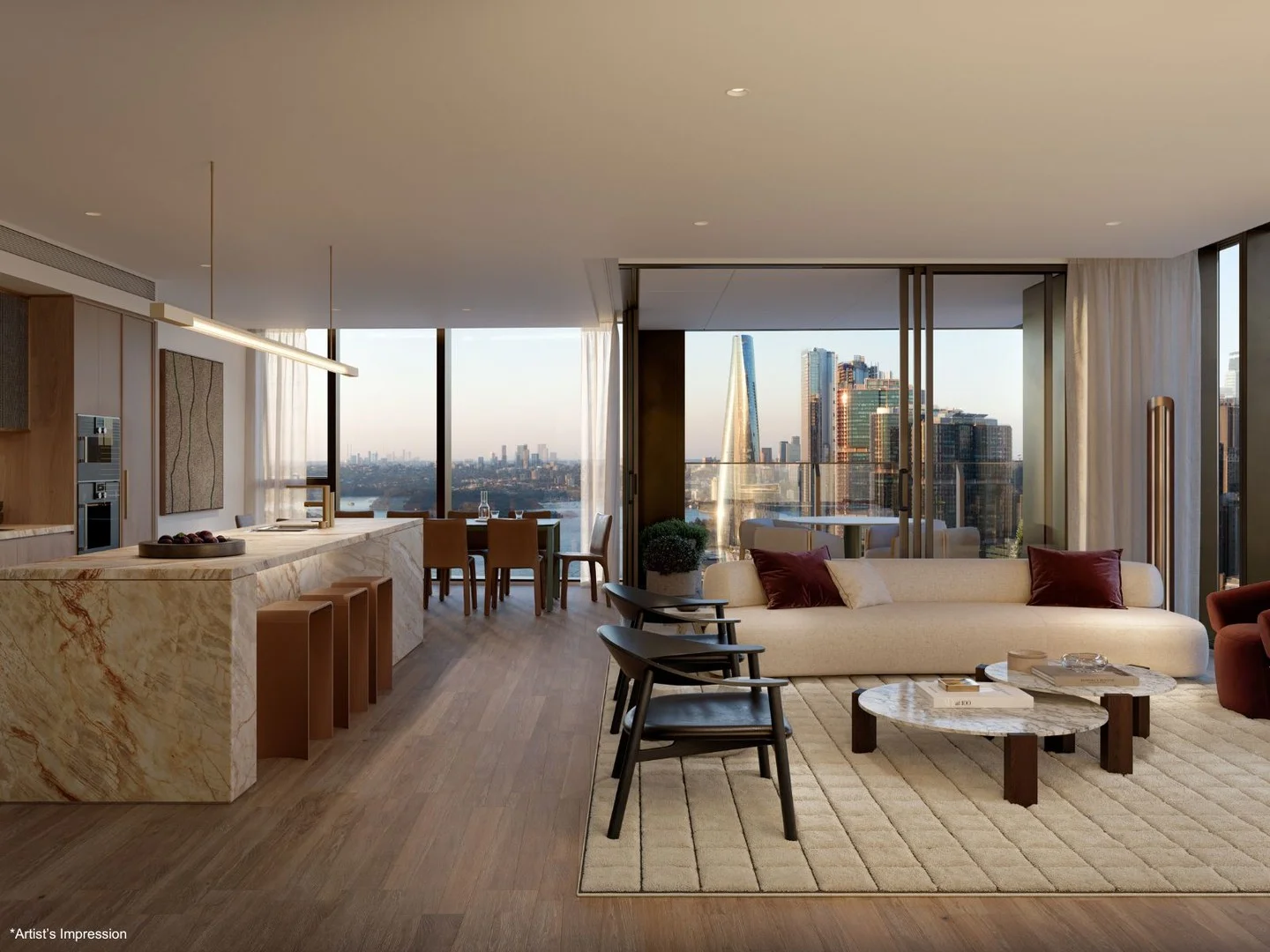 $12,980,000
propertyType.NEW APARTMENTS / OFF THE PLAN
$12,980,000
propertyType.NEW APARTMENTS / OFF THE PLAN
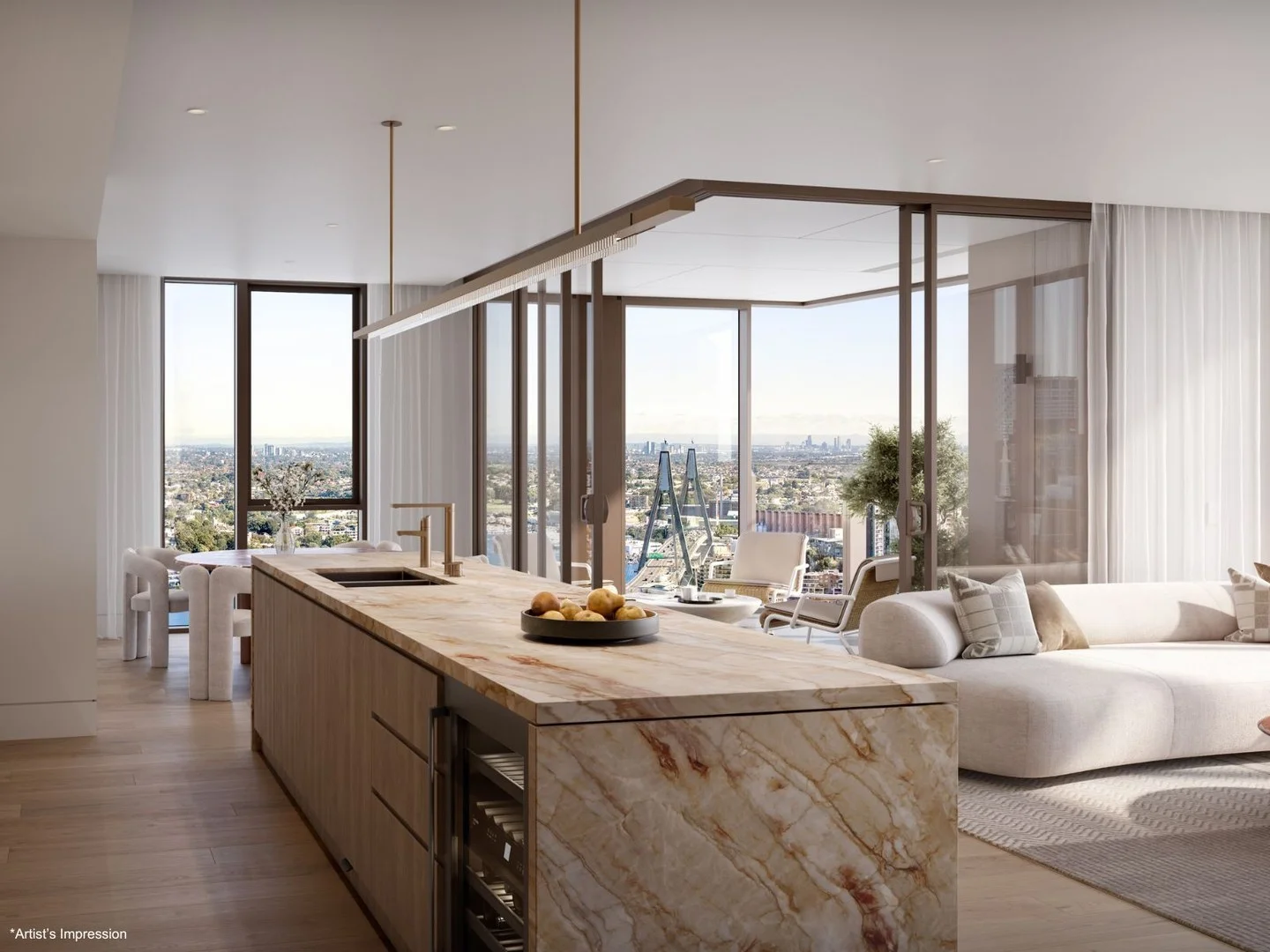 $9,020,000
propertyType.NEW APARTMENTS / OFF THE PLAN
$9,020,000
propertyType.NEW APARTMENTS / OFF THE PLAN
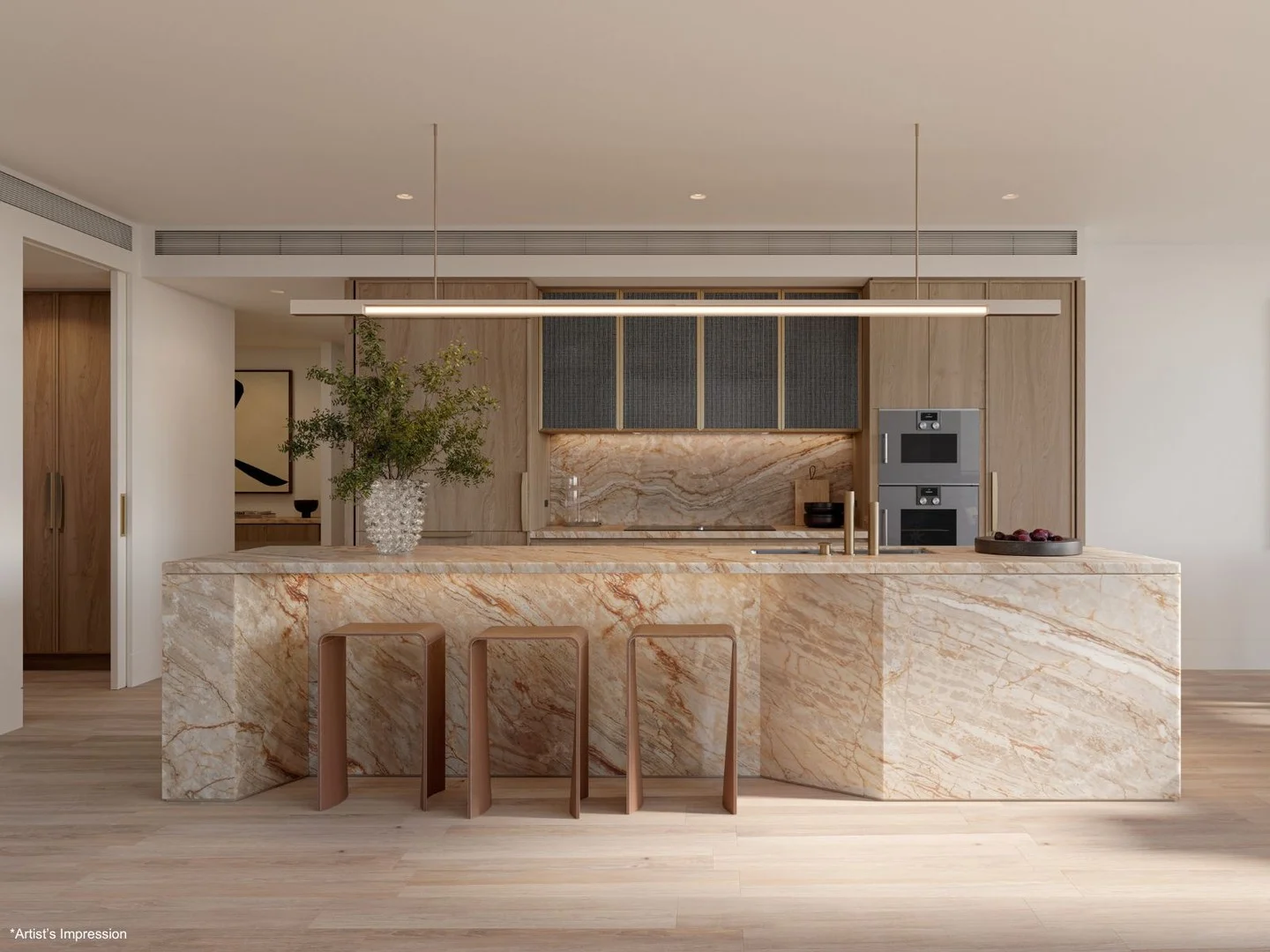 $6,225,000
propertyType.NEW APARTMENTS / OFF THE PLAN
$6,225,000
propertyType.NEW APARTMENTS / OFF THE PLAN
 $26,550,000
propertyType.NEW APARTMENTS / OFF THE PLAN
$26,550,000
propertyType.NEW APARTMENTS / OFF THE PLAN
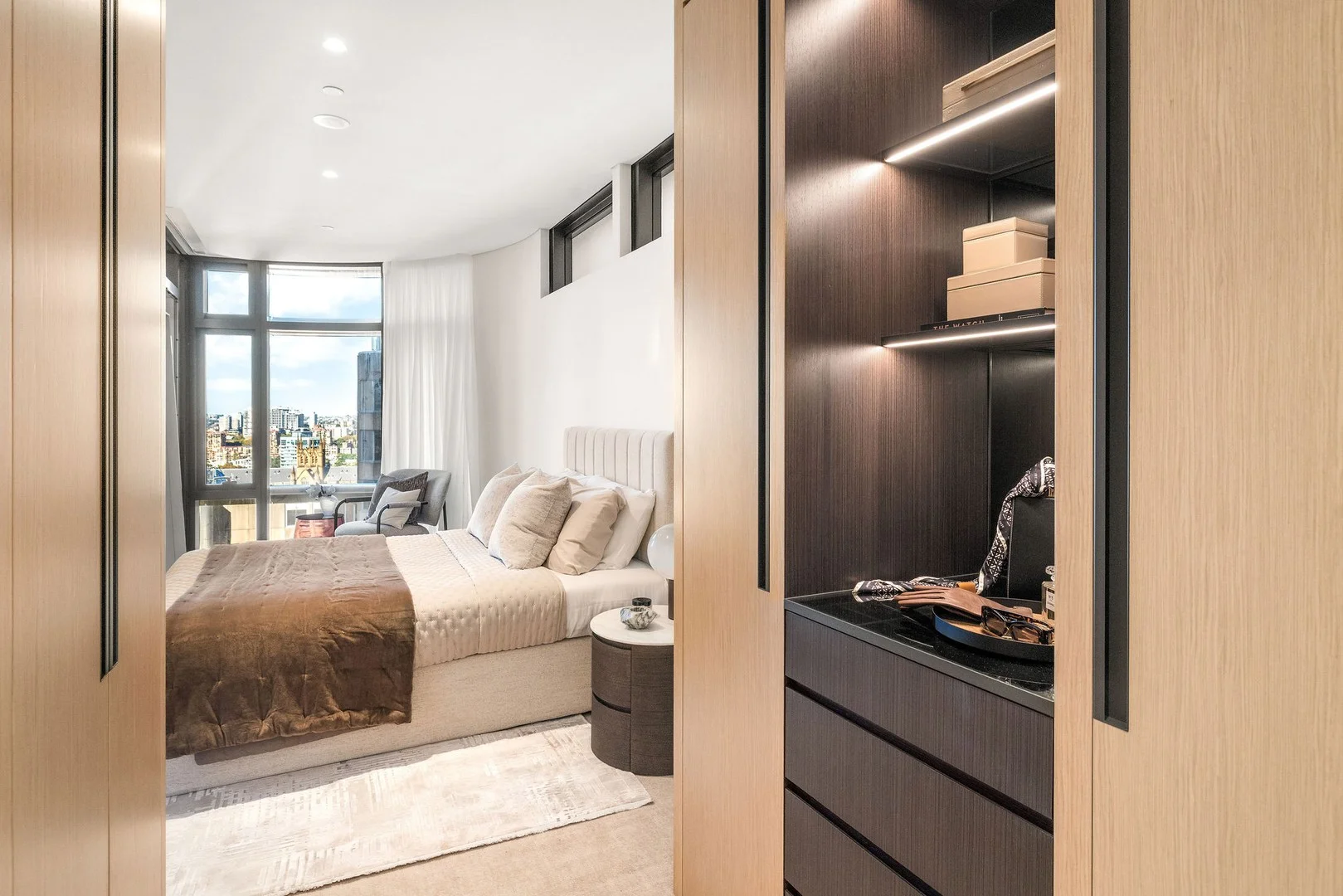 $2,745,000
propertyType.NEW APARTMENTS / OFF THE PLAN
$2,745,000
propertyType.NEW APARTMENTS / OFF THE PLAN
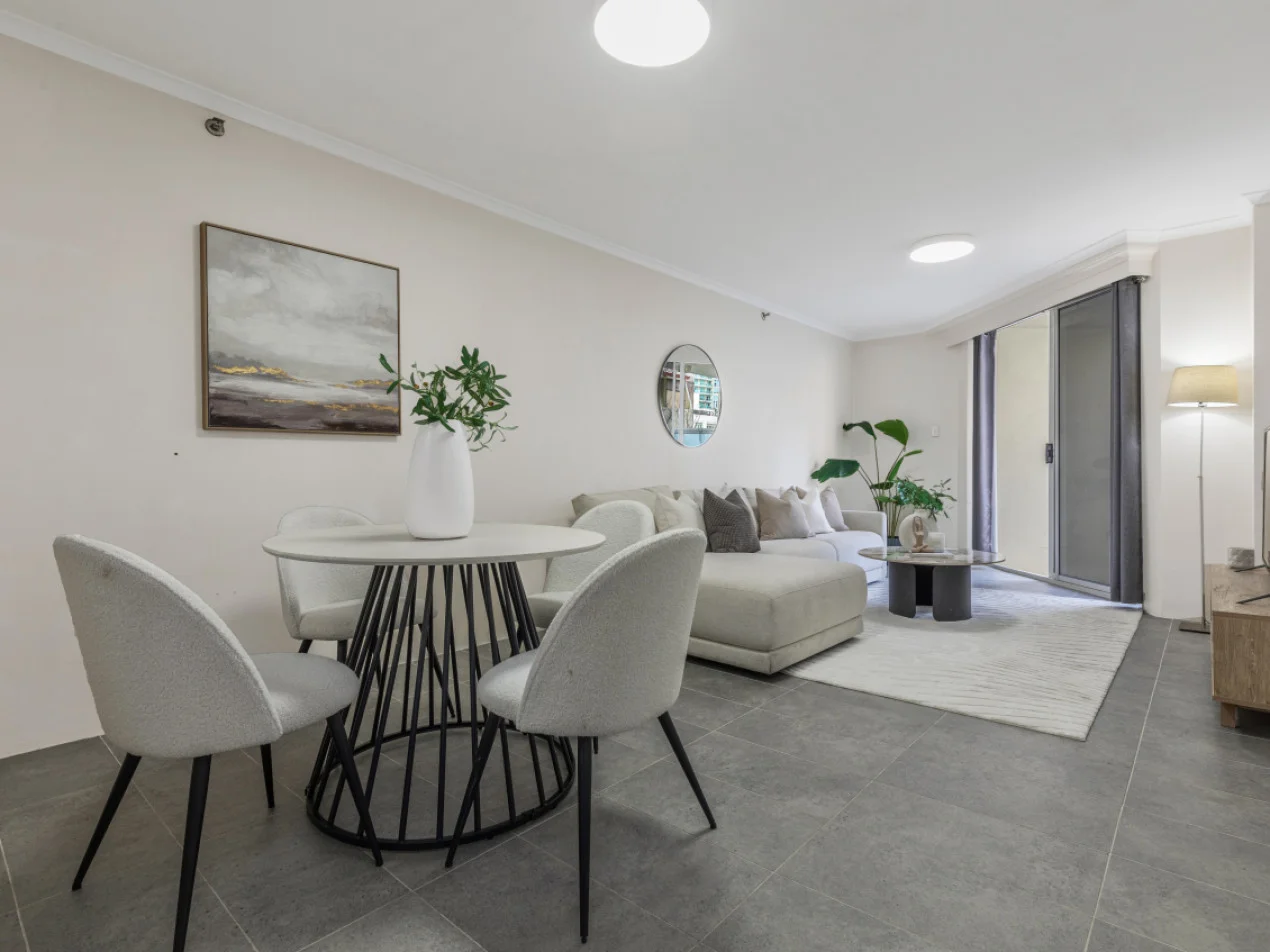 $640,000 - $675,000
Apartment / Unit / Flat
$640,000 - $675,000
Apartment / Unit / Flat
 $2,250,000
Apartment / Unit / Flat
$2,250,000
Apartment / Unit / Flat
 $660,000 - $725,000
Apartment / Unit / Flat
$660,000 - $725,000
Apartment / Unit / Flat