Overview
## 1. Overview
Inner Sydney Montessori School is a public, co-educational primary school that adopts Montessori pedagogy within the NSW Department of Education framework. Located in Balmain, the school prioritises an environment where students develop independence, curiosity and social responsibility through hands-on learning and collaborative exploration. The setting tends to be small-to-medium in size, with a warm, community-focused atmosphere that emphasises inclusivity and student wellbeing.
- School type: Public
- School size: Small to medium
- Class size: Typically around 20–24 students per class, with multi-age grouping common in Montessori
- Atmosphere/culture: Nurturing, inclusive, academically oriented with an emphasis on student-led learning and wellbeing
---
## 2. Academics & Learning
- Academic strengths: Montessori pedagogy supports strong literacy and numeracy foundations, practical life skills, and sustained development of concentration, independence and critical thinking. The approach encourages inquiry, hands-on exploration and self-paced learning within the NSW syllabus framework.
- Special programs: The school integrates Montessori methods with the NSW curriculum, offering an environment that supports extension and enrichment within regular class time. There may be opportunities for targeted extension within the classroom and through school activities.
- NAPLAN / Ofsted trends: As a NSW public school, NAPLAN-related trends are published by the NSW Department of Education. Public trend information (e.g., reading, writing and numeracy progress over time) is available via official channels; this page does not publish scores or trend charts.
- Student-teacher ratios: Class groups are designed to be small-to-mid sized to facilitate individual attention, typically with a higher level of teacher contact time than very large schools.
- Support for diverse learners: The school emphasises inclusive education, with supports for diverse learners including EAL (English as an Additional Language) and SEN (Special Educational Needs) where appropriate, often via targeted classroom strategies and specialist support where available.
---
## 3. Sports & Extracurricular Strengths
- Sports offered: A range of traditional NSW primary school sports may be available (e.g., soccer, netball, cricket, athletics, swimming, etc.), aligned with NSW school sport programs and inter-school events.
- Strong teams or achievements: The focus tends to be participation and joyful competition, with opportunities to represent the school in district events.
- Music, arts, drama programs: Music and performing arts are typically part of the broader curriculum, with opportunities for choir, instrument study and school productions.
- Clubs: Robotics, coding, chess, debating and other clubs may be offered, often through school or community partnerships.
- Partnerships: The school may collaborate with local clubs, community organisations and competitions to broaden opportunities in sport, coding, science and the arts.
Most parents of boys aged 10–14 (and families in Australia/UK contexts) find a balanced mix of sport, arts and clubs to be appealing; ISMS commonly emphasises a well-rounded program alongside academics.
---
## 4. Wellbeing & Pastoral Care
- Anti-bullying approach: The school follows a whole-school wellbeing framework with clear anti-bullying policies and restorative practices to support a safe, respectful environment.
- House system: A house-based structure is often used to foster belonging, teamwork and healthy, friendly competition.
- Counsellors / wellbeing officers: A wellbeing team or school counsellor is typically available to support student mental health, resilience and social-emotional development.
- Transition support for new students: Orientation activities, buddy systems and targeted transition support help new students settle in and build connections quickly.
This section is designed to build trust with families by highlighting proactive pastoral care and a supportive school culture.
---
## 5. Facilities
- Sports grounds: On-site or nearby facilities for physical education and sport.
- Libraries: A library that supports classroom learning and independent reading.
- Science labs: Access to science resources appropriate for the primary years.
- Music/performing arts centers: Space for music, drama and performances.
- Tech/innovation labs: Computing and digital learning spaces to support coding, robotics and technology.
- Cafeteria: On-site or nearby canteen facilities for student meals and snacks.
- Updated playgrounds: Play spaces designed for active, imaginative and safe outdoor play.
The facilities are presented to be inviting, functional and aligned with a holistic learning approach.
---
## 6. School Values & Community Culture
- School values / mission: Emphasis on respect, responsibility, curiosity, resilience and inclusion; learning thrives in a supportive community.
- Leadership style: Collaborative and student-centred, with opportunities for student voice and leadership within the classroom and school activities.
- Behaviour expectations: Clear code of conduct, reinforced with positive behaviour supports and restorative approaches.
- Community reputation: Strong community connections and supportive parent networks typical of NSW public schools with Montessori programs.
- Diversity & inclusion: A commitment to celebrating cultural and individual differences and creating an inclusive environment for all students.
---
## 7. School Logistics & Daily Operations
- School hours: Typical NSW primary hours (e.g., start around 9:00 am and finish mid-afternoon); exact times may vary by year level and term.
- Before/after school care: Programs are often available through on-site or local providers to support working families.
- Uniform requirements: School uniform is typically required, with guidelines for everyday wear and sport days.
- Transport (train/bus routes): Accessible by public transport; families often plan via local bus/train routes within the Balmain/Inner Sydney area; school may have information on recommended routes.
- Canteen availability: Canteen or tuck shop services are commonly available on-site.
- Fees (low/medium/high ranges): As a NSW public school, base expenses are relatively low; some activities or optional programs may have additional costs.
---
## 8. Enrolment & Admissions
1) What is the enrolment process and timeline?
- Enrolment is typically handled through the NSW Department of Education framework. Families submit an enrolment application for their child within the school’s catchment or eligibility window, with timelines varying by year level and term. Notification of placement follows the department’s schedule, subject to availability and priority rules (e.g., catchment and sibling considerations).
2) Is there a waiting list, and how does it work?
- Yes, there is often a waiting list when applications exceed available places. Placement from the waitlist is usually determined by enrolment rules (catchment priority, sibling priority, date of application, etc.) and by space in the year level.
3) Are there any entry requirements, tests, or interviews?
- In NSW public schools, there is typically no selective entrance exam for general enrolment. Some Montessori-based programs may include a brief discussion or orientation to ensure fit with the school approach, but formal testing is not standard for general enrolment.
4) Does the school accept mid-year transfers?
- Mid-year transfers can be possible if there are vacancies. Availability depends on current enrolments and space in the relevant year level. Families seeking mid-year transfers should contact the school promptly to assess options.
---
## 9. Frequently Asked Questions
- Why Parents Choose This School?
- A nurturing, inclusive learning environment that combines Montessori pedagogy with NSW curriculum, focusing on independence, curiosity and social-emotional development.
- What type of student thrives at this school?
- Students who are curious, enjoy hands-on learning, work well in collaborative settings and benefit from a supportive, multi-age classroom approach.
- What opportunities are available for students to extend their skills (academics, sports, arts)?
- Opportunities across literacy and numeracy enrichment within the Montessori framework, plus sport, music, arts, clubs (robotics, coding, chess, debating) and performance opportunities.
- How does the school communicate with parents?
- Regular communications through newsletters, the school website/portal, parent-teacher meetings, and targeted updates on student progress and wellbeing.
- What is the school’s approach to teaching and learning?
- A Montessori-informed approach within the NSW curriculum, emphasising student-led learning, hands-on inquiry, collaboration and reflective practice.
- How does the school support students who need extra academic help?
- In-class differentiation, targeted supports, EAL/SEN resources and access to wellbeing and guidance staff.
- What support is available for academic challenges?
- Additional coaching, small-group work, and personalised planning within the classroom; pathways for extension or targeted intervention as appropriate.
- How does the school communicate with parents? (Repeated)
- See above: newsletters, portal access, meetings, and direct contact with teachers and administration.
- What are the class sizes and how much individual attention do students receive?
- Class sizes are designed to be small-to-medium, with multi-age groups allowing for substantial teacher interaction and individualised support.
- What extracurricular and sports opportunities are available?
- A range of sports and clubs, including robotics, coding, chess and debating, plus music and performing arts programs, aligned with the NSW secondary and primary activity framework.
- What facilities does the school offer (sports, science, arts)?
- Sports grounds, library, science resources, performing arts spaces, technology/innovation labs, canteen and updated playgrounds.
- What is the school’s approach to technology and digital learning?
- Integrated digital literacy and technology use within the curriculum to support creativity, problem-solving and responsible use of technology.
- What transport and accessibility options are available?
- Access via public transport; families may use local bus/train options with school guidance on routes and supports for accessibility.
- What are the typical school fees or additional costs?
- Base schooling is publicly funded; some optional programs or activities may incur small costs. Details are provided by the school or NSW DoE materials.
---
## 10. Short Pros & Cons list
- Pros
- Small-to-medium, community-focused environment
- Montessori-inspired approach within the NSW curriculum
- Strong emphasis on independence, inquiry and wellbeing
- Inclusive education with support for diverse learners
- Wide range of extracurriculars (sports, arts, robotics, coding, chess)
- Cons
- Public-school framework may mean fewer highly specialised programs compared with private Montessori or specialist schools
- Availability of certain clubs and facilities can vary by year and space
- Transport and after-school care options depend on local arrangements and funding
If you’d like, I can tailor this content further with more precise details from official school materials or add excerpts that match exact phrasing used by the school.







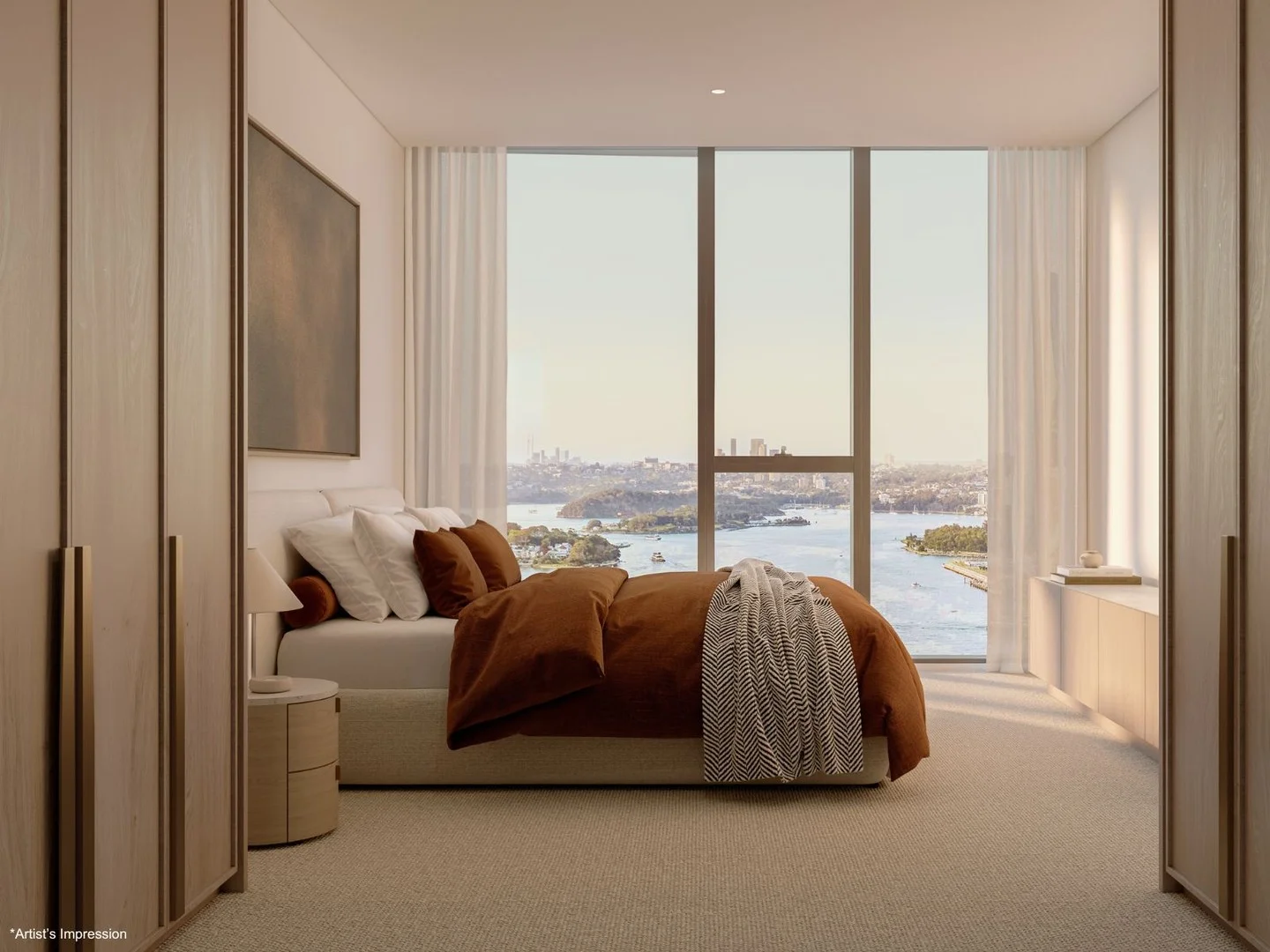 $8,630,000
propertyType.NEW APARTMENTS / OFF THE PLAN
$8,630,000
propertyType.NEW APARTMENTS / OFF THE PLAN
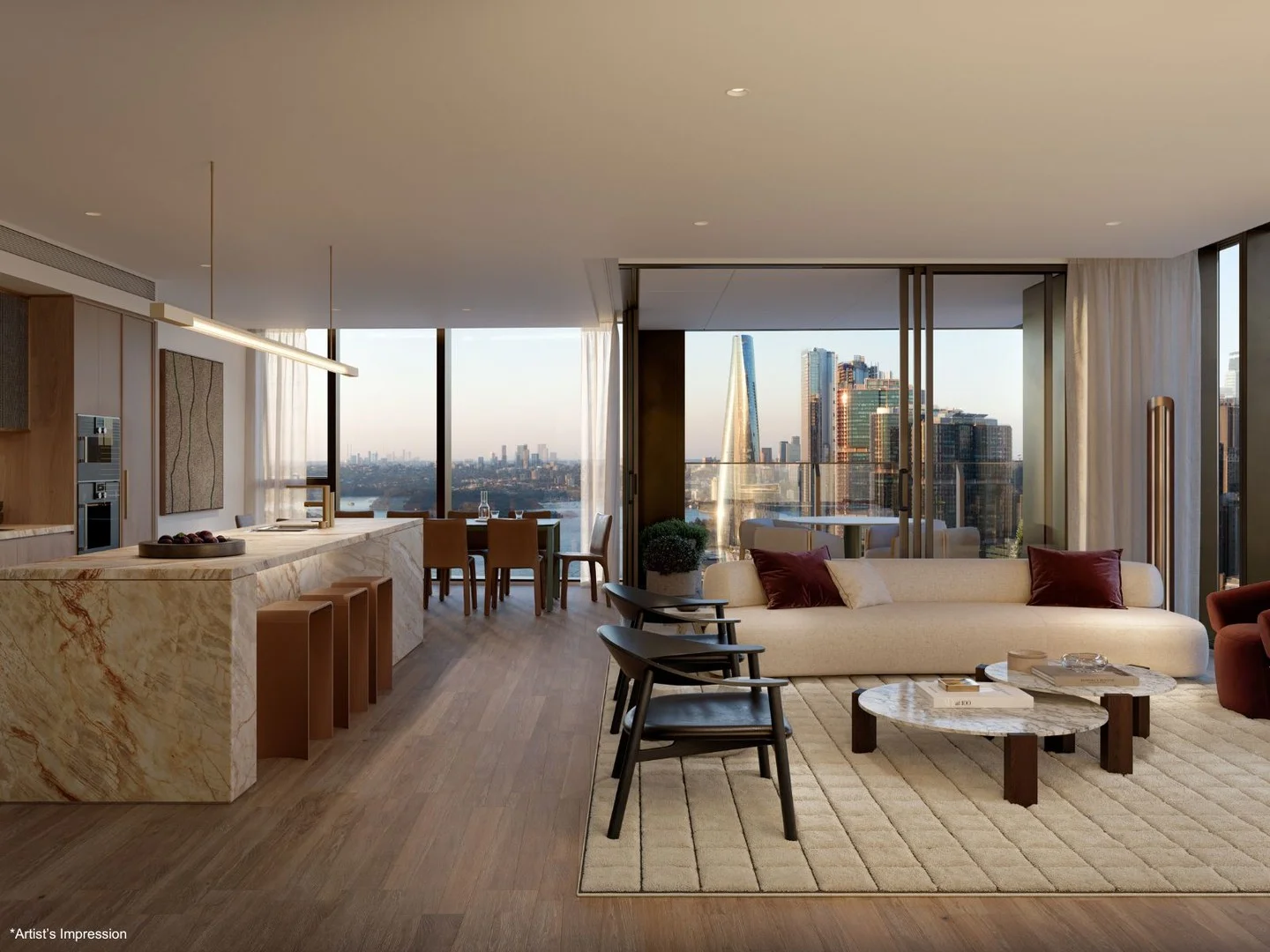 $12,980,000
propertyType.NEW APARTMENTS / OFF THE PLAN
$12,980,000
propertyType.NEW APARTMENTS / OFF THE PLAN
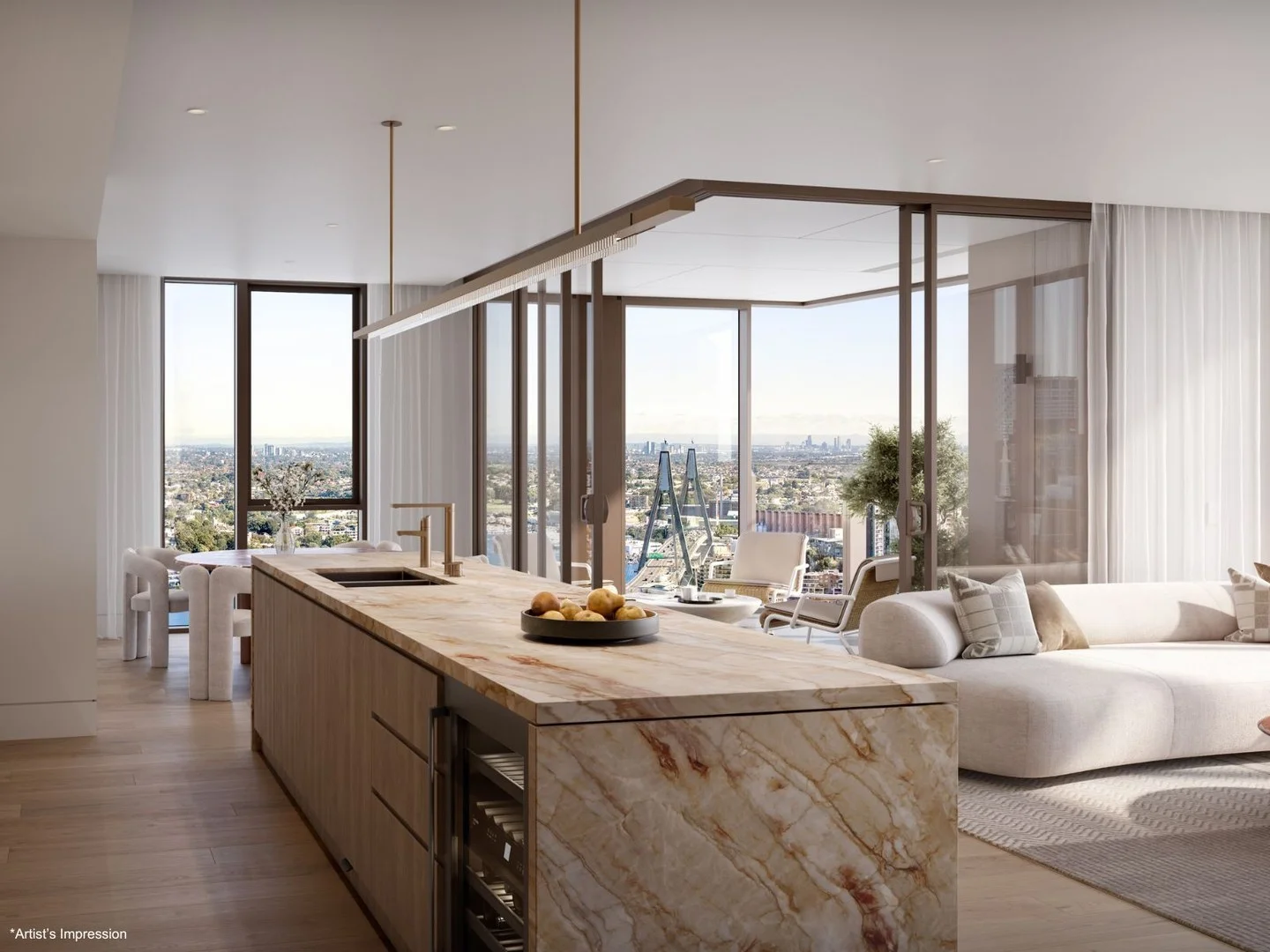 $9,020,000
propertyType.NEW APARTMENTS / OFF THE PLAN
$9,020,000
propertyType.NEW APARTMENTS / OFF THE PLAN
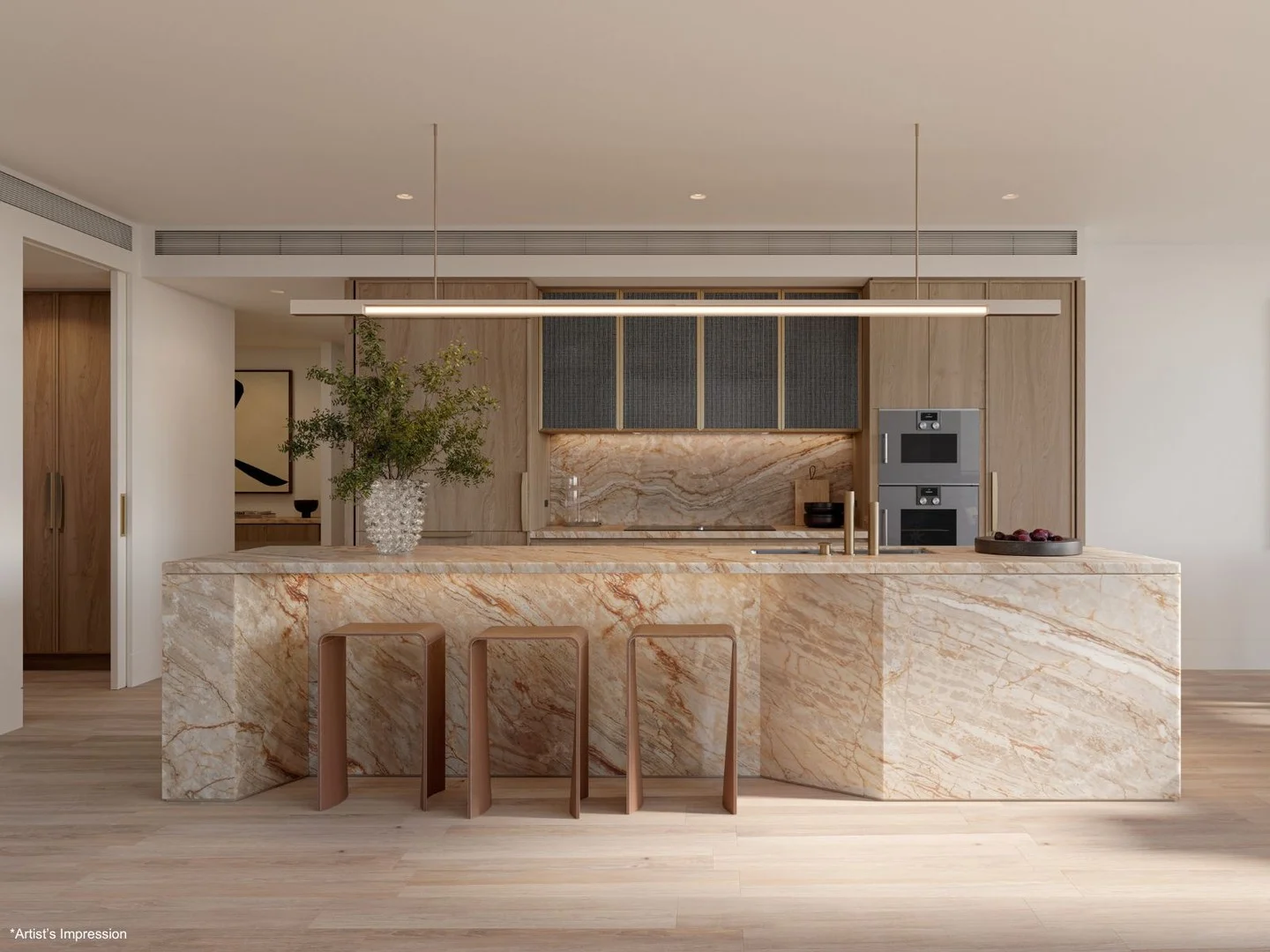 $6,225,000
propertyType.NEW APARTMENTS / OFF THE PLAN
$6,225,000
propertyType.NEW APARTMENTS / OFF THE PLAN
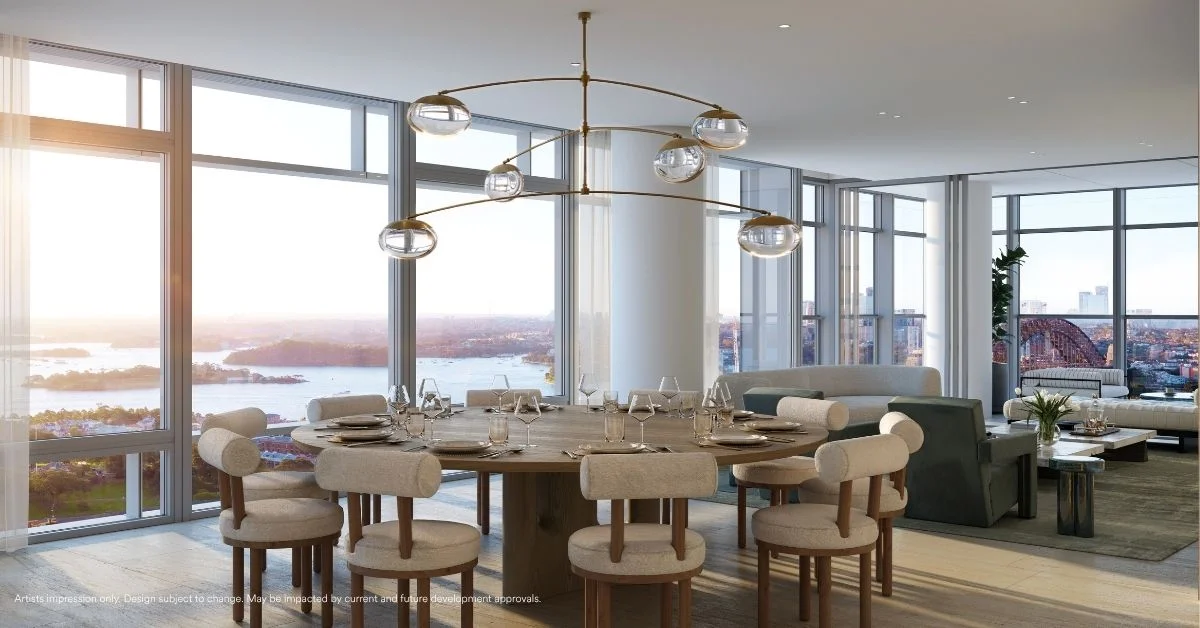 $26,550,000
propertyType.NEW APARTMENTS / OFF THE PLAN
$26,550,000
propertyType.NEW APARTMENTS / OFF THE PLAN
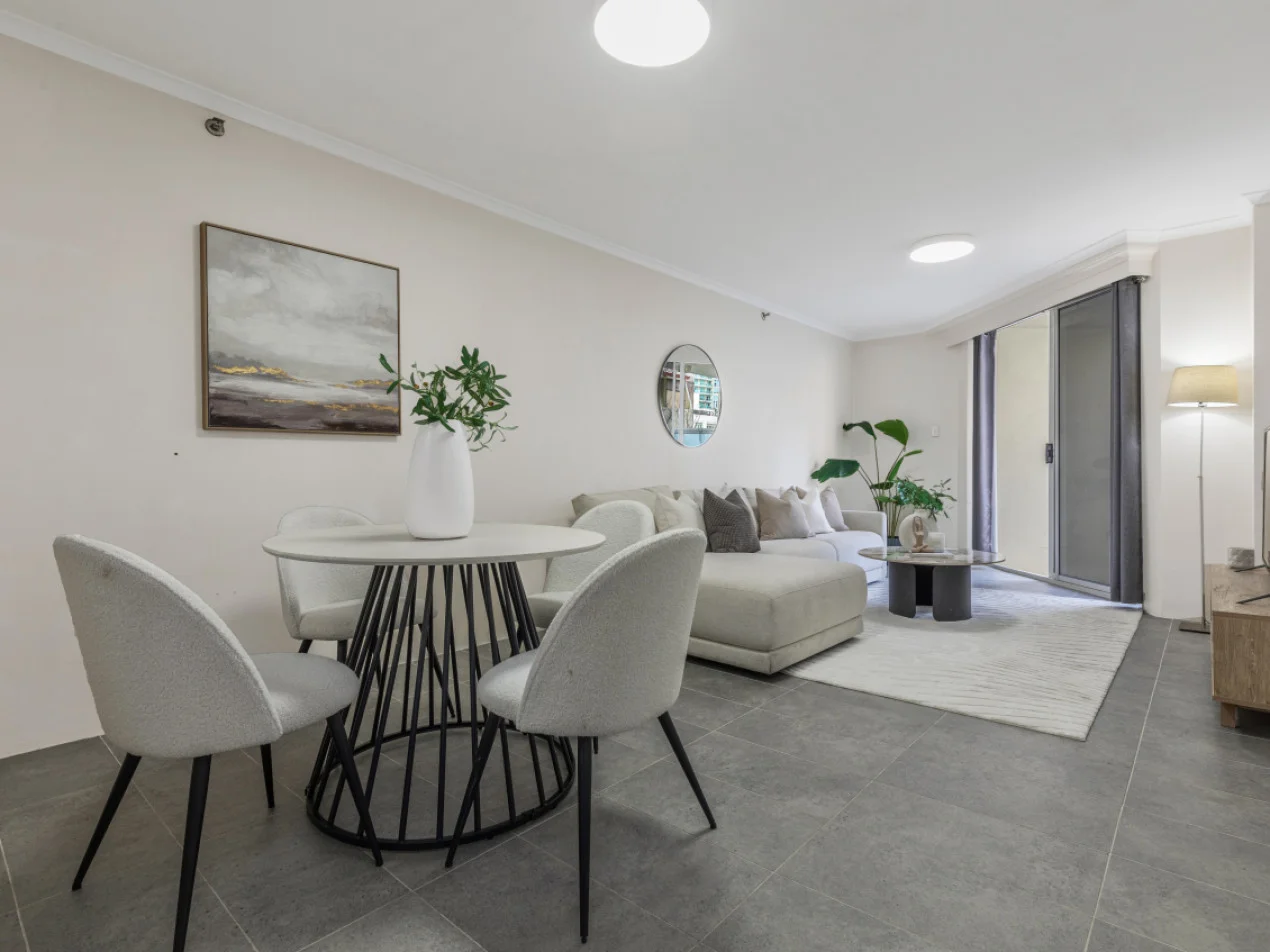 $640,000 - $675,000
Apartment / Unit / Flat
$640,000 - $675,000
Apartment / Unit / Flat
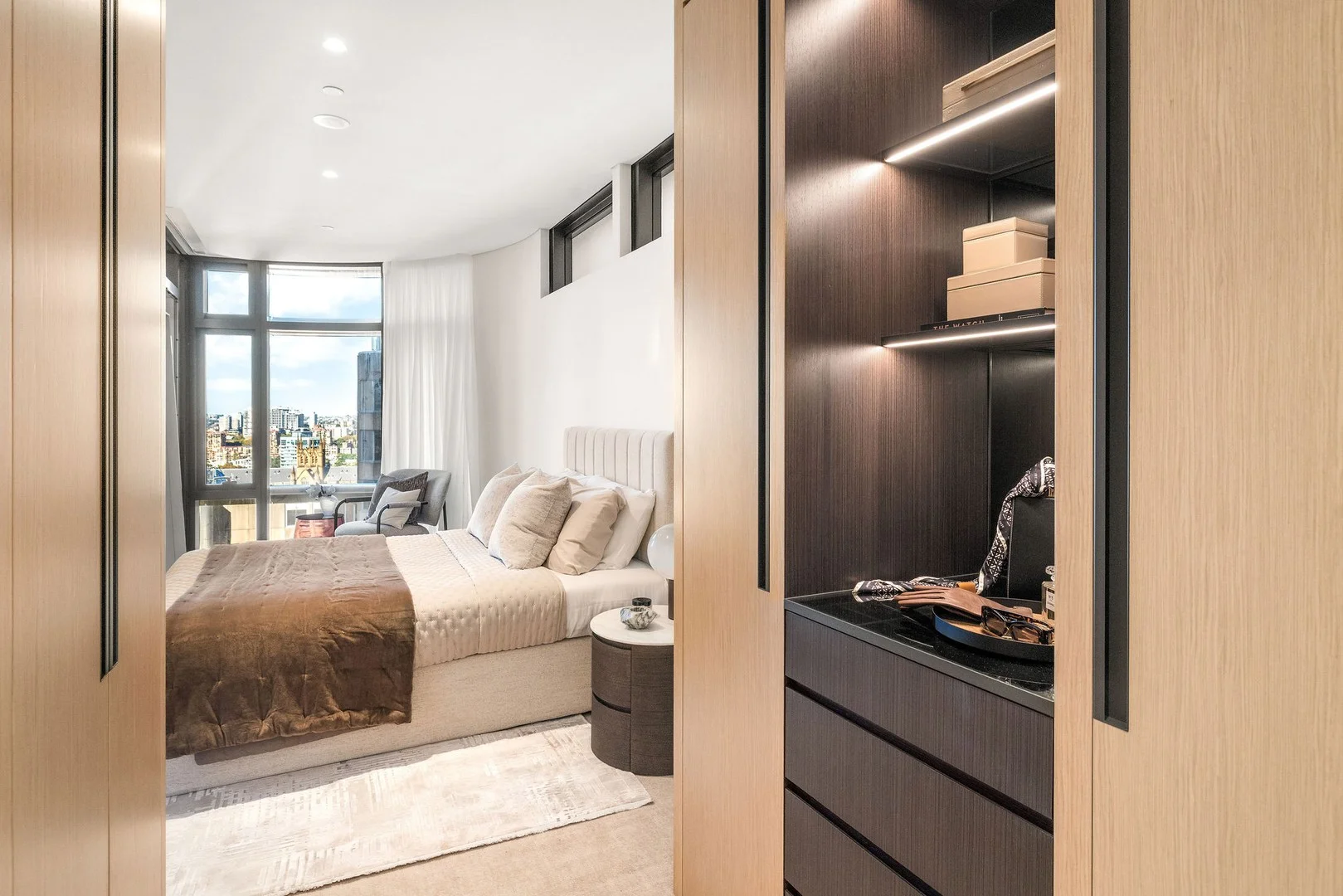 $2,745,000
propertyType.NEW APARTMENTS / OFF THE PLAN
$2,745,000
propertyType.NEW APARTMENTS / OFF THE PLAN
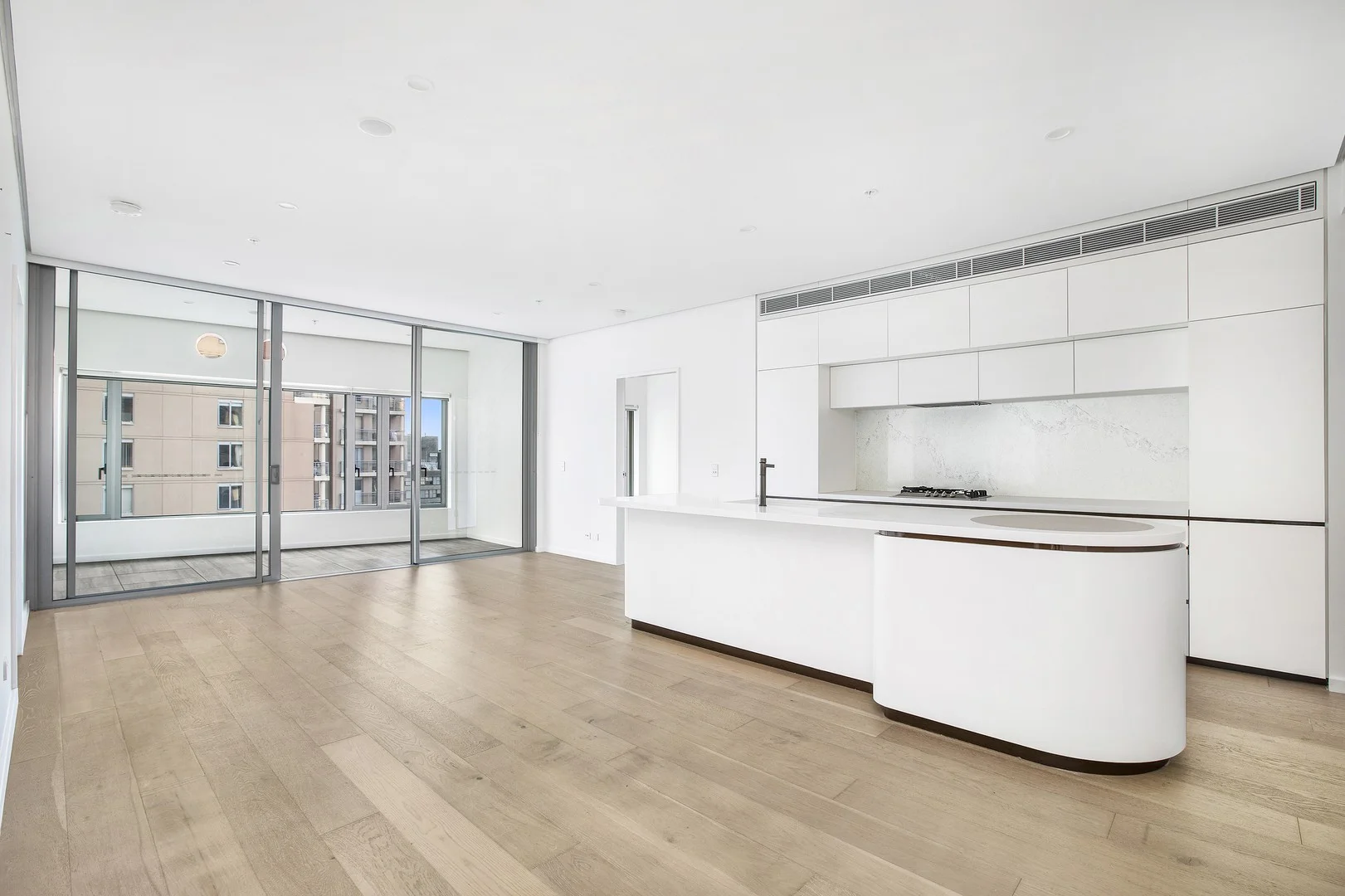 $2,250,000
Apartment / Unit / Flat
$2,250,000
Apartment / Unit / Flat
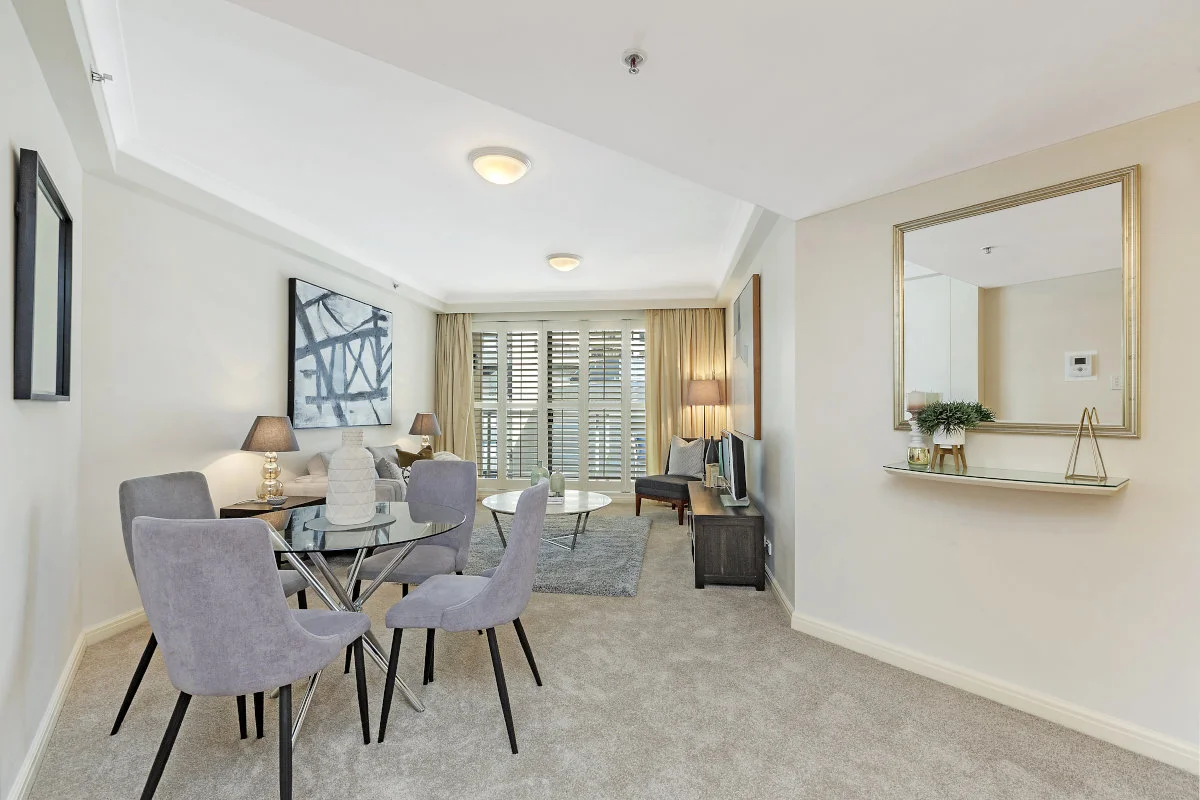 $660,000 - $725,000
Apartment / Unit / Flat
$660,000 - $725,000
Apartment / Unit / Flat