Overview
## 1. Overview
Frenchville State School is a public state primary school serving the Frenchville community and surrounding areas. It operates as a public education option within Queensland, offering a medium-to-large student cohort in a learning environment known for its inclusivity and supportive culture. Class sizes sit in the mid-20s, supporting strong teacher-student engagement and individualized attention where possible. The atmosphere is nurturing and community-focused, with an emphasis on academic achievement, sport, and the arts.
The school is committed to an inclusive, diverse, and respectful culture where students are encouraged to participate, contribute, and grow across academic, creative, and physical pursuits.
---
## 2. Academics & Learning
- Academic strengths: Focus on strong literacy and numeracy foundations, solid STEM integration, and language development (including a languages program such as French). Emphasis on developing critical thinking, problem-solving, and communication skills.
- Special programs: Gifted and Talented pathways, leadership opportunities, and accelerated learning options where appropriate; robust digital technologies integration to build future-ready skills.
- NAPLAN / trends: Trends show steady performance with outcomes close to state averages and ongoing focus on continuous improvement across year levels.
- Student-teacher ratios: Class sizes typically in the low-to-mid 20s with student-teacher ratios around 1:20–1:24, enabling meaningful teacher support.
- Support for diverse learners: Strong provisions for EAL and SEN, with inclusive education plans, targeted interventions, and access to support staff.
---
## 3. Sports & Extracurricular Strengths
- Sports offered: Athletics, cricket, football (soccer), netball, rugby league, rugby union, basketball, swimming, and other school-level sport opportunities.
- Strong teams or achievements: Competitive school teams with opportunities to participate in regional events and inter-school competitions.
- Music, arts, drama: Active music program, choir or instrumental opportunities, and annual performing arts events or school productions.
- Clubs: Robotics, coding, chess, debating, science clubs, and other enrichment activities.
- Partnerships: Connections with local clubs, community groups, and regional competitions to expand opportunities and experiences for students.
Note: This section prioritizes sports, arts, clubs, and partnerships that are commonly available and valued by families in the region.
---
## 4. Wellbeing & Pastoral Care
- Anti-bullying approach: Clear anti-bullying policies, positive behaviour programs, and proactive supervision to create safe, respectful environments.
- House system: A house-based structure to promote camaraderie, healthy competition, and belonging across year levels.
- Counsellors / wellbeing officers: Access to school-based counsellors or wellbeing staff to support mental health, social development, and transitions.
- Transition support: Structured support for new students, including orientation activities, buddy systems, and family onboarding to ease transitions between year levels.
---
## 5. Facilities
- Sports grounds: Dedicated sports fields and outdoor play spaces.
- Libraries: Well-equipped library with reading programs and access to resources.
- Science labs: Modern science facilities to support hands-on learning and experiments.
- Music/performing arts centers: Space for music tuition, rehearsals, and performances.
- Tech/innovation labs: Digital and technology spaces to explore coding, robotics, and creative projects.
- Cafeteria: On-site canteen or food service for students.
- Updated playgrounds: Modern playgrounds and outdoor learning areas.
---
## 6. School Values & Community Culture
- School values / mission: Clear emphasis on respect, responsibility, resilience, and inclusion; a mission centered on preparing students to contribute positively to their community.
- Leadership style: Collaborative and student-inclusive, with opportunities for student voice and leadership roles.
- Behaviour expectations: Positive behaviour framework focused on respect, safety, and accountability.
- Community reputation: Known for a welcoming, engaged school community with active involved families and local partnerships.
- Diversity & inclusion: Programs and practices to support students from diverse backgrounds, including language support and culturally responsive teaching.
---
## 7. School Logistics & Daily Operations
- School hours: Typical day runs from morning to mid-afternoon (e.g., 9:00 am–3:00 pm) with variations for early years or special timetables.
- Before/after school care: Availability of Before/After School Care (OSHC) or similar programs.
- Uniform requirements: School uniform policy with guidelines for daily wear and sport days; details available through the school.
- Transport (train/bus routes): Access via local bus routes and transport options; specifics depend on the local network and catchment arrangements.
- Canteen availability: On-site canteen or food service options for students.
- Fees (low/medium/high ranges): Voluntary contributions and standard fees for certain programs or activities; overall cost expectations align with typical public primary school offerings.
---
## 8. Enrolment & Admissions
11. What is the enrolment process and timeline?
- Start by contacting the school to initiate enrolment; provide required documentation (proof of residency, identity, immunisation status, and birth details as applicable).
- Complete the enrolment form and submit documents to the school; you’ll receive guidance on timelines, preferred start dates, and any orientation steps.
- Processing timelines vary, but schools typically aim to confirm enrolment and place students into classes ahead of the new term.
12. Is there a waiting list, and how does it work?
- If the school reaches capacity, a wait list may operate. Places are allocated based on catchment enrolment rules, with priority given to resident students within the defined enrollment zone and any available vacancies.
13. Are there any entry requirements, tests, or interviews?
- For standard enrolment, there are usually no entrance tests or interviews. Some programs or selective opportunities may involve assessments or brief intake meetings to determine fit and placement.
14. Does the school accept mid-year transfers?
- Yes, mid-year transfers can be accommodated if there are available places. Transfer procedures typically require an official request, student records/transcripts, up-to-date immunisation information, and coordination with the receiving grade level.
---
## 9. Frequently Ask Questions
- Why Parents Choose This School?
- A strong local community, supportive staff, solid academics, and opportunities in sport, arts, and enrichment programs.
- What type of student thrives at this school?
- Students who are curious, collaborative, and motivated across academics, sport, and creative pursuits; families who value a balanced, inclusive school experience.
- What opportunities are available for students to extend their skills (academics, sports, arts)?
- Programs in literacy and numeracy development, STEM and digital technologies, language learning, gifted & talented pathways, sports teams, music and performing arts, and various clubs (robotics, coding, chess, debating).
- How does the school communicate with parents?
- Regular notices, newsletters, and digital platforms; parent-teacher conferences; updates on learning progress and wellbeing support through agreed channels.
- What is the school’s approach to teaching and learning?
- A student-centered approach with a focus on literacy, numeracy, inquiry, and hands-on learning, alongside digital technologies integration and inclusive teaching practices.
- How does the school support students who need extra academic help?
- Targeted interventions, small-group or one-to-one support, EAL and SEN services, and access to additional resources as needed.
- What support is available for academic challenges?
- Early identification, tailored support plans, and collaboration with families to lay out clear goals and progress monitoring.
- How does the school communicate with parents? (Repeated item)
- See above: multiple channels including meetings, messages, and online portals as part of ongoing engagement.
- What are the class sizes and how much individual attention do students receive?
- Class sizes are typically in the low-to-mid 20s, with teacher efforts to provide targeted feedback and individualized support where possible.
- What extracurricular and sports opportunities are available?
- A range of sports, music, arts, and clubs such as robotics, coding, chess, and debating, with pathways to inter-school events and competitions.
- What facilities does the school offer (sports, science, arts)?
- Sports grounds, library, science labs, music/performing arts spaces, technology labs, canteen, and updated playgrounds.
- What is the school’s approach to technology and digital learning?
- Integrated digital technologies across the curriculum, with access to devices and age-appropriate tech programs to build computational thinking and responsible use.
- What transport and accessibility options are available?
- Local bus routes and convenient transport links within the catchment; information specific to each family’s location can be provided by the school.
- What are the typical school fees or additional costs?
- Public schools have minimal compulsory fees; there may be voluntary contributions and costs for some activities or programs; exact amounts are detailed in the school's annual information.
---
## 10. Short Pros & Cons list
- Pros
- Strong sense of community and inclusivity
- Balanced focus on academics, sport, and the arts
- Language and enrichment programs (including a languages program)
- Support for diverse learners (EAL, SEN)
- Modern facilities and dedicated wellbeing/ pastoral supports
- Cons
- Large school environment may feel busy at peak times
- Availability of popular programs can depend on student numbers and space
- Transport and after-school arrangements may vary by location and demand





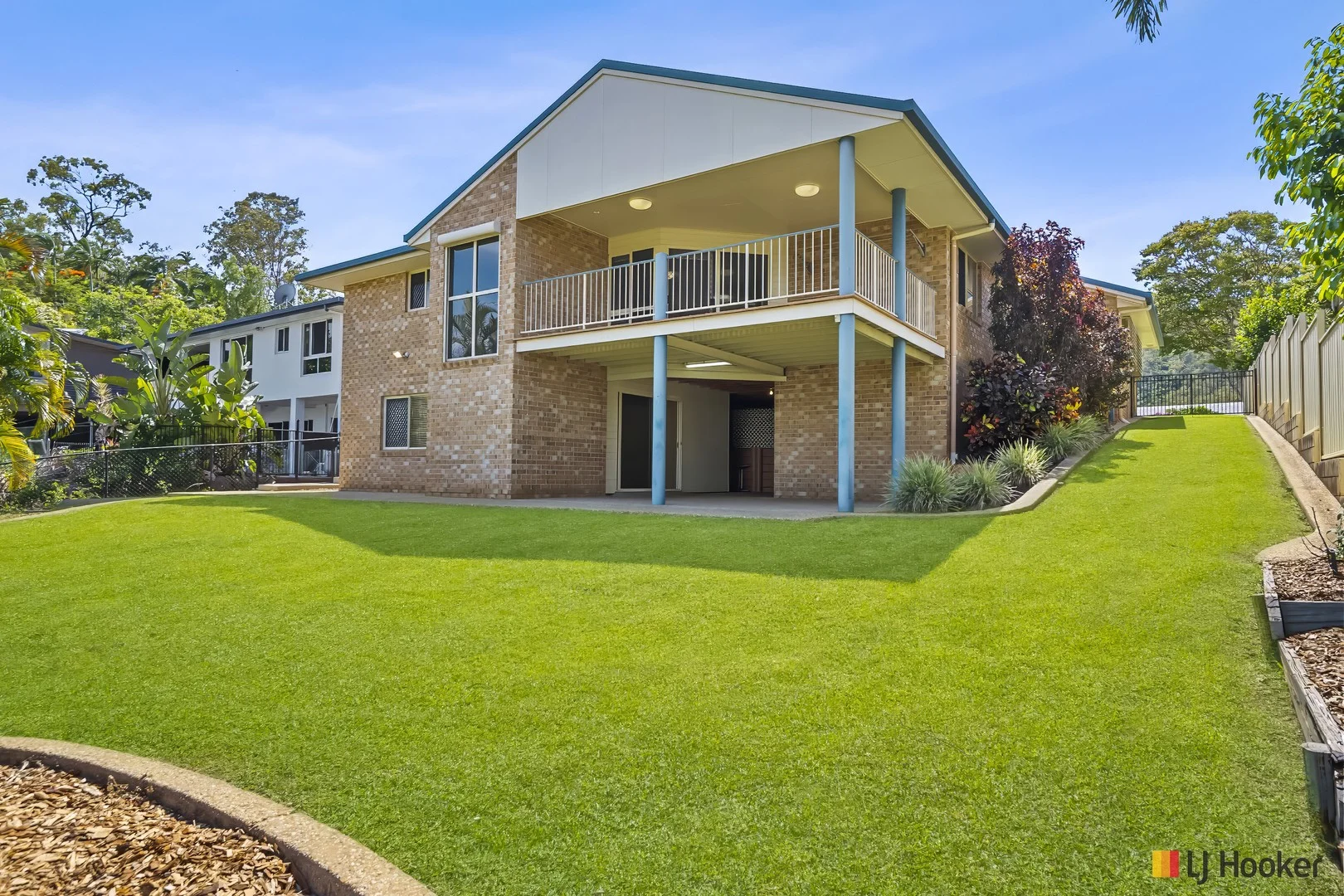 $755,250
House
$755,250
House
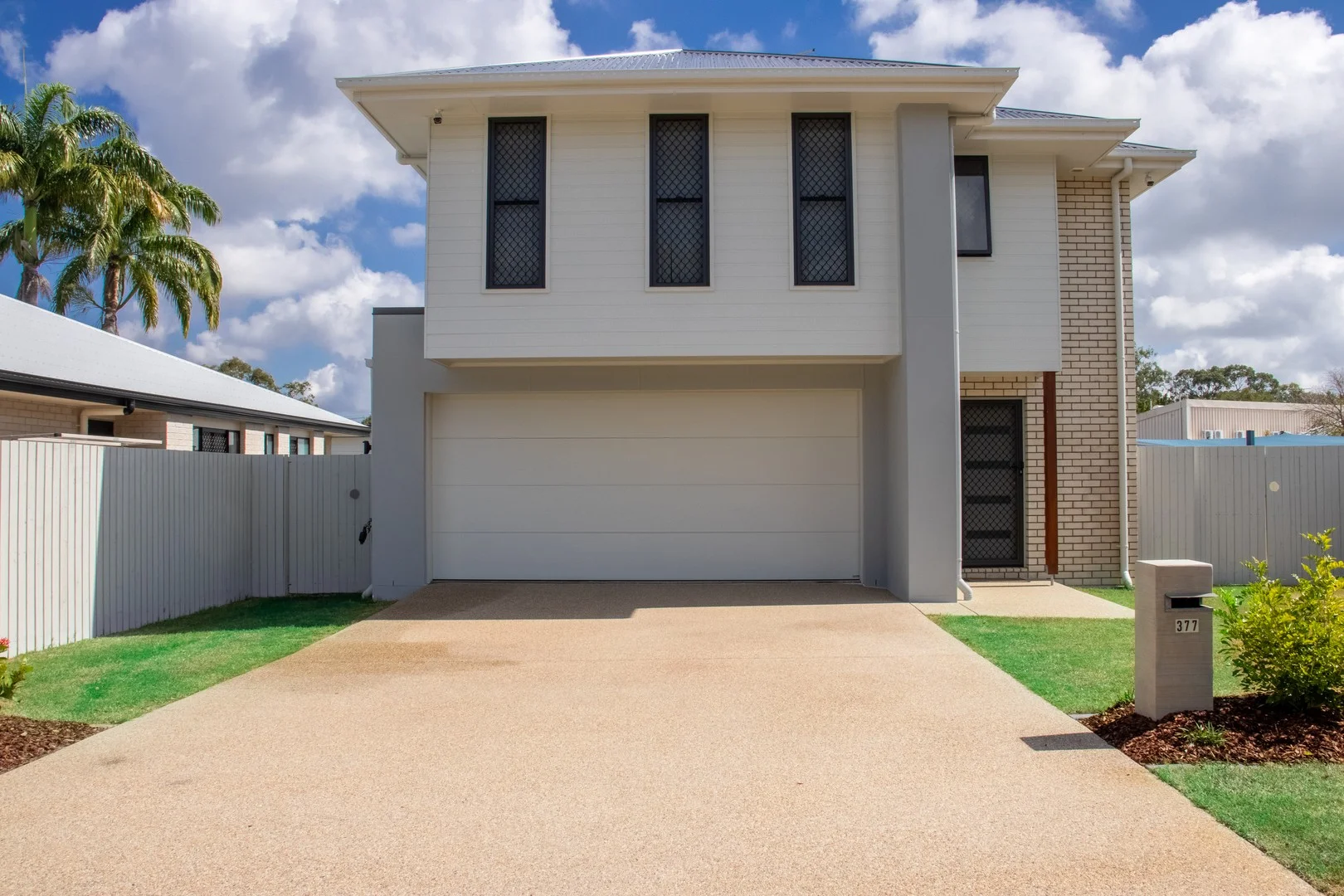 $710
House
$710
House
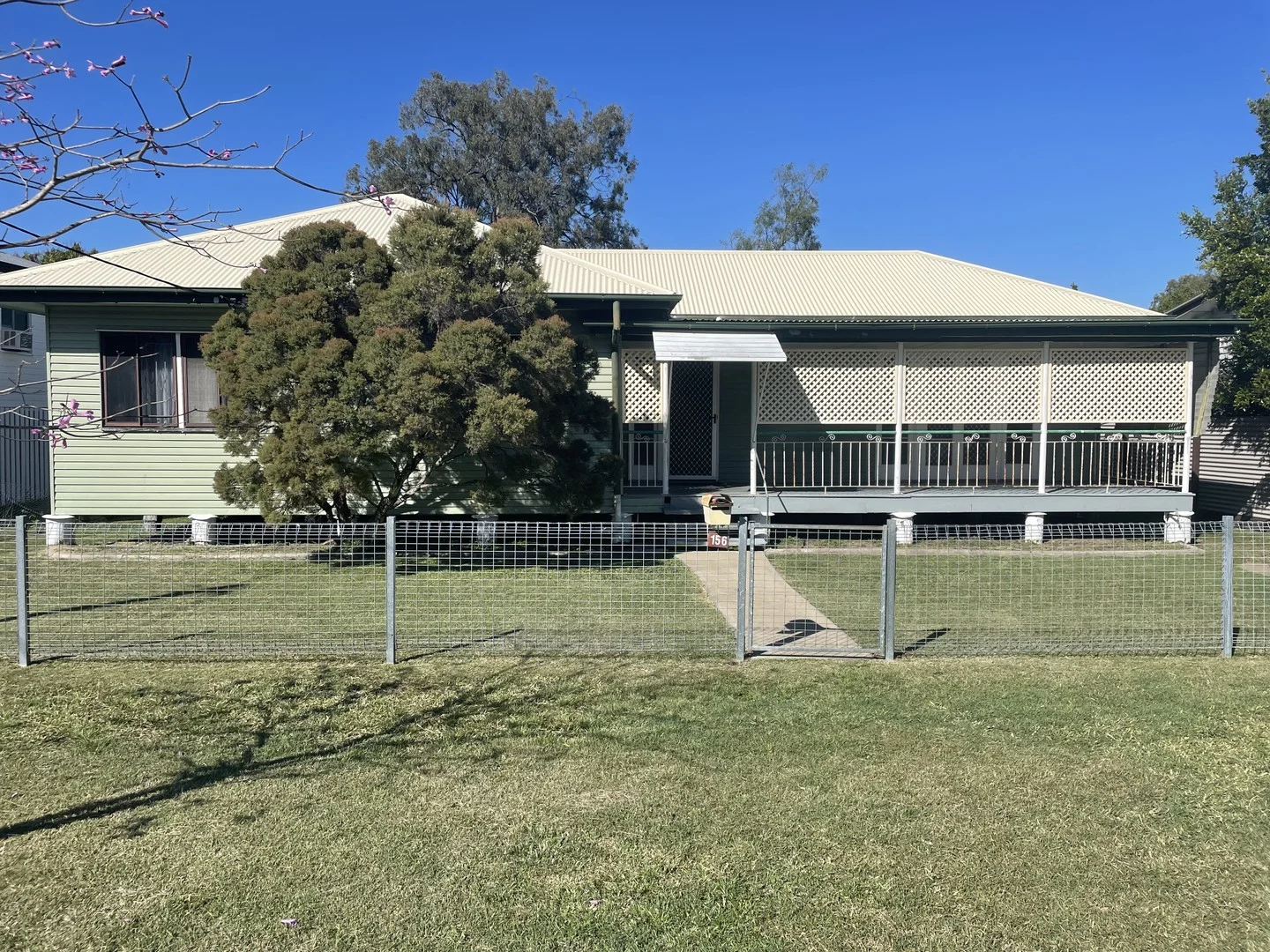 $480
House
$480
House
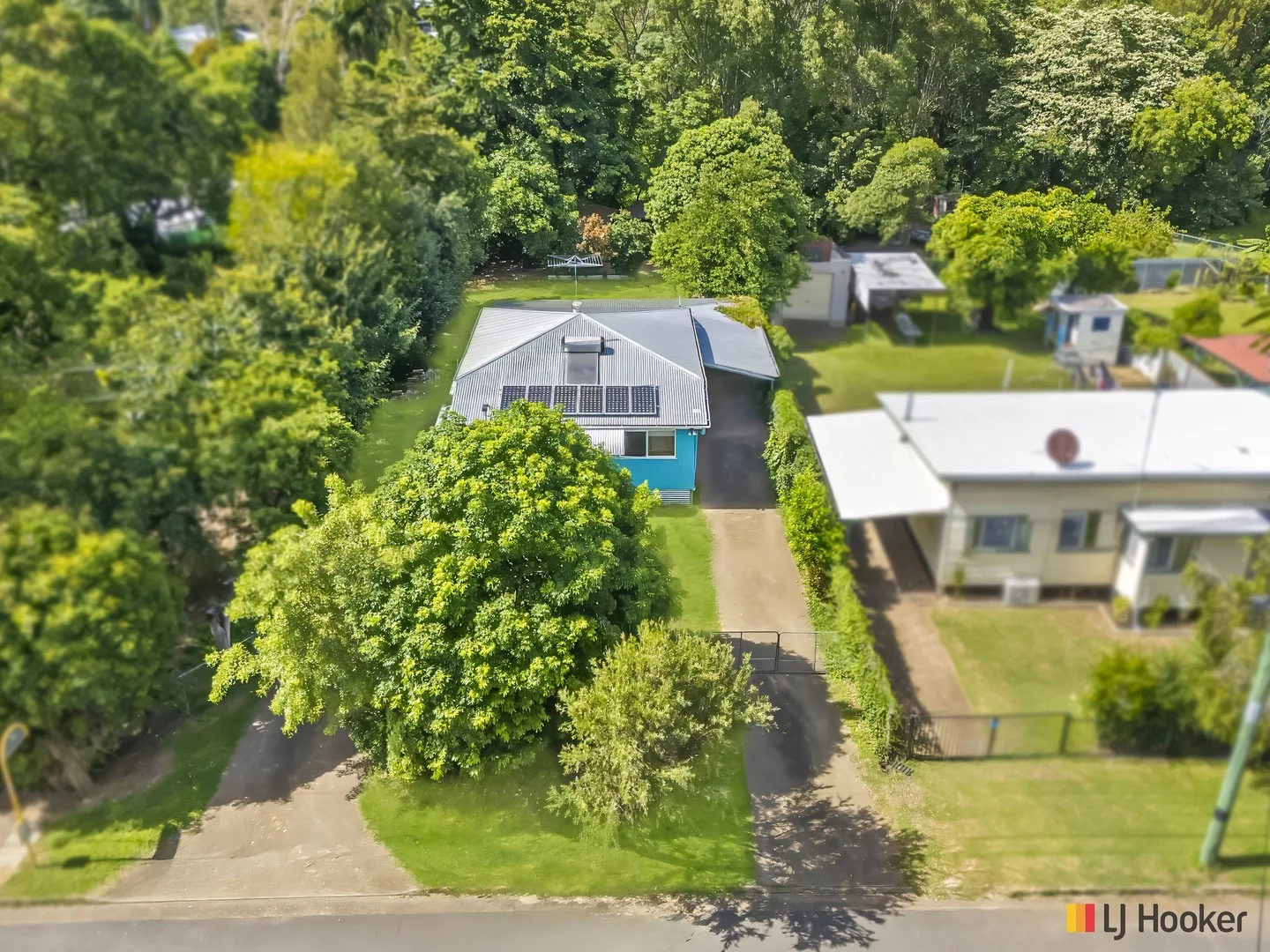 $470,000 - $493,500
House
$470,000 - $493,500
House
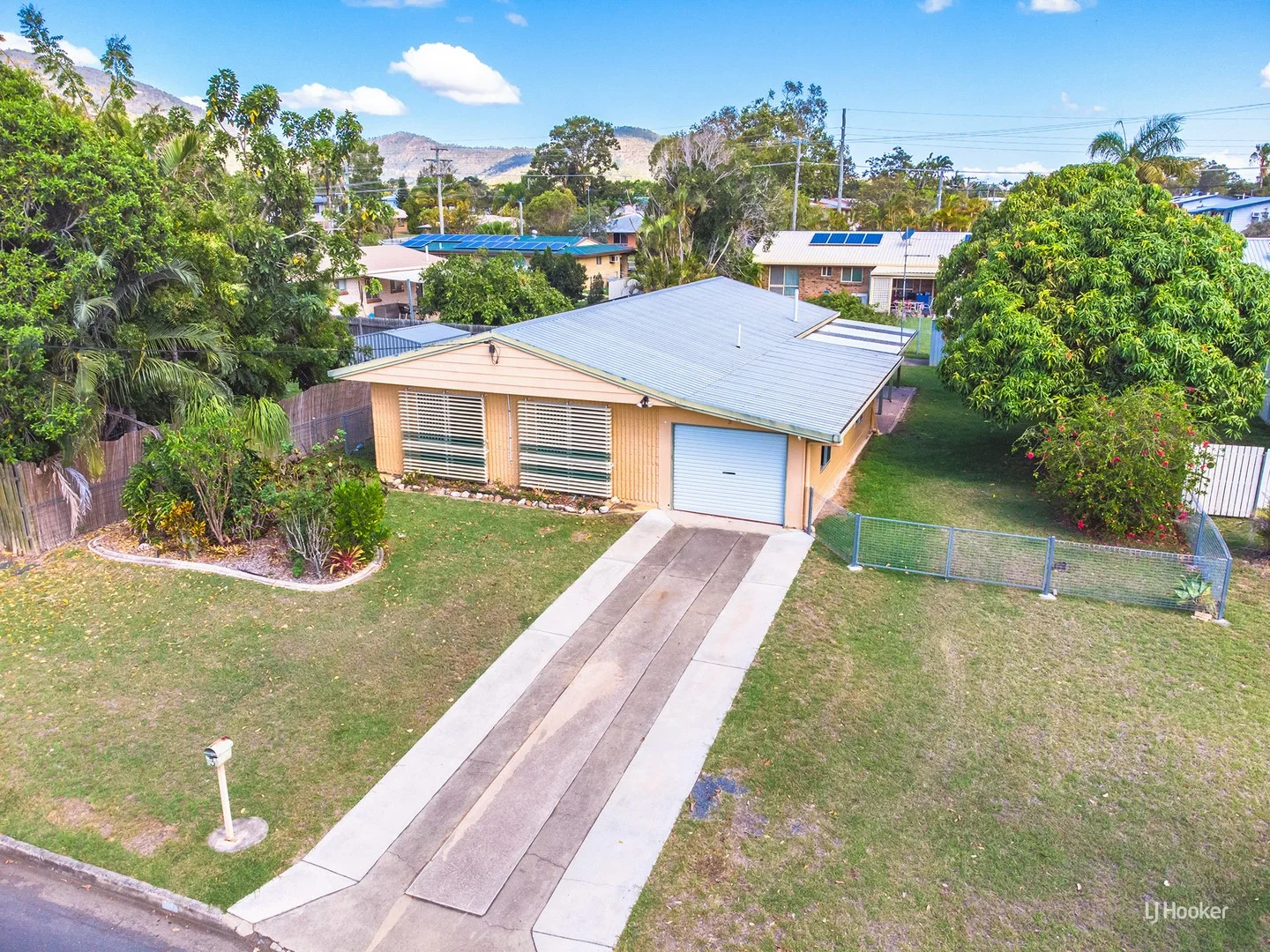 $560
House
$560
House
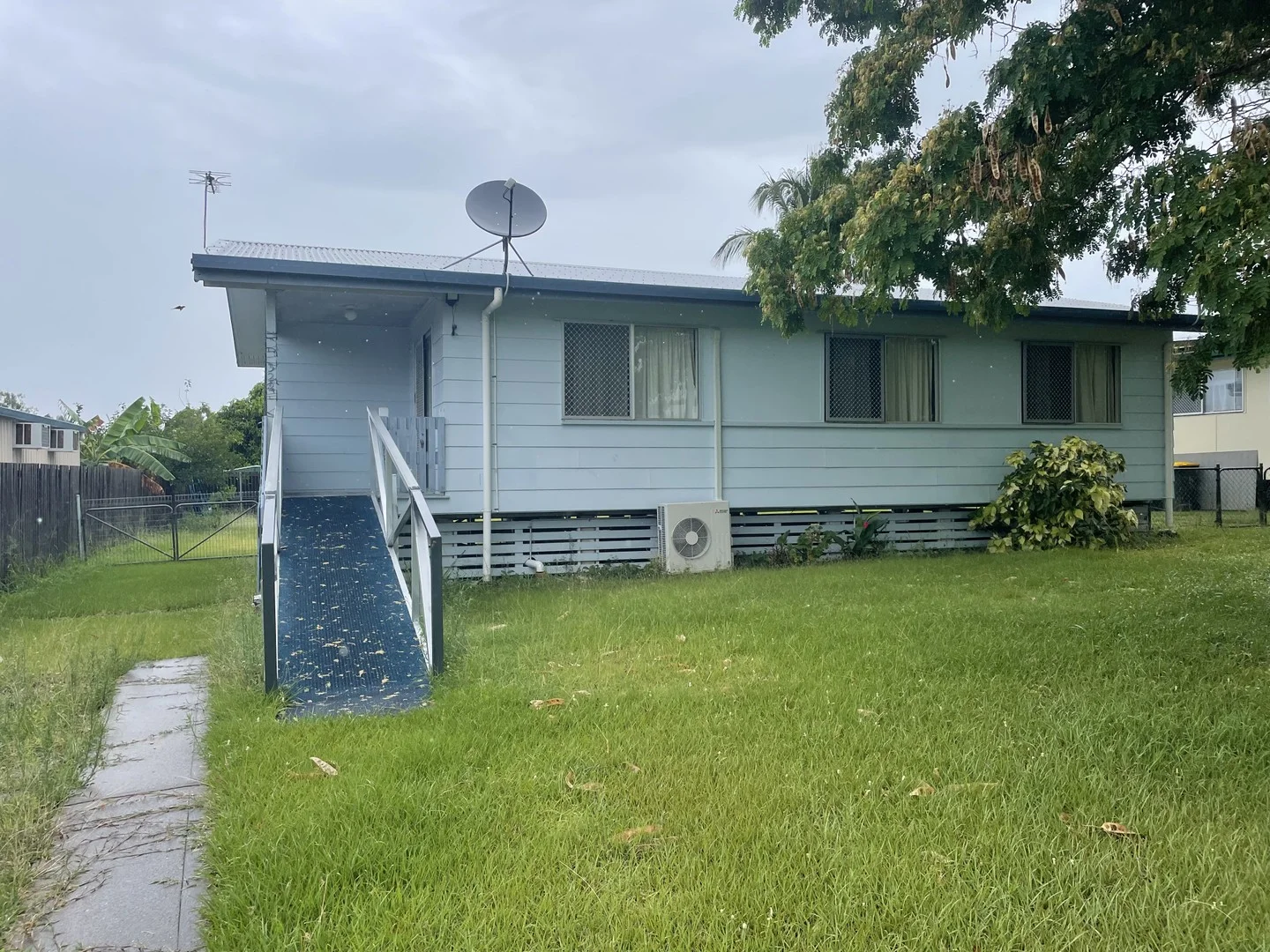 $500
House
$500
House
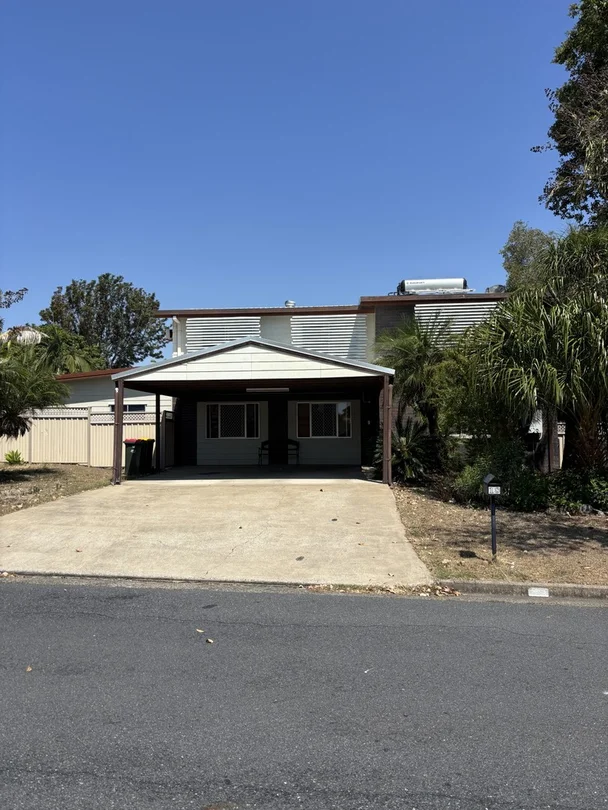 $660
House
$660
House
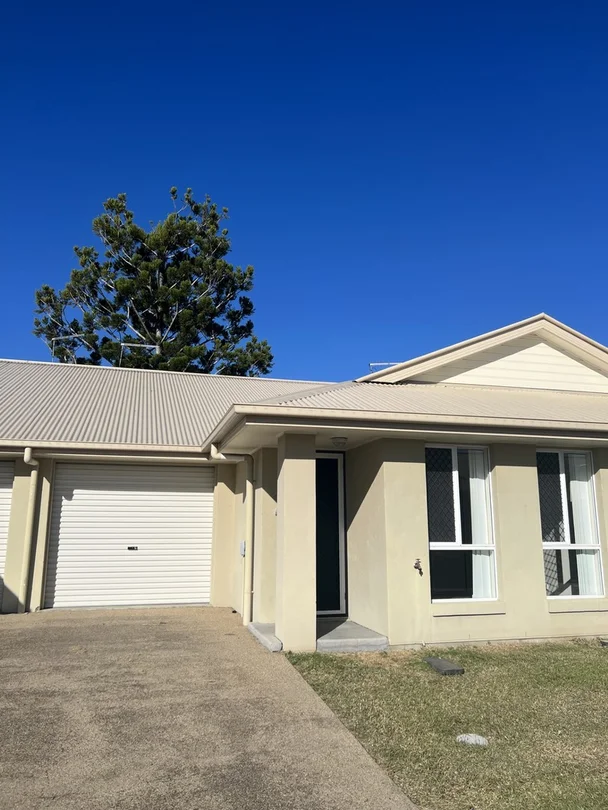 $480
House
$480
House
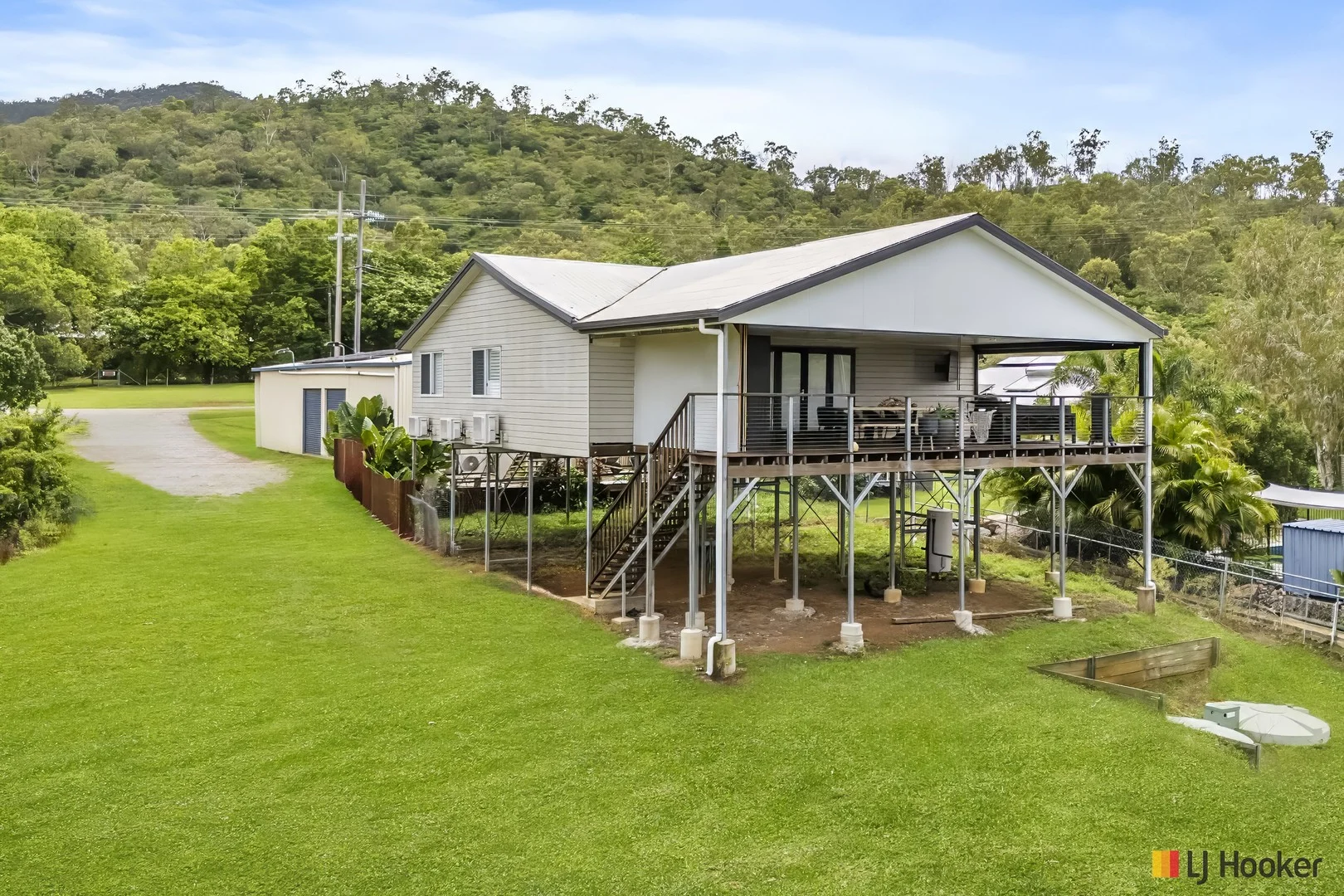 $750,000 - $787,500
House
$750,000 - $787,500
House