Overview
1. Overview
Berserker Street State School is a public (state) primary school serving the local community. As a mid-sized public school, it typically supports a diverse cohort of students across the P–Year 6 range, with class sizes that average in the low- to mid-20s. The school aims to create an inclusive, nurturing learning environment where students feel valued and motivated to participate in a broad range of learning activities.
The atmosphere is community-focused and supportive, balancing a friendly, welcoming ethos with a clear emphasis on academic development, student wellbeing, and active involvement in school life. The culture values contribution from students, families, and staff, and fosters an environment where every child can pursue their interests and grow.
2. Academics & Learning
- Academic strengths: Strong emphasis on literacy and numeracy, with opportunities to engage in STEM-related activities, digital technologies, and cross-curricular projects that build critical thinking and collaborative skills.
- Special programs: Access to targeted literacy and numeracy support, enrichment opportunities, and a focus on developing students’ leadership and collaborative abilities. Some years may offer Gifted and Talented-style supports or enrichment options within class programs.
- NAPLAN trends: Historically, the school aims to perform in line with state averages with ongoing improvements in reading and numeracy through targeted teaching strategies and intervention programs.
- Student-teacher ratios: Typical class sizes in the low- to mid-20s, with teachers and support staff providing differentiated instruction to meet diverse learning needs.
- Support for diverse learners: Explicit supports for diverse learners, including EAL (English as an Additional Language) support and SEN (Special Educational Needs) provisions, along with individualized learning plans where appropriate.
3. Sports & Extracurricular Strengths
- Sports offered: A range of primary-school programs including athletics, soccer, cricket, cricket, rugby league-style activities, basketball, and swimming components as part of the school program and local inter-school activities.
- Strong teams or achievements: Active participation in district-level and regional events; emphasis on teamwork, sportsmanship, and personal bests rather than only results.
- Music, arts, drama programs: Regular music education, school performances, and opportunities to participate in choir, drama, and performing arts activities.
- Clubs: Robotics, chess, coding, and debating programs are commonly available as part of after-school offerings or lunchtime clubs.
- Partnerships: Connections with local sporting clubs, arts organizations, and regional competitions to broaden opportunities for students beyond the classroom.
4. Wellbeing & Pastoral Care
- Anti-bullying approach: Whole-school approach to wellbeing, with clear anti-bullying policies and restorative practices designed to promote respectful interactions and a positive school climate.
- House system: A House system is often used to encourage camaraderie, teamwork, and healthy competition across year levels.
- Counsellors / wellbeing officers: Access to school wellbeing staff, including counsellors or wellbeing coordinators, to support student mental health and resilience.
- Transition support for new students: Orientation programs, buddy systems, and targeted transition support to help new students settle in smoothly.
5. Facilities
- Sports grounds: Sufficient outdoor play and sports facilities to support physical education and after-school activities.
- Libraries: A central library space for reading, research, and literacy activities.
- Science labs: Dedicated spaces for science learning and hands-on experiments.
- Music/performing arts centers: Facilities to support music, drama, and performing arts activities.
- Tech/innovation labs: Computer or makerspace areas to support digital technology and hands-on learning.
- Cafeteria: On-site canteen or well-organized lunch facilities for student meals and snacks.
- Updated playgrounds: Well-maintained outdoor play areas and equipment to encourage active breaks and outdoor learning.
6. School Values & Community Culture
- School values / mission: Core values typically include Respect, Responsibility, Integrity, and Excellence, with a mission to develop capable, caring, and curious learners.
- Leadership style: Distributed leadership with opportunities for student voice (e.g., student councils or leadership roles) and collaborative planning among staff.
- Behaviour expectations: Clear behavioural expectations linked to a positive behaviour framework and consistent routines across year levels.
- Community reputation: A strong sense of community involvement, with active family engagement and partnerships that support learning beyond the classroom.
- Diversity & inclusion: Inclusive environment that acknowledges and celebrates student diversity and fosters belonging for all families and cultures.
7. School Logistics & Daily Operations
- School hours: Typical day runs from around 9:00 am to 3:00 pm, with supervised arrival times and midday breaks.
- Before/after school care: After-school care options are often provided through OSHC or partner programs; check local arrangements.
- Uniform requirements: Public-school uniform policy (e.g., polo or shirt, shorts or skirt, hat, and appropriate footwear) with specifics issued by the school each year.
- Transport (train/bus routes): Access to local bus services and proximity to public transport; families are advised to check the current transport routes and drop-off/pick-up zones.
- Canteen availability: On-site or school canteen services available on certain days or lunch periods, offering healthy meal and snack options.
- Fees (low/medium/high ranges): As a public school, fees are generally modest, including standard contributions and optional items such as uniforms or activity costs.
8. Enrolment & Admissions
11. What is the enrolment process and timeline?
- Enrolment is typically managed through the school and Education Queensland processes. Begin by submitting an enrolment application, providing required documents (birth certificate, immunisation history, proof of address), and completing any school-specific forms. The timeline varies by year level and capacity; admissions are confirmed ahead of the start of the school year or term.
12. Is there a waiting list, and how does it work?
- Some year levels may have wait lists if the school is at capacity. Waiting lists are generally managed by the school and allocated based on factors such as place availability, priority enrolment rules, and proximity.
13. Are there any entry requirements, tests, or interviews?
- No standard entry tests are typically required for public primary enrolment. Some situations may involve discussions or assessments to determine additional support needs, but most enrolment is based on eligibility and place availability.
14. Does the school accept mid-year transfers?
- Mid-year transfers are possible if there is available capacity. Families seeking a mid-year transfer should contact the school early to discuss availability and required documentation.
9. Frequently Asked Questions
- Why Parents Choose This School?
- A welcoming, inclusive environment with strong literacy and numeracy programs, supportive staff, and a focus on student wellbeing and community involvement.
- What type of student thrives at this school?
- Students who respond well to a collaborative, supportive setting, enjoy a balanced mix of academics, sport, arts, and wellbeing activities, and value a sense of belonging.
- What opportunities are available for students to extend their skills (academics, sports, arts)?
- Enrichment and intervention in literacy and numeracy; STEM and digital technology activities; sport and athletics; music, drama, and arts programs; and various clubs (robotics, chess, coding, debating).
- How does the school communicate with parents?
- Regular updates via newsletters, notices, and the school website; parent-teacher meetings; and a variety of channels for timely communication about student progress and events.
- What is the school’s approach to teaching and learning?
- Student-centered pedagogy with differentiated instruction, collaborative learning, and a mix of direct teaching, hands-on activities, and digital learning to support different learning styles.
- How does the school support students who need extra academic help?
- Targeted literacy and numeracy support, intervention programs, and access to SEN and EAL services to ensure all students can participate and progress.
- What support is available for academic challenges?
- Individualized support plans, small-group instruction, and collaboration with families to set achievable goals and monitor progress.
- How does the school communicate with parents? (Repeated)
- See above: newsletters, meetings, portals, and direct contact with teachers and leadership.
- What are the class sizes and how much individual attention do students receive?
- Typical class sizes are in the low- to mid-20s; teachers differentiate instruction to meet individual needs and provide targeted feedback.
- What extracurricular and sports opportunities are available?
- A range of sports, arts, music, and clubs (robotics, chess, coding, debating) with pathways to district-level events and competitions.
- What facilities does the school offer (sports, science, arts)?
- Sports grounds, library, science labs, music/performing arts spaces, tech/innovation labs, cafeteria, and well-maintained playgrounds.
- What is the school’s approach to technology and digital learning?
- Integration of digital technologies in learning, access to devices and software for coding, research, and creative projects, and emphasis on digital literacy.
- What transport and accessibility options are available?
- Local bus routes and public transport options; clear drop-off/pick-up policies; accessible facilities as part of the school’s inclusive design.
- What are the typical school fees or additional costs?
- Public-school fees are generally modest; some costs may relate to uniforms, excursions, and materials, with options for families to plan and budget accordingly.
10. Short Pros & Cons list
Pros
- Public, inclusive, supportive learning environment
- Strong focus on literacy, numeracy, and wellbeing
- Wide range of extracurriculars (sports, arts, clubs)
- Active community involvement and family engagement
- Good facilities supporting science, technology, and the arts
Cons
- Class sizes may vary by year level and staffing
- Some programs/activities may have limited capacity and require early sign-up
- Transport options depend on local routes and may require careful planning for families




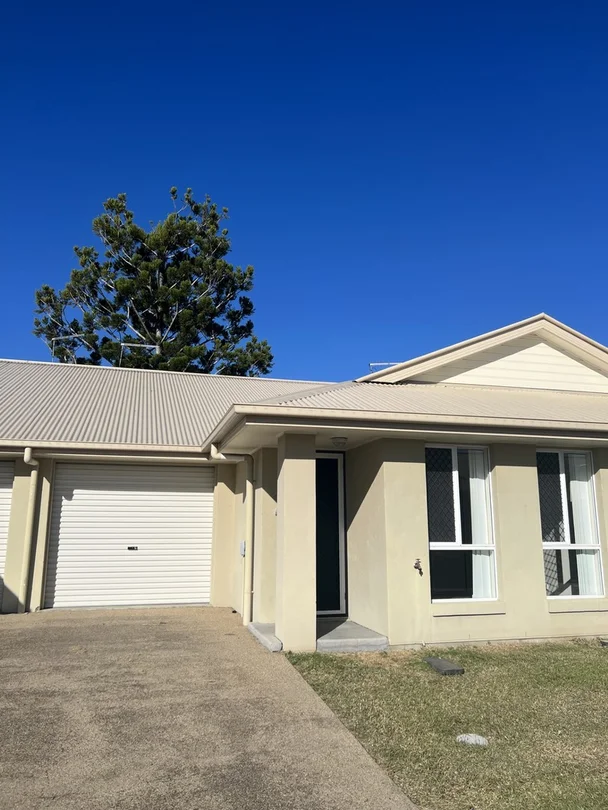 $480
House
$480
House
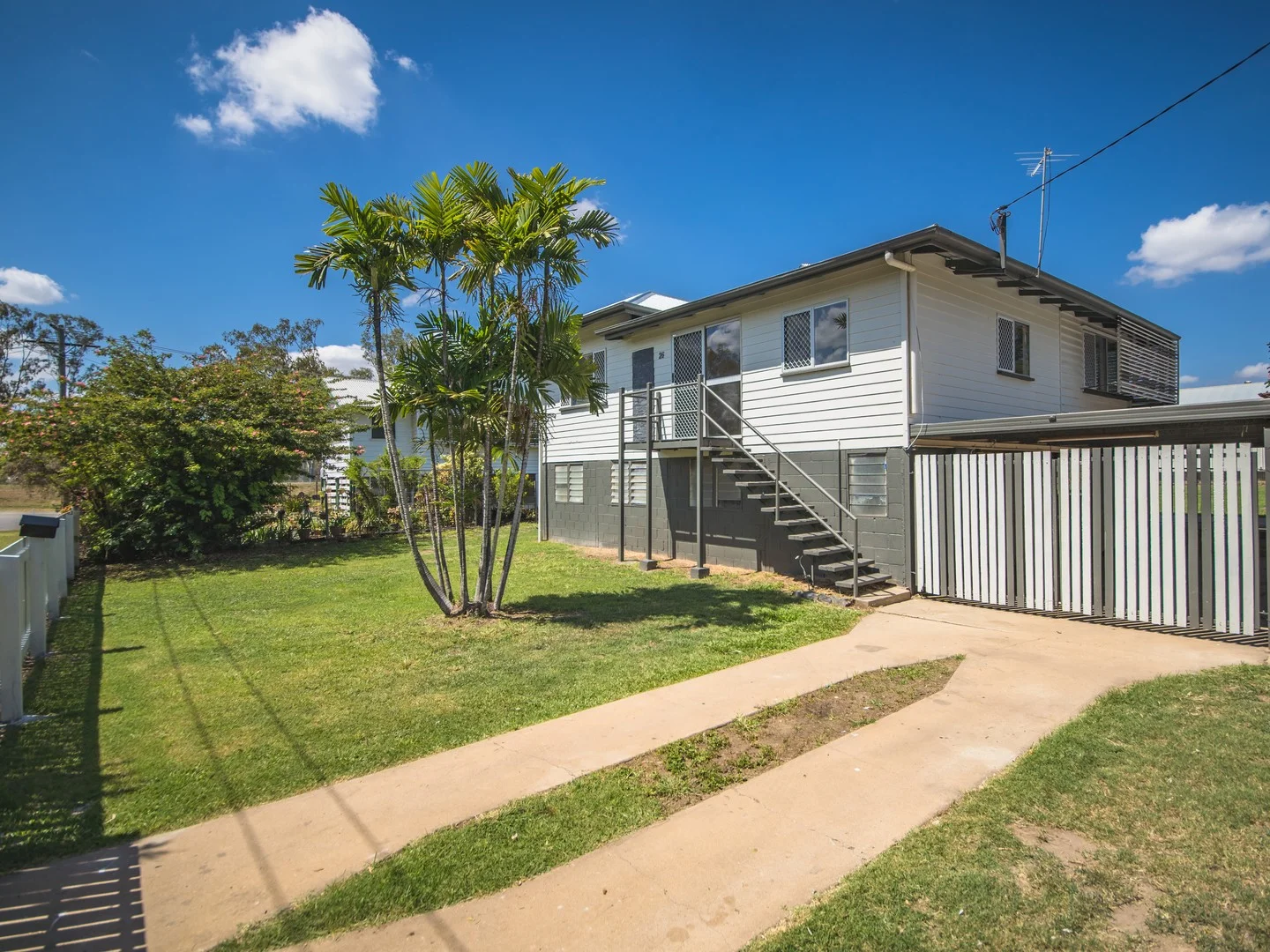 $510
House
$510
House
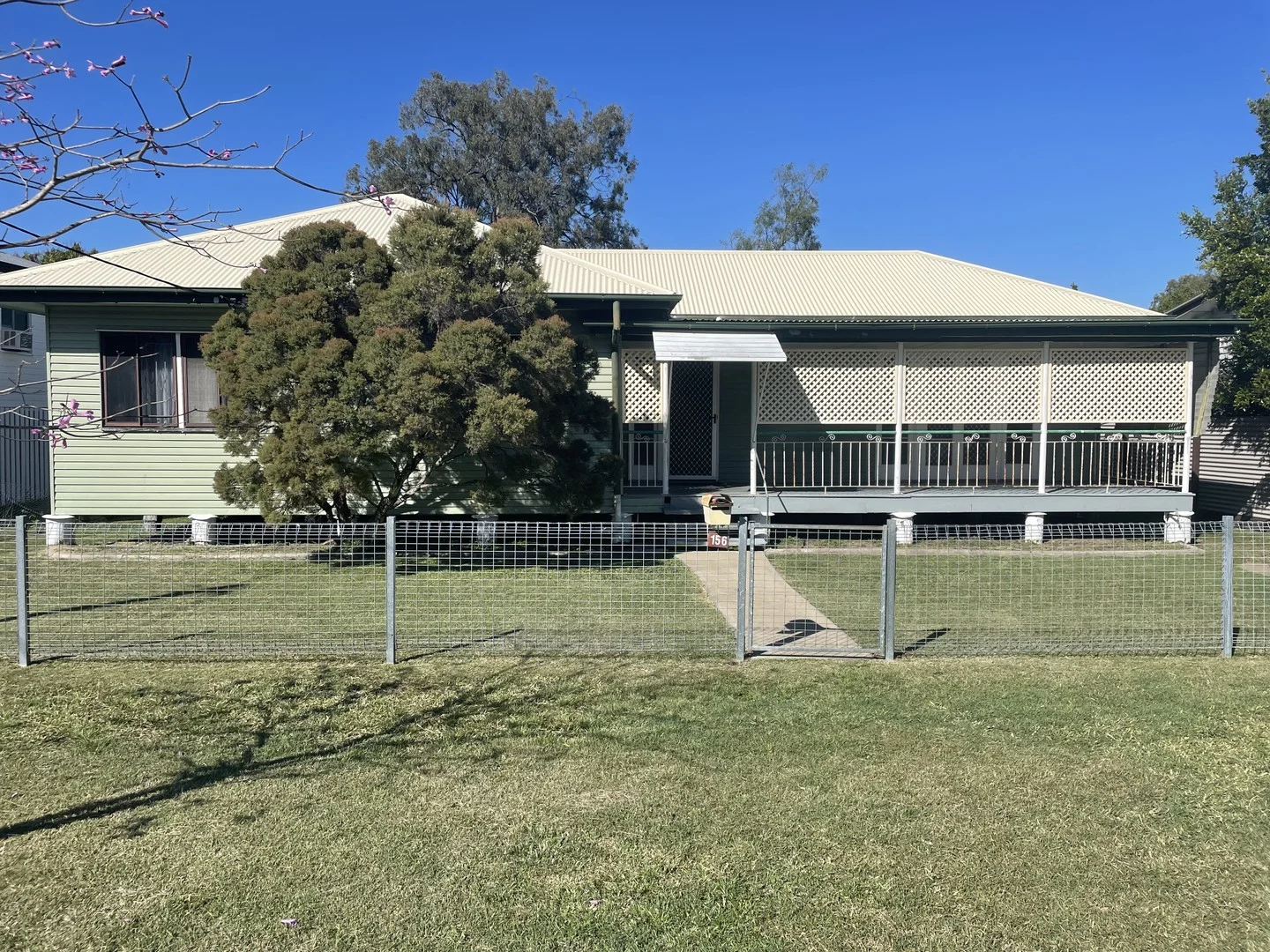 $480
House
$480
House
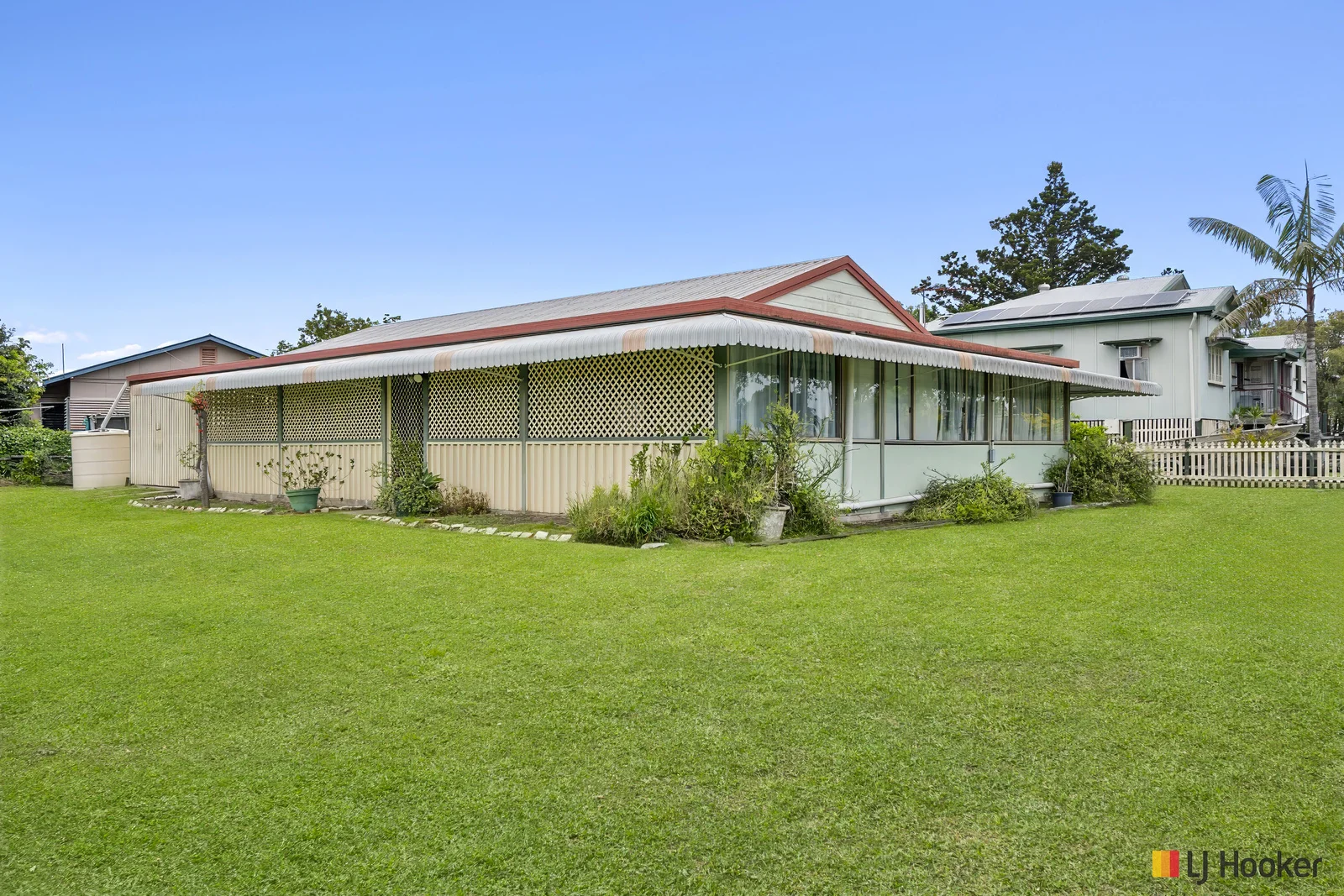 $413,250
House
$413,250
House
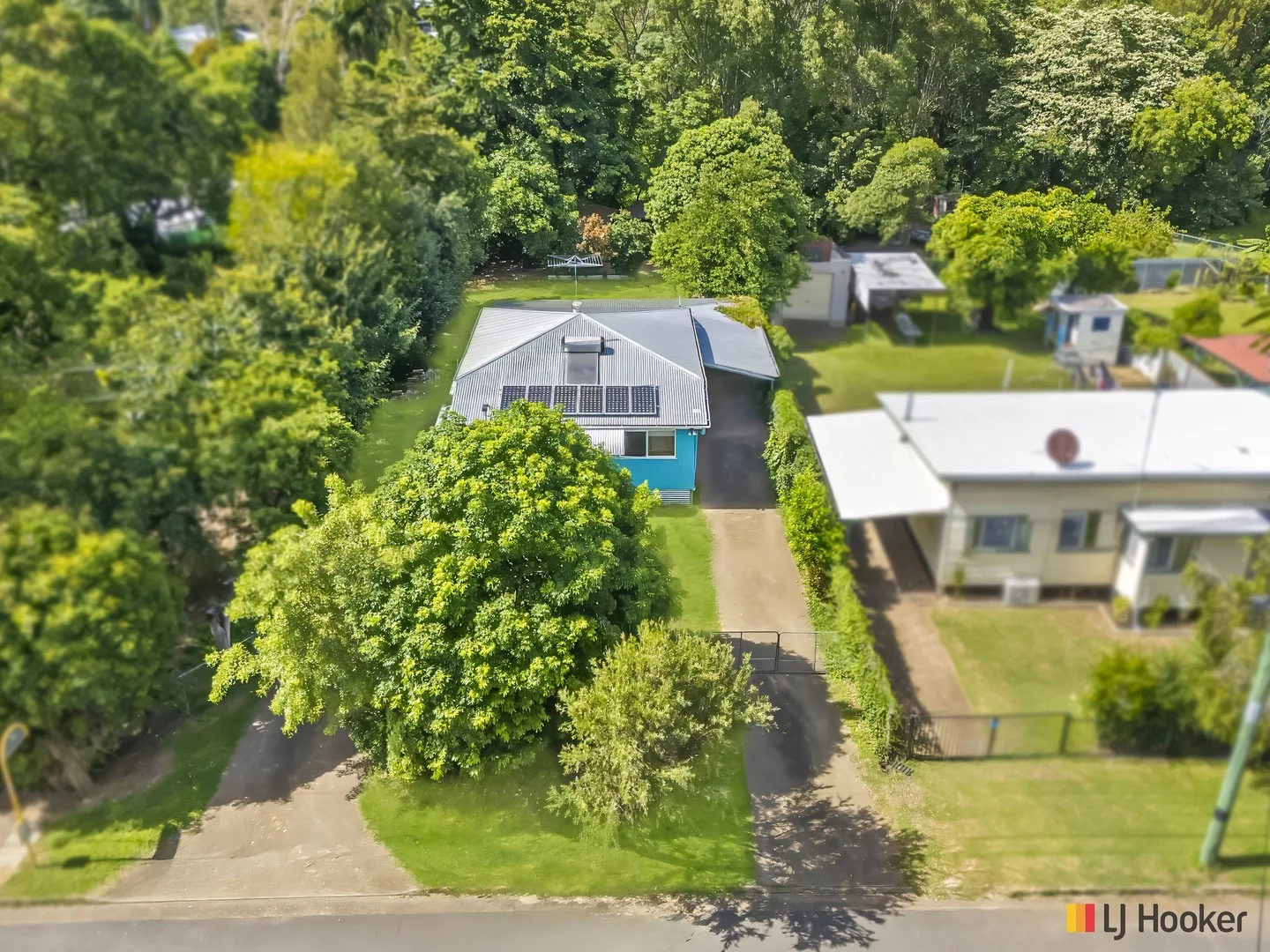 $470,000 - $493,500
House
$470,000 - $493,500
House
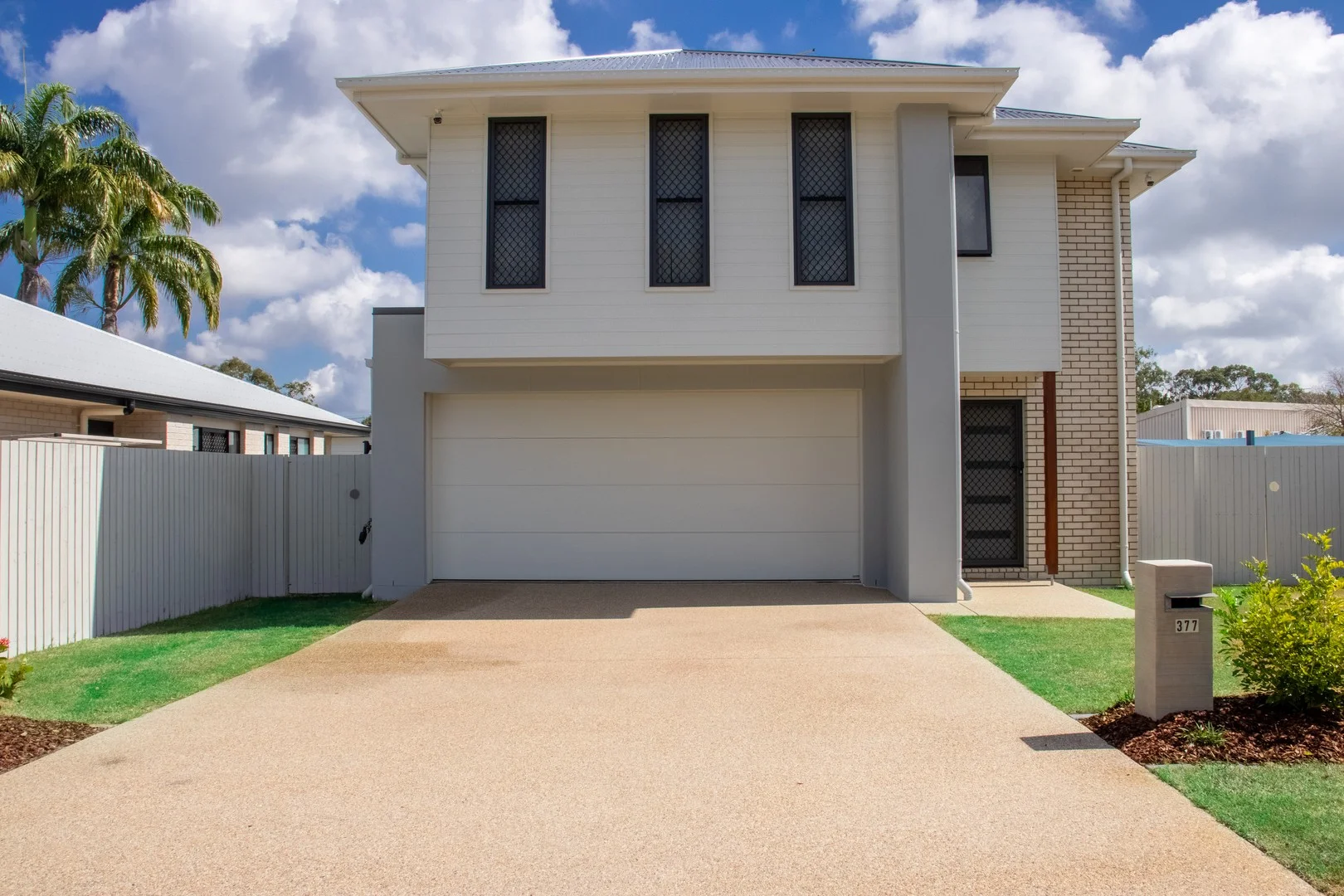 $710
House
$710
House
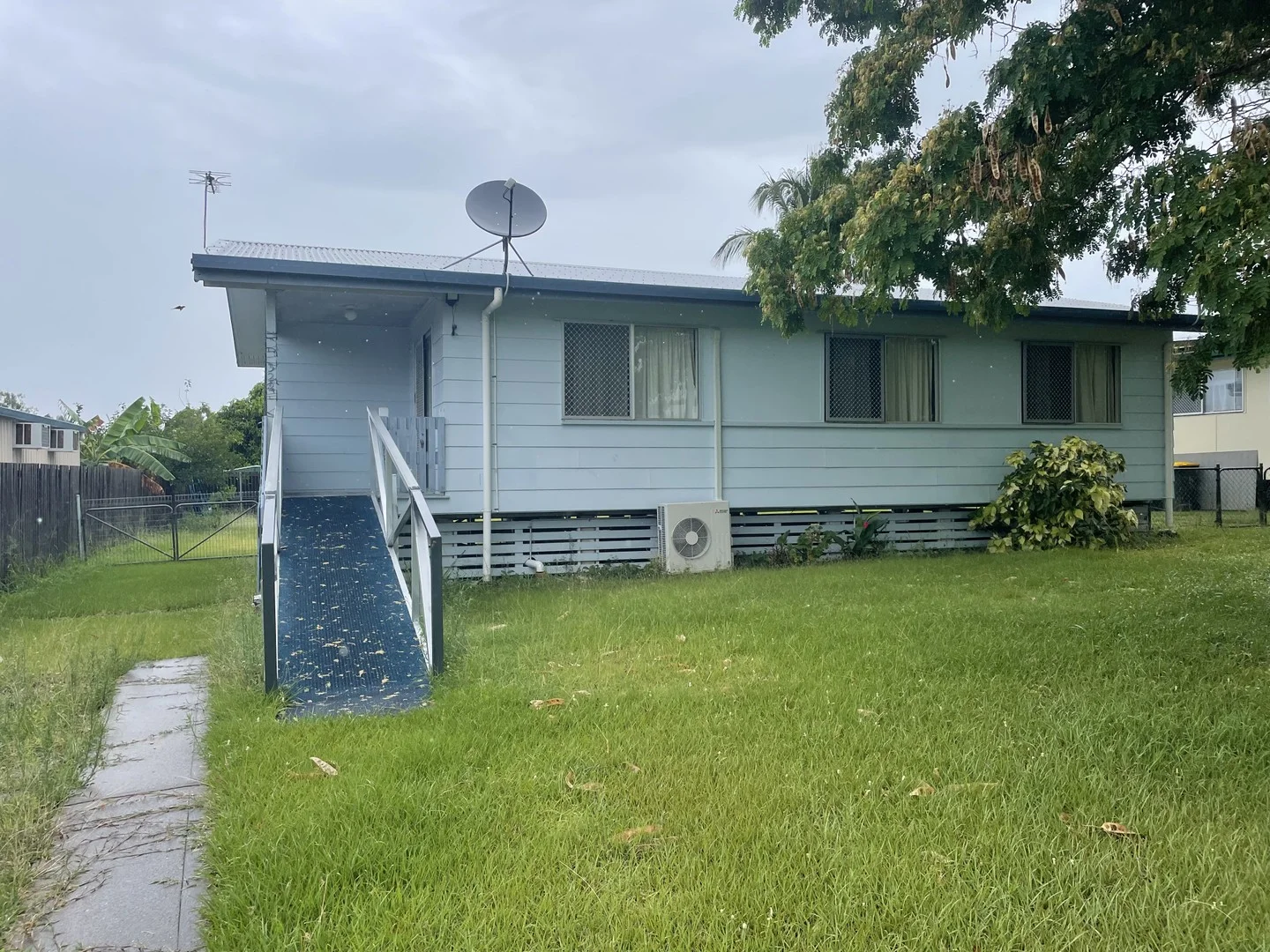 $500
House
$500
House
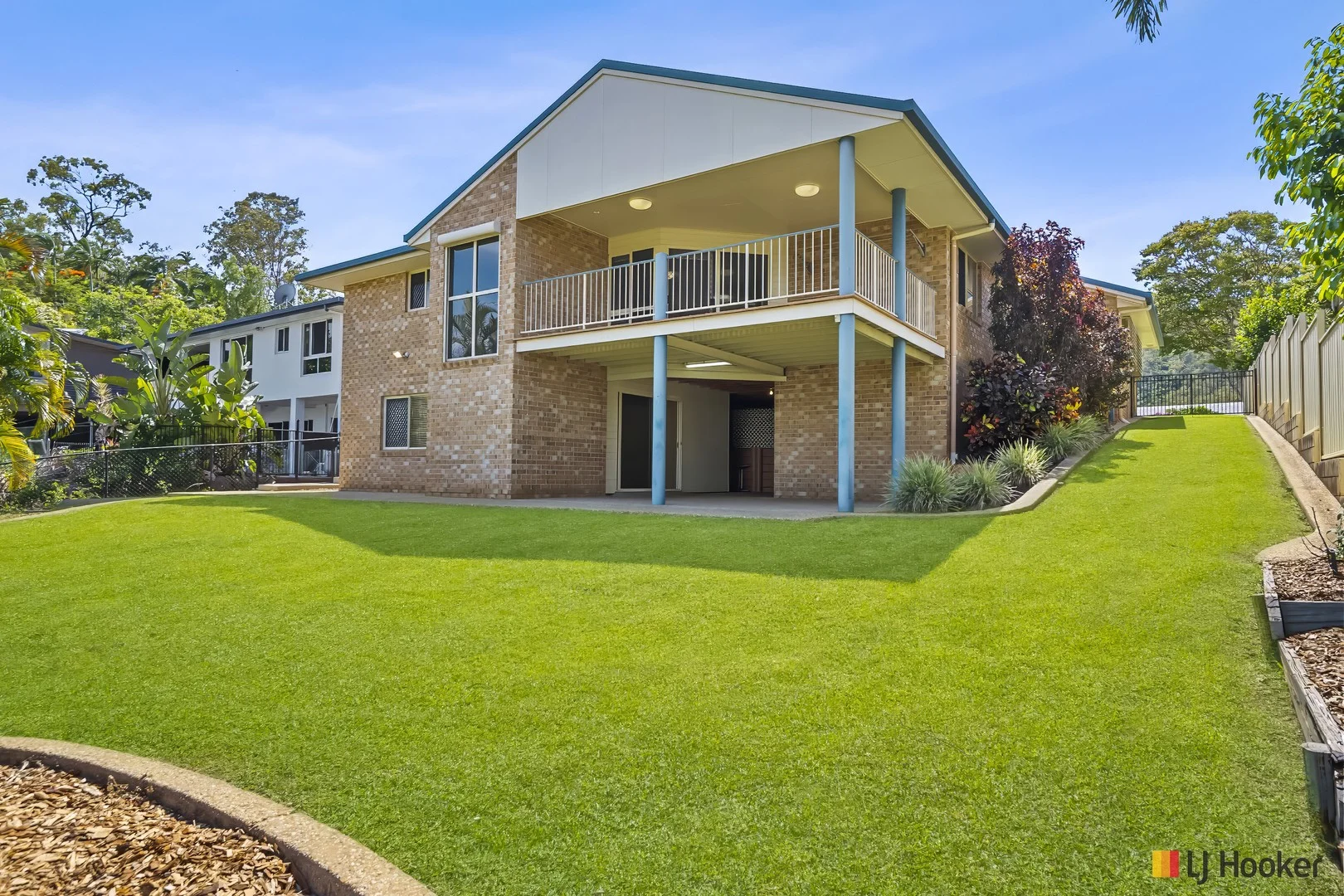 $755,250
House
$755,250
House
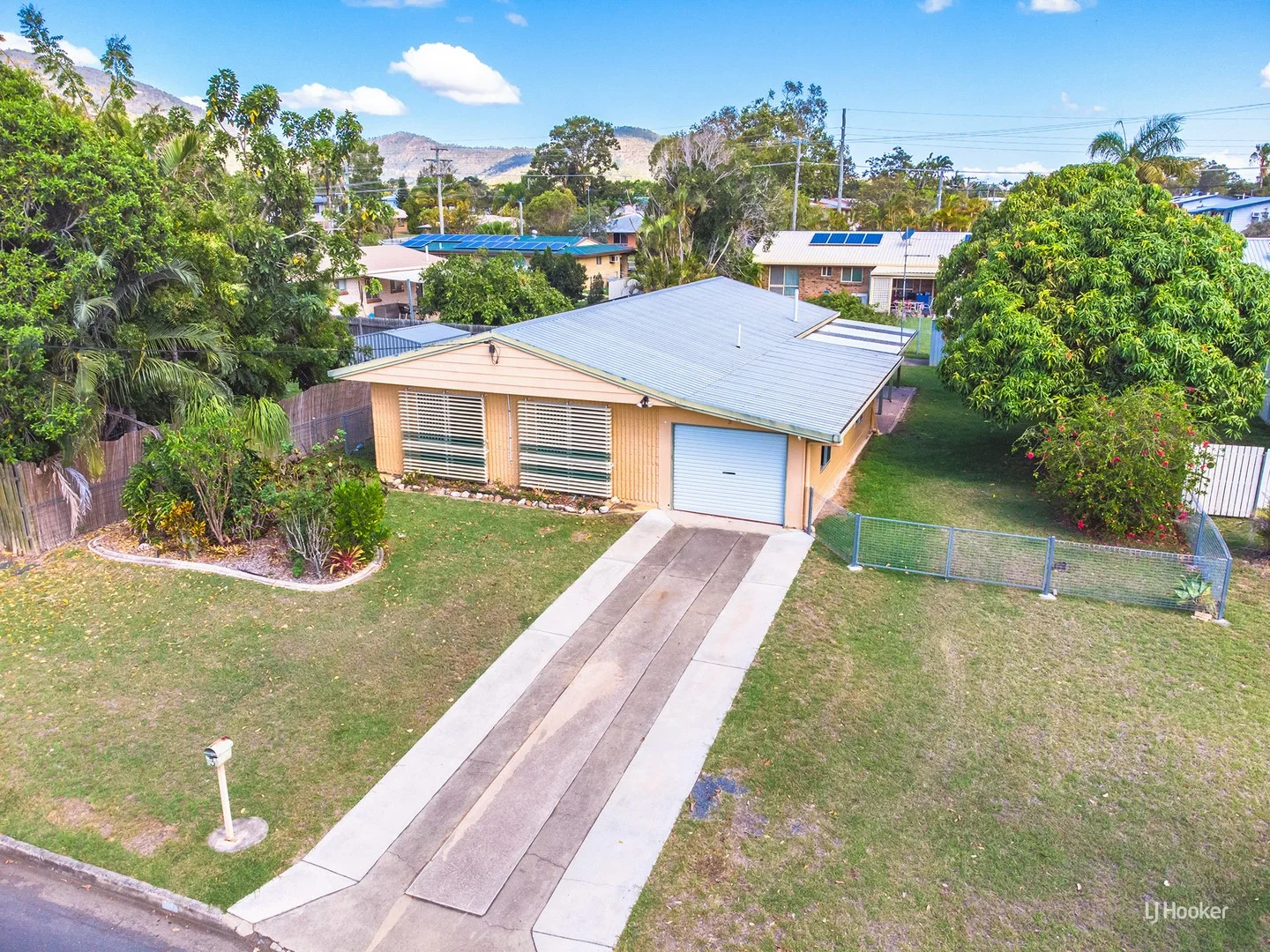 $560
House
$560
House