## Overview
Haileybury (VIC) in Keysborough is a private, independent co-educational day school with a wide footprint across Melbourne. The Keysborough campus is part of a larger Haileybury network known for its emphasis on academic achievement within a values-driven, supportive community. The school tends to attract families seeking a balance of rigorous learning, strong pastoral care, and diverse co-curricular opportunities.
The school is large in scale, offering education from early years through to senior secondary. Class sizes are designed to be manageable and conducive to individual attention, with year-level variation. The atmosphere combines high expectations with a nurturing, inclusive culture where students are encouraged to participate, lead, and grow across academics, sport, arts, and service.
⸻
## Academics & Learning
- Academic strengths: Strong emphasis on preparing students for VCE/ATAR pathways, with solid English, STEM, and language offerings. The school also emphasises leadership development and global citizenship as part of the learning experience.
- Special programs: Enrichment and accelerated learning options for capable students, with pathways designed to extend and challenge learners beyond the standard curriculum.
- NAPLAN / trends: The school typically shows positive trends across NAPLAN cohorts, with ongoing focus on literacy and numeracy progress and broader academic outcomes over time.
- Student-teacher ratios: Class sizes are designed to be mid-sized, supporting frequent teacher feedback and individualized support within a collaborative learning environment.
- Support for diverse learners: Dedicated support for EAL (English as an Additional Language) students and a strong focus on inclusive education through learning support services and differentiated instruction.
⸻
## Sports & Extracurricular Strengths
- Sports offered: A broad range of sports common to Australian independent schools, including team and individual options such as football (soccer), cricket, basketball, netball, tennis, athletics, swimming, and rugby/footy pathways where appropriate.
- Strong teams or achievements: Active participation in inter-school competitions with competitive teams across multiple sports and age groups.
- Music, arts, drama programs: Comprehensive performing arts and music programs, with ensembles, productions, and opportunities to perform at school events and in the wider community.
- Clubs: Robotics, chess, coding, debating, public speaking, and other specialist clubs are typically available to develop diverse talents and interests.
- Partnerships: Involvement with local clubs, supply of external coaches, and participation in regional or state-level competitions and events to extend student opportunities.
⸻
## Wellbeing & Pastoral Care
- Anti-bullying approach: Clear anti-bullying policies, safeguarding measures, and accessible reporting channels to promote a safe school environment.
- House system: A house framework to support belonging, leadership development, and participation in inter-house events and activities.
- Counsellors / wellbeing officers: Access to school-based counsellors and wellbeing staff to support students’ mental health, resilience, and social-emotional learning.
- Transition support for new students: Orientation programs, buddy systems, and peer mentoring to ease transitions for new entrants.
⸻
## Facilities
- Sports grounds: On-site or nearby sports facilities to support physical education and team sports.
- Libraries: Well-equipped libraries with study spaces and resources for research and reading.
- Science labs: Modern science laboratories scaffolding practical experiments and inquiry-based learning.
- Music/performing arts centers: Dedicated spaces for music education, rehearsals, and performances.
- Tech/innovation labs: Contemporary spaces for coding, robotics, digital design, and project-based learning.
- Cafeteria: On-site dining facilities for students.
- Updated playgrounds: Age-appropriate outdoor spaces and playgrounds for younger students, with safe play environments.
⸻
## School Values & Community Culture
- School values / mission: A focus on excellence in learning, respect, integrity, and compassion as core aims, embedded across curriculum and student life.
- Leadership style: Collaborative and student-centered, with opportunities for student voice in decision-making and leadership roles.
- Behaviour expectations: Clear conduct standards aligned with a respectful and responsible school culture.
- Community reputation: Strong parent and alumni networks, with active involvement in school events and community service.
- Diversity & inclusion: Commitment to an inclusive environment that supports students from diverse backgrounds and learning needs.
⸻
## School Logistics & Daily Operations
- School hours: Typical day starts in the morning and ends in the afternoon, with variations by year level and campus.
- Before/after school care: Available options to support working families.
- Uniform requirements: Formal school uniform policy, with guidelines for daily wear and event dress.
- Transport (train/bus routes): Bus services and local transport options are typically provided or supported to assist commuting families.
- Canteen availability: On-site canteen or café services available to students.
- Fees (low/medium/high ranges): Fees are in the higher range typical of independent schools, with additional costs for some activities and resources. Exact figures vary by year level and program.
⸻
## Enrolment & Admissions
11. What is the enrolment process and timeline?
- Expression of interest or initial inquiry, followed by an application, supporting documents, and a formal admissions assessment. Shortlisting may include an interview and/or assessment tasks. Offer and placement are followed by enrolment and orientation ahead of the start date.
12. Is there a waiting list, and how does it work?
- Yes, there can be a waiting list depending on year level and capacity. The process usually involves a position on the waitlist, with updates provided by the admissions team and consideration of eligibility and availability.
13. Are there any entry requirements, tests, or interviews?
- Entry typically involves an application, academic and behavioural references, and an assessment/interview. Some years may require additional language assessments or entry tasks to gauge readiness.
14. Does the school accept mid-year transfers?
- Mid-year transfers may be possible if there are vacancies, subject to assessment, availability, and processing timelines. Families considering a mid-year move should contact admissions early to discuss options.
⸻
## Frequently Asked Questions
- Why Parents Choose This School?
- A balanced, values-based education with strong academics, supportive pastoral care, wide co-curriculars, and active involvement by families.
- What type of student thrives at this school?
- Curious, motivated, collaborative learners who engage across academics, sport, arts, and community activities.
- What opportunities are available for students to extend their skills (academics, sports, arts)?
- Enrichment and accelerated learning options, robust sports programs, diverse music and arts offerings, leadership roles, and participation in regional/regional competitions and events.
- How does the school communicate with parents?
- Regular newsletters, school portals, parent-teacher interviews, and proactive updates on student progress and events.
- What is the school’s approach to teaching and learning?
- Inquiry-driven, student-centered learning that combines academic rigor with real-world applications and wellbeing support.
- How does the school support students who need extra academic help?
- Targeted learning support, EAL assistance where needed, and access to tutoring or tailored intervention programs.
- What support is available for academic challenges?
- Structured interventions, progress monitoring, and collaboration between teachers, specialists, and families to address gaps and accelerate growth.
- How does the school communicate with parents? (Repeated)
- See above: regular digital portals, notices, and scheduled conferences.
- What are the class sizes and how much individual attention do students receive?
- Class sizes are designed to be mid-sized, enabling regular feedback and opportunities for individualized support within the classroom.
- What extracurricular and sports opportunities are available?
- A wide range of sports, arts, music, drama, and clubs such as robotics, chess, coding, and debating, with opportunities to compete and showcase talents.
- What facilities does the school offer (sports, science, arts)?
- Modern sports grounds, libraries, science labs, music/performing arts centers, technology and innovation labs, canteen, and updated outdoor spaces.
- What is the school’s approach to technology and digital learning?
- Integrated tech and digital learning across the curriculum, supported by appropriate devices and platforms to enhance learning, collaboration, and creativity.
- What transport and accessibility options are available?
- Bus routes and transport support are available, with parking and access considerations managed to support families.
- What are the typical school fees or additional costs?
- Tuition is in the higher range for independent schools, with potential additional costs for activities, uniforms, and resources. Specific figures are provided by the admissions team.
⸻
## Short Pros & Cons
- Pros
- Strong academic orientation with broad co-curricular options
- Comprehensive wellbeing and pastoral care
- Large, well-equipped facilities and diverse learning spaces
- Active community involvement and supportive parent network
- Inclusive culture that supports diverse learners
- Cons
- Higher tuition and associated costs
- Large school community may mean fewer opportunities for some niche programs at certain times
- Admissions can be competitive and may involve waiting lists for popular year levels
⸻














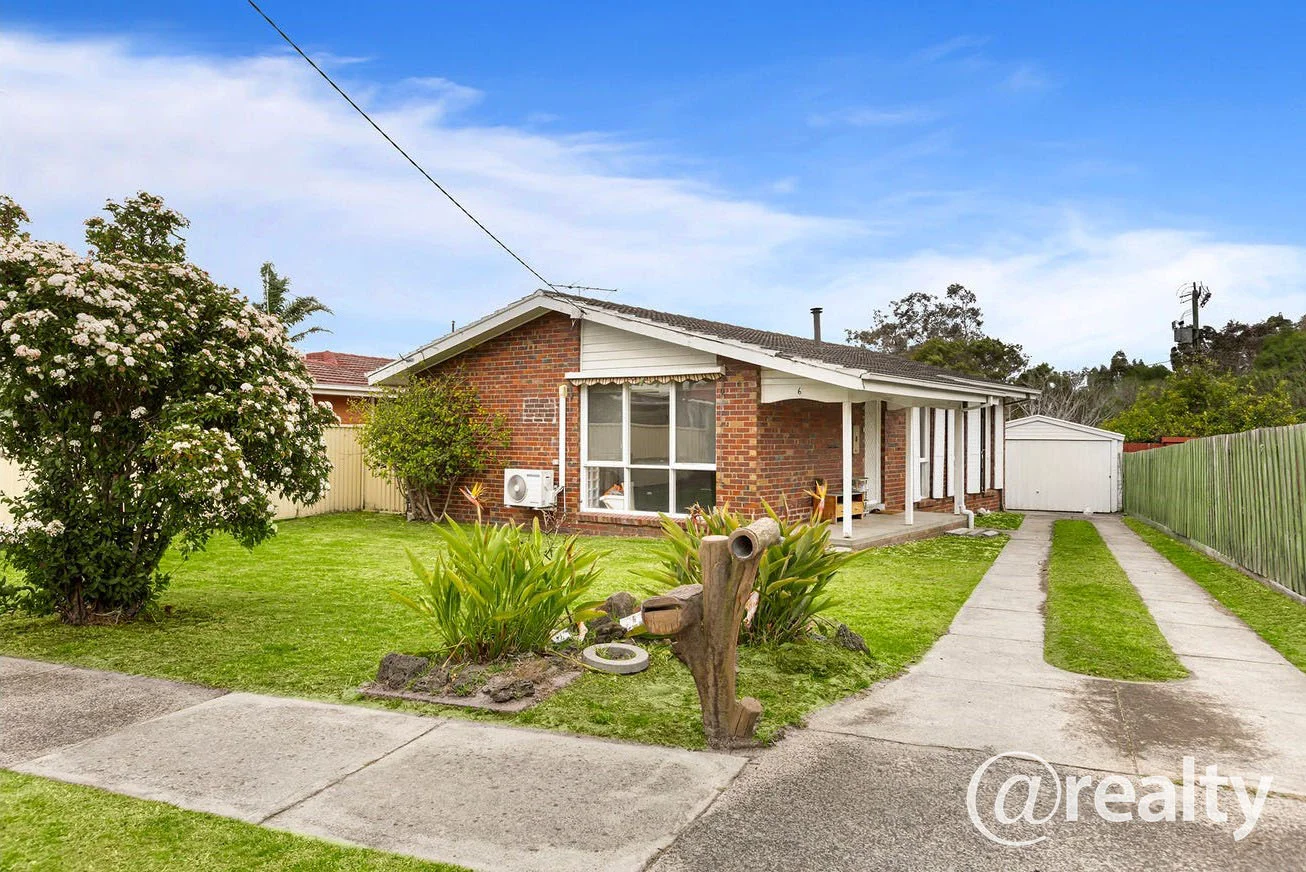 $610
House
$610
House
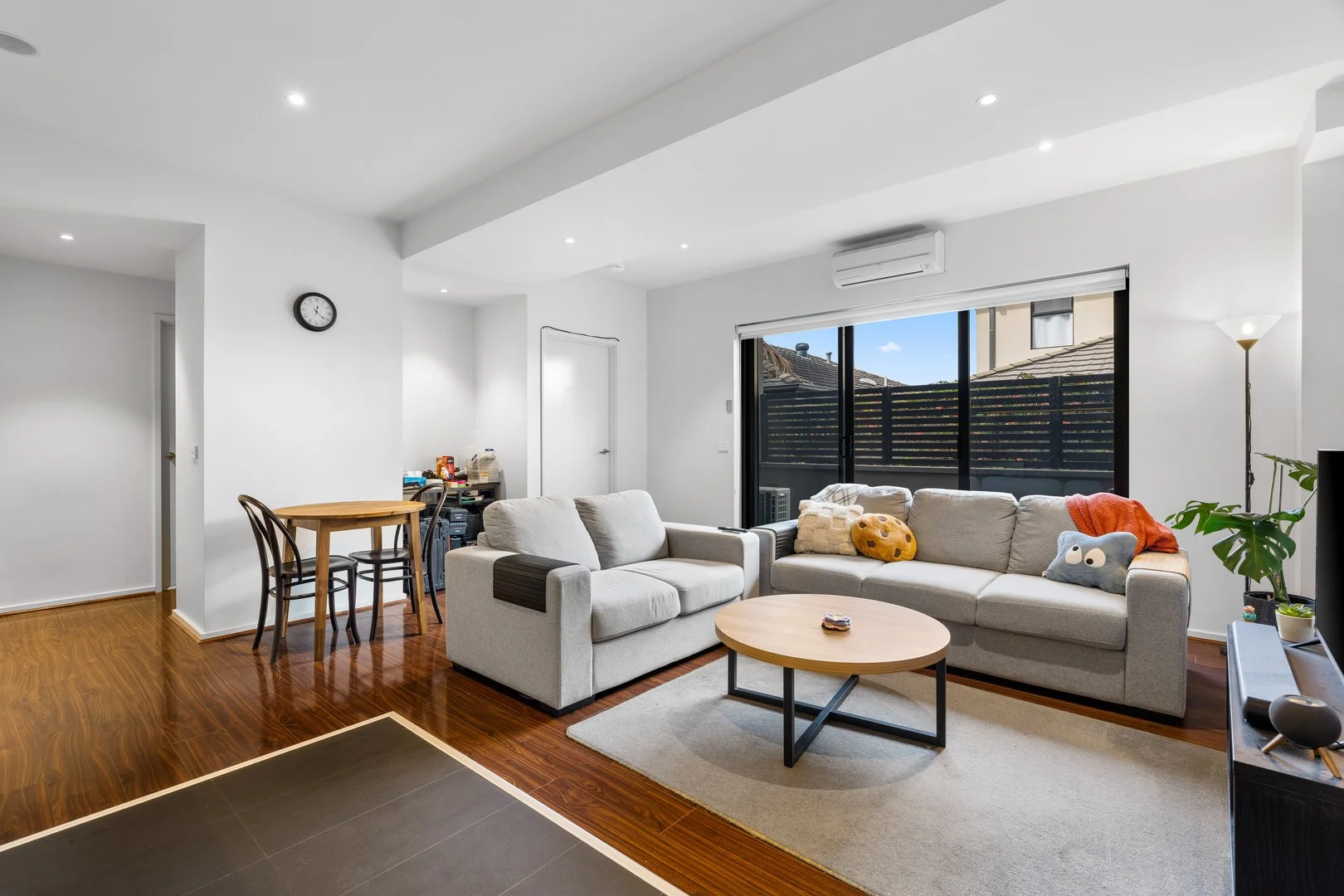 $385,000 - $410,000
Apartment / Unit / Flat
$385,000 - $410,000
Apartment / Unit / Flat
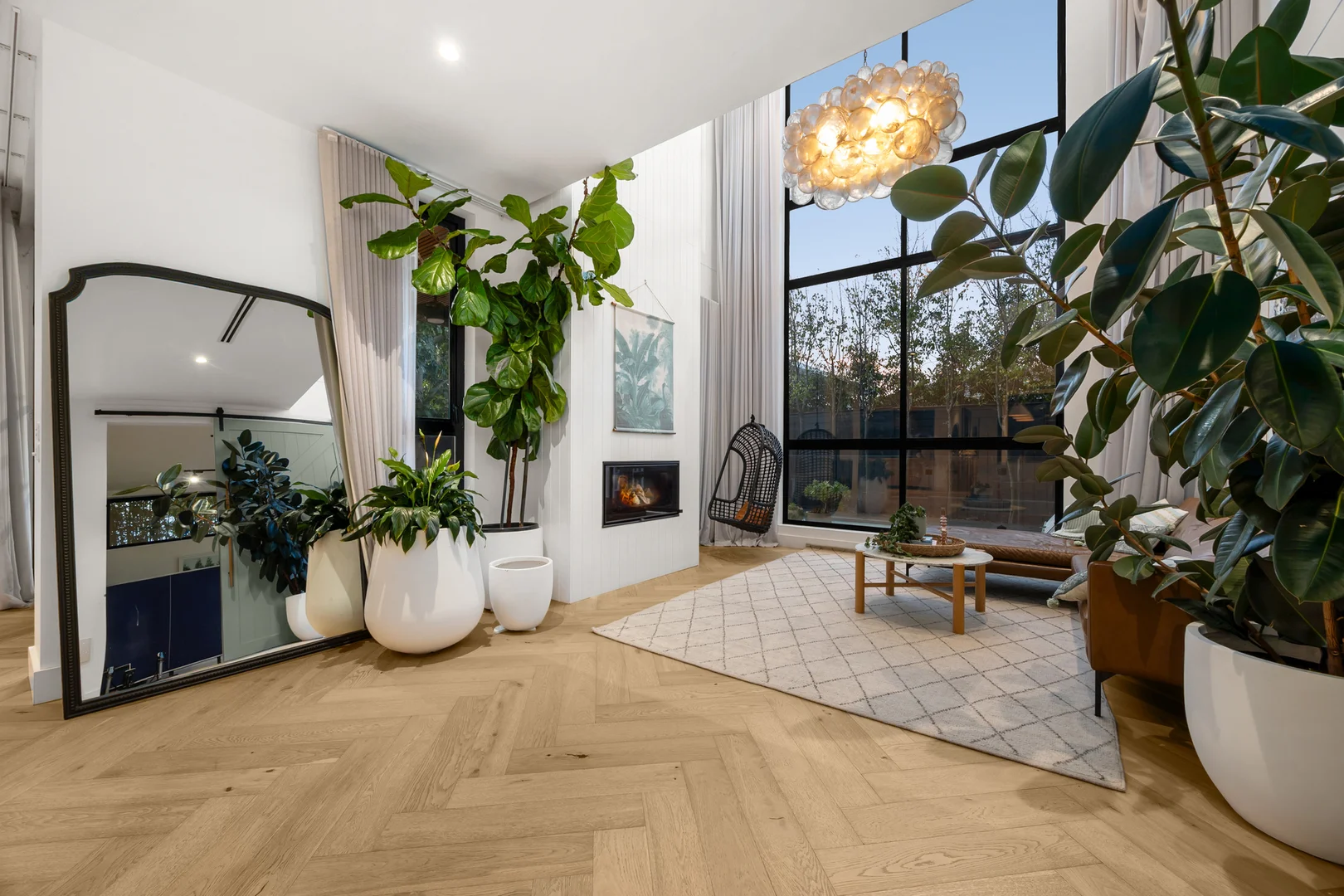 $3,300,000
House
$3,300,000
House
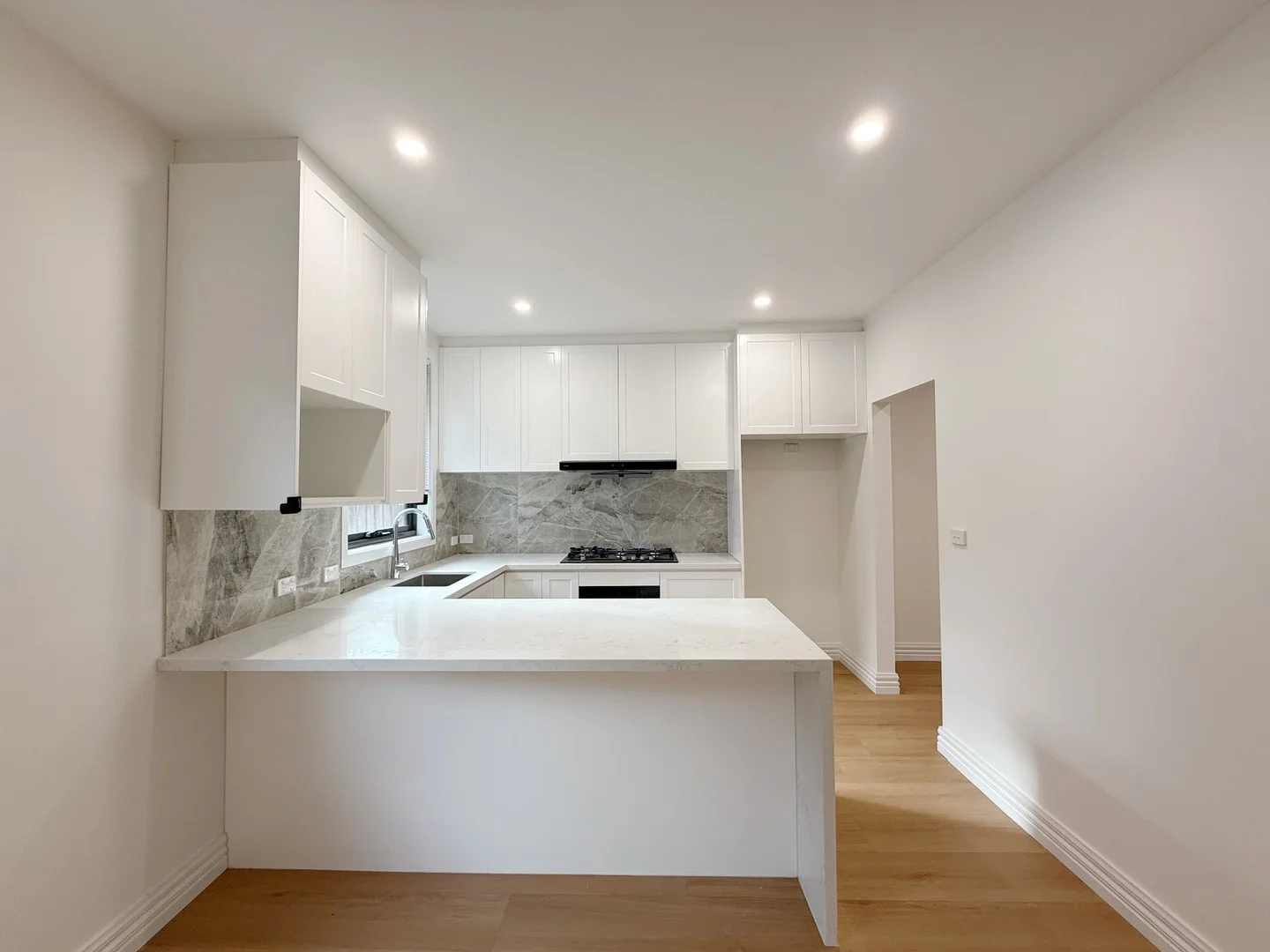 $1,280
House
$1,280
House
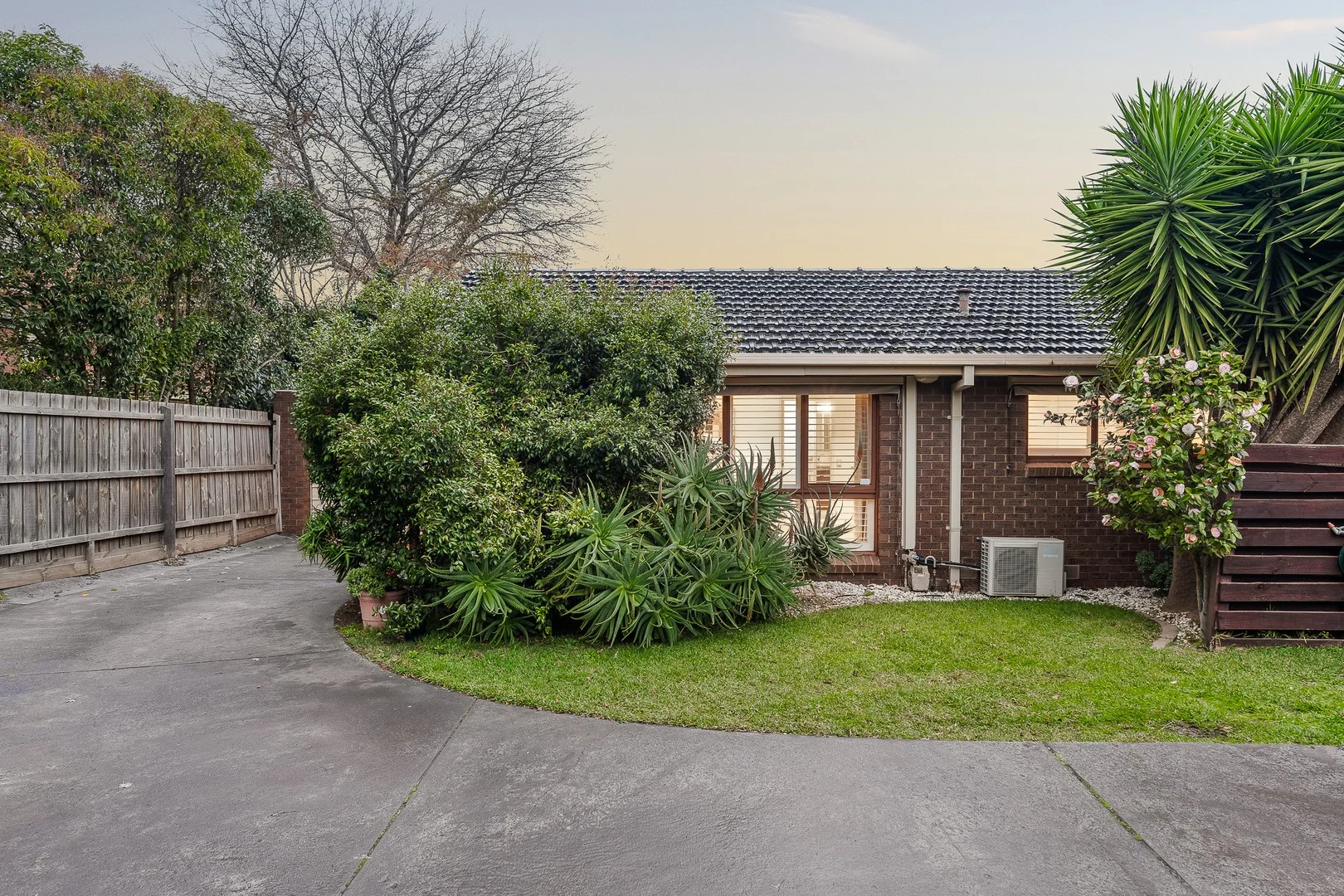 $770,000 - $820,000
Apartment / Unit / Flat
$770,000 - $820,000
Apartment / Unit / Flat


