1. Overview
Lighthouse Christian College Keysborough is an independent, co-educational Christian school offering K–12 education with a faith-informed approach. The college aims to nurture students in a supportive, values-driven environment while maintaining a focus on academic achievement. Classes tend to be medium-sized, with typical class groupings that support individual attention within a collaborative, inclusive culture.
- School type: Independent Christian
- School size: Medium
- Class size: Generally around 20–25 students
- Atmosphere/culture: Nurturing, inclusive, faith-based, academically focused
⸻
2. Academics & Learning
The college emphasizes a well-rounded curriculum that integrates strong core academics with leadership and service opportunities within a Christian context.
- Academic strengths: English/literacy, mathematics, science, and a focus on critical thinking and inquiry, with integrated Christian studies to support values-based learning; emphasis on developing communication, problem-solving, and leadership skills.
- Special programs: Gifted and Talented pathways, opportunities for accelerated learning where appropriate, leadership development programs, and faith-based studies embedded across the curriculum.
- NAPLAN / trends: Public trend data may not be readily published for all years; schools often report steady progress in internal assessments. For the latest trend insights, check the school's current reports.
- Student-teacher ratios: Typically in the low-to-mid range for independent schools (roughly 1:15 to 1:25), allowing for some individualized support within everyday classes.
- Support for diverse learners: EAL (English as an Additional Language) support and SEN (special educational needs) provisions, with inclusive education practices and targeted assistance where required.
⸻
3. Sports & Extracurricular Strengths
A strong focus on well-rounded development includes a range of sports and extracurricular programs, with opportunities for leadership, teamwork, and creativity.
- Sports offered: A mix of team and individual sports such as soccer, basketball, cricket, volleyball, tennis, and other school- and community-level activities.
- Strong teams or achievements: Participation in local inter-school competitions with ongoing development of school-level squads; emphasis on sportsmanship, growth, and competitive spirit.
- Music, arts, drama programs: Active music and performing arts programs, with opportunities to participate in ensembles and school productions.
- Clubs: Robotics, coding, chess, debating, and other STEM/academic clubs are commonly available to extend learning beyond the classroom.
- Partnerships: Connections with local clubs, community-based programs, and regional competitions to enhance opportunities in sport, robotics and arts.
⸻
4. Wellbeing & Pastoral Care
Wellbeing and pastoral systems are designed to support students’ emotional and social development, alongside academic growth.
- Anti-bullying approach: Proactive policies and programs to prevent bullying, with clear reporting and restorative practices where needed.
- House system: House groups used to foster leadership, teamwork, community involvement, and school-wide events.
- Counsellors / wellbeing officers: Access to school counsellors or wellbeing staff to support students and families.
- Transition support for new students: Orientation programs, buddy systems, and targeted support to help new students settle in smoothly.
⸻
5. Facilities
Facilities are a key consideration for families, with spaces designed to support a range of learning experiences.
- Sports grounds
- Libraries
- Science laboratories
- Music / performing arts centres
- Tech / innovation laboratories
- Cafeteria
- Updated playgrounds
⸻
6. School Values & Community Culture
Families look for a school whose values align with their own and where students are prepared for life beyond school.
- School values / mission: Faith-based, with emphasis on integrity, service, respect, and excellence.
- Leadership style: Relational and student-centered, with opportunities for student voice and leadership within a supportive staff structure.
- Behaviour expectations: Clear codes of conduct and consistent expectations across year levels.
- Community reputation: Built on community involvement, parent engagement, and the school’s involvement in faith-based and local initiatives.
- Diversity & inclusion: Commitment to a welcoming, inclusive environment that respects diverse backgrounds and perspectives.
⸻
7. School Logistics & Daily Operations
Practical information helps families plan around school routines.
- School hours: Typically a daytime schedule with start and finish times aligned to primary and secondary timetables.
- Before/after school care: Availability of before/after-school programs or care arrangements.
- Uniform requirements: School uniform policy in place, with guidance on daily wear and special event dress codes.
- Transport (train/bus routes): Access to public transport options and school-provided or recommended bus routes; proximity to key transit hubs.
- Canteen availability: On-site canteen or snack services supporting students during the day.
- Fees (low/medium/high ranges): Fees are set by year level and program; generally in the middle-to-upper range for independent schools. Current fees should be confirmed with the school.
⸻
8. Enrolment & Admissions
Key steps and timelines for joining the school.
11. What is the enrolment process and timeline? Typical steps include submitting an online application, providing required documentation, and undergoing an interview or assessment as part of a formal enrolment process; offers are made for appropriate entry points within the academic year, followed by a confirmation and fee arrangements.
12. Is there a waiting list, and how does it work? Many year levels have a waiting list; spaces are allocated based on availability and may prioritize siblings, potential alignment with the school’s ethos, and timing of applications.
13. Are there any entry requirements, tests, or interviews? Yes, there may be interviews and/or assessments to understand academic readiness and alignment with the school’s values; additional documentation may be requested.
14. Does the school accept mid-year transfers? Mid-year transfers can be possible if there is space and the student can meet entry requirements; families should contact the admissions team to discuss timelines and transitional arrangements.
⸻
9. Frequently Ask Questions
- Why Parents Choose This School? Families often choose for faith-aligned values, supportive teacher-student relationships, and a focus on holistic development in a medium-sized, inclusive community.
- What type of student thrives at this school? Students who value a faith-based environment, a balanced approach to academics and co-curriculars, and a family-like school community typically thrive.
- What opportunities are available for students to extend their skills (academics, sports, arts)? Opportunities include advanced learning pathways, leadership programs, sports teams, music and drama productions, and clubs such as robotics, coding, chess, and debating.
- How does the school communicate with parents? Communication channels typically include newsletters, emails, a parent portal or learning management system, and regular parent-teacher meetings.
- What is the school’s approach to teaching and learning? A student-centered, differentiated approach that integrates technology and inquiry-based learning within a Christian framework.
- How does the school support students who need extra academic help? Access to learning support, targeted small-group assistance, EAL and SEN support, and tutoring or remediation programs.
- What support is available for academic challenges? Dedicated staff and programs to identify and address academic challenges, with opportunities for extension and remediation as needed.
- How does the school communicate with parents? (See above) Regular updates, accessible channels, and open channels for two-way communication.
- What are the class sizes and how much individual attention do students receive? Class sizes are designed to balance peer collaboration with teacher supervision; teachers provide differentiated instruction and additional support where needed.
- What extracurricular and sports opportunities are available? A broad range of sports, clubs in robotics, coding, chess, debating, and performing arts activities.
- What facilities does the school offer (sports, science, arts)? Facilities include sports grounds, libraries, science labs, music/performing arts spaces, tech/innovation labs, and dining areas.
- What is the school’s approach to technology and digital learning? Integrated technology in teaching and learning, with digital literacy and age-appropriate use of devices and software.
- What transport and accessibility options are available? Public transport options and school-connected routes, with accessibility considerations in campus facilities.
- What are the typical school fees or additional costs? Fees vary by year level and program, with additional costs for excursions, uniforms, and activities; the admissions team can provide the current schedule.
⸻
10. Short Pros & Cons list
- Pros
- Independent Christian environment with a values-based focus
- Medium-sized, supportive community and relatively small class sizes
- Broad range of academic and co-curricular programs (arts, sports, clubs)
- Accessible EAL and SEN support and inclusive practices
- Modern facilities and integrated technology
- Cons
- Fees are typical of independent schools and may be higher than public options
- Specific program offerings and strengths can vary by year level; check current offerings
- Waiting lists for popular year levels can affect immediate entry

 $25+
$25+












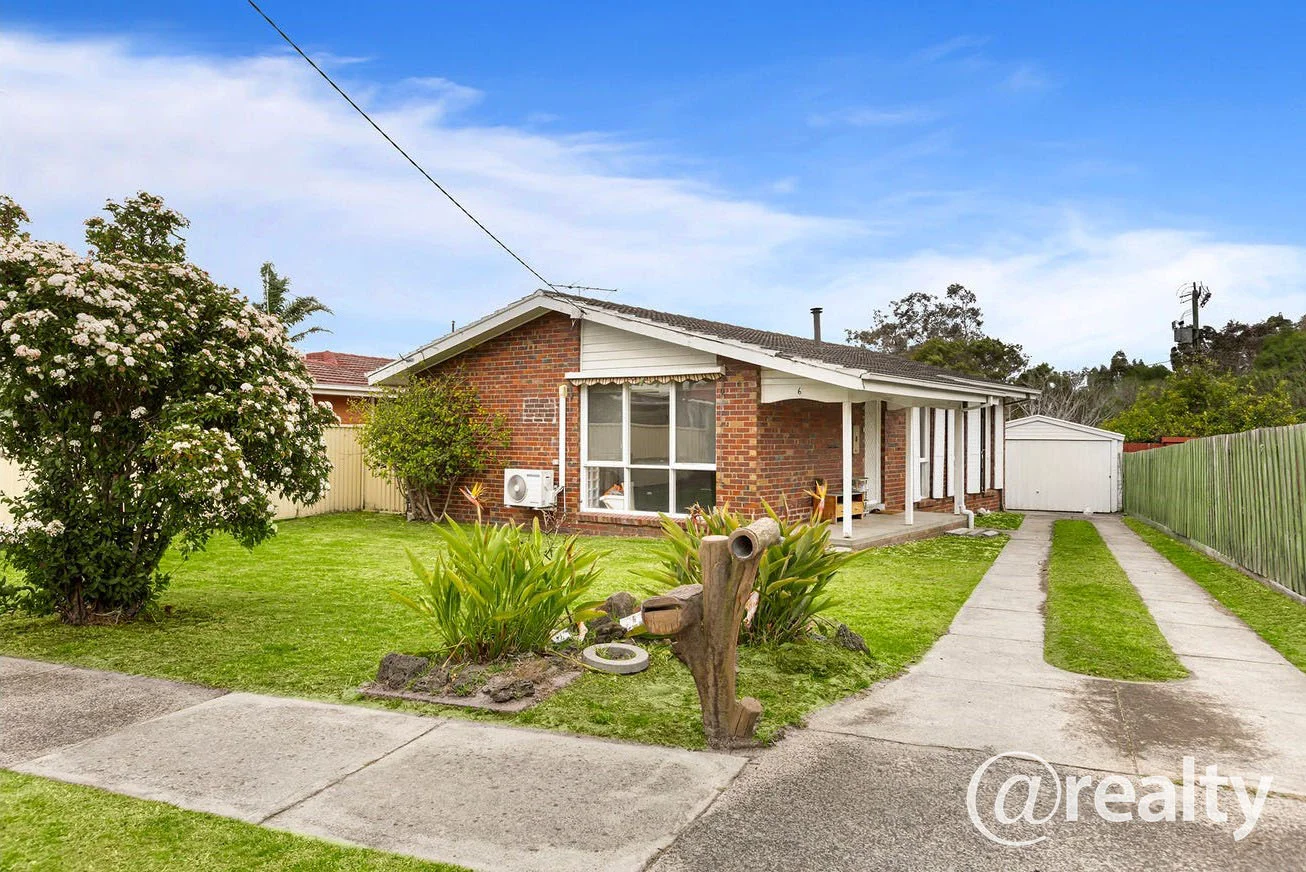 $610
House
$610
House
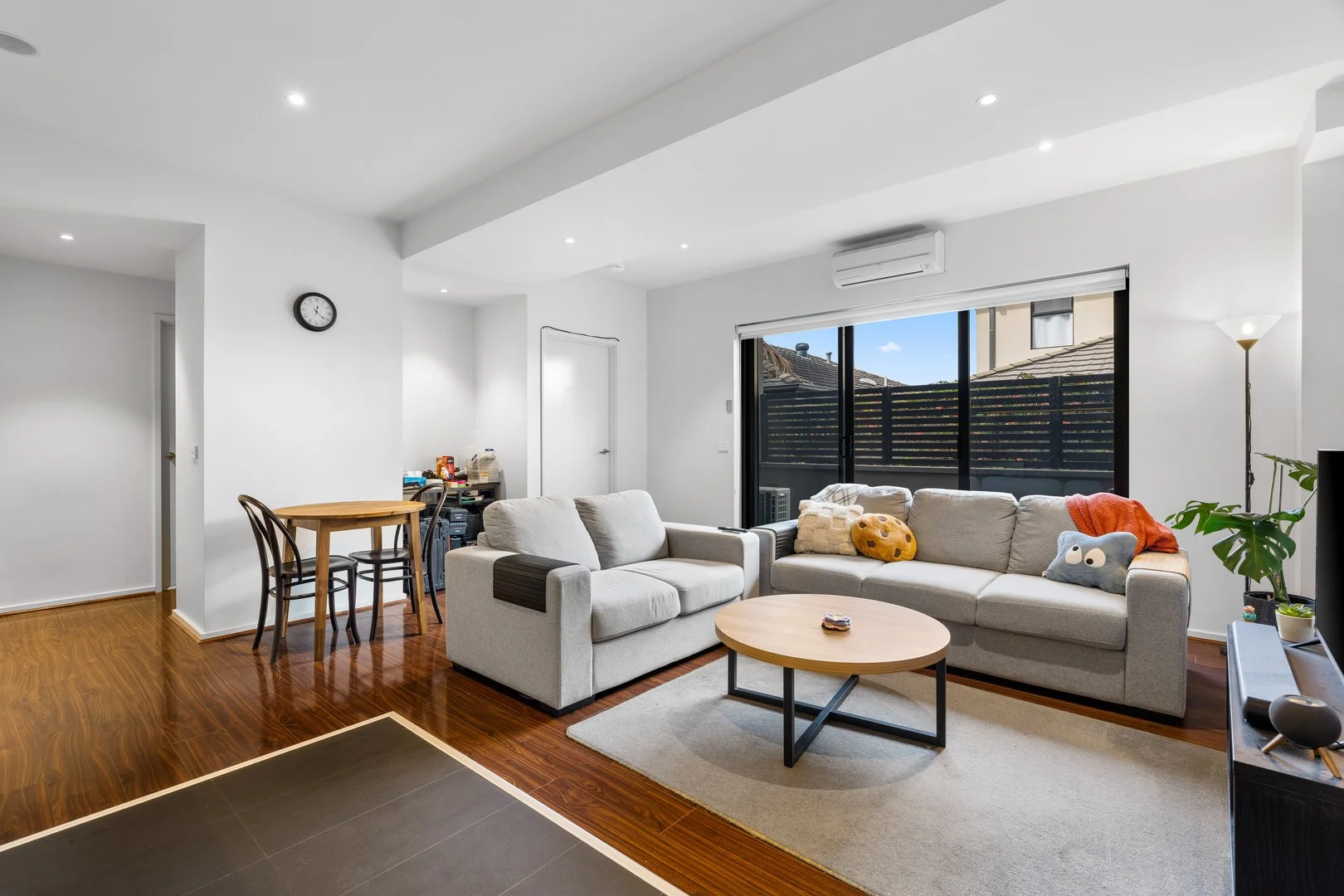 $385,000 - $410,000
Apartment / Unit / Flat
$385,000 - $410,000
Apartment / Unit / Flat
 $3,300,000
House
$3,300,000
House
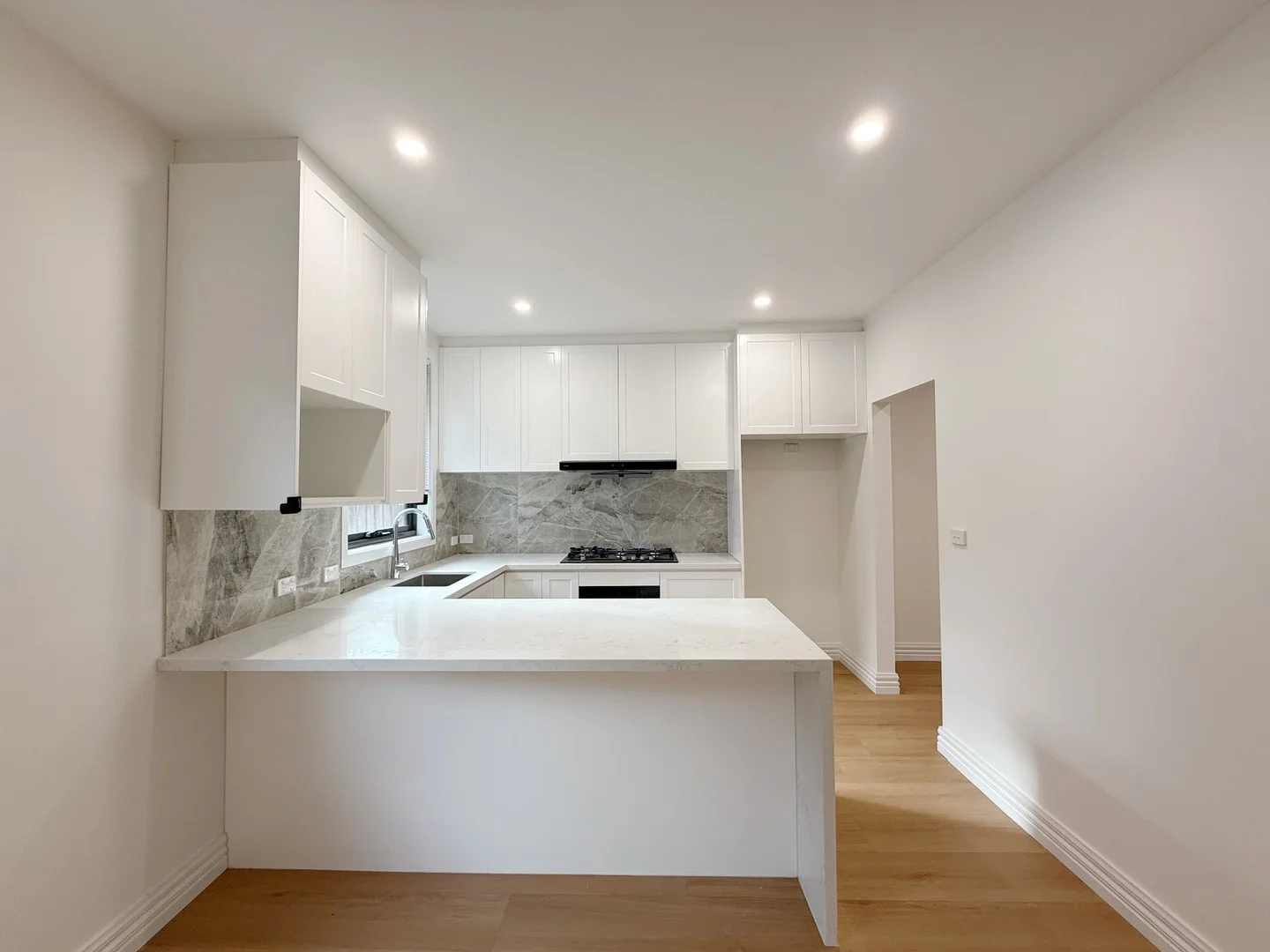 $1,280
House
$1,280
House
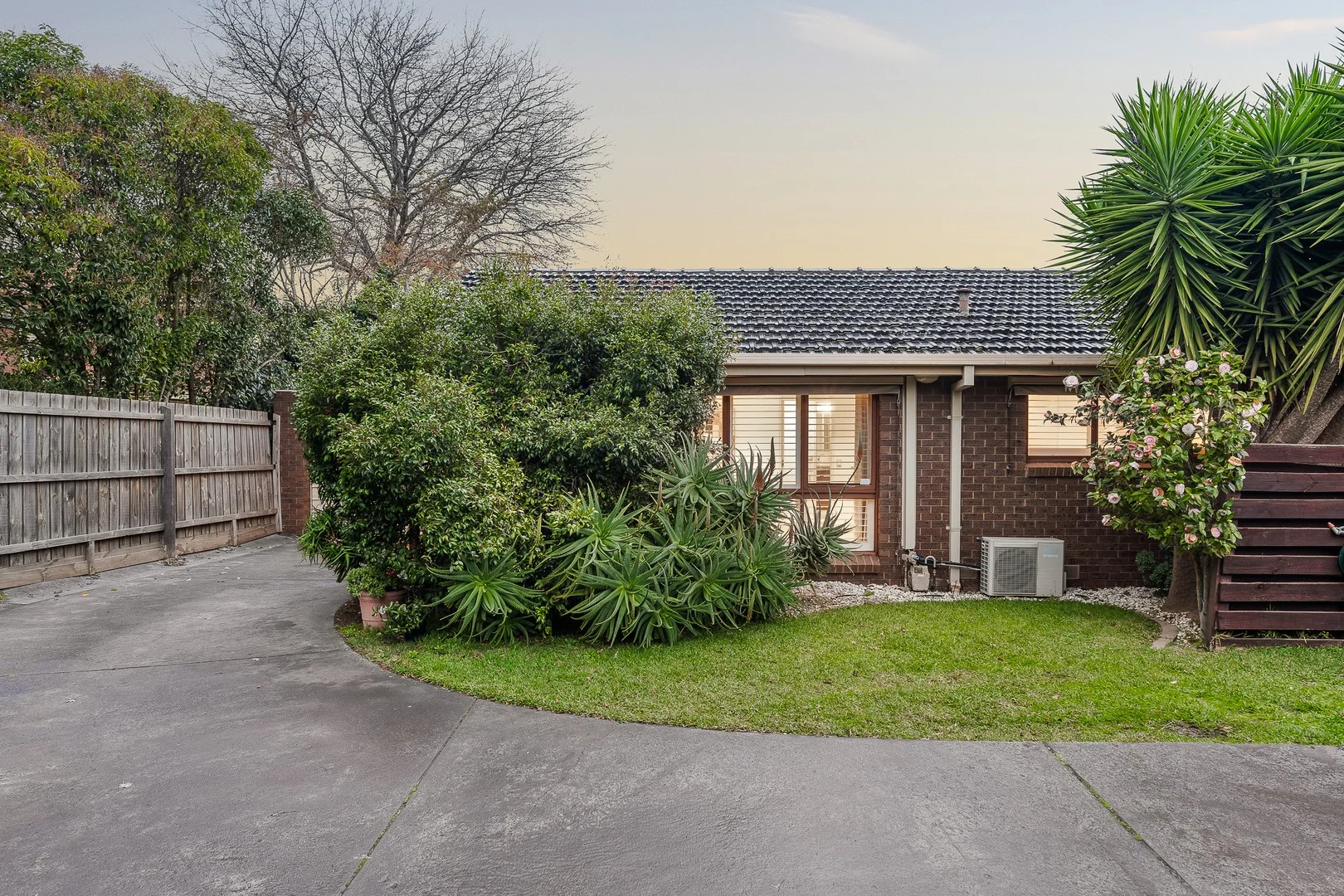 $770,000 - $820,000
Apartment / Unit / Flat
$770,000 - $820,000
Apartment / Unit / Flat


