Overview
Harkaway Hills College is an independent, co-educational school serving the Narre Warren North area, offering primary and secondary education on a single campus. As a mid-sized community, it aims to balance solid academic expectations with personalised support and a welcoming, inclusive culture. Class sizes are typically around 20–22 students, which supports individual attention and collaborative learning.
- School type: Independent
- School size: Medium
- Atmosphere/culture: Inclusive, nurturing, academically focused
Academics & Learning
The college emphasises strong literacy and numeracy fundamentals alongside a broad curriculum that includes STEM, English, and leadership development. It provides opportunities for students to extend their learning through targeted programs and enrichment.
- Academic strengths: STEM, English, leadership development, and a structured languages program
- Special programs: Gifted and Talented / accelerated learning options; enrichment opportunities
- Support for diverse learners: EAL support and dedicated SEN/support services; inclusive education practices
Extracurricular life is a key part of student development, with a range of sports, arts, and clubs that appeal to a broad spectrum of interests.
- Sports offered: Soccer, basketball, cricket, Australian Rules football, volleyball, athletics, swimming
- Strong teams or achievements: Regular participation in regional/inter-school competitions with notable performances in various sports
- Music, arts, drama programs: Active music and performing arts programs; ensembles and productions
- Clubs: Robotics, coding, chess, debating, and other enrichment clubs
- Partnerships: Local sports clubs and regional competitions; collaborations with community arts and STEM programs
Wellbeing & Pastoral Care
A strong wellbeing framework supports students’ social and emotional development, creating a safe and respectful learning environment.
- Anti-bullying approach: Clear anti-bullying policies with restorative practices and student voice programs
- House system: House-based activities and mentoring to build belonging and leadership
- Counsellors / wellbeing officers: Dedicated wellbeing team and access to school counsellors
- Transition support for new students: Orientation programs, buddy systems, and targeted induction processes
Facilities
The campus features a range of well-maintained spaces designed to support learning, creativity, and physical activity.
- Sports grounds
- Libraries
- Science labs
- Music/performing arts centers
- Tech/innovation labs
- Cafeteria
- Updated playgrounds
Parents often look for a school environment that reinforces positive character and community spirit. Harkaway Hills College emphasizes values-driven education and inclusive leadership.
- School values / mission: Core values such as integrity, respect, and excellence; emphasis on holistic development
- Leadership style: Distributed leadership with teacher collaboration and student involvement
- Behaviour expectations: Clear conduct expectations tied to the school values and restorative practices
- Community reputation: Known for a supportive, family-like atmosphere and active parental involvement
- Diversity & inclusion: Commitment to diversity, inclusion, and equitable access to opportunities
School Logistics & Daily Operations
Practical information helps families plan and navigate daily life at the school.
- School hours: Typical day runs from start in the morning to early afternoon, with breaks and supervised activities
- Before/after school care: Available to support working families
- Uniform requirements: School uniform policy with specified attire
- Transport: Bus routes and local public transport access; information on pick-up/drop-off arrangements
- Canteen availability: On-site canteen or lunch facilities offering meals and snacks
- Fees: Moderate to mid-range tuition and related costs
Enrolment & Admissions
- What is the enrolment process and timeline?
- Interested families initiate contact with the admissions team, submit an application, and provide requested documents (birth certificate, immunisations, academic records). There is typically an assessment/interview stage for placement, followed by a response from the school within a defined timeline. Once offered, families complete enrolment forms and pay any applicable fees to secure placement, with key dates aligned to the school calendar.
- Is there a waiting list, and how does it work?
- Yes, popular year levels may have a waiting list. Offers are made based on order of application and available places, with priority often given to siblings and to students meeting the school’s admissions criteria.
- Are there any entry requirements, tests, or interviews?
- Entry commonly involves an interview for the family and student, plus an assessment or demonstrated readiness for the relevant year level. Depending on year level, some tests or activities may be used to support placement decisions.
- Does the school accept mid-year transfers?
- Mid-year transfers are considered where space and alignment with the year level’s curriculum allow. Prospective mid-year transfers should contact the admissions team to discuss placement and transition planning.
Frequently Ask Questions
- Why Parents Choose This School?
- Families value the balanced focus on academic achievement, wellbeing, and a supportive community that encourages personal growth.
- What type of student thrives at this school?
- Students who are curious, collaborative, and motivated to engage across academics, sport, arts, and service tend to thrive here.
- What opportunities are available for students to extend their skills (academics, sports, arts)?
- Beyond core subjects, students can participate in STEM clubs, arts programs, musical ensembles, coding and robotics clubs, debating teams, and regional sports competitions.
- How does the school communicate with parents?
- Regular updates through newsletters, a parent portal, email communications, and scheduled parent-teacher conferences.
- What is the school’s approach to teaching and learning?
- A student-centered approach that combines strong literacy and numeracy foundations with inquiry-based projects, collaborative learning, and differentiation to meet diverse needs.
- How does the school support students who need extra academic help?
- Targeted intervention and support programs, small-group tutoring, EAL services, and access to learning support staff.
- What support is available for academic challenges?
- Early identification, personalised learning plans, tutoring options, and ongoing assessment to track progress.
- How does the school communicate with parents? (duplicate)
- See above: regular updates, portals, and conferences.
- What extracurricular and sports opportunities are available?
- A broad range of sports, music and arts programs, robotics, coding, chess, debating clubs, and regional competition participation.
- What facilities does the school offer (sports, science, arts)?
- Comprehensive facilities including sports grounds, libraries, science labs, music/performing arts spaces, and technology/innovation labs.
- What is the school’s approach to technology and digital learning?
- Integrated technology and digital learning woven into the curriculum to build digital literacy, research skills, and responsible online behavior.
- What transport and accessibility options are available?
- Bus routes and local transport access with information available from the school; accessible facilities and support as needed.
- What are the typical school fees or additional costs?
- Fees fall within a moderate to mid-range band for independent schooling, with additional costs for camps, activities, and electives where applicable.
Short Pros & Cons list
- Independent, supportive learning environment
- Balanced emphasis on academics, wellbeing, and extracurriculars
- Broad facilities and strong offering in STEM, arts, and sport
- Inclusive culture with a focus on community and belonging
- As an independent school, fees may be higher than public options
- Popular year levels may have waiting lists
- Availability of some programs may vary by year level or cohort
- Location may require a commute for some families depending on where they live
 Free
Free









 $805,500
House
$805,500
House
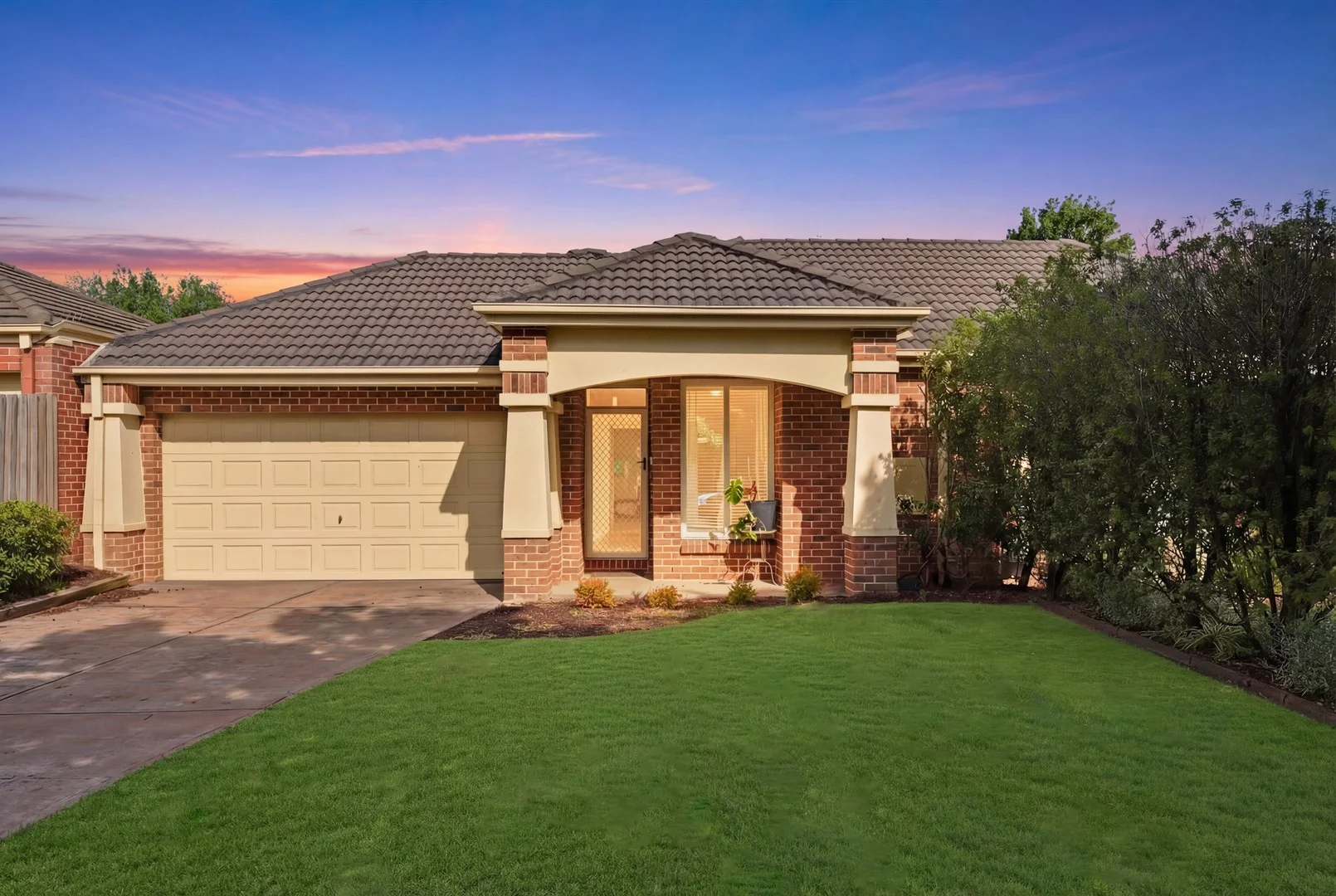 $795,000 - $835,000
House
$795,000 - $835,000
House
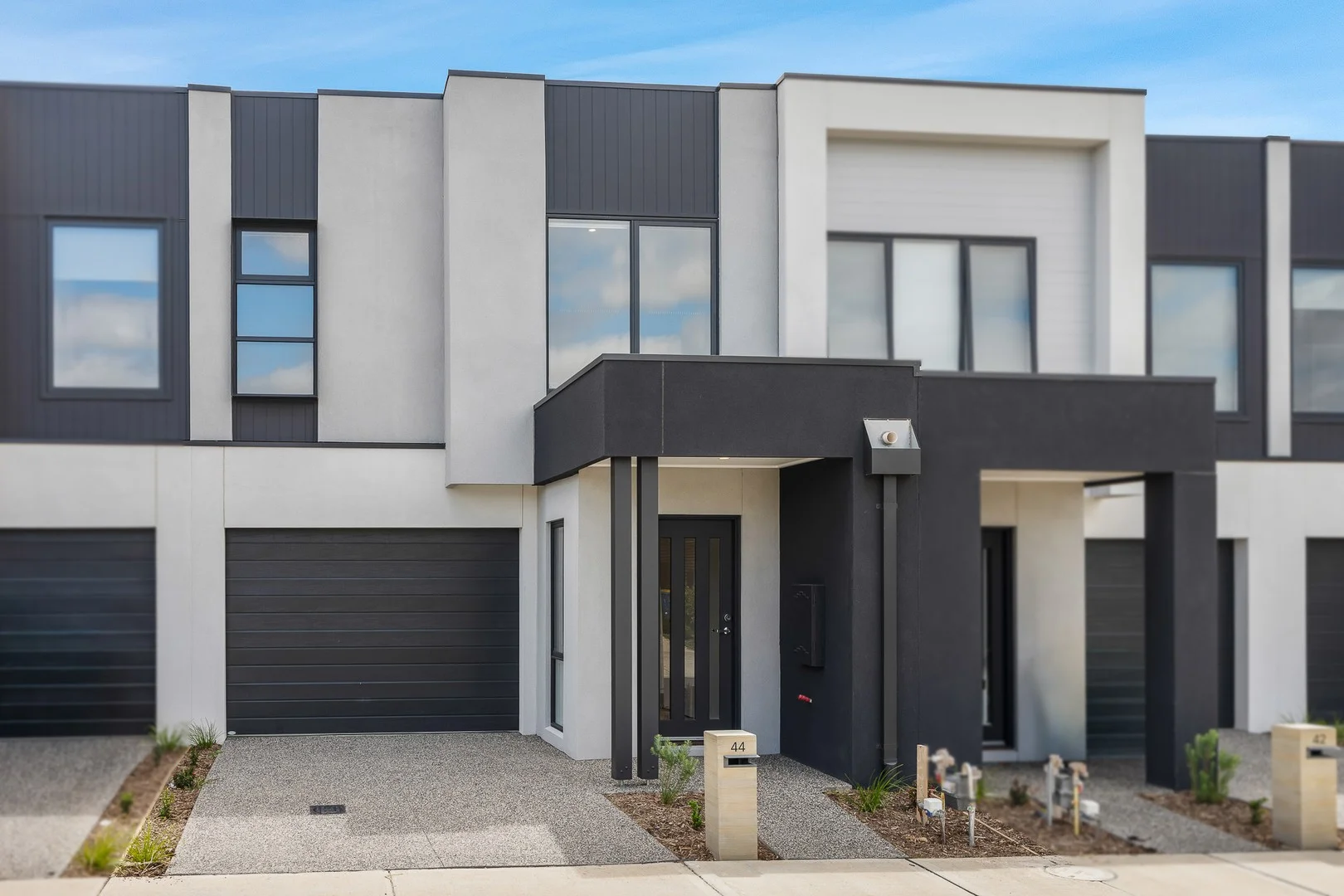 $595,000 - $645,000
House
$595,000 - $645,000
House
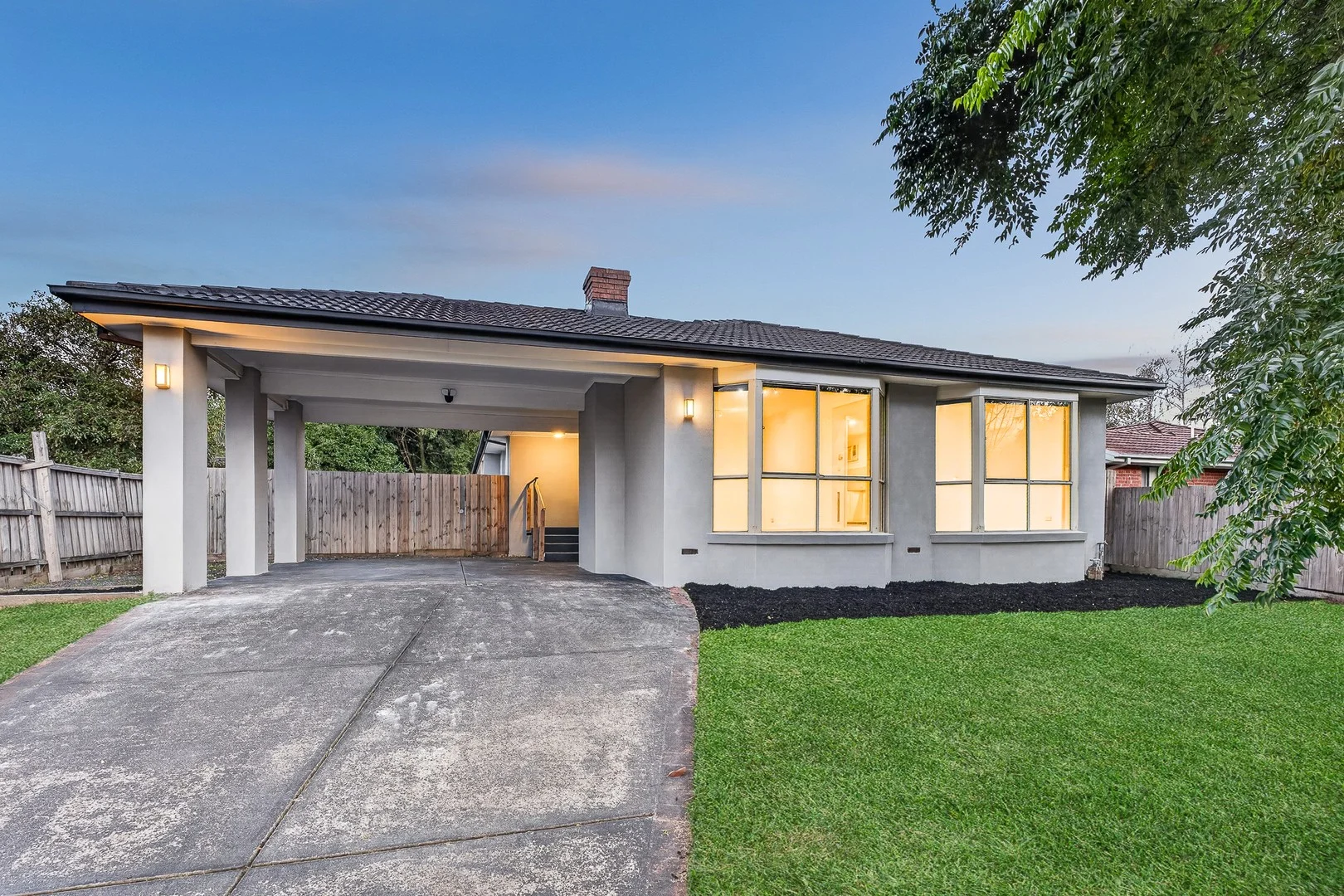 $800,000 - $880,000
House
$800,000 - $880,000
House
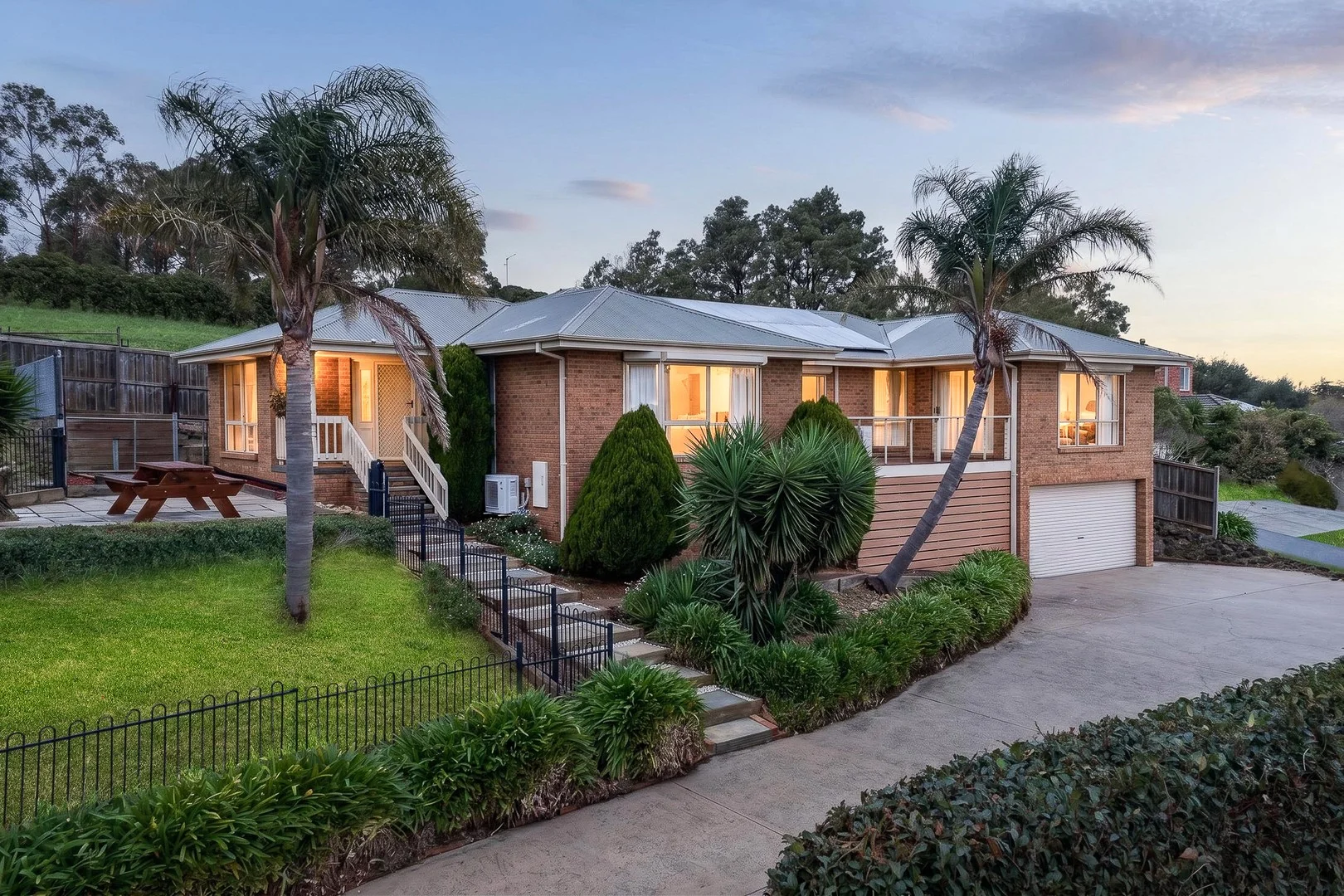 $850,000
House
$850,000
House
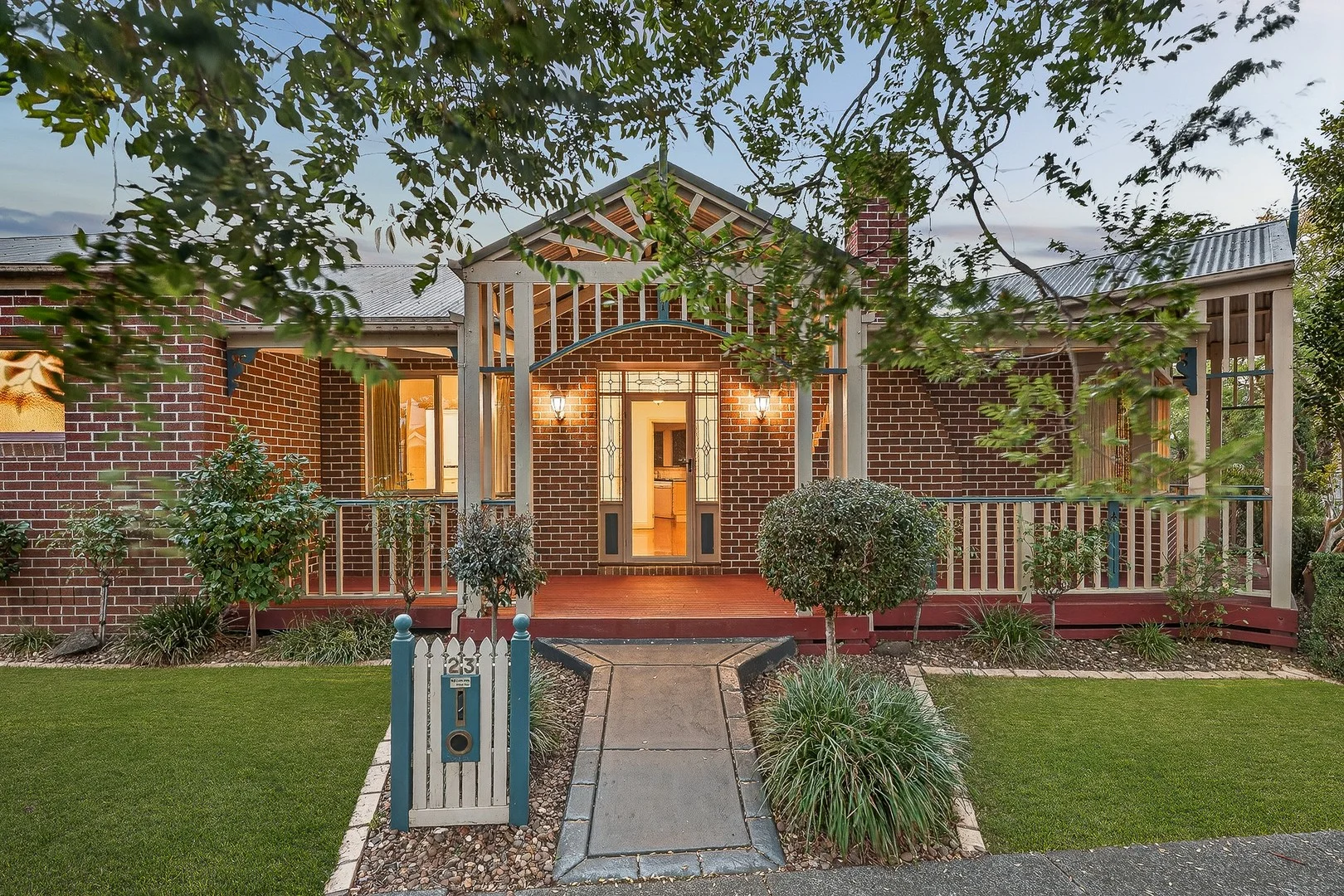 $1,050,000 - $1,150,000
House
$1,050,000 - $1,150,000
House
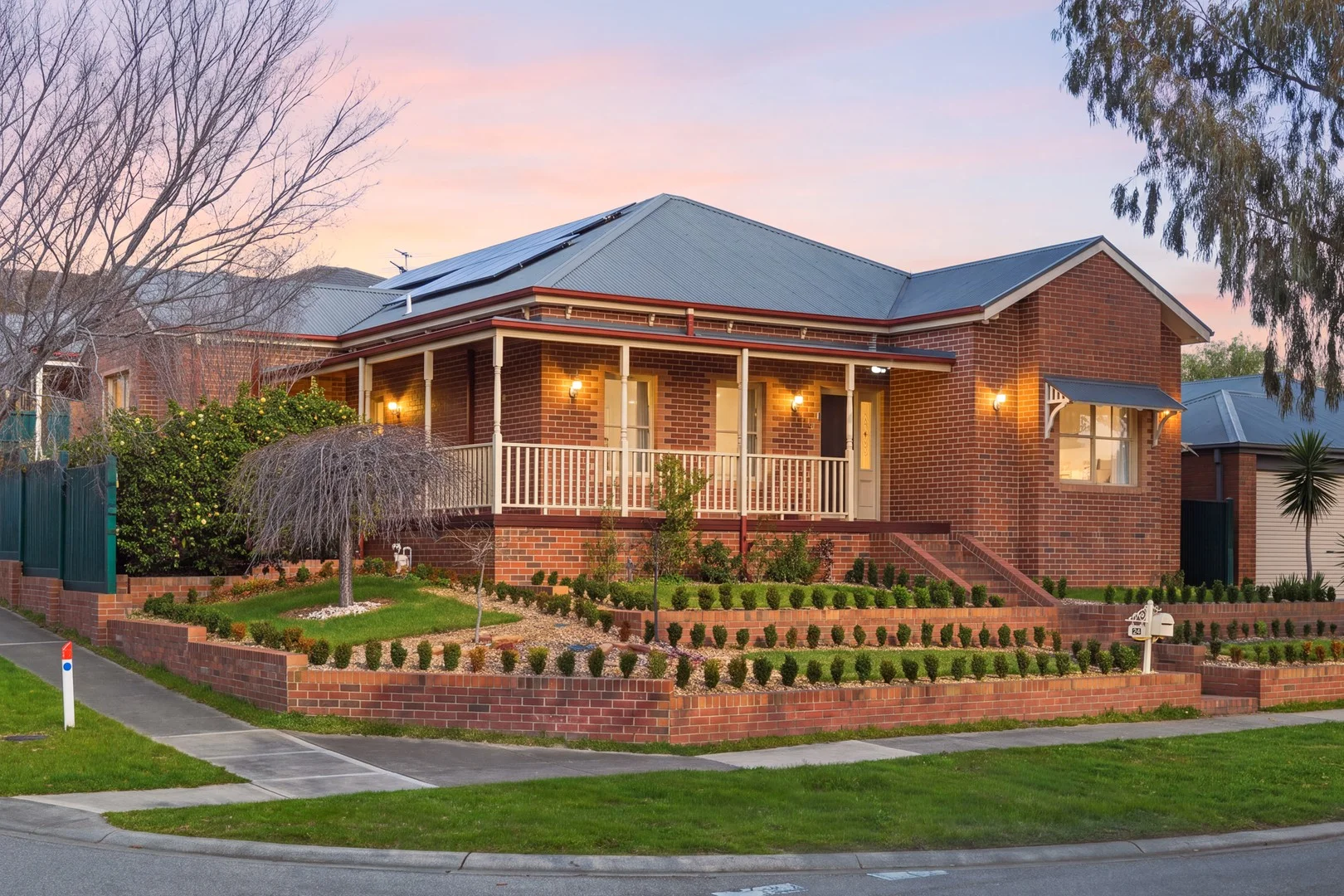 $1,138,000
House
$1,138,000
House
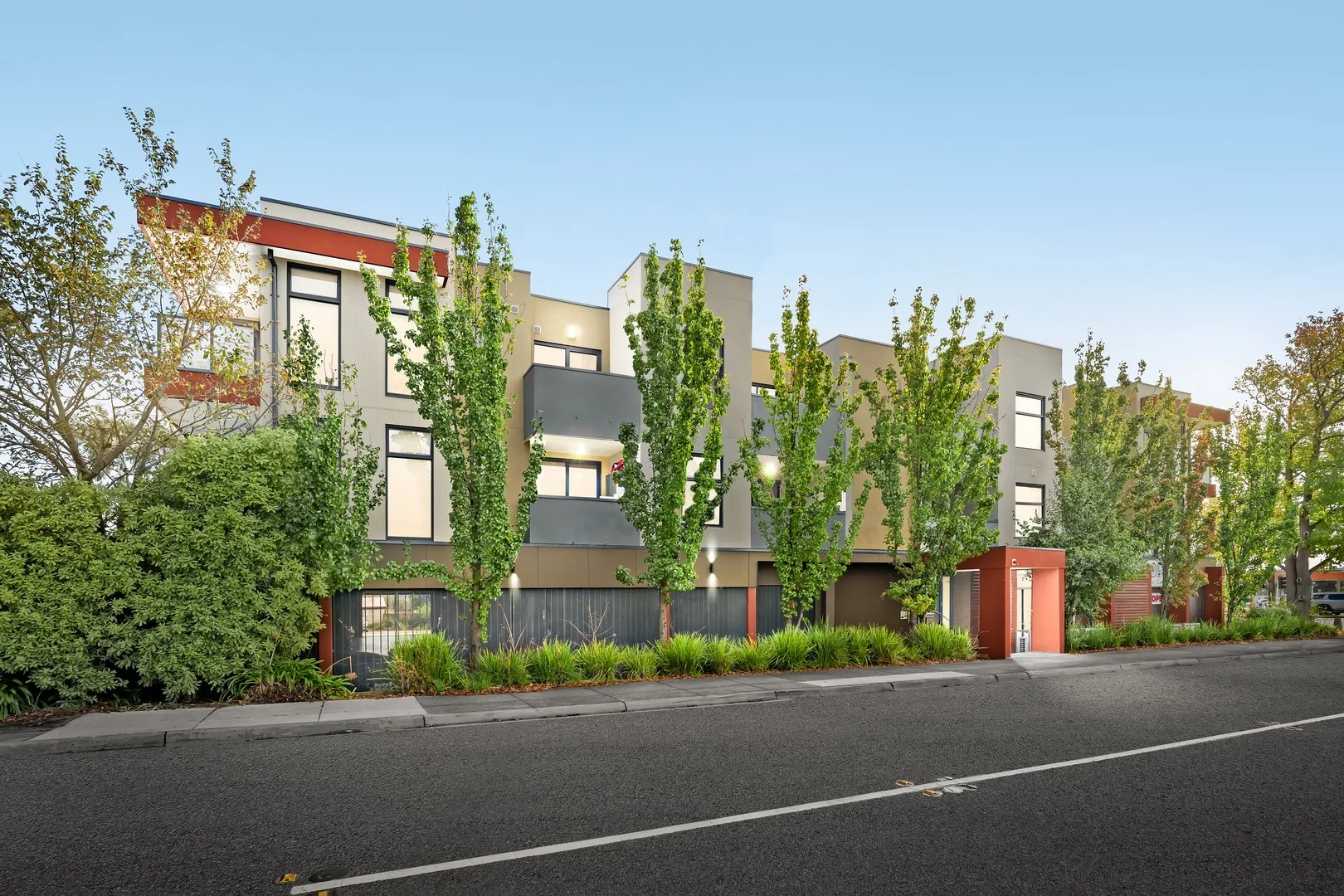 $400,000
Apartment / Unit / Flat
$400,000
Apartment / Unit / Flat
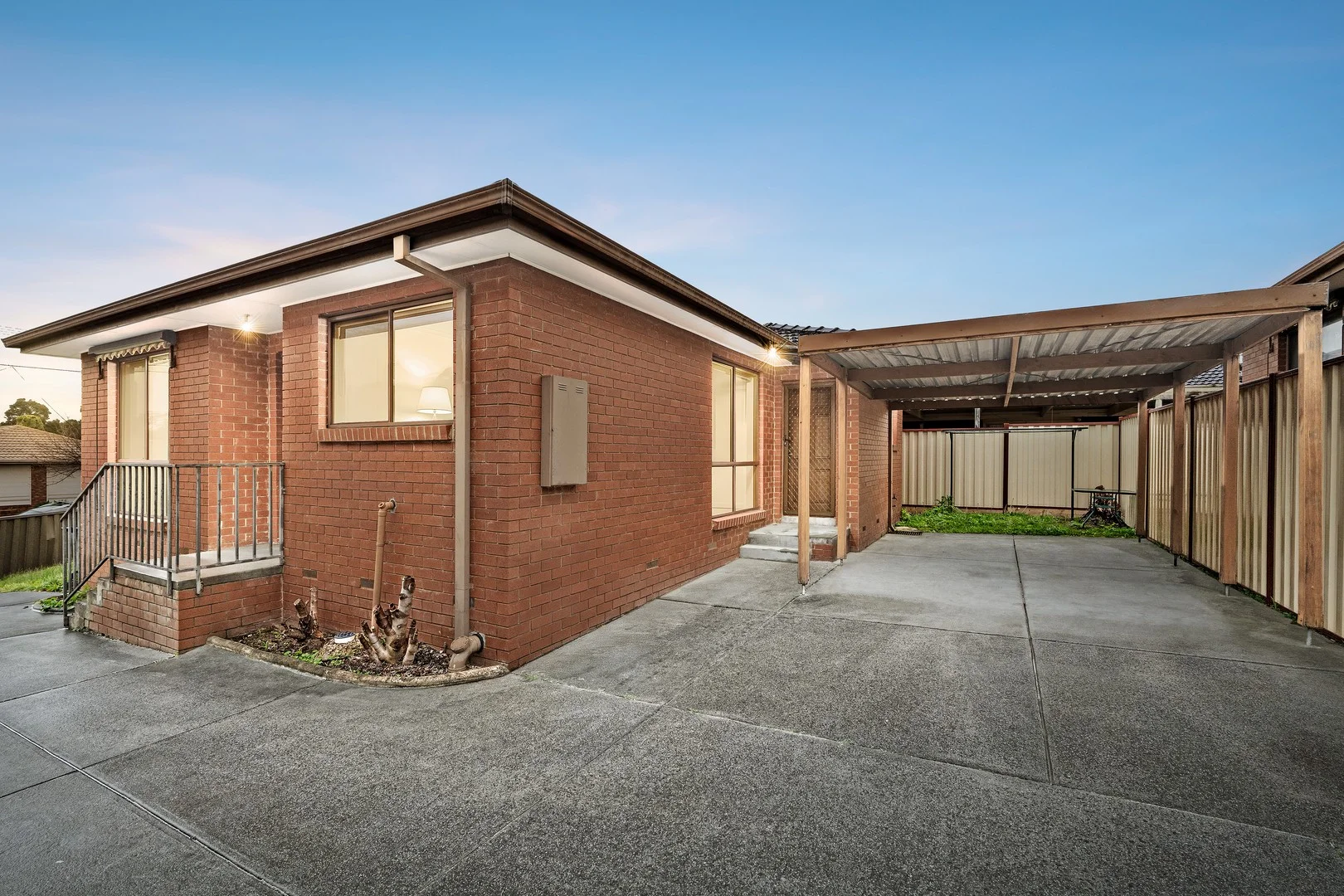 $550,000 - $605,000
House
$550,000 - $605,000
House