Overview
Narre Warren North Primary School is a public, co-educational primary school serving families in the Narre Warren North community. The school focuses on a well-rounded program that combines strong literacy and numeracy with opportunities in STEM, arts, and sport, all delivered in a supportive, inclusive environment.
The school is medium-sized with small to mid-range class sizes that support individualized attention. The atmosphere is nurturing and community-minded, balancing high expectations with a commitment to student well-being and belonging.
Academics & Learning
- Academic strengths: English and mathematics foundations are strong, with growing emphasis on STEM projects, critical thinking, and literacy across key learning areas. Leadership development and language learning opportunities are available as part of the broader curriculum.
- Special programs: Gifted and talented extension options, accelerated learning opportunities where appropriate, and robust STEM/maker-space activities to challenge curious students.
- Support for diverse learners: EAL/D support, targeted SEN programs, and access to allied health referrals, speech and language support, and differentiation within classrooms.
- Sports offered: Football (AFL), cricket, netball, soccer, basketball, athletics, swimming, cross-country, and outdoor education activities.
- Strong teams or achievements: Representation in district/interschool events with opportunities for competitive team involvement and recognition at sporting carnivals.
- Music, arts, drama programs: Regular music ensembles, choir, performances, and opportunities to participate in drama and school productions.
- Clubs: Robotics, coding, chess, debating, and other interest-based clubs to broaden skill sets beyond core subjects.
- Partnerships: Connections with local sports clubs and regional competitions to extend opportunities and provide real-world competition experiences.
Wellbeing & Pastoral Care
- Anti-bullying approach: Clear anti-bullying policies, a positive behaviours framework, and student-led initiatives to promote respectful relationships.
- House system: A house structure to foster belonging, leadership, and school spirit through interhouse events and activities.
- Counsellors / wellbeing officers: Access to school counsellors or wellbeing staff to support student mental health, resilience, and social-emotional learning.
- Transition support for new students: Welcome programs, buddy systems, orientation sessions, and gradual transition supports to help new entrants settle in smoothly.
Facilities
- Sports grounds: Dedicated playing fields and courts for a range of active pursuits.
- Libraries: Well-stocked library with quiet study spaces and resources for research and pleasure reading.
- Science labs: Modern science facilities to support hands-on experiments and inquiry-based learning.
- Music/performing arts centers: Dedicated spaces for music education and performances.
- Tech/innovation labs: Digital technologies suite or makerspace to explore coding, robotics, and invention.
- Cafeteria: On-site canteen offering healthy meal options.
- Updated playgrounds: Well-maintained outdoor play areas with inclusive equipment.
- School values / mission: A focus on Respect, Responsibility, Collaboration, and Excellence to guide daily practice and student behavior.
- Leadership style: Distributed leadership with student voice opportunities, collaborative planning, and opportunities for student leadership roles.
- Behaviour expectations: Clear, consistently applied expectations and routines that promote respectful conduct and responsibility.
- Community reputation: Known for a supportive, involved parent/community culture and a welcoming environment for families.
- Diversity & inclusion: Commitment to equity and inclusion, with supports for diverse learners and celebrations of cultural diversity.
School Logistics & Daily Operations
- School hours: Typically 9:00 am – 3:30 pm (may vary by term or year level; refer to the current term schedule).
- Before/after school care: On-site or affiliated after-school care arrangements available through OSHC or community providers.
- Uniform requirements: Official school uniform (navy/gold palette) with guidance on daily dress and accessory standards.
- Transport (train/bus routes): Bus routes and regional transport options service the area; local arrangements for drop-off/pick-up are in place.
- Canteen availability: On-site canteen providing healthy meal and snack options.
- Fees (low/medium/high ranges): Public school with low to medium ongoing costs, including standard voluntary contributions, book packs, and uniform expenses.
Enrolment & Admissions
- What is the enrolment process and timeline?
- Check local intake boundaries and eligibility.
- Submit an enrolment application with required documents (birth certificate, proof of residence, Immunisation History Statement).
- School may arrange a short information meeting or tour; you may be offered a place if vacancy exists and eligibility is satisfied.
- Once offered, complete any required forms and attend a transition/orientation session.
- Is there a waiting list, and how does it work?
- Waiting lists can occur if vacancies are limited. Local residents often receive priority; others may be placed on a waitlist and informed of vacancies as they arise.
- Are there any entry requirements, tests, or interviews?
- Typically no entry tests. There may be a brief meeting or information session, and assessments or discussions for additional support needs (EAL/SEN) if required.
- Does the school accept mid-year transfers?
- Yes, subject to vacancies and processing. Mid-year transfers may be possible with documentation and alignment to available spaces.
Frequently Ask Questions
- Why Parents Choose This School?
- A strong sense of community, supportive staff, balanced academics, and a broad range of extracurricular opportunities.
- What type of student thrives at this school?
- Curious, collaborative learners who engage in both academics and activities outside the classroom, including sport, arts, and clubs.
- What opportunities are available for students to extend their skills (academics, sports, arts)?
- Gifted and talented extensions, clubs (robotics, coding, chess, debating), sports teams, music and drama programs, and STEM/tech initiatives.
- How does the school communicate with parents?
- Regular newsletters, emails, parent portals or apps, and scheduled parent-teacher interviews; information nights and updates throughout the year.
- What is the school’s approach to teaching and learning?
- Student-centered, differentiated instruction with a strong focus on literacy and numeracy, inquiry-based learning in STEM, and integration of technology.
- How does the school support students who need extra academic help?
- Small-group interventions, targeted literacy/numeracy support, EAL/D assistance, SEN support, and access to specialists as needed.
- What support is available for academic challenges?
- Extra tutoring or catch-up sessions, learning plans, and adjustments to teaching strategies to meet individual needs.
- How does the school communicate with parents? (duplicate)
- See above: via digital platforms, newsletters, and direct teacher communications.
- What extracurricular and sports opportunities are available?
- A diverse mix including sports teams (football, netball, cricket, basketball, athletics), music and drama programs, and clubs such as robotics, coding, chess, and debating.
- What facilities does the school offer (sports, science, arts)?
- Sports grounds, library, science labs, music/performing arts spaces, technology/innovation labs, canteen, and modern playgrounds.
- What is the school’s approach to technology and digital learning?
- Integration of digital learning across core subjects, with interactive whiteboards, computer/digital labs, coding/clubs, and opportunities for students to engage with technology meaningfully.
- What transport and accessibility options are available?
- Local bus routes and transport services, with clear drop-off/pick-up zones and accessible facilities to support students and families.
- What are the typical school fees or additional costs?
- Public school fees are generally modest, including voluntary contributions, book packs, and uniform costs; additional costs may apply for some activities and excursions.
Short Pros & Cons list
- Inclusive, community-focused environment with strong student wellbeing supports
- Broad range of academic, sporting, arts, and STEM opportunities
- Support for diverse learners (EAL, SEN) and strong queuing for assistance when needed
- Modern facilities and accessible, well-organised daily operations
- Active parental involvement and a positive community reputation
- As a public school, waitlists can occur and vacancies depend on enrolment demand
- Transport options are regionally based and may require planning for families outside catchment
- Uniform costs and optional extras can add to annual costs for families
 Free
Free








 $805,500
House
$805,500
House
 $795,000 - $835,000
House
$795,000 - $835,000
House
 $595,000 - $645,000
House
$595,000 - $645,000
House
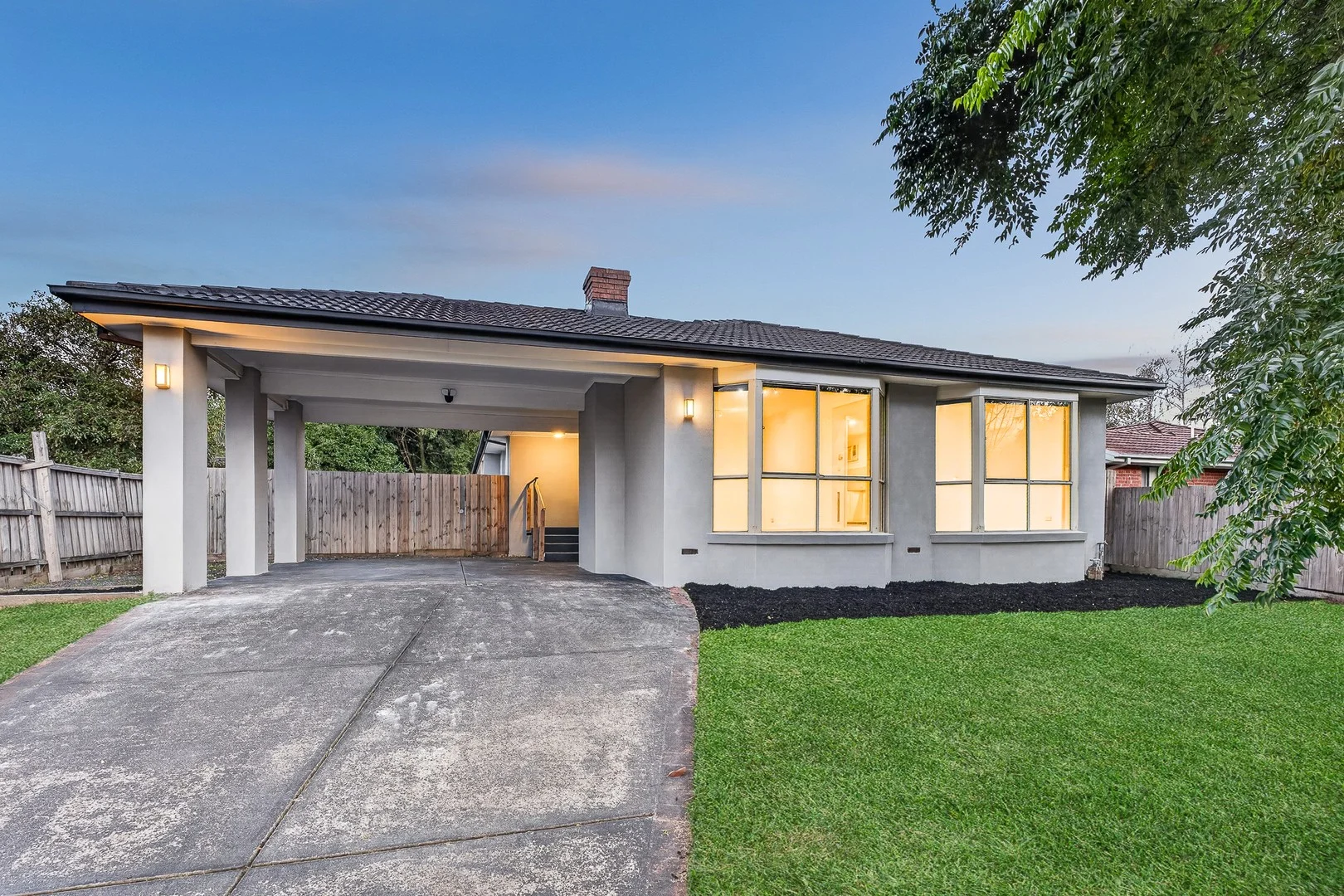 $800,000 - $880,000
House
$800,000 - $880,000
House
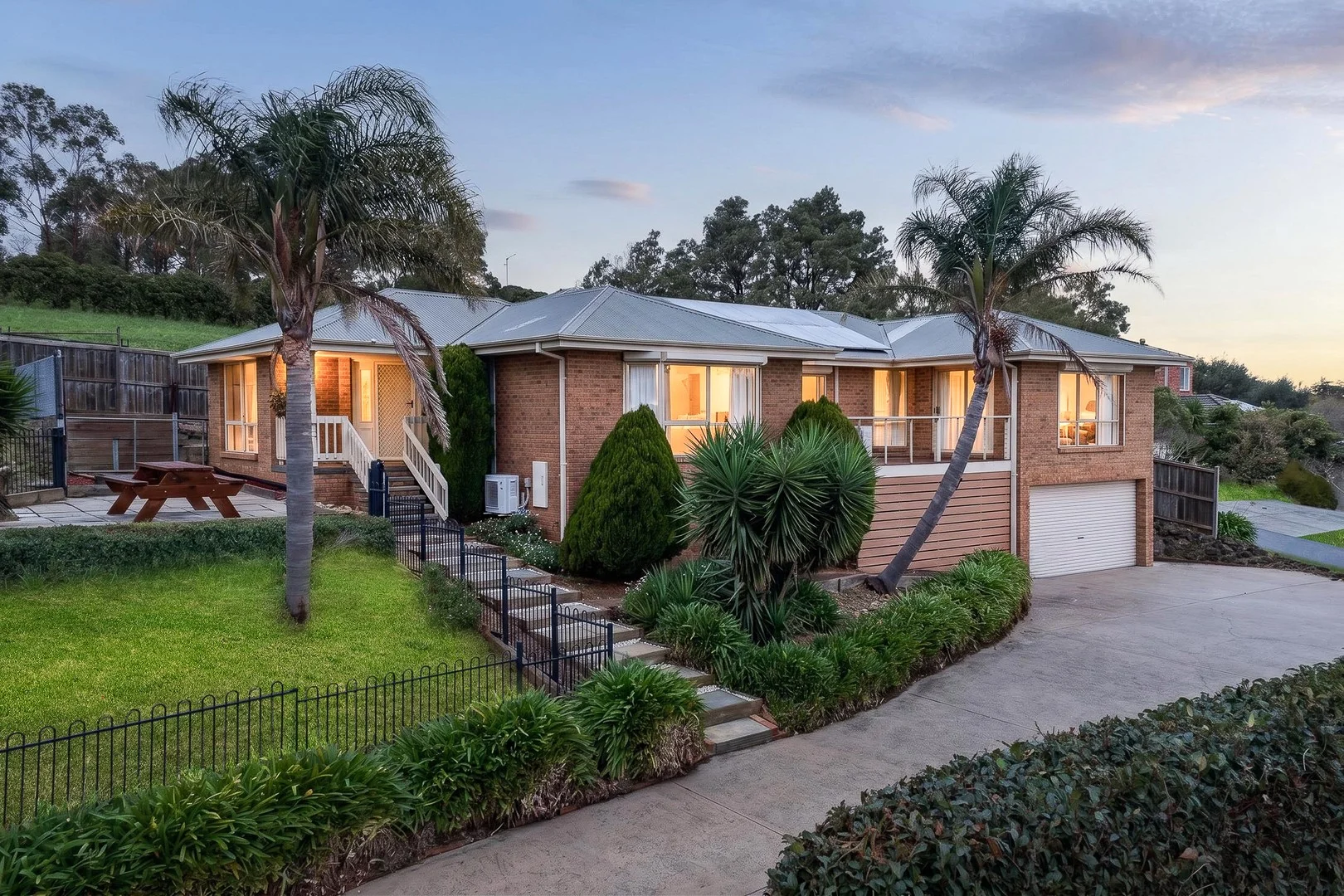 $850,000
House
$850,000
House
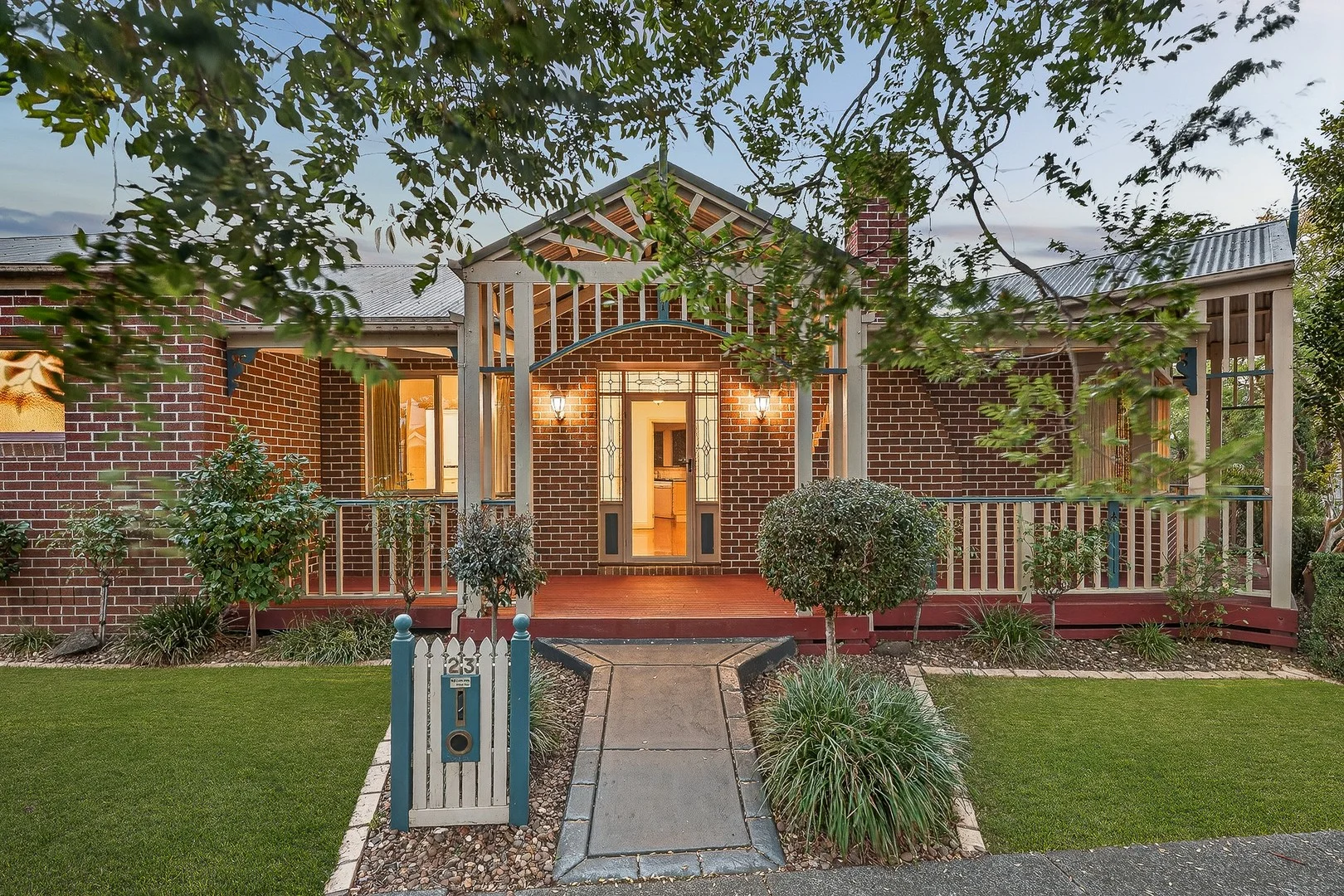 $1,050,000 - $1,150,000
House
$1,050,000 - $1,150,000
House
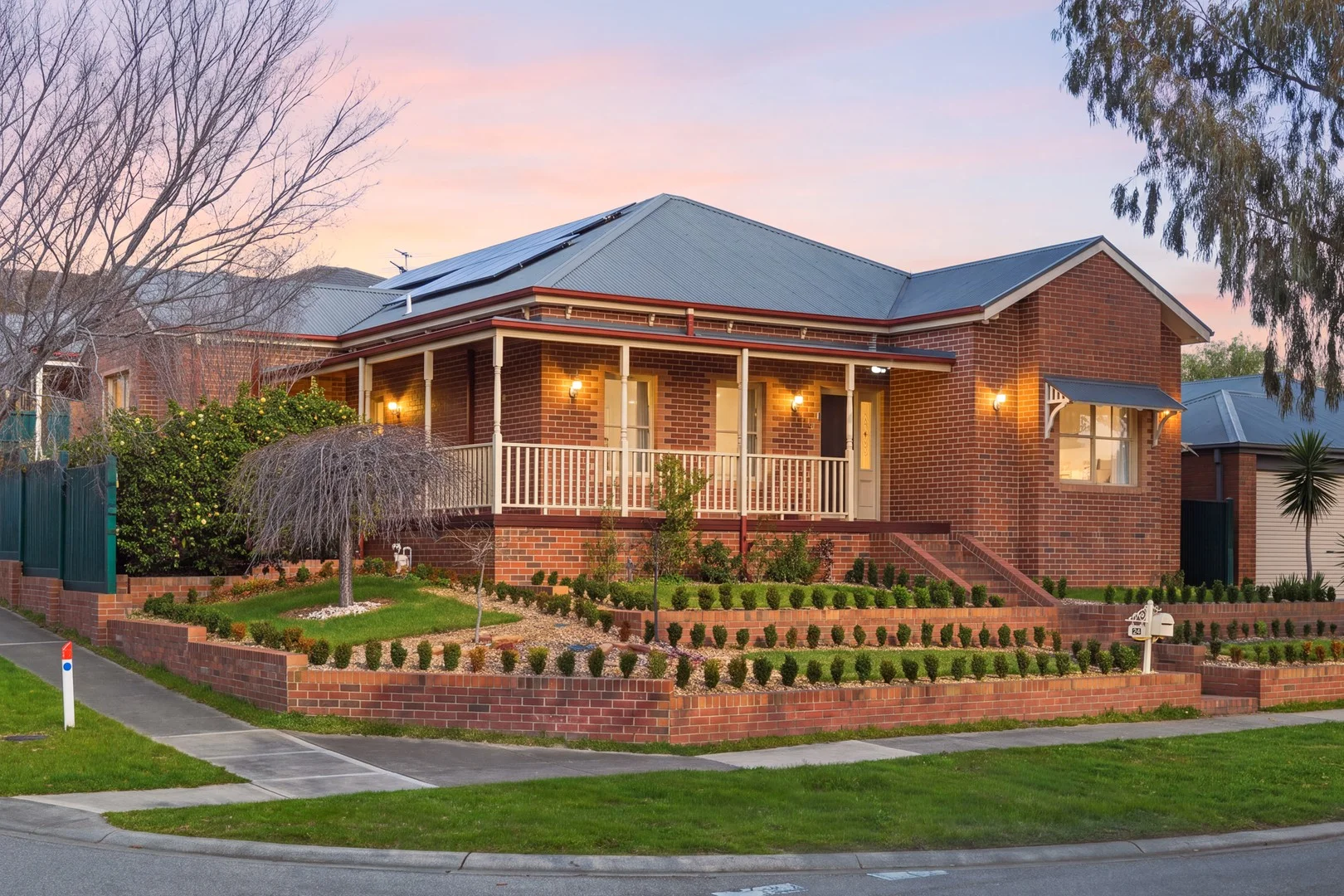 $1,138,000
House
$1,138,000
House
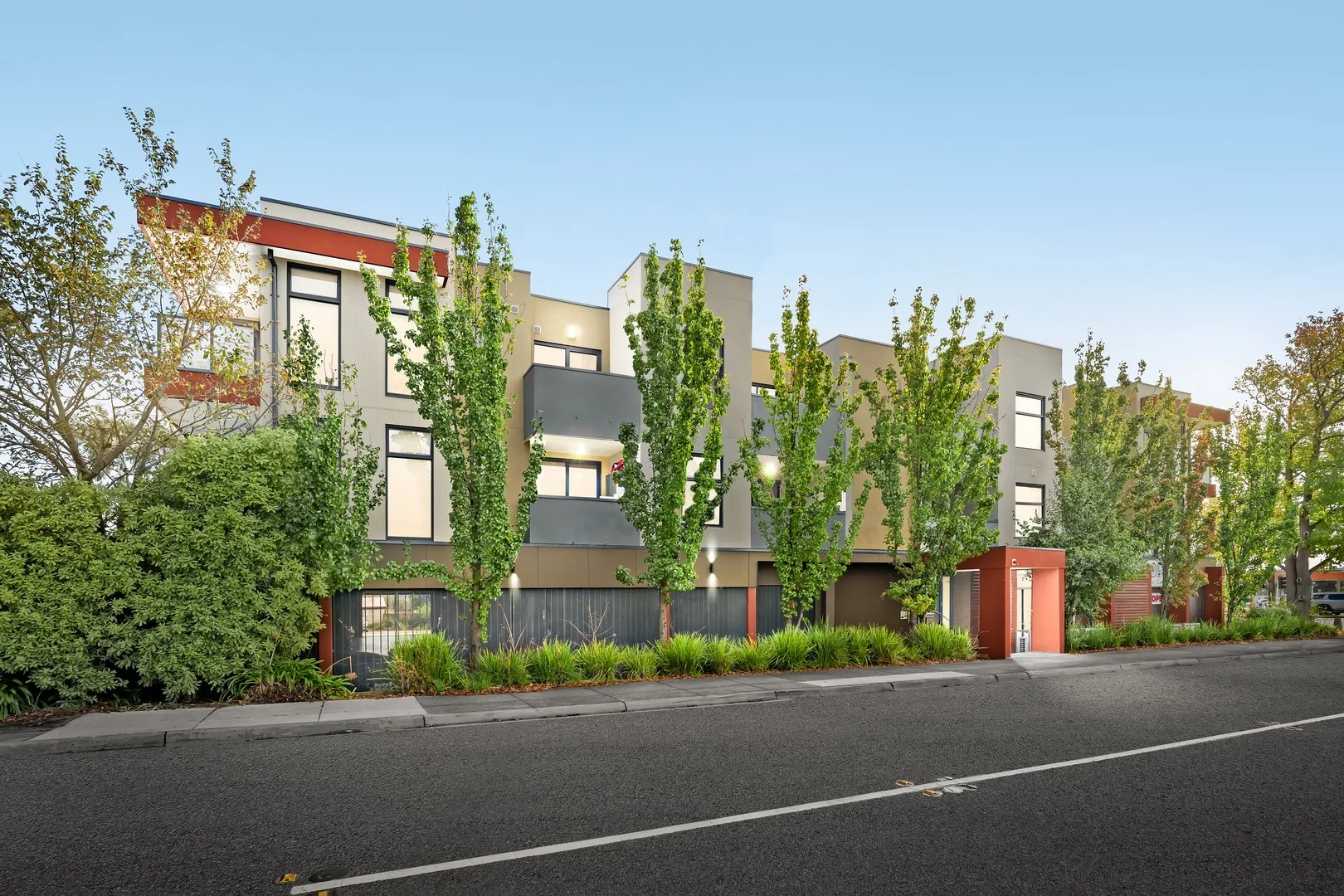 $400,000
Apartment / Unit / Flat
$400,000
Apartment / Unit / Flat
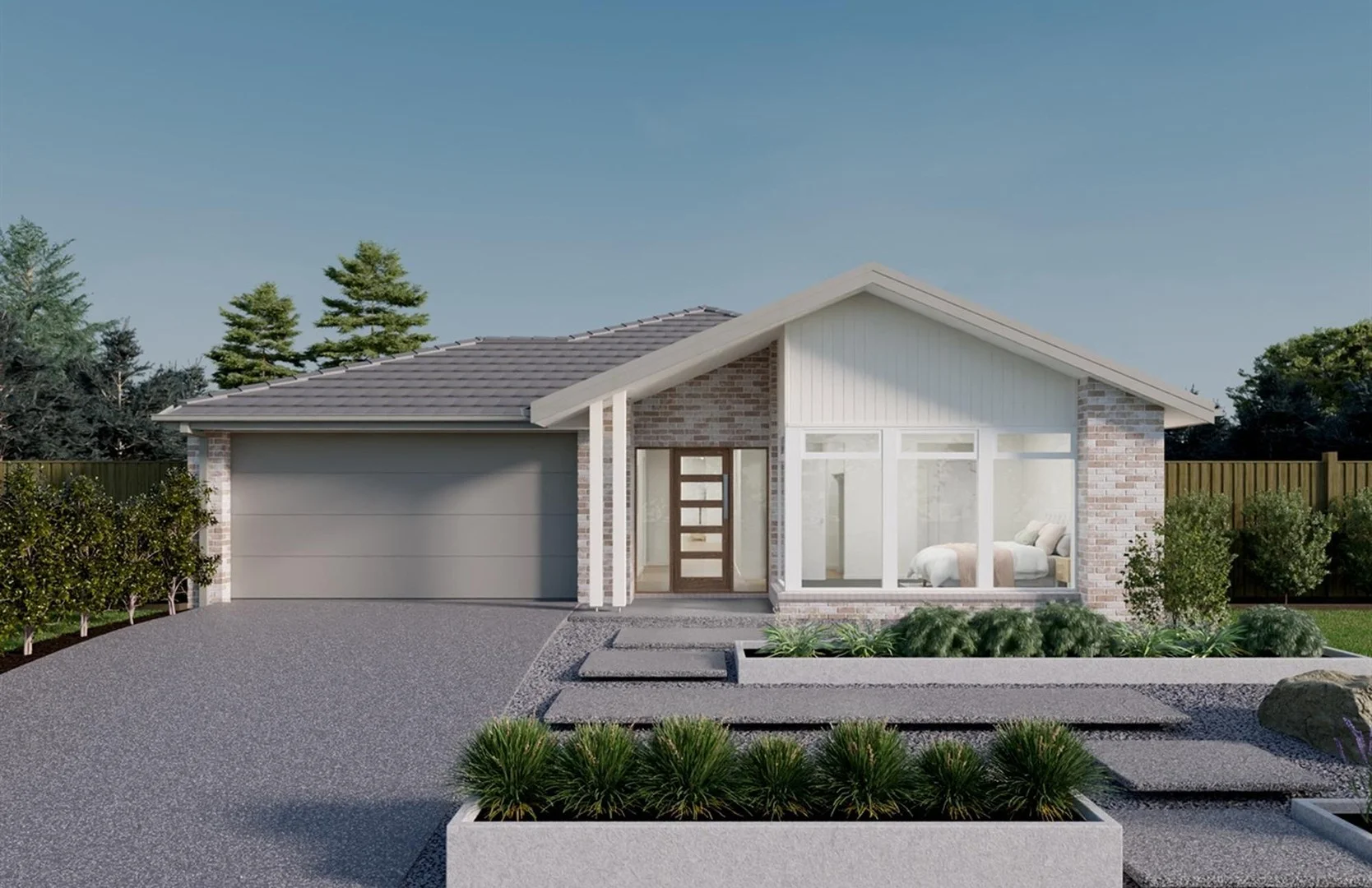 $1,116,900
propertyType.NEW HOUSE & LAND
$1,116,900
propertyType.NEW HOUSE & LAND