Overview
## Overview
Hester Hornbrook Academy is a public, government-run secondary school in Melbourne, VIC, focused on flexible and inclusive learning for students who benefit from non-traditional pathways. The school tends to operate as a small to medium-sized community with a strong emphasis on individualised support, real-world skills, and personal development. The atmosphere is nurturing and inclusive, with a culture that prioritises student engagement, resilience, and positive relationships.
- School type: Public (government)
- School size: Small to medium
- Class size: Typically 8–15 students per class
- Atmosphere/culture: Nurturing, inclusive, supportive, with a focus on diverse learner needs
⸻
## Academics & Learning
Hester Hornbrook Academy prioritises practical, student-centered learning and pathways to further study or work. The school emphasises literacy, numeracy, and ICT, while building skills in critical thinking, collaboration, and problem-solving. Programs are designed to accommodate varied learning paces and interests, helping students connect classroom learning with real-life applications.
- Academic strengths: English/literacy, numeracy, ICT, real-world problem solving; leadership development and personal growth
- Special programs: Flexible/alternative learning options, VCE/VCAL pathways, work-based learning and internships; support for gifted/talented learners where appropriate
- NAPLAN / trends: Public data for small flexible-learning settings is limited; the school focuses on continuous, individual progress and targeted literacy/numeracy improvement
- Student-teacher ratios: Low ratios to enable personalised attention (roughly 1:8 to 1:12, depending on program)
- Support for diverse learners: EAL support, SEN support, targeted learning plans, on-site specialists and learning support personnel
⸻
## Sports & Extracurricular Strengths
Extracurricular activity is valued, with a mix of sport, arts, and clubs that cater to a broad range of interests. The school fosters participation and teamwork, with opportunities to compete in local events and showcase talents in other disciplines.
- Sports offered: Basketball, soccer, netball, AFL, cricket (subject to term availability and cohort needs)
- Strong teams or achievements: Participation in local inter-school activities; emphasis on inclusive participation and personal bests
- Music, arts, drama programs: Music and performing arts spaces, drama activities and performances
- Clubs: Robotics, coding, chess, debating, and other student-led clubs
- Partnerships: Collaborations with local clubs and community groups for competitions, mentorship, and extra-curricular programs
⸻
## Wellbeing & Pastoral Care
Wellbeing and pastoral support are core to the student experience, with systems in place to help students feel safe, valued, and capable of managing challenges. The school uses supportive, restorative approaches to behaviour and fosters a sense of belonging through structured programs.
- Anti-bullying approach: Clear policies, restorative practices, and student-led initiatives to promote a safe environment
- House system: House groups to build belonging, leadership, and school spirit (where implemented)
- Counsellors / wellbeing officers: On-site wellbeing staff and access to counselling and mental health supports
- Transition support for new students: Orientation, buddy programs, and targeted transition plans to settle new students
⸻
## Facilities
Facilities are designed to be functional, welcoming, and conducive to flexible learning. The environment supports collaboration, creativity, and hands-on experiences.
- Sports grounds: Access to indoor/outdoor sport spaces
- Libraries: Welcoming reading and resource spaces
- Science labs: Modern science facilities
- Music/performing arts centers: Dedicated spaces for music and performance
- Tech/innovation labs: Computing and makerspace / digital learning labs
- Cafeteria: On-site canteen or dining facilities
- Updated playgrounds: Safe outdoor spaces and communal areas
⸻
## School Values & Community Culture
The school communicates a clear mission centered on inclusive education, respect, and personal growth. Leadership emphasizes collaboration, restorative practices, and a community-focused approach to learning. The culture values diversity, inclusion, and opportunities for all students to thrive.
- Values / mission: Respect, resilience, inclusion, and growth
- Leadership style: Collaborative, student-centered, restorative
- Behaviour expectations: Clear, consistent standards with emphasis on student accountability and support
- Community reputation: Recognised for flexible learning options and a supportive inner-city community
- Diversity & inclusion: Strong focus on welcoming and supporting students from diverse backgrounds
⸻
## School Logistics & Daily Operations
Practical information helps families plan around typical school routines and services.
- School hours: Generally aligned with a standard school day; exact times can vary by program
- Before/after school care: Wrap-around or extended care options may be available through the school or local partnerships
- Uniform requirements: School uniform policy typically applies; details provided by staff during enrolment
- Transport: Accessible by public transport (trains/trams/buses); information on routes and options available through the school
- Canteen availability: Canteen or lunch options available on-site
- Fees: Public schools generally have low costs beyond stationery, uniforms, and materials; specifics provided at enrolment
⸻
## Enrolment & Admissions
11. What is the enrolment process and timeline?
- Applications are submitted through the school/Department of Education processes; timelines vary by intake and space. Prospective students and families should contact the school for a current timeline and required documents.
12. Is there a waiting list, and how does it work?
- Depending on capacity, there may be a waiting list. Applications are typically prioritized by date of submission and suitability for the program; families are advised on expected wait times by the admissions team.
13. Are there any entry requirements, tests, or interviews?
- Entry often involves eligibility checks and an interview or intake meeting to determine fit with the flexible learning program. Some documentation (proof of residence, previous schooling records, disability/special needs information) may be requested.
14. Does the school accept mid-year transfers?
- Mid-year transfers are possible if space is available. Families should contact admissions as early as possible to discuss options and required steps.
⸻
## Frequently Asked Questions
- Why Parents Choose This School?
- Strong focus on flexible, person-centered learning; supportive staff; pathways to further study or employment; welcoming, inclusive culture.
- What type of student thrives at this school?
- Students who benefit from smaller class sizes, individualised attention, and real-world, skills-based learning; those seeking a supportive transition back into formal education or into work/VCAL/VCE pathways.
- What opportunities are available for students to extend their skills (academics, sports, arts)?
- English, numeracy and ICT development; VCE/VCAL pathways; sports and physical education; music and performing arts; clubs in robotics, coding, debating, and more.
- How does the school communicate with parents?
- Regular updates via emails, parent portals, newsletters, and structured front-desk communications; appointments with teachers and wellbeing staff as needed.
- What is the school’s approach to teaching and learning?
- Student-centered, inclusive, and practical learning; emphasis on literacy/numeracy, real-world application, and flexible progression.
- How does the school support students who need extra academic help?
- Small class sizes, targeted learning support, one-on-one or small-group tutoring, and personalised learning plans.
- What support is available for academic challenges?
- Dedicated learning support staff, access to counsellors, and tailored interventions to help students catch up or advance.
- How does the school communicate with parents? (repeat)
- See above: multiple channels including digital communications, phone calls, and in-person meetings.
- What are the class sizes and how much individual attention do students receive?
- Class sizes are small (roughly 8–15 students); students receive substantial individual attention through low teacher-student ratios and targeted supports.
- What extracurricular and sports opportunities are available?
- A range of sports (basketball, soccer, netball, AFL, cricket), plus clubs in robotics, coding, chess, and debating; arts and music programs complement the core curriculum.
- What facilities does the school offer (sports, science, arts)?
- Sports facilities, libraries, science labs, music/performing arts venues, tech/innovation labs, and a canteen.
- What is the school’s approach to technology and digital learning?
- Emphasis on ICT and digital literacy; dedicated labs and learning resources to support digital learning across subjects.
- What transport and accessibility options are available?
- Well-connected by public transport; accessibility considerations are addressed; information on routes and supports available on request.
- What are typical school fees or additional costs?
- As a public school, tuition is generally low; families may incur costs for uniforms, stationary, and materials.
⸻
## Short Pros & Cons list
- Pros
- Small to medium, supportive learning environment
- Strong emphasis on inclusive, student-centered teaching
- Flexible pathways to VCE/VCAL and work-based learning
- Low student-teacher ratios; targeted academic support
- Wide range of clubs and extracurriculars; arts and sports options
- Cons
- May have fewer traditional classroom sizes or extracurricular breadth than larger schools
- Specific programs and schedules can vary; families should confirm current offerings
- Uniforms and some costs apply for families (as with many public schools)
⸻










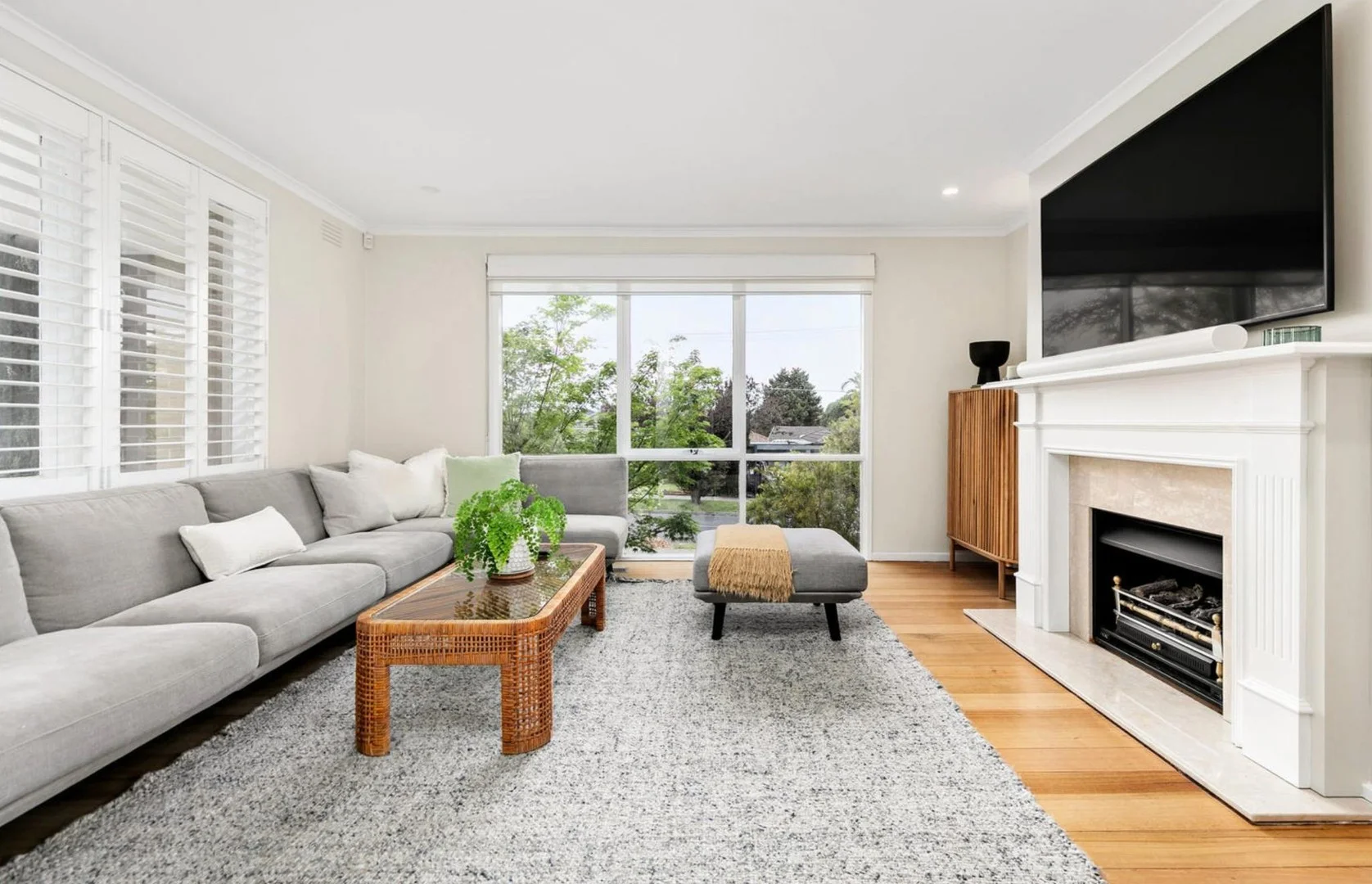 $750
House
$750
House
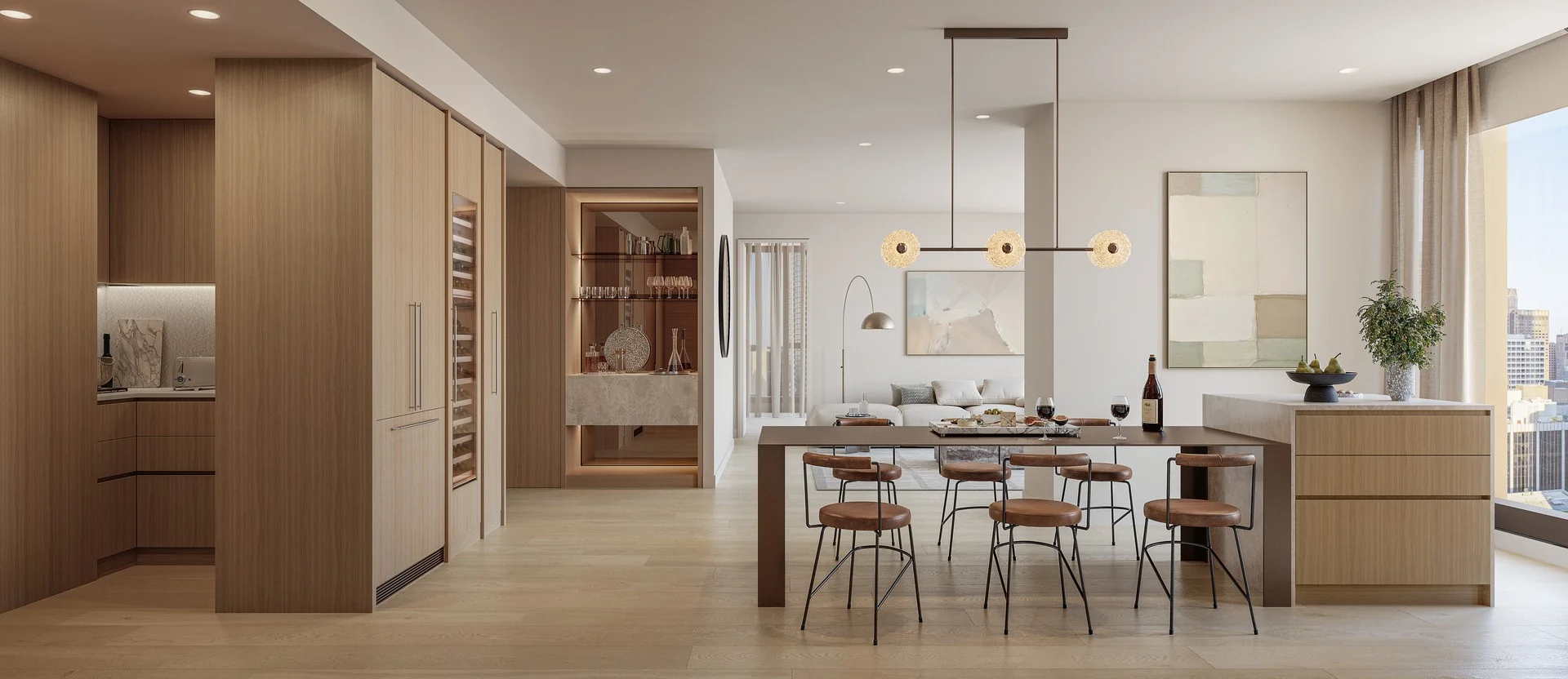 $2,865,000
Apartment / Unit / Flat
$2,865,000
Apartment / Unit / Flat
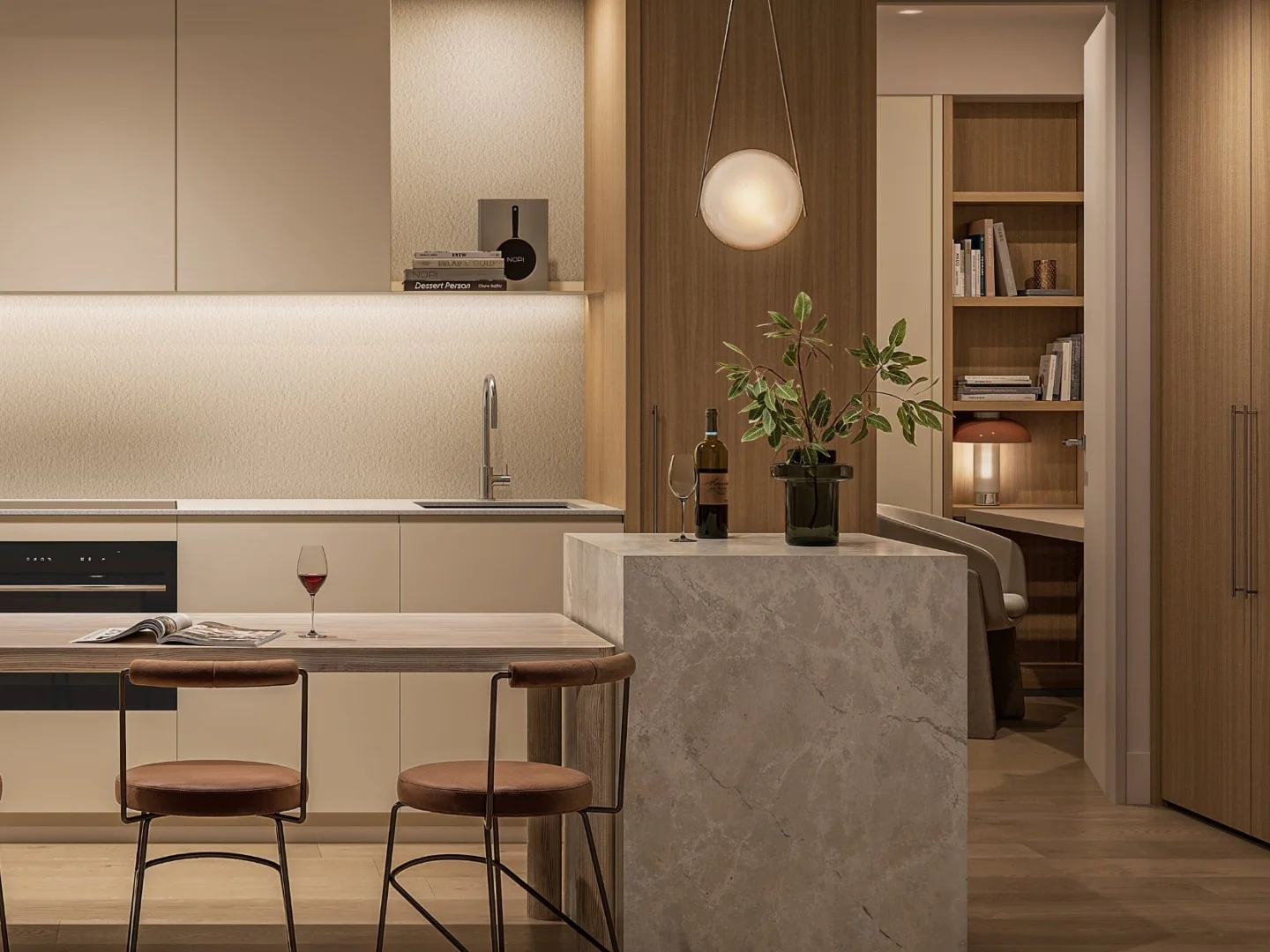 $712,500
Apartment / Unit / Flat
$712,500
Apartment / Unit / Flat
 $2,750,000
Apartment / Unit / Flat
$2,750,000
Apartment / Unit / Flat