Overview
1. Overview
Hoa Nghiem Primary School is a small-to-medium, community-focused primary school in Springvale South. It emphasizes a bilingual (English–Vietnamese) learning environment and inclusive participation for families from diverse backgrounds. The school is built around a nurturing atmosphere that supports student well-being, cultural identity, and active community involvement.
- School type: Independent/community-based primary school with a culturally rich program.
- School size: Small to medium
- Class size: Generally around 20–25 students per class, with differentiation to meet individual needs
- Atmosphere/culture: Nurturing, diverse, inclusive, and community-oriented
⸻
2. Academics & Learning
Hoa Nghiem Primary School focuses on bilingual literacy and strong language development, with an emphasis on English proficiency while valuing Vietnamese language and culture as a core part of learning.
- Academic strengths: Bilingual literacy/programs, English language development, community engagement in learning, and emphasis on foundational numeracy and literacy
- Special programs: English as an Additional Language (EAL) support, bilingual activities, cultural language initiatives, and in-class differentiation to suit diverse learners
- NAPLAN / trends: Publicly available trend data may be limited for smaller cohorts; schools of this size often show year-to-year variability with steady improvement in literacy and numeracy as cohorts grow
- Student-teacher ratios: Typically around 1:12 to 1:20 depending on year level and funding
- Support for diverse learners: EAL support, targeted in-class support, and access to learning support staff as needed
⸻
3. Sports & Extracurricular Strengths
Extracurricular offerings aim to support physical activity, creativity, and critical thinking, with activities suited to boys aged 10–14 as well as younger students.
- Sports offered: Soccer, basketball, cricket, athletics, and indoor activities
- Strong teams or achievements: Local competitions and inter-school events are common; emphasis on participation and development
- Music, arts, drama programs: School-wide music and performing arts opportunities integrated into learning
- Clubs: Robotics, coding, chess, debating, and other STEM/critical-thinking clubs
- Partnerships: Engagement with local community programs and competitions to broaden experiences
⸻
4. Wellbeing & Pastoral Care
A key emphasis is student well-being, with systems to support safe and positive school life.
- Anti-bullying approach: Clear policies, student-led initiatives, and supervisor oversight to maintain a respectful environment
- House system: Typically used to promote teamwork, belonging, and healthy competition
- Counsellors / wellbeing officers: Access to wellbeing support and counselling as part of pastoral care
- Transition support for new students: Orientation activities, buddy systems, and targeted support during transitions between grades or entry into the school
⸻
5. Facilities
Facilities are designed to support a broad curriculum and student life, with visual, functional spaces.
- Sports grounds: Outdoor play areas and spaces for physical activities
- Libraries: Library spaces that support reading and research
- Science labs: Basic science learning spaces aligned with primary science curriculum
- Music/performing arts centers: Space for music lessons and performances
- Tech/innovation labs: Access to classroom technology and simple makerspace activities
- Cafeteria: On-site canteen or lunch facilities
- Updated playgrounds: Age-appropriate playscapes and outdoor learning areas
⸻
6. School Values & Community Culture
The school emphasizes a values-based environment that supports respectful, inclusive, and responsible students.
- School values / mission: Emphasis on respect, responsibility, and community engagement; celebration of cultural identity
- Leadership style: Collaborative and student-inclusive approaches to learning and school life
- Behaviour expectations: Clear codes of conduct aligned with positive behavior support
- Community reputation: Strong link with local families and Vietnamese community networks
- Diversity & inclusion: Active commitment to inclusion and celebration of multicultural backgrounds
⸻
7. School Logistics & Daily Operations
Practical details help families plan around school routines and needs.
- School hours: Start and end times aligned with primary school norms; consider after-school activities
- Before/after school care: Availability may be offered by the school or via partner providers
- Uniform requirements: Standardized dress code applicable to most primary schools
- Transport (train/bus routes): Local bus routes and options; families should check current public transport maps
- Canteen availability: On-site canteen or lunch arrangements
- Fees: Fee ranges generally modest to moderate for independent/community schools; refer to the latest school information for exact amounts
⸻
8. Enrolment & Admissions
11. What is the enrolment process and timeline?
- Inquiry and information session
- Submission of application forms and supporting documents
- Possible assessment or interview to understand fit and language needs
- Waiting for offer of a place (timeline varies by intake and space)
- Offer, acceptance, and enrolment confirmation
12. Is there a waiting list, and how does it work?
- Yes, there is often a waiting list when the school is at capacity
- Waiting list position depends on availability, sibling priority (if applicable), and enrolment policies
- Families may be encouraged to provide updates and confirm continued interest
13. Are there any entry requirements, tests, or interviews?
- Likely to include a brief interview or information session
- May require documentation of previous schooling and language needs
- No high-stakes entrance exam is typically required for primary entry, but assessments may gauge support needs
14. Does the school accept mid-year transfers?
- Mid-year transfers are possible if there is space and documentation is provided
- Transfer arrangements depend on current cohort requirements and readiness for the new grade level
⸻
9. Frequently Asked Questions
- “Why Parents Choose This School?”
- Strong sense of community, bilingual programs, inclusive culture, and values-based education
- “What type of student thrives at this school?”
- Students who value culture, family engagement, and collaborative learning in a bilingual setting
- “What opportunities are available for students to extend their skills (academics, sports, arts)?”
- Access to literacy/numeracy development, bilingual activities, STEM clubs, arts and music programs, and sport
- “How does the school communicate with parents?”
- Regular updates via newsletters, parent meetings, and digital communications; messaging about events and student progress
- “What is the school’s approach to teaching and learning?”
- Emphasis on experiential learning, language development, differentiation to meet diverse needs
- “How does the school support students who need extra academic help?”
- In-class differentiation, EAL support, and targeted learning assistance
- “What support is available for academic challenges?”
- Targeted interventions, learning support staff, and collaboration with families
- “What are the class sizes and how much individual attention do students receive?”
- Class sizes typically around 20–25 students with opportunities for teacher check-ins and small-group work
- “What extracurricular and sports opportunities are available?”
- A range of clubs (robotics, coding, chess, debating) and sports programs; performances and arts activities
- “What facilities does the school offer (sports, science, arts)?”
- Sports grounds, library, science spaces, music/performing arts spaces, and tech-enabled learning areas
- “What is the school’s approach to technology and digital learning?”
- Integrated technology in learning, digital literacy, and responsible use of devices
- “What transport and accessibility options are available?”
- Local bus routes and transport options; parking and accessibility considerations
- “What are the typical school fees or additional costs?”
- Fees vary by year and program; families should consult current information for exact figures
⸻
10. Short Pros & Cons list
Pros
- Strong sense of community and cultural identity
- Bilingual learning environment supporting English and Vietnamese
- Inclusive approach with EAL and targeted support
- Range of clubs and enrichment activities (robotics, coding, chess, debating)
- Nurturing, student-centered atmosphere with focus on well-being
Cons
- Smaller school size may mean fewer specialized programs than larger schools
- Fee structure typical for independent/community schools (verify current costs)
- Waiting lists can occur during peak enrollment periods
- Public data on standardized testing trends may be less widely published due to cohort size
⸻










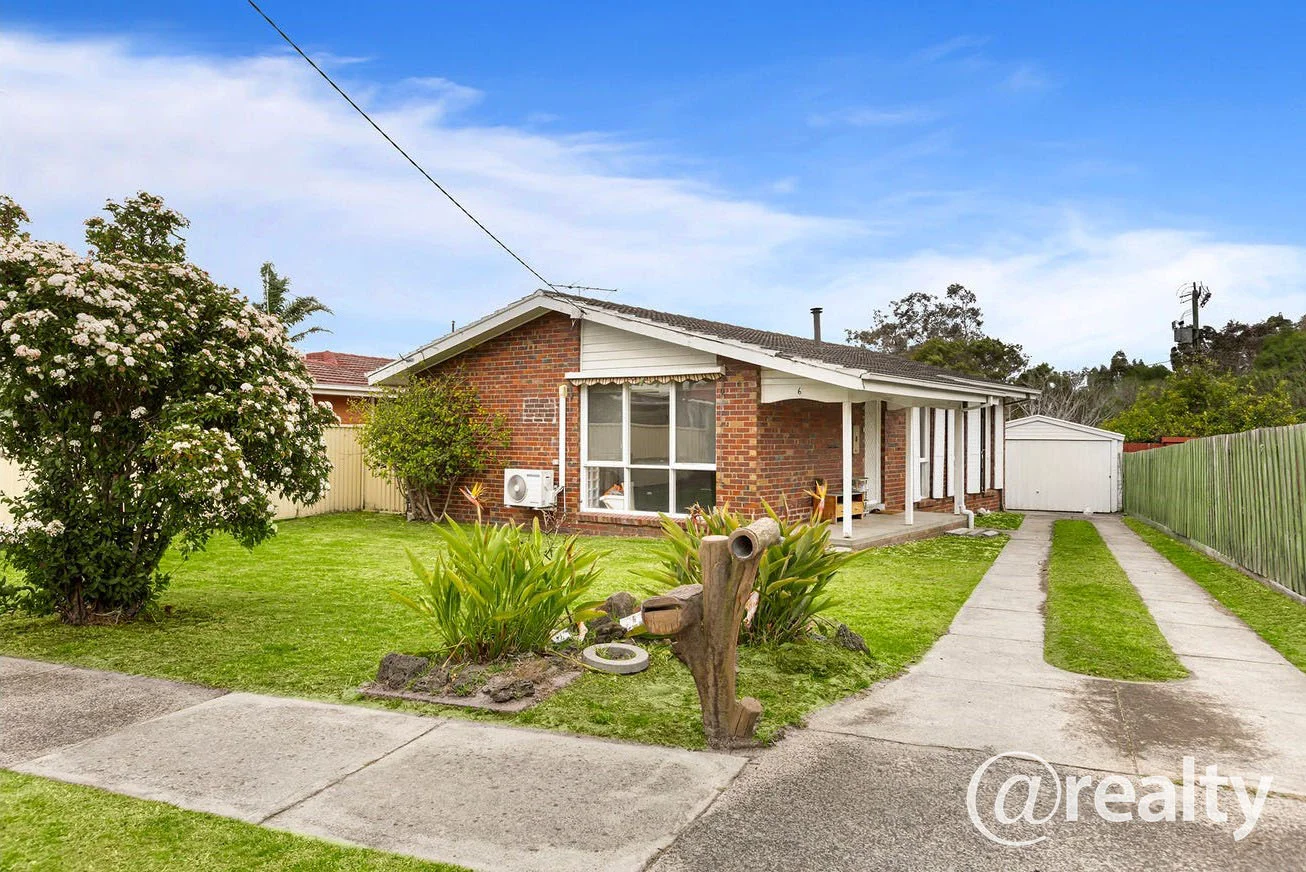 $610
House
$610
House
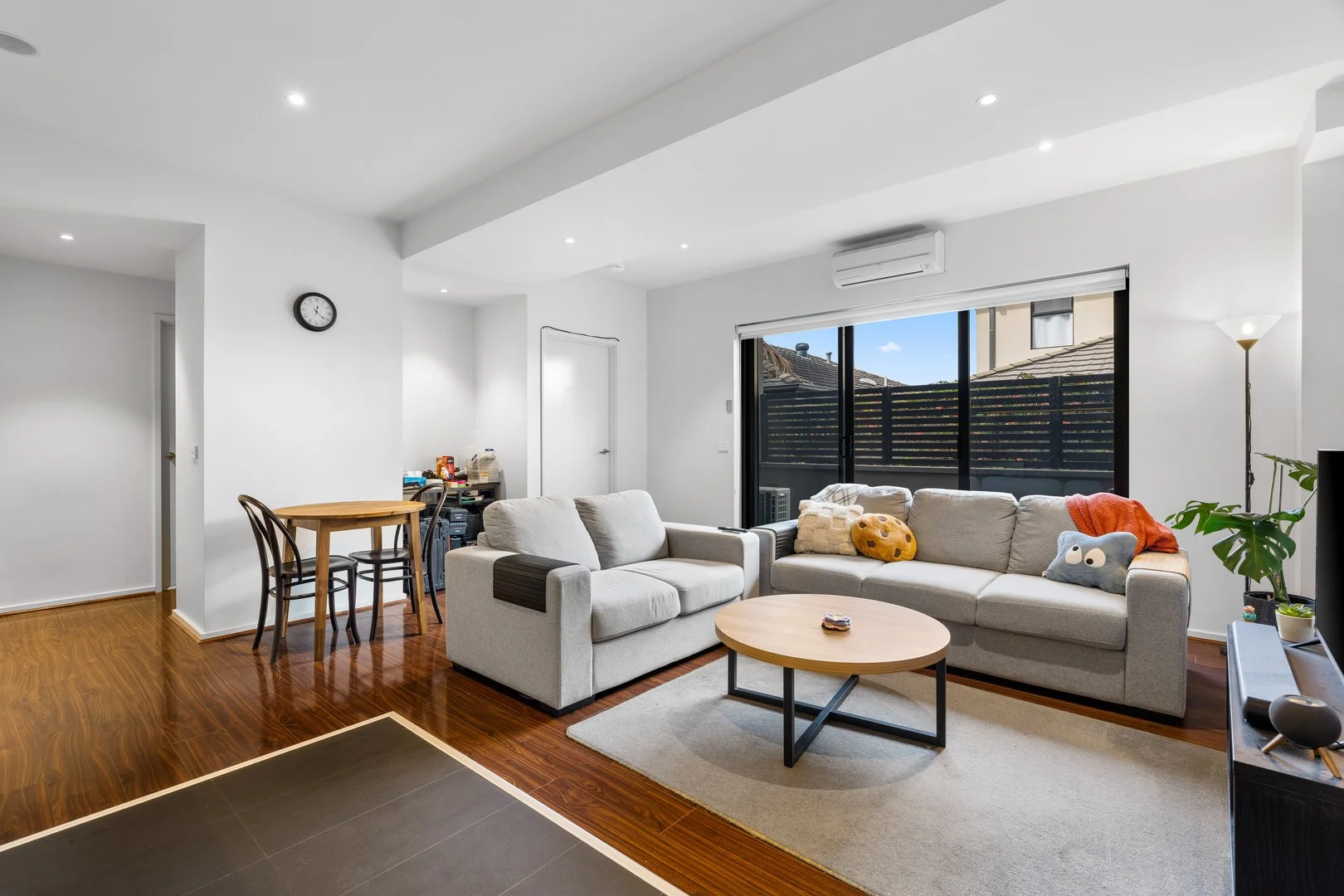 $385,000 - $410,000
Apartment / Unit / Flat
$385,000 - $410,000
Apartment / Unit / Flat
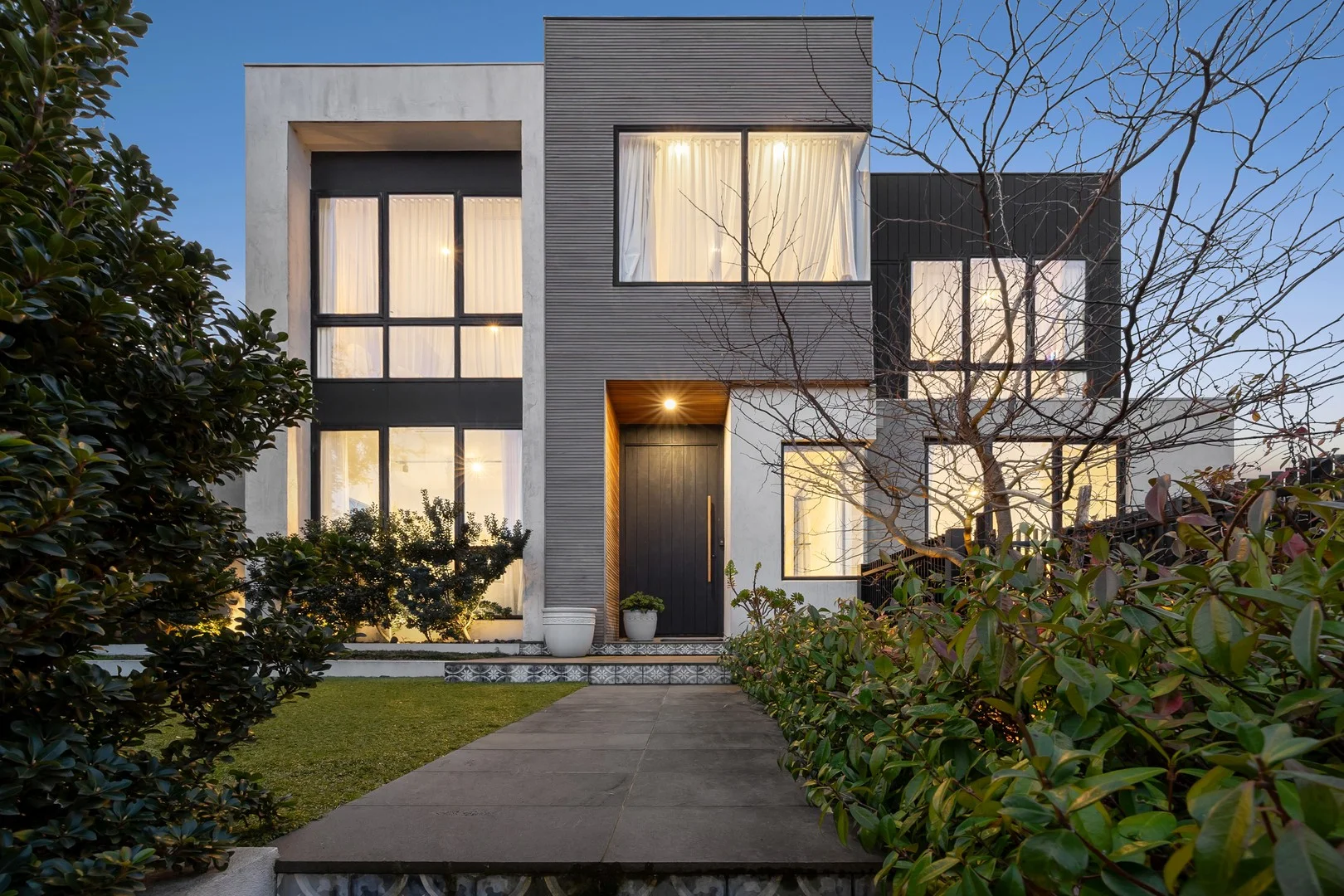 $4,200,000
House
$4,200,000
House
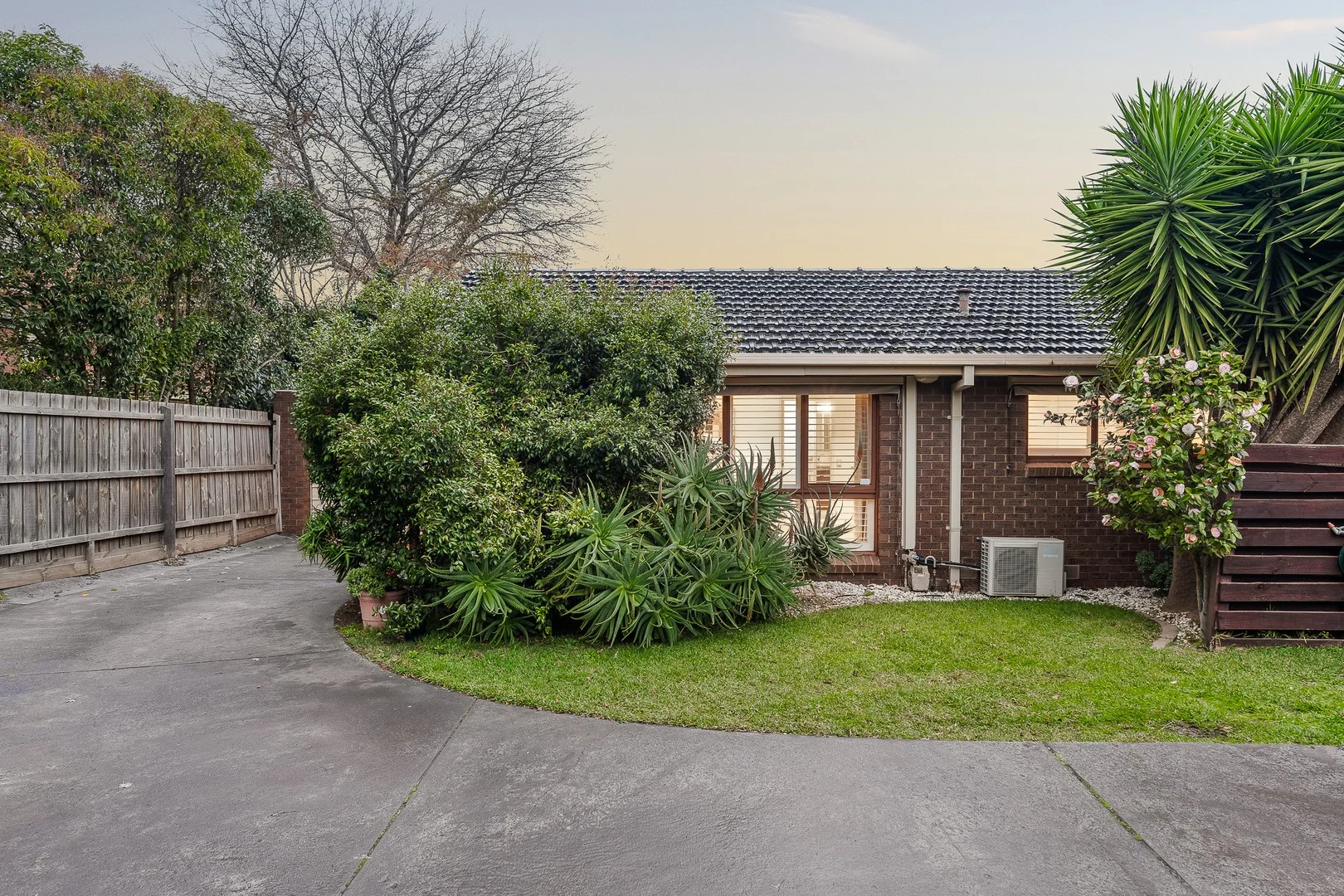 $770,000 - $820,000
Apartment / Unit / Flat
$770,000 - $820,000
Apartment / Unit / Flat
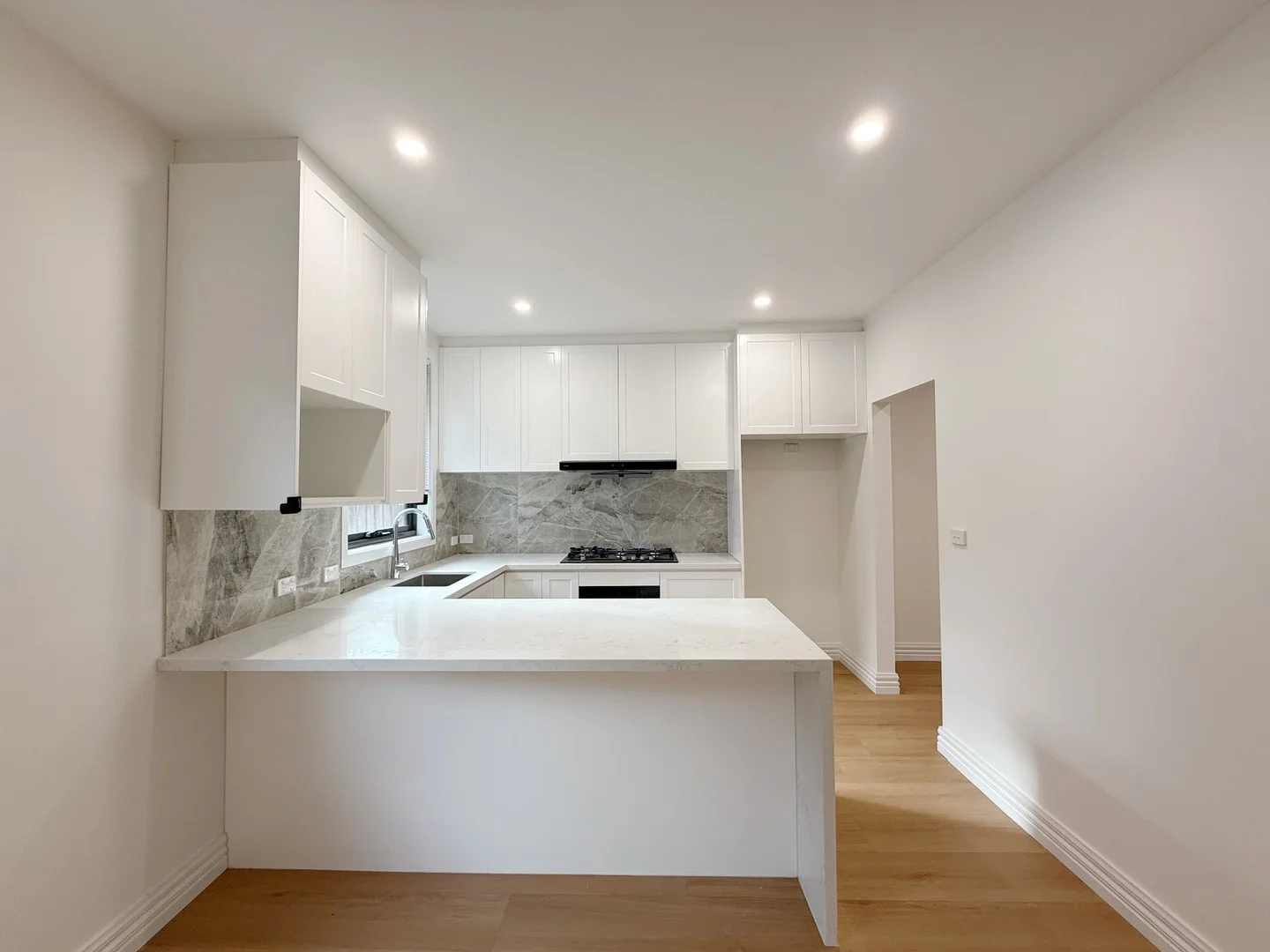 $1,280
House
$1,280
House
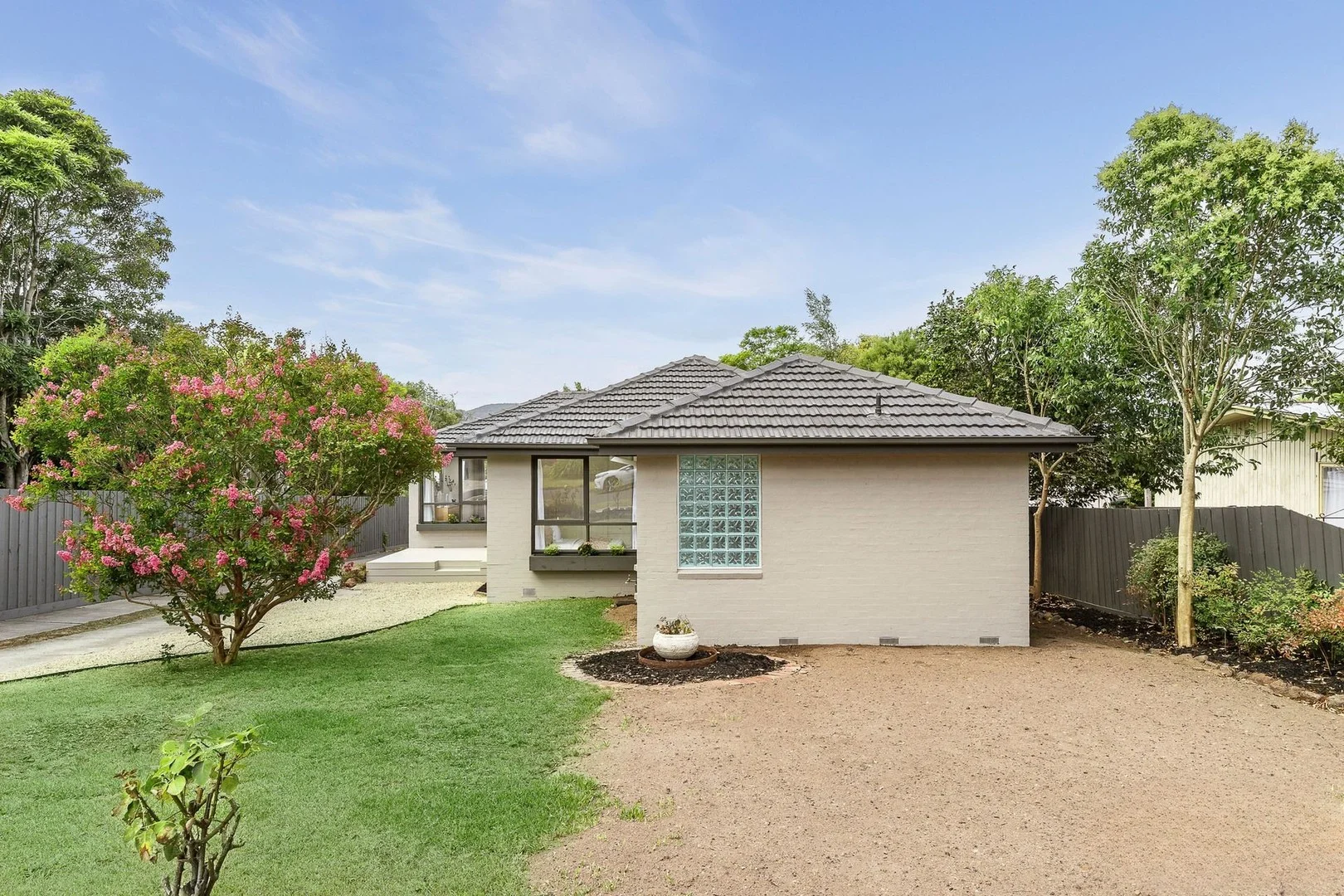 $700
Apartment / Unit / Flat
$700
Apartment / Unit / Flat