Overview
## 1. Overview
Holy Cross Catholic Primary School, Woollahra is a Catholic, co-educational primary school that serves families in the Woollahra and Bondi Junction area as part of NSW Catholic Education. The school combines faith-based learning with a caring, inclusive community to support students’ academic and personal development.
The school is small-to-medium in size, which supports smaller class groups and a close-knit culture. Class sizes are designed to be manageable and conducive to personalised teaching, with an atmosphere that emphasises nurturing relationships, respect, and a sense of belonging for every student.
⸻
## 2. Academics & Learning
- Academic strengths: Strong literacy and numeracy focus, with integrated STEM activities across year levels. Religious Education is a core component, alongside opportunities for leadership development and collaboration. Languages (LOTE) are offered where available, typical of NSW Catholic schools (often including Italian).
- Special programs: Gifted and Talented opportunities and acceleration options are available where appropriate to extend capable students. There are avenues for leadership development and enhanced inquiry experiences.
- NAPLAN trends: Across recent years, the school has shown stable performance with positive progress in reading and numeracy, reflecting a solid literacy and numeracy foundation and effective classroom differentiation.
- Student-teacher ratios: Class sizes are designed to be small-to-medium, enabling close teacher attention and targeted support. Student-teacher ratios generally fall in a range that supports personalised learning.
- Support for diverse learners: Explicit support for diverse learners, including EAL (English as an Additional Language) students and students with additional learning needs, using targeted interventions and in-class support where required.
⸻
## 3. Sports & Extracurricular Strengths
- Sports offered: Typical primary offerings such as soccer, netball, basketball, cricket and athletics, with opportunities to participate in school-based and interschool events.
- Strong teams or achievements: Students regularly participate in interschool sports and Catholic Education Office events; achievements are celebrated at school level and in local competitions.
- Music, arts, drama programs: Active music and performing arts programs, including school concerts and productions, support creative development alongside academics.
- Clubs: Robotics, chess, coding, debating and other enrichment clubs are available to extend student interests outside the classroom.
- Partnerships: Connections with local clubs and diocesan activities provide additional opportunities for competitions, coaching and collaboration beyond the classroom.
⸻
## 4. Wellbeing & Pastoral Care
- Anti-bullying approach: A proactive anti-bullying policy with restorative practices to foster respectful relationships and safe environments for all students.
- House system: A House system supports a sense of belonging, with house-based activities, leadership opportunities and community spirit.
- Counsellors / wellbeing officers: Access to school wellbeing staff or counsellors to support emotional health, resilience and social development.
- Transition support for new students: Structured transition programs, buddy systems, and orientation activities help new students settle in smoothly.
⸻
## 5. Facilities
- Sports grounds: Adequate outdoor spaces for PE and sport, with safe, well-maintained playing areas.
- Libraries: A library that supports reading, research and literacy initiatives.
- Science labs: Dedicated science spaces to support hands-on experimentation and STEM learning.
- Music/performing arts centers: Facilities that support music education and drama performances.
- Tech/innovation labs: Tech-enabled classrooms and spaces for digital learning and creative projects.
- Cafeteria: Canteen or dining options that provide healthy meal choices.
- Updated playgrounds: Modern, safe play areas that encourage active break times.
- Additional features: Classrooms equipped with interactive whiteboards and modern teaching tech to enhance learning experiences.
⸻
## 6. School Values & Community Culture
- School values / mission: A faith-centered ethos that emphasises Catholic values such as faith, compassion, service, respect and inquiry.
- Leadership style: Collaborative and student-inclusive, with opportunities for student voice and leadership roles within the school community.
- Behaviour expectations: Clear codes of conduct and expectations focused on respect, responsibility and positive relationships.
- Community reputation: A supportive, values-driven Catholic community that values family involvement and partnerships with parish life.
- Diversity & inclusion: Commitment to diversity and inclusive education, welcoming families from varied backgrounds and ensuring access to learning supports as needed.
⸻
## 7. School Logistics & Daily Operations
- School hours: The school day typically runs from morning to early afternoon, with core teaching hours and built-in breaks.
- Before/after school care: Structured care options are available to families before and after the standard school day.
- Uniform requirements: Formal school uniform, with seasonal options and a separate sports uniform for physical education and activities.
- Transport (train/bus routes): Accessible by public transport, with nearby bus routes and proximity to local rail services; supports convenient drop-off and pick-up arrangements.
- Canteen availability: Canteen or school meal program offering healthy choices on select days.
- Fees (low/medium/high ranges): Fees are in the mid-range for NSW Catholic primary schools; families should contact the school office for current fee information and any additional costs (ex. excursions).
⸻
## 8. Enrolment & Admissions
11. What is the enrolment process and timeline?
- Enquiries typically begin with a school information session or open day, followed by an application submission, provision of required documents (birth certificate, immunisation records, proof of address, previous school reports where applicable), and an interview or tour. The timeline varies by intake year and vacancy, with ongoing consideration of applications until places are filled.
12. Is there a waiting list, and how does it work?
- Many Catholic primary schools maintain a waiting list when places are limited. Applications may be prioritized by date of submission, siblings already attending the school, parish affiliation, and other considerations determined by the school.
13. Are there any entry requirements, tests, or interviews?
- Entry typically involves an interview or family meeting, and a review of documents. Standardised testing is not always required, but the school may conduct assessments to understand learning needs or to determine appropriate placement.
14. Does the school accept mid-year transfers?
- Mid-year transfers are sometimes possible, subject to vacancy and alignment with the school’s placement process. Families interested in a mid-year move should contact the school directly to discuss options.
⸻
## 9. Frequently Asked Questions
- Why Parents Choose This School?
- A strong faith-based community, small class sizes, supportive teachers, and a holistic approach to developing academic and personal skills.
- What type of student thrives at this school?
- Students who value community, faith-based learning, service, curiosity, and active participation in both academics and co-curricular activities.
- What opportunities are available for students to extend their skills (academics, sports, arts)?
- Opportunities include gifted and talented extensions, leadership roles, sports teams, music and performing arts, robotics, coding, debating, and other enrichment clubs.
- How does the school communicate with parents?
- Through regular newsletters, a school portal, emails, and parent-teacher meetings; timely updates about events and student progress.
- What is the school’s approach to teaching and learning?
- A faith-informed, inquiry-based approach with strong literacy and numeracy focus, differentiation to meet diverse needs, and integration of STEM, arts and ICT.
- How does the school support students who need extra academic help?
- Targeted interventions, small-group support, EAL assistance, and inclusive classroom practices to help all students succeed.
- What support is available for academic challenges?
- Access to learning support staff, tailored interventions, and collaboration with families to set goals and track progress.
- How does the school communicate with parents?
- See above; ongoing and multi-channel communications to keep families informed and engaged.
- What are the class sizes and how much individual attention do students receive?
- Class sizes are small-to-medium, enabling more targeted teaching and individual attention within the classroom.
- What extracurricular and sports opportunities are available?
- A range of sports (soccer, netball, basketball, cricket, athletics), music and drama programs, plus clubs like robotics, chess, coding and debating.
- What facilities does the school offer (sports, science, arts)?
- Sports facilities, library, science labs, music/performing arts spaces, tech/innovation labs, canteen, and updated playgrounds.
- What is the school’s approach to technology and digital learning?
- Integration of digital tools in classrooms, interactive learning tech, and emphasis on digital citizenship and safeOnline practices.
- What transport and accessibility options are available?
- Access to public transport options with nearby routes; practical drop-off/pick-up arrangements and accessible facilities.
- What are the typical school fees or additional costs?
- Fees are in the mid-range for NSW Catholic primary schools; check with the school for current details and any extra-curricular costs.
⸻
## 10. Short Pros & Cons list
- Pros
- Strong faith-based foundation and values
- Small-to-medium class sizes with personalised attention
- Nurturing, inclusive school culture
- Broad range of academic, arts, sports and enrichment opportunities
- Support for diverse learners (EAL and SEN)
- Cons
- Smaller school may offer fewer specialist facilities than larger institutions
- Fees are in the mid-range to higher end for some families (compared with public options)
- Transport options depend on location and public routes; may require planning for some families
⸻










 $660,000 - $725,000
Apartment / Unit / Flat
$660,000 - $725,000
Apartment / Unit / Flat
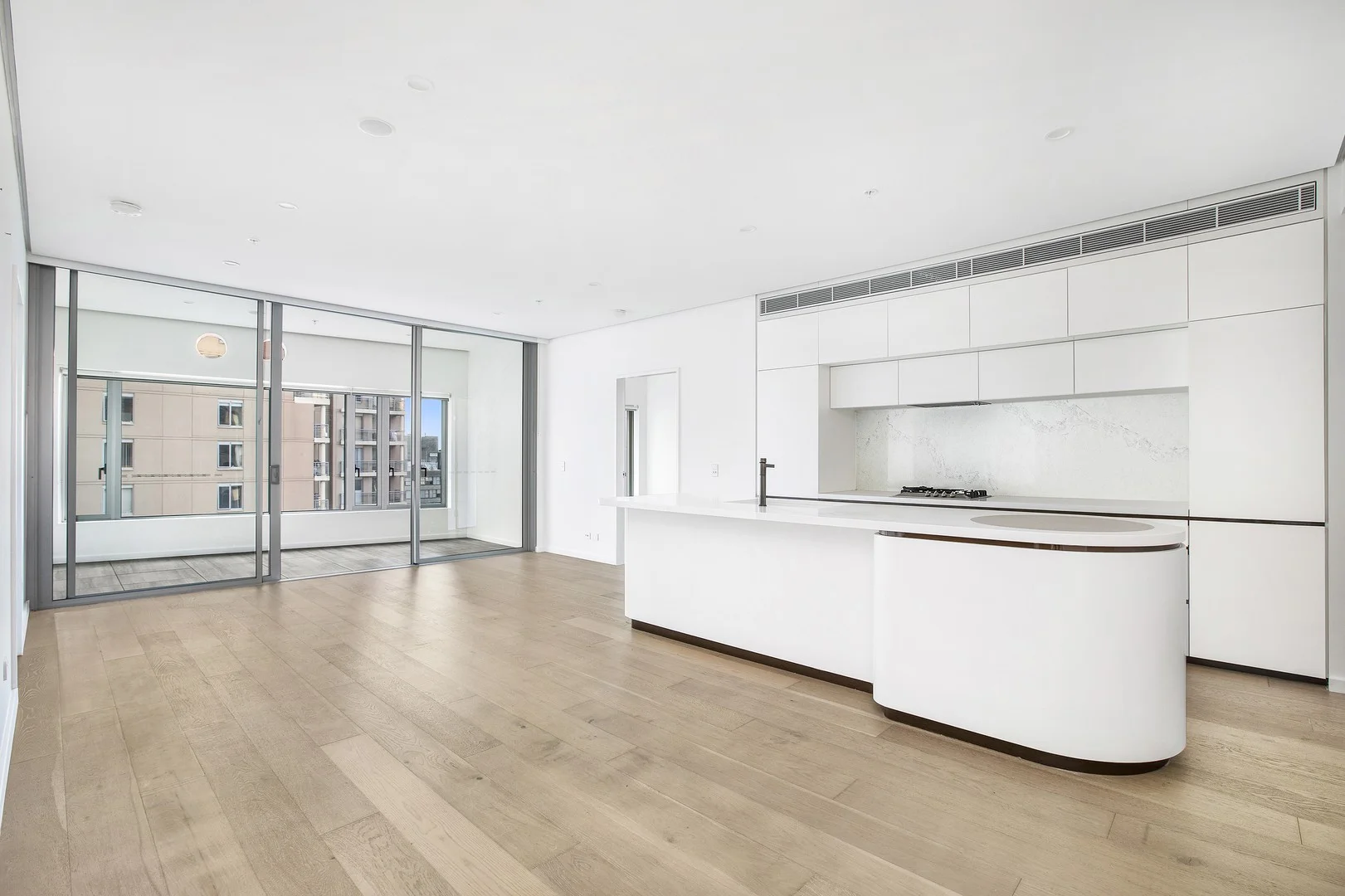 $2,250,000
Apartment / Unit / Flat
$2,250,000
Apartment / Unit / Flat
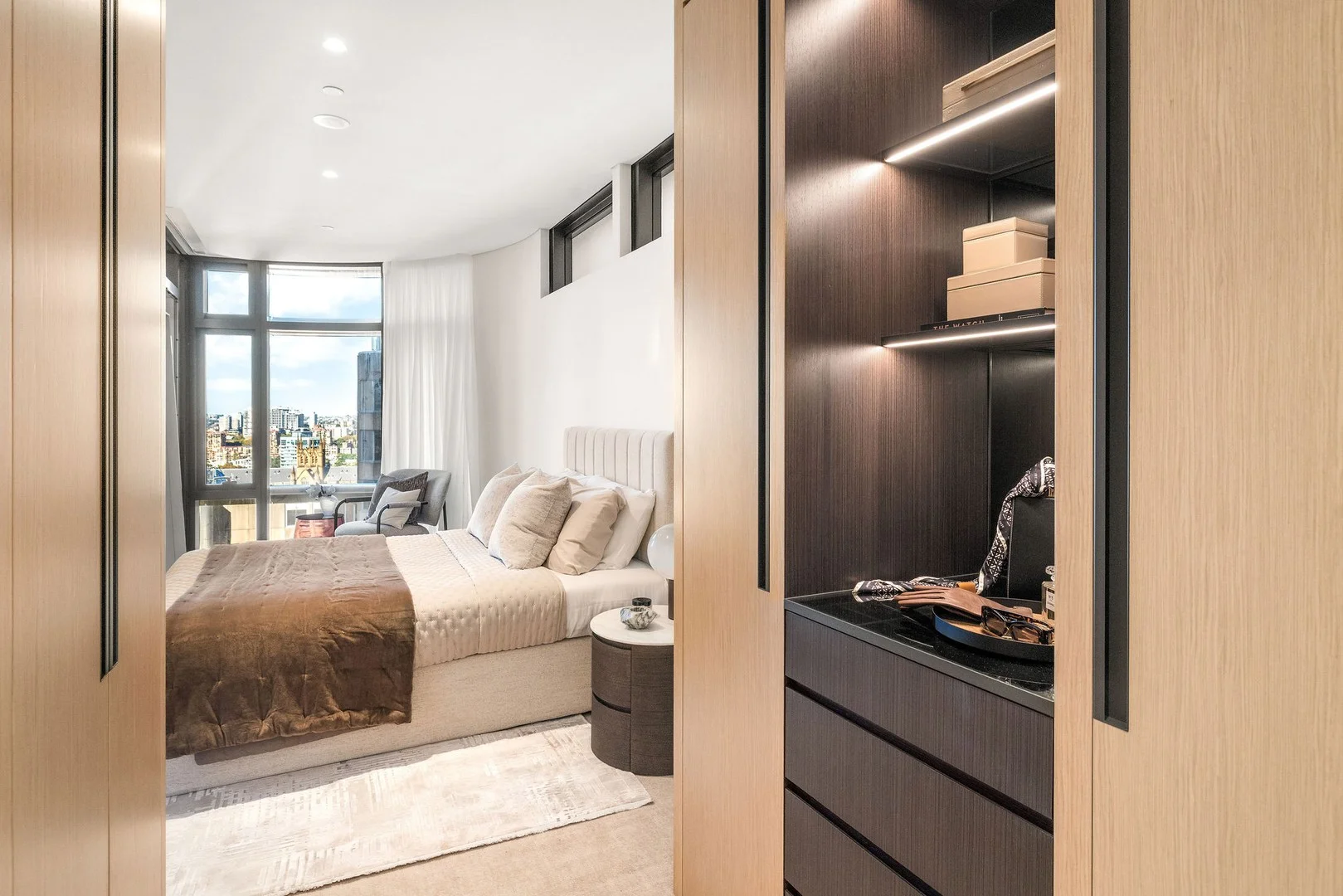 $2,745,000
propertyType.NEW APARTMENTS / OFF THE PLAN
$2,745,000
propertyType.NEW APARTMENTS / OFF THE PLAN
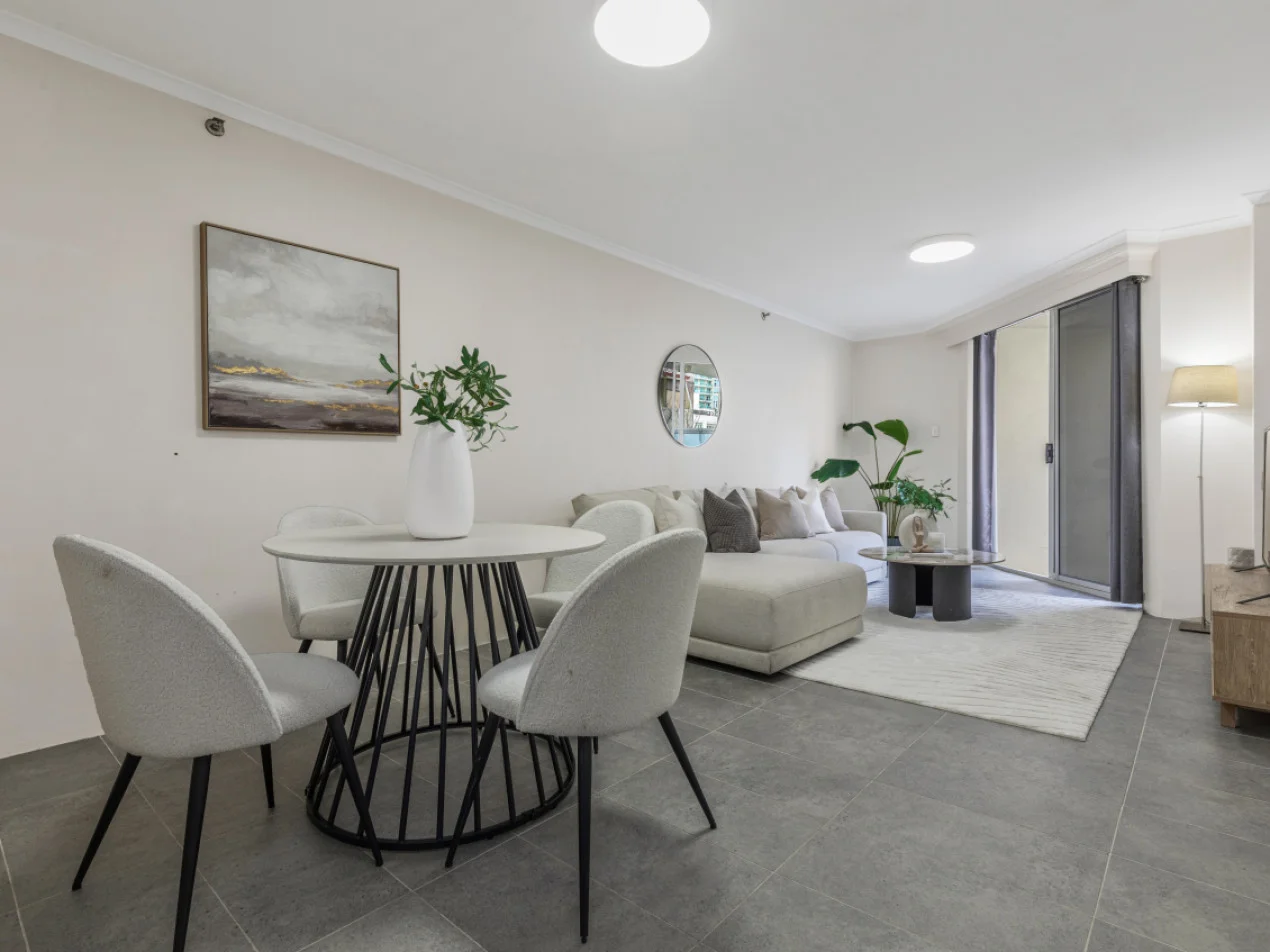 $640,000 - $675,000
Apartment / Unit / Flat
$640,000 - $675,000
Apartment / Unit / Flat
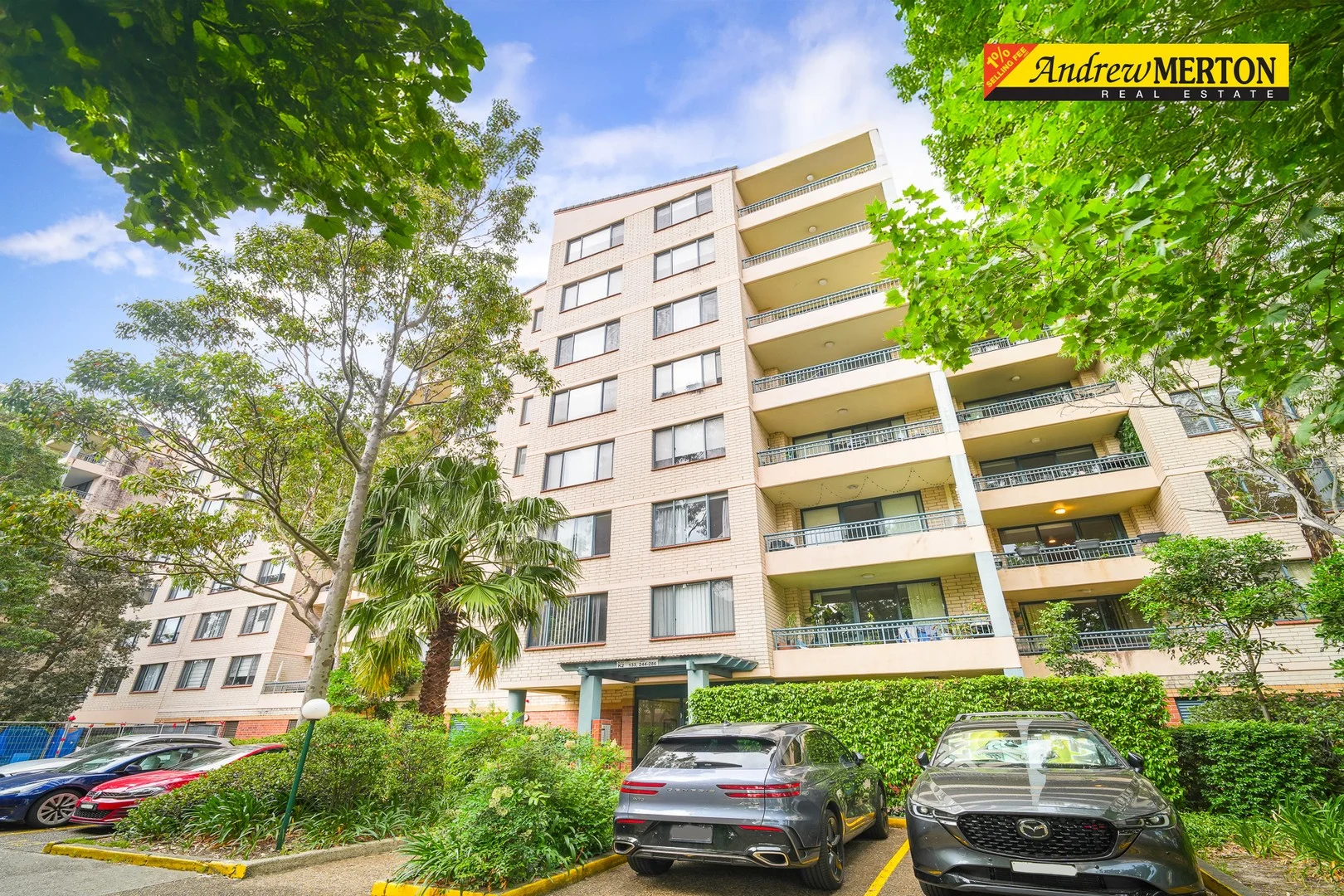 $933,000
Apartment / Unit / Flat
$933,000
Apartment / Unit / Flat
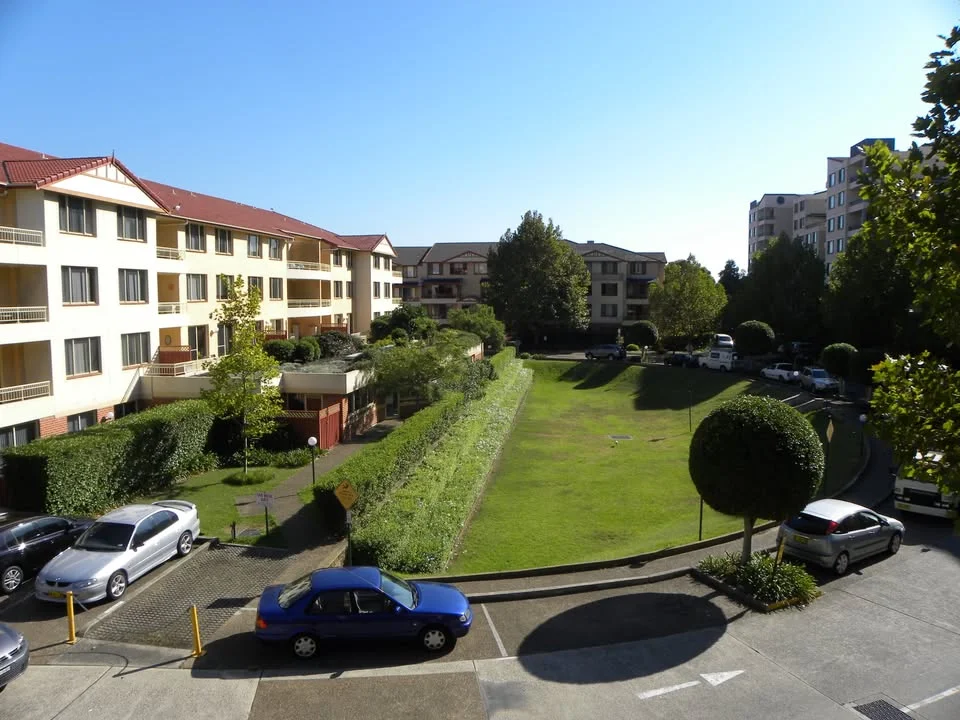 $990
Apartment / Unit / Flat
$990
Apartment / Unit / Flat
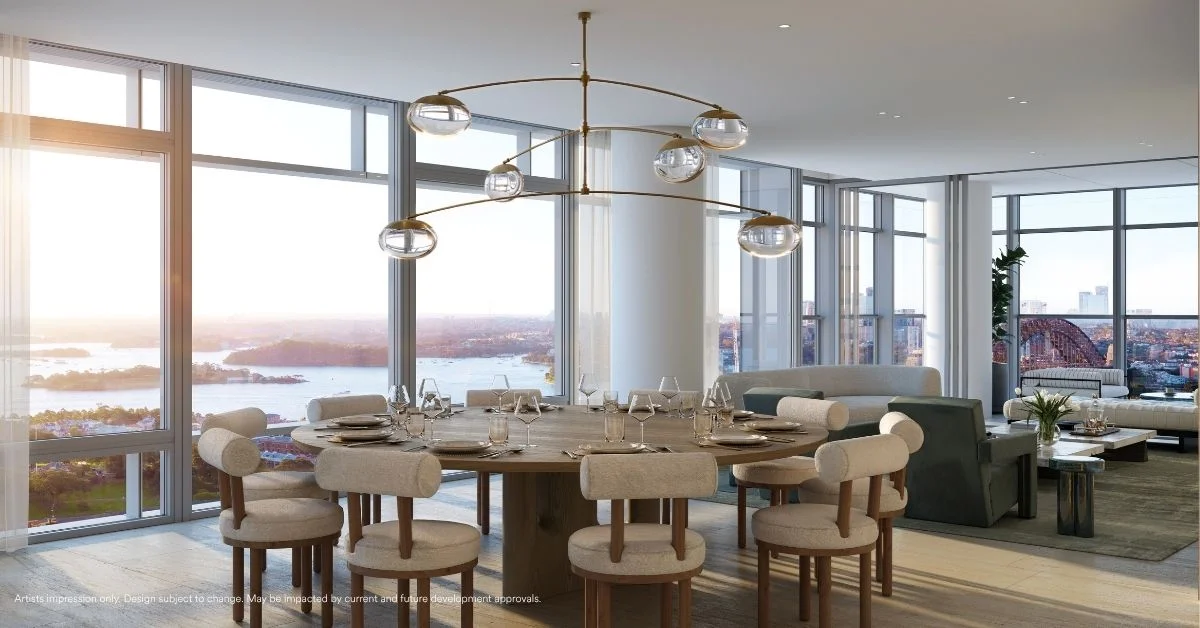 $26,550,000
propertyType.NEW APARTMENTS / OFF THE PLAN
$26,550,000
propertyType.NEW APARTMENTS / OFF THE PLAN
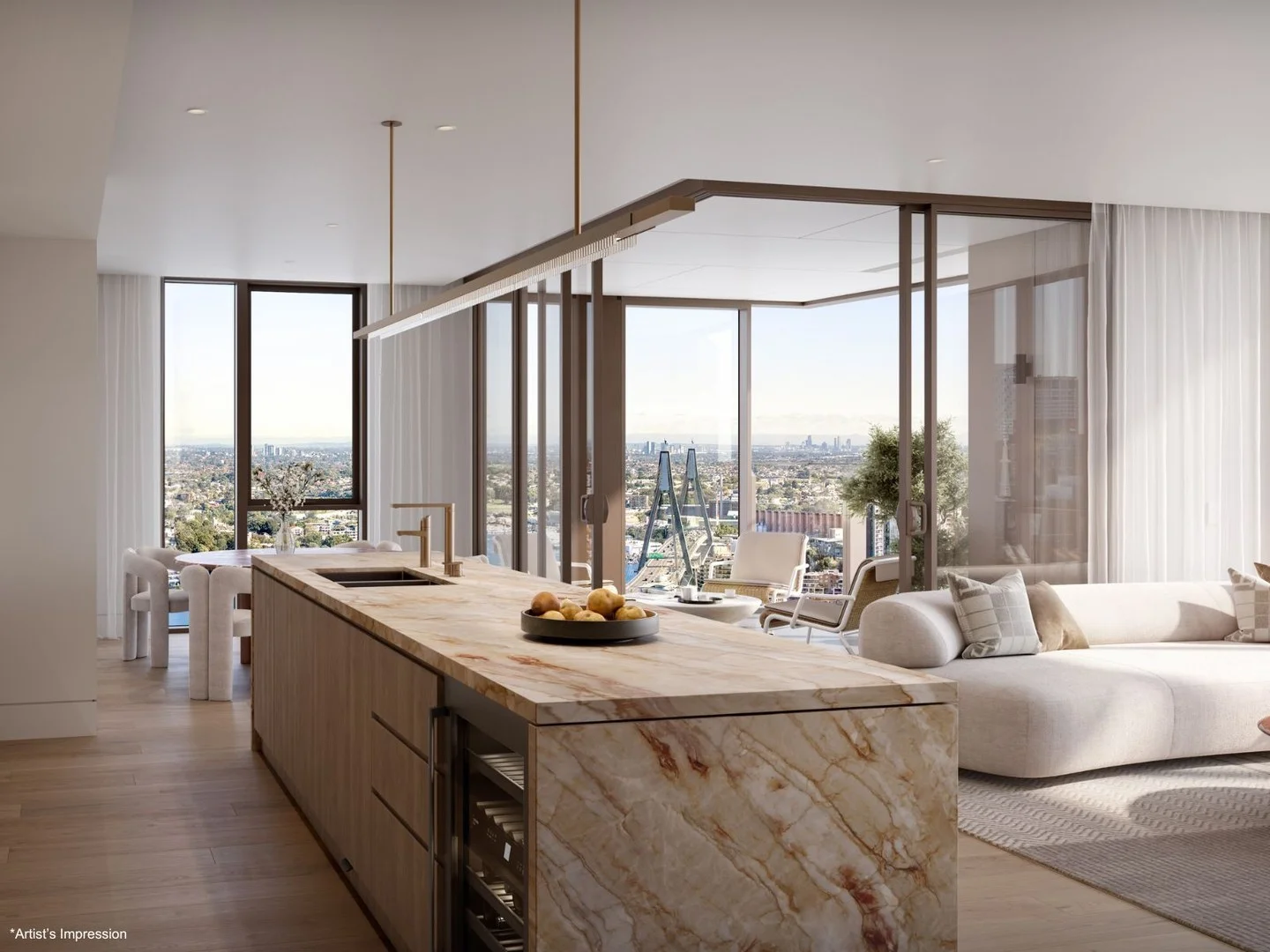 $9,020,000
propertyType.NEW APARTMENTS / OFF THE PLAN
$9,020,000
propertyType.NEW APARTMENTS / OFF THE PLAN
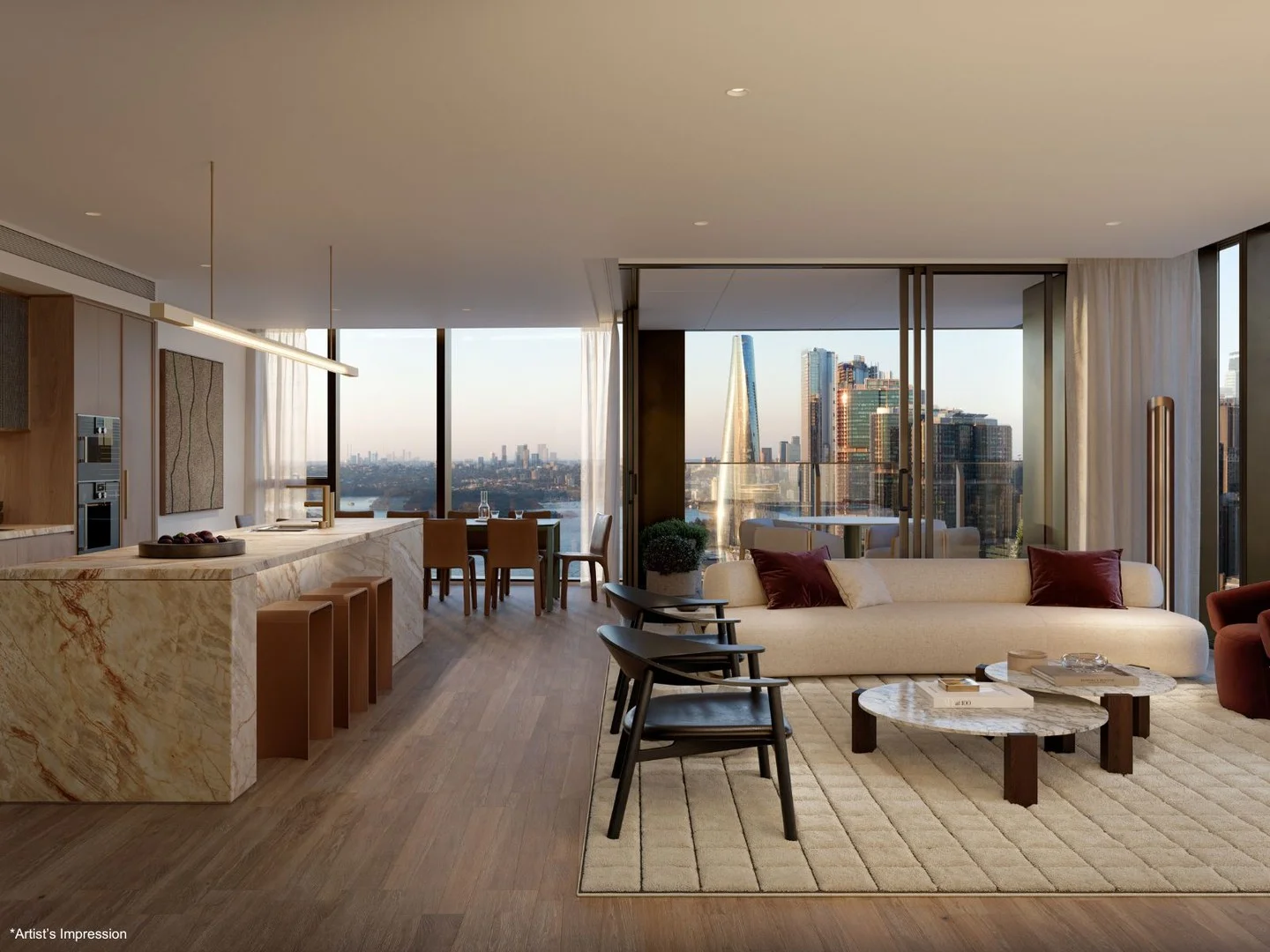 $12,980,000
propertyType.NEW APARTMENTS / OFF THE PLAN
$12,980,000
propertyType.NEW APARTMENTS / OFF THE PLAN