## Overview
Reddam House Woollahra is an independent/private co-educational K–12 school located in New South Wales, Sydney’s eastern suburbs. The campus is medium-sized, offering a cohesive environment where students benefit from continuity across their schooling years.
The school emphasises a nurturing, inclusive culture with a strong focus on academics, wellbeing, and a balanced program that includes arts and sport. Class sizes are typically small to medium, fostering close teacher–student relationships and personalised learning within a supportive community.
⸻
## Academics & Learning
- Academic strengths: A holistic, inquiry-based approach supports core subjects such as English and the sciences, with emphasis on critical thinking, problem solving and literacy across the curriculum. Language learning and the arts are integrated to develop well-rounded communicators and thinkers.
- Special programs: The school offers pathways for advanced learners and opportunities for international-minded learning experiences. Programs may include accelerated or gifted/talented options and engagement with globally oriented curricula.
- NAPLAN trends: Publicly available trends generally reflect solid progress and consistent performance relative to NSW benchmarks, with a focus on year-on-year improvement in key areas.
- Student-teacher ratios: Ratios typically range from small to medium class sizes, roughly around 1:8 to 1:16 depending on year level and subject area, enabling some individualised support.
- Support for diverse learners: Strong commitment to inclusive education with dedicated support for EAL learners and students with additional learning needs, including targeted supports and small-group interventions.
⸻
## Sports & Extracurricular Strengths
- Sports offered: A broad program commonly includes football (soccer), basketball, netball, cricket, tennis, swimming, athletics, and other court and field activities, with opportunities to compete locally.
- Strong teams or achievements: Students participate in local and inter-school competitions; schools in this category often record notable performance across teams and age groups.
- Music, arts, drama programs: A vibrant arts scene typically features ensembles, choirs, drama productions and showcases in performing arts centers.
- Clubs: Robotics, chess, coding, debating and other interdisciplinary clubs are commonly available to extend learning beyond the classroom.
- Partnerships: Involvement with local academies, clubs, and inter-school competitions helps students access broader opportunities and pathways in sport, tech and the arts.
Most parents see sport and extra-curriculars as a key driver for well-rounded development, with a focus on teamwork, discipline and time management.
⸻
## Wellbeing & Pastoral Care
- Anti-bullying approach: Schools of this profile pursue explicit anti-bullying policies, student wellbeing programs and clear reporting channels to foster a safe environment.
- House system: A house-based structure is commonly used to build community, mentorship and healthy competition across year groups.
- Counsellors / wellbeing officers: Access to dedicated wellbeing staff or school counsellors to support mental health, social development and peer relationships.
- Transition support for new students: Orientation programs, buddy systems and targeted transition support help new students settle in smoothly.
This section builds trust by showing a committed, proactive approach to student welfare and belonging.
⸻
## Facilities
- Sports grounds: External fields, courts and runways suitable for training and inter-school events.
- Libraries: Modern learning hubs with collections and study spaces.
- Science labs: Equipped labs for experiments and practical work across disciplines.
- Music/performing arts centers: Dedicated spaces for rehearsals, ensembles and performances.
- Tech/innovation labs: Creative digital labs or maker spaces supporting coding, robotics and design thinking.
- Cafeteria: On-site dining facilities or canteens for students.
- Updated playgrounds: Safe, modern play and learning environments for younger students.
The facilities are designed to be visually engaging and easy to navigate, supporting a breadth of activities across academic and co-curricular areas.
⸻
## School Values & Community Culture
- School values / mission: A clear emphasis on respect, integrity, excellence and inclusion, with a focus on developing globally minded, responsible citizens.
- Leadership style: Student-centred and collaborative, encouraging leadership opportunities across age groups and communities.
- Behaviour expectations: Positive behaviour frameworks, consistent expectations and restorative approaches to discipline.
- Community reputation: A well-regarded independent school known for holistic education, parental engagement and a supportive school climate.
- Diversity & inclusion: Active commitment to diversity, equity and inclusion across programs, staff and student life.
⸻
## School Logistics & Daily Operations
- School hours: Typical day runs from morning to mid-afternoon with variations by year level; before/after care options may be available.
- Before/after school care: Commonly offered to support working families.
- Uniform requirements: A defined school uniform policy with specific dress codes for different year levels.
- Transport (train/bus routes): Access to school transport options and local public transport links; specifics vary by year group and location.
- Canteen availability: On-site canteen or snack facilities to support student needs during the day.
- Fees (low/medium/high ranges): Private schools generally fall into a medium-to-high fee range, with annual tuition and additional costs for activities and resources.
⸻
## Enrolment & Admissions
11. What is the enrolment process and timeline?
- Initial inquiry and information session.
- Online or paper application submission with supporting documents (birth certificate, previous school reports, etc.).
- Academic assessments or interviews (and sometimes auditions or portfolios for specific year levels or programs).
- Offer of place and acceptance with deposit; information about compulsory fees and orientation timelines.
12. Is there a waiting list, and how does it work?
- Many year levels may have waiting lists depending on capacity and demand.
- Applicants are typically placed on a waitlist after the application, with priority given by availability, date of application, and sometimes family ties or siblings already attending.
- Families on the waitlist are kept informed about status and potential intake dates.
13. Are there any entry requirements, tests, or interviews?
- Entry usually involves interviews or conversations with students and parents, program-specific assessments, and review of prior academic records.
- Some year levels or programs may require short assessments to determine appropriate placement and support needs.
14. Does the school accept mid-year transfers?
- Mid-year transfers are considered where vacancies exist and suitable placement can be found.
- The transfer process typically mirrors standard enrolment steps, including documentation, assessments, and coordination with the receiving year level.
⸻
## Frequently Asked Questions
- Why Parents Choose This School?
- Independent, well-rounded education with a focus on academic growth, wellbeing and character development in a supportive community.
- What type of student thrives at this school?
- Students who are curious, eager to learn across disciplines and who value a balanced approach to academics, arts and sports.
- What opportunities are available for students to extend their skills (academics, sports, arts)?
- Advanced learning pathways, enrichment programs, competitive sport teams, performing arts productions, music ensembles, and clubs in robotics, coding, debating and more.
- How does the school communicate with parents?
- Regular updates through newsletters, emails, a school app or portal, parent-teacher meetings, and scheduled information evenings.
- What is the school’s approach to teaching and learning?
- A student-centred, inquiry-based approach with emphasis on critical thinking, collaboration, and real-world applications across core subjects and co-curricular activities.
- How does the school support students who need extra academic help?
- Inclusive education with targeted support, small-group interventions, EAL support and access to learning support staff.
- What support is available for academic challenges?
- Early identification, personalised learning plans, tutoring options and ongoing monitoring of progress.
- How does the school communicate with parents? (Repeated)
- See above: regular updates, portals, meetings and events.
- What are the class sizes and how much individual attention do students receive?
- Class sizes are small to medium (roughly 16–22 students on average), allowing for some teacher one-to-one or small-group attention.
- What extracurricular and sports opportunities are available?
- A broad range of sports, arts, music and numerous clubs (robotics, coding, chess, debating) with opportunities for inter-school competitions.
- What facilities does the school offer (sports, science, arts)?
- Comprehensive facilities including sports grounds, libraries, science labs, music/performing arts centers, tech/innovation labs, a canteen and well-equipped playgrounds.
- What is the school’s approach to technology and digital learning?
- Emphasis on digital literacy, responsible use of technology and integration of technology across the curriculum to support learning and creativity.
- What transport and accessibility options are available?
- Information on local transport routes and school-provided transport options; accessibility considerations are typically part of school arrangements.
- What are the typical school fees or additional costs?
- Private-school level fees with annual tuition and additional costs for activities, electives, uniforms and services; exact figures available on enquiry.
⸻
## Short Pros & Cons list
- Pros:
- Independent/private, co-educational K–12 with a holistic focus on academics, wellbeing and arts.
- Small to medium class sizes enabling personalised attention.
- Broad co-curricular program including sports, music, drama and clubs.
- Support for diverse learners and inclusive education.
- Modern facilities across learning, arts and science spaces.
- Cons:
- As a private school, tuition and fees are higher than public options.
- Availability may vary by year level; some grades may have waitlists.
- Enrollment may require interviews or assessments and may involve entry requirements.










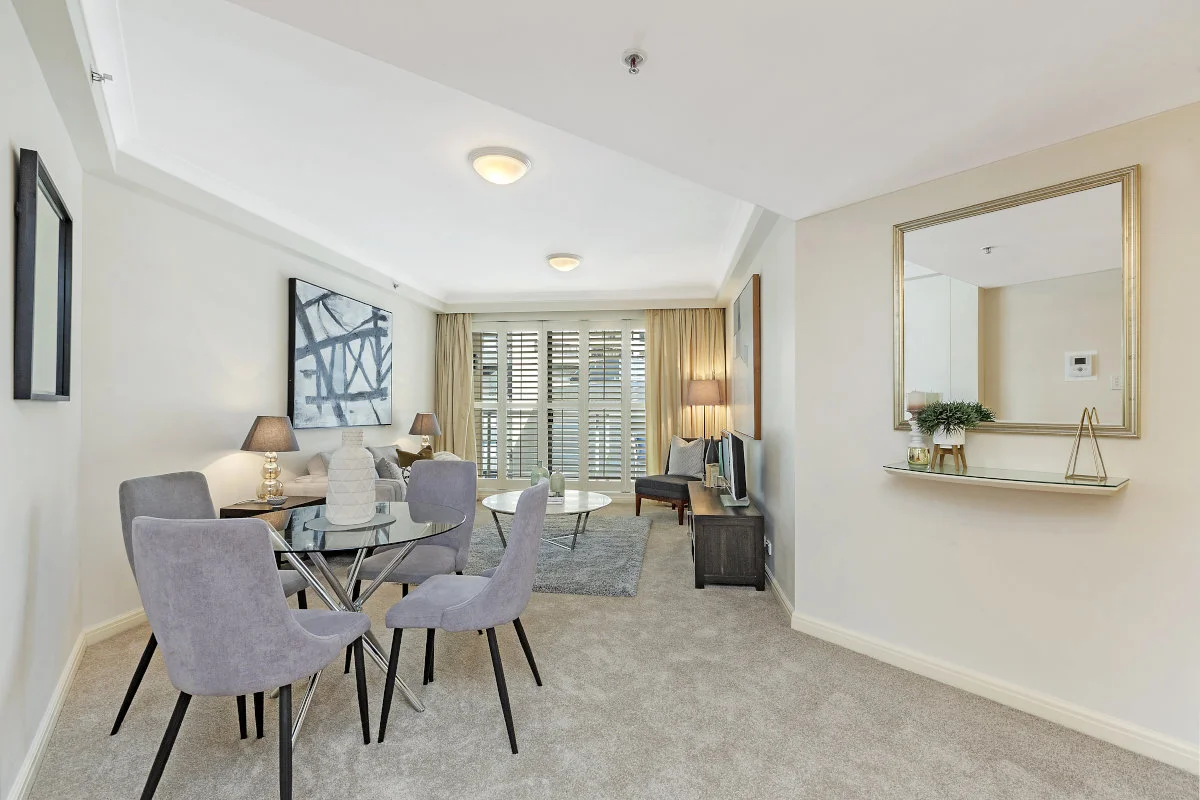 $660,000 - $725,000
Apartment / Unit / Flat
$660,000 - $725,000
Apartment / Unit / Flat
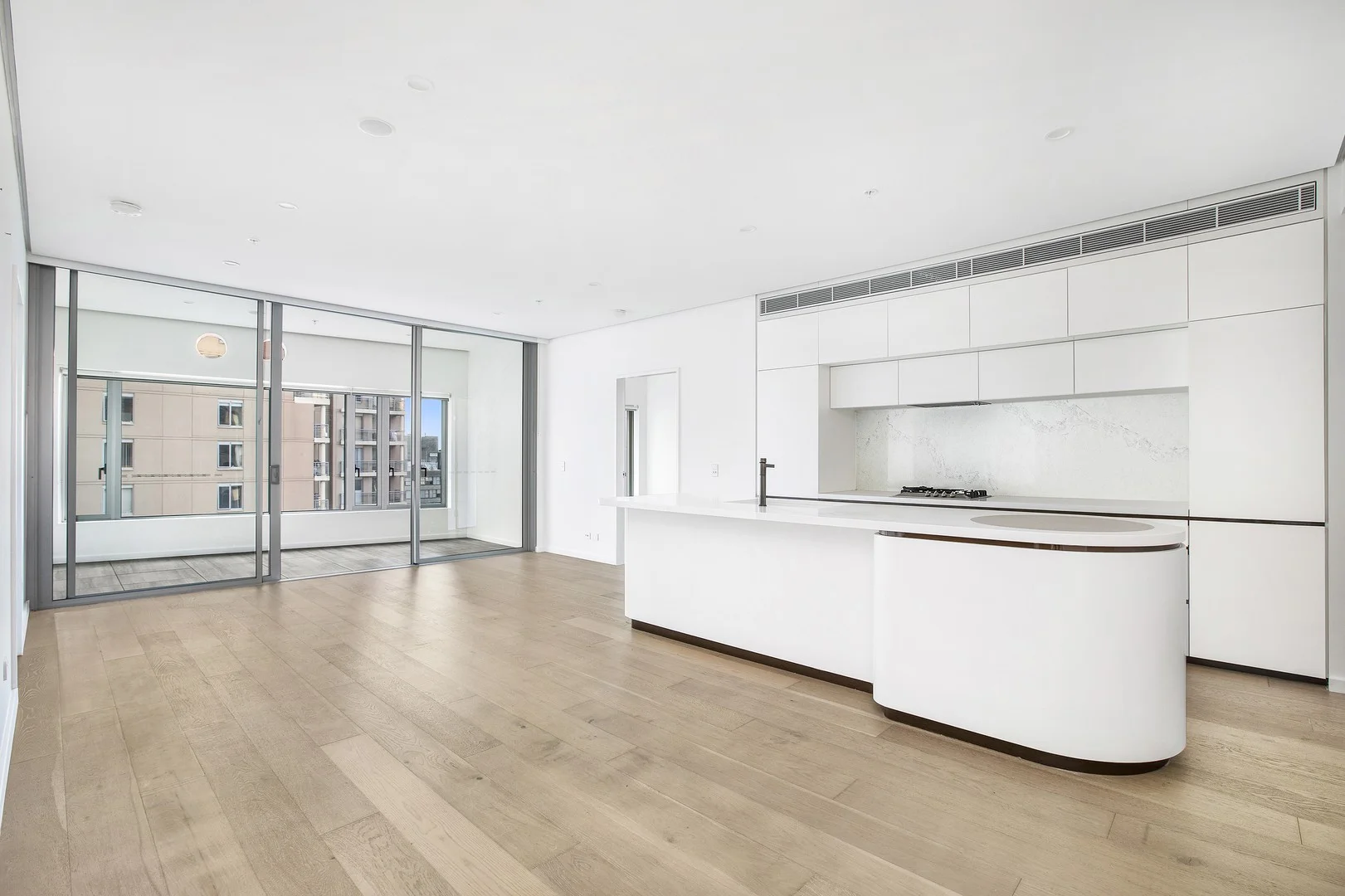 $2,250,000
Apartment / Unit / Flat
$2,250,000
Apartment / Unit / Flat
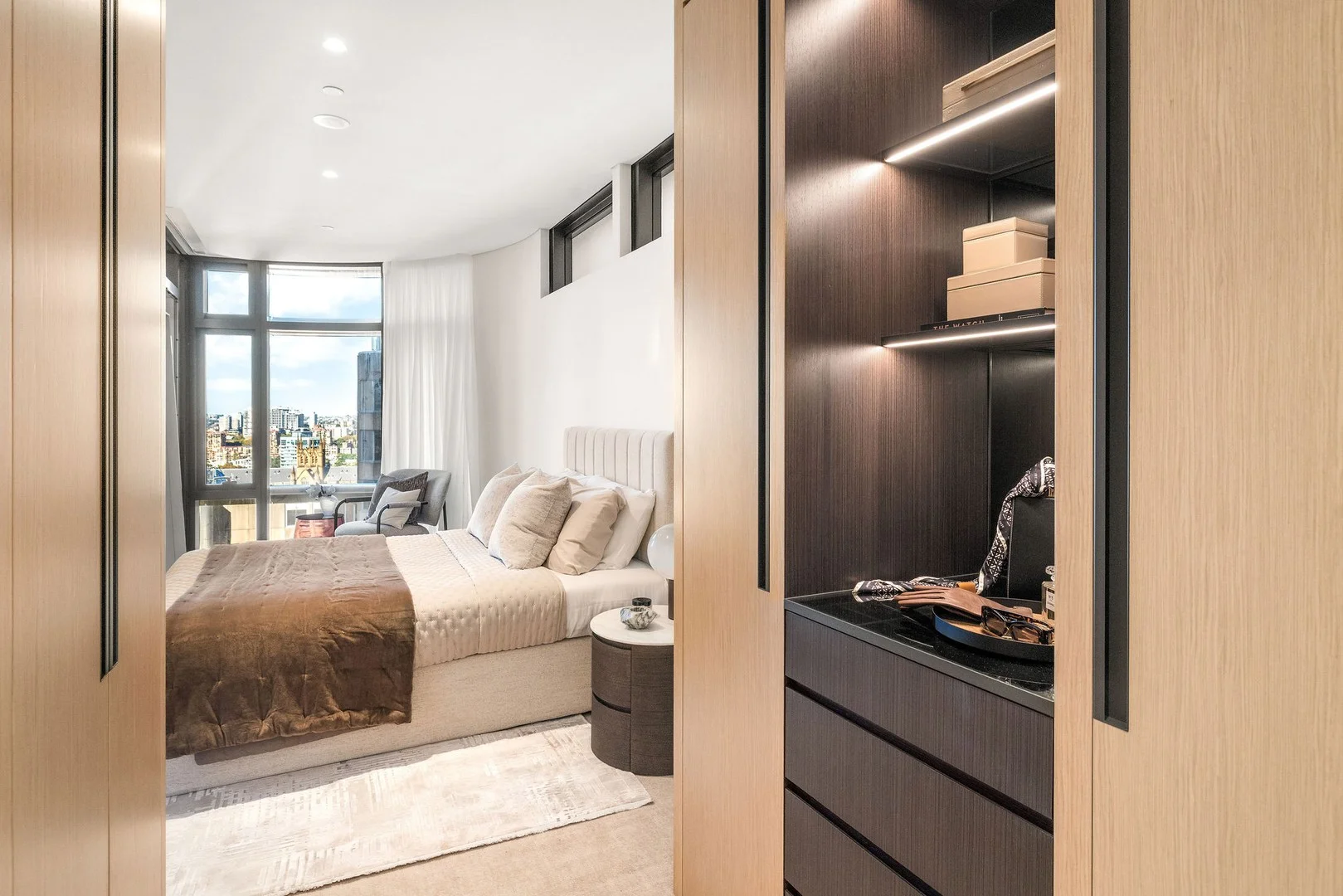 $2,745,000
propertyType.NEW APARTMENTS / OFF THE PLAN
$2,745,000
propertyType.NEW APARTMENTS / OFF THE PLAN
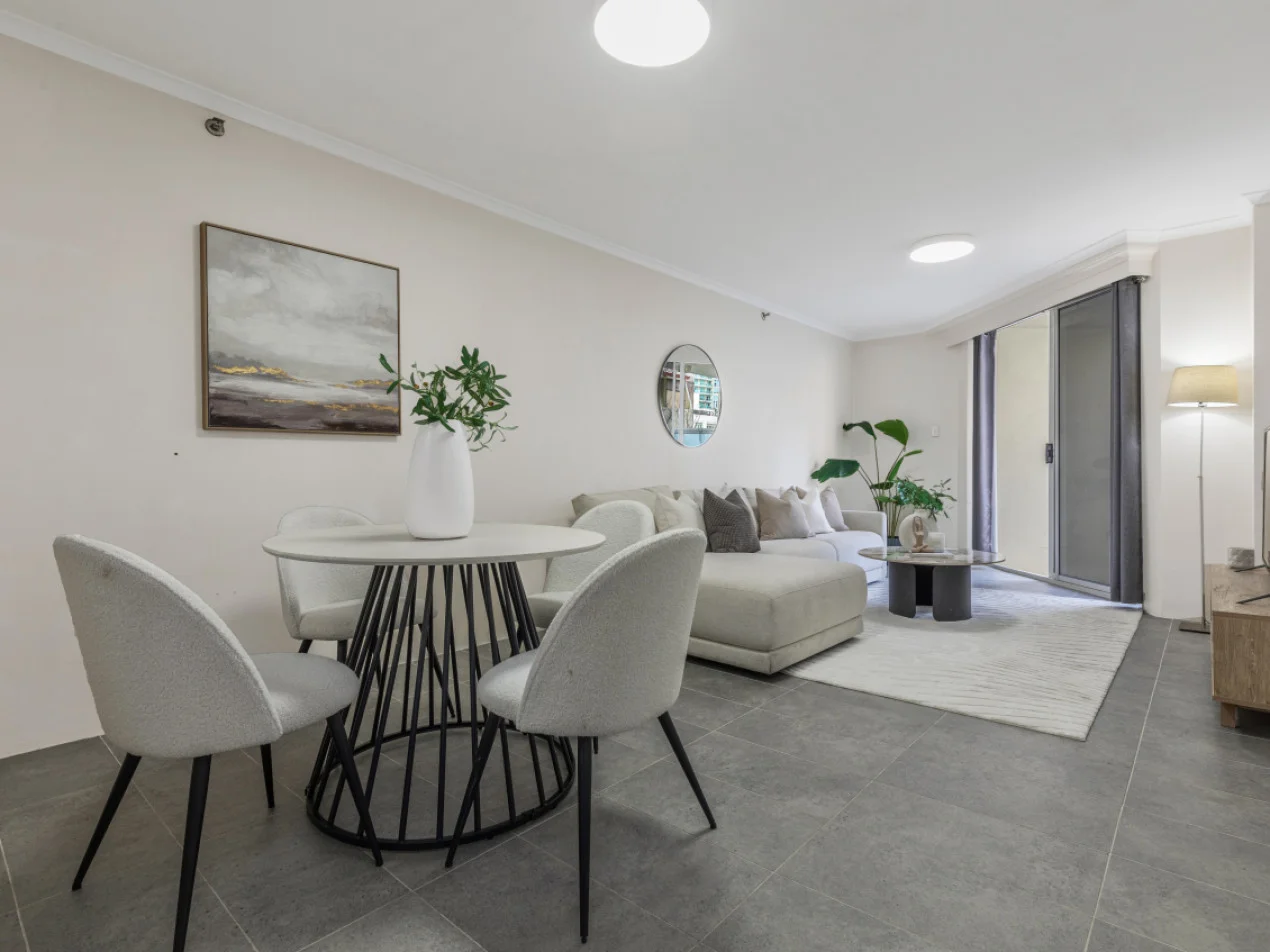 $640,000 - $675,000
Apartment / Unit / Flat
$640,000 - $675,000
Apartment / Unit / Flat
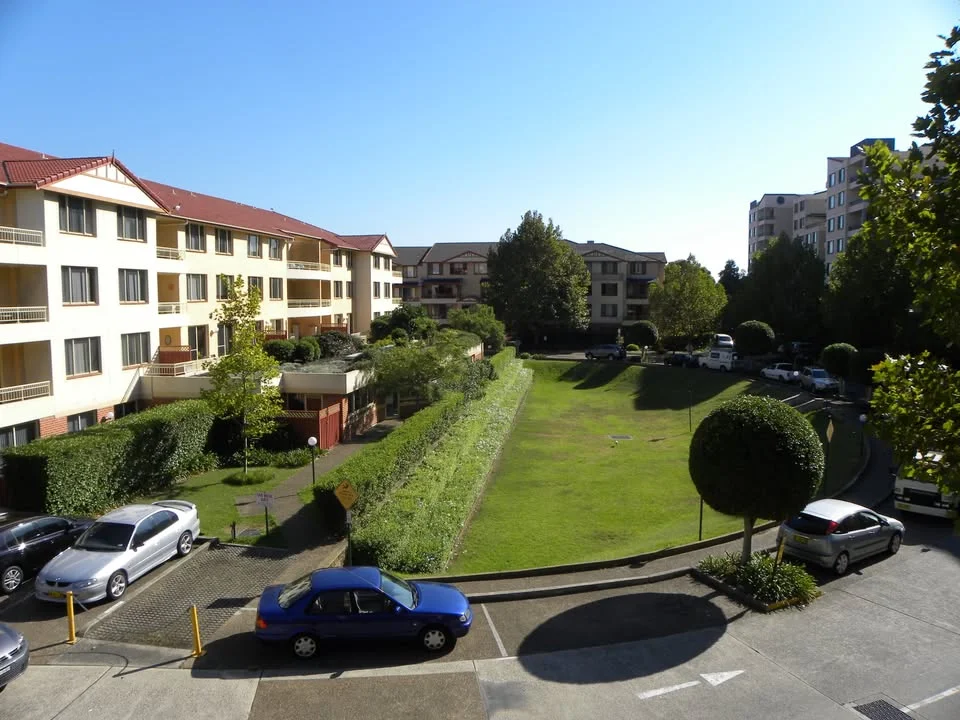 $990
Apartment / Unit / Flat
$990
Apartment / Unit / Flat
 $3,900,000
House
$3,900,000
House
 $26,550,000
propertyType.NEW APARTMENTS / OFF THE PLAN
$26,550,000
propertyType.NEW APARTMENTS / OFF THE PLAN
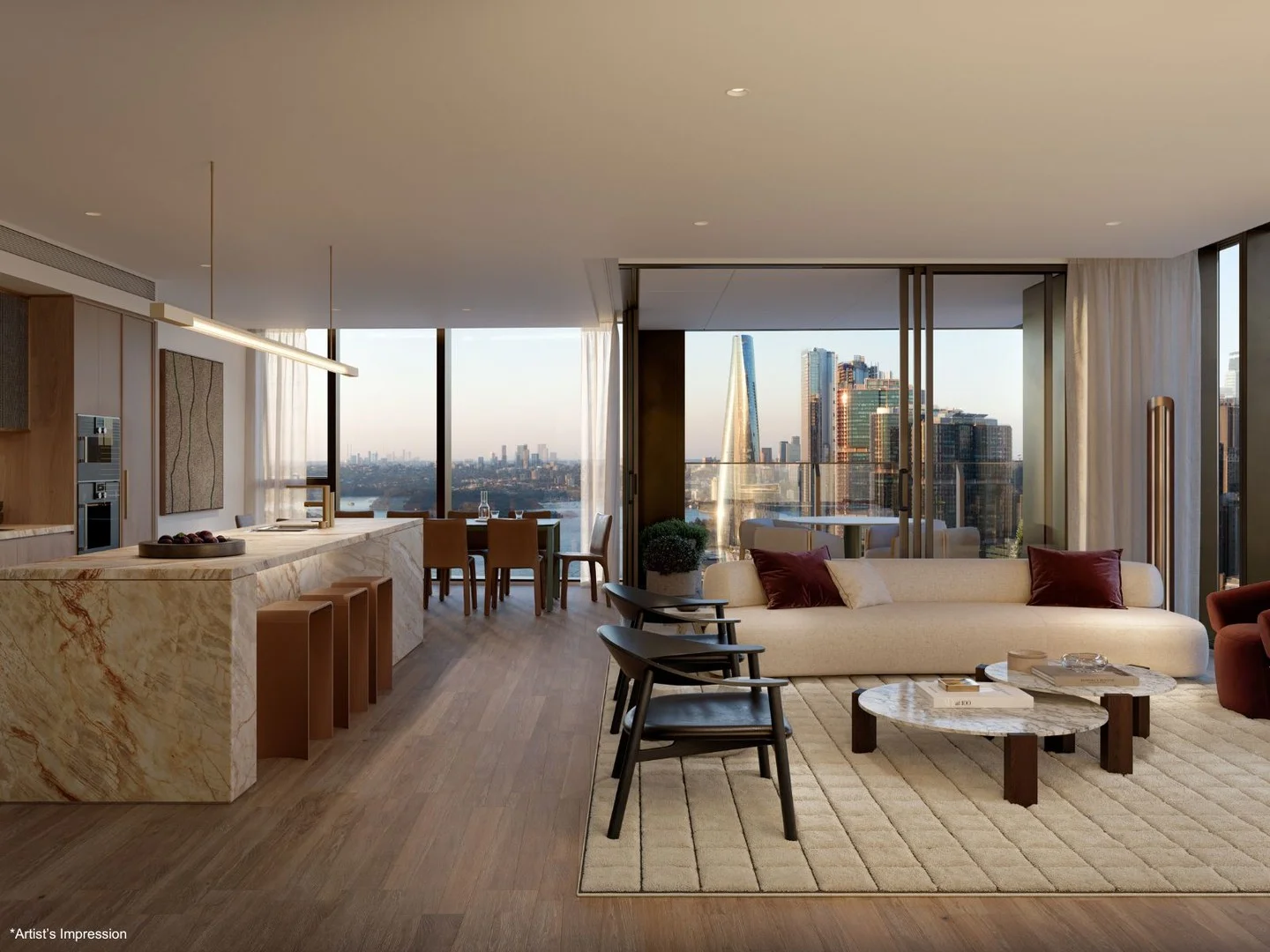 $12,980,000
propertyType.NEW APARTMENTS / OFF THE PLAN
$12,980,000
propertyType.NEW APARTMENTS / OFF THE PLAN
 $9,020,000
propertyType.NEW APARTMENTS / OFF THE PLAN
$9,020,000
propertyType.NEW APARTMENTS / OFF THE PLAN


