Overview
## Overview
Holy Cross Catholic Primary School is a Catholic, independent primary school serving families in the Woollahra and Bondi Junction area. The school emphasises a faith-based, inclusive community with a strong sense of belonging and purpose. It is a small-to-medium sized school that prioritises nurturing relationships, high standards of care, and academic curiosity within a supportive environment.
Class sizes are typically small to medium, supporting personalized attention and active student participation. The atmosphere is warm and inclusive, with a focus on developing well-rounded individuals who value service, faith, and learning.
⸻
## Academics & Learning
- Academic strengths: Focus on strong literacy and numeracy foundations, with integrated programs in religious education. The school places emphasis on English, mathematics, and age-appropriate STEAM activities to build critical thinking and problem-solving skills.
- Special programs: Availability of school-based gifted/talented options and opportunities for accelerated learning where appropriate; emphasis on inclusive education and differentiation.
- NAPLAN / Ofsted trends: Generally stable to positive trends in reading and numeracy with ongoing commitment to improving student outcomes year over year.
- Student-teacher ratios: Typical class sizes allow for meaningful teacher-student interaction; student-teacher ratios commonly in the mid-teens to low-twenties depending on year level.
- Support for diverse learners: Strong EAL/D and SEN supports with a collaborative learning support team, targeted interventions, and inclusive teaching practices.
⸻
## Sports & Extracurricular Strengths
- Sports offered: Soccer, netball, basketball, rugby league, cricket, athletics, and swimming programs as part of the school's broader physical education curriculum.
- Strong teams or achievements: Active involvement in local inter-school competitions and school sport days; regular opportunities for student athletes to compete and develop teamwork.
- Music, arts, drama programs: School choir or singing groups, regular music classes, and opportunities to participate in drama and short performances throughout the year.
- Clubs: Robotics, chess, coding and debating programs are available to extend learning beyond the classroom.
- Partnerships: Connections with local sports clubs and arts organizations to provide additional coaching, competitions, and performance opportunities.
⸻
## Wellbeing & Pastoral Care
- Anti-bullying approach: Proactive anti-bullying policies with clear expectations, student involvement, and restorative practices to address issues.
- House system: A House system to foster belonging, leadership opportunities, and healthy competition across cohorts.
- Counsellors / wellbeing officers: Access to wellbeing staff or school counsellors to support mental, emotional, and social health.
- Transition support for new students: Structured orientation programs, buddy systems, and personalised transition support to help new students settle in.
⸻
## Facilities
- Sports grounds: Outdoor playing fields and multi-use courts for PE and sports activities.
- Libraries: A well-stocked library supporting literacy across year levels.
- Science labs: Dedicated science facilities for hands-on experiments and inquiry learning.
- Music/performing arts centers: Music rooms and space for performances and rehearsals.
- Tech/innovation labs: Computer labs or makerspaces to support coding, robotics and digital learning.
- Cafeteria: On-site canteen or cafe-style service providing healthy meal options.
- Updated playgrounds: Modern, safe, age-appropriate playground equipment and play spaces.
⸻
## School Values & Community Culture
- School values / mission: Emphasis on faith, compassion, service, integrity, and respect; a mission-driven approach to learning and community engagement.
- Leadership style: Collaborative, with student leadership opportunities (e.g., student council or buddy programs) and opportunities for staff, families, and students to contribute to school life.
- Behaviour expectations: Clear behavioural expectations aligned with positive, restorative practices and consistent routines.
- Community reputation: Positive reputation within the Woollahra/Bondi Junction area for a welcoming, faith-based education that supports diverse families.
- Diversity & inclusion: Commitment to inclusivity, with programs and supports that welcome students from varied backgrounds and abilities.
⸻
## School Logistics & Daily Operations
- School hours: Typical early start and afternoon finish with a structured school day; specific times published by the school each year.
- Before/after school care: Availability of before-school and after-school care or supervision.
- Uniform requirements: Formal school uniform (with summer/winter options) standard for day-to-day and special occasions.
- Transport (train/bus routes): Accessible via local public transport with proximity to bus routes and nearby train stations; car drop-off and pick-up procedures in place.
- Canteen availability: Canteen or on-site dining options supporting healthy choices.
- Fees (low/medium/high ranges): Fees fall within the medium range for regional Catholic primary schools, with information on payment plans and potential fee relief available through the school or diocese.
⸻
## Enrolment & Admissions
11. What is the enrolment process and timeline?
- Submit an application and required documentation (birth certificate, baptism/eligibility as a Catholic school member, immunisation record).
- Attend an information session or open day if offered.
- Family interview with the principal or enrolment team; discussion of faith, community involvement, and readiness for school.
- Offers typically follow once documentation is reviewed; dates vary by year and intake.
12. Is there a waiting list, and how does it work?
- Yes, there is a waiting list. Allocation is usually based on availability, parish-based preferences, and date of application. Families may be contacted for vacancies as they arise.
13. Are there any entry requirements, tests, or interviews?
- Generally, there are no formal standardised entrance tests. An interview with the family and child is common, focusing on readiness, faith alignment, and engagement with school values. Some documentation or parish verification may be requested.
14. Does the school accept mid-year transfers?
- Mid-year transfers are possible where vacancies exist. Prospective families should contact the enrolment office promptly to discuss availability and the transition plan.
⸻
## Frequently Asked Questions
- Why Parents Choose This School?
- A strong Catholic ethos combined with a nurturing, inclusive community and solid academic foundations.
- What type of student thrives at this school?
- Students who value faith-based learning, positive relationships, and a collaborative, hands-on approach to their education.
- What opportunities are available for students to extend their skills (academics, sports, arts)?
- Extended literacy and numeracy support, gifted/talented opportunities, robust sports programs, music and drama, robotics, chess, coding, and debating clubs.
- How does the school communicate with parents?
- Regular newsletters, parent-teacher meetings, a structured reporting system, and digital platforms to share updates and student progress.
- What is the school’s approach to teaching and learning?
- Child-centered, differentiated instruction with emphasis on core literacy and numeracy, inquiry-based learning in STEM, and faith-informed education.
- How does the school support students who need extra academic help?
- Dedicated learning support staff, targeted interventions, and ongoing progress monitoring.
- What support is available for academic challenges?
- Access to tutoring, small-group instruction, and adjustments to learning plans as needed.
- How does the school communicate with parents? (Repeated)
- See above: newsletters, meetings, digital platforms, and reports.
- What are the class sizes and how much individual attention do students receive?
- Class sizes are small to medium, enabling frequent teacher feedback and personalized attention.
- What extracurricular and sports opportunities are available?
- A wide range of sports (soccer, netball, basketball, cricket, rugby, athletics), plus clubs in robotics, chess, coding, and debating, plus music and drama.
- What facilities does the school offer (sports, science, arts)?
- Sports grounds, libraries, science labs, music/performing arts spaces, tech/innovation labs, canteen, and well-maintained playgrounds.
- What is the school’s approach to technology and digital learning?
- Integrated use of computers and digital tools to enhance learning; coding and STEM activities are part of the curriculum and clubs.
- What transport and accessibility options are available?
- Access to local bus routes and proximity to train stations; clear drop-off/pick-up procedures; supports accessible facilities.
- What are the typical school fees or additional costs?
- Fees are in the mid-range for regional Catholic primary schools, with details provided by the school and availability of payment plans or subsidies.
⸻
## Short Pros & Cons list
- Pros
- Strong Catholic ethos with a nurturing, inclusive community
- Solid academics with literacy/numeracy emphasis
- Wide range of extracurriculars (sports, arts, tech clubs)
- Support for diverse learners (EAL/D and SEN)
- Positive wellbeing framework, house system, and pastoral care
- Modern facilities supporting science, technology, and the arts
- Cons
- As a smaller school, specialist options or large-scale programs may be more limited than larger institutions
- Enrolment can involve waitlists due to high demand
- Fees are in the mid-range for the region; families should review annual costs and potential extras
- Mid-year transfers depend on vacancies and may require flexibility in start dates
⸻










 $660,000 - $725,000
Apartment / Unit / Flat
$660,000 - $725,000
Apartment / Unit / Flat
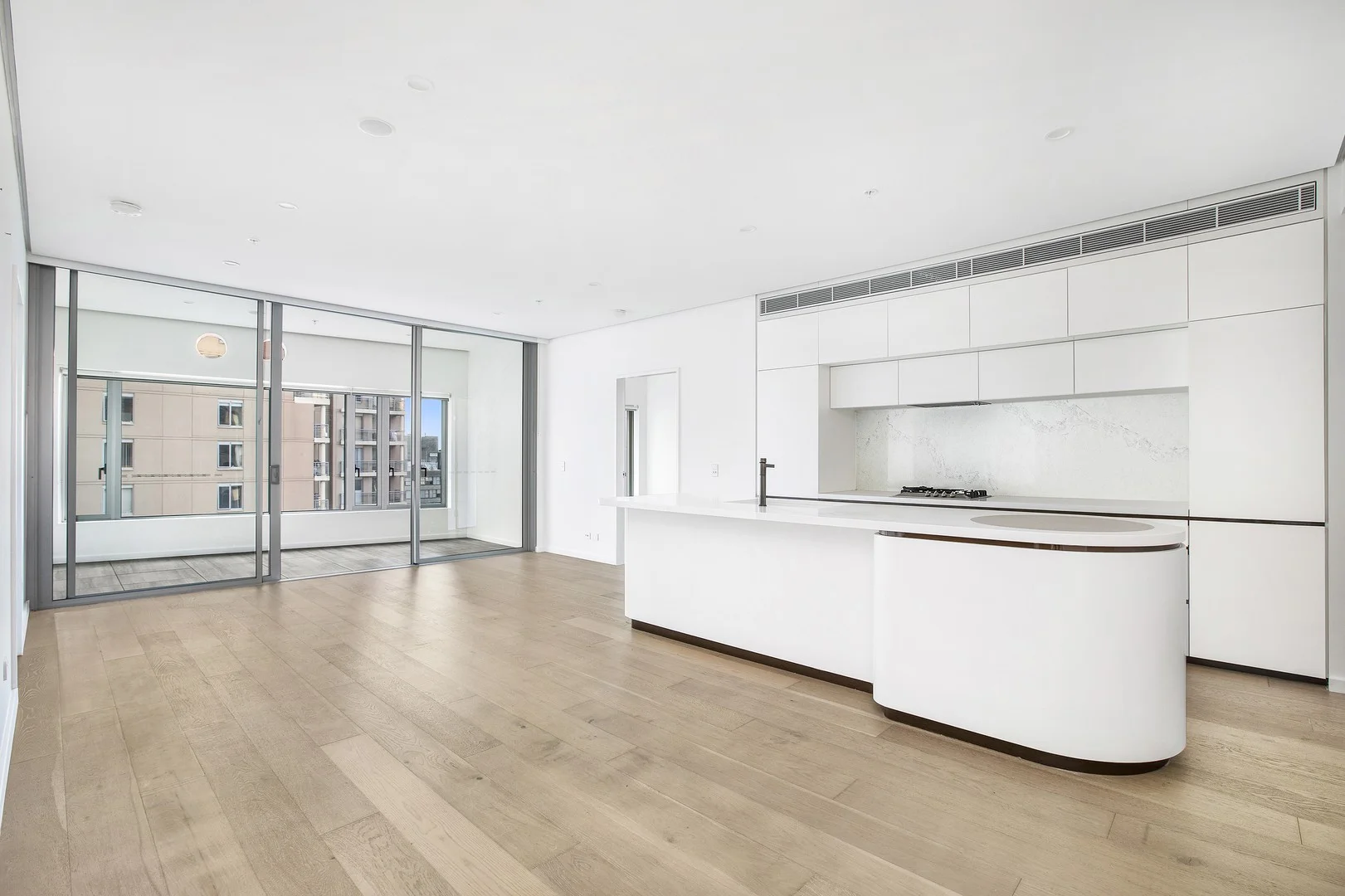 $2,250,000
Apartment / Unit / Flat
$2,250,000
Apartment / Unit / Flat
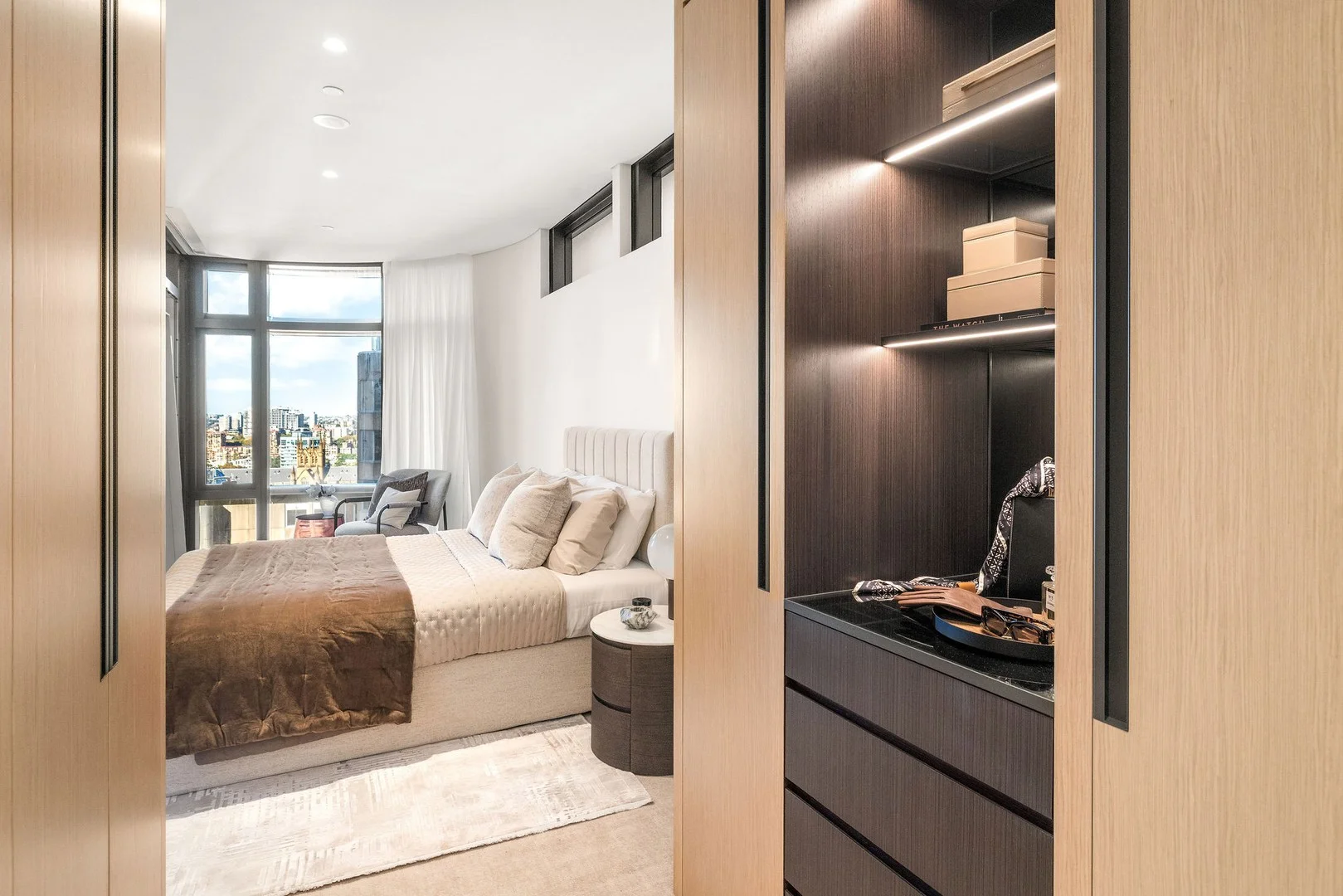 $2,745,000
propertyType.NEW APARTMENTS / OFF THE PLAN
$2,745,000
propertyType.NEW APARTMENTS / OFF THE PLAN
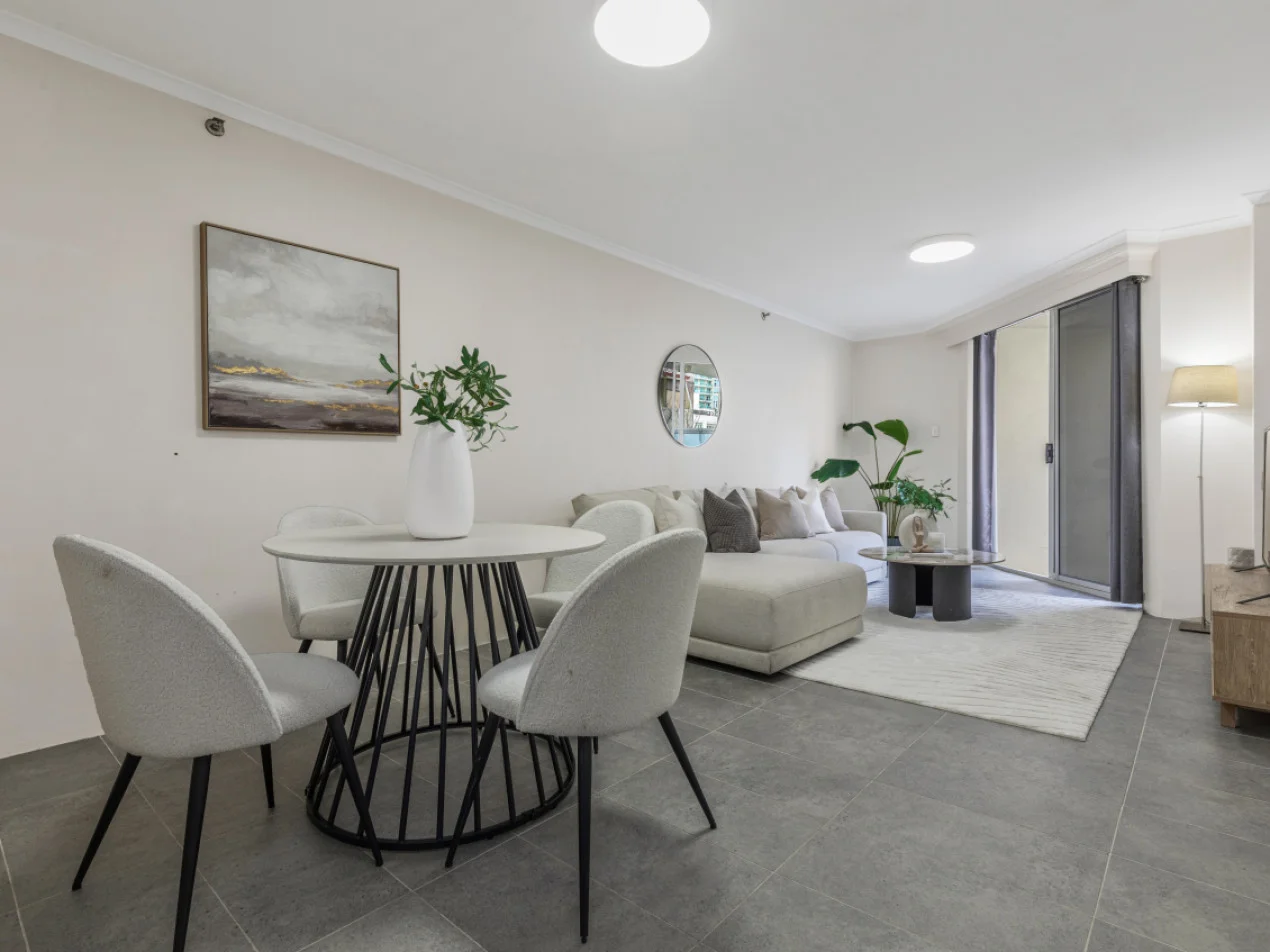 $640,000 - $675,000
Apartment / Unit / Flat
$640,000 - $675,000
Apartment / Unit / Flat
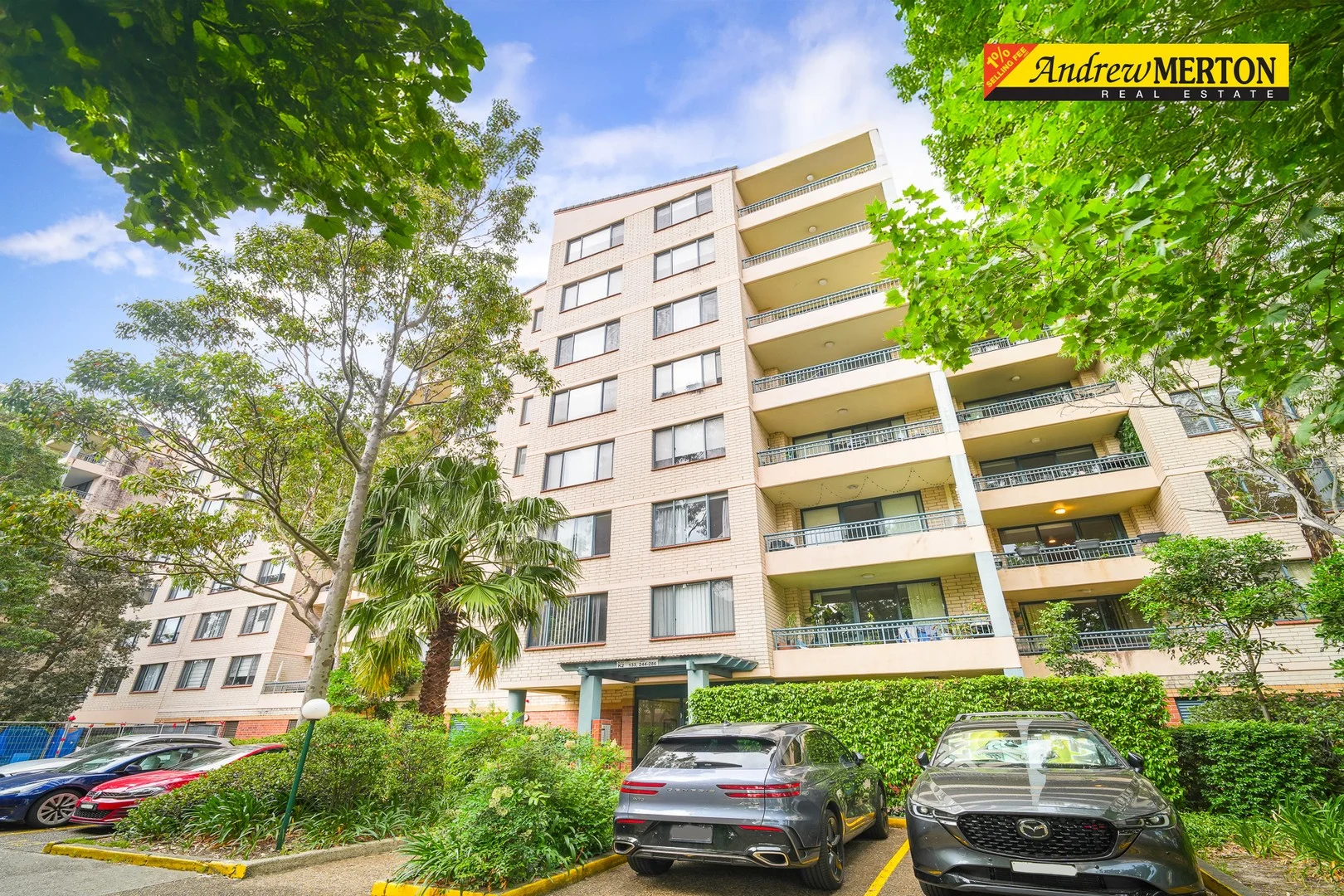 $933,000
Apartment / Unit / Flat
$933,000
Apartment / Unit / Flat
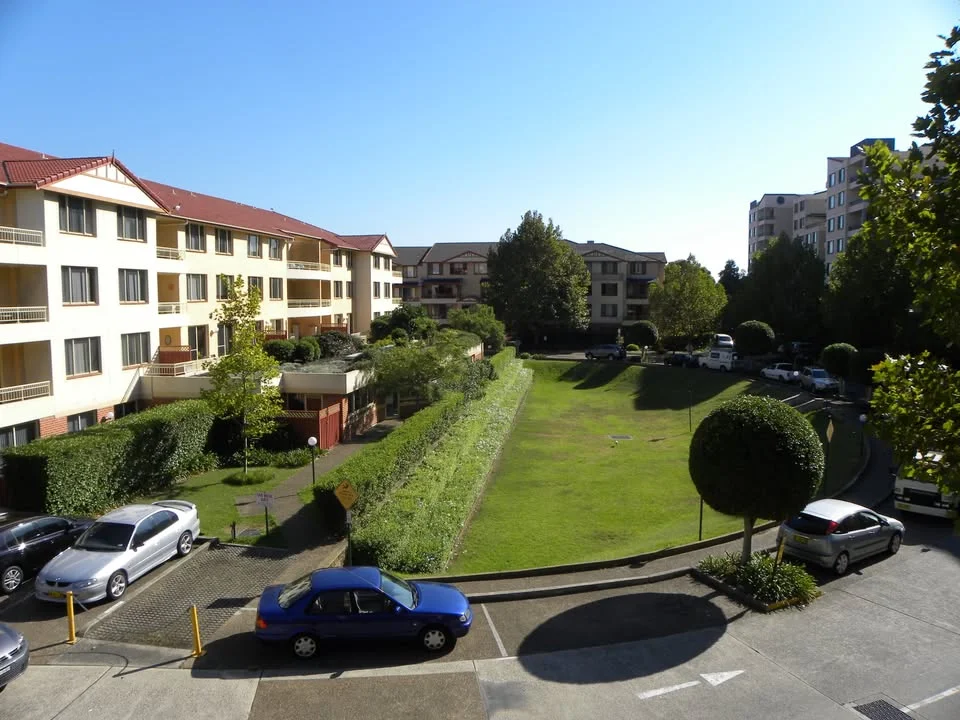 $990
Apartment / Unit / Flat
$990
Apartment / Unit / Flat
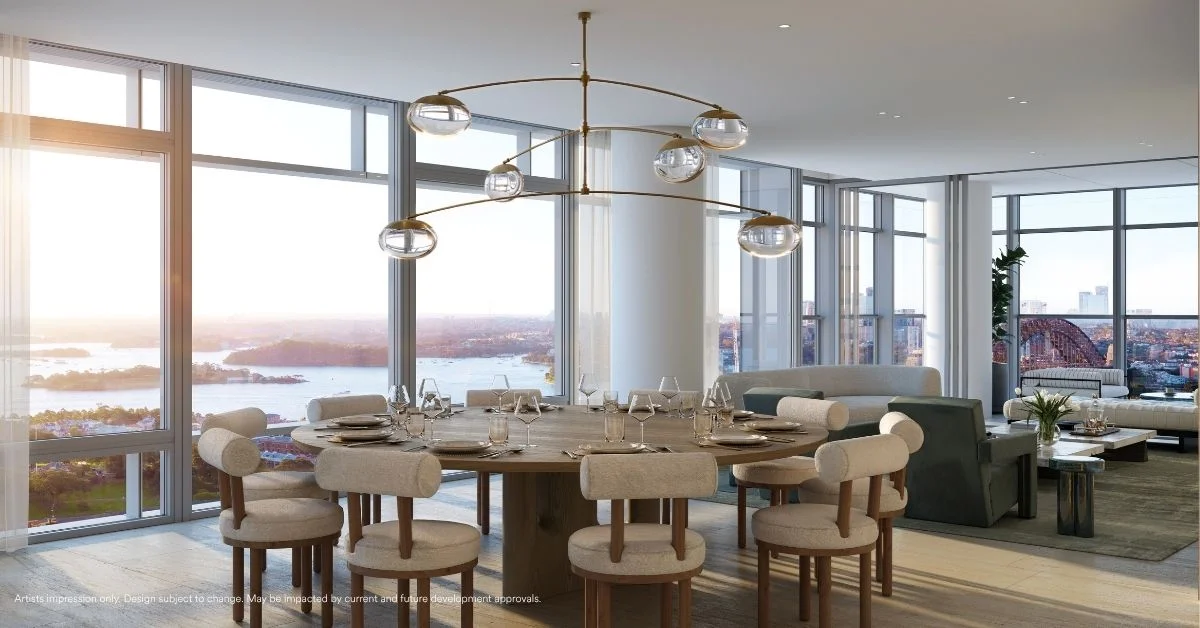 $26,550,000
propertyType.NEW APARTMENTS / OFF THE PLAN
$26,550,000
propertyType.NEW APARTMENTS / OFF THE PLAN
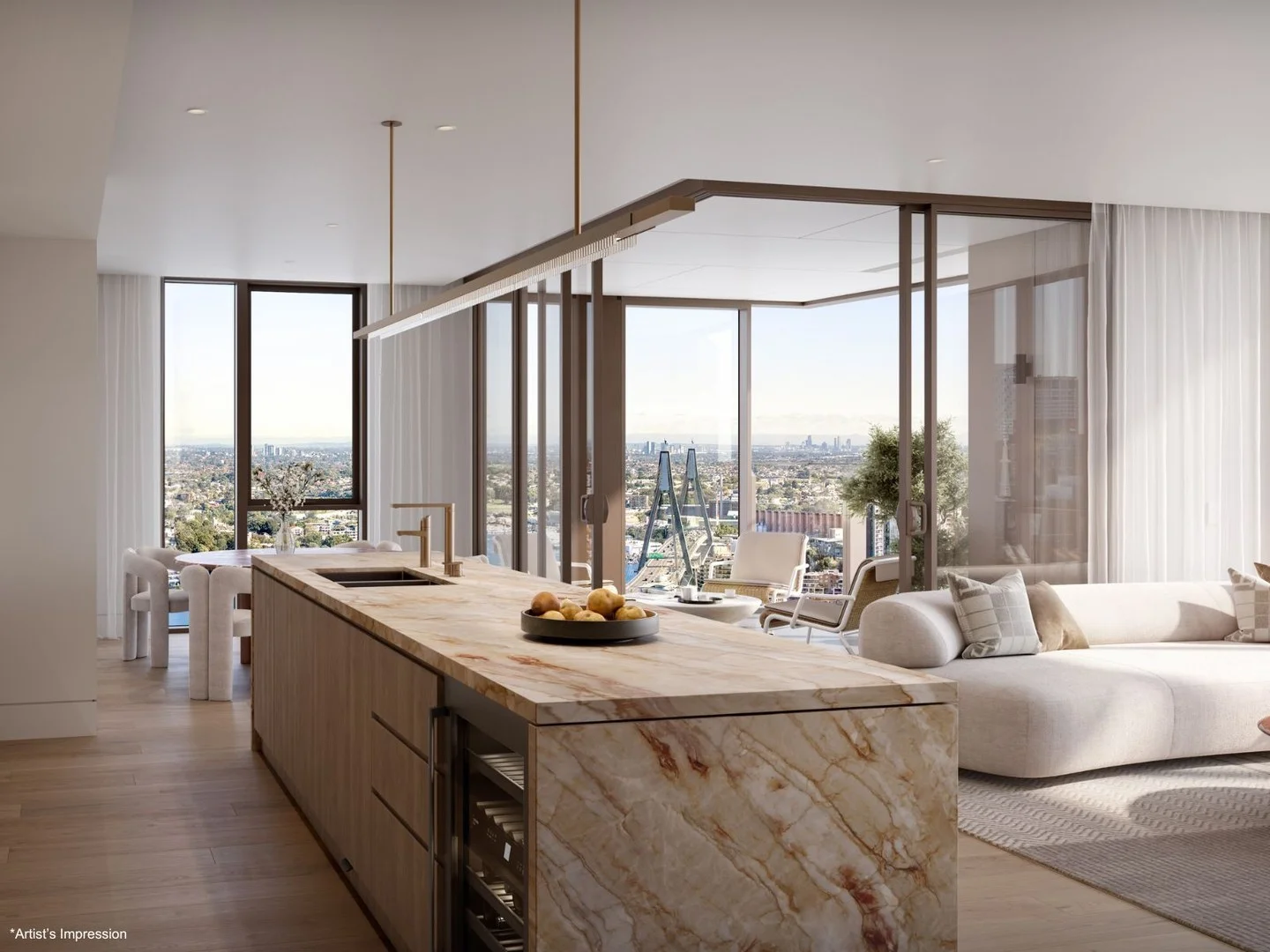 $9,020,000
propertyType.NEW APARTMENTS / OFF THE PLAN
$9,020,000
propertyType.NEW APARTMENTS / OFF THE PLAN
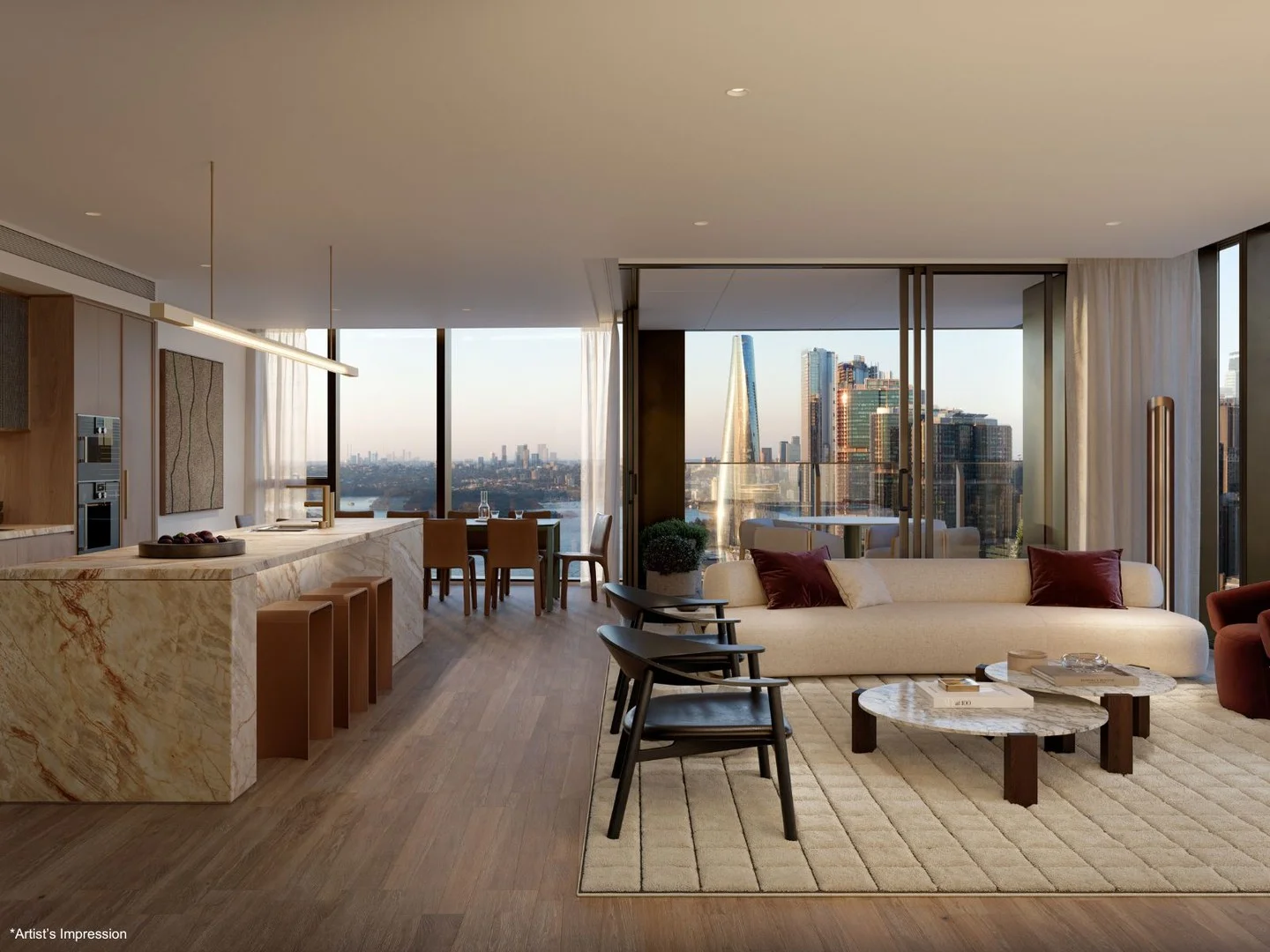 $12,980,000
propertyType.NEW APARTMENTS / OFF THE PLAN
$12,980,000
propertyType.NEW APARTMENTS / OFF THE PLAN