1. Overview
Public school. Homebush West Public School is a medium-sized NSW public primary school that serves families in the Homebush West area. Class sizes are typically in the low to mid-twenties, allowing for close teacher support and a collaborative learning environment. The school prioritises a nurturing, inclusive, and diverse culture where students are encouraged to be curious, respectful, and engaged in their learning.
The atmosphere is characterised by a supportive community feel, with a focus on student well-being, belonging, and participation. There is an emphasis on building strong relationships among students, families, and staff to support every learner.
⸻
2. Academics & Learning
Academic strengths include literacy and numeracy foundations, with strong emphasis on English and Maths across the year levels. There are opportunities in Science and STEM activities to foster inquiry, problem-solving, and practical exploration. The school supports student leadership and developing sustainable study habits through targeted programs and classroom practices.
Special programs may include Gifted and Talented opportunities at the cluster level and targeted digital literacy or STEM activities. The school implements a structured approach to support students across the learning spectrum, with emphasis on inclusive education.
NAPLAN trends over recent years have shown steady performance in reading and numeracy, with ongoing focus on writing improvement. The school maintains a favourable student–teacher ratio to support individual learning needs. Support for diverse learners includes EAL/D programs and SEN support to help students access the curriculum and participate fully.
⸻
3. Sports & Extracurricular Strengths
Sports offered typically include a range of team and individual activities such as soccer, cricket, basketball, athletics, and swimming, with opportunities to compete in inter-school events. The school may have strong participation in these teams and works toward district-level achievements in various sports.
Music, arts, and drama programs are part of the extracurricular mix, along with clubs such as robotics, chess, coding, and debating. The school forms partnerships with local community clubs and regional competitions to expand opportunities beyond the classroom.
⸻
4. Wellbeing & Pastoral Care
Anti-bullying initiatives are a priority, with clear policies and programs to promote respectful, inclusive behaviour. The school uses a house system to foster belonging, healthy competition, and teamwork among students.
A dedicated wellbeing team, including counselors or wellbeing officers, supports students’ social and emotional needs. There are structured transition supports for new students, such as orientation activities and buddy programs to ease movement into the school community.
⸻
5. Facilities
• Sports grounds
• Libraries
• Science labs
• Music/performing arts centers
• Tech/innovation labs
• Canteen
• Updated playgrounds
The facilities are designed to be visual and functional, supporting a range of learning experiences from hands-on science to creative arts and digital explorations.
⸻
6. School Values & Community Culture
School values and mission emphasise respect, responsibility, and inclusion, with a focus on student leadership and active citizenship. The leadership style is collaborative and distributed, encouraging student voice and teacher collaboration in decision-making.
Clear behaviour expectations align with positive behaviour for learning approaches. The school has a reputation for a supportive, family-like community and strong commitment to diversity and inclusion.
⸻
7. School Logistics & Daily Operations
• School hours: typically around 9:00 am–3:15 pm (with variations by year level)
• Before/after school care: OSHC or similar programs may be available
• Uniform requirements: school uniform in place
• Transport: access to local bus routes and public transport; proximity to train/bus networks
• Canteen availability: canteen operating on most school days
• Fees: low to moderate range; NSW public schools generally charge minimal fees for activities and resources
⸻
8. Enrolment & Admissions
11. What is the enrolment process and timeline?
12. Is there a waiting list, and how does it work?
13. Are there any entry requirements, tests, or interviews?
14. Does the school accept mid-year transfers?
Enrolment is typically handled through the NSW Department of Education processes. Begin with confirming your catchment eligibility, then submit an online enrolment application along with required documents (proof of address, immunisation records, child’s birth certificate, and custody papers if applicable). Once submitted, the school will guide you through the timeline for confirmation of placement.
Waiting lists may apply if more applications are received than places available for a given year level, particularly beyond catchment enrollments. The school prioritises enrolments for students within the catchment area, with outside-catchment applications considered if vacancies exist.
There are generally no formal entrance examinations for enrolment in NSW public primary schools. Interviews are not a standard part of the enrolment process, though schools may request information to support transition planning or placement in appropriate programs.
Mid-year transfers are possible if places remain available. Parents applying for mid-year transfer should contact the school and the Department of Education to coordinate a smooth transition, including transferring student records and arranging start dates.
⸻
9. Frequently Asked Questions
• Why Parents Choose This School?
- A strong, inclusive community with a focus on student well-being and academic growth; supportive staff; and a learning environment that values every child.
• What type of student thrives at this school?
- Students who are curious, cooperative, and motivated to learn in a collaborative setting; families seeking a nurturing public school with strong core programs.
• What opportunities are available for students to extend their skills (academics, sports, arts)?
- Access to literacy and numeracy supports, STEM activities, music, drama, arts, and a range of sports and clubs such as robotics, coding, and debating.
• How does the school communicate with parents?
- Regular updates through newsletters, school applications, parent portals, and scheduled meetings; ongoing access to teachers and leadership for questions and feedback.
• What is the school’s approach to teaching and learning?
- A focus on foundational literacy and numeracy, inquiry-based learning in science and technology, and inclusive teaching practices that meet diverse learner needs.
• How does the school support students who need extra academic help?
- Targeted intervention in literacy and numeracy, EAL/D support, SEN support, and small-group or in-class scaffolding.
• What support is available for academic challenges?
- Additional tutoring or small-group sessions, access to specialist staff, and collaboration with families to create effective learning plans.
• How does the school communicate with parents? (duplicate question)
- See above: newsletters, parent portals, meetings, and direct contact with teachers and leaders.
• What are the class sizes and how much individual attention do students receive?
- Class sizes are typically in the low-to-mid-twenties, with teachers providing targeted instruction and opportunities for individual or small-group feedback.
• What extracurricular and sports opportunities are available?
- A range of sports (soccer, cricket, basketball, athletics, swimming), music and arts programs, and clubs including robotics, chess, coding, and debating.
• What facilities does the school offer (sports, science, arts)?
- Sports grounds, libraries, science labs, music/performing arts facilities, tech/innovation labs, canteen, and updated playgrounds.
• What is the school’s approach to technology and digital learning?
- Integration of digital literacy and technology across lessons, with access to devices and resources to support learning and creativity.
• What transport and accessibility options are available?
- Access to local bus routes and public transport; considerations for families based on proximity and catchment.
• What are the typical school fees or additional costs?
- Generally low; public schools charge minimal ancillary fees for activities and resources, with additional costs for optional programs or excursions.
⸻
10. Short Pros & Cons list
Pros
- Public school with a nurturing, inclusive culture
- Moderate class sizes enabling individual support
- Broad program mix with academics, sports, arts, and clubs
- Strong wellbeing and transition support
- Accessible facilities (libraries, labs, performance spaces)
Cons
- As a public school, enrolment can be dependent on catchment and availability
- Some programs may operate on a selective or cluster level with eligibility considerations
- Uniforms and voluntary contributions may be required for activities and resources
⸻











 $36,000,000 - $39,500,000
Vacant Land
$36,000,000 - $39,500,000
Vacant Land
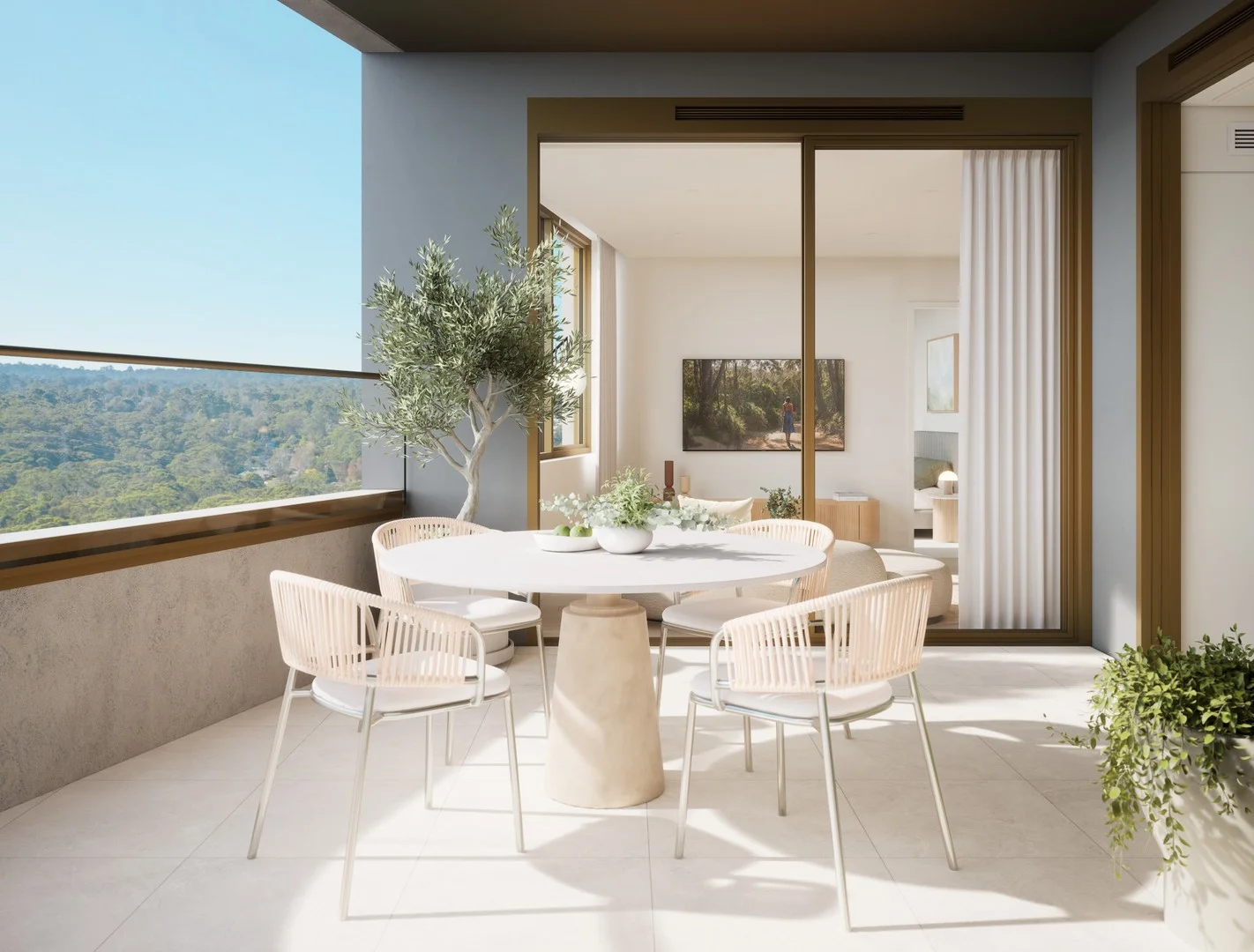 $1,525,000
Apartment / Unit / Flat
$1,525,000
Apartment / Unit / Flat
 $8,630,000
propertyType.NEW APARTMENTS / OFF THE PLAN
$8,630,000
propertyType.NEW APARTMENTS / OFF THE PLAN
 $12,980,000
propertyType.NEW APARTMENTS / OFF THE PLAN
$12,980,000
propertyType.NEW APARTMENTS / OFF THE PLAN
 $6,225,000
propertyType.NEW APARTMENTS / OFF THE PLAN
$6,225,000
propertyType.NEW APARTMENTS / OFF THE PLAN
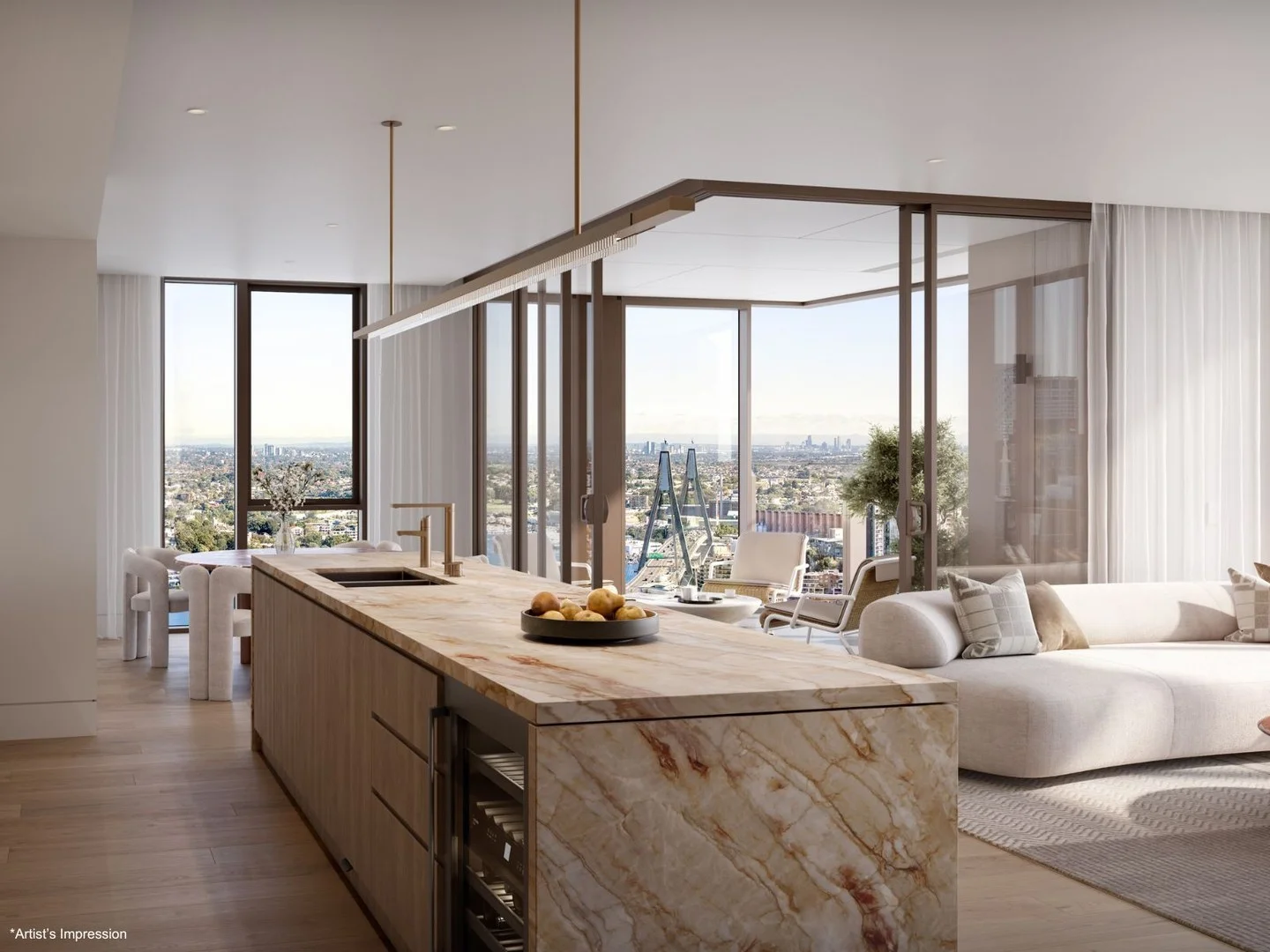 $9,020,000
propertyType.NEW APARTMENTS / OFF THE PLAN
$9,020,000
propertyType.NEW APARTMENTS / OFF THE PLAN
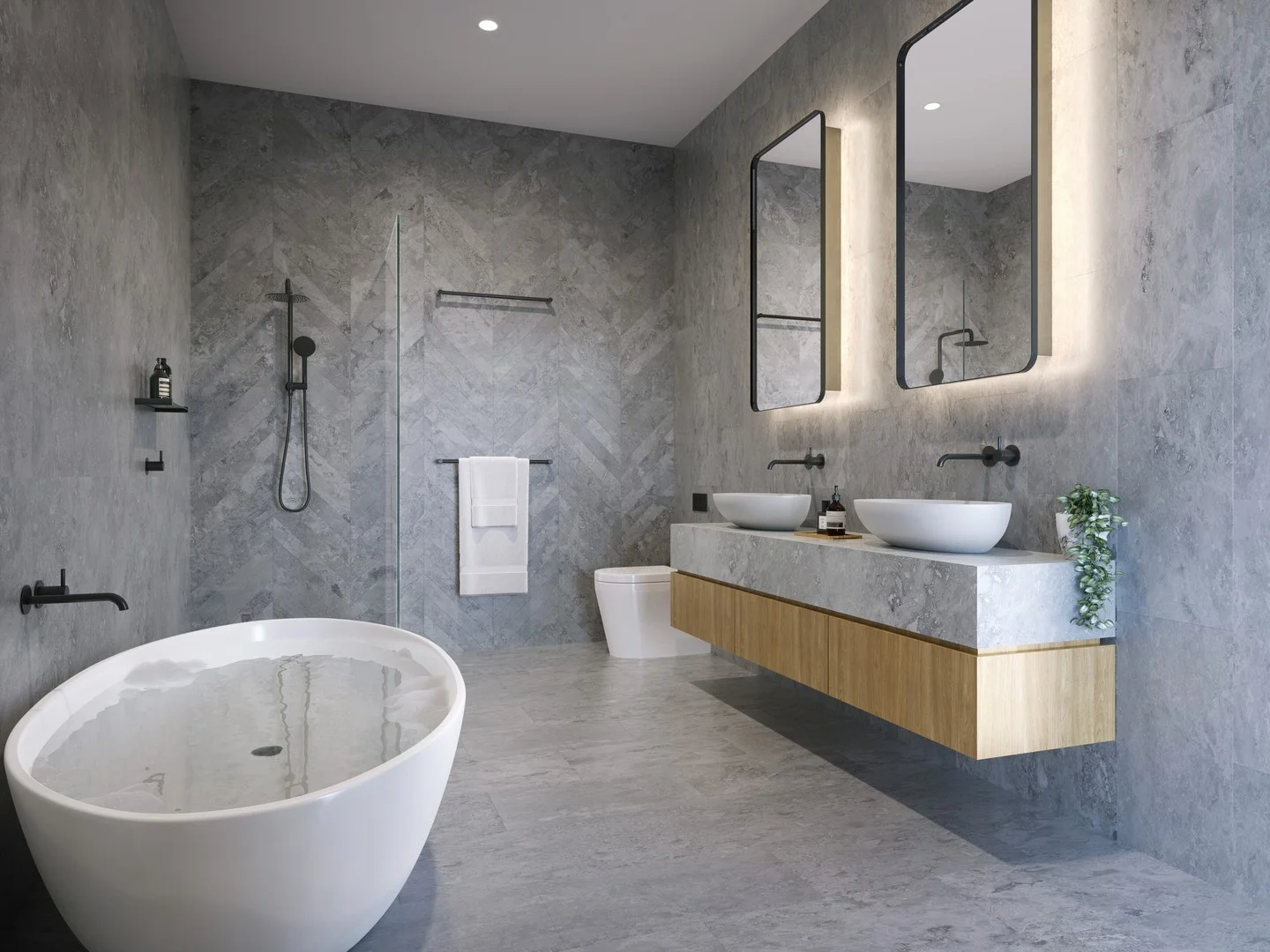 $2,824,000
Apartment / Unit / Flat
$2,824,000
Apartment / Unit / Flat
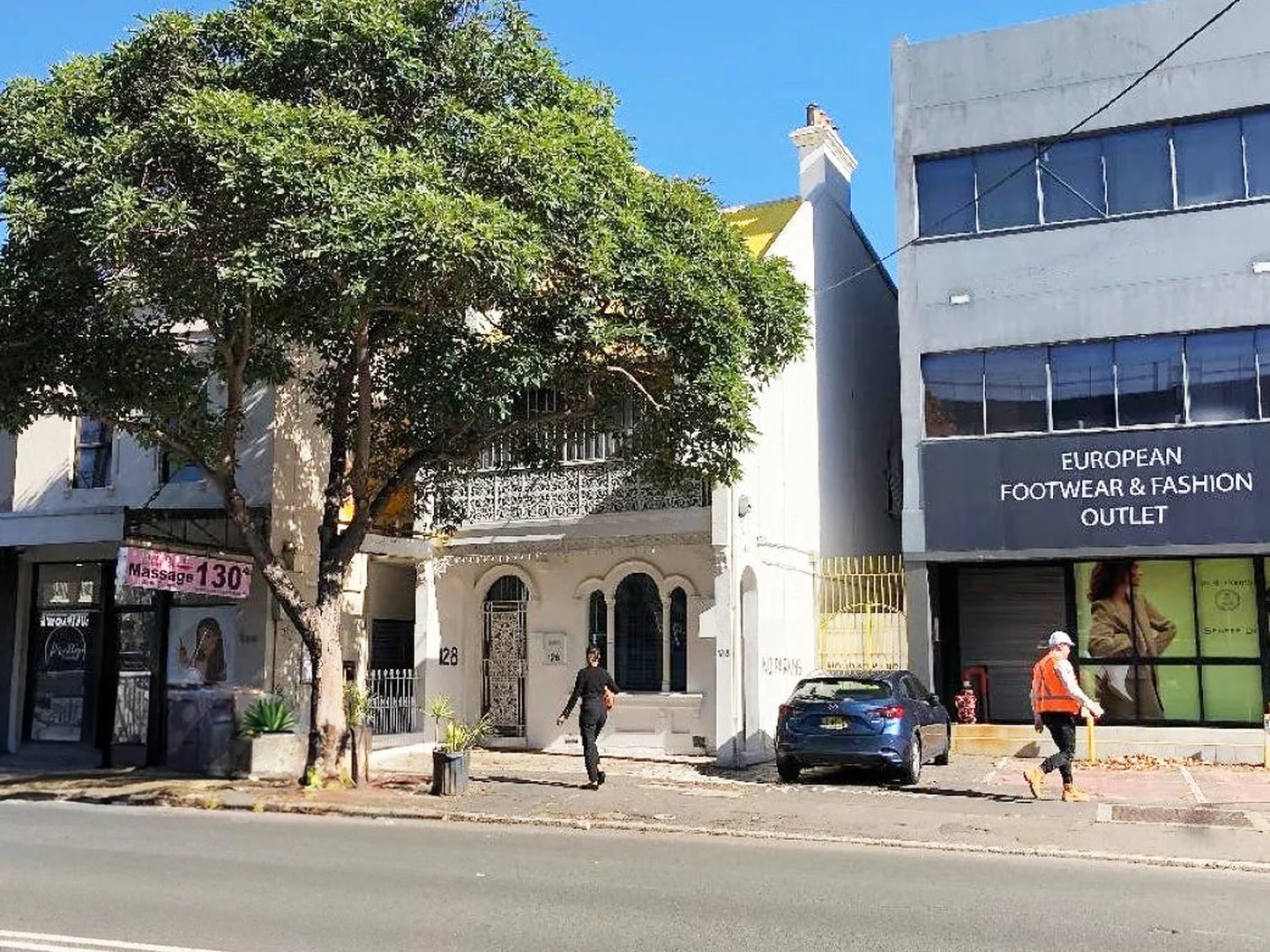 $3,900,000
House
$3,900,000
House
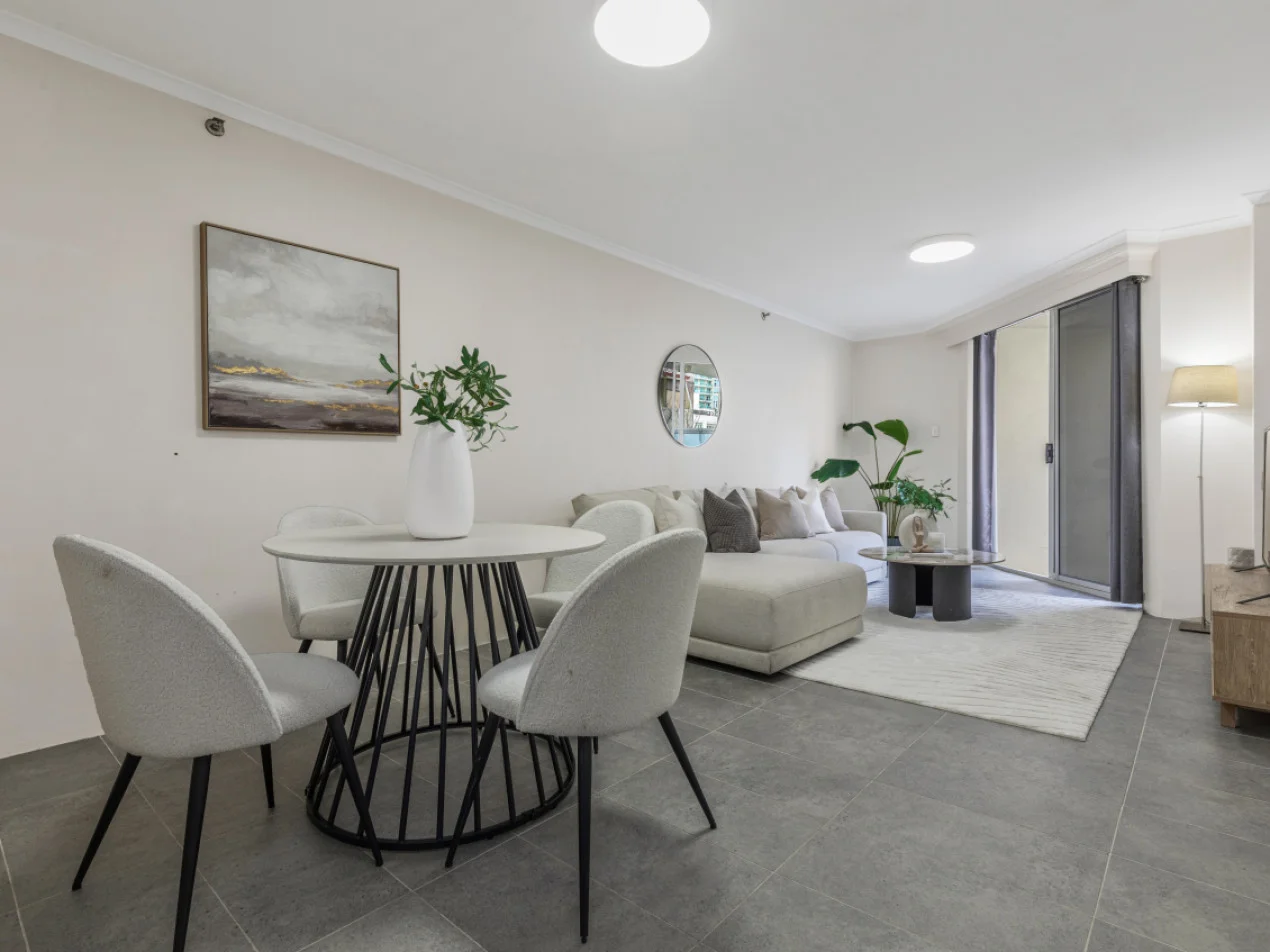 $640,000 - $675,000
Apartment / Unit / Flat
$640,000 - $675,000
Apartment / Unit / Flat


