## 1. Overview (1–2 paragraphs max)
Homebush Boys High School is a public boys’ high school serving students in years 7–12. Located in Homebush, NSW, the school is part of the NSW Department of Education and offers a comprehensive, campus-based education designed to prepare students for secondary schooling, further study, and life beyond school. The school typically serves a large student body with a focus on both academic achievement and holistic development.
The atmosphere is generally described as academic and inclusive, with a strong emphasis on leadership, sport, and community involvement. Class sessions blend rigorous coursework with opportunities for sport, arts, and clubs, helping students build confidence, teamwork, and resilience in a supportive environment.
⸻
## 2. Academics & Learning
- Academic strengths: The school places emphasis on STEM, English, leadership development, and pathway options across subjects to support a broad range of abilities and interests.
- Special programs: Gifted and Talented or enrichment opportunities are available where possible, with accelerated learning options in some subjects and subject-based extension pathways.
- NAPLAN / trends: Historical trends show steady performance with many cohorts performing near or above state averages in key domains; staff focus on continuous improvement across year levels.
- Student-teacher ratios: Classes are typically in the mid-20s, with a student-teacher ratio that supports close teacher attention and student engagement.
- Support for diverse learners: Services for EAL/D learners and students with additional learning needs are available, supported by learning support staff to help students access the curriculum successfully.
⸻
## 3. Sports & Extracurricular Strengths
- Sports offered: Rugby league, cricket, football (soccer), basketball, athletics, swimming, tennis, and other team or individual sports typical of NSW high schools.
- Strong teams or achievements: Regular involvement in inter-school competitions and NSW All Schools events, with a track record of competitive teams across multiple sports.
- Music, arts, drama programs: Active music ensembles (bands/choir), drama productions, and performing arts opportunities complement the academic program.
- Clubs: Robotics, chess, coding, debating, math/science clubs and other student-led activities are commonly offered.
- Partnerships: Engagements with local clubs, community groups, and inter-school tournaments provide additional competitive and developmental opportunities for students.
⸻
## 4. Wellbeing & Pastoral Care
- Anti-bullying approach: A clear anti-bullying policy with reporting channels, staff training, and student-led initiatives supports a safe environment.
- House system: The school uses a house system to foster belonging, leadership opportunities, and healthy competition.
- Counsellors / wellbeing officers: On-site counsellors or wellbeing staff provide student support, guidance, and career planning.
- Transition support for new students: Year 7 orientation, buddy programs, and transition activities help new students settle in with confidence.
⸻
## 5. Facilities
- Sports grounds: Access to varied sports fields and courts for sport and recreation.
- Libraries: On-site library services with resources for study and project work.
- Science labs: Modern science facilities to support practical experiments and STEM learning.
- Music/performing arts centers: Dedicated spaces for music, drama, and performance activities.
- Tech/innovation labs: Computer rooms or technology labs to support coding, robotics, and digital learning.
- Cafeteria: On-site canteen or dining area providing meals and snacks.
- Updated playgrounds: Well-maintained outdoor spaces for breaks, sport, and social interaction.
⸻
## 6. School Values & Community Culture
- School values / mission: A focus on respect, responsibility, excellence, and inclusion underpins daily practice and student conduct.
- Leadership style: Student leadership opportunities (e.g., student council) paired with teacher mentorship to develop leadership skills.
- Behaviour expectations: Clear expectations and a positive behaviour for learning framework guide student conduct.
- Community reputation: A well-established presence in the local community with active parent and alumni involvement.
- Diversity & inclusion: Emphasis on an inclusive culture that supports students from diverse backgrounds and with varied learning needs.
⸻
## 7. School Logistics & Daily Operations
- School hours: Typical school day runs from morning to afternoon (commonly around 9:00 am–3:00 pm), with variation by timetable and year level.
- Before/after school care: Supervision and activity options after school are often available through school clubs and community providers.
- Uniform requirements: Formal school uniform is required, including the standard summer and winter variants as directed by the school.
- Transport (train/bus routes): Accessible by public transport with nearby train stations and bus routes; specifics depend on current NSW transport timetables.
- Canteen availability: On-site canteen or dining facilities provide meals and snacks.
- Fees (low/medium/high ranges): As a public school, there is no tuition fee; families may incur voluntary contributions and costs for certain activities/excursions.
⸻
## 8. Enrolment & Admissions
11. What is the enrolment process and timeline?
- Enrolment is typically handled through the NSW Department of Education system. Start by checking the school’s catchment eligibility and submitting an online enrolment application with required documents (proof of residence, identity, immunization records). Offers are issued based on catchment rules and availability, with orientation steps following confirmation.
12. Is there a waiting list, and how does it work?
- Waiting lists can occur when demand exceeds spaces. Offers are prioritised by catchment status, with consideration given to siblings and space availability. Process timelines are provided by the school once applications are reviewed.
13. Are there any entry requirements, tests, or interviews?
- For a public boys high school like Homebush Boys High School, there are typically no entrance exams or interview requirements for general enrolment. Selective pathways or special programs may have different criteria, but general enrolment relies on standard documentation and catchment rules.
14. Does the school accept mid-year transfers?
- Mid-year transfers may be possible if there is space in the relevant year and cohort. Parents should contact the school to discuss availability and the transfer process.
⸻
## 9. Frequently Asked Questions
- Why Parents Choose This School?
- Public boys’ high school with a strong academic program, broad sport and club options, and supportive wellbeing services. It offers a community-focused environment with opportunities for leadership and personal growth.
- What type of student thrives at this school?
- Students who are motivated by a structured, standards-driven environment, who enjoy team sports, clubs, and a balanced emphasis on academics, sport, and the arts.
- What opportunities are available for students to extend their skills (academics, sports, arts)?
- A mix of STEM and English coursework, leadership programs, enrichment and accelerated options where available, plus diverse clubs and inter-school sports. Music, drama, robotics, debate, coding, and other activities provide multiple pathways to excel.
- How does the school communicate with parents?
- Via newsletters, email, a school app or portal, and regular updates from teachers and coordinators. Open evenings and parent-teacher meetings are typically part of the calendar.
- What is the school’s approach to teaching and learning?
- A combination of explicit instruction, inquiry-based learning, literacy and numeracy focus, and differentiation to meet diverse learner needs while fostering independent thinking.
- How does the school support students who need extra academic help?
- Access to learning support staff, EAL/D assistance, targeted interventions, and in-class differentiation to help students reach their goals.
- What support is available for academic challenges?
- Structured support from teachers and learning support teams, with pathways to extension or remediation as required.
- How does the school communicate with parents? (Yes, repeated)
- See above: newsletters, portals, and direct communication from teachers and administration.
- What are the class sizes and how much individual attention do students receive?
- Class sizes commonly sit in the mid-20s, with teacher efforts focused on providing guidance and feedback to individual students as part of routine instruction and assessment.
- What extracurricular and sports opportunities are available?
- A wide range of sports (e.g., rugby league, cricket, soccer, basketball, athletics) and clubs (robotics, chess, coding, debating, music, drama) with opportunities to compete and perform.
- What facilities does the school offer (sports, science, arts)?
- Sports grounds, libraries, science laboratories, music/performing arts spaces, technology/innovation labs, a canteen, and updated outdoor facilities.
- What is the school’s approach to technology and digital learning?
- Integration of digital tools and resources to support learning, including computer labs and online learning platforms, with an emphasis on literacy, numeracy, and digital fluency.
- What transport and accessibility options are available?
- Access via public transport (train/bus routes) and proximity to transport hubs; practical arrangements for students traveling to and from school reflect NSW transport options.
- What are the typical school fees or additional costs?
- There are no tuition fees for public schooling; families may incur voluntary contributions and costs for activities, excursions, or specific programs.
⸻
## 10. Short Pros & Cons list
- Pros
- Public, accessible education with a focus on academics, sport, and holistic development
- Large, active community with a range of clubs, sports, and arts programs
- Supportive wellbeing services and a house-based pastoral structure
- Modern facilities in science, arts, and technology areas
- Strong pathways to leadership and broad extracurricular opportunities
- Cons
- Large school size can mean busy campuses and navigating social dynamics
- Being a public school, some resources may depend on annual funding and student enrollment
- Competition for places in elective subjects and clubs may be high at peak times
- Uniforms and certain costs for excursions or activities are required
- Availability of mid-year transfers depends on space and may be limited
⸻

 Free
Free









 $36,000,000 - $39,500,000
Vacant Land
$36,000,000 - $39,500,000
Vacant Land
 $1,525,000
Apartment / Unit / Flat
$1,525,000
Apartment / Unit / Flat
 $8,630,000
propertyType.NEW APARTMENTS / OFF THE PLAN
$8,630,000
propertyType.NEW APARTMENTS / OFF THE PLAN
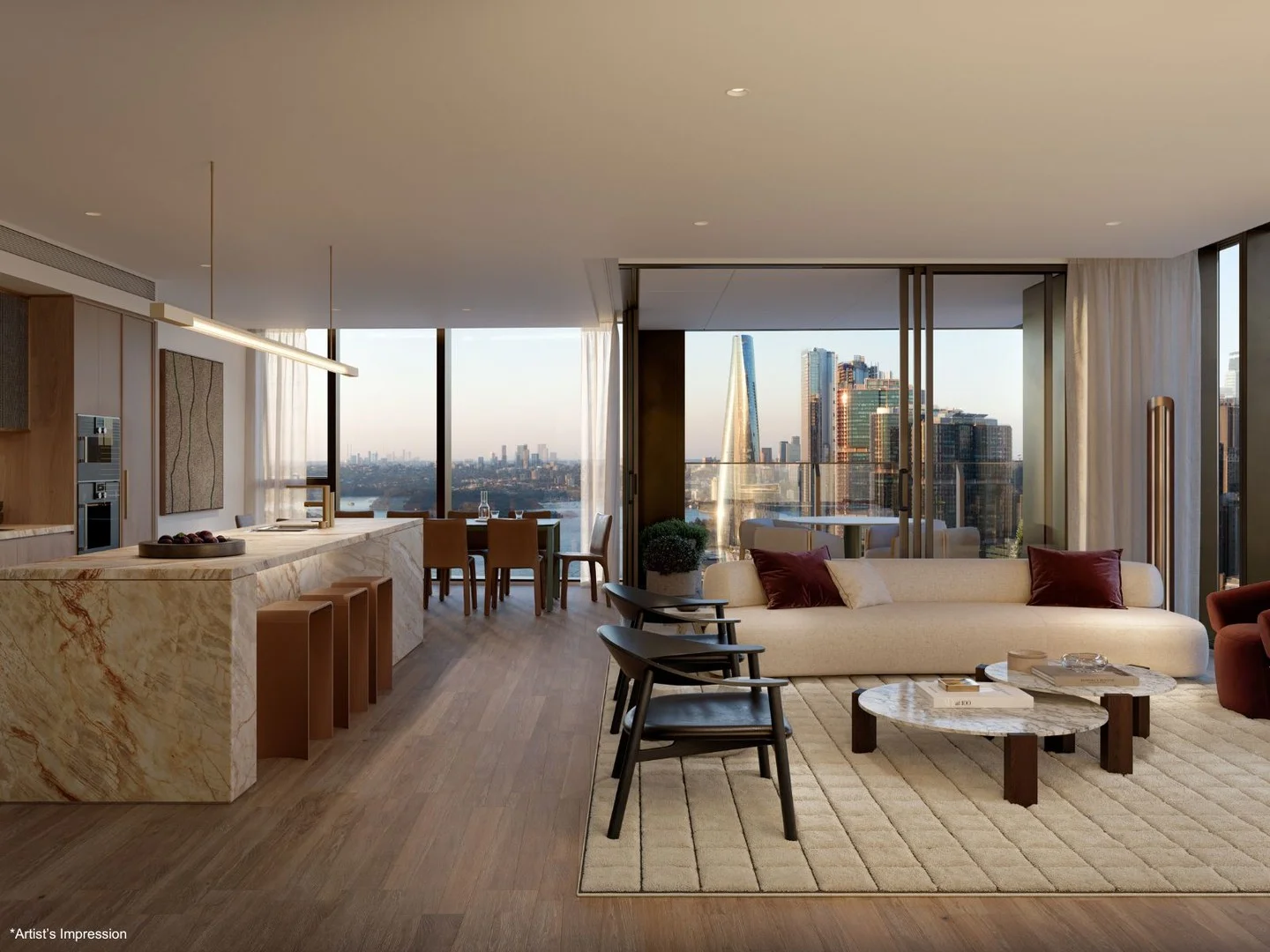 $12,980,000
propertyType.NEW APARTMENTS / OFF THE PLAN
$12,980,000
propertyType.NEW APARTMENTS / OFF THE PLAN
 $6,225,000
propertyType.NEW APARTMENTS / OFF THE PLAN
$6,225,000
propertyType.NEW APARTMENTS / OFF THE PLAN
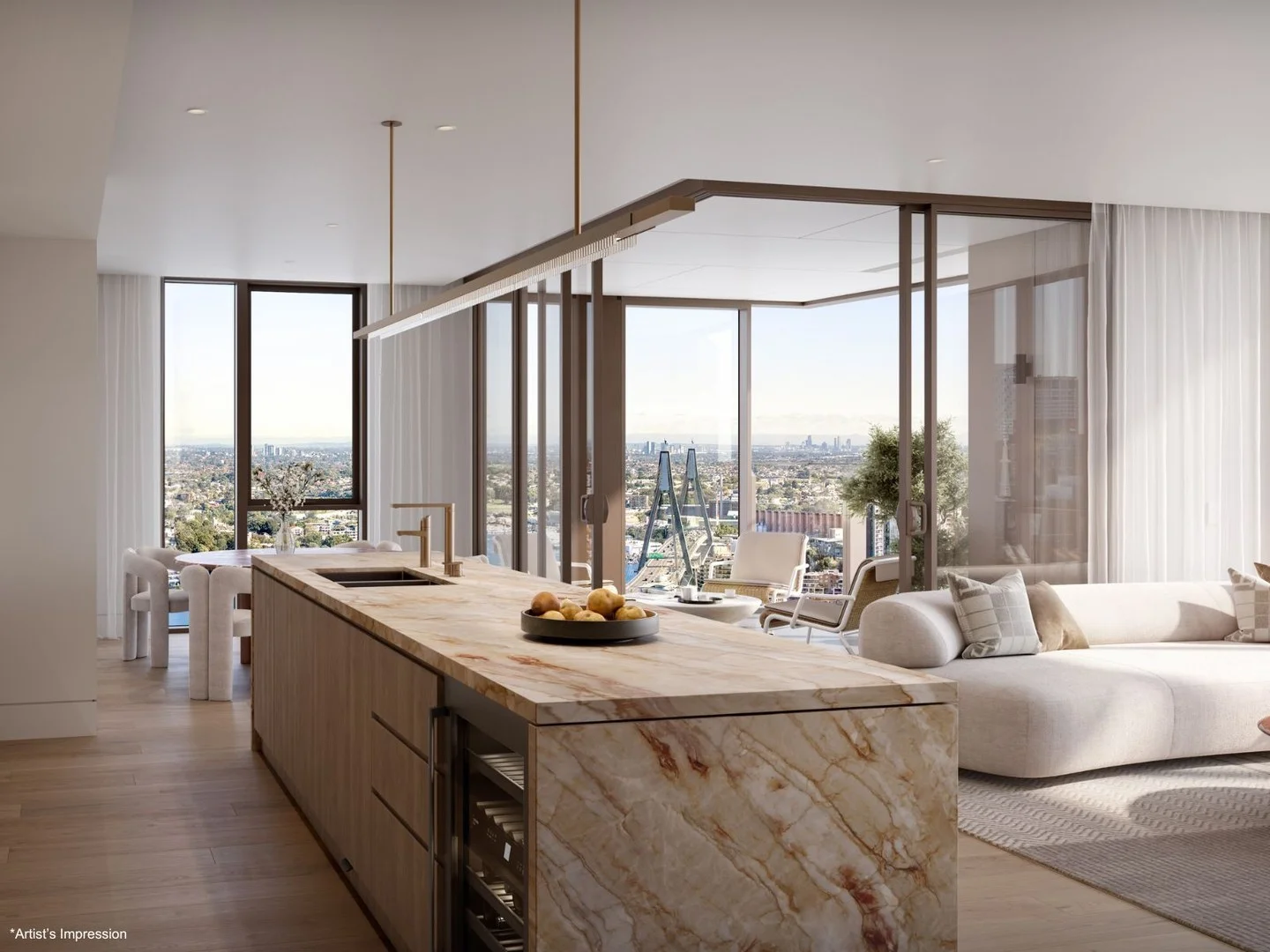 $9,020,000
propertyType.NEW APARTMENTS / OFF THE PLAN
$9,020,000
propertyType.NEW APARTMENTS / OFF THE PLAN
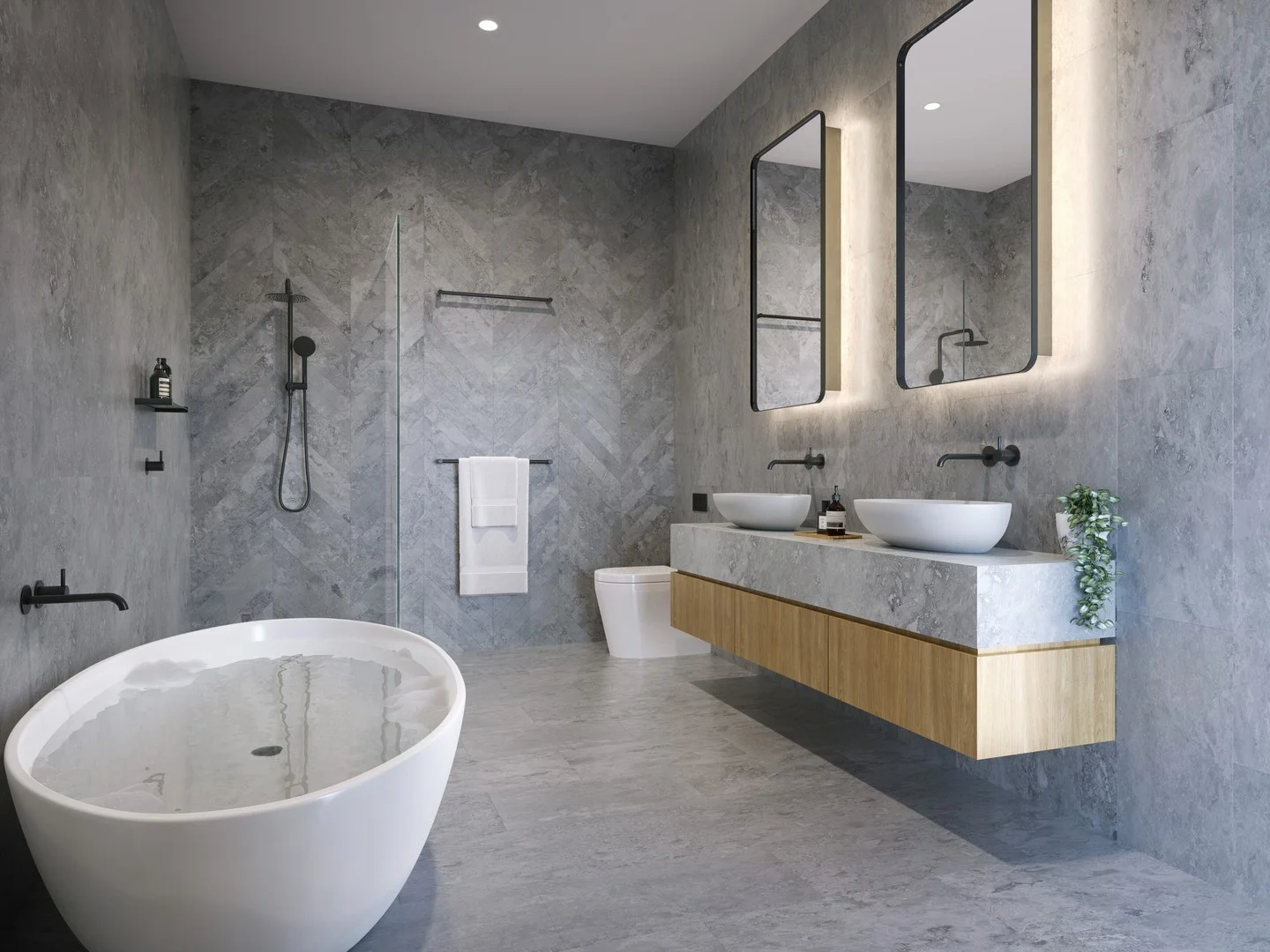 $2,824,000
Apartment / Unit / Flat
$2,824,000
Apartment / Unit / Flat
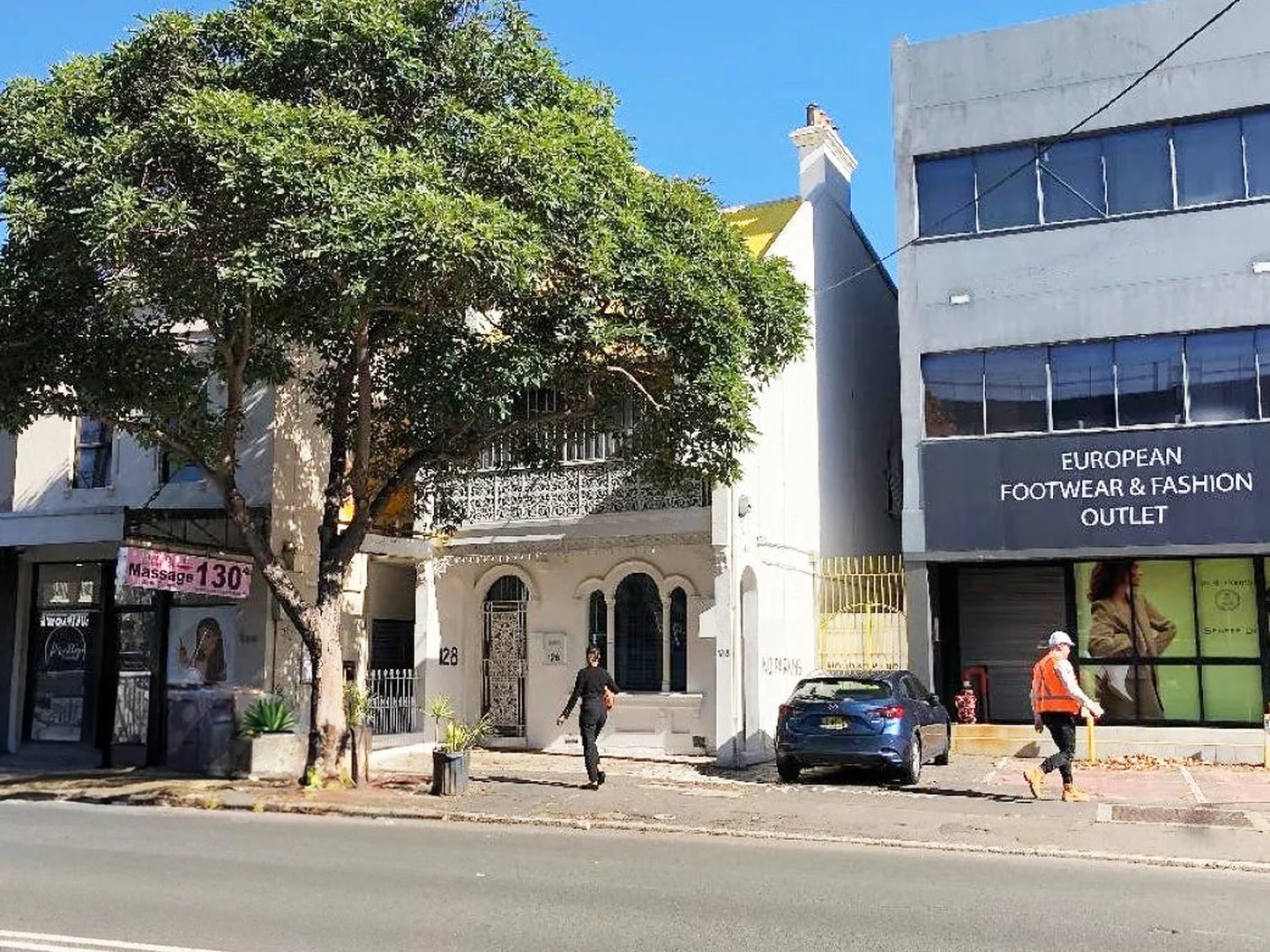 $3,900,000
House
$3,900,000
House
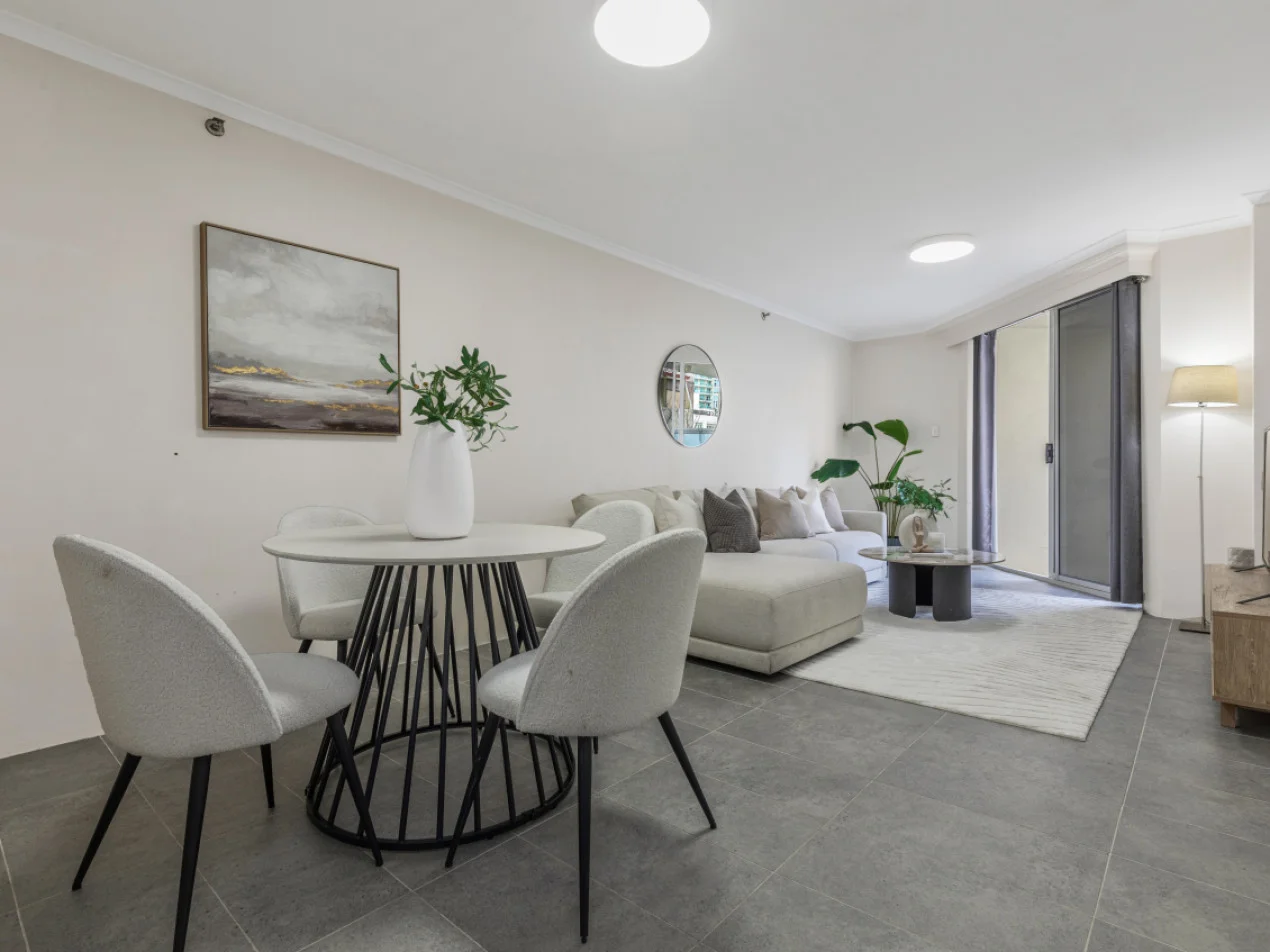 $640,000 - $675,000
Apartment / Unit / Flat
$640,000 - $675,000
Apartment / Unit / Flat


