## 1. Overview
Strathfield Girls High School is a public (government) high school for girls, serving students in the Strathfield region and surrounding areas. As a mid-to-large NSW government school, it supports a diverse student body with a broad curriculum and strong emphasis on wellbeing, academic growth, and community involvement.
The school aims to foster a positive, inclusive culture where students are supported to excel across academics, arts, and sport. With a focus on respectful, collaborative learning, the environment is typically described as diverse, inclusive, and academically oriented.
- School type: Public
- School size: Medium
- Class size: Approximately 20–25 students per class
- Atmosphere/culture: Diverse, inclusive, academically focused
---
## 2. Academics & Learning
The school provides a comprehensive NSW curriculum with opportunities for students to pursue strong academic pathways across core subjects and beyond.
- Academic strengths: Balanced emphasis across English, Mathematics, Science, and Languages, with strengths often seen in STEM-related subjects and literacy development. Leadership and citizenship activities are encouraged as part of the learning culture.
- Special programs: Gifted and Talented programs and opportunities for accelerated or advanced learning where available; pathways to extended learning through school-based initiatives.
- NAPLAN / trends: Trends at NSW public schools typically show stable to improving literacy and numeracy results over time; the school often reports performance in line with or above state averages across cohorts.
- Student-teacher ratios: Class sizes commonly around 20–25 students; student-teacher ratios generally in the range of about 1:20 or similar, varying by year and subject.
- Support for diverse learners: EAL (English as an Additional Language) support and dedicated services for students with additional learning needs (SEN), with targeted accommodations and intervention where required.
---
## 3. Sports & Extracurricular Strengths
Extracurricular life is active, with a broad range of sports and clubs that appeal to students seeking competition, creativity, and hands-on learning.
- Sports offered: Netball, basketball, soccer, athletics, swimming, tennis, and other common school sport offerings.
- Strong teams or achievements: Some teams participate in regional and inter-school competitions with notable results; ongoing program participation supports regular development and teamwork.
- Music, arts, drama programs: School ensembles, choirs, and drama productions provide outlets for performance and creative expression.
- Clubs: Robotics, chess, coding, debating, and other academic or interest-based clubs are typically available.
- Partnerships: Opportunities to engage with local clubs and regional inter-school competitions for sports, coding, robotics, and academic events.
---
## 4. Wellbeing & Pastoral Care
Wellbeing is a core focus, with structures to support students' social-emotional development and safety.
- Anti-bullying approach: Clear policies and reporting pathways are in place to promote a safe and respectful environment.
- House system: A house-based pastoral framework helps with belonging, mentorship, and school events.
- Counsellors / wellbeing officers: Dedicated staff support the emotional and social wellbeing of students, with access to guidance and counselling.
- Transition support for new students: Orientation programs, buddy systems, and targeted transition support help new students settle in smoothly.
---
## 5. Facilities
The school provides a range of facilities typical of NSW public high schools, designed to support learning, performance, and student wellbeing.
- Sports grounds: Outdoor spaces for physical education and school sport.
- Libraries: School library resources for study and research.
- Science labs: Equipped science laboratories for practical work across disciplines.
- Music/performing arts centers: Spaces for music ensembles, drama, and performances.
- Tech/innovation labs: Facilities for ICT, design, and technology activities.
- Cafeteria: On-site canteen or food service for student meals and snacks.
- Updated playgrounds: Modern spaces for recreation and social activity.
---
## 6. School Values & Community Culture
This section outlines the character and everyday life of the school community.
- School values / mission: Emphasis on respect, integrity, inclusion, academic effort, and community contribution.
- Leadership style: Student leadership opportunities alongside supportive, consultative staff leadership; emphasis on responsibility and service.
- Behaviour expectations: Positive behaviour policy with clear expectations and consistent enforcement.
- Community reputation: Generally regarded as a welcoming, values-driven school with a focus on student growth and involvement.
- Diversity & inclusion: Commitment to an inclusive environment that respects and reflects diverse backgrounds.
---
## 7. School Logistics & Daily Operations
Practical details that families typically want to confirm.
- School hours: Typical school day runs roughly from 9:00 am to around 3:00 pm (exact times vary by year and term).
- Before/after school care: Some schools offer after-school care or partner with providers; check local options.
- Uniform requirements: School uniform policy applies; specifics are published by the school and the DoE guidelines.
- Transport (train/bus routes): Accessible by public transport (bus/train routes in the Strathfield area); availability of school transport services may vary.
- Canteen availability: On-site canteen or food service available during the day.
- Fees (low/medium/high ranges): No tuition fees for NSW public schools; families typically contribute via voluntary school contributions and may pay for items such as uniforms, textbooks, excursions, and certain activities.
---
## 8. Enrolment & Admissions
11. What is the enrolment process and timeline?
- Enrolment is administered through NSW Department of Education processes. Families typically submit applications through the DoE portal or school-specific intake windows, with timelines varying by year and catchment rules. Information is communicated via the DoE and the school.
12. Is there a waiting list, and how does it work?
- Waiting lists can occur when applications exceed spaces. Allocation is generally based on catchment rules, space availability, and policy priorities set by the DoE. In-catchment applications typically receive priority.
13. Are there any entry requirements, tests, or interviews?
- For most NSW public high schools that are non-selective, there are no entrance exams. Some programs or year levels may request information or conduct brief discussions to support placement, but interviews or testing are not universally required. Oversubscription may affect placement.
14. Does the school accept mid-year transfers?
- In-year transfers are possible if there are available places and space in the relevant year level. Applications for mid-year transfers are handled through the NSW Department of Education processes.
---
## 9. Frequently Asked Questions
- Why Parents Choose This School?
- A public, all-girls learning environment with a focus on academics, wellbeing, and well-rounded development; strong pastoral care and community feel.
- What type of student thrives at this school?
- Students who are engaged, motivated to learn across a broad curriculum, and who value collaboration, leadership opportunities, and involvement in communities and activities.
- What opportunities are available for students to extend their skills (academics, sports, arts)?
- Access to advanced learning programs, leadership opportunities, diverse clubs (robotics, coding, debating), sports teams, music ensembles, and drama productions.
- How does the school communicate with parents?
- Through newsletters, emails, SMS alerts, the school intranet or portal, and parent-teacher interviews; information is shared regularly.
- What is the school’s approach to teaching and learning?
- A student-centred, syllabus-driven approach that supports literacy and numeracy, collaborative learning, and opportunities for practical and inquiry-based activities.
- How does the school support students who need extra academic help?
- Targeted learning support, EAL assistance, SEN services, tutoring, and small-group interventions as needed.
- What support is available for academic challenges?
- Access to advisers, learning support staff, and intervention programs to help students keep pace and develop study strategies.
- How does the school communicate with parents? (Repeated)
- See above: newsletters, emails, portals, and parent-teacher meetings.
- What are the class sizes and how much individual attention do students receive?
- Class sizes typically around 20–25 students, with teachers providing targeted support, open office hours, and small-group opportunities as needed.
- What extracurricular and sports opportunities are available?
- A broad range of sports (netball, basketball, soccer, athletics, etc.), music and drama programs, and clubs such as robotics, coding, chess, and debating.
- What facilities does the school offer (sports, science, arts)?
- Sports grounds, libraries, science labs, music/performing arts spaces, tech/innovation labs, a cafeteria, and modern recreation areas.
- What is the school’s approach to technology and digital learning?
- Integration of ICT into learning, access to computer labs or devices, and digital resources to support curricula and study skills.
- What transport and accessibility options are available?
- Accessible by public transport in the Strathfield area; information on routes and school transport services is available through DoE resources and the school.
- What are the typical school fees or additional costs?
- There are no tuition fees for NSW public schools; families may incur costs for uniforms, textbooks, excursions, and other approved activities.
---
## 10. Short Pros & Cons list
- Pros
- Public all-girls environment with a broad curriculum
- Strong wellbeing and pastoral care
- Diverse range of academics, arts, and sports
- Opportunities for leadership and clubs
- Reasonable class sizes and teacher access
- Cons
- Large school settings can mean busy campuses and busy periods
- Uniform requirements and associated costs
- Catchment-based enrolment may limit access for some families
- Transport needs depend on location and route availability
If you’d like, I can tailor this content to reflect any updates from the DoE or school-specific materials, or format it for a particular page on Aroundschools.
 Free
Free










 $36,000,000 - $39,500,000
Vacant Land
$36,000,000 - $39,500,000
Vacant Land
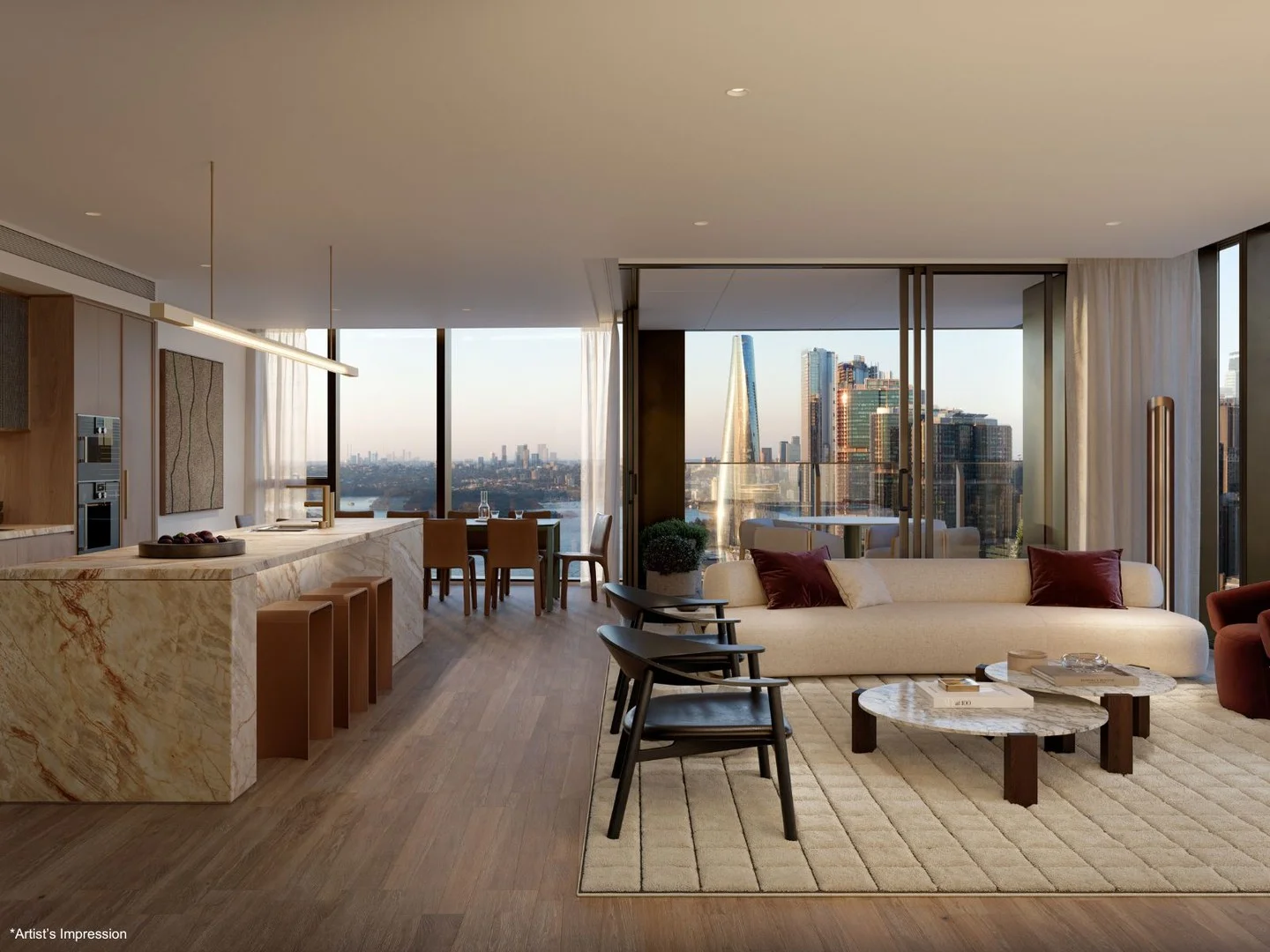 $12,980,000
propertyType.NEW APARTMENTS / OFF THE PLAN
$12,980,000
propertyType.NEW APARTMENTS / OFF THE PLAN
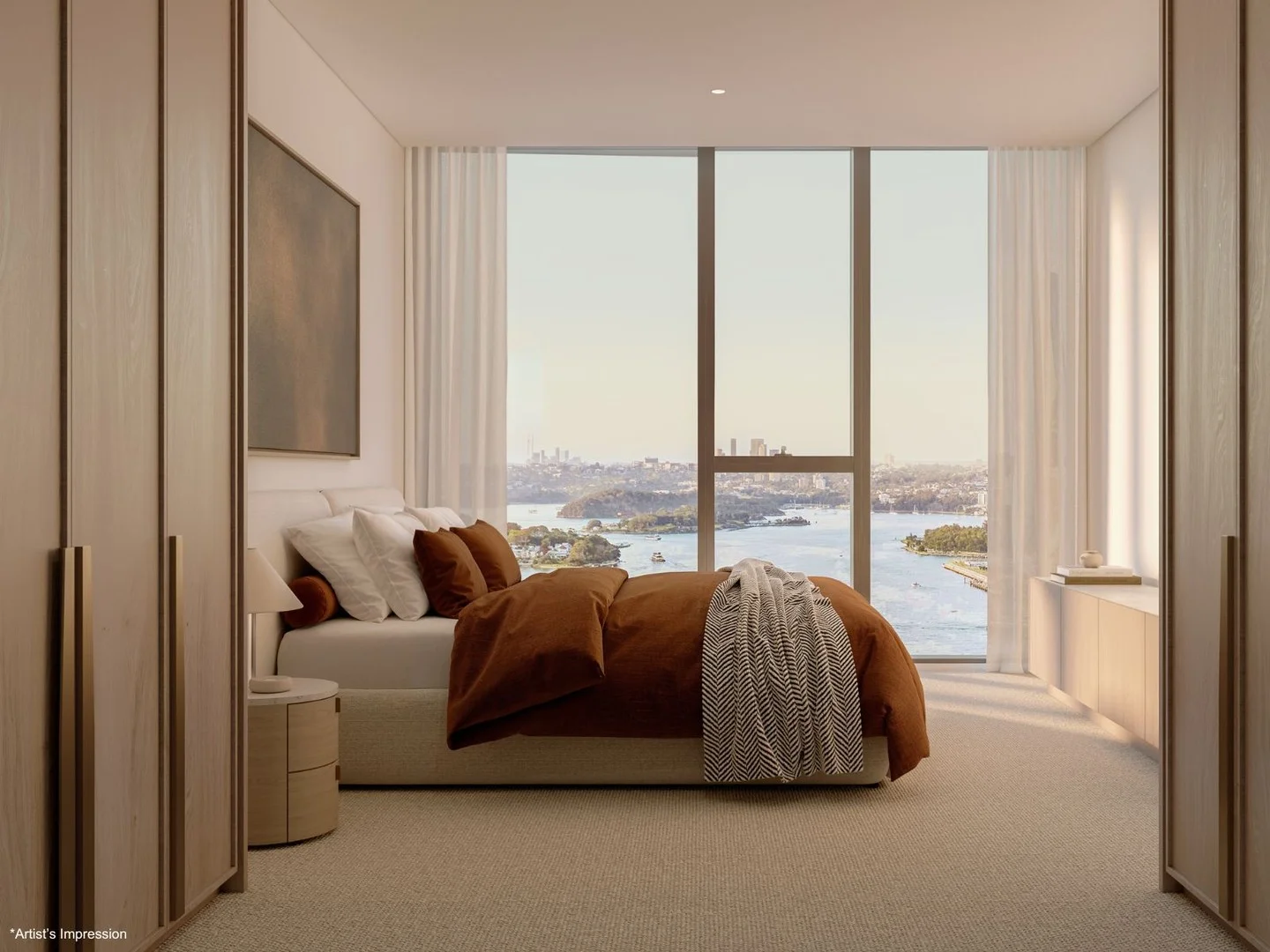 $8,630,000
propertyType.NEW APARTMENTS / OFF THE PLAN
$8,630,000
propertyType.NEW APARTMENTS / OFF THE PLAN
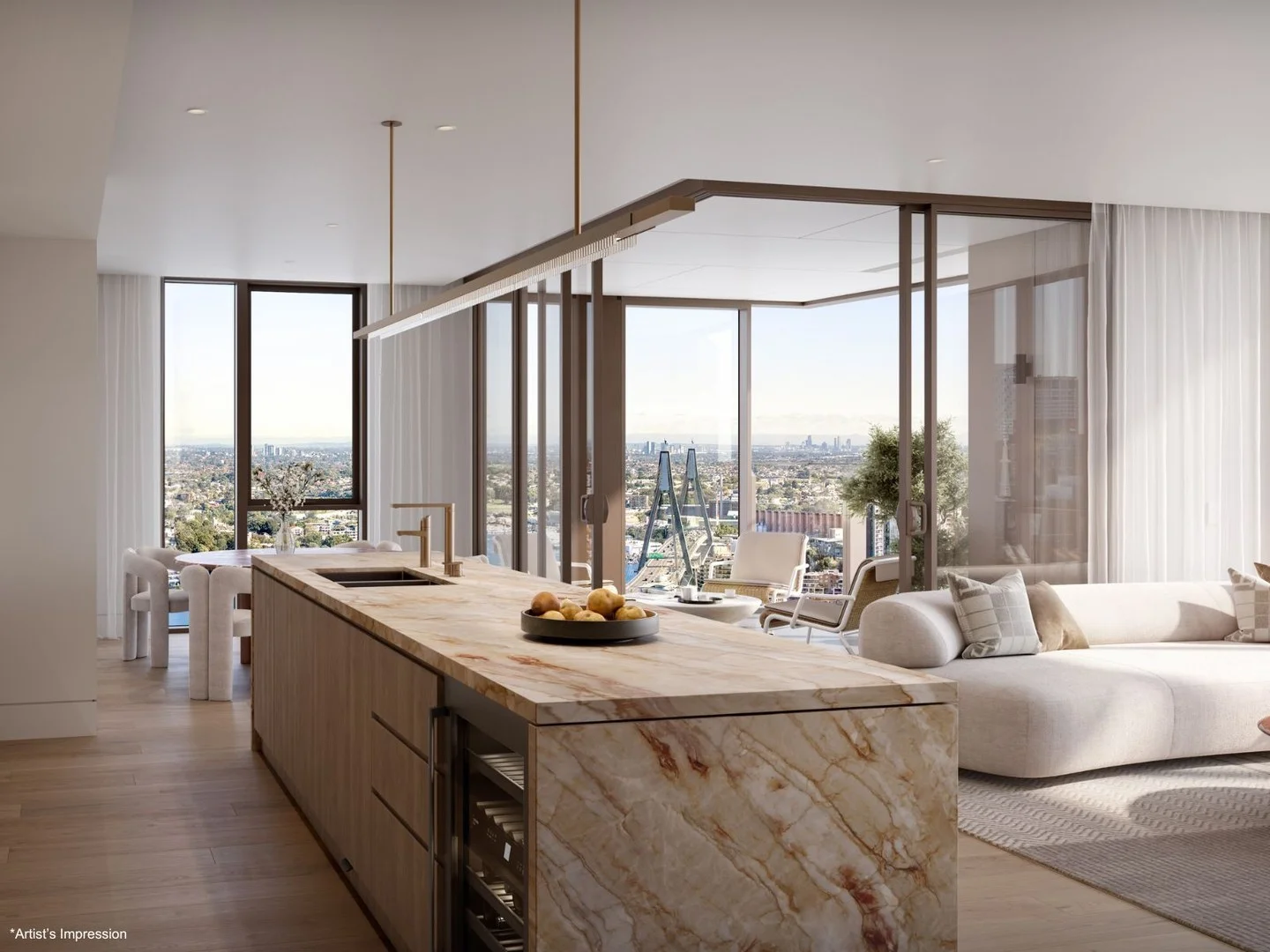 $9,020,000
propertyType.NEW APARTMENTS / OFF THE PLAN
$9,020,000
propertyType.NEW APARTMENTS / OFF THE PLAN
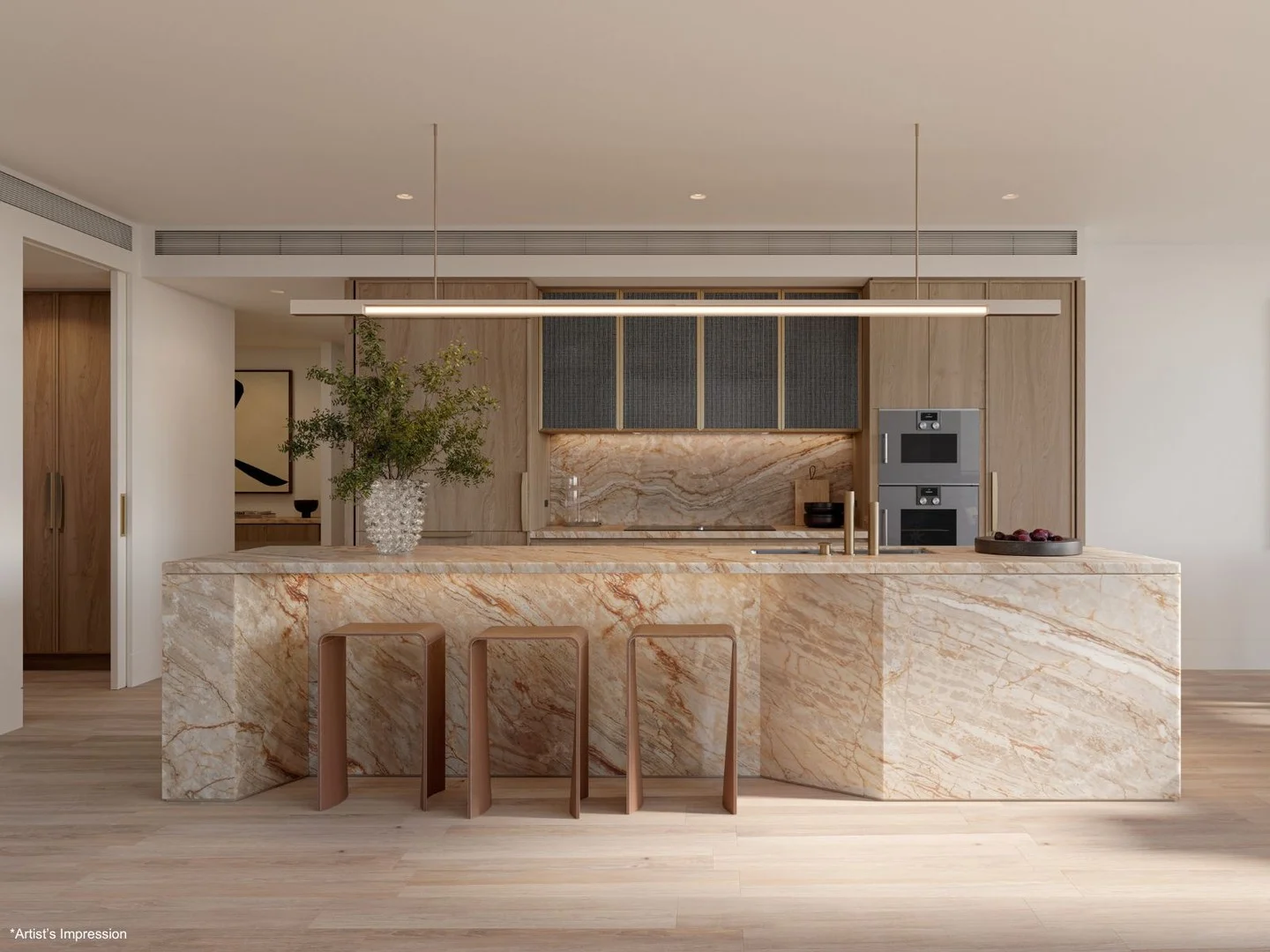 $6,225,000
propertyType.NEW APARTMENTS / OFF THE PLAN
$6,225,000
propertyType.NEW APARTMENTS / OFF THE PLAN
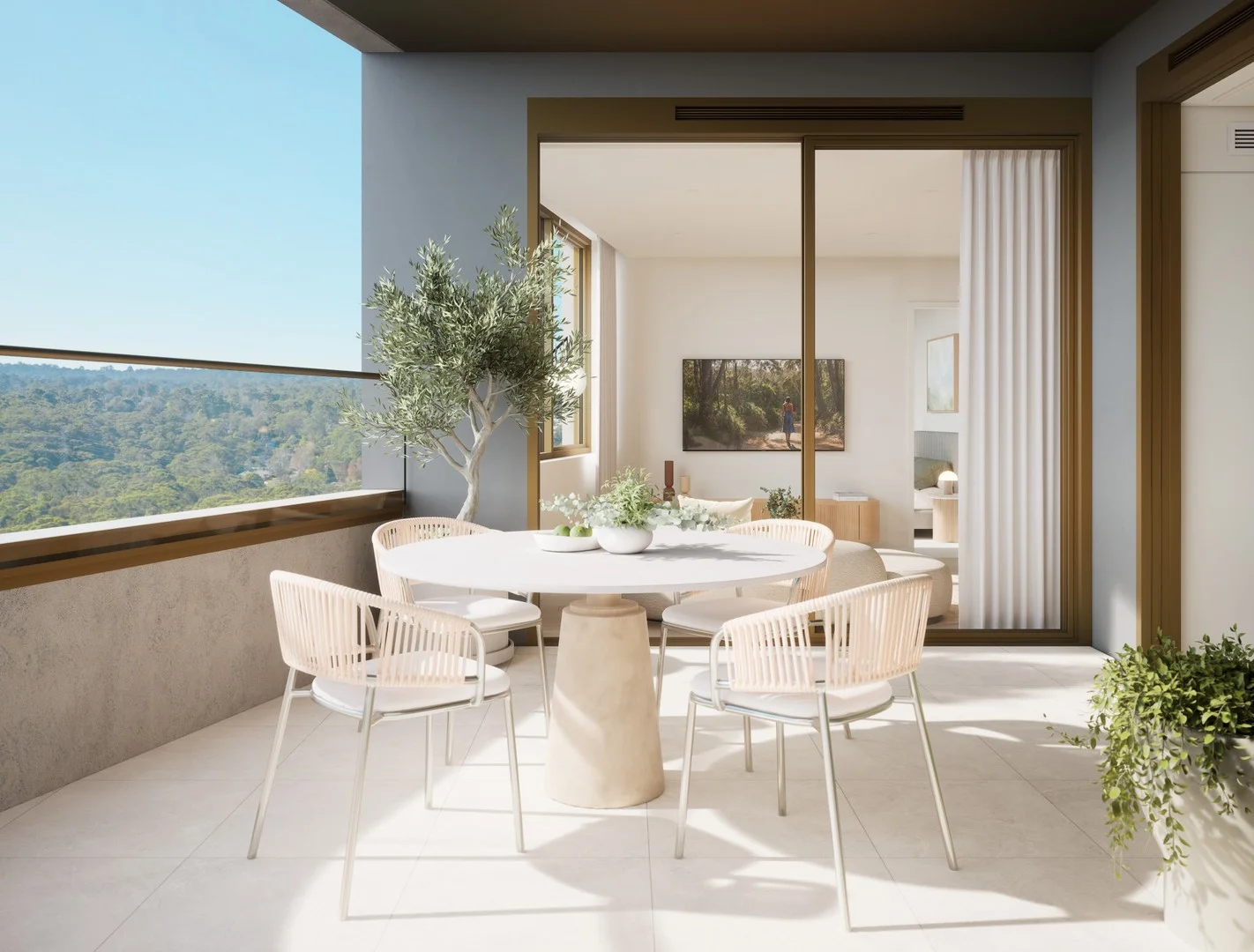 $1,525,000
Apartment / Unit / Flat
$1,525,000
Apartment / Unit / Flat
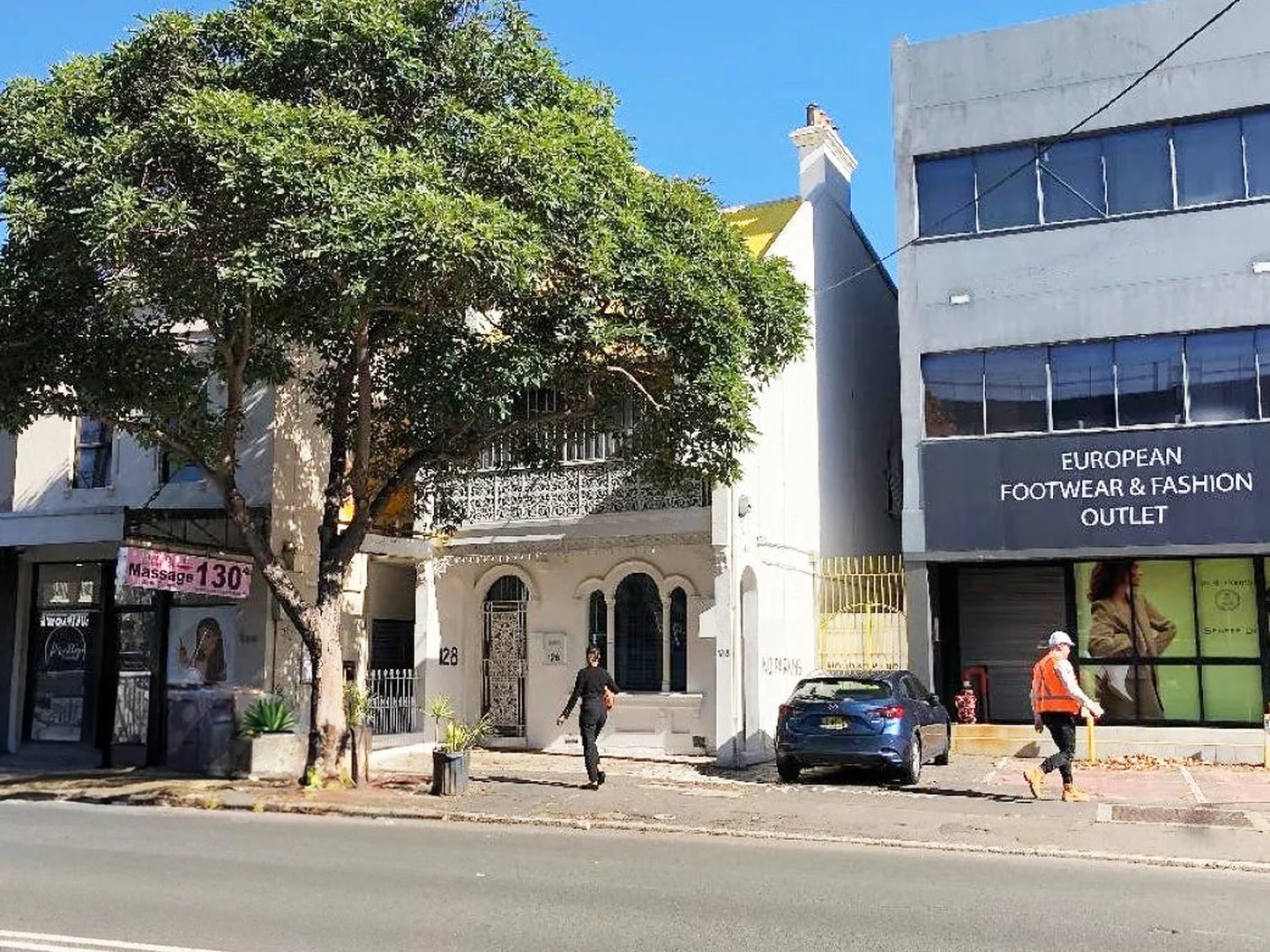 $3,900,000
House
$3,900,000
House
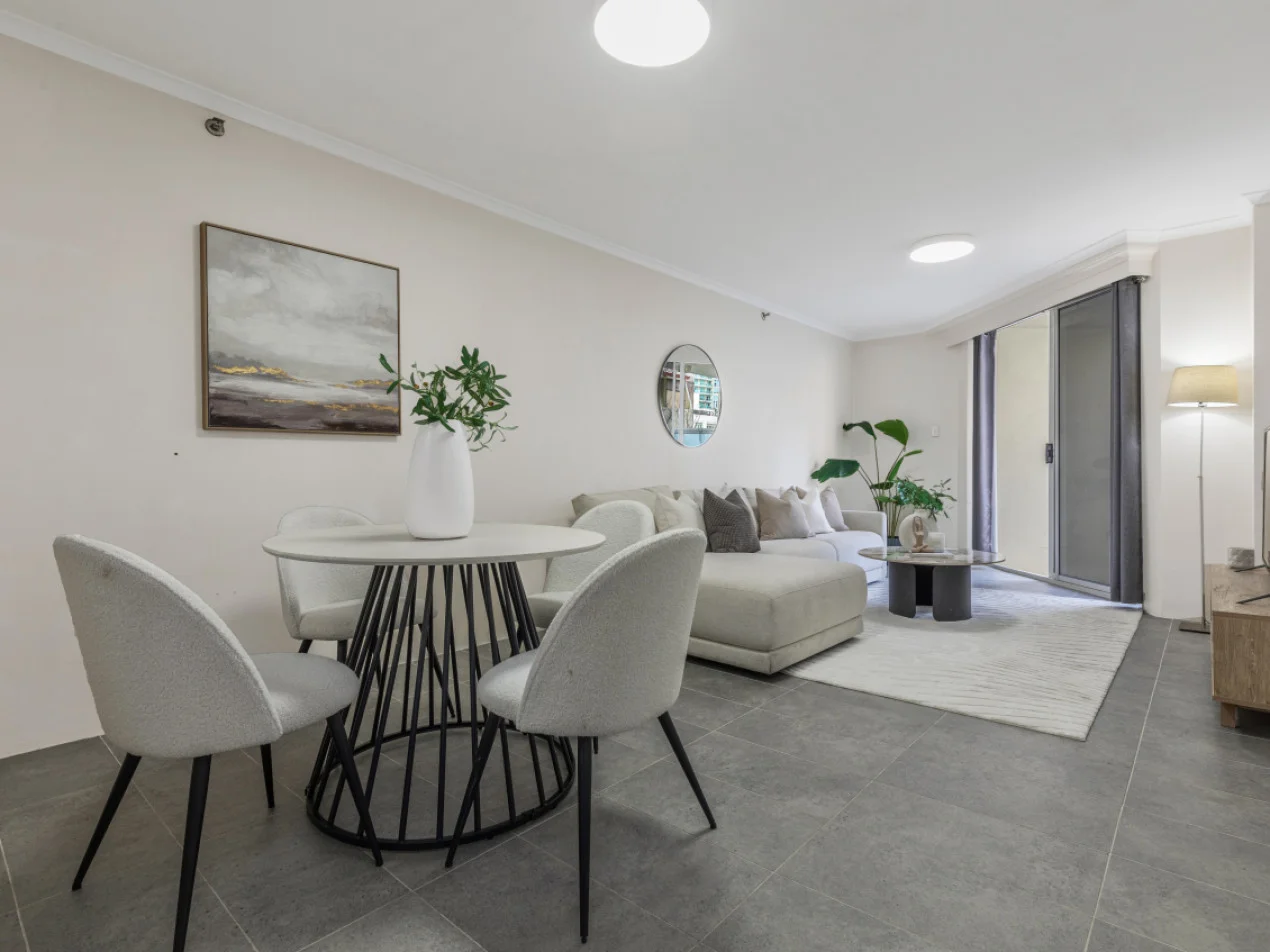 $640,000 - $675,000
Apartment / Unit / Flat
$640,000 - $675,000
Apartment / Unit / Flat
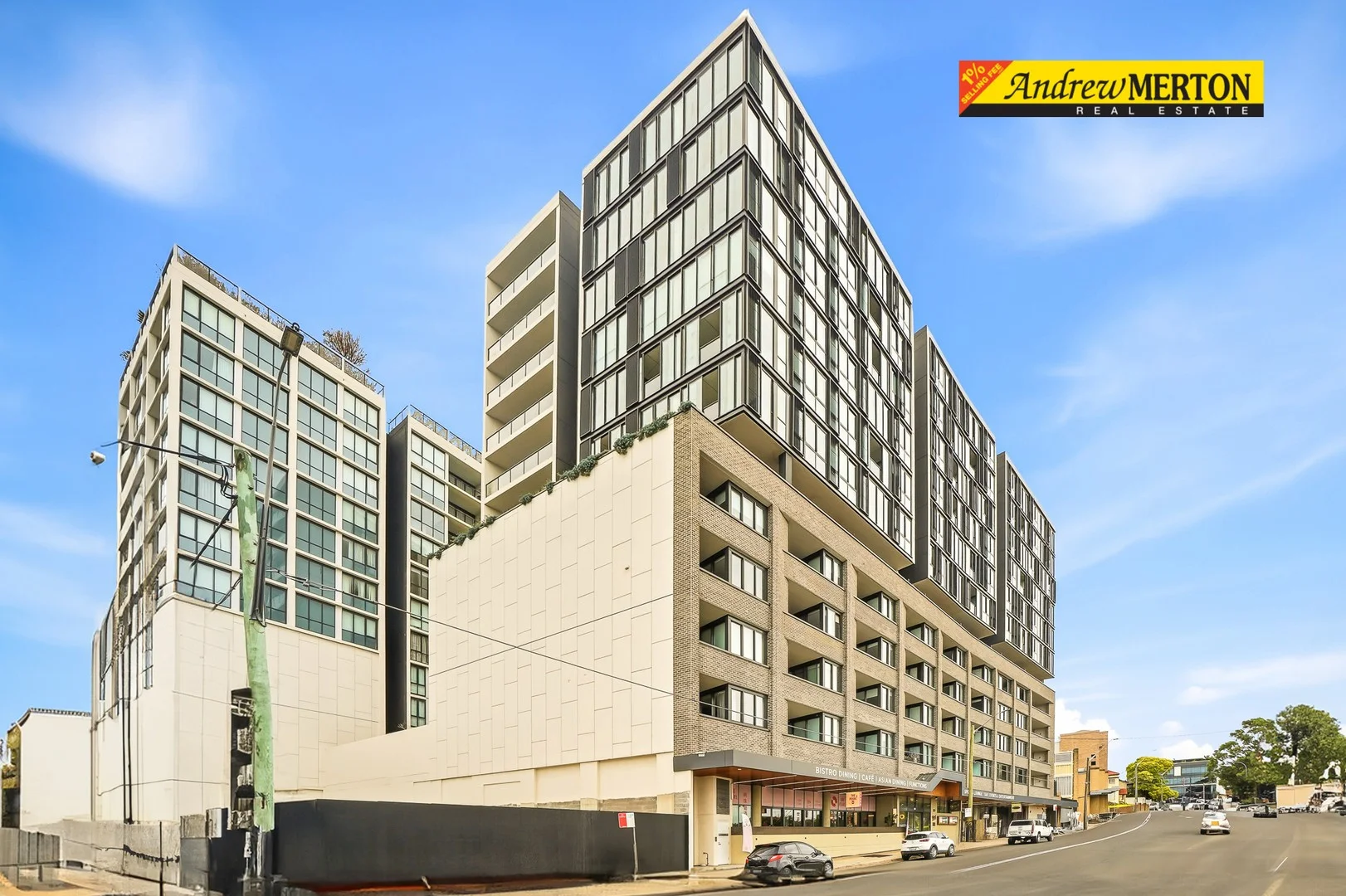 $665,000
Apartment / Unit / Flat
$665,000
Apartment / Unit / Flat


