Overview
## Overview
Hubbards is a Catholic independent school located in Milton, Queensland, offering a values-based education across year levels. With a focus on nurturing the whole student, the school aims to blend strong academic preparation with pastoral care, community involvement and a broad range of extra-curricular opportunities.
- School type: Catholic, independent
- School size: Small to medium
- Class size: Typical classes of around 18–22 students
- Atmosphere/culture: Nurturing, academically focused, inclusive, diverse
⸻
## Academics & Learning
Hubbards seeks to balance rigorous academic programs with opportunities for personal growth and leadership development.
- Academic strengths: Strong emphasis on English and STEM, balanced across the humanities, sciences, and arts; leadership development woven into curricula and co-curricular activities.
- Special programs: Gifted and talented pathways, accelerated learning options, and targeted enrichment experiences; English as an Additional Language (EAL) support and inclusive learning pathways.
- NAPLAN / trends: Publicly reported trends show steady improvement or consistency in literacy and numeracy over recent years; ongoing emphasis on tracking progress year-to-year.
- Student-teacher ratios: Small to medium class sizes; approximate ratios around 1:12–1:15 in many year levels to support individual attention.
- Support for diverse learners: EAL support, SEN (Special Educational Needs) provision, personalised learning plans, and access to learning support staff.
⸻
## Sports & Extracurricular Strengths
Extracurricular life is central to student development, with a mix of sport, arts and clubs.
- Sports offered: Typical school sports include football (soccer), basketball, cricket, rugby, swimming and tennis, with inter-school and local competition opportunities.
- Strong teams or achievements: Active participation in district or regional competitions with recognition for teams and athletes across various sports.
- Music, arts, drama programs: Comprehensive music and performing arts programs, with opportunities in ensembles, drama productions and public performances.
- Clubs: Robotics, coding, chess, debating and other STEM or humanities clubs to extend learning beyond the classroom.
- Partnerships: Collaboration with local clubs, sports academies and regional competitions to broaden opportunities and experiences for students.
⸻
## Wellbeing & Pastoral Care
Wellbeing is a core priority, with systems designed to support every student.
- Anti-bullying approach: Proactive anti-bullying policies, restorative practices and clear reporting pathways.
- House system: House-based activities and competitions to foster belonging, teamwork and leadership development.
- Counsellors / wellbeing officers: Access to school counsellors and wellbeing staff who provide confidential support and guidance.
- Transition support for new students: Orientation programs, buddy systems and targeted transition activities to ease entry for new families and students.
⸻
## Facilities
Facilities are designed to support learning, creativity and student wellbeing.
- Sports grounds: On-site fields and courts for a range of sports.
- Libraries: Well-stocked libraries with study spaces and digital resources.
- Science labs: Modern science laboratories for hands-on experiments.
- Music/performing arts centers: Dedicated spaces for music, drama and performances.
- Tech/innovation labs: Computer labs and makerspaces to support coding, robotics and design projects.
- Cafeteria: On-site dining facilities for students.
- Updated playgrounds: Safe, modern outdoor play and learning spaces for younger students.
⸻
## School Values & Community Culture
The school emphasizes a values-driven culture that shapes daily life and long-term development.
- School values / mission: Catholic traditions paired with contemporary values such as respect, integrity, compassion and responsibility.
- Leadership style: Student-centered, with opportunities for leadership through student councils, house activities and service projects.
- Behaviour expectations: Clear behavioural expectations aligned with the school’s values; emphasis on respect, responsibility and positive conduct.
- Community reputation: Welcoming and inclusive community with active parent involvement and strong school spirit.
- Diversity & inclusion: Commitment to diversity and inclusive practices across admissions, teaching and student experiences.
⸻
## School Logistics & Daily Operations
Practical details to help families plan around the school day.
- School hours: Typical daily schedule aligned with Queensland school calendars; start and finish times published by the school.
- Before/after school care: Availability of supervision and care programs outside normal hours.
- Uniform requirements: Clear uniform standards with appropriate seasonal variations.
- Transport (train/bus routes): Information on public transport options and bus routes serving the area; school pickup/drop-off arrangements.
- Canteen availability: On-site canteen or food service options for students.
- Fees (low/medium/high ranges): Fees generally align with private Catholic independent schooling; ongoing costs include tuition, building levies or resource fees, and optional extras.
⸻
## Enrolment & Admissions
11. What is the enrolment process and timeline?
- Typical steps: Submit an application or expression of interest, provide required documents (birth certificate, academic records, immunisation where applicable), participate in an interview or assessment if required, receive an offer, complete enrolment, and arrange payment of enrolment/registration fees. Timelines vary by year level and space availability; popular years may have earlier cut-offs.
12. Is there a waiting list, and how does it work?
- Waiting lists are common when spaces are limited. Applications are typically placed on a waiting list if a vacancy is not immediately available; priority may be given to siblings and to families with completed applications and assessments. Time on the list can vary.
13. Are there any entry requirements, tests, or interviews?
- Entry processes can include an interview or informal assessment to understand fit with the school’s values and curriculum. Some year levels may require standardised or age-appropriate assessments. Documentation and references may be requested to support the application.
14. Does the school accept mid-year transfers?
- Mid-year transfers are possible if there is space and alignment with the curriculum, with transfer procedures coordinated through the admissions office. Provision of interim reports and current school information is typically required.
⸻
## Frequently Asked Questions
- Why Parents Choose This School?
- A Catholic, values-based environment with small class sizes, strong pastoral care, and a broad set of academic and co-curricular opportunities.
- What type of student thrives at this school?
- Students who respond well to a supportive community, value a balanced approach to academics, sport and the arts, and who appreciate a focus on character and service.
- What opportunities are available for students to extend their skills (academics, sports, arts)?
- Strong English and STEM programs, accelerated or gifted pathways, leadership roles, sports teams, arts ensembles, drama productions, robotics, coding and other clubs.
- How does the school communicate with parents?
- Regular updates through newsletters, parent portals, parent-teacher meetings, and ongoing informal communication from teachers and coordinators.
- What is the school’s approach to teaching and learning?
- A student-centered approach with emphasis on critical thinking, collaborative learning, and differentiation to meet diverse needs.
- How does the school support students who need extra academic help?
- Dedicated learning support, EAL services, personalised learning plans, and access to counsellors and wellbeing staff.
- What support is available for academic challenges?
- Targeted intervention programs, access to tutors or specialist staff, and ongoing progress monitoring.
- How does the school communicate with parents? (duplicate)
- See above; maintained through multiple channels for clarity and timeliness.
- What are the class sizes and how much individual attention do students receive?
- Class sizes are kept small to moderate (approximately 18–22 students per class) to support closer teacher-student engagement.
- What extracurricular and sports opportunities are available?
- A range of sports across common school codes, plus music, drama and clubs such as robotics, coding, chess and debating.
- What facilities does the school offer (sports, science, arts)?
- Modern sports grounds, well-equipped libraries, science labs, music/performing arts spaces and tech/innovation labs.
- What is the school’s approach to technology and digital learning?
- Integration of digital tools to support learning, coding and ICT across year levels, with a focus on digital citizenship and safe online practices.
- What transport and accessibility options are available?
- Information on local bus routes and transport options; accessibility aligned with campus facilities and safety standards.
- What are the typical school fees or additional costs?
- Fees are in the private school range with standard tuition plus any required or optional program charges; exact amounts are provided in the enrolment pack.
⸻
## Short Pros & Cons list
- Pros
- Catholic independent school with values-based education
- Small to medium class sizes supporting individual attention
- Strong wellbeing, pastoral care and house-system atmosphere
- Broad range of co-curriculars: sports, arts, clubs, robotics and coding
- Modern facilities across science, arts and ICT
- Cons
- Fees reflect private schooling; financial planning needed
- Limited spaces in some year levels; potential waiting lists
- Transportation options may depend on location and availability
- Academic emphasis may vary by cohort; parents should verify year-specific programs
⸻







 $770,000
Apartment / Unit / Flat
$770,000
Apartment / Unit / Flat
 $550,000
Apartment / Unit / Flat
$550,000
Apartment / Unit / Flat
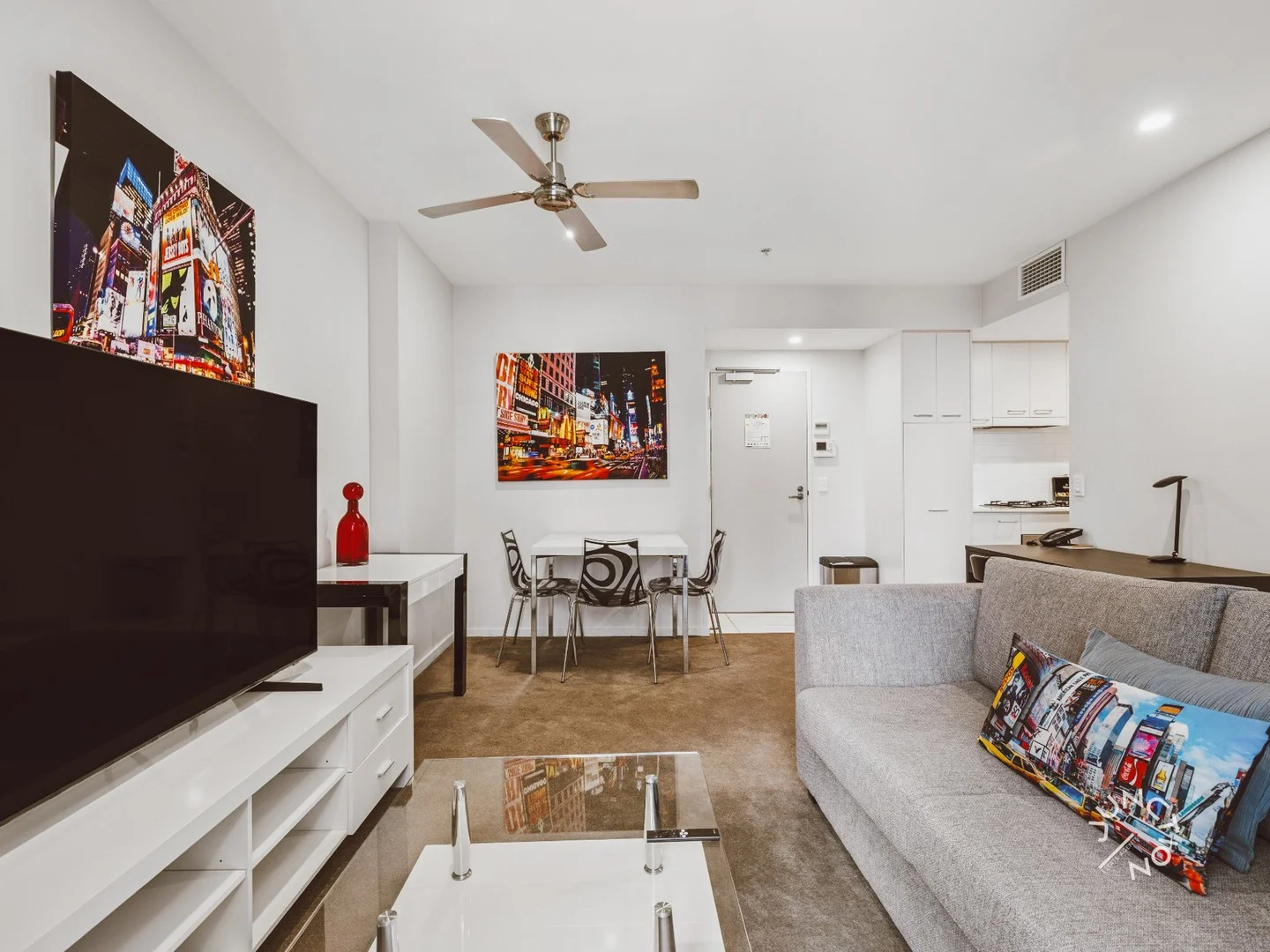 $523,200 - $566,800
Apartment / Unit / Flat
$523,200 - $566,800
Apartment / Unit / Flat
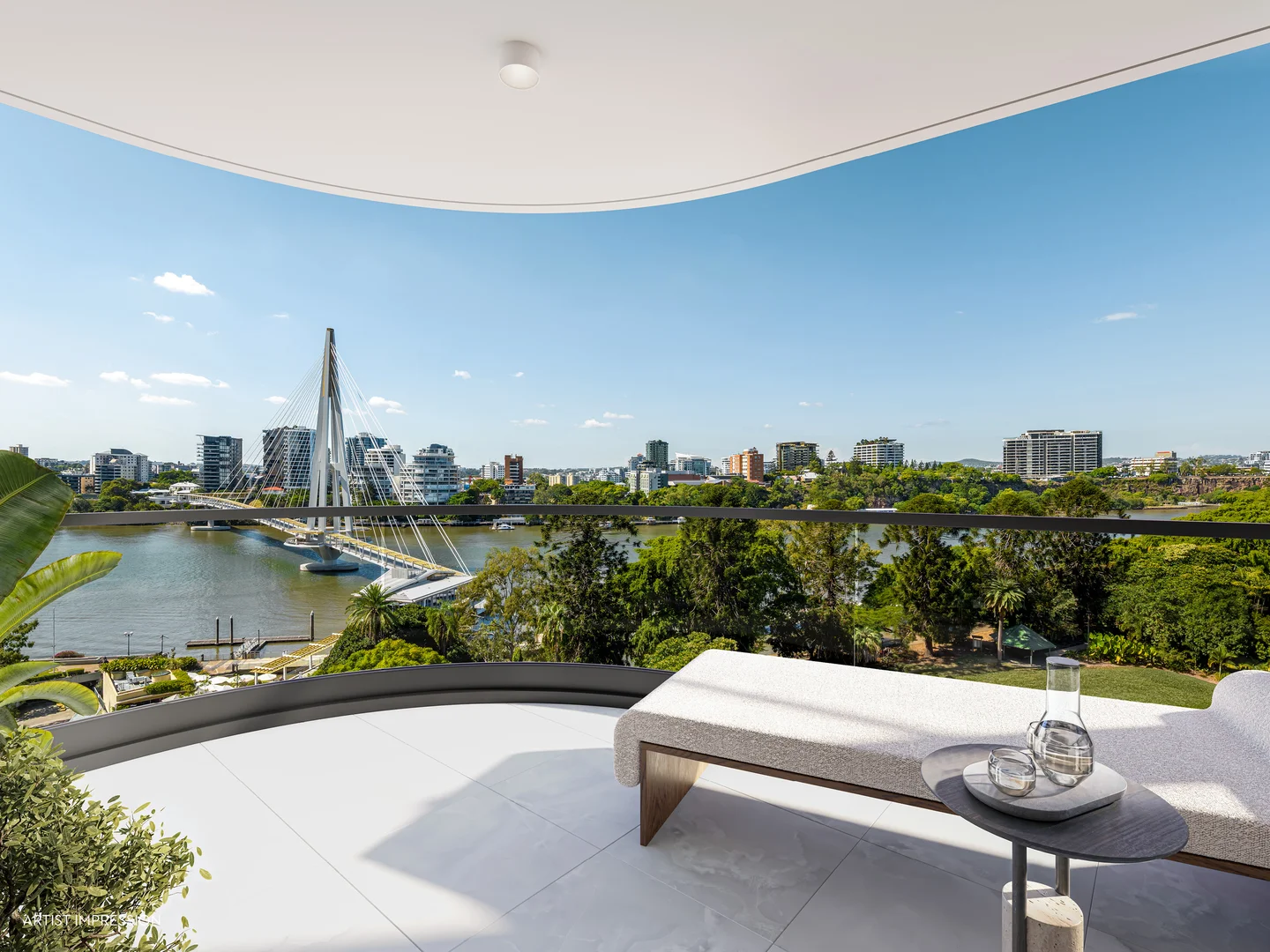 $1,475,000 - $2,090,000
propertyType.NEW APARTMENTS / OFF THE PLAN
$1,475,000 - $2,090,000
propertyType.NEW APARTMENTS / OFF THE PLAN
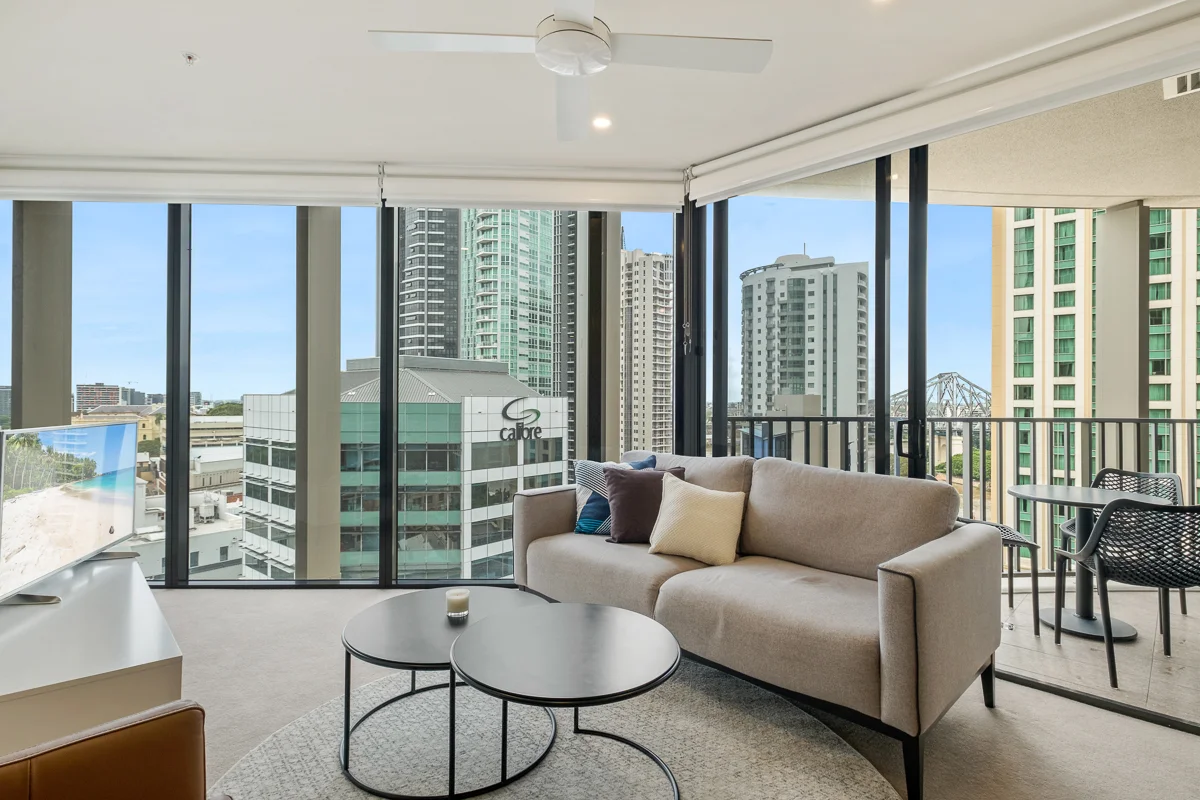 $950,000
Apartment / Unit / Flat
$950,000
Apartment / Unit / Flat


