Overview
## 1. Overview
Albert Park Flexible Learning Centre is a public Brisbane-based school that focuses on flexible, student-centred learning designed to re-engage students who may be at risk of leaving school. The environment prioritises individualized pathways, supportive relationships, and practical, real-world learning.
With a small-to-medium school size and smaller class groups, the atmosphere is nurturing, inclusive, and collaborative. The school emphasises building confidence and life skills alongside core academic outcomes, offering pathways that support tertiary, vocational, or workforce options. The student community is diverse, and learning is tailored to meet individual needs.
## 2. Academics & Learning
- Academic strengths: literacy and numeracy development, practical and project-based learning, real-world applications, and opportunities to build communication and critical thinking skills.
- Special programs: tailored learning plans, re-engagement initiatives, and pathways to vocational education and training (VET). Flexible pacing and credit accumulation support students as they progress.
- NAPLAN trends: trend data is monitored to guide teaching; cohorts engaging with targeted supports often show positive literacy and numeracy progression over time.
- Student-teacher ratios: smaller class sizes enable more individualized attention and targeted support.
- Support for diverse learners: English as an Additional Language (EAL) support, Special Educational Needs (SEN) support, learning support staff, and access to additional services to recognise different learning needs.
## 3. Sports & Extracurricular Strengths
- Sports offered: a range of school sports and physical activities (e.g., basketball, football/soccer, track and field, swimming) with opportunities to participate in local events.
- Strong teams or achievements: participation in local inter-school competitions; achievements vary year to year and are celebrated within the school community.
- Music, arts, drama programs: opportunities in music ensembles, drama, and performing arts to develop creativity and presentation skills.
- Clubs: robotics, chess, coding, debating, and other interest-based clubs that foster problem solving and collaboration.
- Partnerships: connections with local academies, clubs, and competitions to broaden experiences beyond the classroom.
## 4. Wellbeing & Pastoral Care
- Anti-bullying approach: clear policies and proactive programs promote respectful behaviour and a safe school culture.
- House system: a house framework is used to foster belonging, teamwork, and wellbeing.
- Counsellors / wellbeing officers: on-site wellbeing staff provide emotional and social support and early intervention.
- Transition support for new students: induction programs, buddy systems, and tailored transition plans help new students settle in smoothly.
## 5. Facilities
- Sports grounds
- Libraries
- Science labs
- Music/performing arts centers
- Tech/innovation labs
- Cafeteria
- Updated playgrounds
## 6. School Values & Community Culture
- School values / mission: a commitment to respect, resilience, inclusivity, and lifelong learning; a focus on flexible, student-centred education that prepares students for diverse futures.
- Leadership style: collaborative and participatory, with opportunities for student voice and teacher-student partnership.
- Behaviour expectations: clear standards and restorative practices designed to support positive behaviour and accountability.
- Community reputation: known for supporting re-engagement and providing a welcoming, inclusive environment.
- Diversity & inclusion: strong emphasis on diverse backgrounds and inclusive practices, with programs that celebrate and incorporate different cultures and perspectives.
## 7. School Logistics & Daily Operations
- School hours: standard daytime timetable with start and finish times aligned to school policy.
- Before/after school care: available or arranged through partnerships, depending on the site and term; check local arrangements.
- Uniform requirements: school uniform policy in effect, with details provided by the enrolment team.
- Transport (train/bus routes): access to public transport options and convenient bus/train routes; information on routes available from the school.
- Canteen availability: canteen or lunch facilities provided at most campuses.
- Fees (low/medium/high ranges): typical costs are modest; check the current schedule for uniforms, excursions, and other incidental costs.
## 8. Enrolment & Admissions
11. What is the enrolment process and timeline?
- Start with an inquiry and information session.
- Meet with an enrolment officer to discuss needs and suitability.
- Complete application forms and submit required documents (identity, guardianship, previous school records, etc.).
- Possible assessment or interview to determine learning needs and pathways.
- Placement decision and commencement; timeline can range from several weeks to a few months depending on capacity and eligibility.
12. Is there a waiting list, and how does it work?
- Waiting lists may apply if spaces are full. Families are typically placed on the list and contacted as vacancies become available. The wait time depends on enrolments and term timing.
13. Are there any entry requirements, tests, or interviews?
- There may be an intake interview or assessment to understand learning needs and determine appropriate supports and pacing. Documentation such as identity, age, prior school records, and guardianship may be required.
14. Does the school accept mid-year transfers?
- Mid-year transfers are possible subject to space and the transfer process. Parents should initiate contact early to arrange transcripts, enrollment forms, and a smooth handover from the current school.
## 9. Frequently Ask Questions
- Why Parents Choose This School?
- Parents value the flexible, student-centred approach, smaller class sizes, strong wellbeing support, and tailored pathways that help students re-engage with learning.
- What type of student thrives at this school?
- Students who benefit from flexible pacing, individual learning plans, practical and hands-on learning, or who need extra support to stay engaged in school.
- What opportunities are available for students to extend their skills (academics, sports, arts)?
- A broad mix of academic topics, VET pathways, clubs (robotics, coding, debating), sports, and performing arts; opportunities evolve with partnerships and student interest.
- How does the school communicate with parents?
- Through newsletters, online portals, emails, phone calls, and regular parent-teacher meetings; information is shared via multiple channels.
- What is the school’s approach to teaching and learning?
- Student-centred, with differentiated instruction, flexible pacing, project-based tasks, and integration of technology to support learning.
- How does the school support students who need extra academic help?
- Targeted learning support, tutoring, small-group interventions, SEN/EAL support, and progress monitoring.
- What support is available for academic challenges?
- Individual learning plans, targeted interventions, access to counsellors or external services when needed.
- How does the school communicate with parents?
- See above: regular updates through multiple channels, including portals and meetings.
- What are the class sizes and how much individual attention do students receive?
- Class sizes are smaller than typical schools, allowing more individualized attention and tailored feedback.
- What extracurricular and sports opportunities are available?
- A range of sports, clubs (robotics, chess, coding, debating), arts, and performing arts activities; opportunities may vary by year.
- What facilities does the school offer (sports, science, arts)?
- Sports grounds, libraries, science labs, music/performing arts spaces, tech/innovation labs, canteen, and updated play areas.
- What is the school’s approach to technology and digital learning?
- Integration of digital platforms for learning, with appropriate devices or Bring Your Own Device (BYOD) policies and emphasis on safe, responsible use.
- What transport and accessibility options are available?
- Access to public transport options with possible school bus routes; accessible facilities and parking details provided by the school.
- What are the typical school fees or additional costs?
- Fees are generally low to moderate; additional costs may include uniforms, excursions, and specific program fees; check the school’s current schedule.
## 10. Short Pros & Cons list
- Pros
- Flexible, student-centred learning
- Smaller class sizes and more individualized attention
- Strong wellbeing and transition support
- Inclusive environment with tailored learning pathways
- Opportunities to engage in vocational and practical learning
- Cons
- May offer fewer traditional subjects or broader course breadth than larger schools
- Extracurricular options can vary by year and site
- Transportation and location considerations may affect access
- Waiting lists can occur when enrolments exceed capacity
If you’d like, I can tailor these sections further with any specific details you have (e.g., exact hours, current programs, or transport routes) or adjust the tone to match your Aroundschools branding.










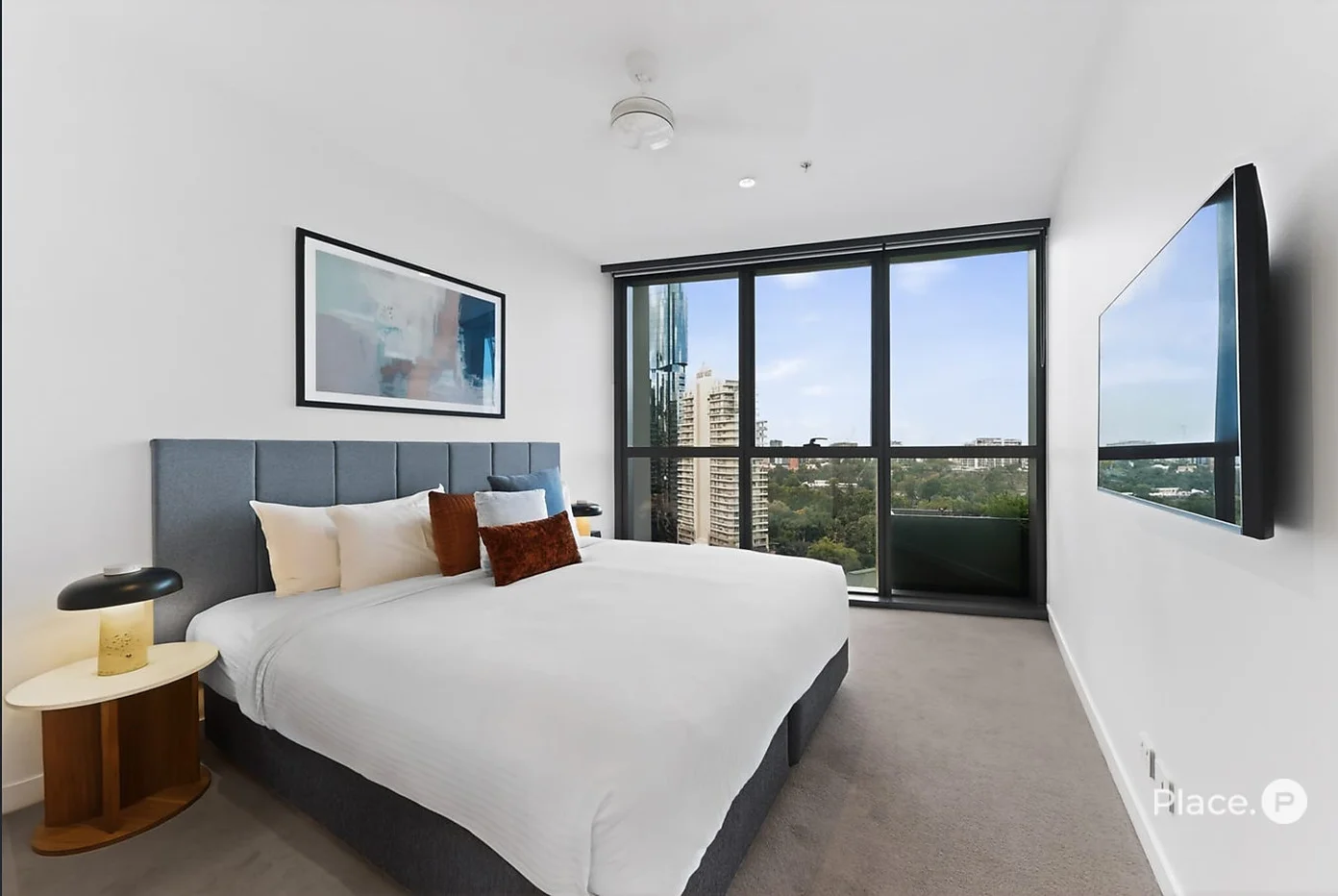
 $550,000
Apartment / Unit / Flat
$550,000
Apartment / Unit / Flat
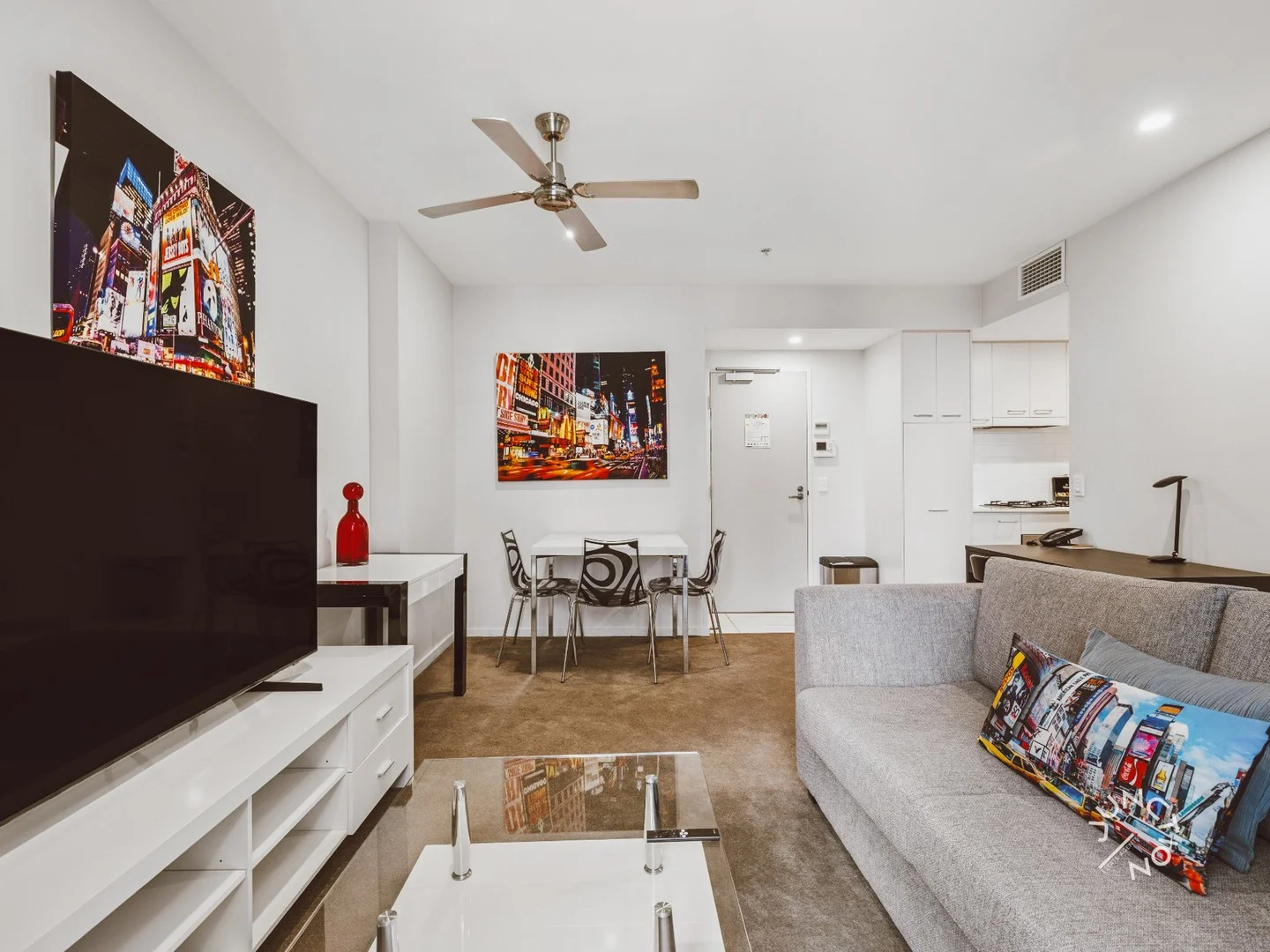
 $770,000
Apartment / Unit / Flat
$770,000
Apartment / Unit / Flat
 $523,200 - $566,800
Apartment / Unit / Flat
$523,200 - $566,800
Apartment / Unit / Flat
 $1,475,000 - $2,090,000
propertyType.NEW APARTMENTS / OFF THE PLAN
$1,475,000 - $2,090,000
propertyType.NEW APARTMENTS / OFF THE PLAN
 $950,000
Apartment / Unit / Flat
$950,000
Apartment / Unit / Flat