1. Overview (1–2 paragraphs max)
Huntingtower is an independent, co-educational day school serving students in Melbourne’s eastern suburbs. The school draws a diverse student body across Prep to Year 12 and focuses on a balanced education that combines strong academics with arts, sport, and wellbeing. The campus fosters a nurturing, inclusive atmosphere where students are encouraged to develop resilience, leadership, and a love of learning.
Size-wise, Huntingtower is a medium-sized community that supports individual attention and a cohesive, connected culture. Class sizes are typically in the low-to-mid teens for core subjects, with experienced teachers who aim to know every student well and tailor learning to different needs and strengths. The school emphasises holistic development, offering a broad range of programs to suit academically focused students as well as those pursuing talents in sport, the arts, and leadership.
2. Academics & Learning
- Academic strengths: English, STEM (science, technology, engineering, mathematics), and a broad humanities program. The school emphasises critical thinking, writing, and collaboration, with opportunities to develop leadership and communication alongside core curriculum.
- Special programs: Gifted and Talented pathways and accelerated learning options for high achievers; targeted extension activities within subjects; support for students seeking advanced study in senior years.
- NAPLAN / trends: Over recent years the school has shown stable to improving performance trends across cohorts, with a focus on consistent growth in literacy and numeracy and strong achievement in senior years.
- Student-teacher ratios: Small to medium class sizes aimed at providing regular individual feedback and personalised instruction.
- Support for diverse learners: EAL support for students new to English; SEN support and targeted interventions available through learning support staff and specialists.
3. Sports & Extracurricular Strengths
- Sports offered: Football (soccer), netball, basketball, cricket, tennis, athletics, swimming, hockey, and other regional- and inter-school competitions.
- Strong teams or achievements: Regular participation in inter-school events with opportunities to represent the school in regional competitions; emphasis on teamwork, sportsmanship, and personal development.
- Music, arts, drama programs: Active music ensembles, choirs, band programs, theatre and drama productions, and opportunities to perform in school showcases.
- Clubs: Robotics, chess, coding, debating, theatre tech, and other specialist clubs to extend learning beyond the classroom.
- Partnerships: Participation in local inter-school leagues, regional tournaments, and collaborations with community arts and sports programs to broaden experiences and competition opportunities.
4. Wellbeing & Pastoral Care
- Anti-bullying approach: Clear policies supported by staff training, student awareness programs, and a culture of reporting and resolution.
- House system: A house-based pastoral structure that supports daily wellbeing, leadership opportunities, and a sense of belonging.
- Counsellors / wellbeing officers: On-site access to school counsellors and wellbeing staff to support academic, social, and emotional development.
- Transition support for new students: Orientation programs, buddy systems, and targeted induction to ease transitions between year levels and new environments.
5. Facilities
- Sports grounds: Modern playing fields and courts suitable for a range of team sports and fitness activities.
- Libraries: Well-stocked libraries with digital resources and study spaces.
- Science labs: Up-to-date science laboratories designed for experiments and hands-on learning.
- Music/performing arts centers: Dedicated spaces for rehearsal, performance, and production.
- Tech/innovation labs: Modern ICT and maker spaces that support coding, robotics, and design projects.
- Cafeteria: On-site dining facilities with options for students throughout the day.
- Updated playgrounds: Safe, engaging outdoor play and learning spaces for younger students and breaks between classes.
6. School Values & Community Culture
- School values / mission: A commitment to respect, integrity, resilience, and excellence, with an emphasis on character development alongside academic achievement.
- Leadership style: Student voice and leadership opportunities through councils, clubs, and cohort activities; teachers encourage inquiry and collaborative learning.
- Behaviour expectations: Positive behaviour policies, clear expectations, and consistent application to create a safe and respectful environment.
- Community reputation: A well-regarded local community school known for strong notes of inclusivity, support for families, and a balanced approach to education.
- Diversity & inclusion: Proactive support for a diverse student body, with programs and practices designed to foster inclusion and belonging.
7. School Logistics & Daily Operations
- School hours: Typical daytime schedule with start and finish times aligned to Primary and Secondary timetables; occasionally early or late start for specific programs.
- Before/after school care: Availability of care programs or supervision before and after school hours.
- Uniform requirements: Clear uniform policy with daily and sports uniforms; details typically published by the school.
- Transport (train/bus routes): Access via local bus services and nearby train stations; school-specific transport options may be available or arranged on request.
- Canteen availability: On-site canteen or lunch facilities offering a range of healthy meal options.
- Fees (low/medium/high ranges): Fees placed in the mid-to-high range for independent Melbourne schools, with additional costs for activities, camps, and excursions.
8. Enrolment & Admissions
11. What is the enrolment process and timeline?
- Start with an online inquiry or application, followed by submission of required documents (birth certificate, previous school reports). Families are typically invited to information sessions or campus tours, then to an interview and, where appropriate, an assessment. The admissions timeline for most year levels often spans 12–18 months from initial inquiry to anticipated start date, with key intake periods aligned to the school calendar.
12. Is there a waiting list, and how does it work?
- Yes, there is a waiting list. Positions are assigned based on the order of application, readiness for the program, and availability of places. Some families may be given priority based on sibling entry or other school-specific criteria.
13. Are there any entry requirements, tests, or interviews?
- Entry generally involves an information session, an interview for students and families, and may include a short assessment or tasks appropriate to the year level. Language suitability, academic readiness, and readiness for the school environment are considered as part of the process.
14. Does the school accept mid-year transfers?
- Mid-year transfers are considered subject to space and placement assessments. Prospective families should contact the admissions office as early as possible to discuss availability and transition support.
9. Frequently Asked Questions
- Why Parents Choose This School?
- A balanced program that supports strong academics, arts, and sport within a caring community; personalised attention and pathways for diverse learners; emphasis on character and wellbeing.
- What type of student thrives at this school?
- Students who value a broad education, enjoy teamwork and participation in clubs, and respond well to a supportive, structured environment with opportunities to lead and contribute.
- What opportunities are available for students to extend their skills (academics, sports, arts)?
- Access to accelerated or extension activities, enrichment programs, a wide range of sports teams, music ensembles, drama productions, robotics and coding clubs, and leadership opportunities.
- How does the school communicate with parents?
- Regular updates via newsletters, emails, a parent portal, parent-teacher interviews, and events. Communication is designed to keep families informed about academic progress, wellbeing, and school news.
- What is the school’s approach to teaching and learning?
- A combination of inquiry-based learning, differentiated instruction, and evidence-based practices aimed at developing critical thinking, collaboration, and resilience.
- How does the school support students who need extra academic help?
- Learning support services, targeted interventions, EAL support for students new to English, and access to teachers and specialists to help with academic challenges.
- What support is available for academic challenges?
- Individualised learning plans, access to teachers for extra help, tutoring options, and referrals to learning support staff or outside specialists as needed.
- How does the school communicate with parents? (Repeated)
- See above: newsletters, portals, emails, and parent-teacher meetings; targeted updates on wellbeing and progress.
- What are the class sizes and how much individual attention do students receive?
- Class sizes are small to medium, designed to maximise teacher access to each student and provide frequent feedback, differentiation, and support.
- What extracurricular and sports opportunities are available?
- A broad range of sports across inter-school programs; music ensembles and drama; clubs such as robotics, chess, coding, and debating.
- What facilities does the school offer (sports, science, arts)?
- Comprehensive facilities including sports grounds, libraries, science laboratories, music/performing arts spaces, tech/innovation labs, a cafeteria, and well-equipped playgrounds.
- What is the school’s approach to technology and digital learning?
- Integration of technology across the curriculum, with digital learning tools, possibly 1:1 device programs, and age-appropriate use of ICT to enhance learning and collaboration.
- What transport and accessibility options are available?
- Local bus routes and proximity to train services; school arrangements may include transport options or guidance for families.
- What are the typical school fees or additional costs?
- Fees are in the mid-to-high range for independent Victoria schools, with potential additional costs for camps, activities, and specialist programs.
10. Short Pros & Cons list
Pros
- Independent, well-rounded education with strong academics, arts, and sport
- Small to medium class sizes enabling personalised attention
- Supportive wellbeing and pastoral care, including a house system and counsellors
- Broad range of extracurricular activities (robotics, chess, coding, debating, music and drama)
- Modern facilities across science, arts, technology, and sports
Cons
- Fees fall in the mid-to-high range for independent schools
- Competitive admission process with waitlists for certain year levels
- Transport options may require coordination with families or additional arrangements
- Limited capacity for mid-year start dates depending on space availability
If you’d like, I can tailor this content further with more precise details from the school’s current admissions page or campus information.

 $440+
$440+












 $770,000 - $820,000
Apartment / Unit / Flat
$770,000 - $820,000
Apartment / Unit / Flat
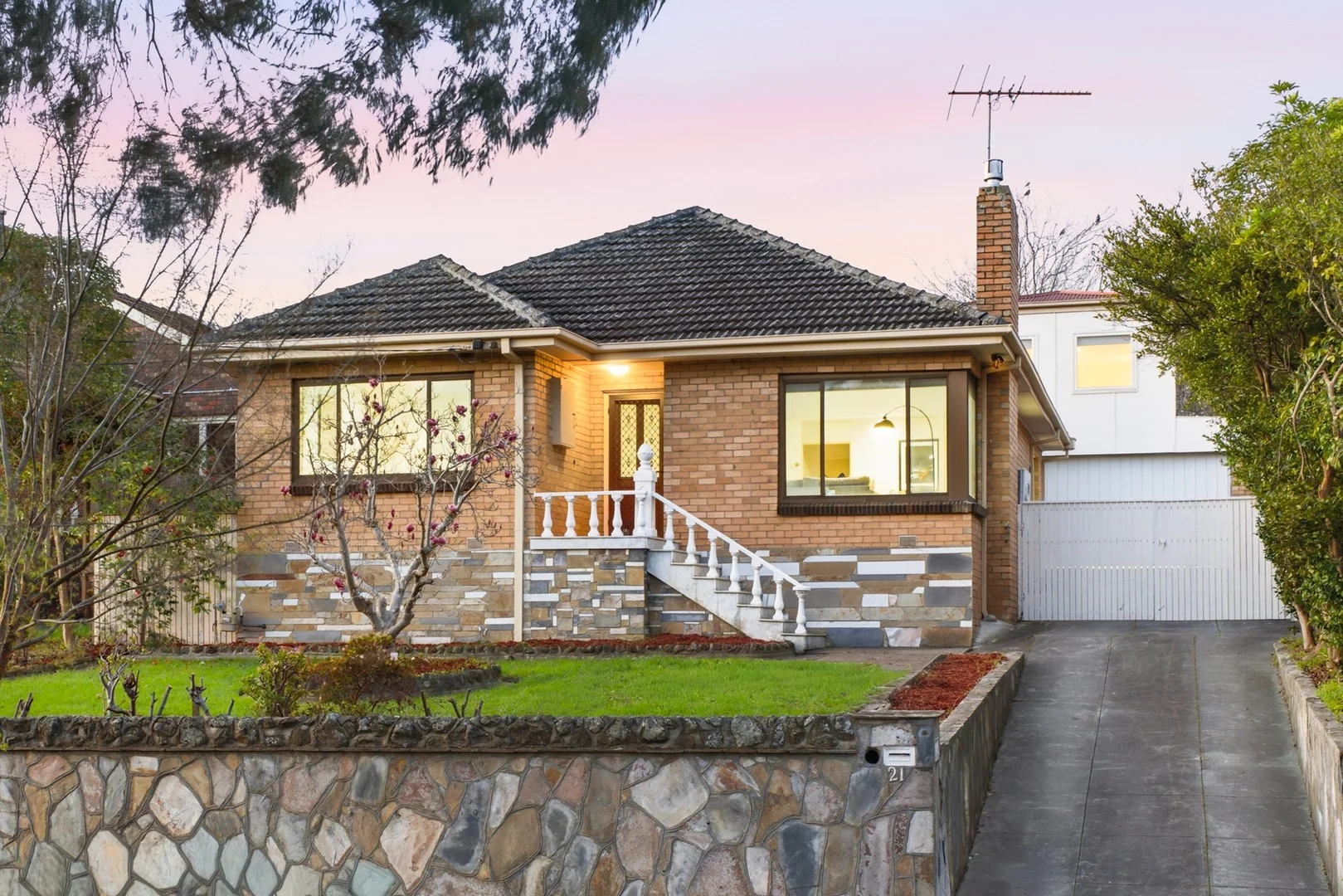 $1,200,000
House
$1,200,000
House
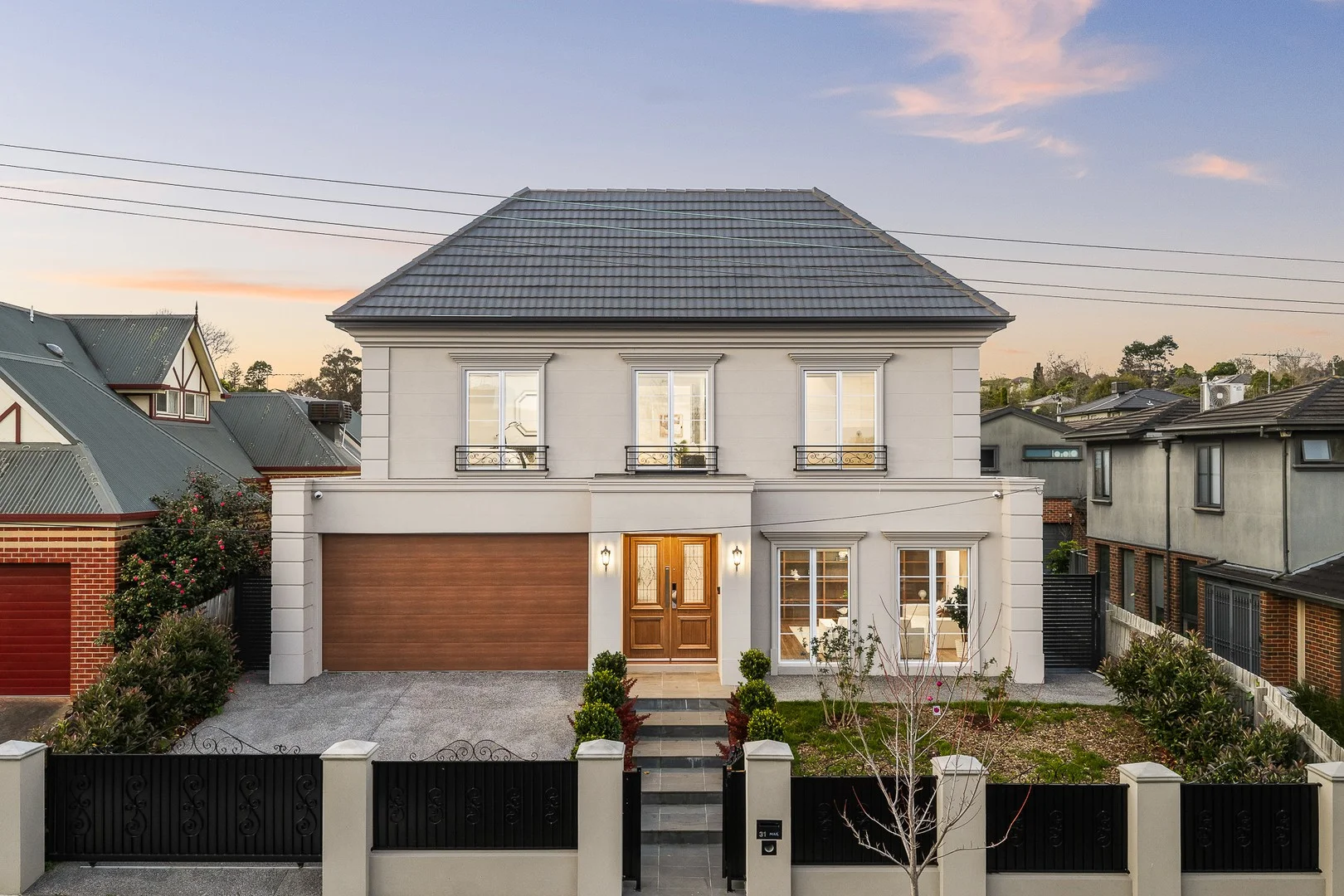 $2,550,000
House
$2,550,000
House
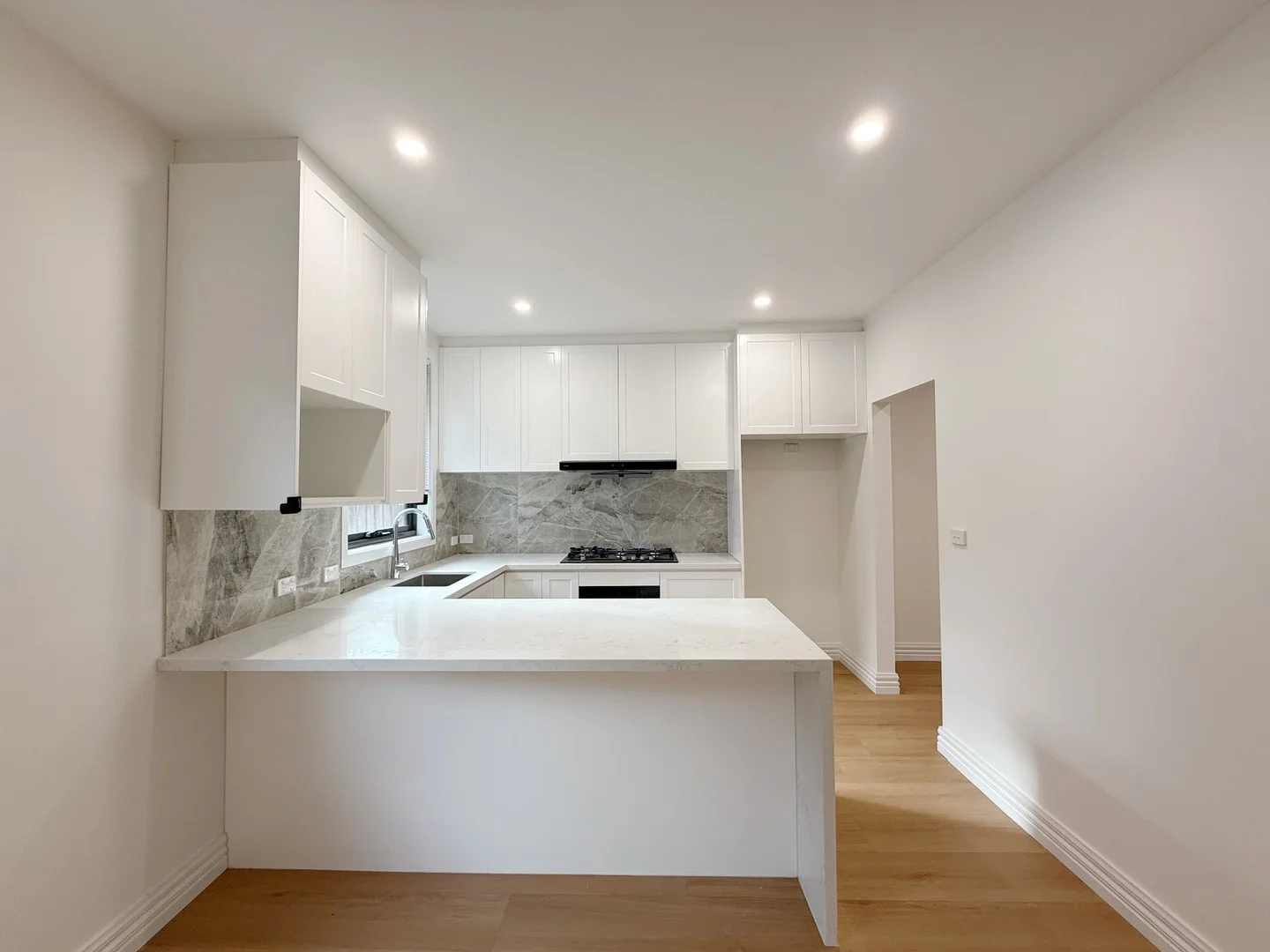 $1,280
House
$1,280
House
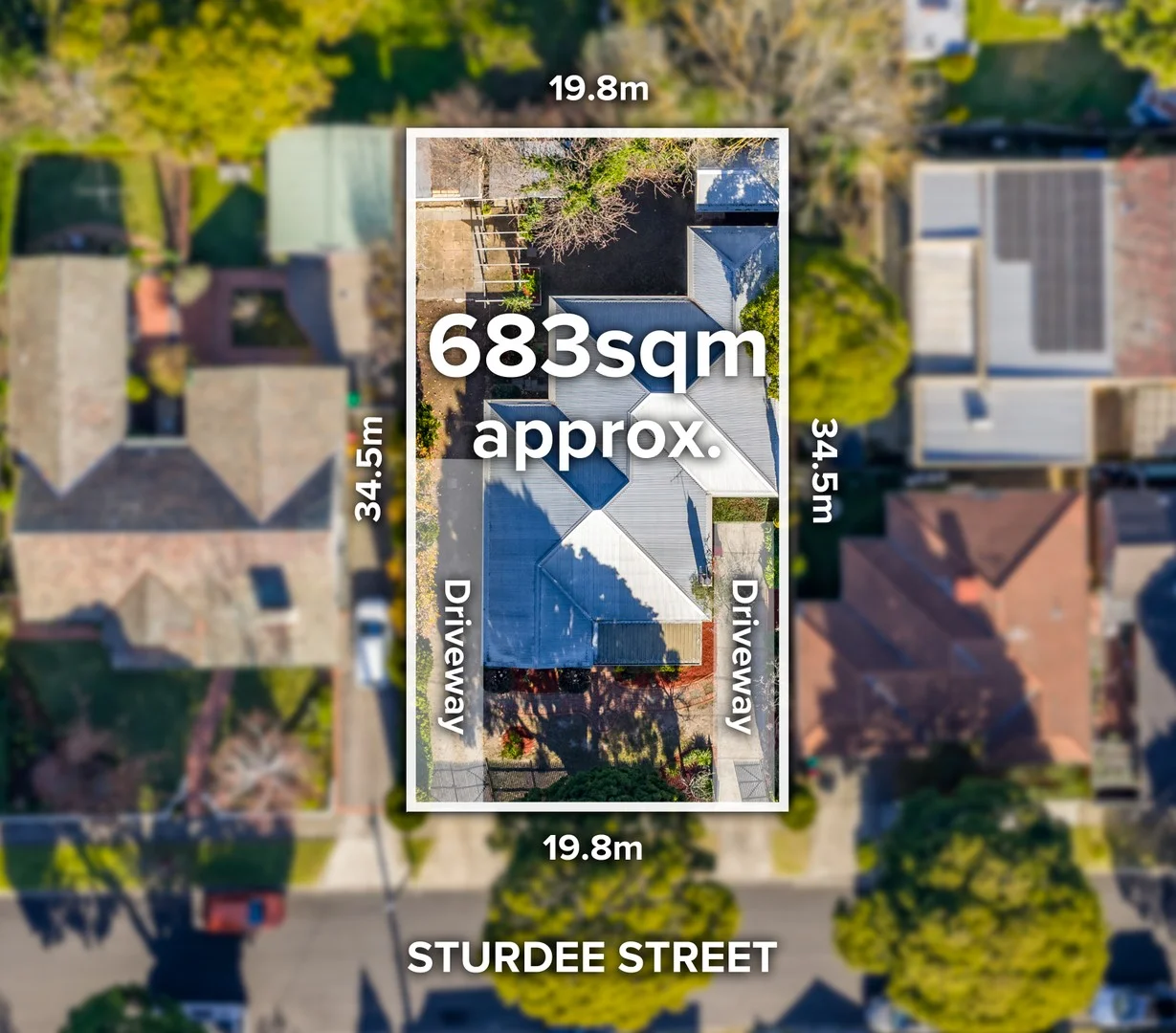 $2,000,000
House
$2,000,000
House
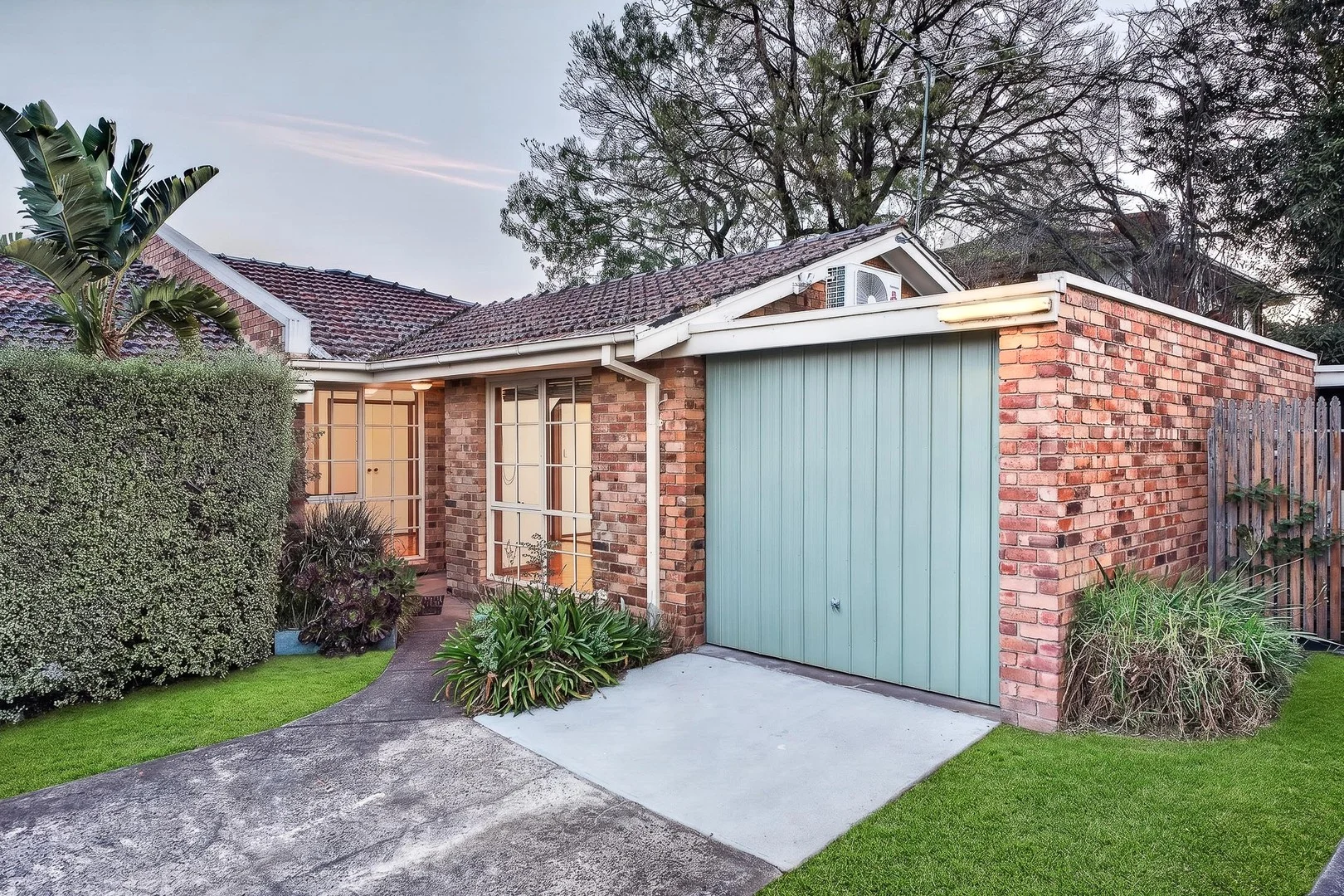 $765,000 - $825,000
Apartment / Unit / Flat
$765,000 - $825,000
Apartment / Unit / Flat
 $630,000 - $680,000
Apartment / Unit / Flat
$630,000 - $680,000
Apartment / Unit / Flat
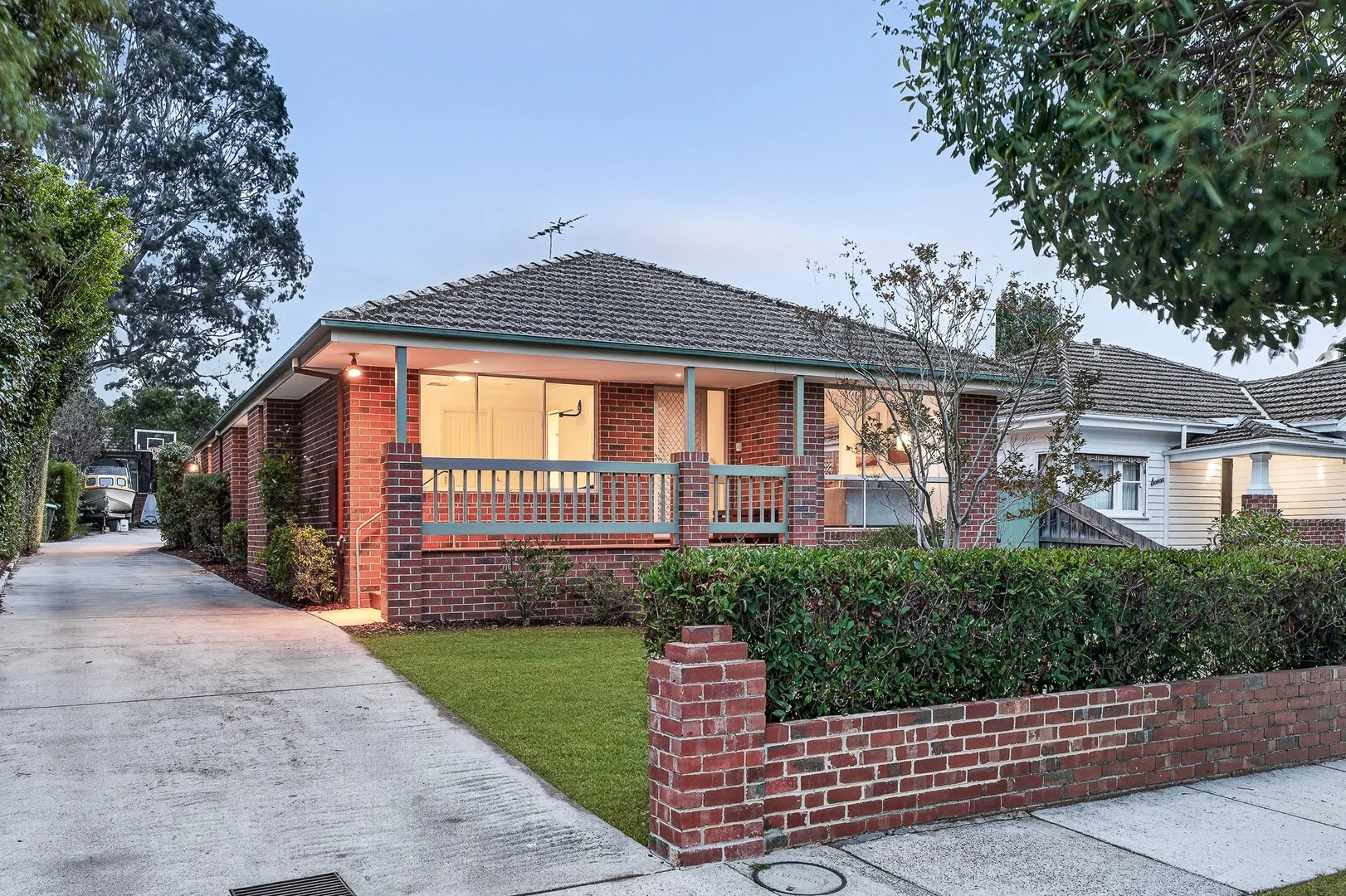 $1,200,000 - $1,300,000
House
$1,200,000 - $1,300,000
House
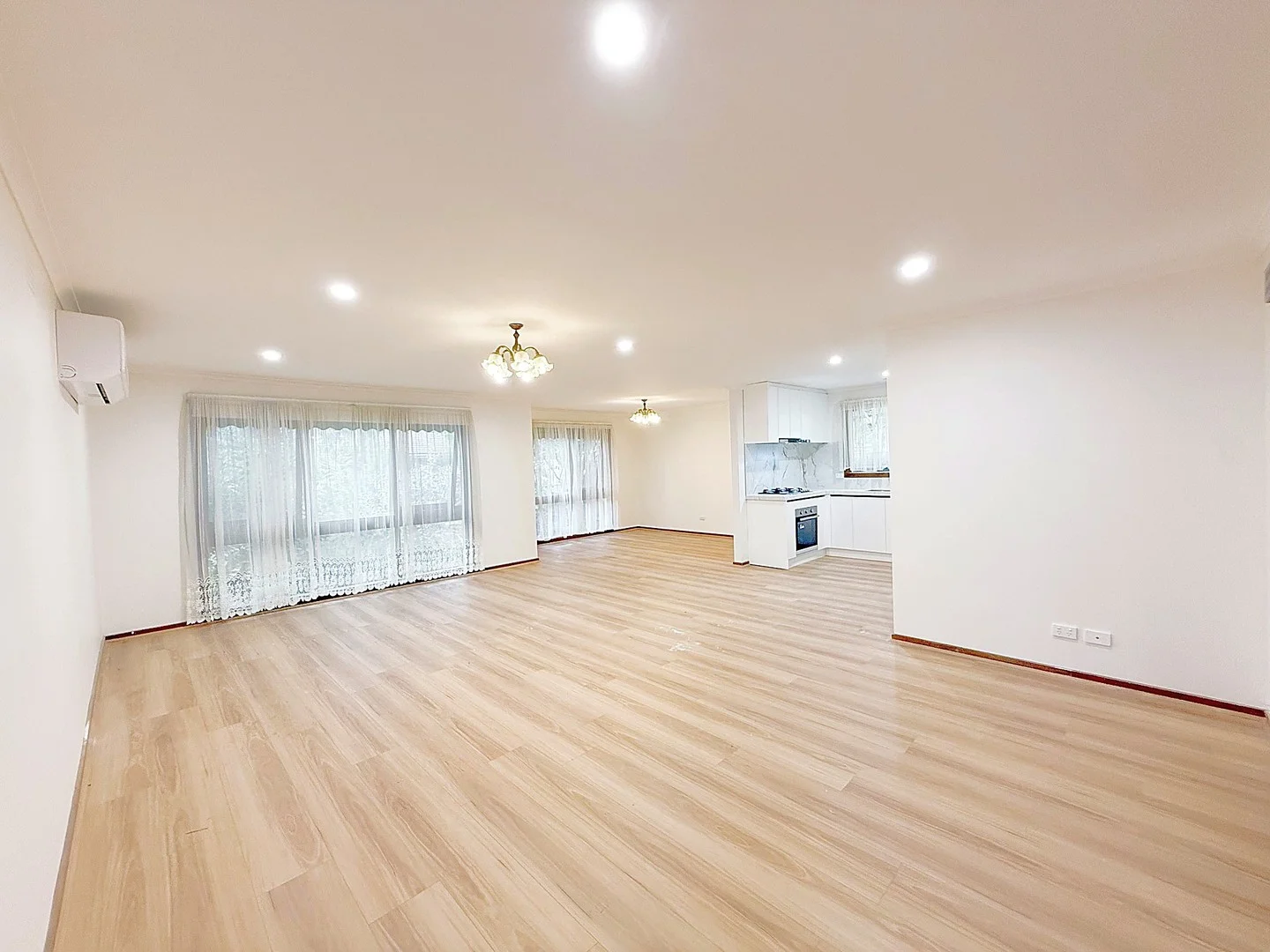 $1,100
House
$1,100
House


