## 1. Overview
Syndal South Primary School is a public primary school serving families in the Mount Waverley/Syndal area. The school emphasises an inclusive, supportive learning community where students are encouraged to explore, learn and grow together. As a medium-sized government primary school, it aims to balance strong academic foundations with a caring, values-based culture.
Class sizes are typically in the low-to-mid 20s, supporting individual attention and collaborative learning. The atmosphere is described as welcoming and respectful, with an emphasis on student wellbeing, community involvement and real-world learning.
---
## 2. Academics & Learning
- Academic strengths: Focus on literacy and numeracy with opportunities to engage in STEM activities and digital learning; emphasis on developing core skills that underpin future learning.
- Special programs: Access to gifted and talented programs where available, plus student opportunities in arts, music and language learning as part of a well-rounded curriculum.
- NAPLAN / trends: Monitor annual NAPLAN results with a view to improving reading and numeracy, while maintaining consistent overall performance relative to state averages.
- Student-teacher ratios: Typically around 1:15–1:22, with class sizes designed to support engaged, interactive learning.
- Support for diverse learners: EAL support and SEN services are provided to help students maximise their learning potential, along with inclusive education practices to meet diverse needs.
---
## 3. Sports & Extracurricular Strengths
- Sports offered: A range of team and individual sports suitable for primary-age students, including ball sports, athletics and school-based physical activities.
- Strong teams or achievements: Participation in district and inter-school events; opportunities to represent the school in team competitions.
- Music, arts, drama programs: Active involvement in music, drama and performing arts; opportunities for school productions and performances.
- Clubs: Robotics, coding, chess, debating and other after-school clubs designed to broaden skills and interests.
- Partnerships: Links with local community groups and regional competition pathways to extend opportunities beyond the classroom.
---
## 4. Wellbeing & Pastoral Care
- Anti-bullying approach: Clear anti-bullying policies and proactive wellbeing programs aimed at creating a respectful school culture.
- House system: A house system to foster friendship, teamwork and healthy competition.
- Counsellors / wellbeing officers: Access to wellbeing staff to support student welfare, resilience and social-emotional learning.
- Transition support for new students: Orientation activities, buddy programs and structured transition support to help new students settle in smoothly.
---
## 5. Facilities
- Sports grounds: Adequate outdoor spaces for physical education and sports.
- Libraries: A dedicated library to promote reading and research skills.
- Science labs: Facilities to support hands-on science learning.
- Music/performing arts centers: Space for music classes, rehearsals and performances.
- Tech/innovation labs: Learning spaces that support ICT and project-based learning.
- Cafeteria: On-site canteen or dining facilities to support student lunches.
- Updated playgrounds: Safe, engaging outdoor play areas for breaks and recreation.
---
## 6. School Values & Community Culture
- School values / mission: Core principles such as respect, responsibility, inclusion and cooperation underpin daily practice.
- Leadership style: A collaborative leadership approach that fosters student voice and parental involvement.
- Behaviour expectations: Clear behavioural guidelines tied to positive relationships and consistent routines.
- Community reputation: Generally viewed as a welcoming, family-friendly school with strong community ties.
- Diversity & inclusion: Commitment to an inclusive environment that respects diverse backgrounds and needs.
---
## 7. School Logistics & Daily Operations
- School hours: Typical day starts in the morning with school finishing in the mid-to-late afternoon; exact times may vary by term.
- Before/after school care: Availability of before- and after-school care or supervision through school-approved programs.
- Uniform requirements: School uniform policy in place; details on items and standards provided by the school.
- Transport: Access to local bus services and proximity to public transport; families may need to plan drop-off/pick-up accordingly.
- Canteen availability: Canteen or lunch facilities available on site on selected days.
- Fees: Public primary schools generally have low to moderate costs beyond standard voluntary contributions; specifics provided by the school.
---
## 8. Enrolment & Admissions
11. What is the enrolment process and timeline?
- Enrolment is coordinated through the school with guidance from the state system. Families typically apply for the upcoming intake period, with required documentation such as proof of address and immunisation records. Timelines vary by year and catchment, so check directly with the school for exact dates.
12. Is there a waiting list, and how does it work?
- Some years may have limited vacancies; enrolments may be prioritised by catchment status and availability. If the school is oversubscribed, there may be a process to consider out-of-zone requests and waitlist arrangements as vacancies arise.
13. Are there any entry requirements, tests, or interviews?
- Most enrolments do not involve testing; the process generally focuses on eligibility (catchment status), documentation and a school tour or information session. Any interviews or assessments are usually related to specific programs and arranged by the school if applicable.
14. Does the school accept mid-year transfers?
- Mid-year transfers can be possible if there are vacancies. Families should contact the school as early as possible to discuss availability, enrolment steps and any transition arrangements.
---
## 9. Frequently Asked Questions
- Why Parents Choose This School?
- A welcoming, inclusive culture with a focus on strong literacy and numeracy, well-being support and opportunities across academics, arts and sport.
- What type of student thrives at this school?
- Students who enjoy a collaborative learning environment, participate in a range of clubs and activities, and respond well to a supportive pastoral care approach.
- What opportunities are available for students to extend their skills (academics, sports, arts)?
- Access to gifted and talented programs, STEM activities, music and drama programs, sports teams, and after-school clubs such as robotics, coding, chess and debating.
- How does the school communicate with parents?
- Regular updates via newsletters, email communications, parent-teacher meetings and online portals or platforms used by the school.
- What is the school’s approach to teaching and learning?
- A balanced curriculum with a strong emphasis on core literacy and numeracy, supported by engaging, hands-on learning and differentiation to meet diverse needs.
- How does the school support students who need extra academic help?
- Targeted support within the classroom, access to learning support staff, and services for EAL or SEN where needed.
- What support is available for academic challenges?
- Scripted supports, modified tasks, progression monitoring and access to specialist staff to help students stay on track.
- How does the school communicate with parents? (Repeated)
- See above: newsletters, meetings, and digital platforms as applicable.
- What are the class sizes and how much individual attention do students receive?
- Class sizes are typically in the low-to-mid 20s, with planning and teaching strategies designed to provide opportunities for individual attention.
- What extracurricular and sports opportunities are available?
- A range of sports, arts, music and academic clubs, and pathways to district and inter-school events.
- What facilities does the school offer (sports, science, arts)?
- Sports grounds, library, science labs, music/performing arts spaces, tech/innovation labs and an on-site canteen and playground facilities.
- What is the school’s approach to technology and digital learning?
- Integrated ICT and digital learning opportunities to build ICT literacy and prepare students for future learning.
- What transport and accessibility options are available?
- Access to local bus routes and proximity to public transport; plans and guidance provided by the school for families.
- What are the typical school fees or additional costs?
- Public primary schools have low to moderate costs beyond standard voluntary contributions; exact amounts are provided by the school.
---
## 10. Short Pros & Cons list
- Pros
- Public, inclusive environment with a focus on wellbeing and core academic skills
- Range of extracurriculars including arts, sports and clubs
- Support for diverse learners and strong community connections
- Family-friendly communication and involvement opportunities
- Cons
- As a medium-sized public school, some programs and spots may fill quickly during popular periods
- Uniform and certain activities may involve additional costs
- Transport options depend on family location and local services
If you’d like, I can tailor any section with more specific details or adjust tone to match a particular part of your site. For the most accurate enrolment timelines, entry requirements, and current facilities, please verify with Syndal South Primary School directly or consult their official communications.

 $440+
$440+













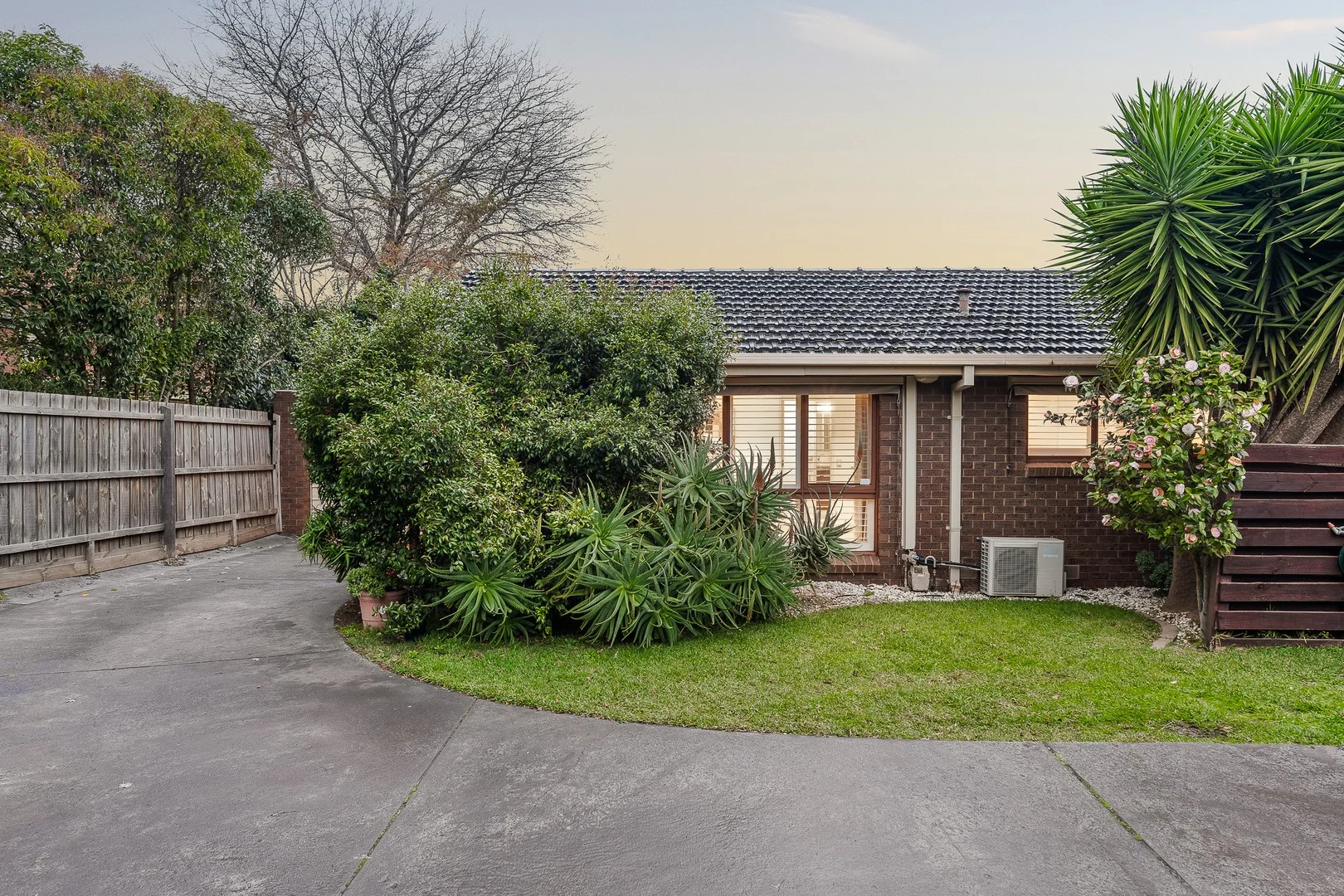 $770,000 - $820,000
Apartment / Unit / Flat
$770,000 - $820,000
Apartment / Unit / Flat
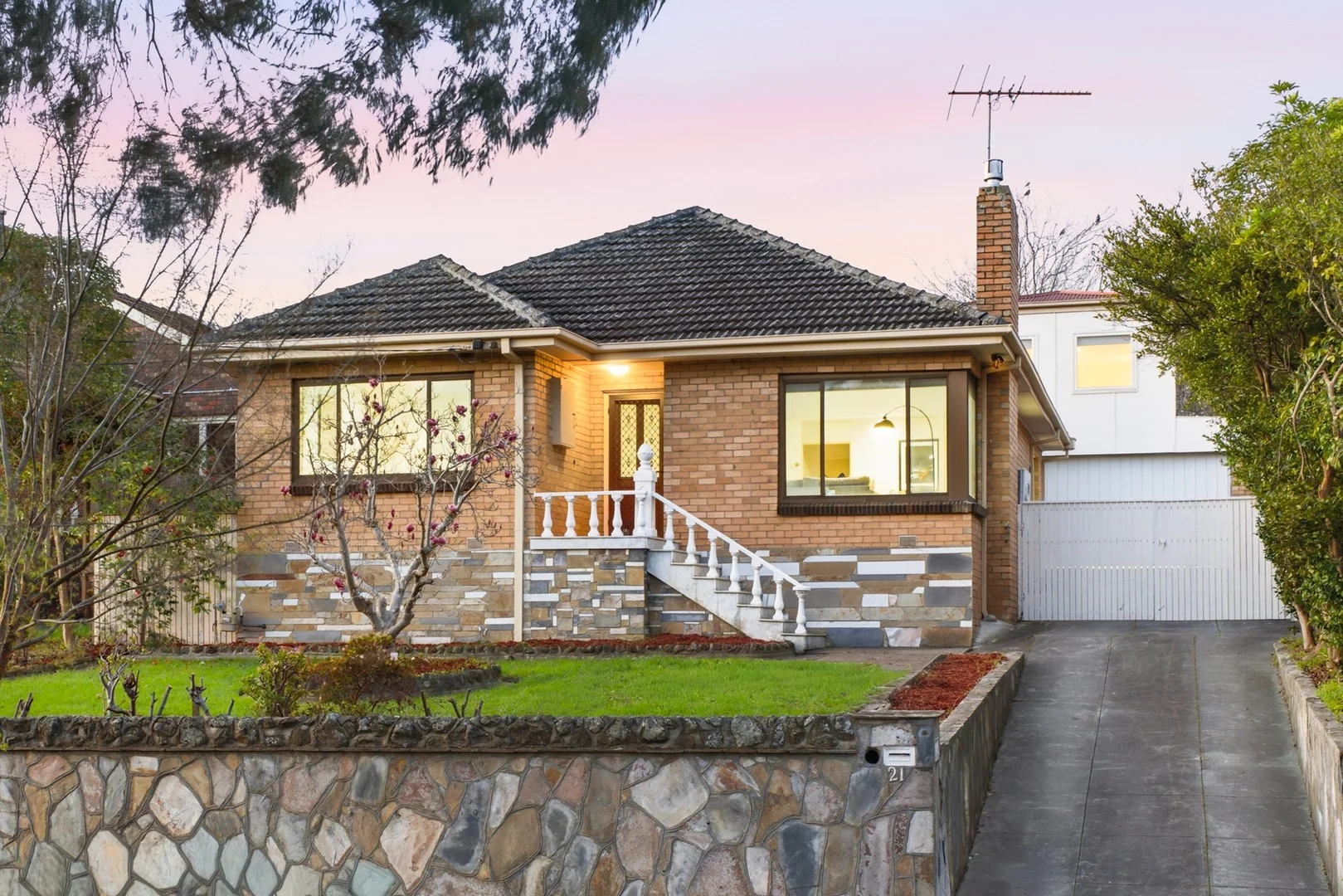 $1,200,000
House
$1,200,000
House
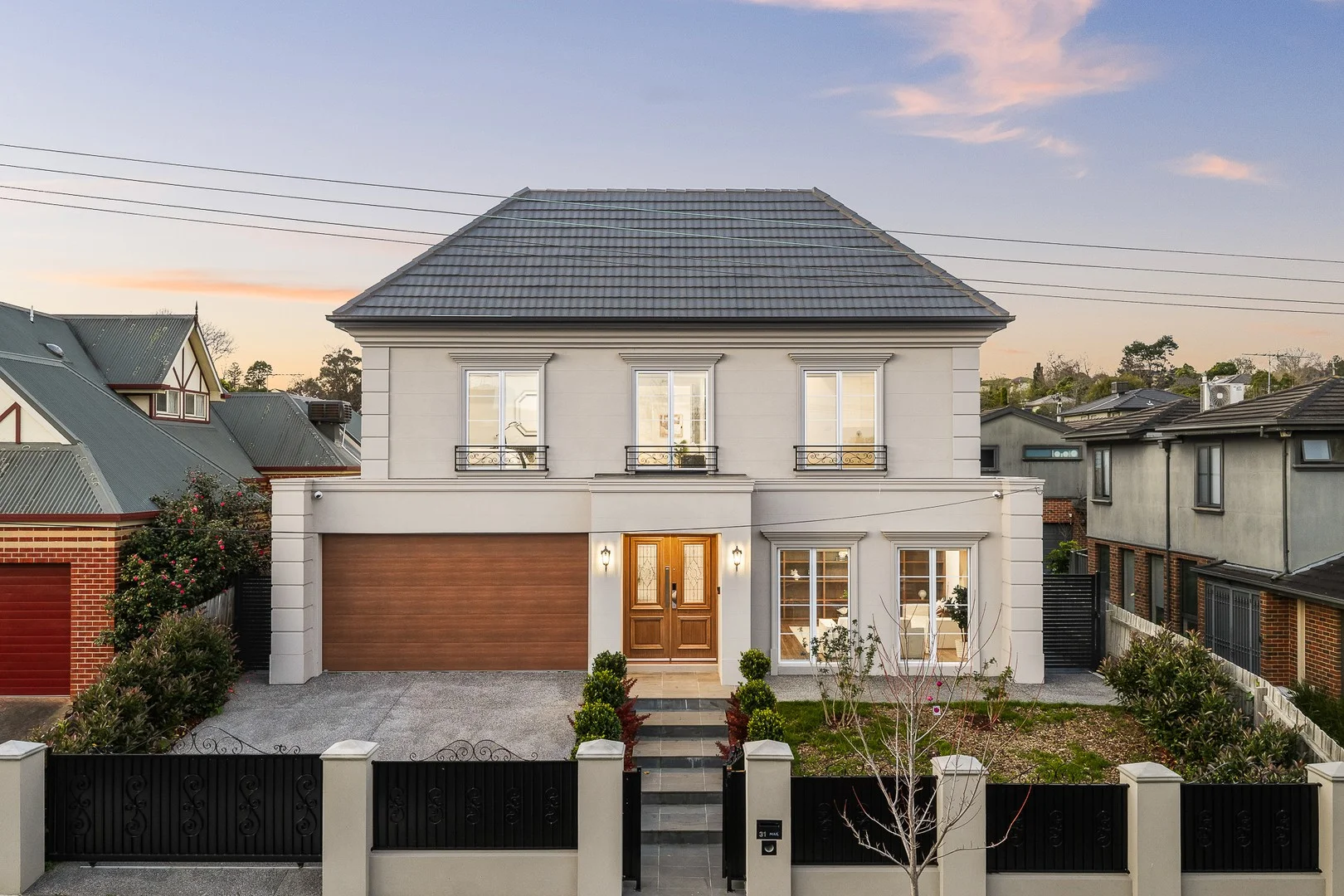 $2,550,000
House
$2,550,000
House
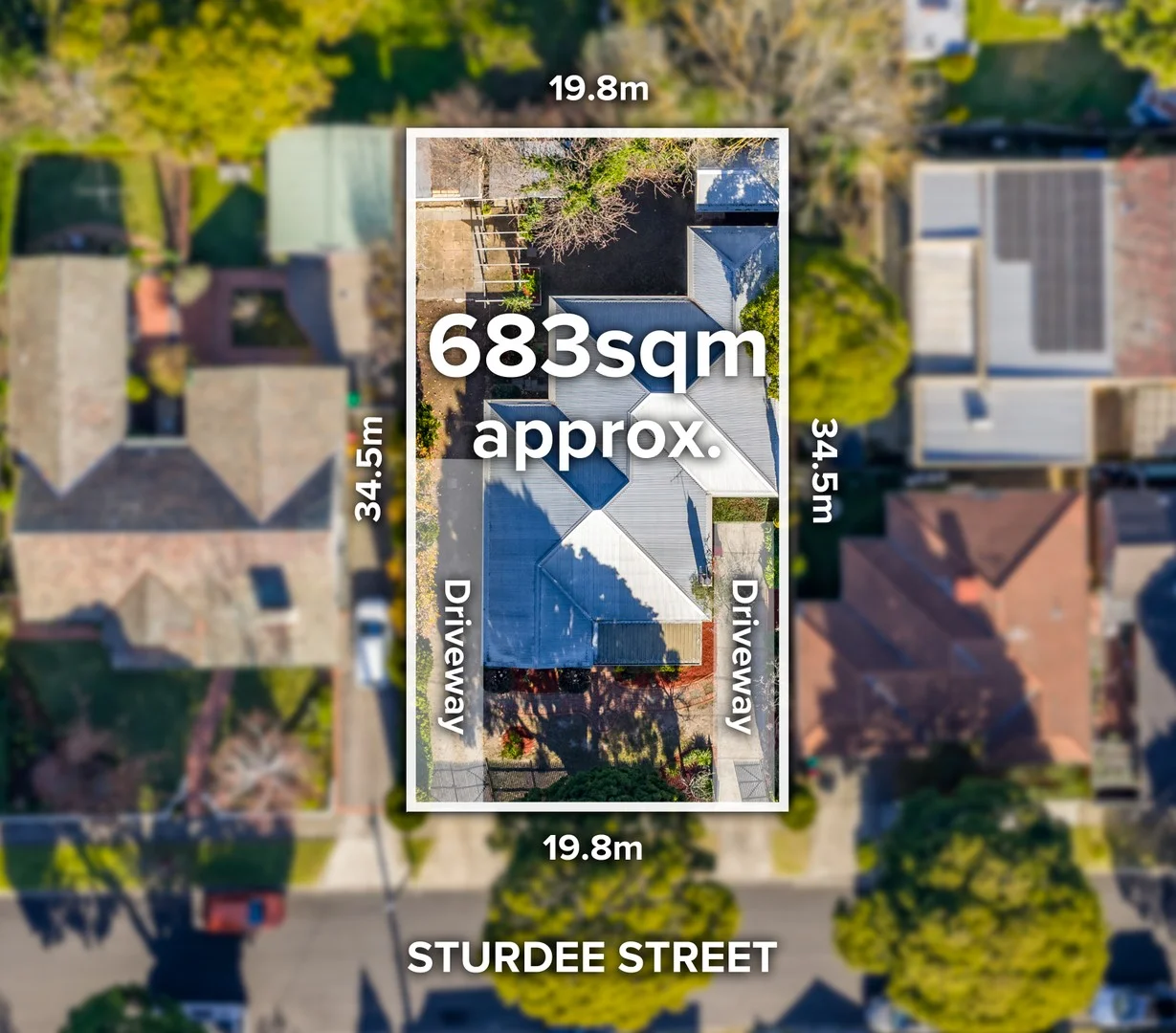 $2,000,000
House
$2,000,000
House
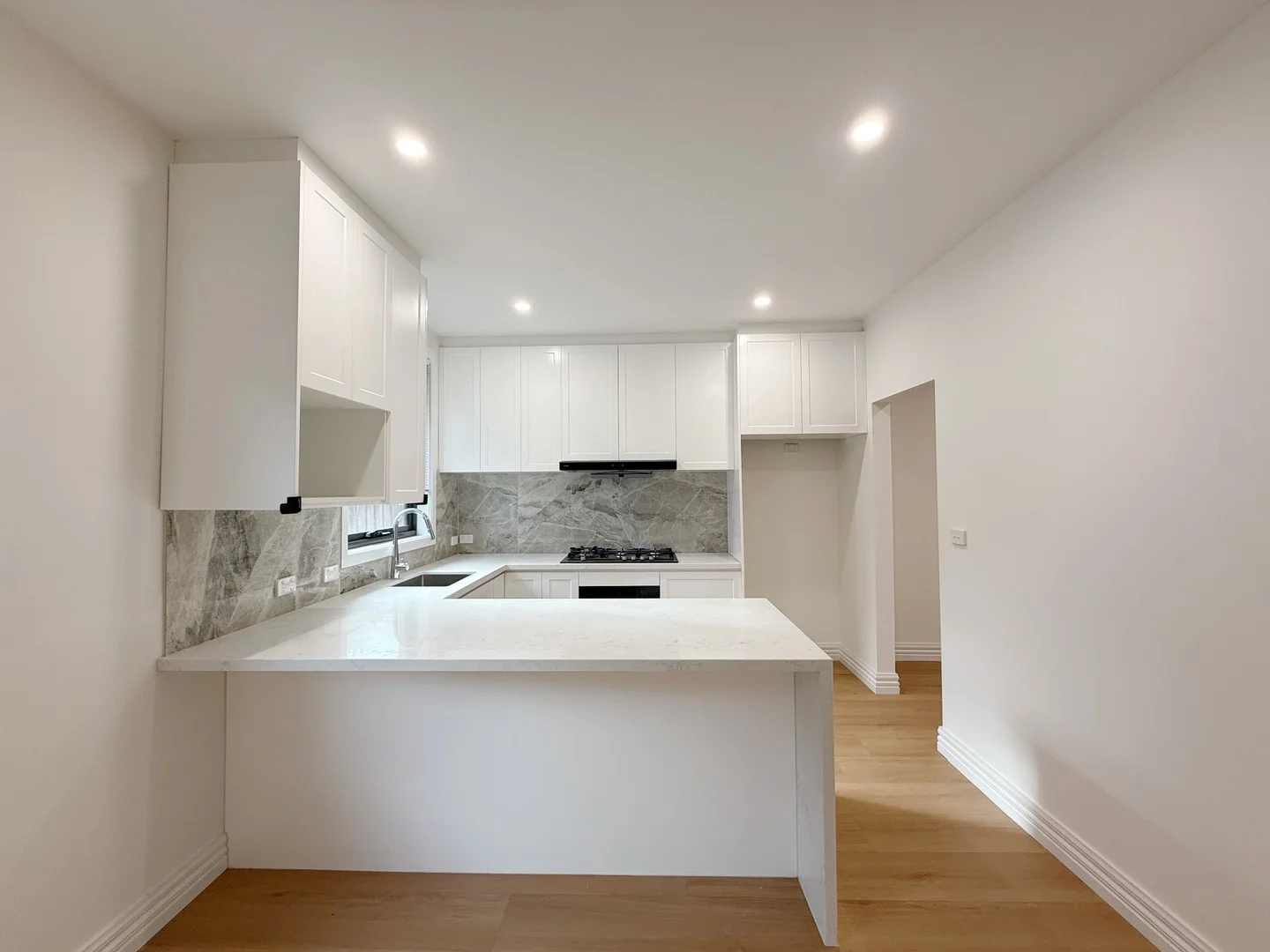 $1,280
House
$1,280
House
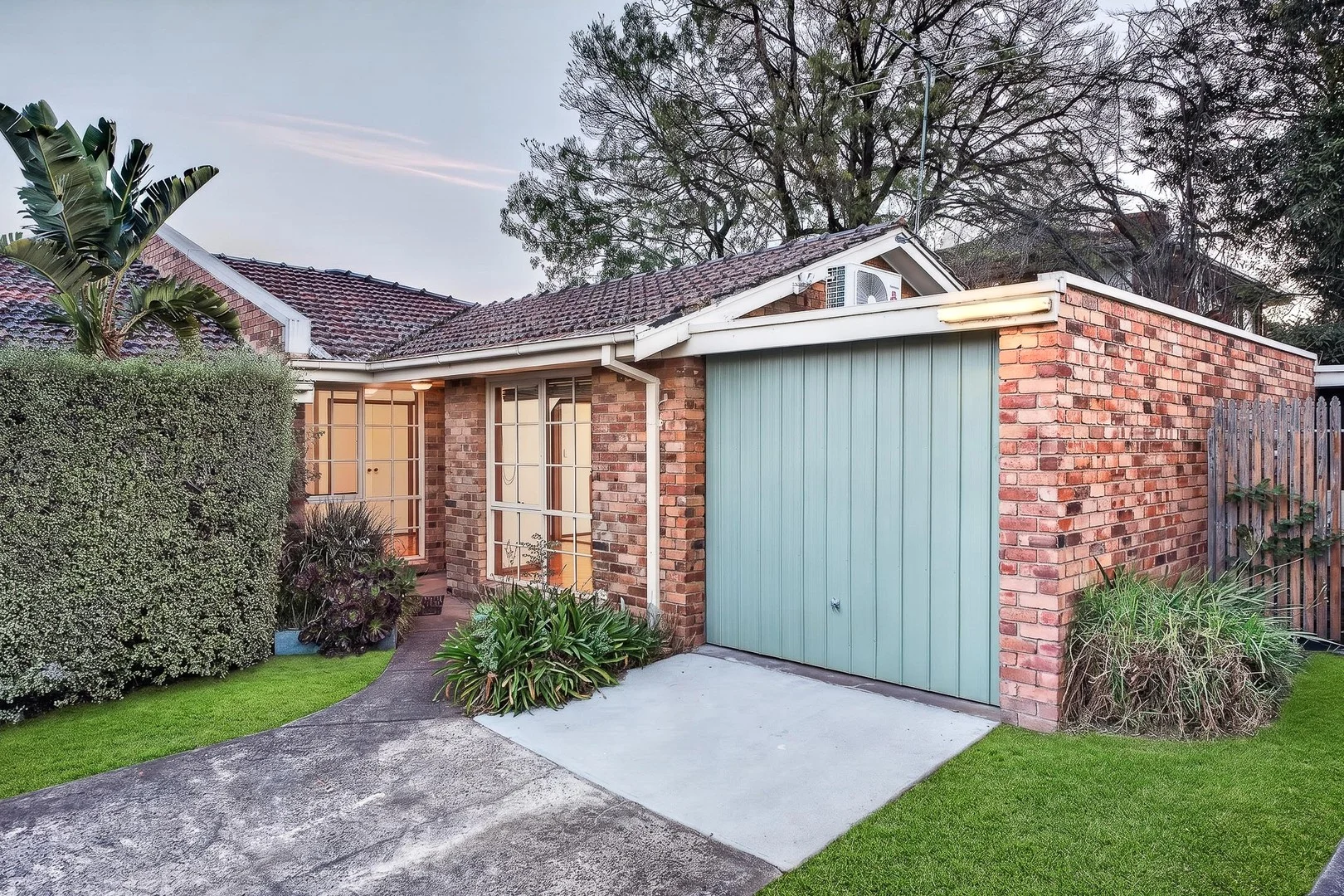 $765,000 - $825,000
Apartment / Unit / Flat
$765,000 - $825,000
Apartment / Unit / Flat
 $630,000 - $680,000
Apartment / Unit / Flat
$630,000 - $680,000
Apartment / Unit / Flat
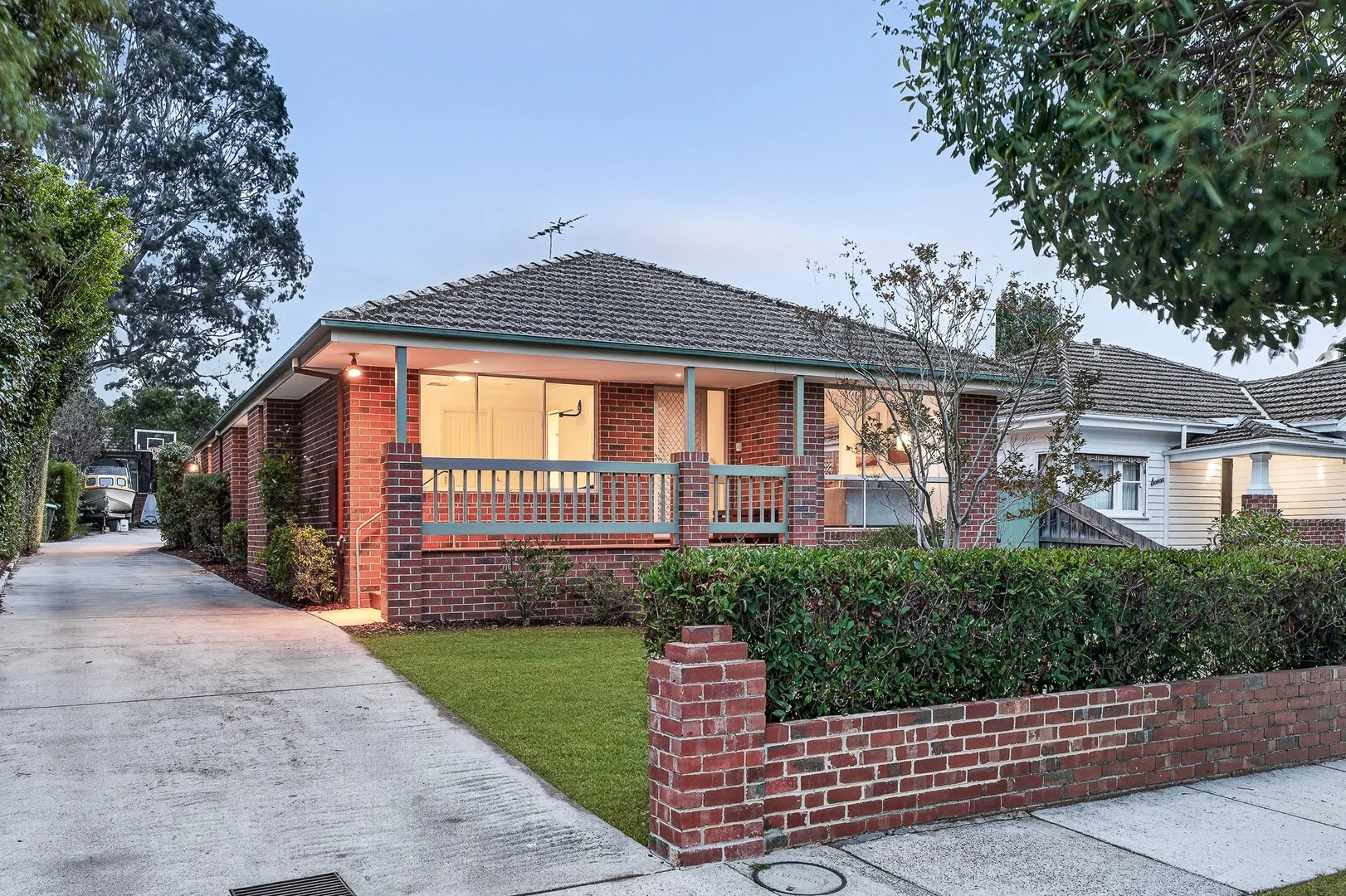 $1,200,000 - $1,300,000
House
$1,200,000 - $1,300,000
House
 $1,100
House
$1,100
House


