1. Overview
John Monash Science School is a public high school in Clayton, Victoria, with a dedicated focus on STEM education. It operates within the public system and draws students from across the region who are passionate about science, technology, engineering and mathematics. The school tends to be medium-sized for a public specialist high school, offering a nurturing yet academically rigorous environment that emphasizes inquiry, collaboration and real-world problem solving.
Class sizes are designed to support individual attention and collaborative learning, with typical groups in the low-to-mid 20s. The atmosphere is academic and inclusive, prioritising curiosity, high expectations and a culture of support where students from diverse backgrounds can thrive.
⸻
2. Academics & Learning
- Academic strengths: Strong emphasis on STEM disciplines (science, technology, engineering, mathematics) alongside core literacy and numeracy to build a robust academic foundation.
- Special programs: STEM-focused curriculum with opportunities for advanced coursework and science-related projects; pathways that support gifted and talented learners.
- NAPLAN trends: Positive long-term trends with steady improvements in literacy and numeracy, and strong performance in science-related areas, reflecting a commitment to rigor and engagement.
- Student-teacher ratios: Generally low-to-mid 20s in class sizes, supporting more targeted instruction and feedback.
- Support for diverse learners: Robust support for EAL and students with additional learning needs, including targeted tutoring, learning support plans and access to specialist staff.
⸻
3. Sports & Extracurricular Strengths
- Sports offered: A range of team and individual sports typical to Victorian high schools (e.g., basketball, netball, football, cricket, athletics, swimming, tennis) with opportunities to compete in interschool events.
- Strong teams or achievements: Competitive student teams across STEM and sport, with emphasis on teamwork, discipline and fair play.
- Music, arts, drama programs: Active music and performing arts offerings to complement the science focus, supporting well-rounded development.
- Clubs: Robotics, coding, chess, debating, science clubs and other student-led initiatives to extend learning beyond the classroom.
- Partnerships: Connections with local universities and science/technology organisations for competitions, mentorship and pathways to further study.
⸻
4. Wellbeing & Pastoral Care
- Anti-bullying approach: Clear policies and proactive programs to promote a respectful, inclusive school culture; student wellbeing is taught and reinforced.
- House system: House-based governance and events to foster belonging, leadership and mentorship among students.
- Counsellors / wellbeing officers: Access to pastoral care staff, including counsellors and wellbeing coordinators, to support mental health and personal development.
- Transition support for new students: Orientation activities, buddy programs and targeted transition support to help new students settle in smoothly.
⸻
5. Facilities
- Sports grounds: On-site and nearby facilities to support a range of physical activities.
- Libraries: Well-equipped library resources to support research, study and reading for pleasure.
- Science labs: Modern, well-resourced science laboratories aligned with the STEM focus.
- Music/performing arts centers: Dedicated spaces for music and drama performances and rehearsals.
- Tech/innovation labs: Technology and innovation spaces to support coding, robotics and project work.
- Cafeteria: On-site catering for students and staff with a variety of healthy options.
- Updated playgrounds: Safe, functional outdoor spaces for recreation and social interaction.
⸻
6. School Values & Community Culture
- School values / mission: A culture of curiosity, integrity, collaboration and academic excellence, with a strong emphasis on scientific inquiry and social responsibility.
- Leadership style: Distributed and student-inclusive leadership; opportunities for student voice through clubs, council and peer mentoring.
- Behaviour expectations: Clear standards around respect, responsibility, safety and performance; consistent enforcement and positive reinforcement.
- Community reputation: Recognised as a leading STEM-focused public high school with strong university connections and emphasis on real-world problem solving.
- Diversity & inclusion: Commitment to a diverse and inclusive community where all students have access to opportunities and support.
⸻
7. School Logistics & Daily Operations
- School hours: Typically a full-day schedule aligned with the state calendar; start and finish times reflect standard secondary hours.
- Before/after school care: Some provision through on-site or partner programs; check local offerings for before/after care and supervision.
- Uniform requirements: School uniform required (with standard items and contingencies for weather and activities).
- Transport (train/bus routes): Accessible via public transport with nearby rail and bus options; public transport planning is encouraged for students traveling from across the region.
- Canteen availability: On-site canteen or snack facilities offering a range of healthy options.
- Fees (low/medium/high ranges): Public school with minimal compulsory fees; there are typical levies for electives, excursions and materials, with costs varying by activity.
⸻
8. Enrolment & Admissions
11. What is the enrolment process and timeline?
- Submit an application within the school’s intake window.
- Provide required documentation (birth details, prior school reports, proof of residency or eligibility where applicable).
- Complete any assessed steps (interviews or academic tasks) as part of the intake.
- Offers are issued in rounds after assessment; families accept offers within the stated timeframe.
- If your child is not offered a place in the initial rounds, a waiting list may apply.
12. Is there a waiting list, and how does it work?
- Yes, there is often a waiting list. Placement typically depends on the order of application and availability of seats, with priority considerations based on cohort needs, eligibility and date of application.
13. Are there any entry requirements, tests, or interviews?
- Entry may involve an application review and may include short assessments or interviews, particularly for STEM-focused programs. Requirements vary by year level and vacancy.
14. Does the school accept mid-year transfers?
- Mid-year transfers may be possible subject to vacancies, completion of enrolment checks, and school capacity; acceptance depends on available places and alignment with program placement.
⸻
9. Frequently Asked Questions
- Why Parents Choose This School?
This school appeals to families seeking a rigorous STEM-focused high school within the public system, with strong university links, a collaborative culture and dedicated wellbeing and support services.
- What type of student thrives at this school?
A student who is curious, motivated, collaborative and excited by science, technology and problem solving tends to thrive, especially those who enjoy applying knowledge to real-world challenges.
- What opportunities are available for students to extend their skills (academics, sports, arts)?
Opportunities include advanced STEM coursework, science projects and competitions, coding and robotics clubs, leadership roles, music and performing arts programs, and a range of interschool sports and clubs.
- How does the school communicate with parents?
Regular updates via newsletters, emails and a school app or portal; formal parent-teacher interviews; information evenings and targeted communications for specific programs.
- What is the school’s approach to teaching and learning?
Emphasis on inquiry-based and project-based learning, with strong emphasis on collaboration, critical thinking and applying science to real-world contexts.
- How does the school support students who need extra academic help?
Dedicated learning support, tutoring, EAL and SEN provisions, and targeted intervention programs to help students access the curriculum.
- What support is available for academic challenges?
Access to teachers, tutors and counsellors; plan-based supports and options for enrichment or extension where appropriate.
- How does the school communicate with parents? (duplicate question; answered above)
- What are the class sizes and how much individual attention do students receive?
Class sizes are typically in the low-to-mid 20s, enabling more frequent teacher feedback and small-group assistance.
- What extracurricular and sports opportunities are available?
A range of sports, clubs and arts programs, including robotics, coding, chess, debating and science-related clubs, plus performing arts and music options.
- What facilities does the school offer (sports, science, arts)?
Modern science labs, libraries, music/performing arts spaces, tech/innovation labs, sports facilities and a canteen, plus updated outdoor spaces.
- What is the school’s approach to technology and digital learning?
Integrates digital learning into the curriculum with access to devices, online platforms and safe use of technology to support inquiry and collaboration.
- What transport and accessibility options are available?
Access via public transport with nearby rail/bus routes; information on parking and accessibility for students with additional needs is provided by the school.
- What are typical school fees or additional costs?
Public school with minimal compulsory fees; families may incur costs for electives, excursions, camps and materials not covered by standard funding.
⸻
10. Short Pros & Cons list
Pros
- Strong STEM focus within a public school framework
- Medium-sized class groups enabling personalized attention
- Collaborative, inquiry-based learning environment
- Active university partnerships and opportunities for extended projects
- Wide range of clubs, competitions and arts programs
- Solid wellbeing and pastoral care systems
- Modern facilities for science, technology and performing arts
Cons
- Focus is STEM-heavy, which may be less appealing for students seeking a broad liberal-arts emphasis
- Travel may be required for families outside the immediate area
- Some activities and trips may incur extra costs beyond mandatory fees
- Competition for entry can be high if enrollment is limited










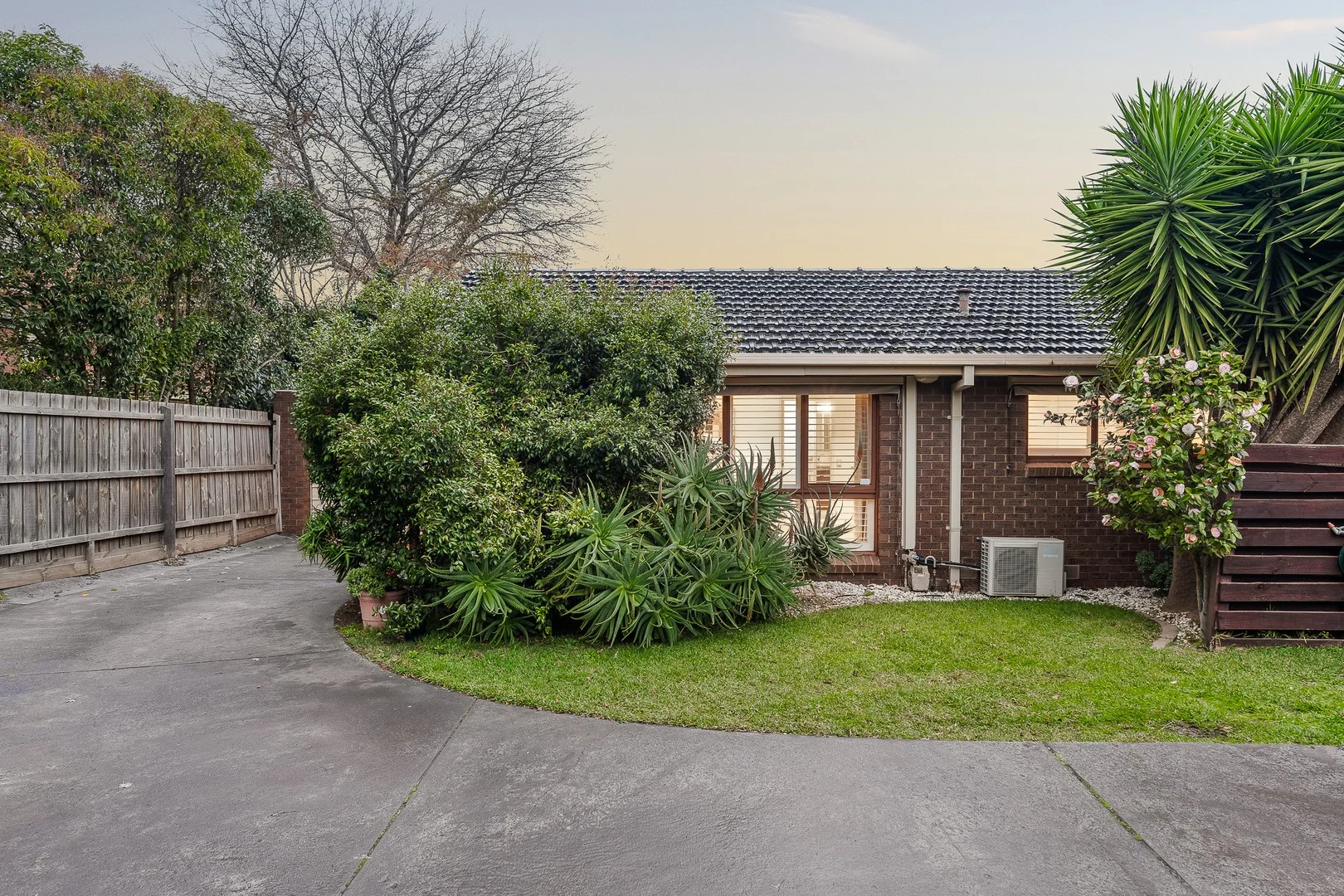 $770,000 - $820,000
Apartment / Unit / Flat
$770,000 - $820,000
Apartment / Unit / Flat
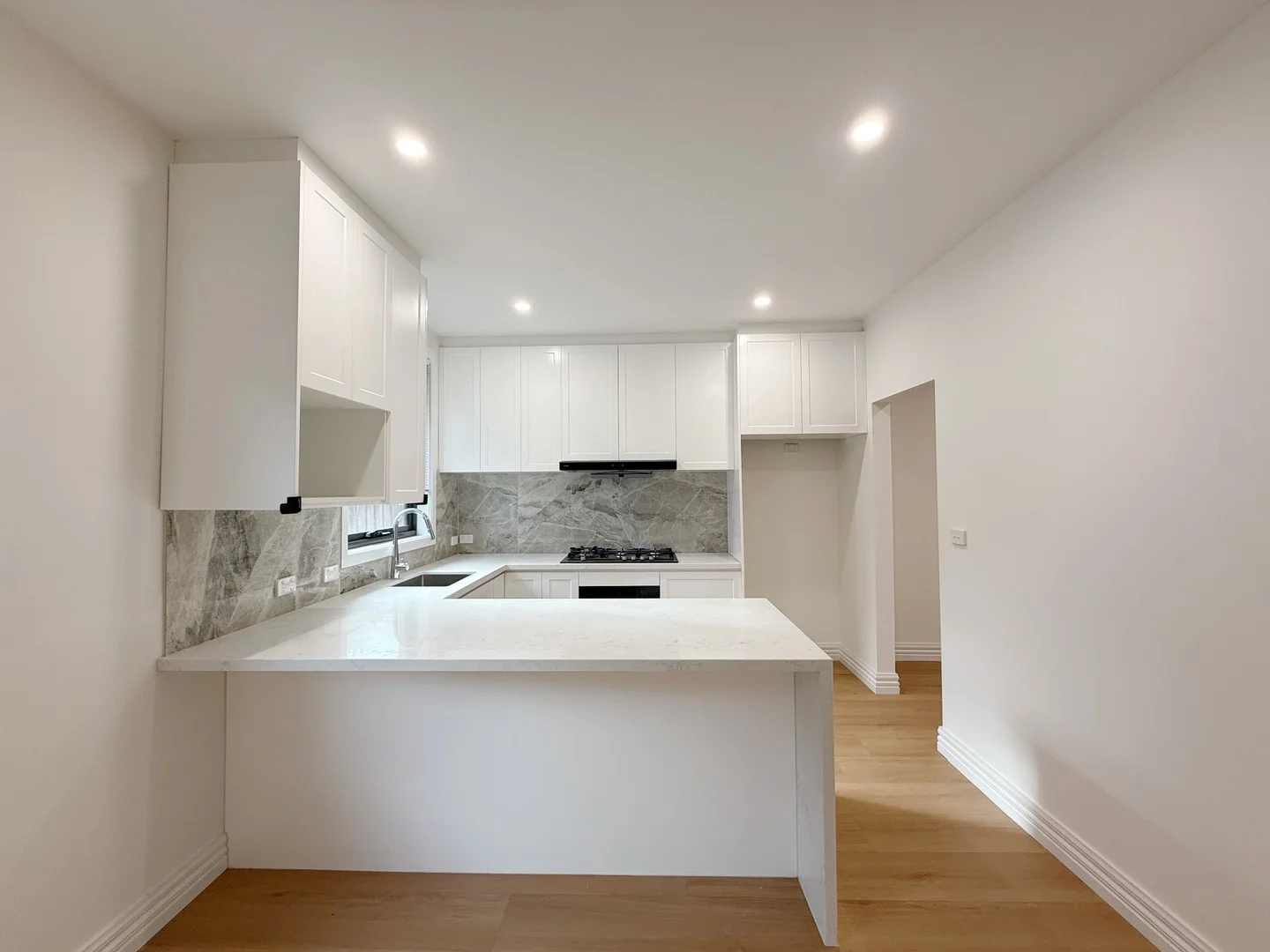 $1,280
House
$1,280
House
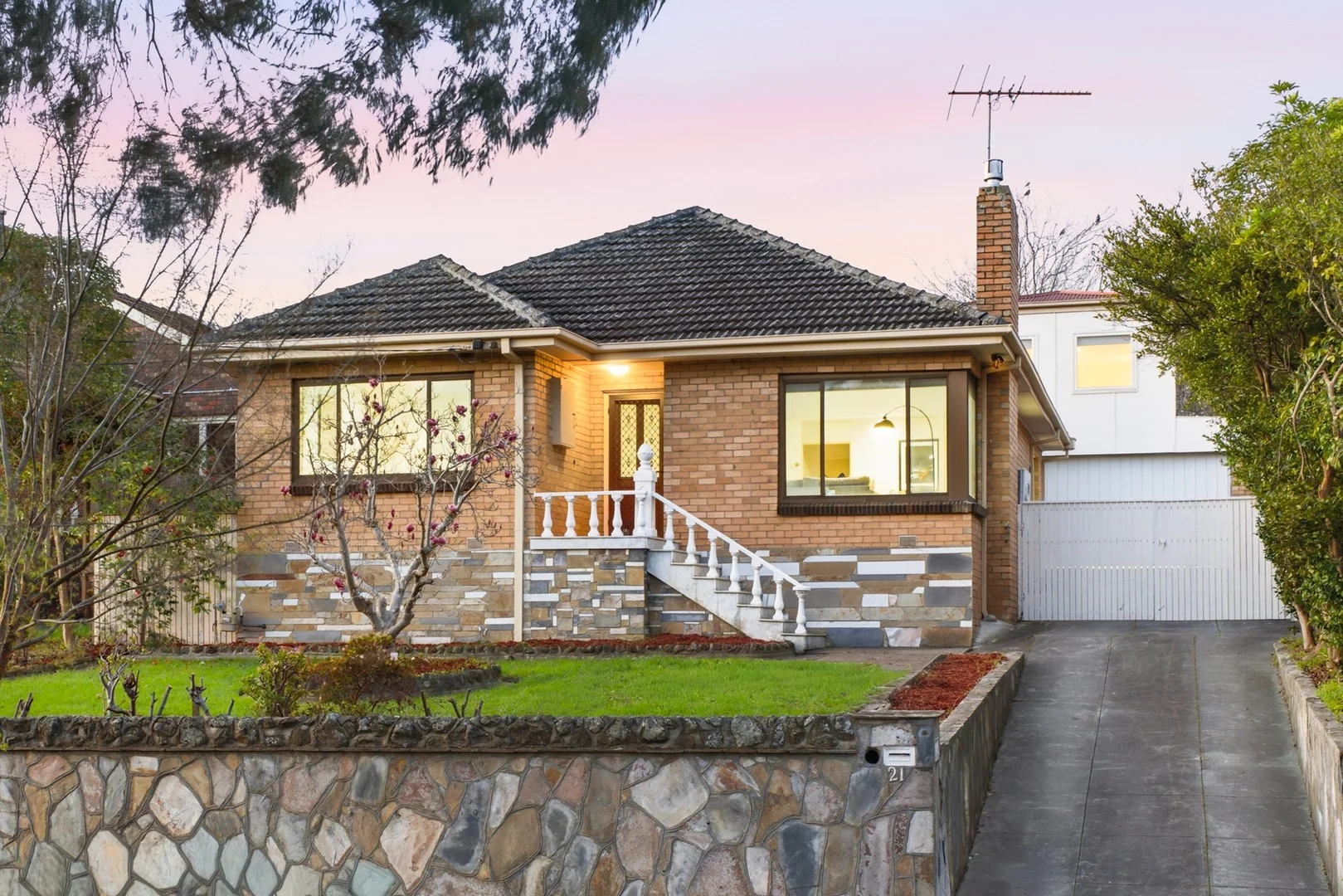 $1,200,000
House
$1,200,000
House
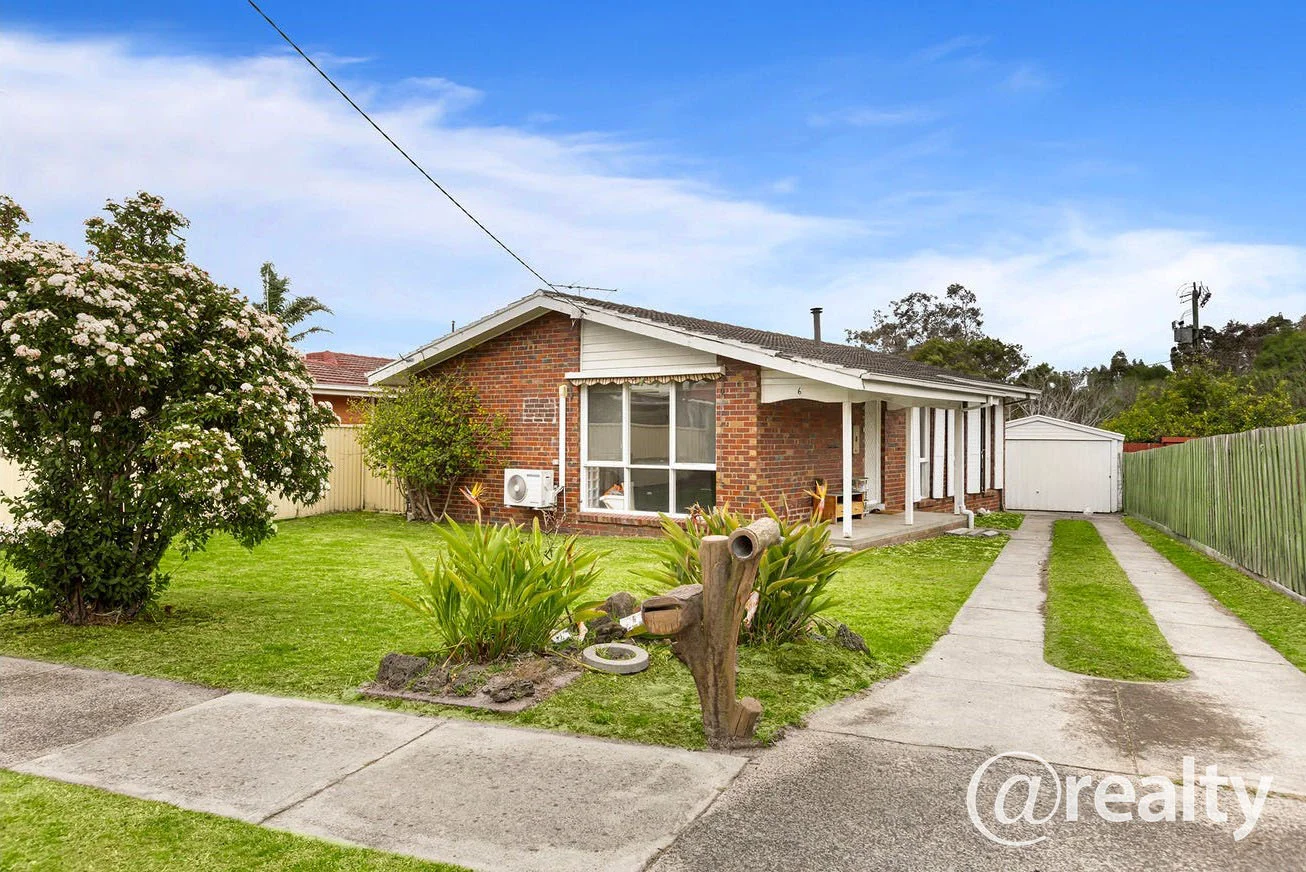 $610
House
$610
House
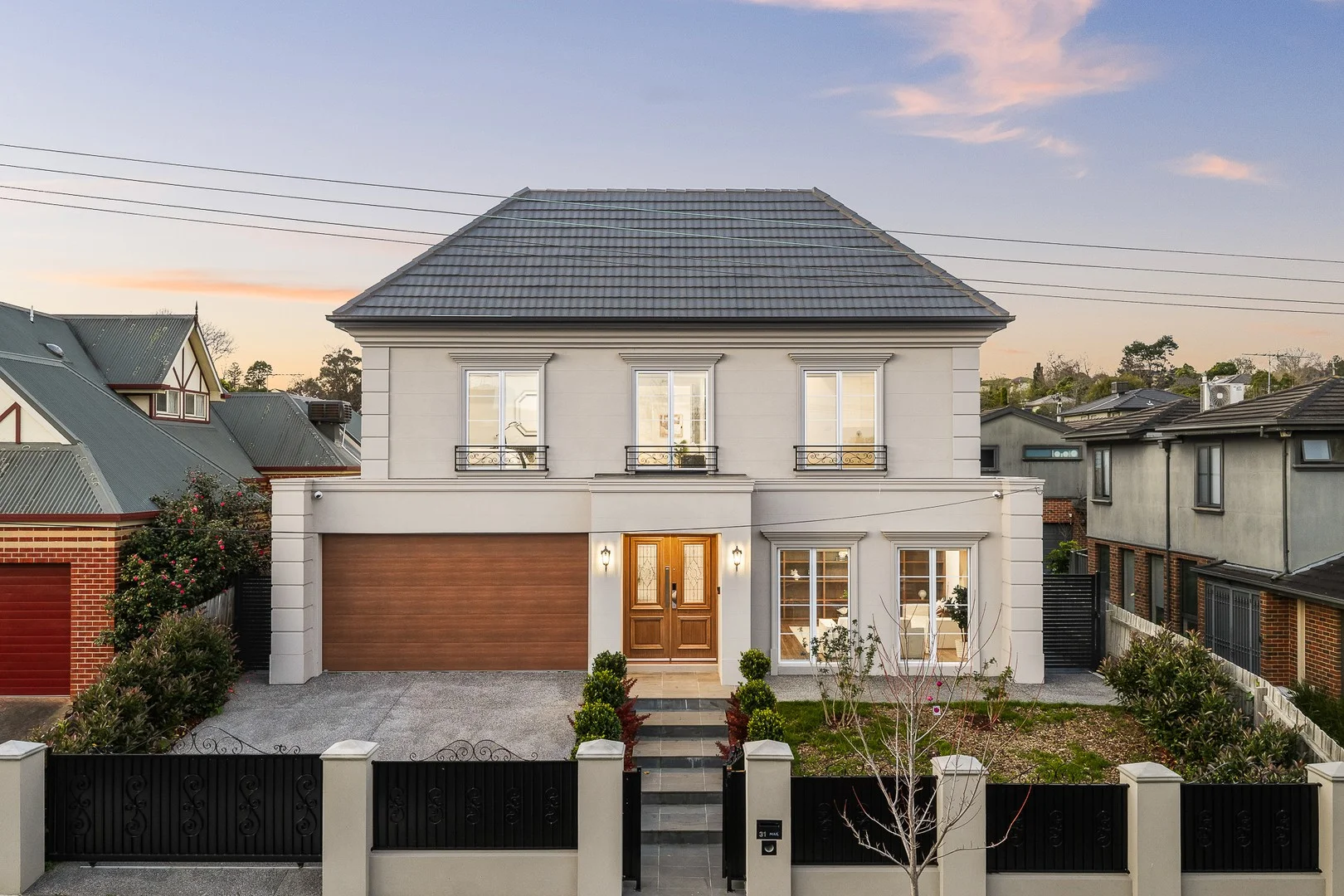 $2,550,000
House
$2,550,000
House
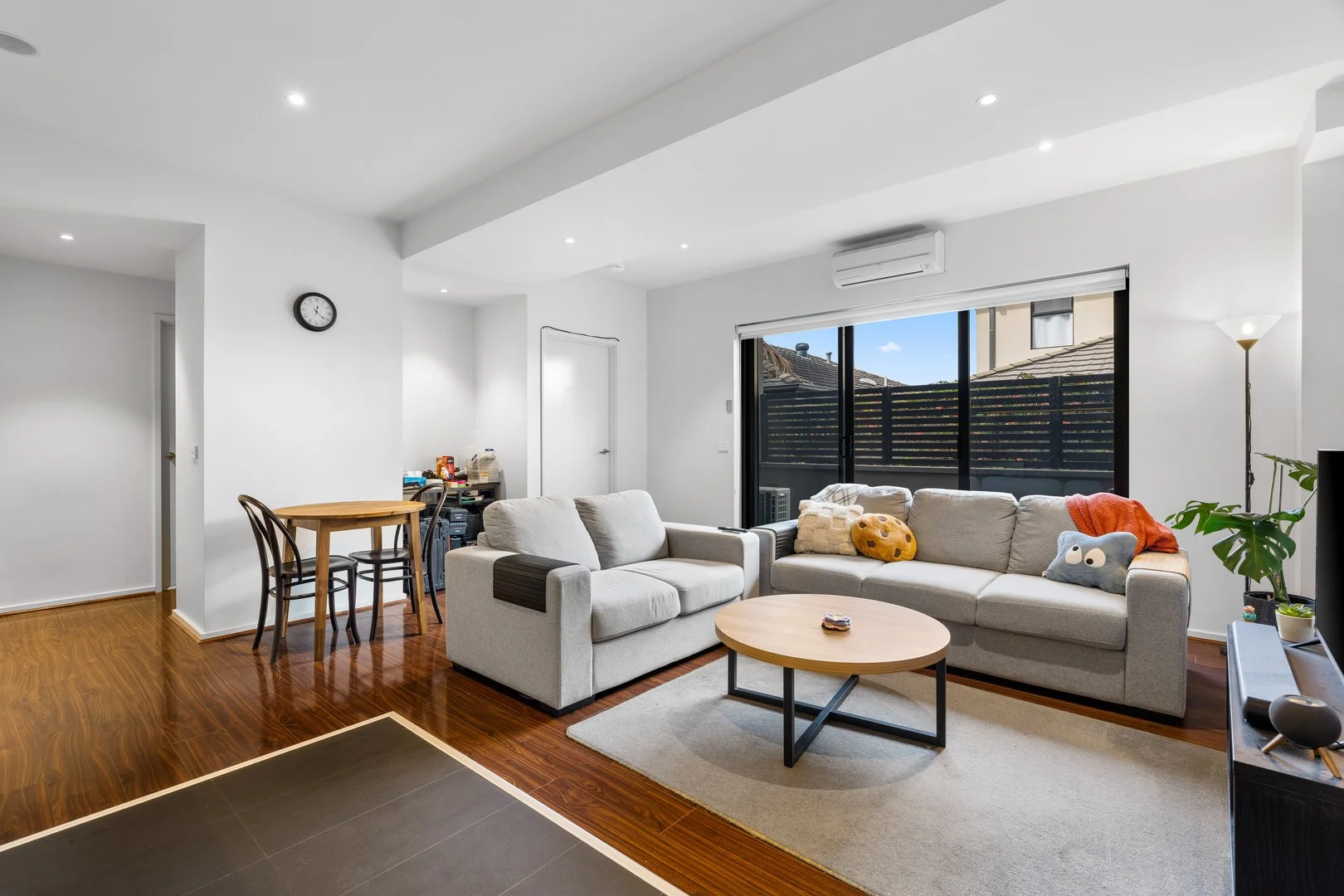 $385,000 - $410,000
Apartment / Unit / Flat
$385,000 - $410,000
Apartment / Unit / Flat
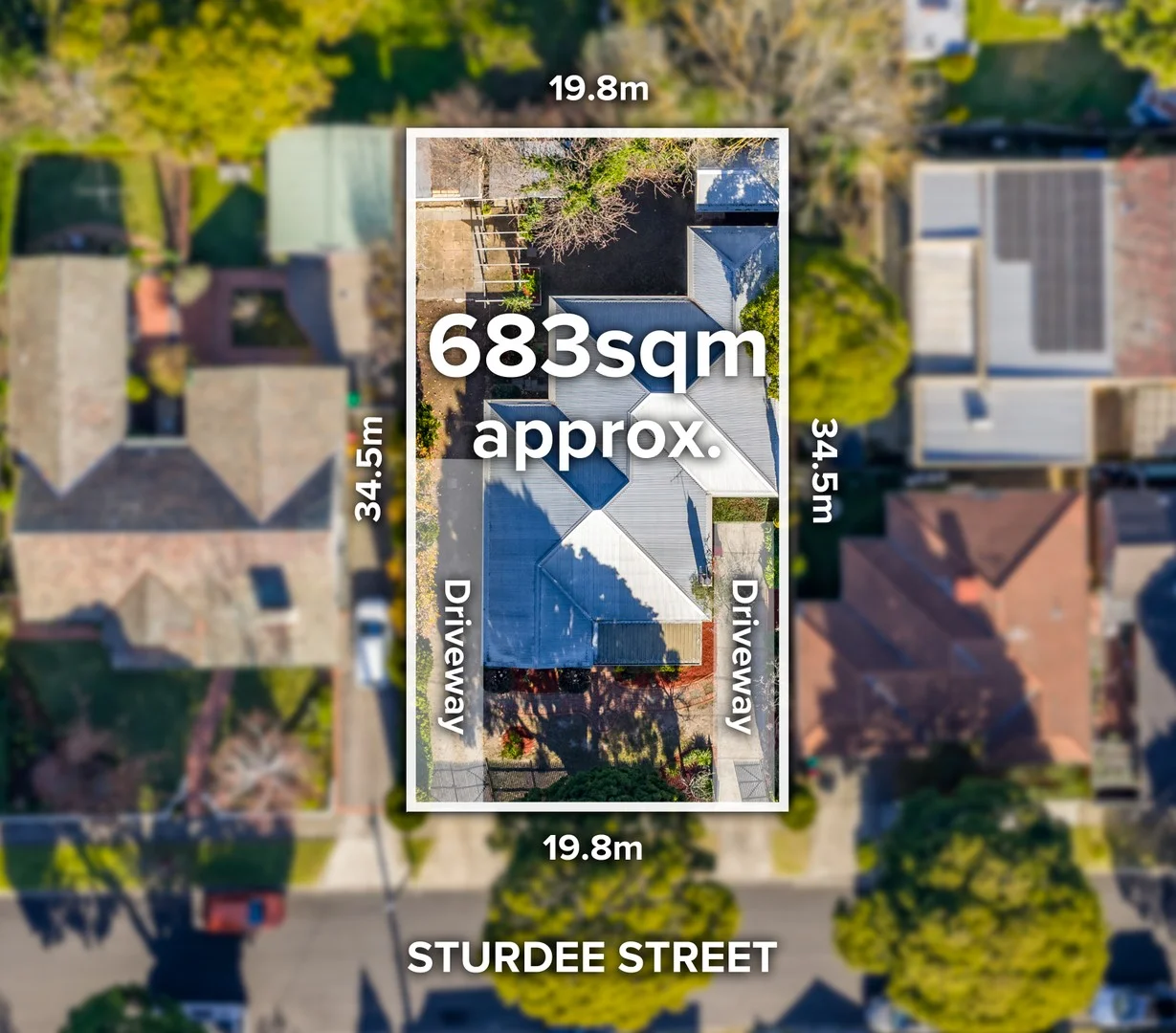 $2,000,000
House
$2,000,000
House
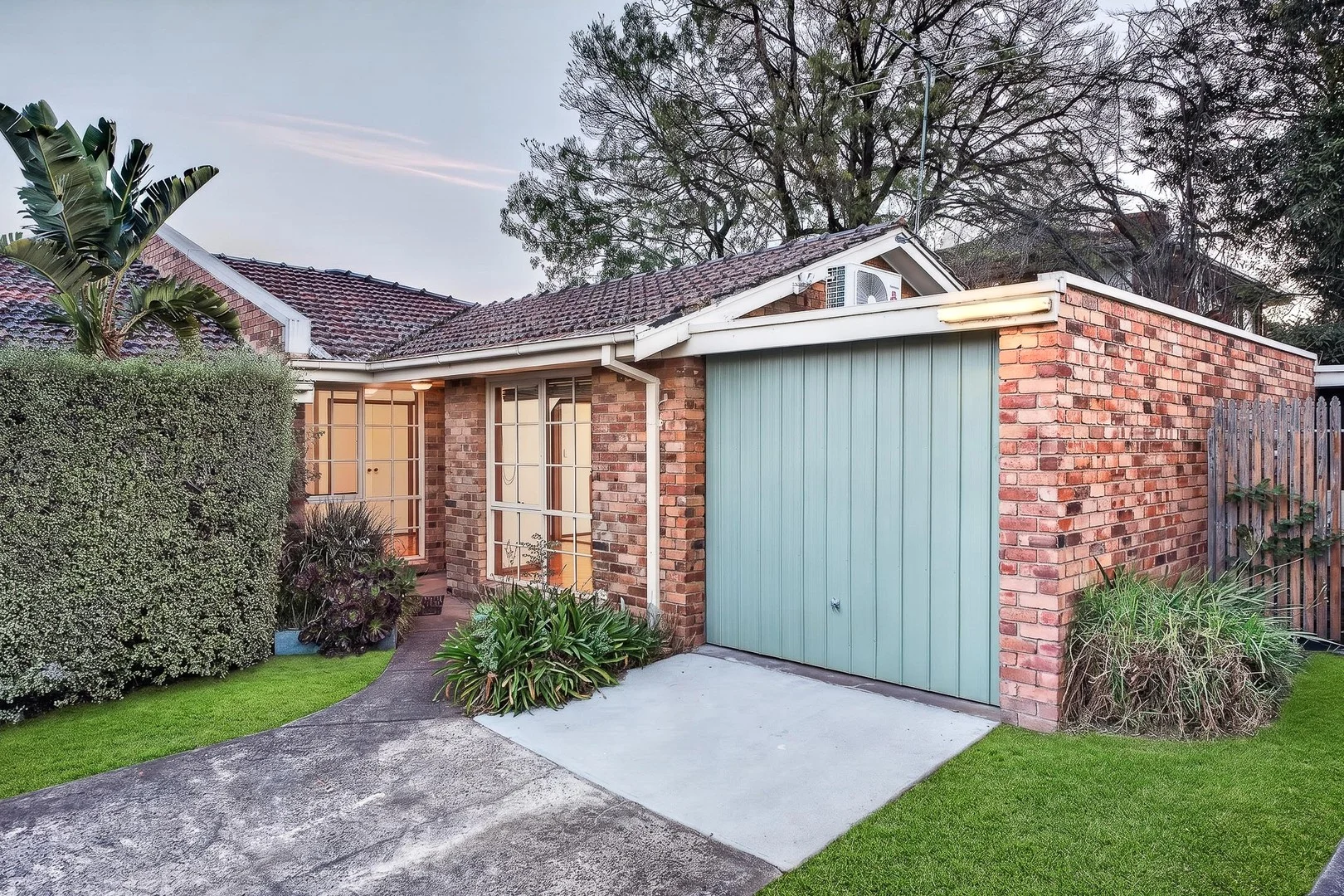 $765,000 - $825,000
Apartment / Unit / Flat
$765,000 - $825,000
Apartment / Unit / Flat
 $630,000 - $680,000
Apartment / Unit / Flat
$630,000 - $680,000
Apartment / Unit / Flat


